Commercial Roof Asset Management in Vallejo, CA
Organize roof assemblies, condition records and next actions across Vallejo properties with an asset inventory that supports maintenance and capital decisions.
Why Commercial Roofing Vallejo?
Commercial Roof Asset Management in Vallejo, CA
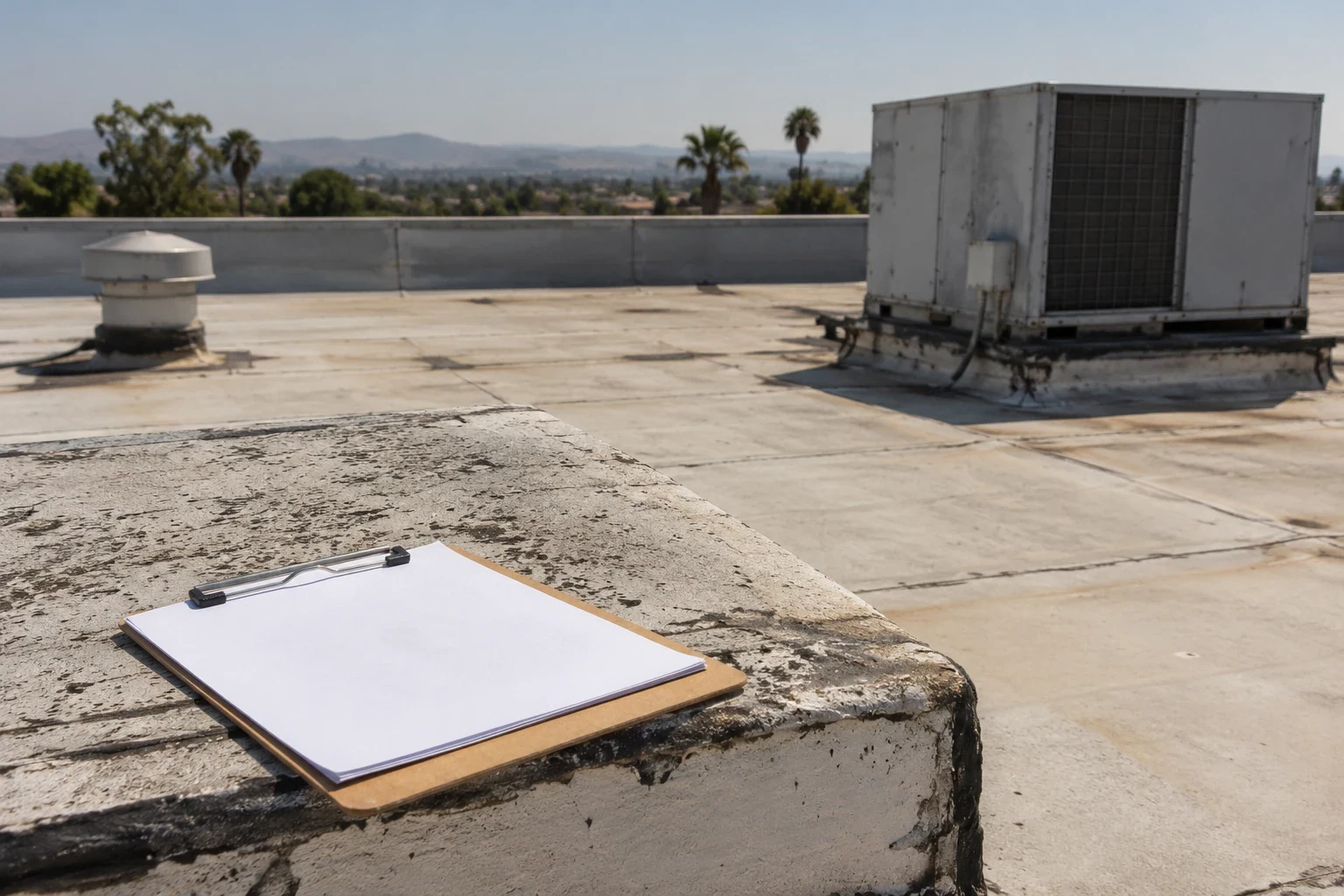
An owner with several commercial buildings needs a roof record that answers more than the age question. Assembly, repair history, access limits and current observations help explain why two roofs with similar installation dates may call for different next steps. We organize those details into a usable roof asset inventory for Vallejo portfolios, with each entry tied to the building and the evidence available.
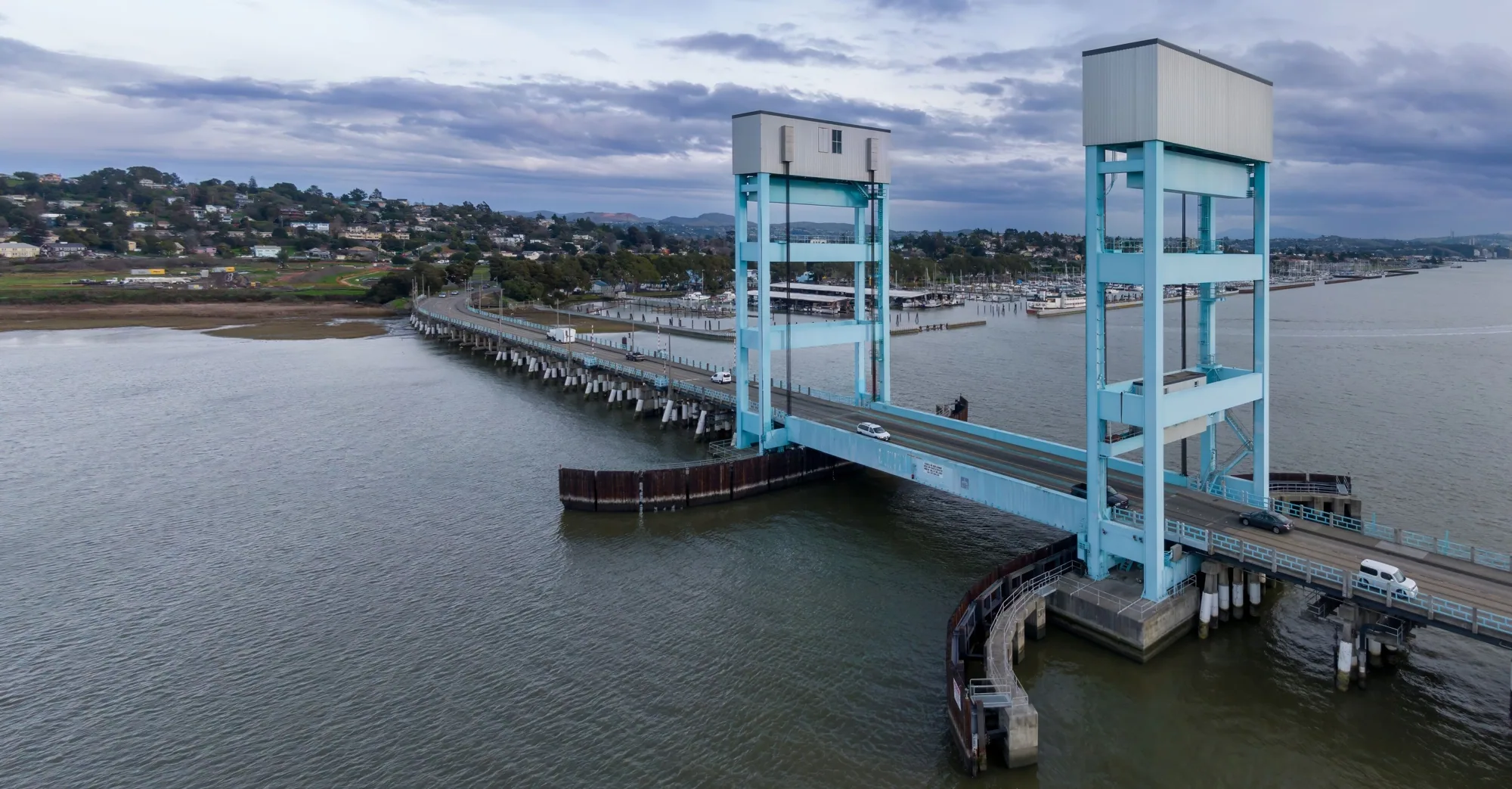
Mare Island includes office, retail and industrial spaces among a broader employment and community area. Downtown and the waterfront add different property uses to the local mix. A portfolio record should preserve those differences without treating a district label as a substitute for a site walk, roof plan or building-specific assessment.
For a property manager overseeing Mare Island, the useful starting point is the file that can be checked against the roof, not a summary field alone. Keep the supporting record, observation date and responsible contact next to each entry so the next review can separate confirmed information from a working assumption.
Inventory fields that support a real decision
Start with a stable property identifier, roof area or zone, known assembly, approximate installation or renewal history, and supporting record for each entry. Separate confirmed information from an owner estimate or an older project note. That simple distinction prevents a spreadsheet from turning an not yet confirmed assumption into a replacement year.
Record access conditions, equipment density, occupied spaces below and any restrictions that affect a future visit. For a Vallejo office property, the operating contact may differ from the person responsible for capital approval. Keeping both roles beside the roof record makes later scheduling and review more practical.
Attach available plans, photographs, invoices and closeout records to the relevant building entry. When a document covers only one phase or roof section, label its limits. The inventory then remains useful even when the portfolio has a mixture of complete records, partial files and buildings still awaiting assessment.
Assembly identity before portfolio grouping
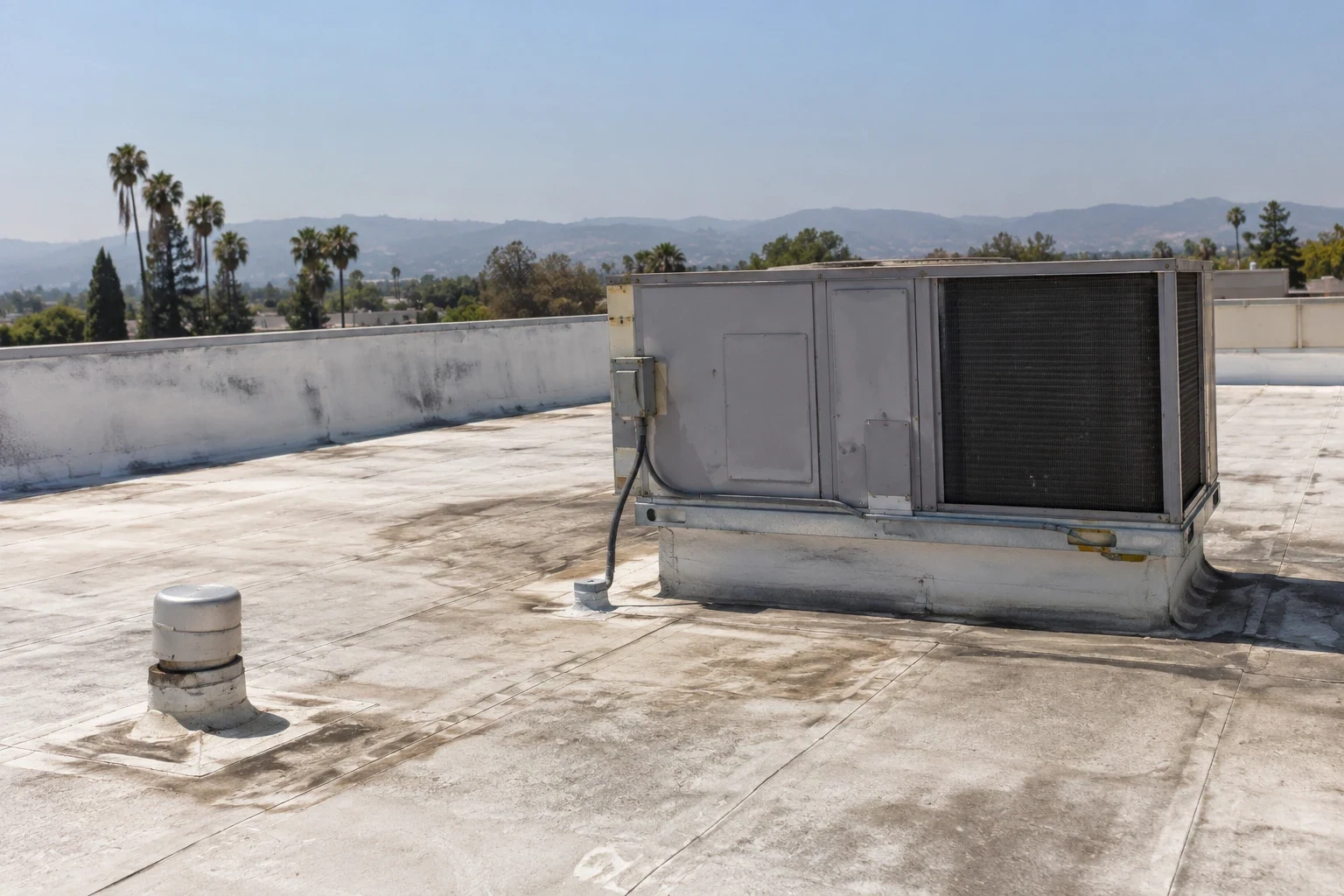
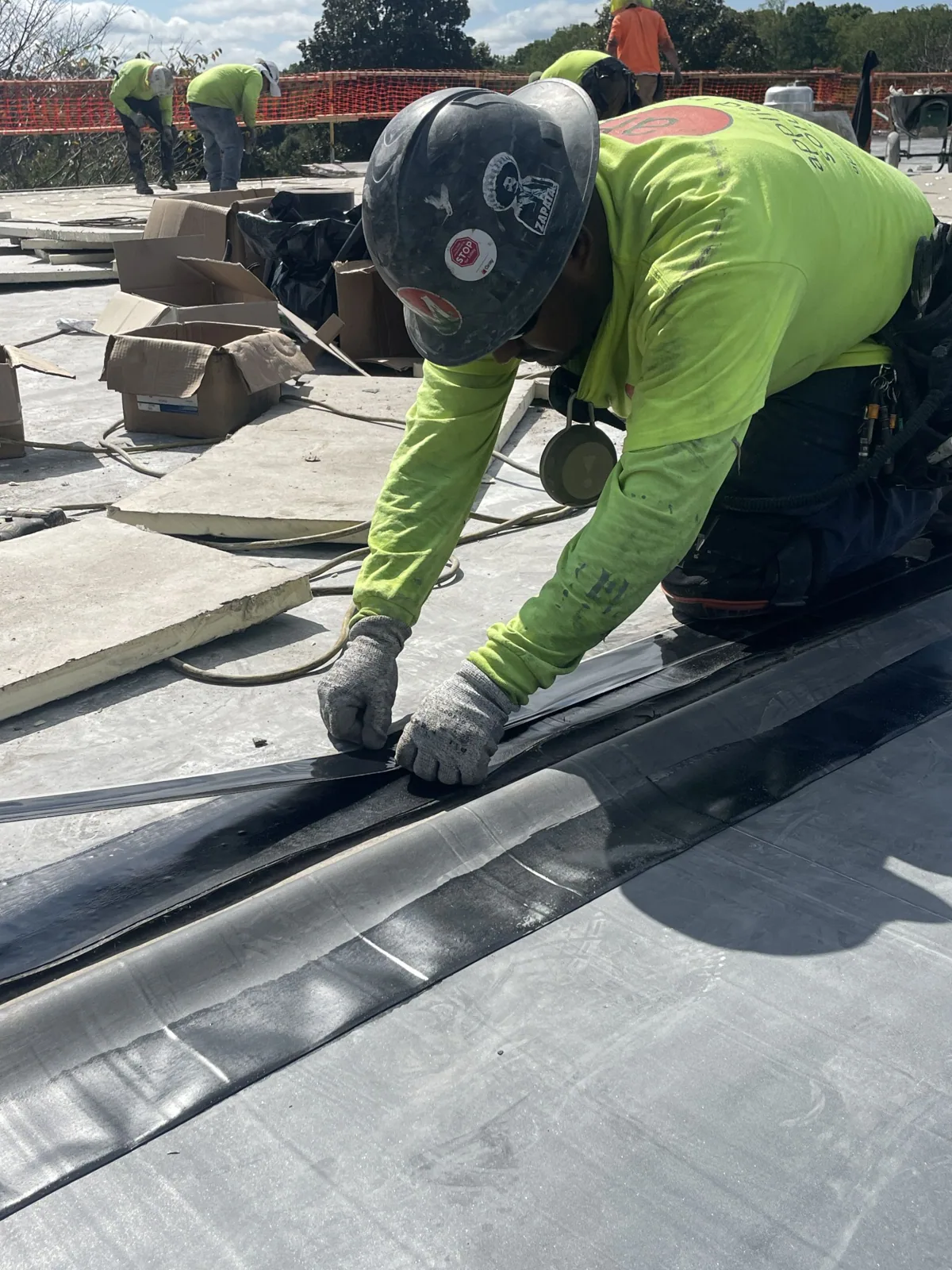
Group roofs by construction only after the material and assembly are reasonably identified. A membrane label alone may not describe insulation, cover board, attachment, slope changes or previous overlays. Note what the file supports and list the items that need field confirmation before a portfolio comparison is treated as like-for-like.
Commercial spaces on Mare Island include varied industrial, office and retail features. That mix makes the roof-use connection important: overhead equipment, internal operations and access routes can shape inspection planning even where two roof coverings appear similar from a distance.
Keep unknown layers visible instead of assigning a confident system name based on a single image. The next inspection can then resolve the correct question, such as whether a repair detail is compatible with the existing assembly or whether a broader evaluation is needed.
Condition history as a dated sequence
Store findings with their observation date, location, weather context when relevant, and the person or record that supplied the information. A repair invoice from a prior year is evidence of work reported, not proof that the same condition remains or that the full roof area received treatment.
Compare each new visit with the earlier record by roof zone. Note what changed, what remains open, and whether the examination covered the same area. A short update that identifies a new leak path or completed edge correction is more useful than overwriting the prior entry with a single current status.
Long-term Vallejo climate averages provide seasonal context, while roof condition remains a building-level question. Climate context can inform seasonal planning, but the inventory should rely on located roof observations for its repair and renewal recommendations.
Priorities without a false precision score
A portfolio ranking can organize review, but a single score should not hide the reason behind a high or low priority. Keep the underlying finding visible, along with the consequence, uncertainty and recommended next step. An urgent water path, a recurring maintenance item and an aging system are different decision types.
Separate work that protects current operations from planning that evaluates future renewal. If concealed moisture or inaccessible areas could materially change the scope, show that as an open investigation rather than silently increasing a condition rating.
Use practical priority bands with written definitions. The asset manager can then explain why a Vallejo waterfront office, a downtown retail building and an industrial property were scheduled differently without suggesting that location alone establishes roof condition.
Capital and maintenance links
Connect each inventory entry to a maintenance task, condition report or capital review when one exists. The link should point to the dated document and its roof zone, not just a shared folder. This makes it easier for the budget owner to trace a recommendation back to the observation that supports it.
When the record suggests a replacement discussion, create a separate capital planning review and identify the assumptions that still need confirmation. A portfolio list does not prove that one assembly will qualify for recover or that another has reached an end date.
A condition report with located findings can provide a current basis for this record. Pair it with building-level inspection notes and link maintenance history to the same identifier so completed corrections remain visible.
Field access and operating context
Before a roof visit, identify the contact who can arrange access and the constraints that affect the work. Active tenants, loading patterns, roof-mounted equipment and interior-sensitive operations can change the sequence of an examination. The inventory should make those practical conditions findable before a crew or consultant is scheduled.
For sites across Mare Island or Downtown Vallejo, keep the building name and roof area specific. A district-level label is helpful for routing and grouping, but never substitutes for the individual asset reference used in inspection notes and proposals.
Record who may authorize work, who needs operational notice and which interior spaces could be affected. These details support preventive maintenance scheduling without implying that all buildings can be entered or serviced on the same timetable.
Review cadence and record handoff
Review the inventory after a roof project, material repair, property acquisition or meaningful change in roof use. Keep earlier records rather than replacing them. A dated history lets the next manager distinguish a confirmed correction from a planned task or an observation that still needs investigation.
Agree on the next review date and the event that would bring it forward. A new leak, changed access condition or equipment project may justify an earlier check. The cadence should fit the record quality and operating context instead of applying one annual date as a promise about roof performance.
At handoff, deliver the current inventory, supporting documents, unresolved questions and named responsible contacts. A TPO assembly record or another system entry should retain its supporting detail. Property teams can then use the same record across managed buildings while preserving site-specific findings.
Commercial Roofing Questions
What belongs in a commercial roof asset inventory?
Use a building identifier, known roof assembly, dated condition records, repair history, access notes and supporting documents. Label estimates and unresolved details separately from confirmed observations.
Should roofs be grouped by age alone?
Age can help organize review, but assembly, condition, occupancy and repair history can change the next action. Keep those factors visible before treating roofs as comparable.
How often should an inventory be updated?
Update after a project, meaningful repair, acquisition or changed roof use. Set the next review according to record quality and operating needs, with earlier review when new evidence warrants it.
Can a district label replace the building reference?
No. District names can help route the work, but reports and maintenance entries should identify the specific property, roof zone and observation date.
What if original roof records are missing?
Mark the assembly or date as unknown and plan the assessment that would answer the relevant question. Avoid converting a guess into a portfolio fact.
Review the roof records and the decision ahead
Share available roof plans, inspection records, repair history, access needs and budget timing. We will help identify a practical next review for the assigned Vallejo property or portfolio.
Request a Roof Assessment
Questions About Commercial Roof Asset Management in Vallejo, CA
Common questions from building owners and property managers.
What belongs in a commercial roof asset inventory?
Use a building identifier, known roof assembly, dated condition records, repair history, access notes and supporting documents. Label estimates and unresolved details separately from confirmed observations.
Should roofs be grouped by age alone?
Age can help organize review, but assembly, condition, occupancy and repair history can change the next action. Keep those factors visible before treating roofs as comparable.
How often should an inventory be updated?
Update after a project, meaningful repair, acquisition or changed roof use. Set the next review according to record quality and operating needs, with earlier review when new evidence warrants it.
Can a district label replace the building reference?
No. District names can help route the work, but reports and maintenance entries should identify the specific property, roof zone and observation date.
What if original roof records are missing?
Mark the assembly or date as unknown and plan the assessment that would answer the relevant question. Avoid converting a guess into a portfolio fact.