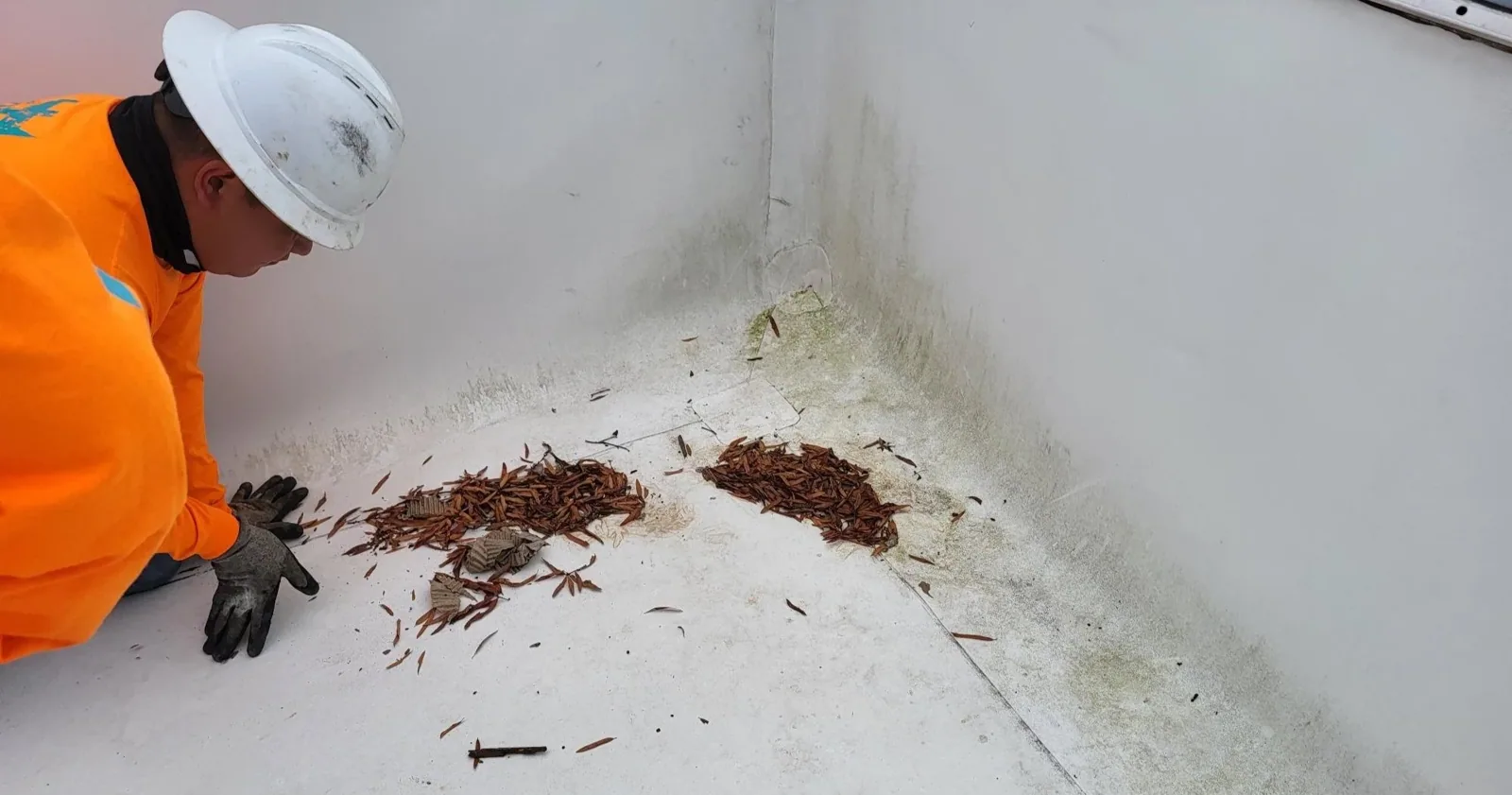
Commercial Roofing for Property Management Companies in Vallejo, CA
Roof inspections, repair scopes, and capital planning for property managers overseeing commercial buildings in Vallejo, by assembly and operating need.
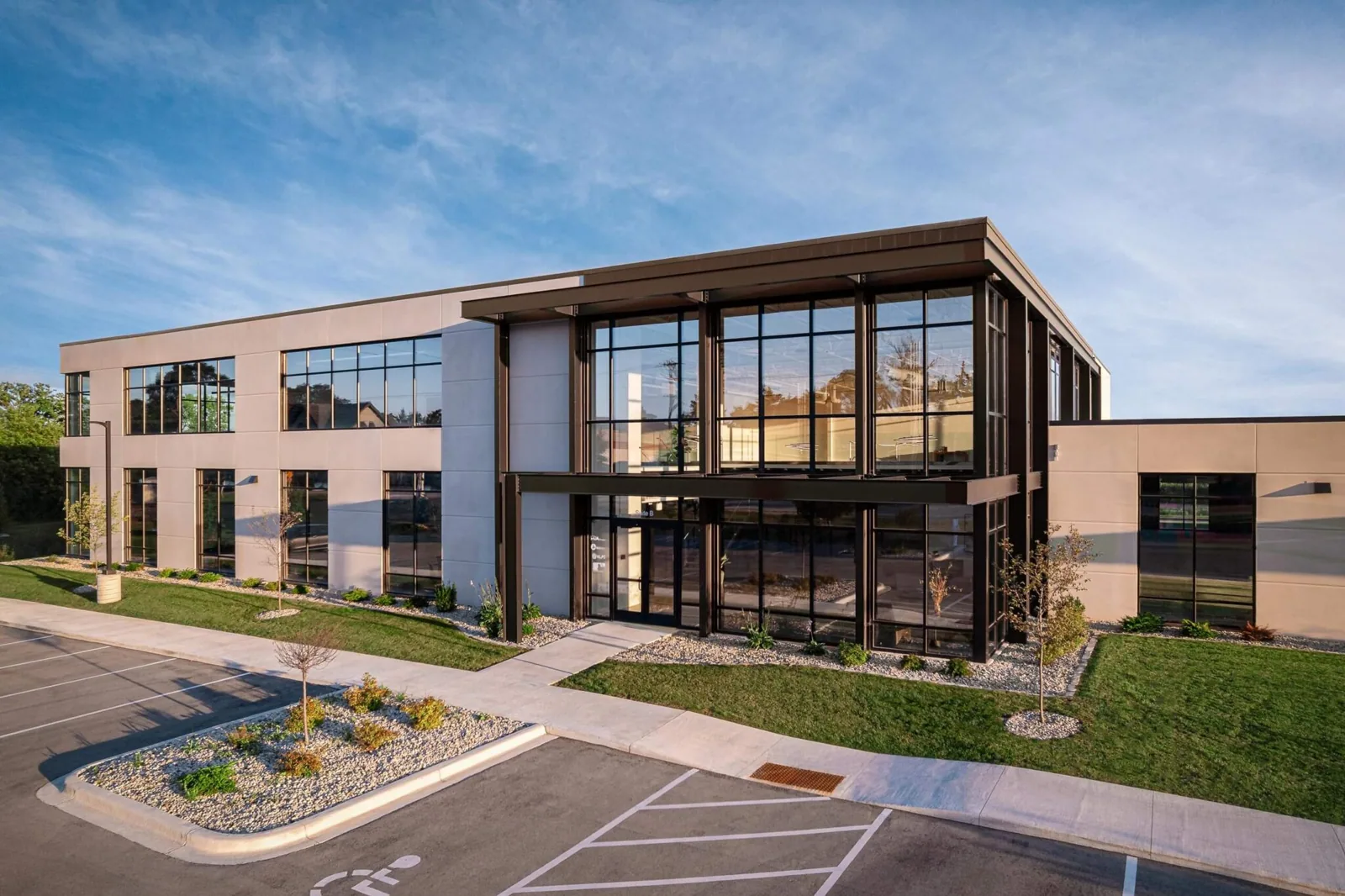
Why Commercial Roofing Vallejo?
Commercial Roofing for Property Management Companies in Vallejo, CA
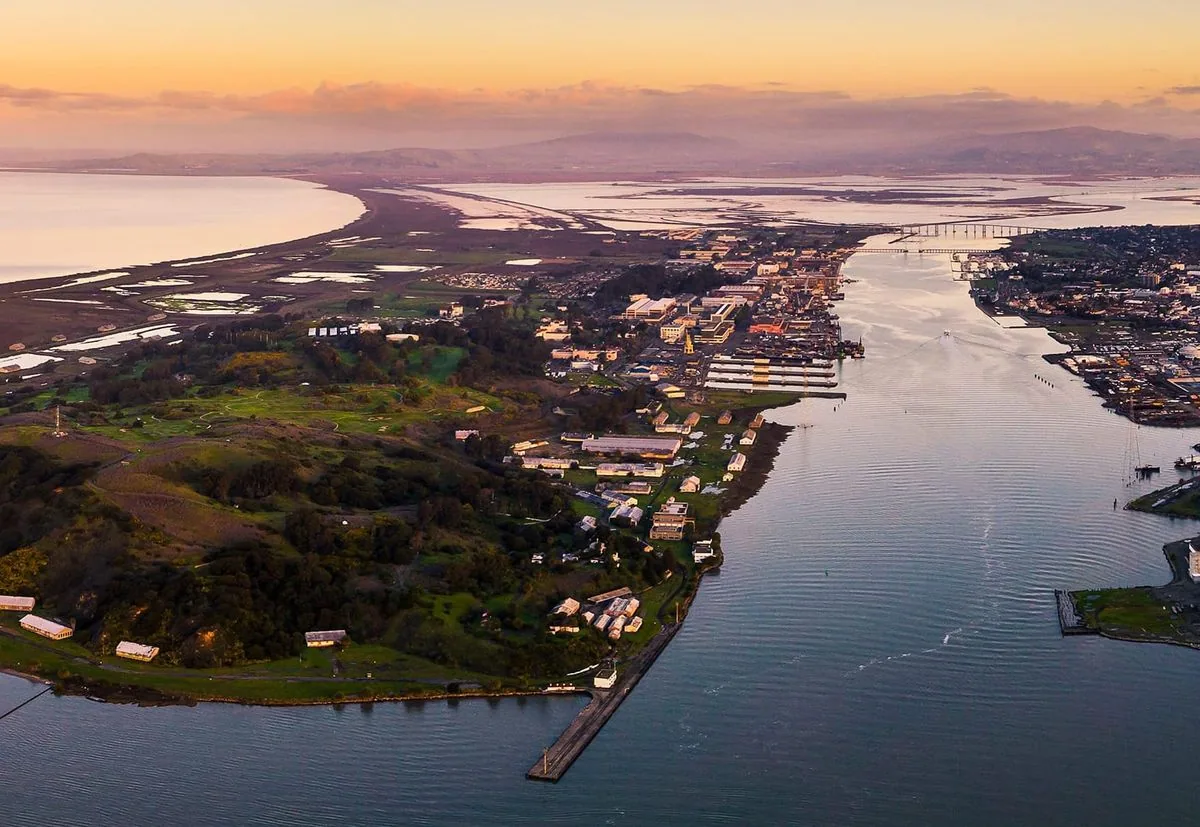
Portfolio maintenance gets easier when each Vallejo roof has a building-specific record that turns field observations into a clear next step. Vallejo's commercial inventory runs from offices and retail to industrial properties on Mare Island and Downtown Vallejo. Mare Island is a mixed employment and community area with more than 100 businesses across office, retail, and industrial spaces, a nature preserve, residential neighborhoods, and Touro University. Downtown Vallejo projects can involve civic, housing, infrastructure, and waterfront coordination; keep each roof recommendation tied to the building record. Neither district name tells us a particular roof's assembly or condition. We document each property by roof zone, drain, penetration, edge, and repair history, then identify the next action and access needs. A roof asset record can carry findings across a portfolio. A site inspection establishes current conditions, while Mare Island coverage remains limited to actual eligible properties and approved access.
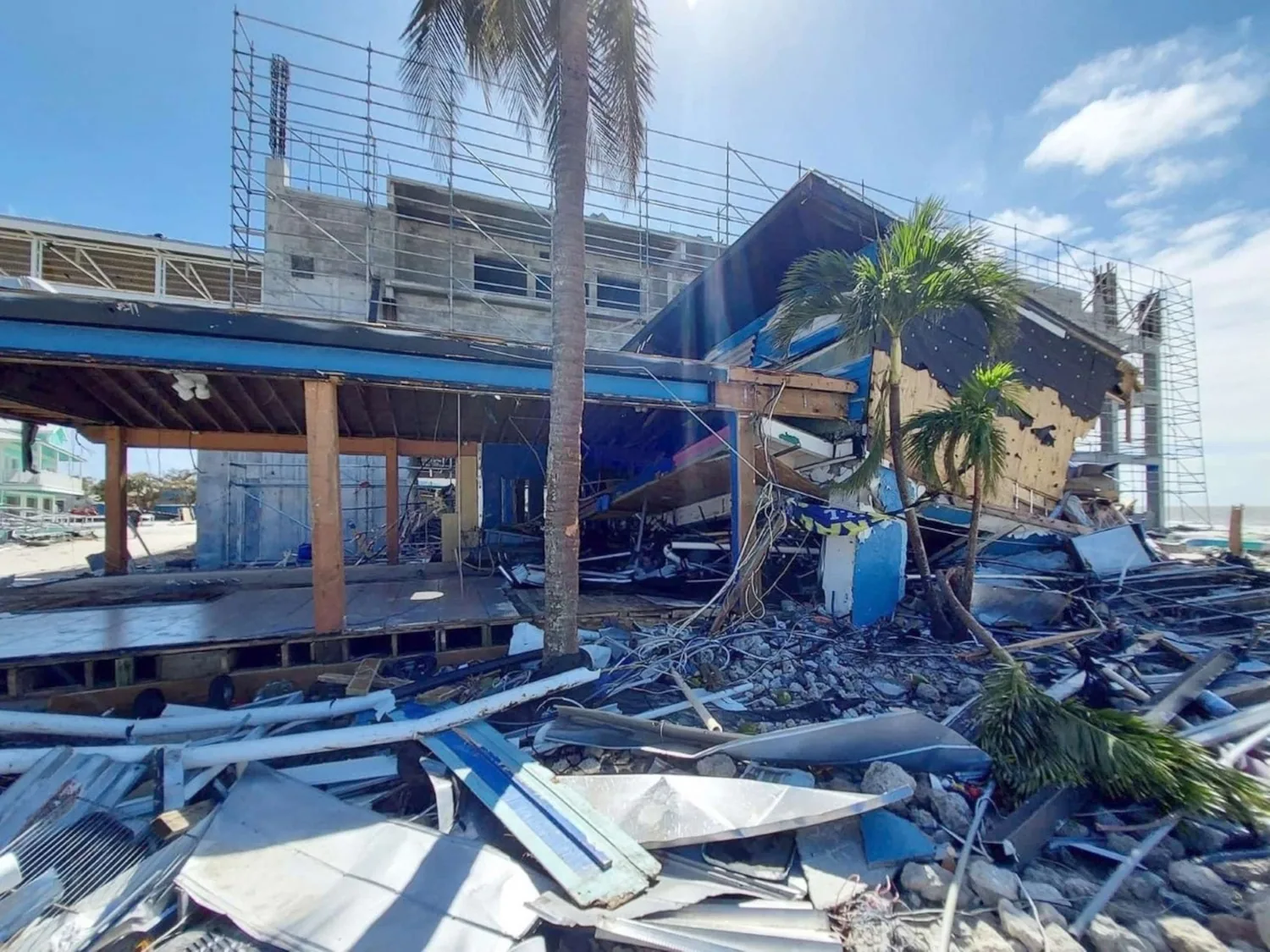
Give Each Building Its Own Condition Line
Buildings with similar construction dates can differ in assembly, drainage, repair history, tenant use, and access. We keep each record tied to the roof that was observed, noting membrane or metal type, visible seams, flashings, penetrations, drains, perimeter conditions, and any area that could not be reached. A leak note should identify the room and likely roof zone; the ceiling stain alone rarely locates the entry point. Put weather-related schedule changes in the property log with affected zones, tenant notices, and the person who approved revised access. Midsummer is a dry scheduling window in Vallejo: local climate charts show typical highs near 85 to 87°F and zero average rain in both July and August. Add a drain review before wetter months, then set each building's scope from observed outlet performance. The manager can compare condition trends across properties while retaining the evidence that supports each recommendation.
Coordinate Tenants, Vendors, and Roof Access
A roof scope affects more than the surface above a suite. We identify active tenants, delivery hours, rooftop equipment, service routes, and any interior areas that need protection. Before dates are set, the manager confirms roof access, keys, escorts, notice timing, loading limits, and available work periods. The occupied-building sequence can divide work into roof zones and identify noisy tasks, staging areas, and daily close-in points. Tenant notices can then name the affected entrances, work hours, and any temporary route changes. On multi-tenant properties, we map where temporary access or staging could affect common areas and keep those assumptions visible. If an area is unavailable during inspection, it stays in the follow-up list. That lets the manager communicate a known limitation rather than treating an incomplete survey as a clean report.
Turn Findings Into Work Orders and Capital Choices
Repairs, preventive maintenance, testing, and replacement should not be combined into one vague roof allowance. We show the property, zone, observed condition, recommended action, and access assumption for each item. Local seam or flashing damage may support a focused repair when surrounding material is sound and the water path is understood. Repeated failures, widespread moisture, or details that cannot be restored may justify a renewal scope. Office buildings and warehouses can have different roof access and interior impacts, so their findings stay in separate property records beside the broader portfolio. The manager can issue near-term work orders separately from capital requests, with testing needs and exclusions called out before bids are compared. This helps owners see which action protects operations now and which belongs in a longer budget window.
Compare Properties Without Flattening the Differences
A portfolio dashboard can standardize fields such as assembly, last inspection, active repairs, priority, and next review date. It should not make one roof's condition stand in for another. Mare Island combines business, community, and institutional uses. South of Downtown, Curtola Employment Center is a distinct employment area where future plans allow worker-serving commercial activity. That planned use does not establish current tenants or roof systems. These area patterns can shape access questions, but each roof assembly still needs a building-level review. We organize findings into immediate water-entry work, planned maintenance, and renewal candidates, then note lead time, tenant notification, material staging, and approval dependencies. A capital schedule can help ownership set the sequence while preserving the site-level repair boundary and condition evidence for every asset. A real-estate owner review can use the same site records to weigh capital timing, while a manufacturer's facilities team may need added production and shift coordination. The underlying roof evidence stays the same; the operating and approval context changes by owner. We show those differences as notes on each building rather than hiding them in a portfolio average.
Keep Closeout Useful for the Next Manager
After work, we provide zone photographs, repair details, materials, drain and edge observations, and any testing or inspection notes. We list areas outside the approved scope, access limits, and follow-up items so a later manager can distinguish completed repairs from unresolved conditions. If roof access changes, tenants move, or mechanical equipment is replaced, the assembly record can be updated with those changes. On a property in Downtown Vallejo or along a neighborhood corridor, the local setting can help with site logistics, but only the actual roof record should drive the next repair decision. A shared portfolio format can carry findings to ownership and vendors; a property-specific closeout keeps the handoff grounded in what was inspected and installed.
Set a Review Rhythm That Matches Roof Risk
Inspection timing can follow condition, active leak history, recent repairs, drainage needs, and planned tenant or equipment changes. A roof with open follow-up items may need a revisit sooner than a stable assembly with a current record. We can map drains and penetrations, photograph recurring details, and assign a next check date for each property. A maintenance program can carry that schedule into work orders, while drainage service addresses blockages and drain details that need attention. The manager retains a concise record for ownership and can update it after each service call. This makes annual budgeting more reliable because the portfolio list reflects present observations rather than a generic replacement cycle applied to every tenant space.
After a roof event, log the call date, property contact, scope decision, and unresolved access item.
Commercial Roofing Questions
What should a commercial property manager receive after a roof inspection?
We provide findings by property and roof zone, with photographs, assembly notes, visible defects, drain and edge observations, access limits, and recommended actions. The report separates confirmed conditions from possible moisture paths that need testing. A manager can use that record to assign work orders and prepare a capital request without losing the building context. It should also name the next access step, any test still needed, the repair boundary, and the person responsible for follow-up so a vendor handoff does not leave a roof zone without an owner.
How do you handle roof repairs at a multi-tenant building?
The manager confirms tenant schedules, access, delivery rules, equipment constraints, and areas needing protection. We plan work by roof zone, identify where staging or lifts may affect common areas, and document any unavailable section. Notices and phasing can then match the approved scope and the actual building operations.
Can one roofing contractor help compare a portfolio of different roof systems?
We can use a consistent record format for assembly, condition, repairs, and next action while evaluating every property separately. Membrane, metal, coating, and built-up systems have different details and renewal options. The portfolio view supports prioritization, while each site's observations determine the scope and budget assumptions.
How should a manager decide which roof belongs in the next capital cycle?
Compare recurring failures, moisture findings, drainage, repair limits, tenant impact, and any testing still needed. We separate urgent work from planned maintenance and full renewal candidates, then note access, lead time, and phasing. Ownership can set priorities from that evidence and revisit the schedule as conditions change.
Review the Portfolio Roof Record
Arrange a roof review with property lists, repair history, tenant schedules, access rules, and budget timing so each recommendation stays tied to the building it serves.
Request a Roof Assessment
Questions About Commercial Roofing for Property Management Companies in Vallejo, CA
Common questions from building owners and property managers.
What should a commercial property manager receive after a roof inspection?
We provide findings by property and roof zone, with photographs, assembly notes, visible defects, drain and edge observations, access limits, and recommended actions. The report separates confirmed conditions from possible moisture paths that need testing. A manager can use that record to assign work orders and prepare a capital request without losing the building context. It should also name the next access step, any test still needed, the repair boundary, and the person responsible for follow-up so a vendor handoff does not leave a roof zone without an owner.
How do you handle roof repairs at a multi-tenant building?
The manager confirms tenant schedules, access, delivery rules, equipment constraints, and areas needing protection. We plan work by roof zone, identify where staging or lifts may affect common areas, and document any unavailable section. Notices and phasing can then match the approved scope and the actual building operations.
Can one roofing contractor help compare a portfolio of different roof systems?
We can use a consistent record format for assembly, condition, repairs, and next action while evaluating every property separately. Membrane, metal, coating, and built-up systems have different details and renewal options. The portfolio view supports prioritization, while each site's observations determine the scope and budget assumptions.
How should a manager decide which roof belongs in the next capital cycle?
Compare recurring failures, moisture findings, drainage, repair limits, tenant impact, and any testing still needed. We separate urgent work from planned maintenance and full renewal candidates, then note access, lead time, and phasing. Ownership can set priorities from that evidence and revisit the schedule as conditions change.