Commercial Roofing for the Vallejo Waterfront District
Commercial roof reviews across Vallejo's broader waterfront district, with building-specific assembly, access, drainage, and renewal records.
Why Commercial Roofing Vallejo?
Commercial Roofing for the Vallejo Waterfront District
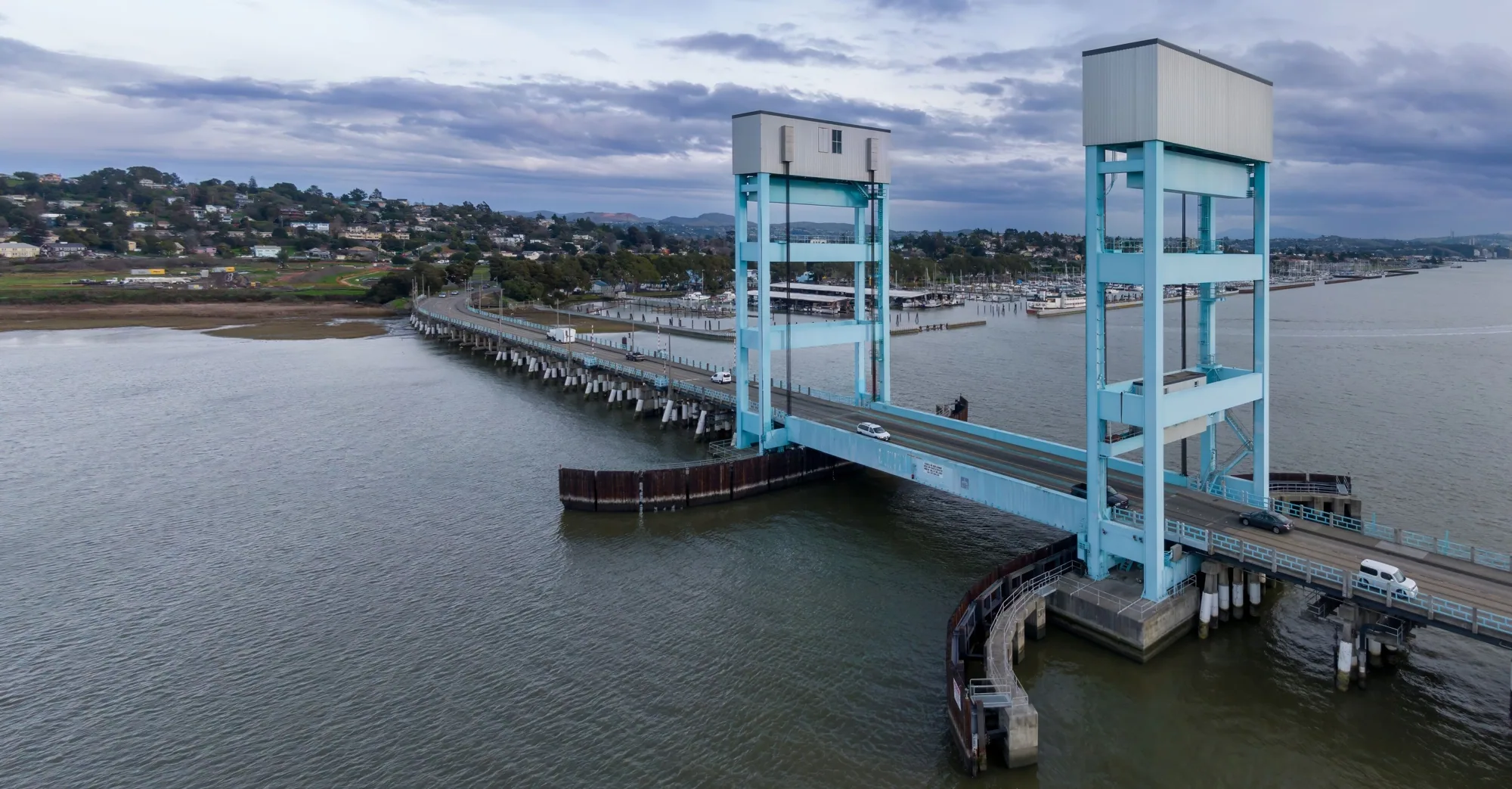
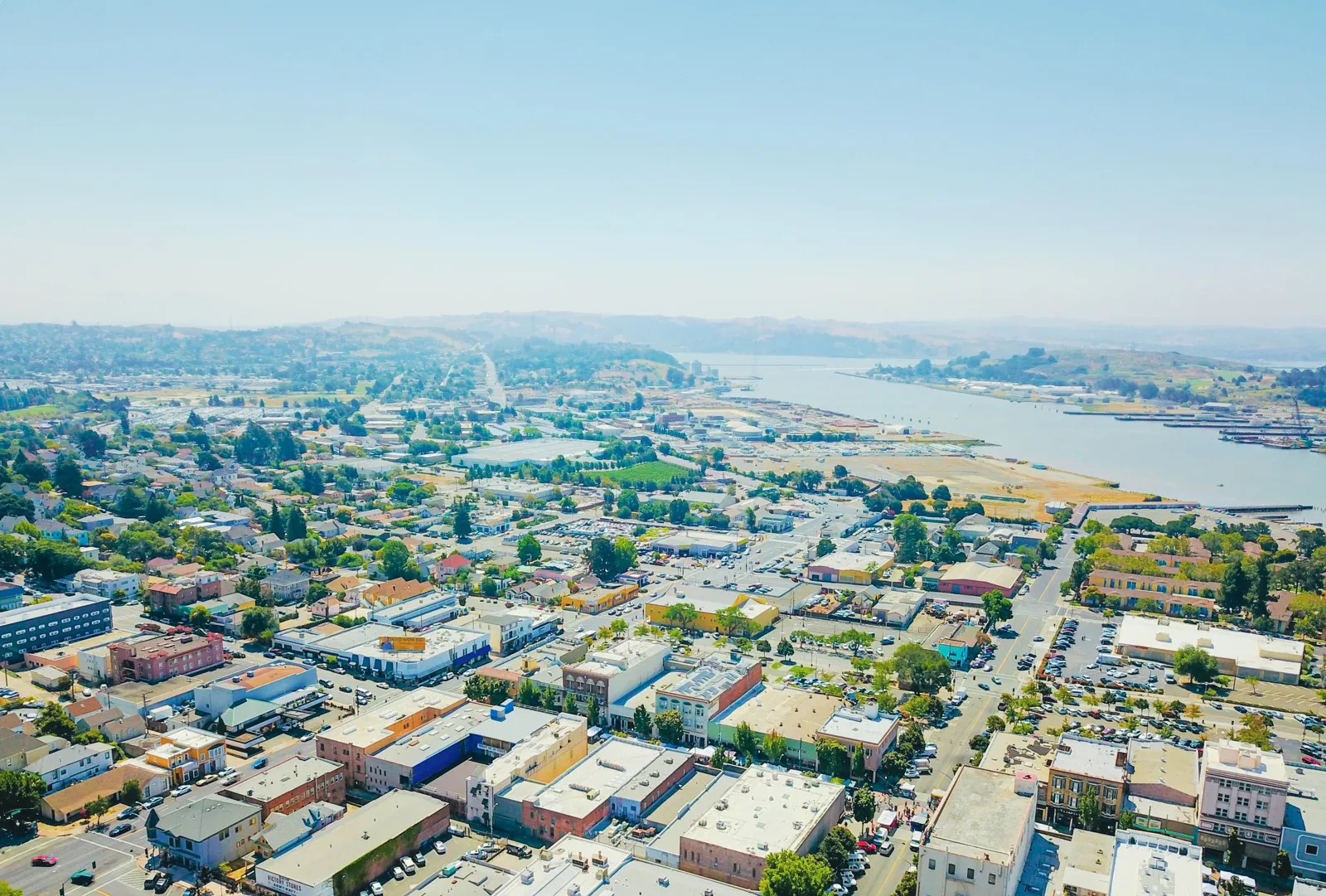
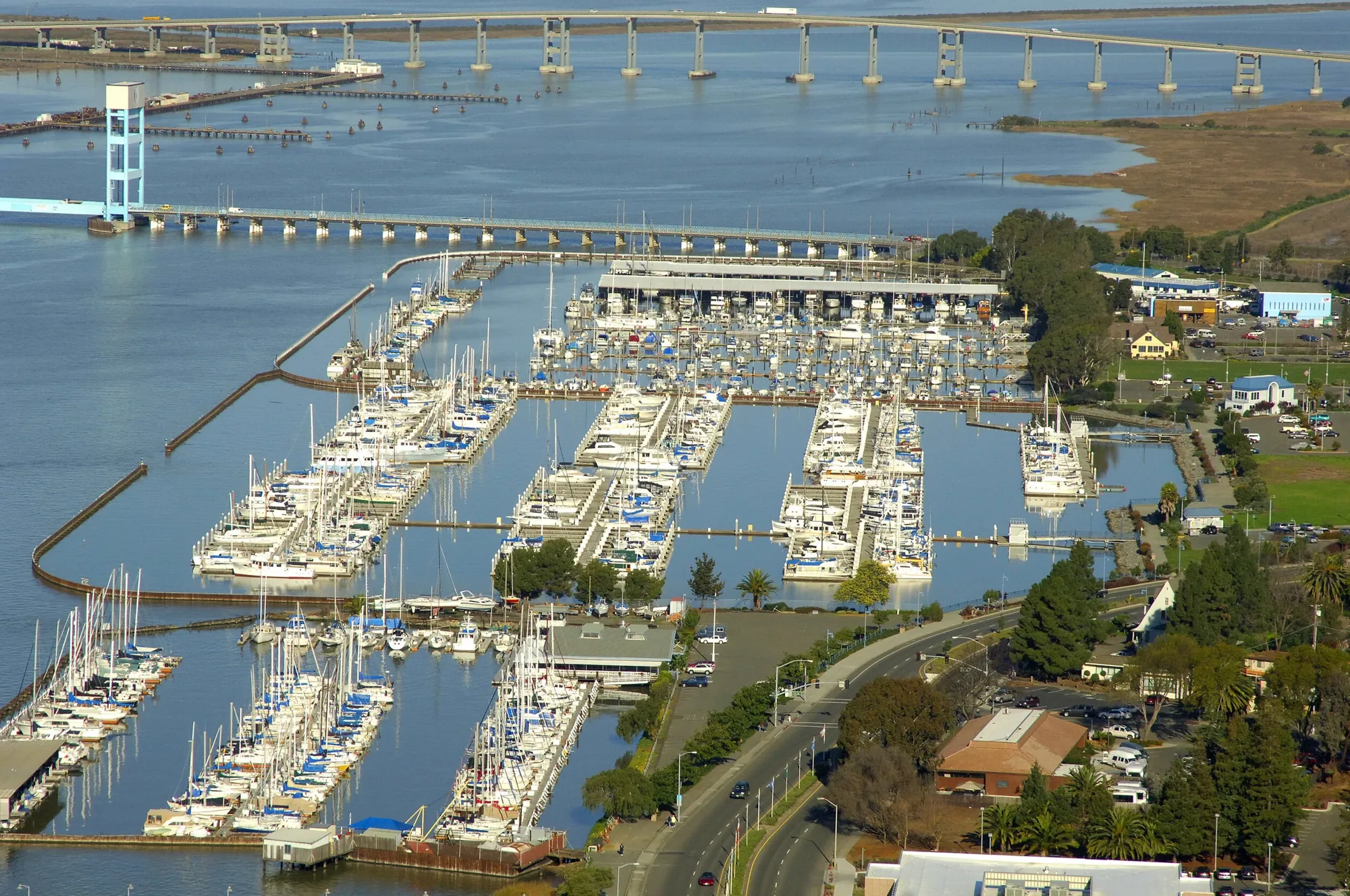
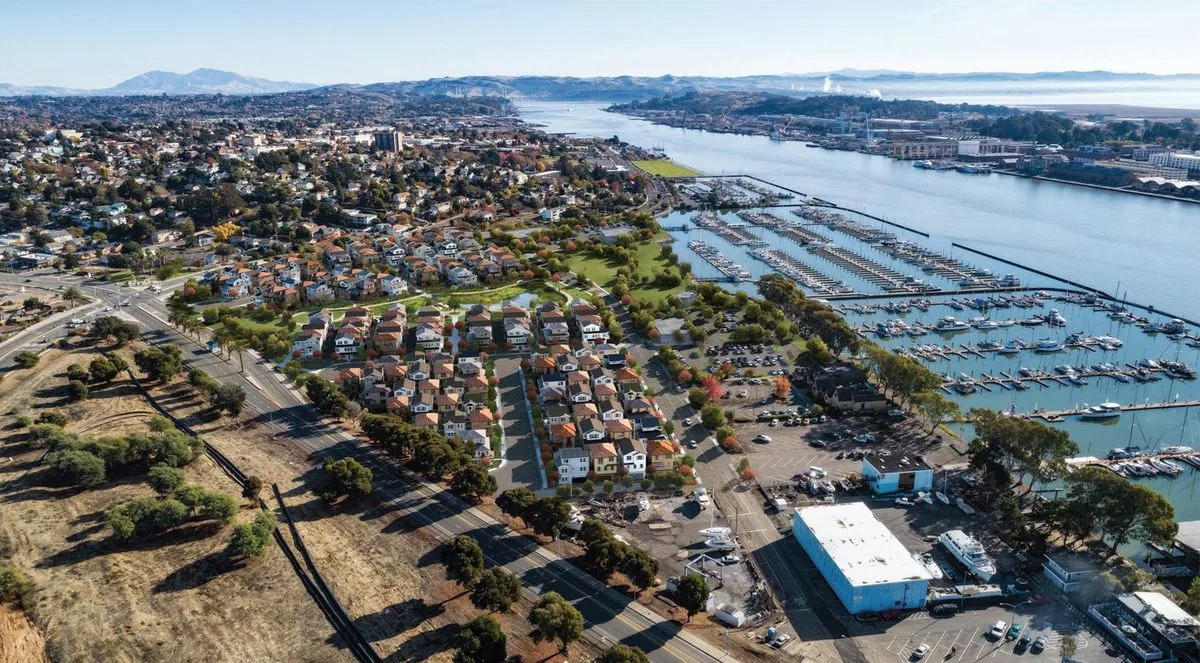
Commercial roofs in Vallejo's waterfront area need separate access and occupant coordination before work is sequenced. Next to the ferry terminal, a 52-acre mixed-use development includes office, residential, and open-space components; that district context does not identify an individual building's roof assembly. The broader service area includes other waterfront properties, so confirm the owner contact, roof system, and access rules at the site before scope is prepared. For an asset manager, the useful record connects field conditions to the property and planned capital window. A commercial roof inspection maps that condition, while Mare Island and Downtown Vallejo give portfolio teams two other broad Vallejo groupings to compare.
Keep Waterfront Context and Site Scope Distinct
Daily high-speed ferry service connects Vallejo and San Francisco in about 50 minutes. That regional connection does not establish site access or staging; confirm the work route, loading point, hours, and permissions with the property contact. Commercial roofing work spans the waterfront district, including buildings away from the terminal and shoreline.
For each building, identify the roof access point, occupied floors, active entrances, and constraints on lifts or deliveries. A roof-zone map should show where a crew can work and where access is pending. If a property is part of a redevelopment effort, the owner can provide the confirmed schedule and project contact. Until then, we treat proposed timing as open. The Curtola employment district is another planning-scale area where the City's possible south-waterfront uses are not completed development; keep that separate from the condition of any current roof.
Reconcile Plans, Repairs, and Interior Reports
Before the walk, gather any drawings, warranty records, service invoices, leak tickets, photographs, and tenant reports. Put each item on a timeline and mark the roof zone where the report applies. Compare the patch location with the interior report and trace the water path before closing the repair. Compare the repair date and material with later leak calls, drain performance, and the condition of nearby transitions. If a report lacks a date or room location, preserve that uncertainty rather than using it to support a precise repair limit.
A waterfront portfolio may include different properties and capital schedules. Keep each building's assembly, repair history, and open questions on its own asset record. Record whether a membrane, coating, metal panel, or built-up layer is confirmed, estimated from drawings, or still unknown. Note all test openings and what they established. An infrared moisture survey can map areas for selective verification before a test cut confirms concealed layers or attachment. A flashing review may address one transition without expanding the entire scope.
Coordinate Public-Facing Work Carefully
Waterfront properties can have public entrances, tenant routes, visitor access, or shared loading areas. The site contact confirms which paths remain open, where the crew can stage, and whether equipment deliveries need a special window. Any street or curb occupancy requires owner and authority coordination; it should not be assumed from a map. We document escort needs, roof access, work hours, and emergency routes before mobilization. If a public or shared route must remain usable, identify how the crew will protect it and how temporary conditions will be communicated.
Daily scopes should state which roof zones open and close, how exposed edges will be protected, and who accepts the work area at the end of a shift. Where tenant operations continue, a phased reroofing sequence can separate areas and reduce avoidable interference. The sequence needs to reflect actual operations and approved work hours, not simply a waterfront label. If a roof area cannot be safely reached, mark it as unreviewed and arrange a later visit after the property contact clears access.
Choose a Repair or Renewal Path From Confirmed Conditions
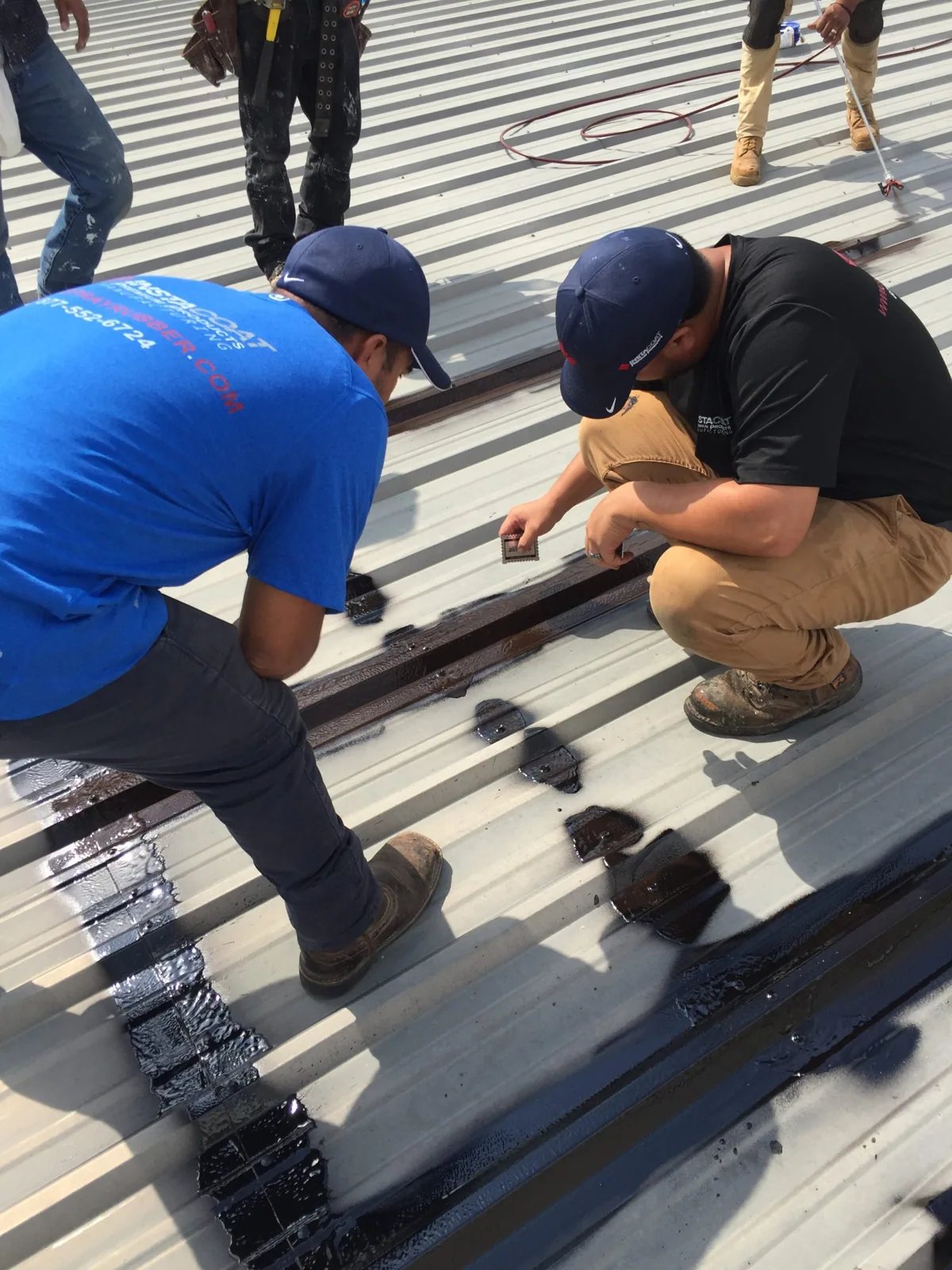
At the roof, we inspect seams, laps, terminations, drains, scuppers, penetrations, edge metal, curbs, and equipment supports. We record ponding observations and drainage direction without treating a brief visual review as structural analysis. The repair boundary should show where removal stops, what substrate is exposed for review, how the new work ties in, and what concealed conditions are excluded until confirmed. A temporary weather measure should also be identified separately from permanent restoration so the owner can track a short-term control.
If the defect is isolated and surrounding materials remain serviceable, repair may fit the evidence. Recurring water reports, failed transitions across several zones, or moisture confirmed beneath the surface can justify a broader renewal comparison. The repair scope and replacement scope should use the same roof-zone findings and show different disruption, testing, and budget assumptions. A coating or recover option depends on assembly compatibility, adhesion, drainage height, and edge condition. We identify the check that must pass before an owner selects that path.
Place the Roof Decision in the Capital Window
Track assembly, documented age, repair frequency, open tests, drainage concerns, access limits, and renewal trigger. Review those fields at each follow-up and note what changed. A roof-condition log can identify recurring observations and service intervals. If a building's assembly is confirmed as TPO, a manufacturer-specific review may help frame compatible repair questions. For a low-slope industrial asset, verify the system from records or field evidence rather than infer it from the district.
When access is limited, state the limit in the report rather than infer the condition below it. Note whether rooftop equipment restricted the view, whether a drain could be tested, and whether interior staining was available for comparison. A follow-up should target the unresolved question, not repeat a broad walk without a reason. For budgeting, separate known repair quantities from provisional allowances and identify what testing could change them. These steps make a renewal discussion easier to revisit when operating priorities shift, while keeping the roof's actual assembly and maintenance record at the center.
Preserve the Before-and-After Record
A closeout package should include dated roof-zone photographs, the work limits, materials installed, details addressed, test results, warranties, and all open items. It should also note access restrictions or concealed conditions that were not evaluated. If temporary protection remains, define who monitors it and what event triggers follow-up. These details give facilities staff a basis for later comparison and prevent an unresolved condition from being mistaken for completed work.
For a Vallejo waterfront commercial roof review, provide the property identity, roof plans, repair history, current leak reports, access rules, and any confirmed schedule affecting the building. We will document what can be inspected, identify any test needed to establish scope, and return a repair or renewal option with its boundary visible. Use the waterfront district to group portfolio visits, then tie the repair or renewal recommendation to the conditions recorded at each asset.
Commercial Roofing Questions
Does waterfront service include only the ferry terminal?
No. The service area is the broader Vallejo waterfront district. The terminal is one landmark in a regional transportation setting, not the only target or the roof scope for this service.
Does the 52-acre description apply to every nearby property?
No. It describes a mixed-use waterfront development next to the terminal. Property boundaries and project participation should be confirmed by the owner before being connected to a roof scope.
How does ferry service affect roofing work?
Ferry timing can inform a regional visit schedule; the property manager and relevant authorities confirm site access, loading, permits, and work hours.
What evidence supports a waterfront roof repair boundary?
Use a roof-zone map, dated observations, repair history, drainage details, and any tests of concealed layers. The scope should state exclusions where evidence remains incomplete.
Can several properties be inspected in one visit?
Visits can be coordinated if each property contact approves access. Keep a separate roof record, condition map, and closeout for each building so observations do not migrate between assets.
Set the Roof Scope Around the Asset
Share the property's roof record, access instructions, leak history, and confirmed project timing. We will document field conditions and return a bounded next step.
Request a Roof Assessment
Questions About Commercial Roofing for the Vallejo Waterfront District
Common questions from building owners and property managers.
Does waterfront service include only the ferry terminal?
No. The service area is the broader Vallejo waterfront district. The terminal is one landmark in a regional transportation setting, not the only target or the roof scope for this service.
Does the 52-acre description apply to every nearby property?
No. It describes a mixed-use waterfront development next to the terminal. Property boundaries and project participation should be confirmed by the owner before being connected to a roof scope.
How does ferry service affect roofing work?
Ferry timing can inform a regional visit schedule; the property manager and relevant authorities confirm site access, loading, permits, and work hours.
What evidence supports a waterfront roof repair boundary?
Use a roof-zone map, dated observations, repair history, drainage details, and any tests of concealed layers. The scope should state exclusions where evidence remains incomplete.
Can several properties be inspected in one visit?
Visits can be coordinated if each property contact approves access. Keep a separate roof record, condition map, and closeout for each building so observations do not migrate between assets.