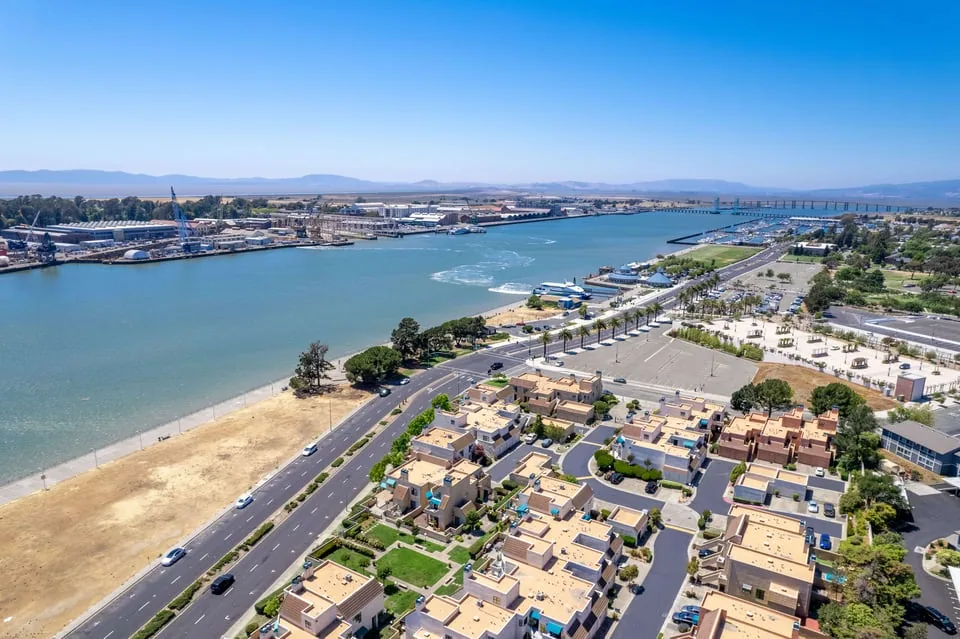
Industries We Serve in Vallejo, CA
Commercial Roofing Vallejo
Coordinate roof decisions with operations, asset records, access, and capital timing across Vallejo industries. Keep each finding tied to its building.
Why Commercial Roofing Vallejo?
Industries We Serve for Vallejo Properties
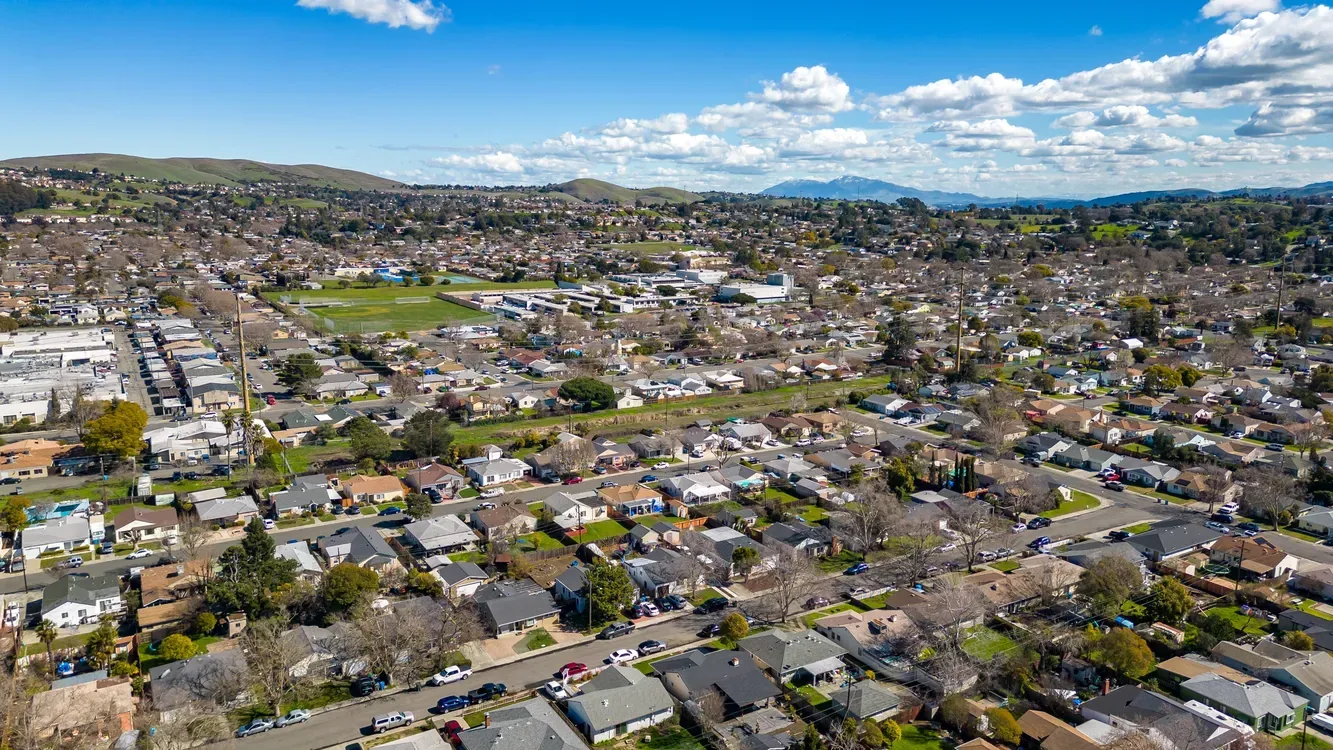
A portfolio can include manufacturers, public agencies, property managers, schools, health systems, and logistics operators. Their approval paths and building schedules differ, even when roof work looks similar. Organize each roof record around the decision maker, operating contact, and actual building condition.
Mare Island commercial spaces span office, retail, and industrial uses; some have overhead cranes and oversized roll-up doors, details that matter when access or staging is part of the roof scope. Each asset record still names the actual building, use, and roof condition. A shared index can support comparison while preserving separate roof histories, repair scopes, and access instructions.
Browse Industries We Serve
Vallejo, CA

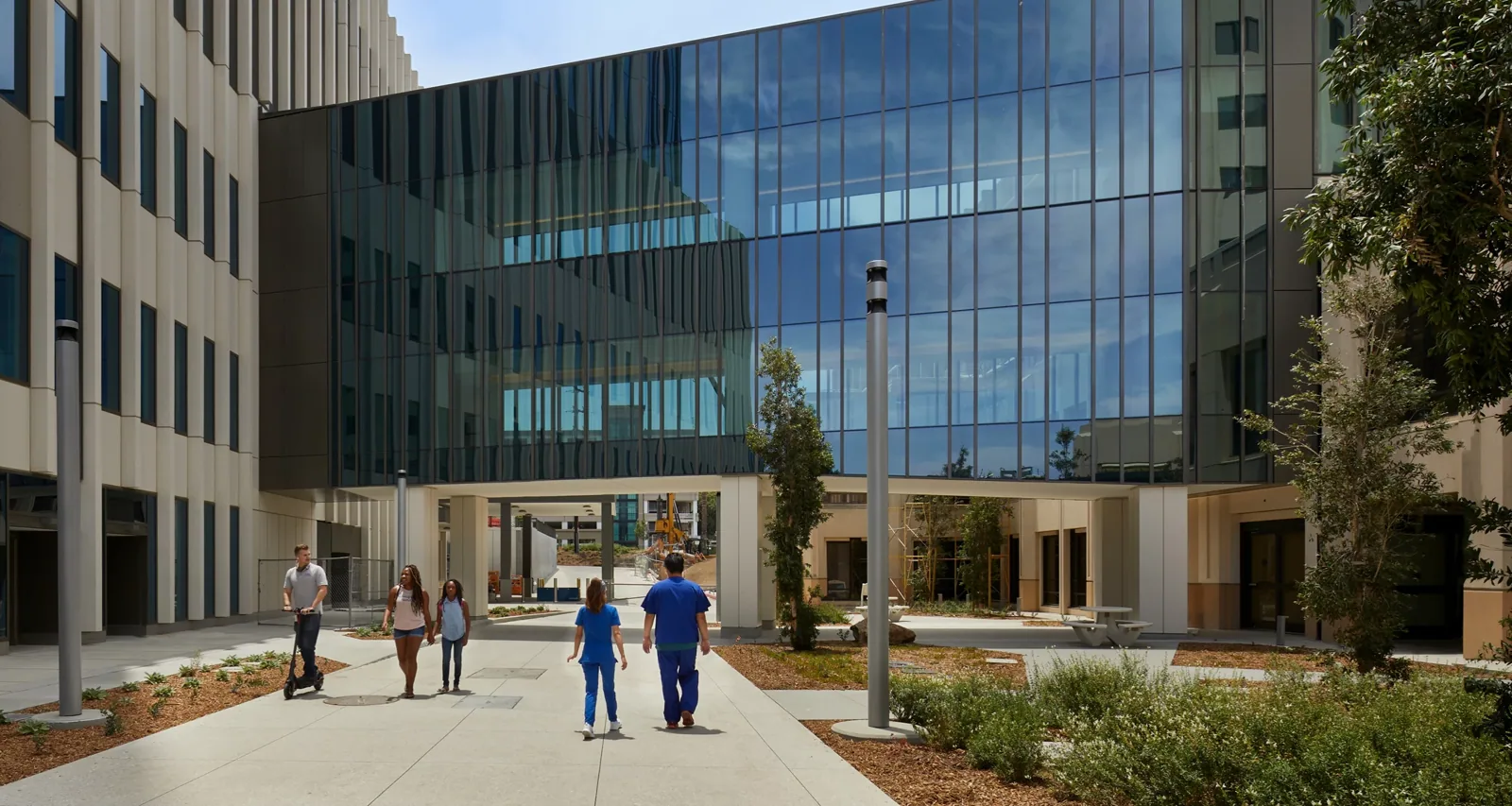
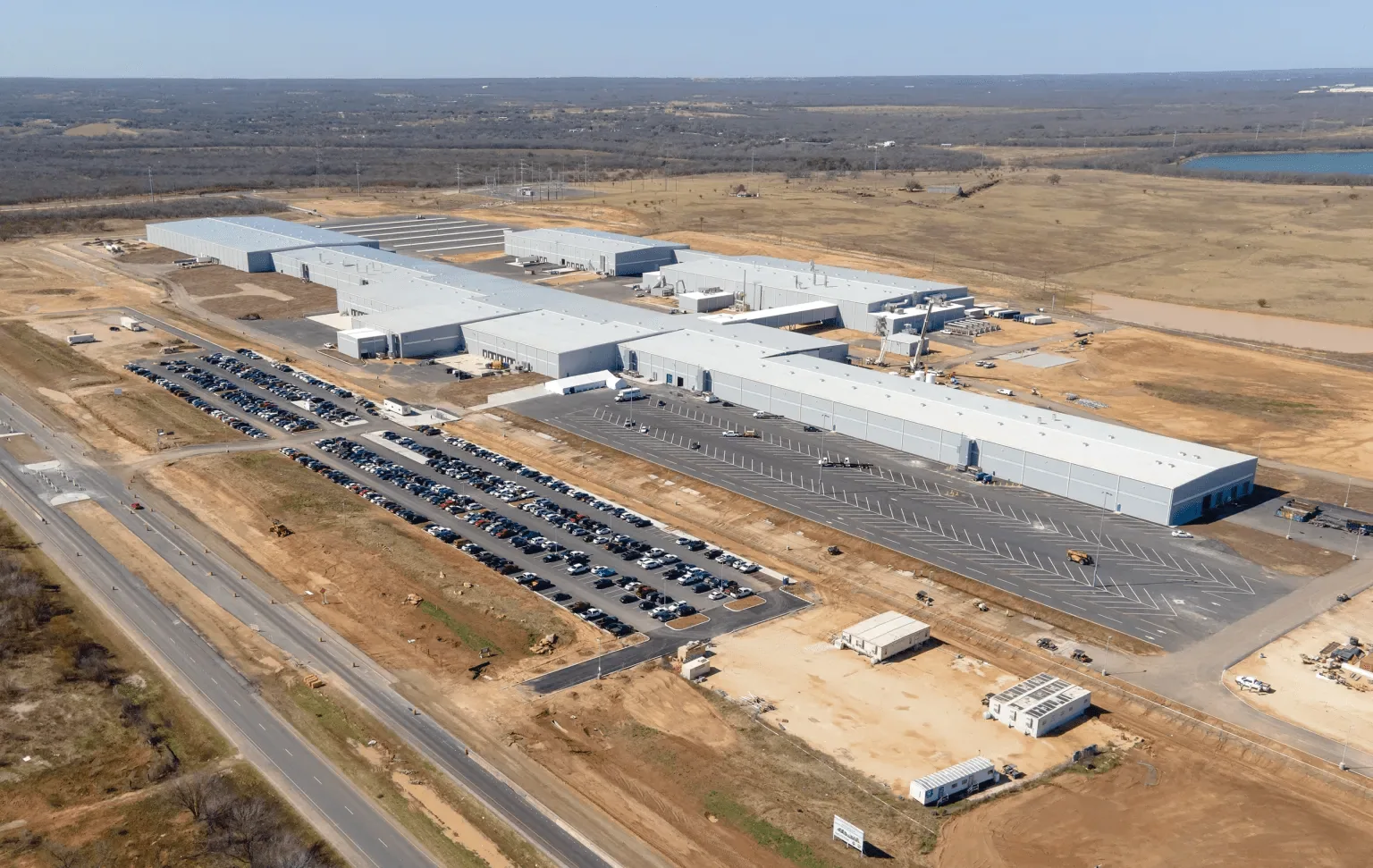
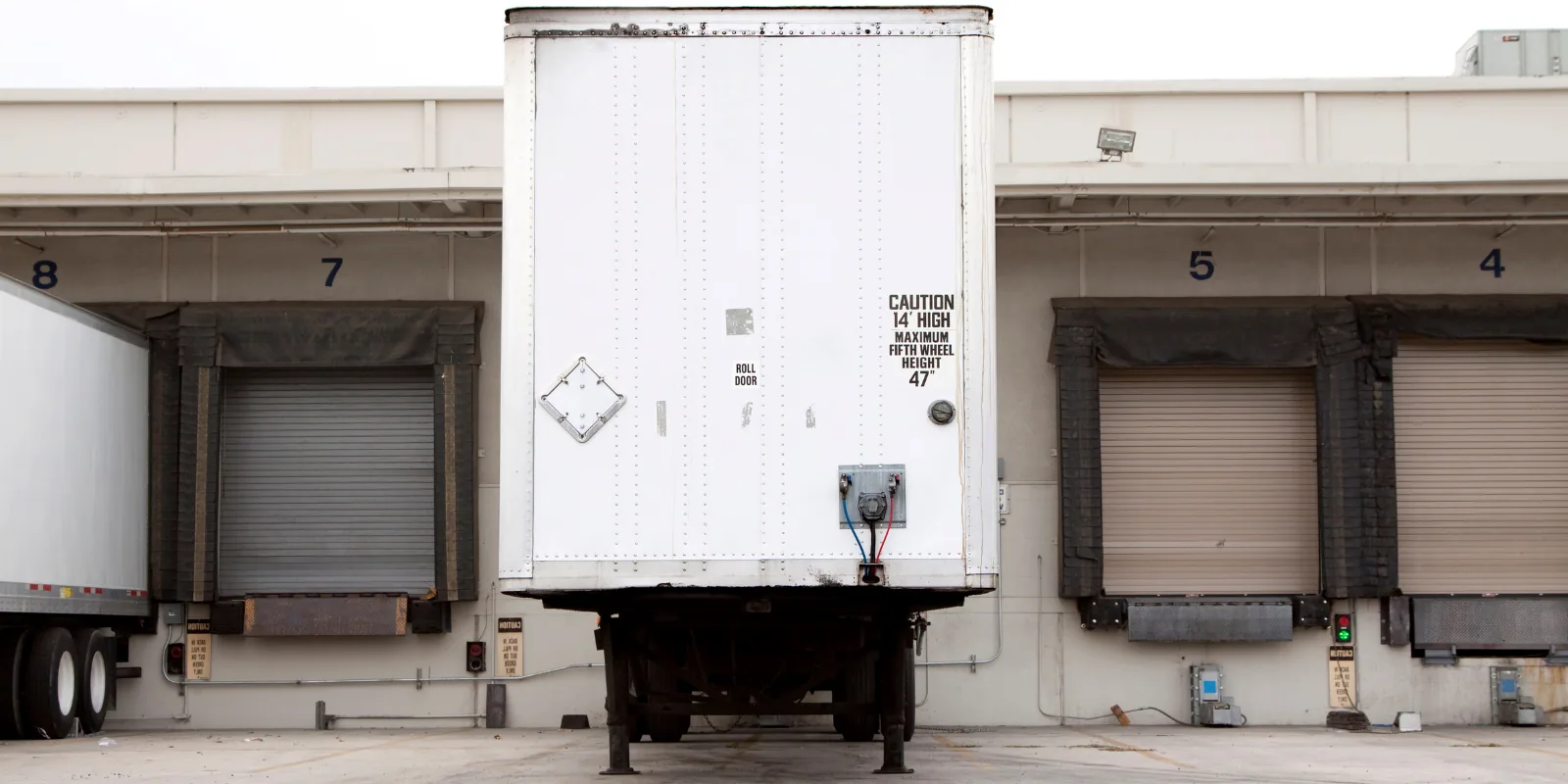
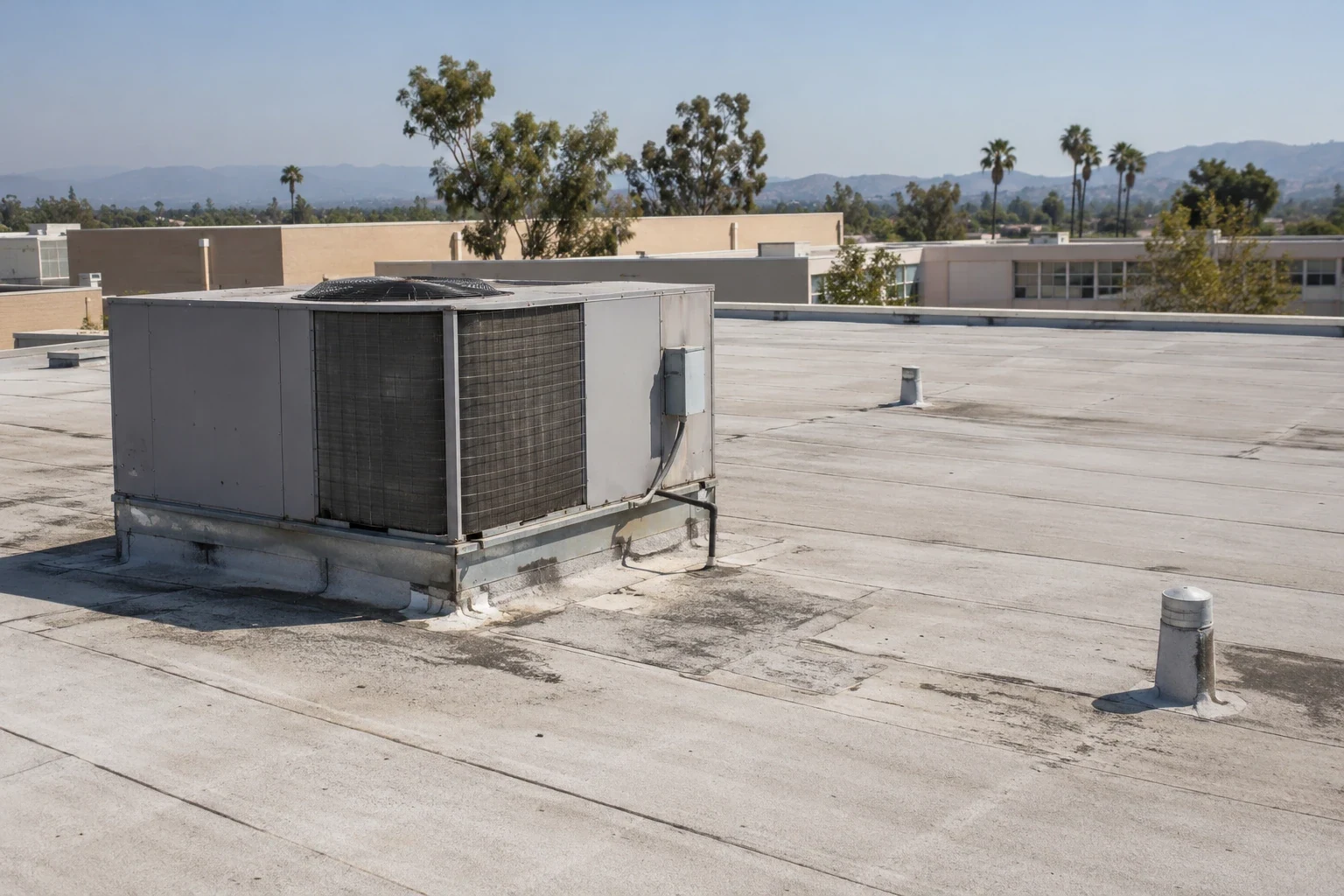

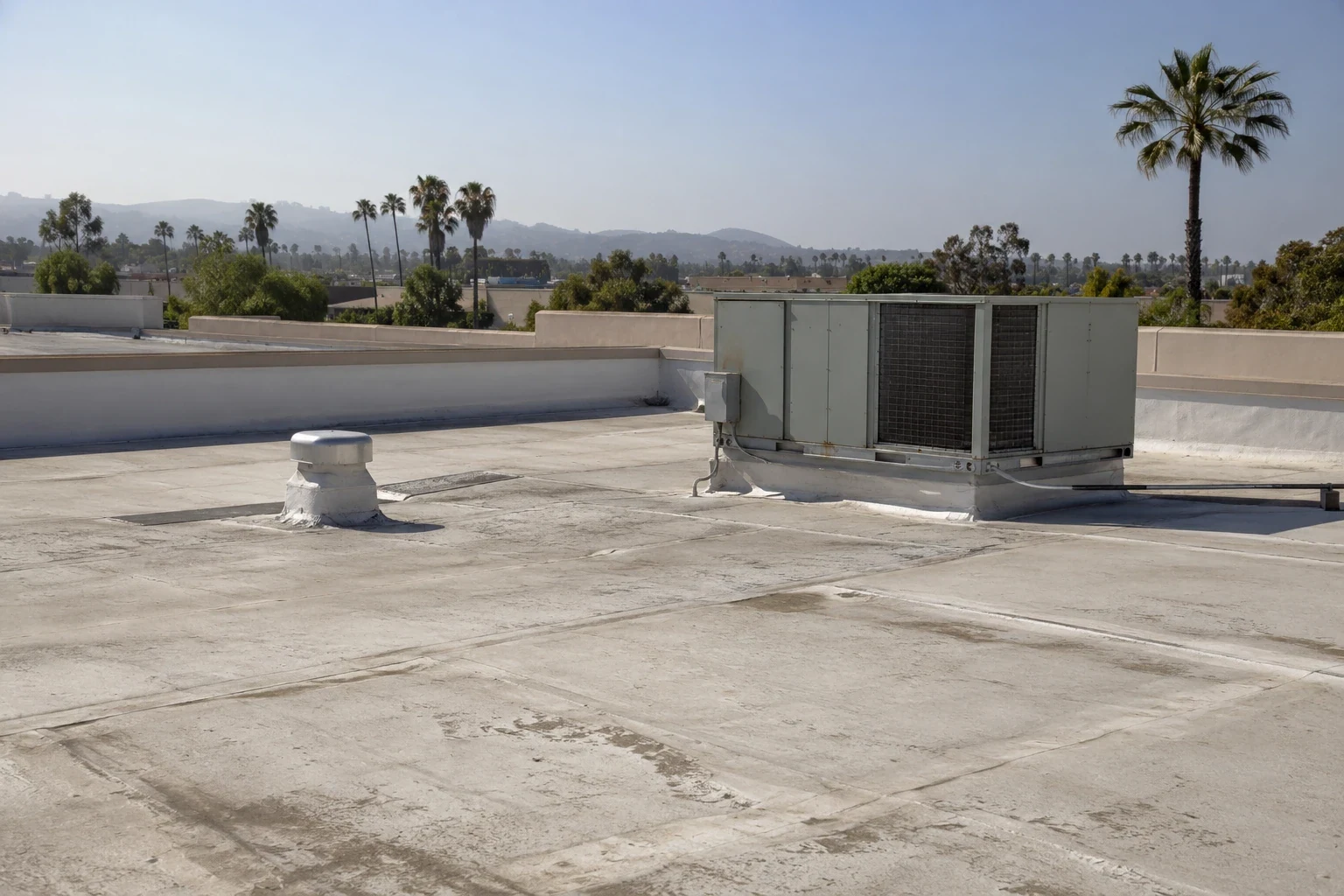

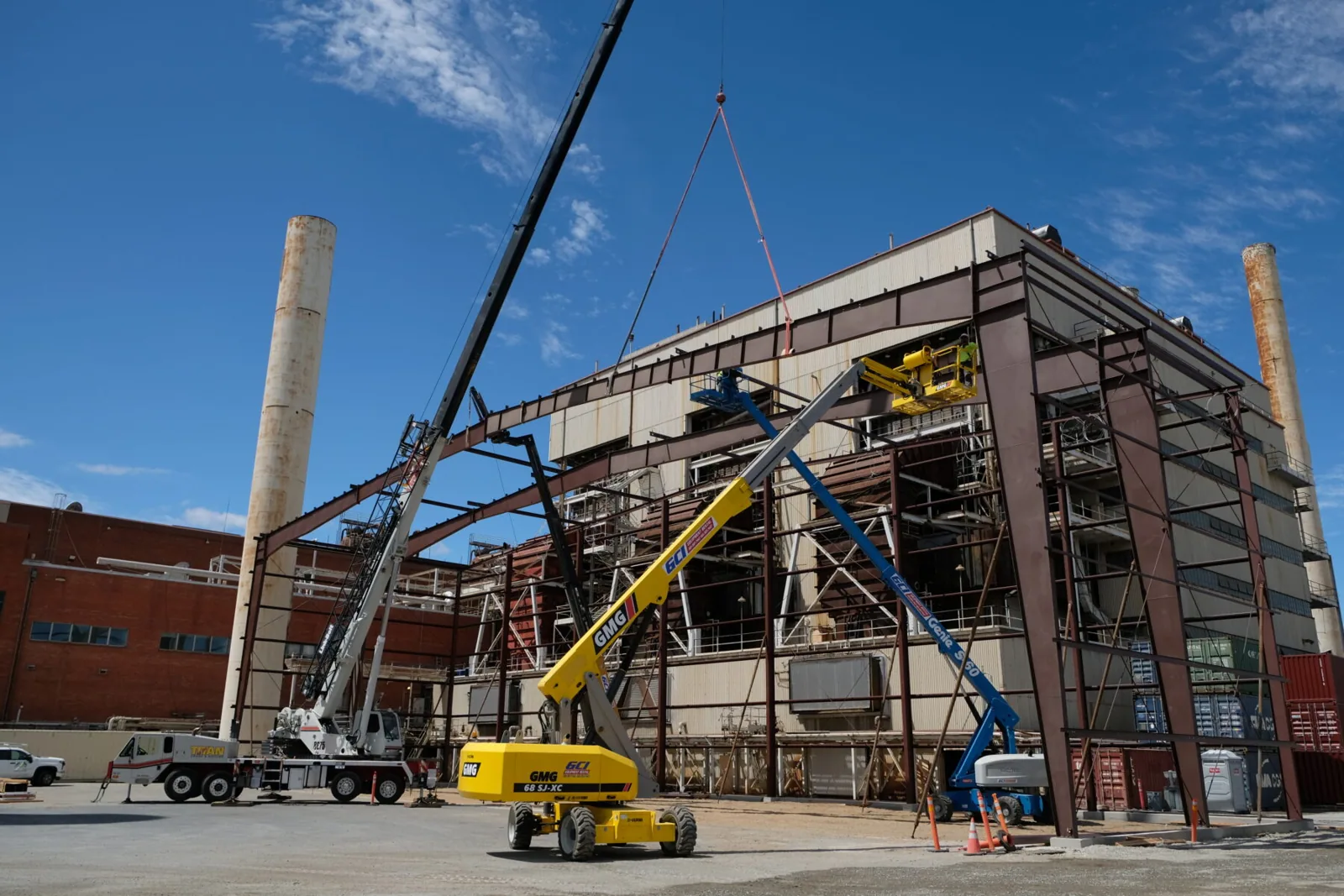
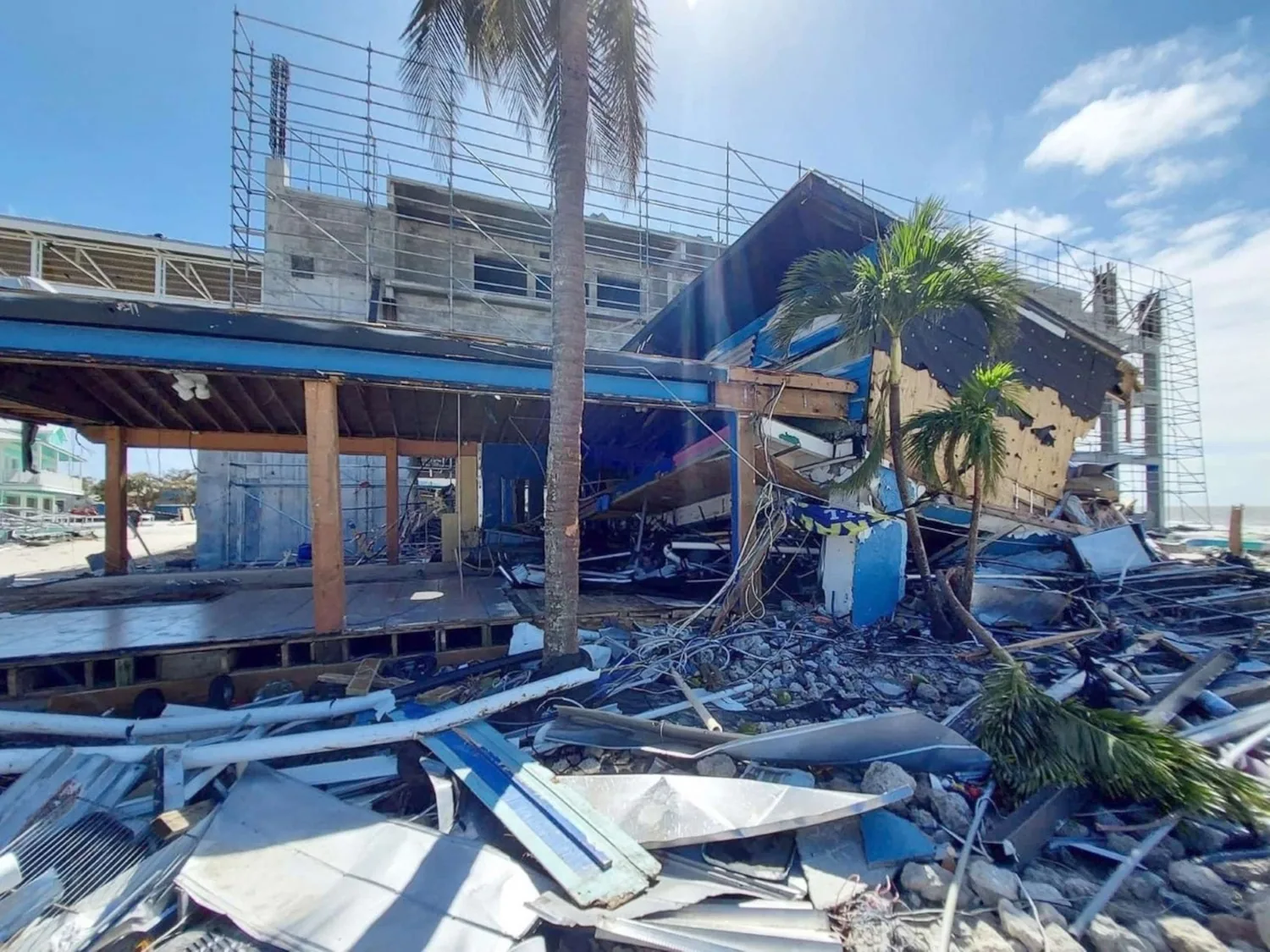
Planning Notes
Industries We Serve Details
Facilities and manufacturers
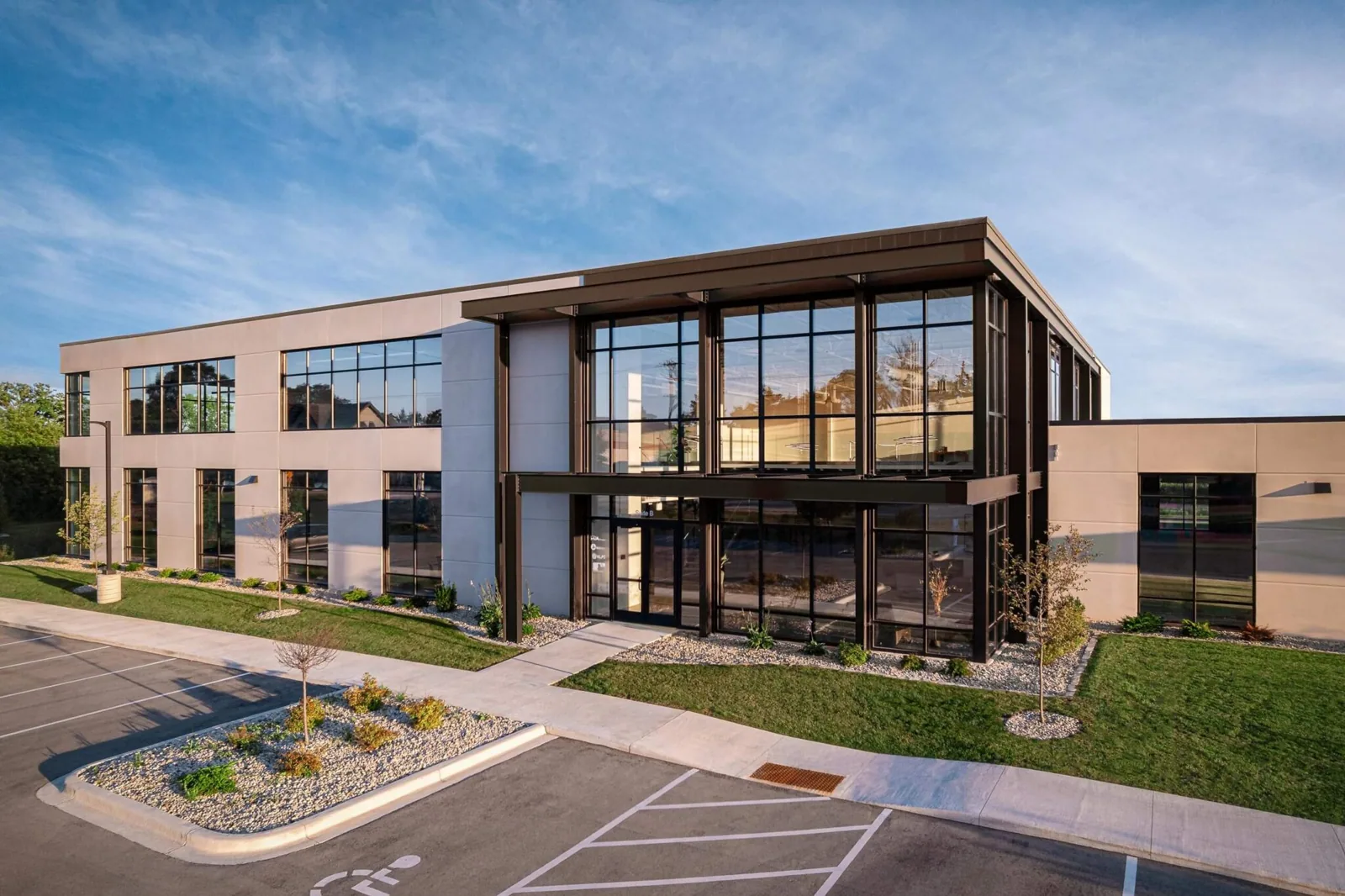
Industrial operations may have production windows, loading routes, equipment clearances, or safety rules that shape the roof visit. Confirm these requirements with current facility staff and include only confirmed details in the work plan.
A manufacturer facility can be compared with a plant roof record and a condition report. Keep an asset history for each Mare Island property.
Public agencies and education
Public owners and school systems may have procurement, access, approval, and occupancy requirements that should be confirmed before scope development. Maintain the responsible contact and document review sequence with the asset file.
A public-agency roof or school district property can use a capital schedule informed by roof inspections and maintenance visits.
Managers and investors
Owners with multiple sites need comparable records without flattening building differences. Track roof zone, age only when documented, repairs, budget assumptions, and current observations. Show which entries are measured and which await confirmation.
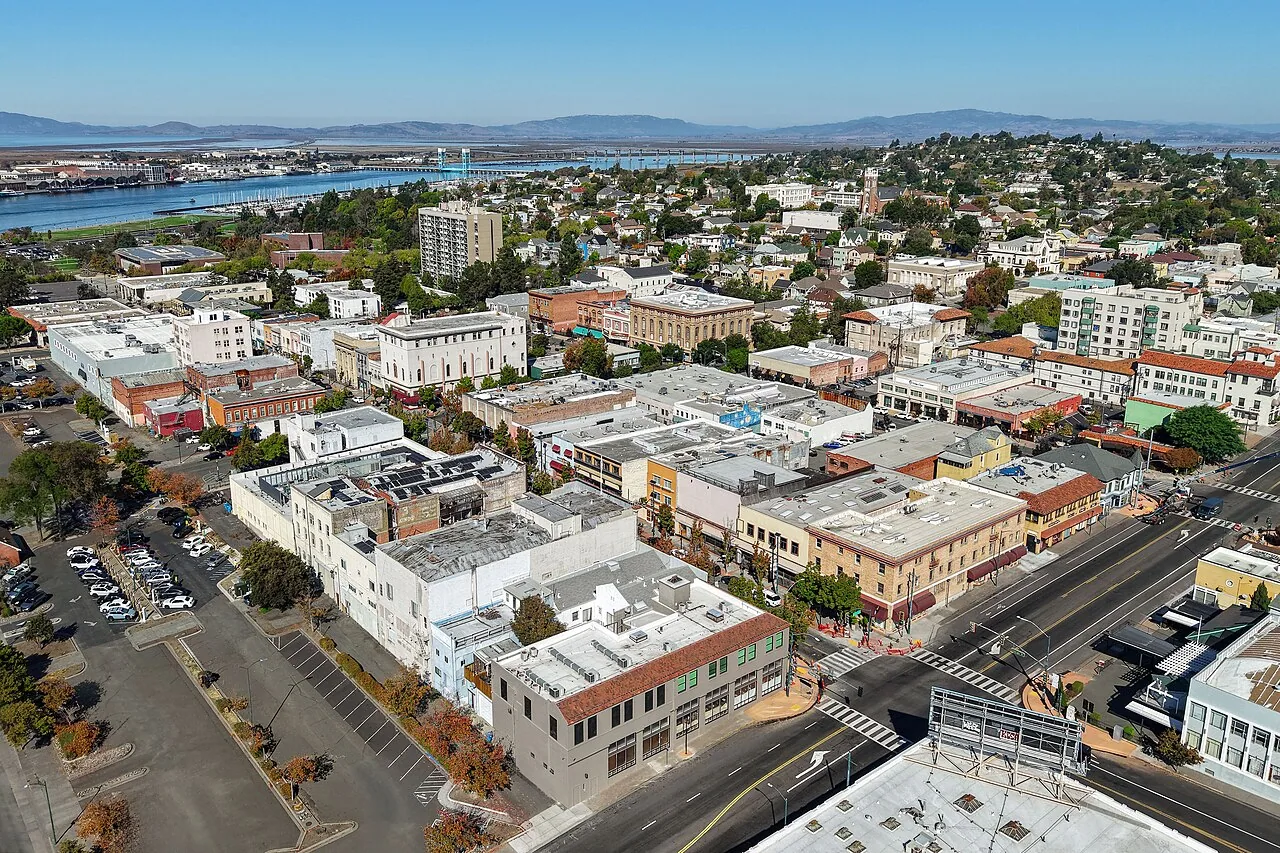
For property management teams and investors, a multi-site program can organize review timing. A Downtown Vallejo building retains a separate access plan.
Build a useful handoff
A decision record should name the asset, its operating contact, available plans, observed conditions, and open questions. Put approvals and timing in the handoff so the next estimate can respond to the owner’s actual process.
Use the industry label to route the right operating contact, then base the roof decision on the assembly and conditions observed at the property. Link it to property records, repair scopes, and warranty documents supplied for the roof.
For an owner with several facilities, use consistent fields for building identity, roof zone, repair date, and unresolved question. That structure supports comparison while preserving different operating constraints. Identify who approves access, who authorizes a scope, and which budget meeting or procurement step sets the next decision.
A site contact can explain operating restrictions, but the asset file should retain when that instruction was confirmed and by whom. This matters when an owner has several properties or a manager changes. The roof plan and safety requirements should match the address scheduled for the next visit.
Commercial Roofing Questions
Why does industry affect roofing coordination?
Operating hours, access, approvals, and safety requirements can change how an inspection or project is sequenced.
Can similar industries share one roof scope?
Not without property-specific verification. Compare records, then establish each site’s assembly, condition, and operating constraints.
What does a multi-site roof program track?
It can index inspection dates, roof-zone records, repairs, open questions, and budget timing for each asset.
Who should confirm site access?
The current building owner, facility manager, or authorized property contact should confirm access and restrictions.