Commercial Roof Replacement in Vallejo, CA
Plan a commercial roof replacement in Vallejo with a clear assembly review, tear-off scope, drainage details, and work sequence for an occupied property.
Why Commercial Roofing Vallejo?
Commercial Roof Replacement in Vallejo, CA
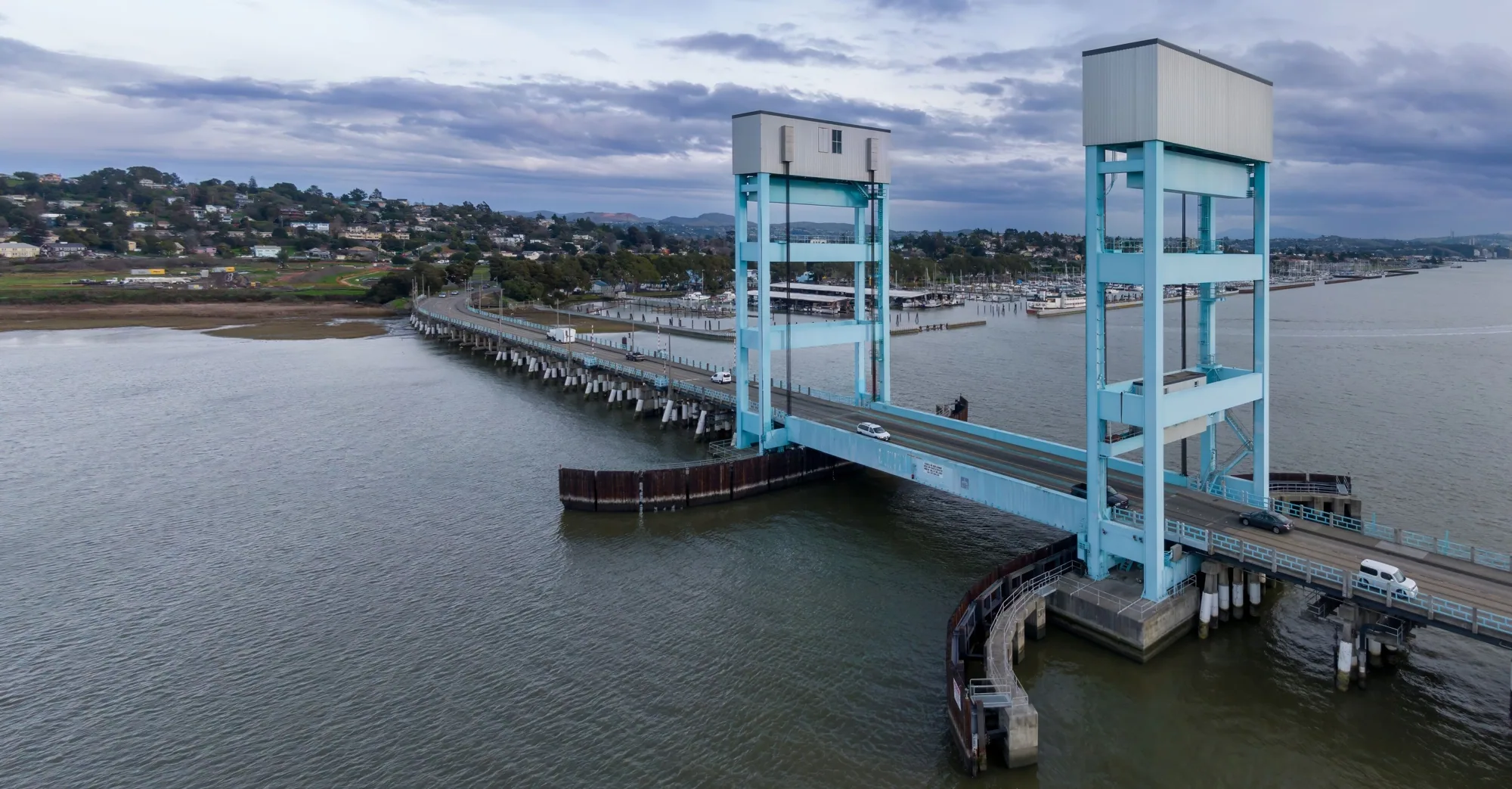
A replacement decision in Vallejo, CA, changes with the building's role. An industrial space on Mare Island may have overhead equipment and large doors below the roof, while a downtown office may need a quieter sequence around tenants. Across the market, we line up the assembly record, repair history, access plan, and budget window. A roof near the end of its service life calls for a different scope than one with isolated seam or flashing failures. We document visible conditions, compare them with available plans, and define what comes off, what remains, and which details need rebuilding.
The Building Below the Roof
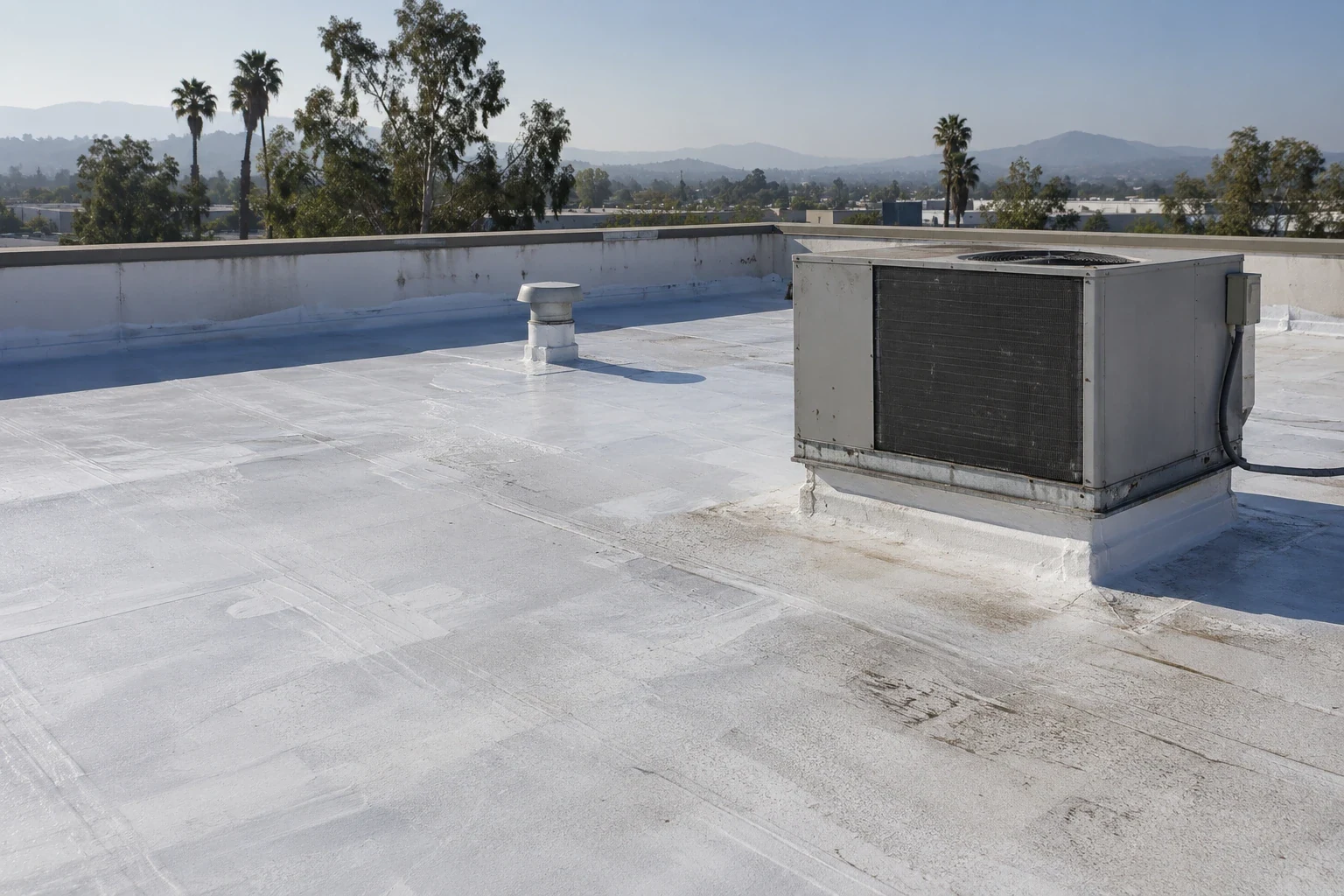
Vallejo has office, retail, and industrial space on Mare Island and commercial properties along Sonoma Boulevard and Tennessee Street. Those uses affect access and sequencing. A site with roll-up doors or overhead cranes may need operating lanes kept clear during delivery; an office may need entrances open and noisy work grouped into agreed windows. Before tear-off, we identify roof layers, visible deck type, perimeter details, penetrations, drains, and places where earlier repairs changed the assembly. Plans and invoices add context, while a field walk defines areas needing further opening. A shared roof inventory lets owners compare assemblies and condition across properties.
What the Existing Assembly Shows
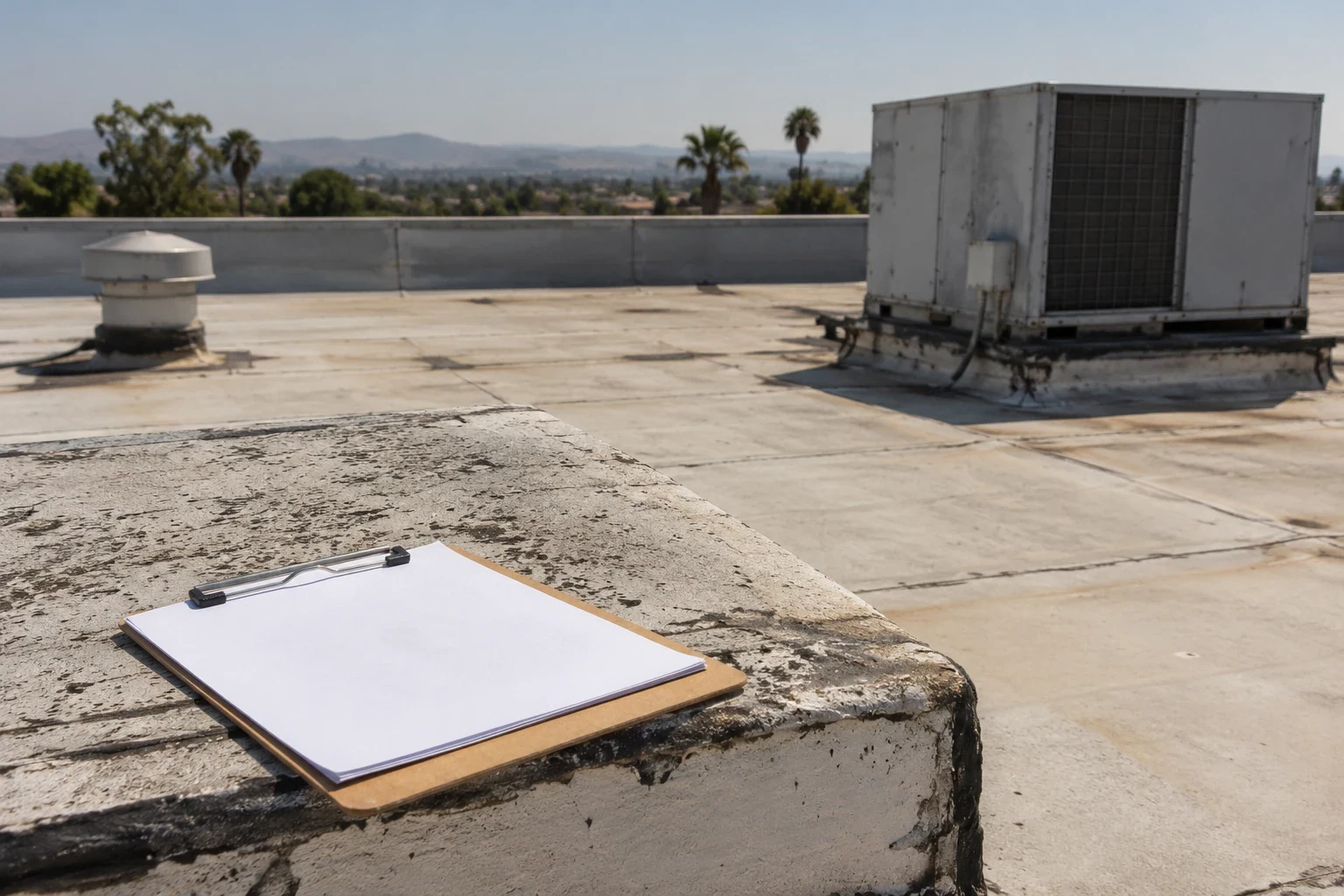
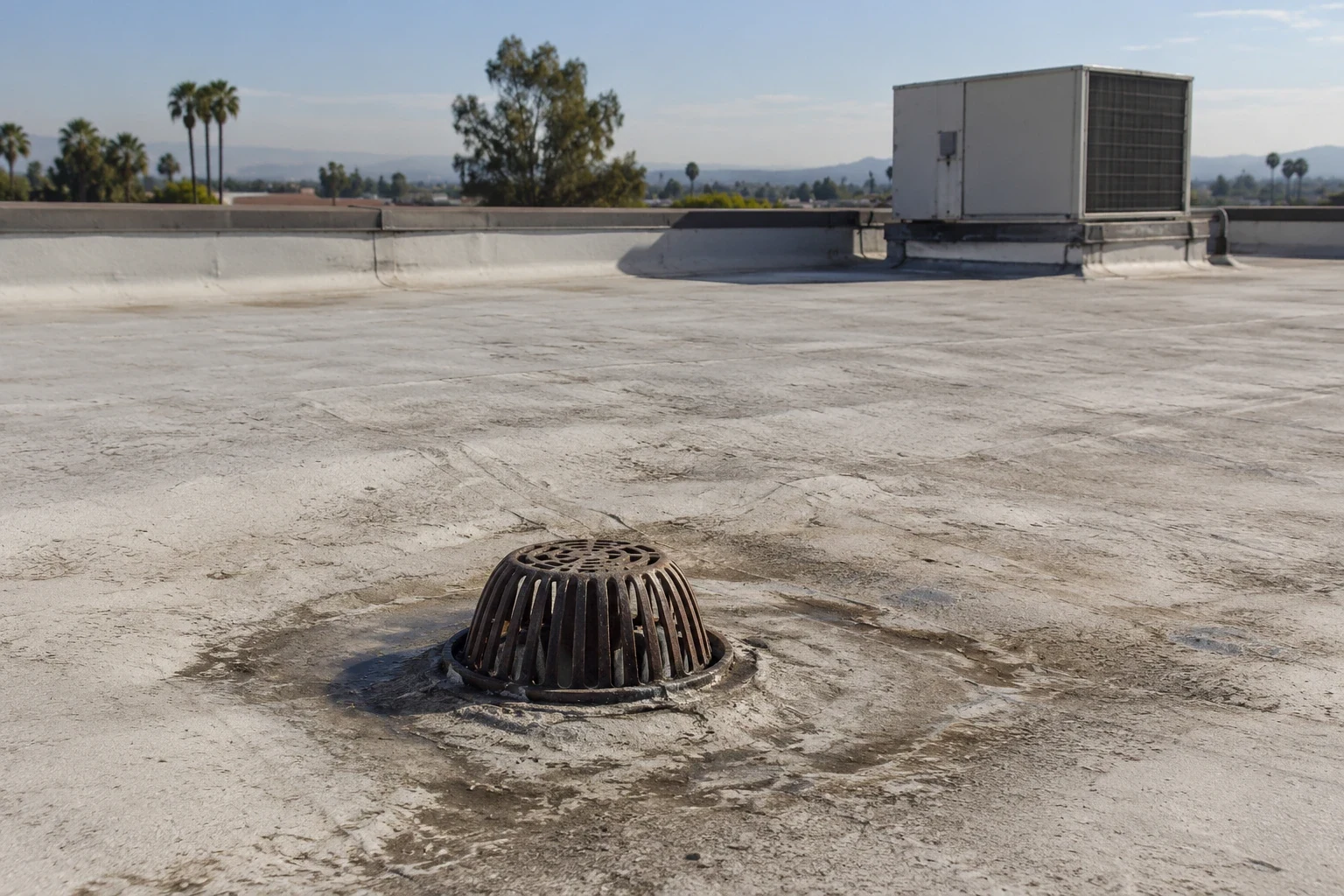
A worn roof does not mean every zone needs the same response. Open seams, wet insulation, split flashing, exposed fasteners, and softened deck each mark a different repair boundary. We map them by roof area and distinguish surface damage from signs of moisture below the membrane. Drains, scuppers, edges, penetrations, and equipment supports need close review because they interrupt the roof field. Photos tied to locations show how findings connect to the tear-off limits.
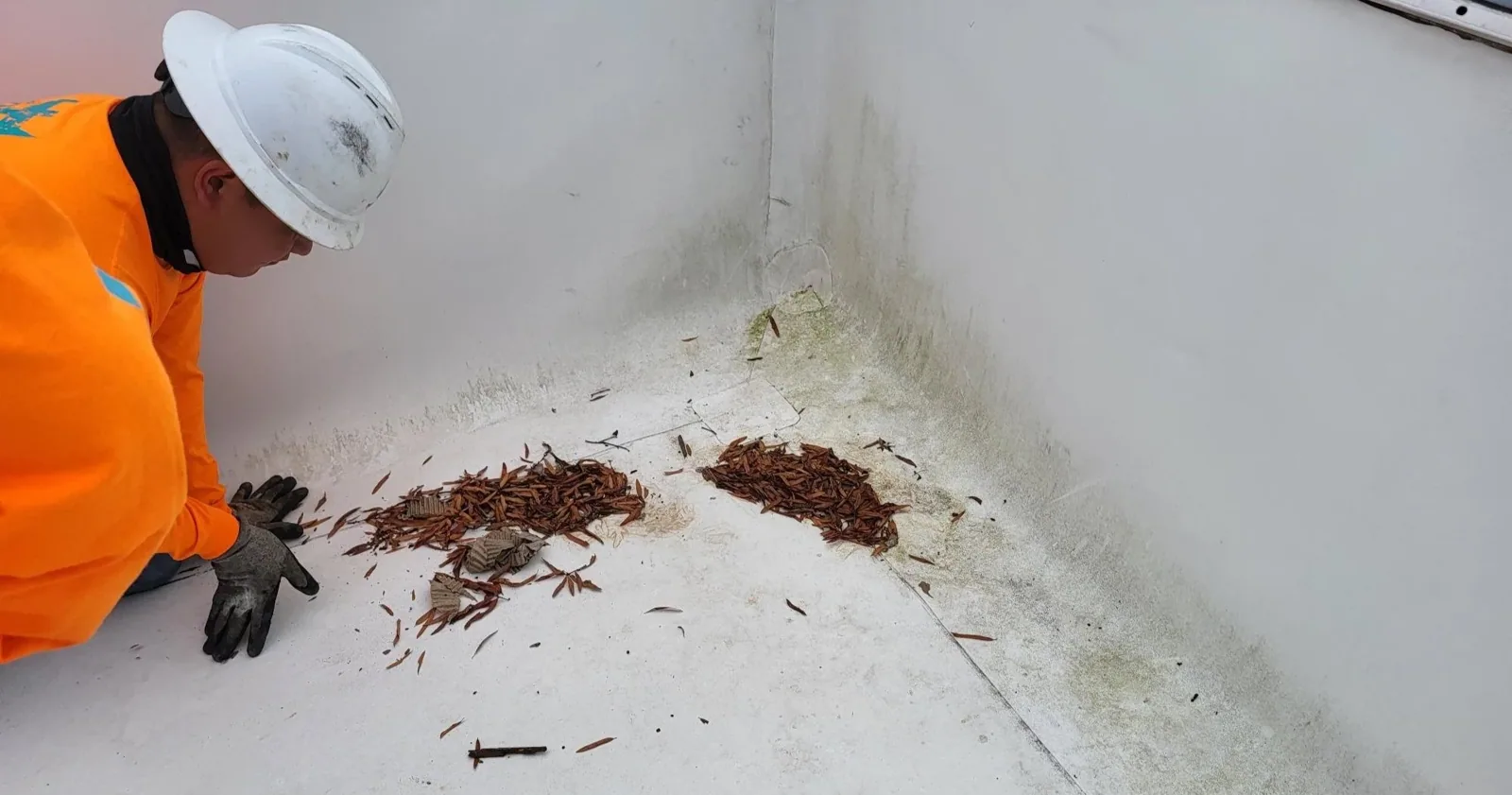
Long-term averages for Vallejo put July and August at zero average rainfall, with summer monthly highs near 85 to 87°F. Use that context for seasonal planning, then check the current forecast and roof conditions before work. We check for debris, low areas, and drainage paths that a new layer could hide. Compare TPO roofing and modified bitumen roofing against deck conditions, detailing, and the maintenance approach.
Tear-Off, Deck, and Renewal Scope
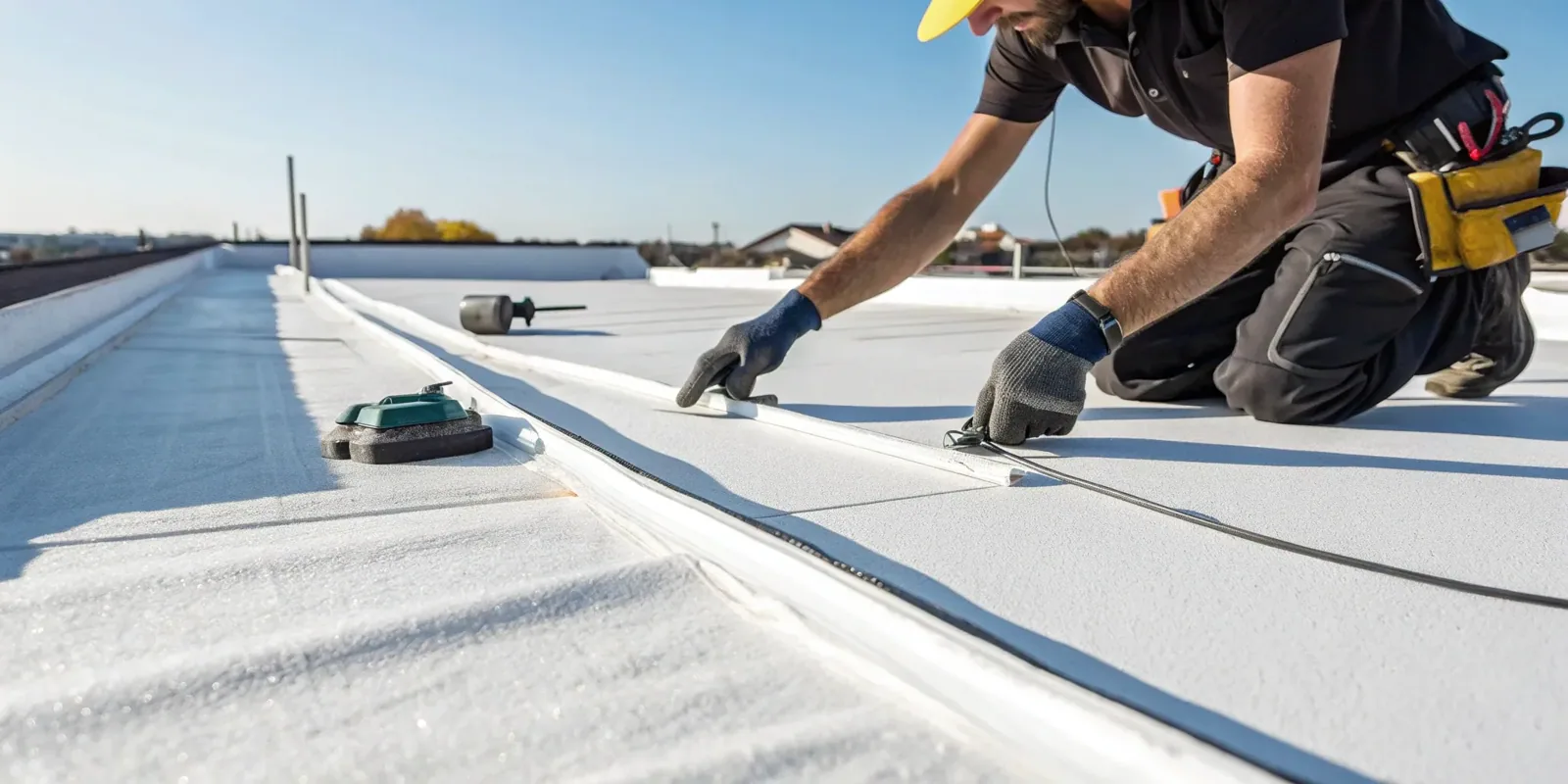
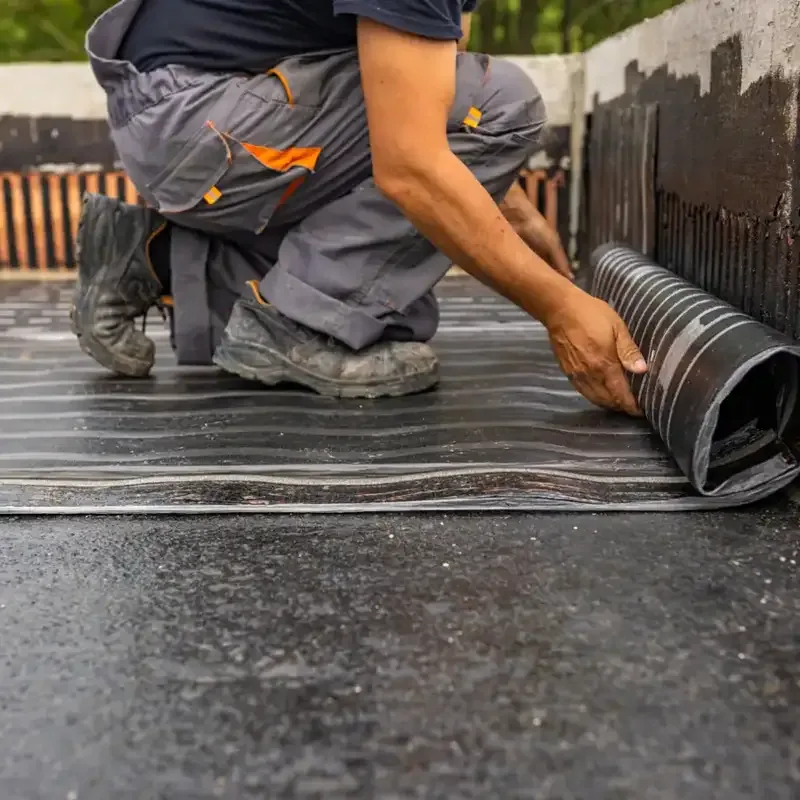
A full replacement removes the existing assembly to the agreed substrate, exposes concealed conditions, and installs compatible new layers and details. The scope should state expected layer count, removal limits for wet or damaged materials, the deck-inspection process, and how open areas will be protected each shift. It should identify insulation, cover board, membrane, perimeter edge, penetrations, and drainage work. On roofs with additions or overlays, mapping transitions by area keeps important differences visible.
We check drain paths, whether crickets are needed to direct water, and how equipment curbs and wall flashings can meet the new membrane. The substrate may need repair before installation, so the scope records how concealed deck work will be assessed. Replacement can also correct recurring detail failures. A defined drain and scupper scope identifies work at those transitions.
The Capital Window
Cost and duration follow the assembly and work conditions. Tear-off depth, deck repairs, insulation changes, perimeter length, penetrations, drainage corrections, material handling, and disposal all change the scope. Access differs between a Mare Island industrial property and a multi-tenant building near the Downtown Vallejo waterfront. The work description should connect each cost driver to a location or decision point. A condition report can separate urgent water-entry repairs from planned renewal. Compare removal, recover, and replacement using confirmed layer count, deck condition, drainage, and measured area; keep concealed conditions as investigation items until verified. For a replacement that requires review, confirm the submitted scope’s applicable code path before fixing procurement and start dates. Roof capital planning can connect the renewal scope to the next budget cycle and identify bridge repairs.
Work Sequenced Around Operations
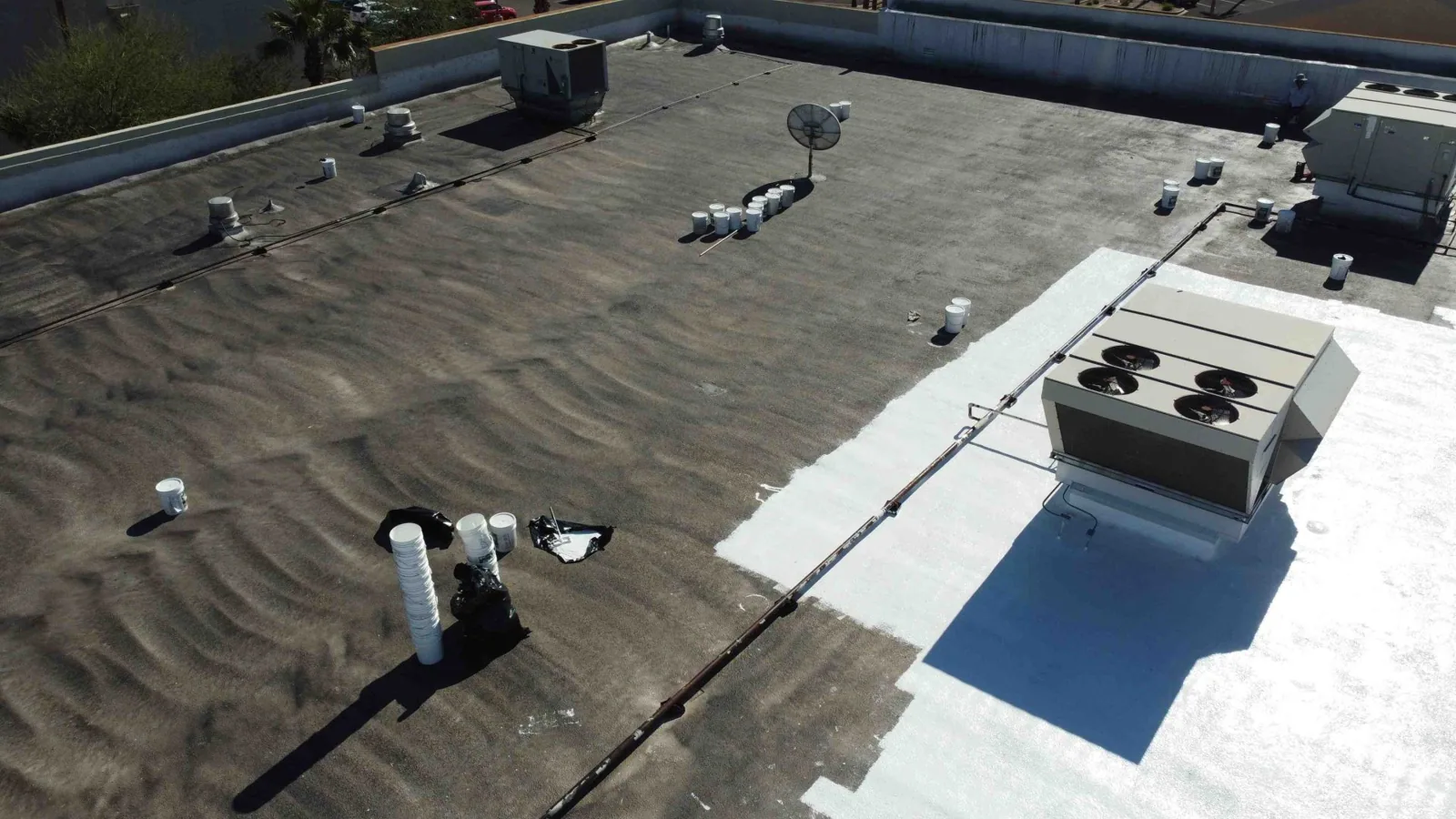
Occupied replacement protects the interior while keeping agreed parts of the property in use. We divide the roof into work areas, remove only what can be made weather-tight that shift, and set closure steps for open edges and penetrations. The site contact should identify sensitive rooms, receiving schedules, customer entrances, active equipment, and work-hour limits. On Sonoma Boulevard, customer movement may shape staging; at an industrial property, delivery routes and production activity may affect material movement.
Vallejo has strong summer sun and a dry summer baseline, which can inform material handling and daily protection. It is a long-run reference, not a work-week forecast. We match each tear-off area to current conditions and the building's operation, then protect the open roof as work advances. An occupied-building roofing plan records access coordination and how interior concerns reach the site lead. Commercial roof repair can bridge the interval before replacement when findings support that sequence.
A Record for the Next Decision
Closeout should record the installed assembly, areas addressed, drainage and edge details, photographs of concealed work, and remaining maintenance items. That record helps compare condition across properties and place follow-up inspection in the budget. Note access or operating details that will matter to future service work. Where the roof has separate zones or additions, record them individually so the next reviewer does not assume a uniform installation.
Waterfront and Sonoma-Broadway properties may have different access and tenant needs, while site context alone cannot establish a roof assembly. We confirm conditions in the field and tie recommendations to those observations. Arrange a roof review with plans, repair history, access details, and budget timing. We will photograph the assembly and outline replacement, limited repair, or staged renewal. The condition report gives ownership a basis for scheduling work and retaining the assembly record.
Commercial Roofing Questions
How do we know the roof needs full replacement instead of another repair?
Replacement becomes more likely when failures cross several roof zones, moisture is widespread, or repeated repairs no longer restore a sound surface. We map affected areas, check seams and flashings, and identify wet materials or damaged deck. A localized defect with sound surrounding materials may remain a repair. The findings should show the boundary between choices and any opening or testing needed before budget approval.
Can an existing roof stay in place under the new system?
The existing layers, moisture, attachment, deck, and applicable code determine whether a recover is suitable. A sound assembly may support an added system, while trapped moisture or unstable materials can make removal the better route. We document the basis for the recommendation. For a candidate roof, compare a defined roof overlay scope with tear-off before selecting a capital option.
What should the replacement proposal say about hidden deck damage?
The proposal should state how the deck will be checked after removal, how damaged areas will be recorded, and when the owner will approve added work. A roof walk cannot reveal every layer below the membrane. We document conditions as tear-off exposes the substrate, keeping the replacement boundary and any added scope traceable in the closeout record.
How does Vallejo's permit code date affect our project?
Vallejo's transition rules use the building-permit plan-check date. Submittals on or after January 1, 2026 generally fall under the 2025 California Building Standards Code; earlier submissions generally remain under the 2022 edition, subject to case-specific direction. We coordinate the permit path with the schedule so a design-review date is not mistaken for the controlling date.
What records should we keep after the new roof is installed?
Keep the assembly description, photographs of deck and flashing details, drainage locations, permit documents, and notes about separately treated areas. Add a baseline condition date to the property's inspection record. For assets on Mare Island or near Downtown Vallejo, those details help compare assemblies and renewal timing without assuming the roofs share a history.
Set the Replacement Scope
Arrange a roof review with available plans, repair history, access needs, and budget timing. We will document the current assembly and prepare a renewal scope tied to the building's operating requirements.
Request a Roof Assessment
Questions About Commercial Roof Replacement in Vallejo, CA
Common questions from building owners and property managers.
How do we know the roof needs full replacement instead of another repair?
Replacement becomes more likely when failures cross several roof zones, moisture is widespread, or repeated repairs no longer restore a sound surface. We map affected areas, check seams and flashings, and identify wet materials or damaged deck. A localized defect with sound surrounding materials may remain a repair. The findings should show the boundary between choices and any opening or testing needed before budget approval.
Can an existing roof stay in place under the new system?
The existing layers, moisture, attachment, deck, and applicable code determine whether a recover is suitable. A sound assembly may support an added system, while trapped moisture or unstable materials can make removal the better route. We document the basis for the recommendation. For a candidate roof, compare a defined roof overlay scope with tear-off before selecting a capital option.
What should the replacement proposal say about hidden deck damage?
The proposal should state how the deck will be checked after removal, how damaged areas will be recorded, and when the owner will approve added work. A roof walk cannot reveal every layer below the membrane. We document conditions as tear-off exposes the substrate, keeping the replacement boundary and any added scope traceable in the closeout record.
How does Vallejo's permit code date affect our project?
Vallejo's transition rules use the building-permit plan-check date. Submittals on or after January 1, 2026 generally fall under the 2025 California Building Standards Code; earlier submissions generally remain under the 2022 edition, subject to case-specific direction. We coordinate the permit path with the schedule so a design-review date is not mistaken for the controlling date.
What records should we keep after the new roof is installed?
Keep the assembly description, photographs of deck and flashing details, drainage locations, permit documents, and notes about separately treated areas. Add a baseline condition date to the property's inspection record. For assets on Mare Island or near Downtown Vallejo, those details help compare assemblies and renewal timing without assuming the roofs share a history.