Commercial EPDM Roofing in Vallejo, CA
Evaluate commercial EPDM roofing in Vallejo, CA with seam, flashing, attachment, and maintenance decisions matched to the existing assembly.
Why Commercial Roofing Vallejo?
Commercial EPDM Roofing in Vallejo, CA
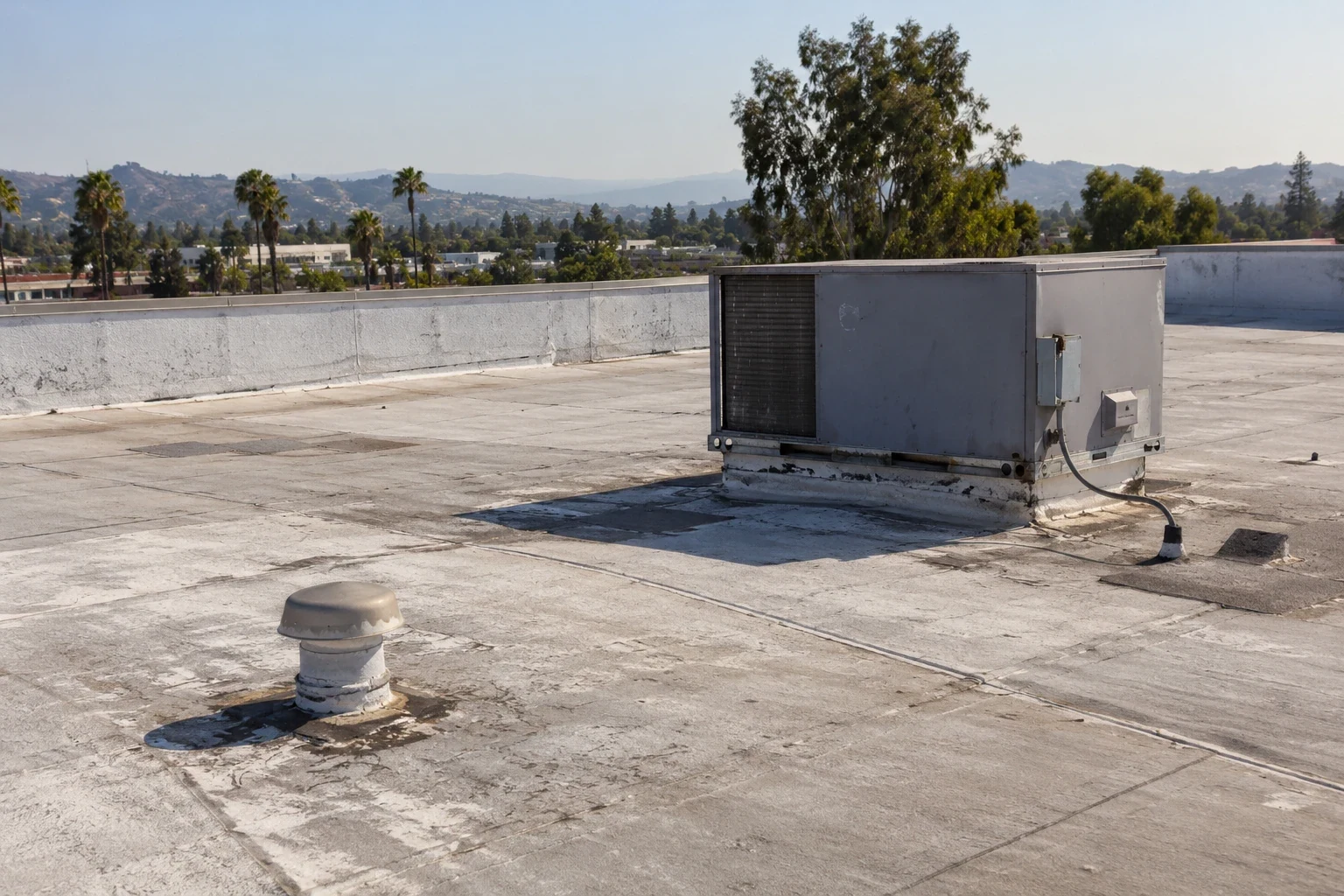
EPDM decisions often turn on the roof's existing details and the repair history, not on the membrane name alone. The synthetic-rubber sheet is installed with seams and transitions that may use specified tape, adhesive, or other system components. We check the deck and insulation, field laps, perimeter, drains, curbs, and penetrations before recommending repair, recover, or replacement. A roof that has been patched in several campaigns may not have one uniform assembly. Vallejo's commercial spaces include offices, retail, and industrial uses on Mare Island; that mix raises practical questions about equipment access and operating windows, but the site walk must establish the conditions at the building. A condition inspection can map the existing roof. Owners comparing systems can weigh EPDM against TPO or modified bitumen after the substrate and project needs are known. The best next step is a roof-zone record that explains what has failed, what remains serviceable, and which scope follows from the evidence.
Read the Repair History with the Surface
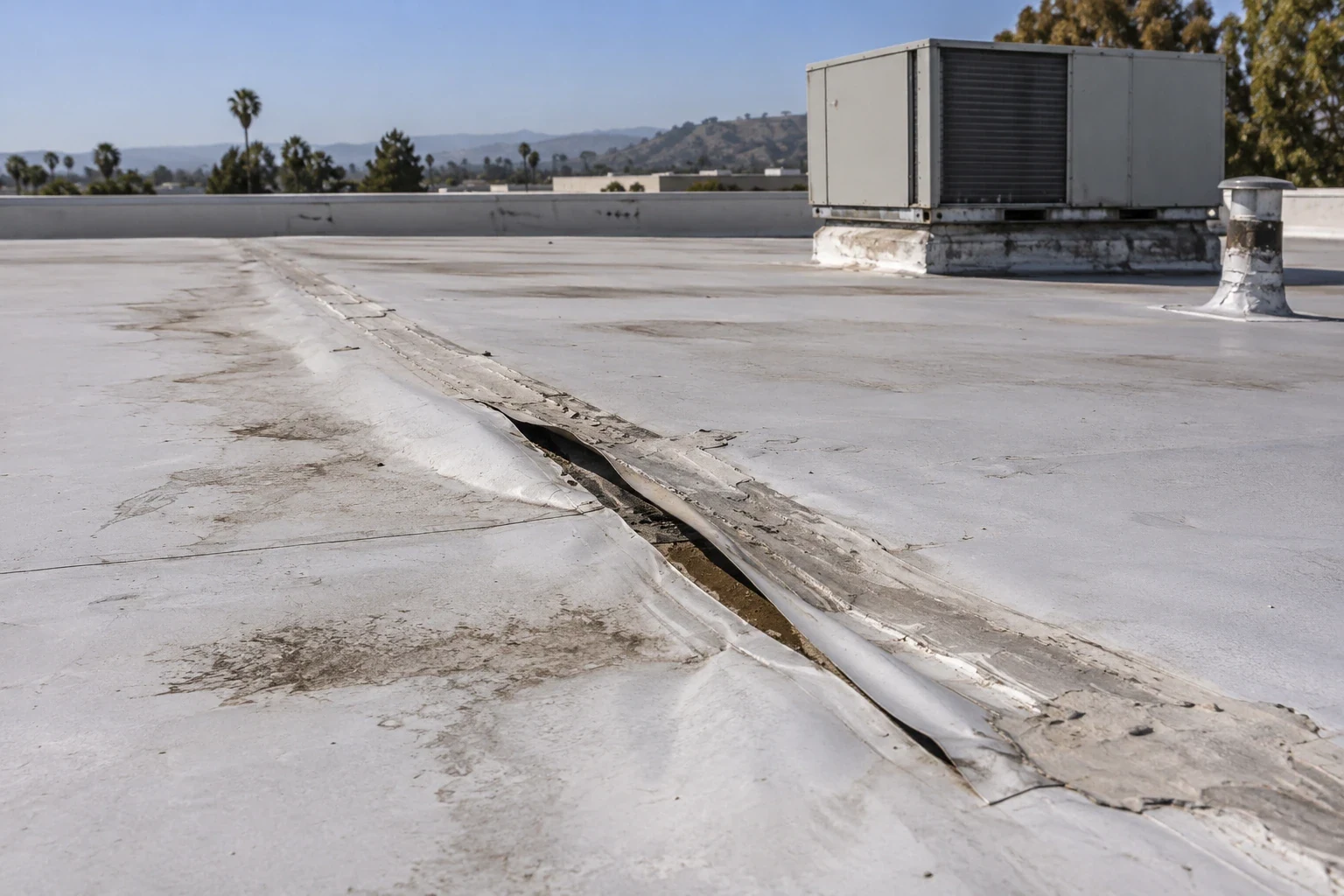
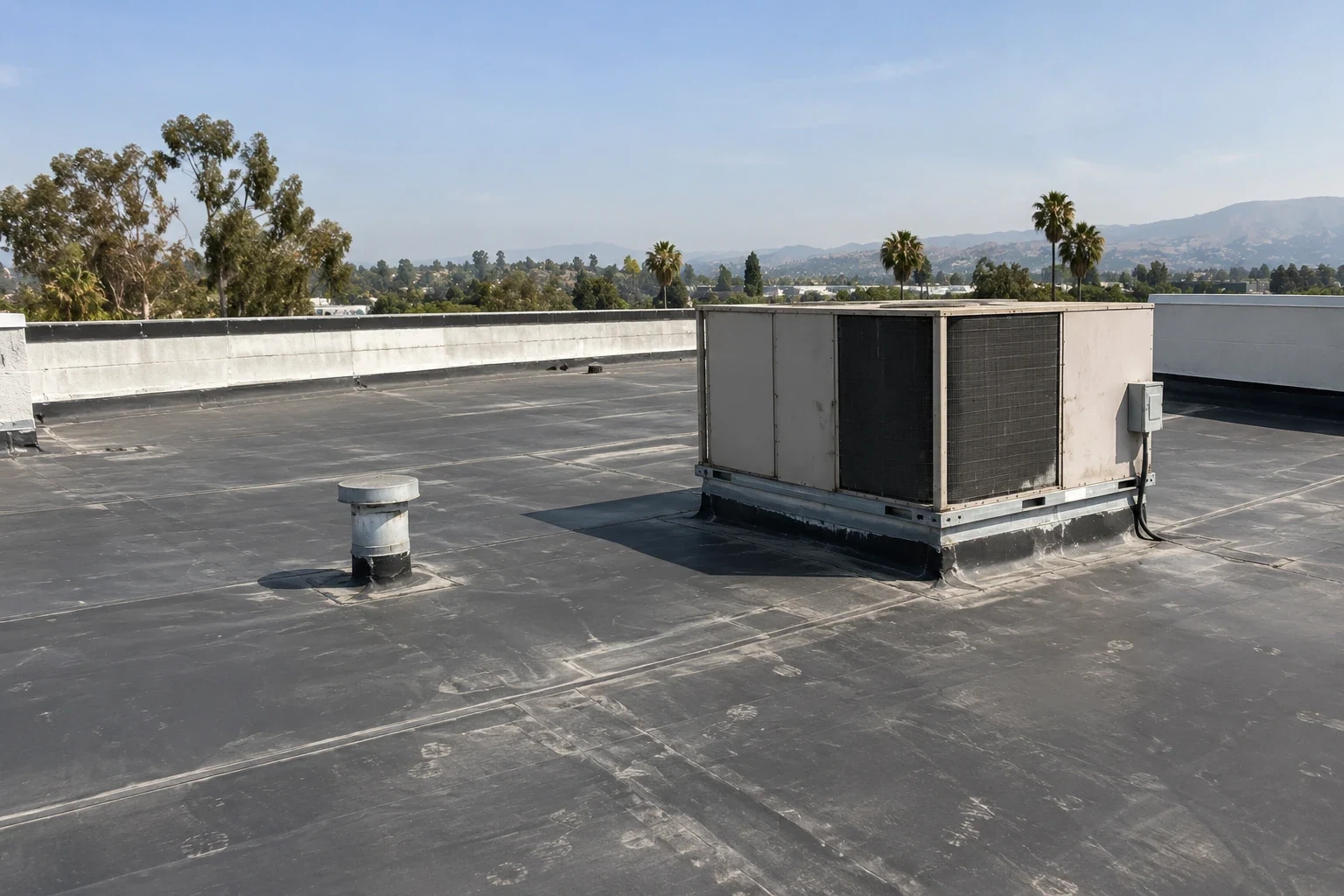
Existing patches can show where a roof has needed attention, but the patch count does not describe the condition beneath it. We compare repair invoices or photographs with current observations and note whether the same roof zones continue to appear. Check for open or contaminated seams, shrinking or displaced sheet at terminations, punctures, failed flashing, and wear near service paths. A repair record should identify whether a previous patch used compatible materials and how it tied into the surrounding membrane. Do not assume a dark area, wrinkle, or surface mark indicates a leak without checking for related evidence. If interior water entry has been reported, trace the likely path and distinguish the symptom from the roof opening. A localized repair may be appropriate when the membrane around the defect remains sound. If the condition repeats along a seam, a seam evaluation can define a longer repair boundary. Where concealed wet material is possible, testing should establish what needs removal before a new assembly is considered.
Verify Attachment and Substrate
EPDM may be fully adhered, mechanically attached, or ballasted as part of a designed assembly. The deck, wind criteria, roof geometry, perimeter details, and system requirements guide that choice. We record the attachment visible at edges or openings and confirm it where testing or plans are available. A ballasted system adds load and needs review against structural design; it should not be selected by appearance alone. A mechanically attached sheet relies on a fastening pattern that connects to the deck. An adhered installation depends on compatible substrate preparation and adhesive application. The proposal should state which assembly is planned and how edge and corner zones differ from the field. If insulation is being replaced, include its type, attachment, and transitions in the same scope. A cover-board and insulation review can make those layers explicit. At equipment curbs and skylights, tie the membrane into sound flashing details rather than treating a sheet patch as a complete transition.
Plan the Seam and Edge Transitions
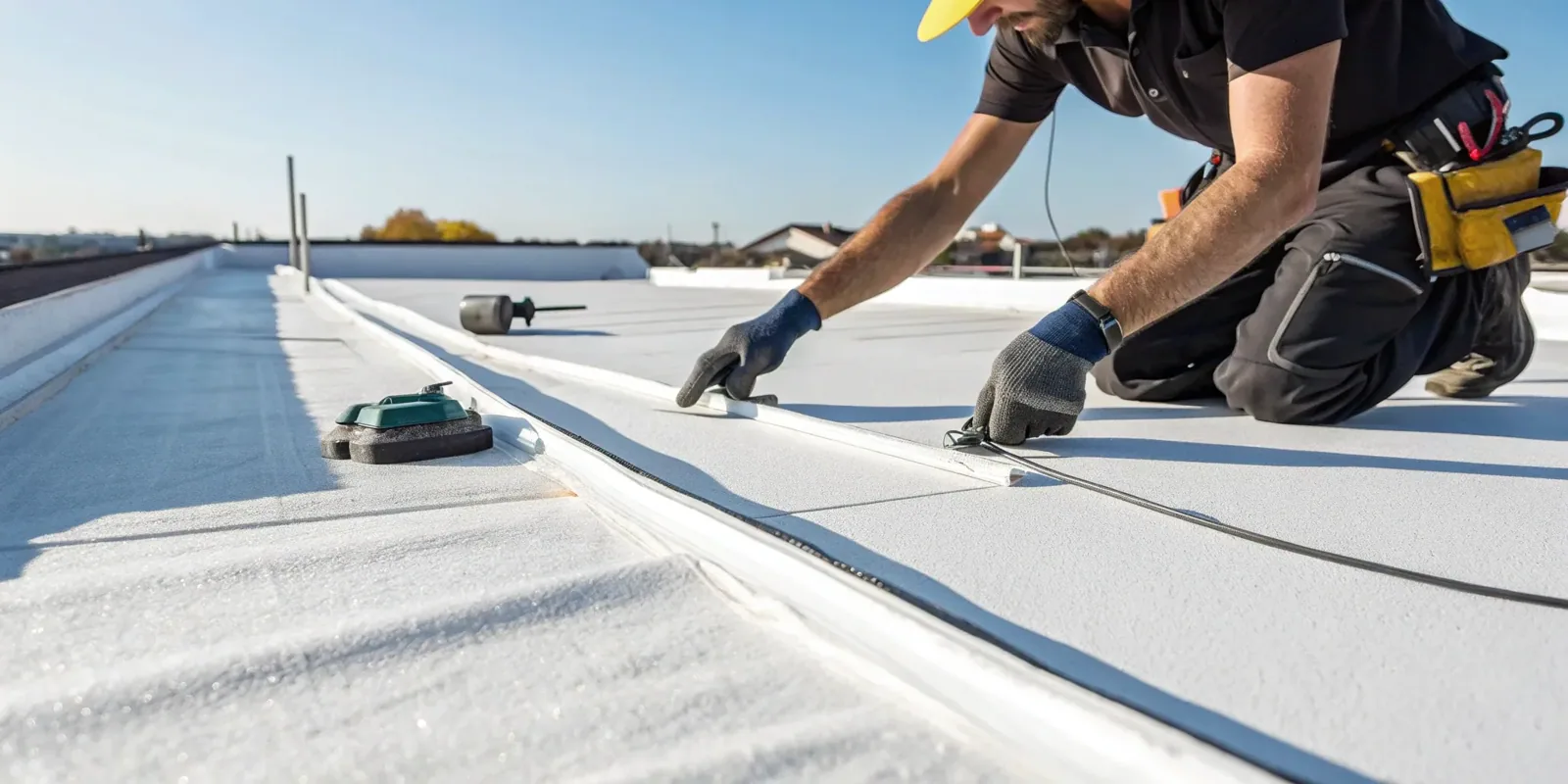
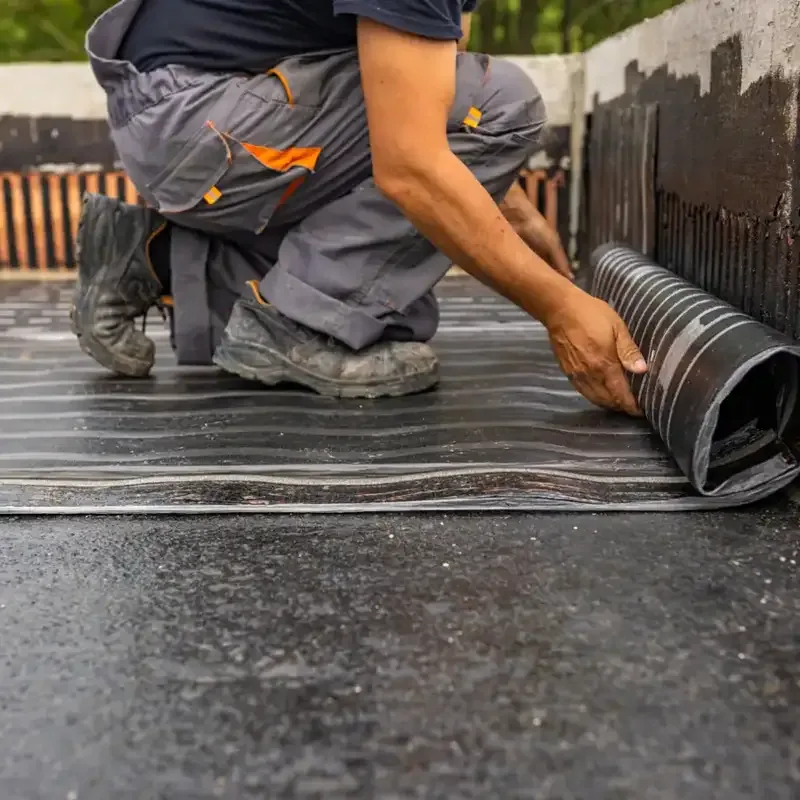
EPDM seams and terminations use system-specific components and preparation. The installation scope should state lap width, seam method, primer or adhesive requirements where applicable, and how field seams connect to flashings. At penetrations, corners, drains, and parapets, confirm that the detail can be completed without stretching the sheet or leaving an unsealed transition. A roof edge may need new metal to receive the membrane termination. A coping and edge scope can coordinate that work. Where the existing membrane remains compatible and dry, a recover assessment may be compared with removal; added height and drain relationships still need review. If UV exposure, traffic, or chemical contact is part of the decision, verify the product data and accessory requirements rather than assuming the material's category resolves the issue. The owner should receive a scope that describes the field sheet, insulation, attachment, and transitions as a single assembly.
Set Maintenance Around Roof Use
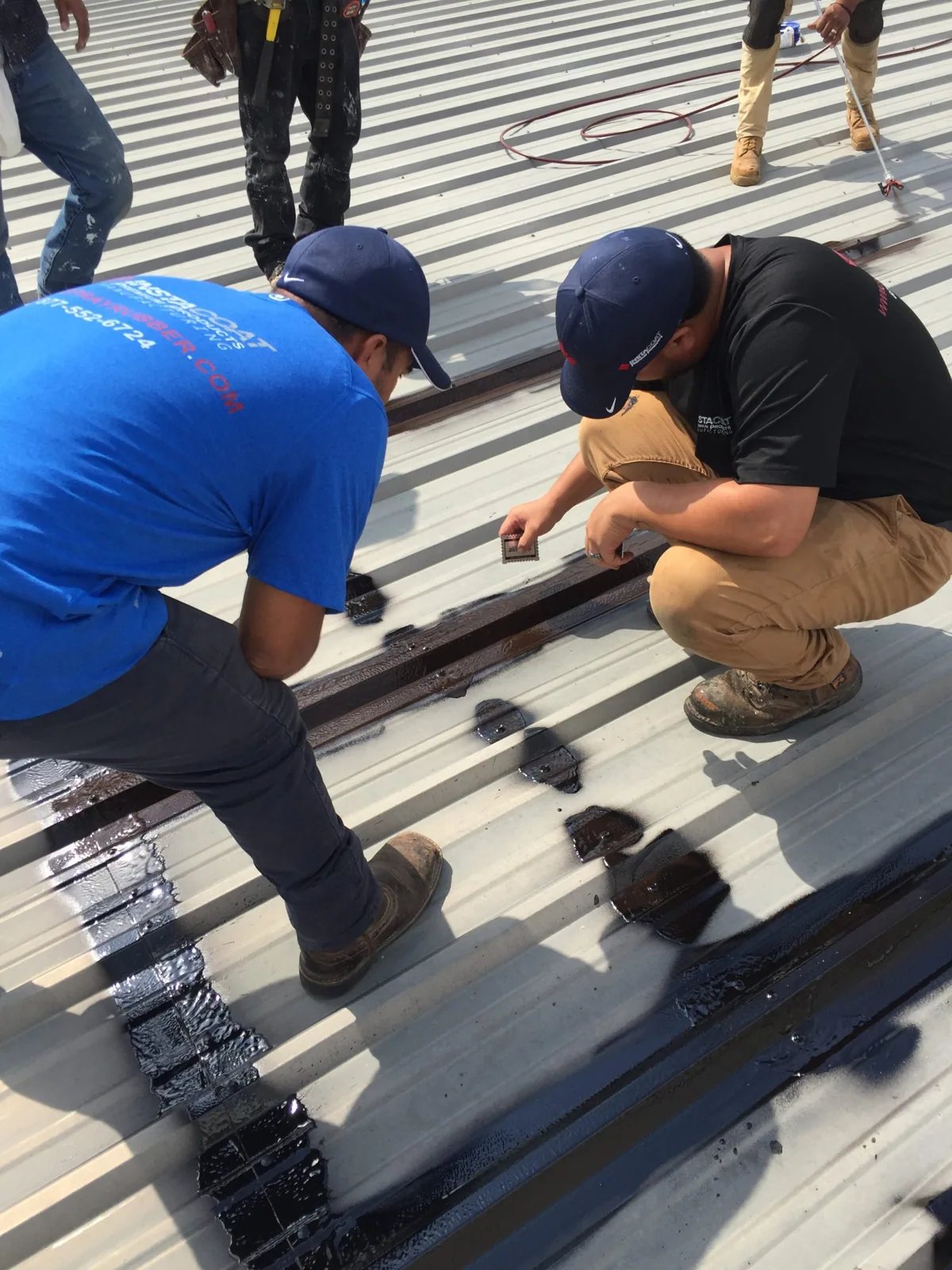
EPDM maintenance should revisit the same seams, flashings, drains, and access routes documented at installation. An EPDM repair file identifies seam preparation, adhesive limits, and the protected area before work begins, then records conditions at application. A visit before the wet season can record debris, open details, damage from rooftop service, or changes since the prior walk. Mare Island includes office, retail, and industrial spaces, with some commercial units having overhead cranes and oversized doors. Confirm what equipment and operations exist at a given building before scheduling access or staging materials. At a property along Sonoma Boulevard, pedestrian activity may affect roof access from the street; the actual site contact should confirm restrictions. We coordinate with the person who controls keys, ladders, escorts, and any equipment shutdown. If a leak requires urgent response, temporary protection and permanent repair should remain distinct in the work record.
Keep the Membrane File Useful
Retain the system description, attachment method, insulation layers, seam and flashing components, repair records, and photographs with roof-zone labels. Note any area not accessed or any seam and penetration outside the work scope. That distinction helps a later reviewer understand the condition trend. Owners with properties in the Mare Island area and Downtown Vallejo can compare records using common fields while keeping their roof assemblies separate. Future reports should identify changes from the previous visit rather than restate the installation file. If a defect recurs, connect the new observation with the prior repair and state whether the scope boundary changed. Arrange a site walk with drawings, repair history, access requirements, and budget timing. We can then compare repair and replacement options using the actual roof record instead of assuming the same solution fits every EPDM roof.
Commercial Roofing Questions
How are EPDM seams different from heat-welded seams?
EPDM systems typically use specified seam tapes, primers, or adhesives rather than fusing sheet surfaces with hot air. The exact components depend on the system. We inspect preparation, lap alignment, and edge condition, then document any open or contaminated seam. The repair method has to be compatible with the membrane and conditions at the roof, not copied from a TPO detail.
Can an EPDM roof be repaired after years of patches?
It can be repairable when the sheet, substrate, and surrounding details remain suitable. We review the patch history, inspect the affected zones, and identify whether failures are isolated or recurring. Several previous patches do not alone establish that replacement is necessary, but repeated openings in the same area may require a broader evaluation. The report should state what the repair can address and what remains uncertain.
Which EPDM attachment method should the project specify?
The deck, design loads, roof layout, assembly approval, and perimeter conditions guide that choice. Mechanically attached, adhered, and ballasted systems place different demands on the substrate and detailing. We verify what exists and document the planned attachment, including any distinct edge and corner requirements. The specification should make the method clear before installation begins.
What does a recover review need to confirm on an EPDM roof?
It should confirm layer count, attachment, moisture, membrane condition, height at drains and curbs, and compatibility with the new assembly. We may recommend testing if concealed conditions are uncertain. If the roof includes wet or unstable material, the scope should show where removal is required. A recover is not a way to bypass a condition that could impair the new roof.
How should an owner track a recurring EPDM leak?
Keep each report tied to a roof zone, date, interior symptom, repair performed, and photographs. Compare the latest observation with earlier repairs and note whether the same seam or flashing is involved. If the path remains unclear, a broader inspection or selective testing may be needed. This record helps distinguish a repeat failure from a separate opening nearby.
Compare EPDM Work with the Existing Roof Record
Arrange a Vallejo roof review with drawings, repair history, access requirements, and budget timing. We will document the substrate, seams, attachment, and details that shape an EPDM repair or replacement scope.
Request a Roof Assessment
Questions About Commercial EPDM Roofing in Vallejo, CA
Common questions from building owners and property managers.
How are EPDM seams different from heat-welded seams?
EPDM systems typically use specified seam tapes, primers, or adhesives rather than fusing sheet surfaces with hot air. The exact components depend on the system. We inspect preparation, lap alignment, and edge condition, then document any open or contaminated seam. The repair method has to be compatible with the membrane and conditions at the roof, not copied from a TPO detail.
Can an EPDM roof be repaired after years of patches?
It can be repairable when the sheet, substrate, and surrounding details remain suitable. We review the patch history, inspect the affected zones, and identify whether failures are isolated or recurring. Several previous patches do not alone establish that replacement is necessary, but repeated openings in the same area may require a broader evaluation. The report should state what the repair can address and what remains uncertain.
Which EPDM attachment method should the project specify?
The deck, design loads, roof layout, assembly approval, and perimeter conditions guide that choice. Mechanically attached, adhered, and ballasted systems place different demands on the substrate and detailing. We verify what exists and document the planned attachment, including any distinct edge and corner requirements. The specification should make the method clear before installation begins.
What does a recover review need to confirm on an EPDM roof?
It should confirm layer count, attachment, moisture, membrane condition, height at drains and curbs, and compatibility with the new assembly. We may recommend testing if concealed conditions are uncertain. If the roof includes wet or unstable material, the scope should show where removal is required. A recover is not a way to bypass a condition that could impair the new roof.
How should an owner track a recurring EPDM leak?
Keep each report tied to a roof zone, date, interior symptom, repair performed, and photographs. Compare the latest observation with earlier repairs and note whether the same seam or flashing is involved. If the path remains unclear, a broader inspection or selective testing may be needed. This record helps distinguish a repeat failure from a separate opening nearby.