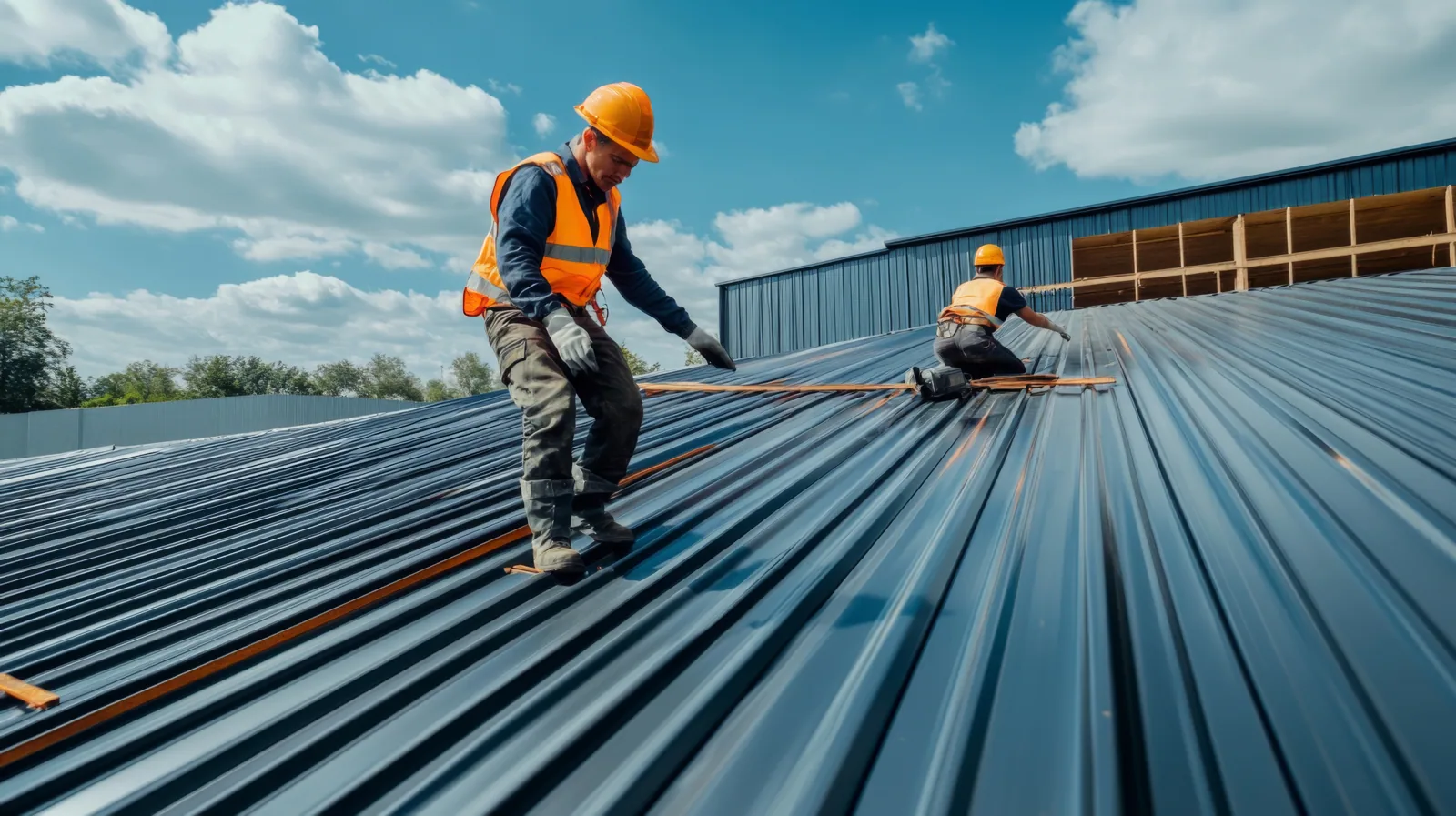
Commercial Roofing in Vallejo's Sonoma-Broadway Employment District
Commercial roof reviews for Vallejo's Sonoma-Broadway district, with assembly notes, access coordination, and scopes tied to each property.

Why Commercial Roofing Vallejo?
Commercial Roofing in Vallejo's Sonoma-Broadway Employment District
Vallejo General Plan 2040 identifies the Sonoma-Broadway District as a mixed-use employment area surrounding Kaiser Permanente and SolTrans properties. The plan calls for good transit service and directs staff to explore a possible transit-oriented urban village near Sereno Transit Center. That is a planning action, not evidence that a village has been built or that a particular business occupies a nearby building. Roofing decisions still begin at the asset: identify the roof assembly, access rules, water path, repair history, and operating limits. We keep that property record distinct from the district-level planning context. For owners comparing sites near Curtola Employment Center or Sonoma Boulevard, consistent fields make portfolio review more useful without treating separate properties as alike.
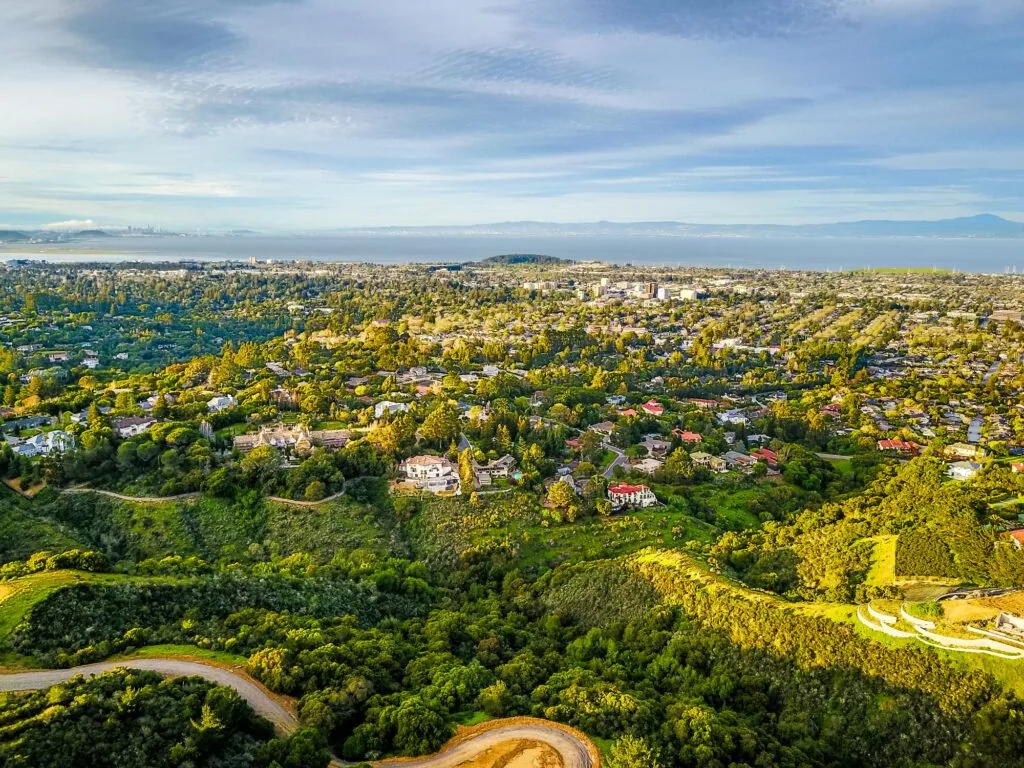
Plan the Work Around Access, Not Assumptions
A transit-oriented planning direction can make access coordination relevant, but it does not tell us whether a roof hatch is available, which entrance serves a tenant, or what hours are acceptable. The owner or property manager confirms escorts, delivery windows, staging, public routes, loading, and any required notifications. We document the agreed path and the person who approved it. If work affects an occupied area, the scope includes protection below and an end-of-day dry-in plan. A district name is useful for organizing a site list; actual logistics come from the property team.
The General Plan uses Kaiser Permanente and SolTrans to identify the employment district's geography. The advertised territory is the broader Sonoma-Broadway district, while each building requires its own access approval and condition record. A possible urban-village exploration near Sereno Transit Center remains a planning action, not a completed project. The White Slough plan separately defines a commercial strip along Sonoma Boulevard, so keep that district context distinct from roof findings. A phased occupied-building plan can address sequencing once the site contact confirms operations.
Verify the Existing System Before Writing a Scope
Where drawings exist, compare them with visible conditions. Confirm whether the roof is membrane, metal, built-up, or another assembly; note layers only when supported by records or an approved opening. Map seams, transitions, curbs, penetrations, edge metal, drains, and scuppers. Mark known repairs and recurring leak reports. If a coating is present, record its extent and visible condition without presuming adhesion or compatibility. A test should answer a defined question about attachment, moisture, or concealed layers. We state what was observed and avoid turning a visual review into a conclusion beyond its limits.
Mixed-use planning may bring multiple property types into a district, but the General Plan designation does not establish current uses at each parcel. For any building, operating loads and access rules are confirmed by its manager. We note rooftop equipment and interfaces because those details can influence a repair boundary. A TPO system review or standing-seam metal review is relevant only after the installed material is identified. If seams or wall transitions are suspect, a flashing condition review can isolate that issue.
Connect Reports to Roof Zones
Interior leak reports can help narrow an inspection but should not decide the entry point on their own. A stain, ceiling tile change, or damp finish may be displaced from a roof opening by slope, framing, piping, or deck geometry. We ask for dates, room locations, weather notes, and prior responses, then compare them with drain direction, seams, curbs, wall interfaces, and known patches. Each relationship is marked as confirmed, probable, or still open. If multiple paths remain plausible, the report lists the next observation or test instead of pricing a guessed repair limit.
Drainage, edge conditions, and penetrations are mapped as connected details. A blocked outlet may be a maintenance item, while a failed drain flange or low area may need a separate repair scope. A drain and scupper review can define the outlet work; a moisture survey can identify candidate locations for selective testing. The findings need field confirmation. This process protects the owner from paying for broad work that does not address the suspected water path, and from closing a roof zone before unresolved conditions are reviewed.
Keep the Repair Boundary Defensible
For an occupied property, the scope should separate protection and sequencing from roofing installation. Identify daily limits, temporary dry-in, debris handling, and the point when the area is safe to return. The repair alternative and a renewal scope should use the same roof map so the choices are comparable. Consider renewal only after substrate condition and adhesion questions are addressed. A planning designation or nearby transit asset does not establish which roof approach is preferred.
Use the District as an Index, Not as a Condition Grade
Vallejo's plan to explore an urban-village concept near Sereno Transit Center should remain identified as an exploration rather than a completed development fact. It may be relevant to long-range coordination if a property owner confirms a project schedule, but it does not establish current construction activity or roof access needs. A separate commercial strip has its own zoning and amendment context. A condition log can keep records current across the district while preserving individual site findings.
Give Facilities a Record They Can Reuse
For a Sonoma-Broadway district roof review, send plans, leak logs, repair invoices, access notes, and any confirmed operational schedule. We will document the assembly supported by available records and field observations, distinguish field facts from planning context, and prepare an option with defined limits. Use the same reporting structure for portfolio comparison while keeping each asset's roof condition and access facts separate.
Before work starts, confirm who can authorize access, where material may be staged, and which hours limit noise or loading. A written sequence should show the protected work area, temporary weather barrier, daily cleanup, and inspection point before the crew moves to the next zone. At closeout, match completed locations to the roof plan and list any work deferred because of weather, concealed conditions, or owner direction. This level of detail helps a facility manager distinguish a closed repair from an item still requiring observation. It also keeps planning assumptions separate from building-specific findings when a portfolio includes several roofs.
If a review crosses several suites or roof zones, label each area on the sketch and state which tenant or operation needs notice. Put temporary protection, cleanup, and daily access limits in the sequence rather than leaving them to the morning briefing. A manager can then coordinate the work window and confirm that completed zones are weather-tight before normal use resumes.
Commercial Roofing Questions
Is the Sonoma-Broadway urban village already built?
The General Plan directs staff to explore a possible transit-oriented urban village near Sereno Transit Center. That is a planning action and should not be described as completed development.
Why are Kaiser Permanente and SolTrans named in the district description?
The City uses them as geographic markers in the district description. Roof access and project approval are determined at the property, with the owner or authorized manager setting the work boundary.
Can transit planning affect a roofing project?
It may make access, staging, and coordination worth confirming. The property manager must verify actual routes, hours, permits, and operating constraints before the work sequence is set.
What if drawings do not identify the roof assembly?
We record visible conditions and note the information still needed to identify the assembly. An approved test opening or other documentation may be needed before material compatibility and removal limits can be finalized.
How are different repair options compared?
Use the same zone map and known conditions for each option. Compare repair limits, concealed-condition assumptions, access impact, repeat maintenance, and capital timing rather than relying on a neighborhood label.
Turn Site Observations Into a Bounded Scope
Share roof plans, repair history, leak locations, and confirmed access requirements. We will map the condition and identify the next repair or renewal decision.
Request a Roof Assessment
Questions About Commercial Roofing in Vallejo's Sonoma-Broadway Employment District
Common questions from building owners and property managers.
Is the Sonoma-Broadway urban village already built?
The General Plan directs staff to explore a possible transit-oriented urban village near Sereno Transit Center. That is a planning action and should not be described as completed development.
Why are Kaiser Permanente and SolTrans named in the district description?
The City uses them as geographic markers in the district description. Roof access and project approval are determined at the property, with the owner or authorized manager setting the work boundary.
Can transit planning affect a roofing project?
It may make access, staging, and coordination worth confirming. The property manager must verify actual routes, hours, permits, and operating constraints before the work sequence is set.
What if drawings do not identify the roof assembly?
We record visible conditions and note the information still needed to identify the assembly. An approved test opening or other documentation may be needed before material compatibility and removal limits can be finalized.
How are different repair options compared?
Use the same zone map and known conditions for each option. Compare repair limits, concealed-condition assumptions, access impact, repeat maintenance, and capital timing rather than relying on a neighborhood label.