Roof Systems in Vallejo, CA
Commercial Roofing Vallejo
Review commercial roof systems through their layers, repair history, drainage, and operating context. Match the system record to each Vallejo roof zone.
Why Commercial Roofing Vallejo?
Roof Systems for Vallejo Properties
A roof system is a layered assembly, not a single surface product. Deck, insulation, cover board, membrane or panels, attachment, drainage, and perimeter details can all affect a repair or renewal choice. A familiar material name does not establish which layers are present today.
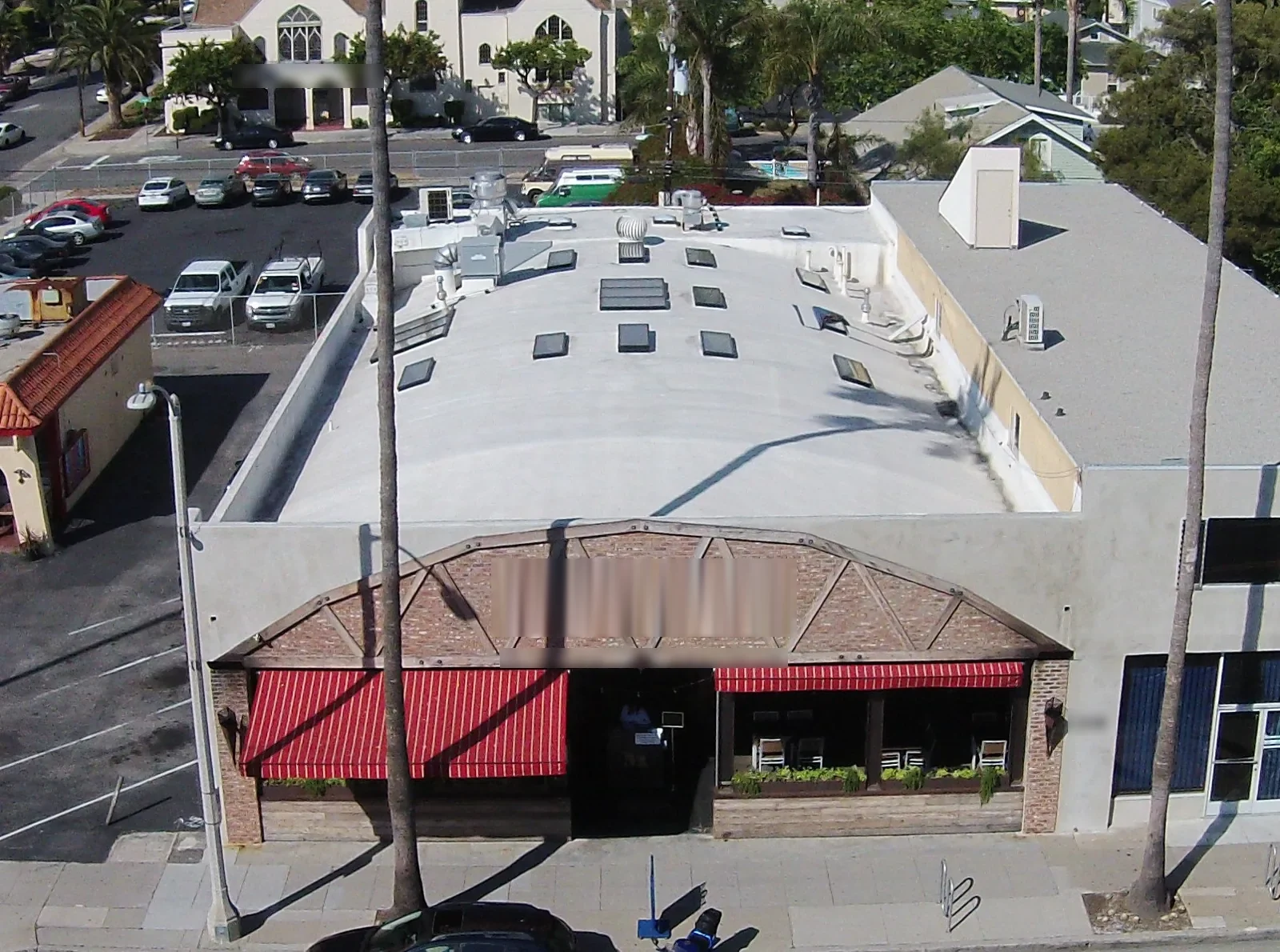
Vallejo assets can include commercial, industrial, and institutional buildings with different roof histories. Use plans, approved submittals, closeout records, and current observations to identify the assembly before comparing repair, recover, coating, or replacement.
Browse Roof Systems
Vallejo, CA
Planning Notes
Roof Systems Details
Single-ply assemblies
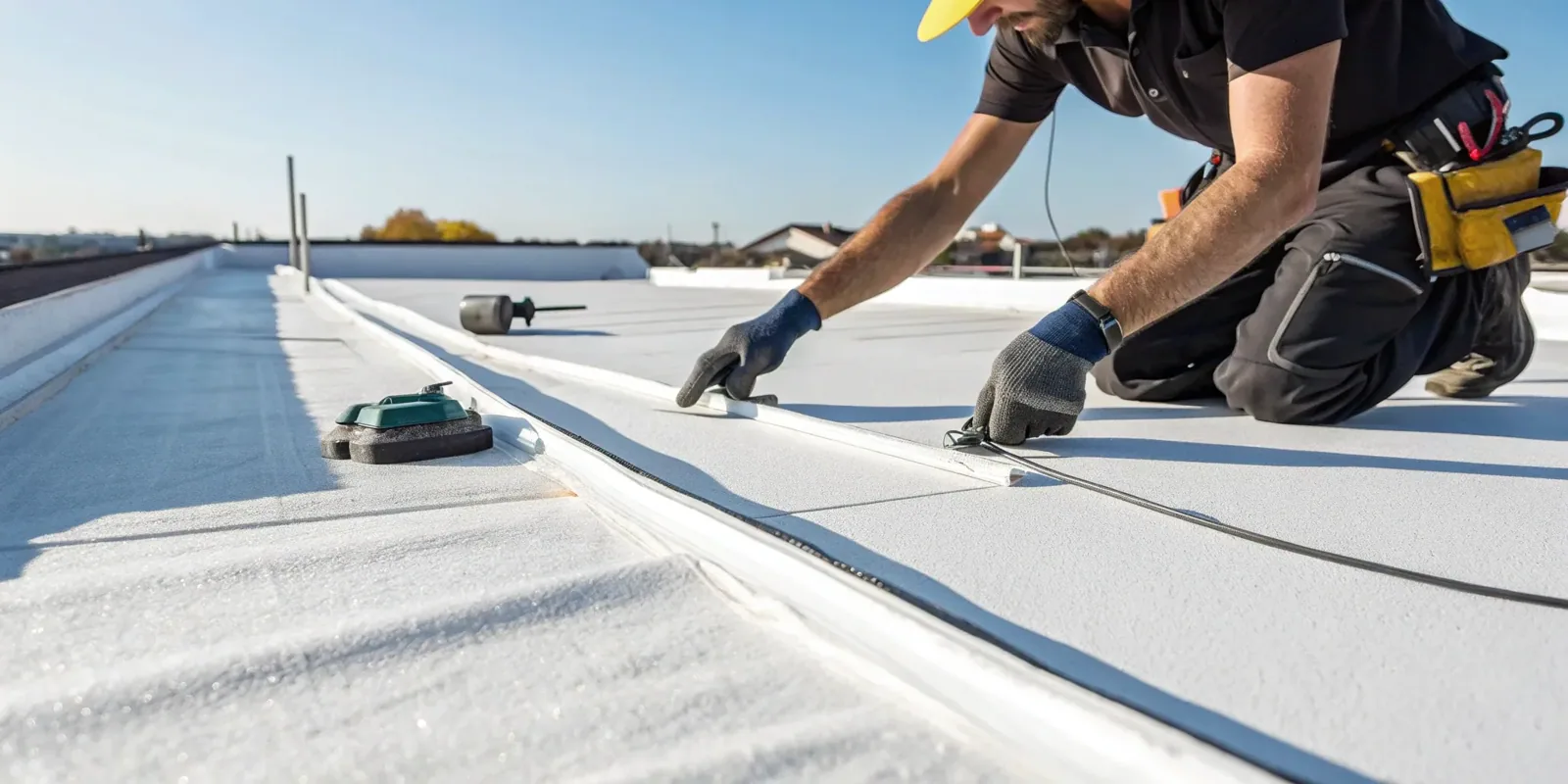
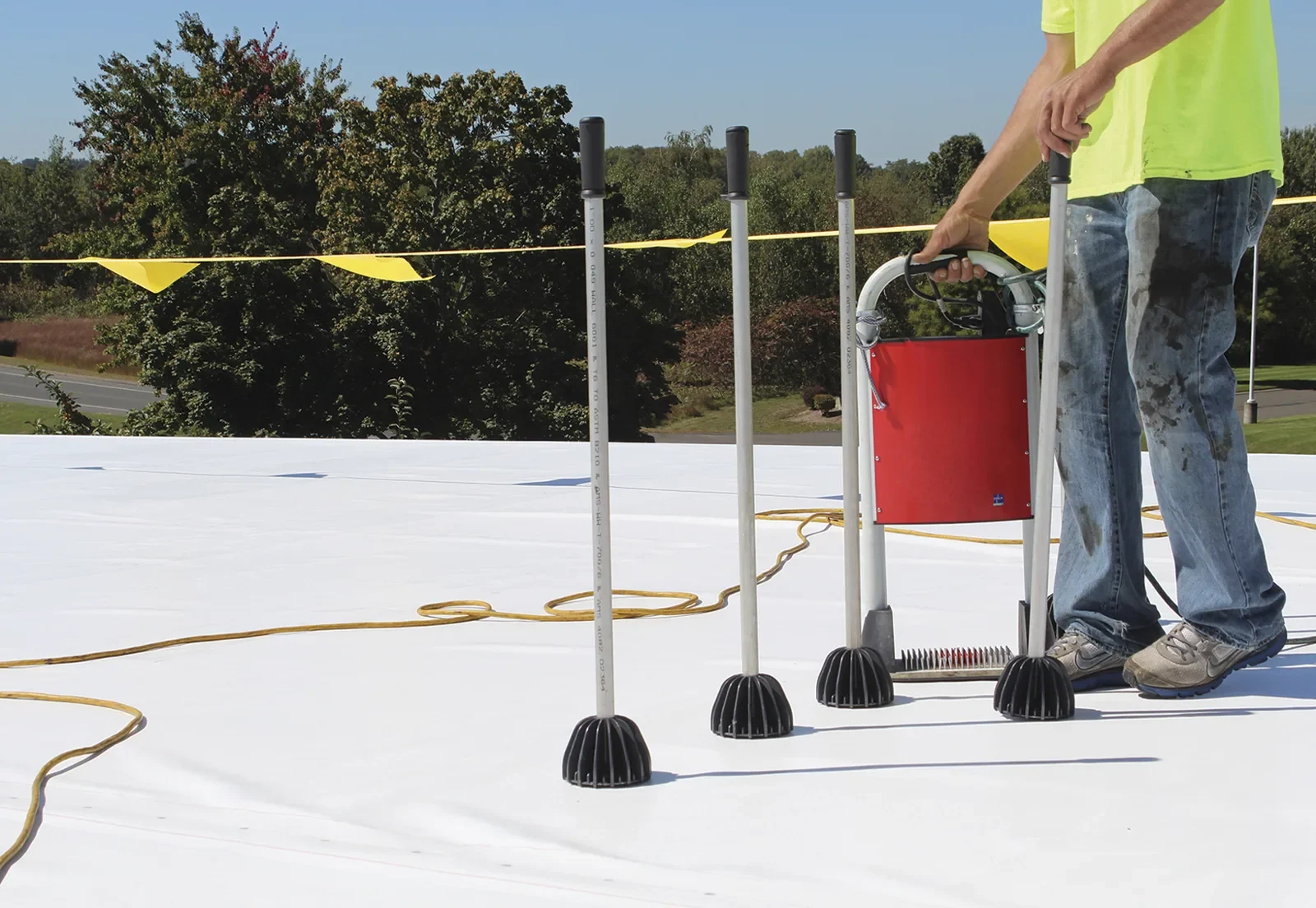
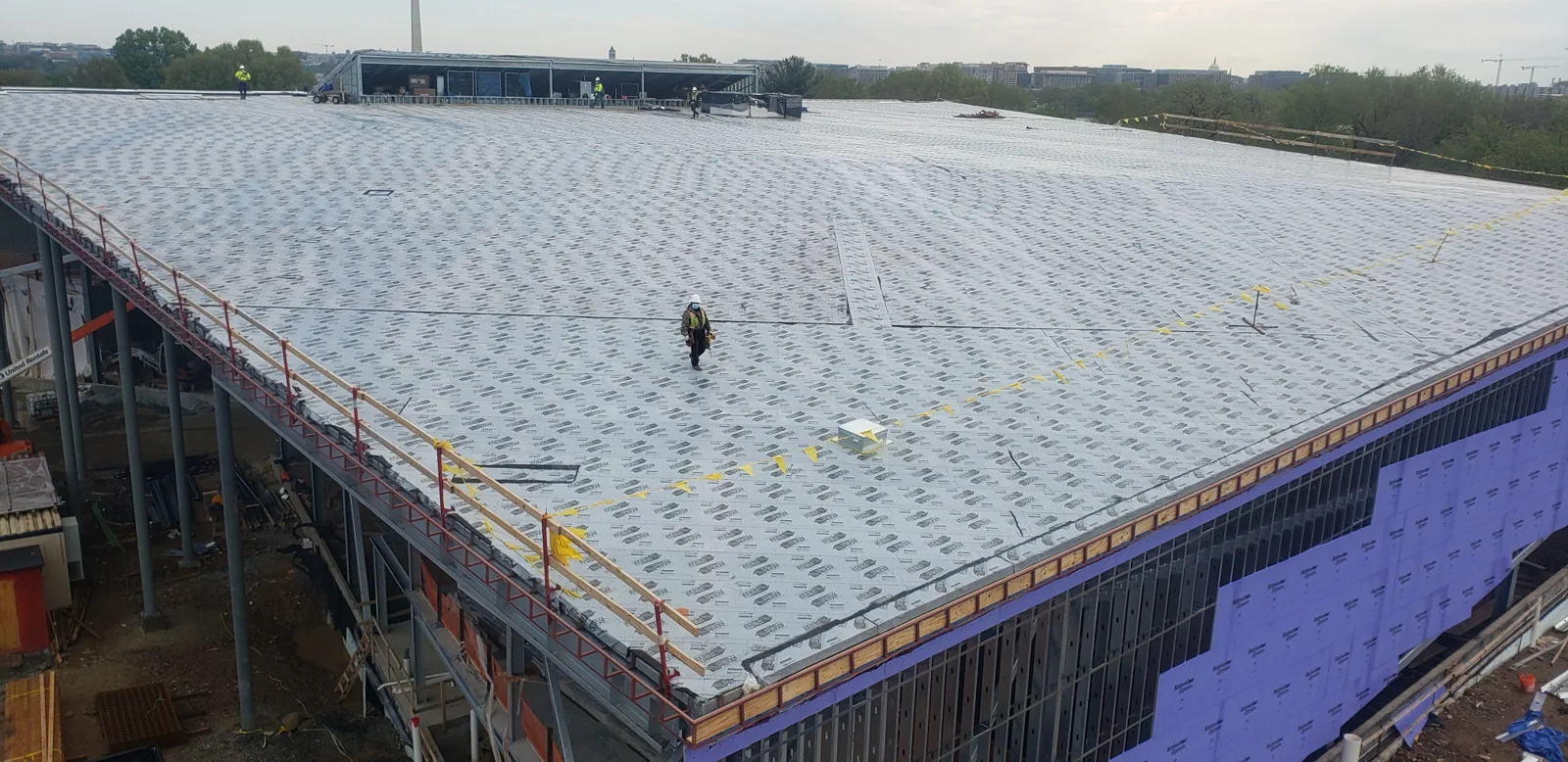
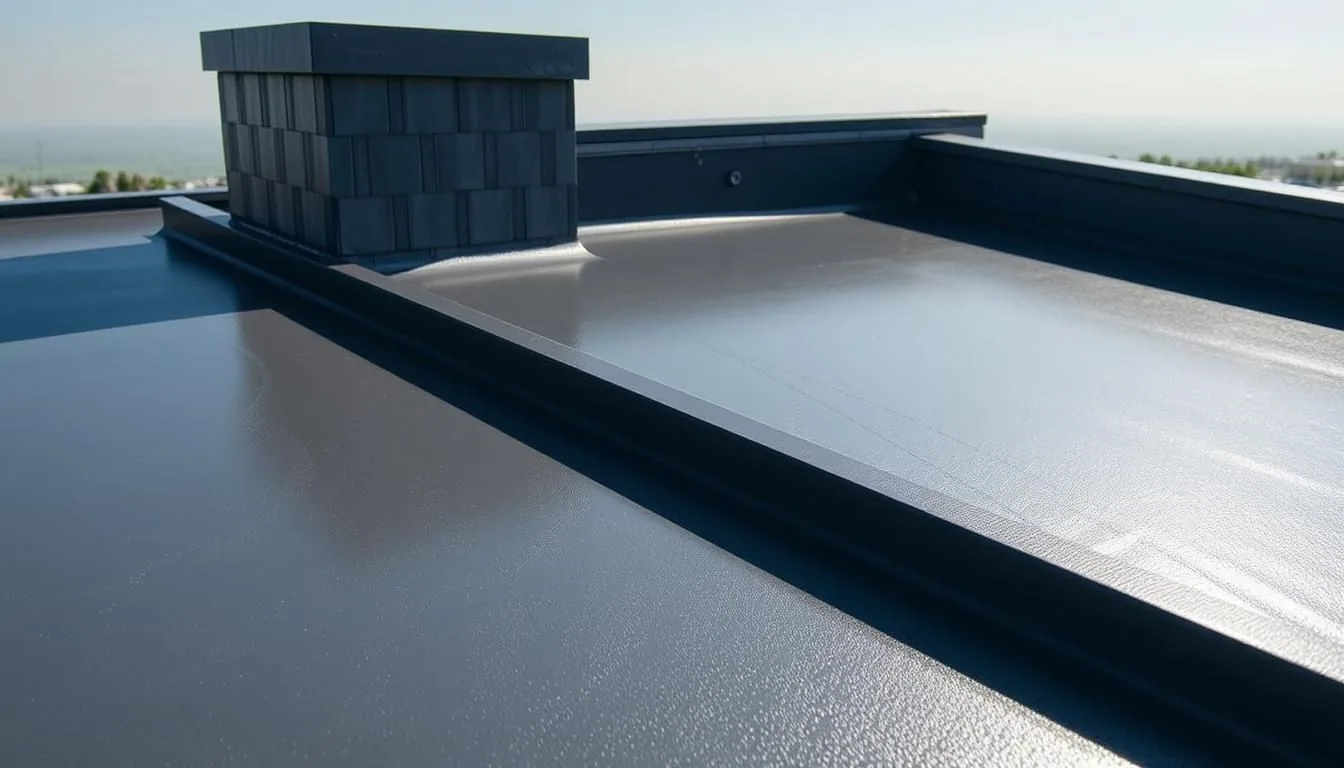
TPO, PVC, EPDM, and KEE designations describe different membrane families, but a project file must identify the exact product and assembly. Confirm attachment method, substrate, insulation, and details. Photographs and maintenance records can show conditions while leaving concealed layers unknown.
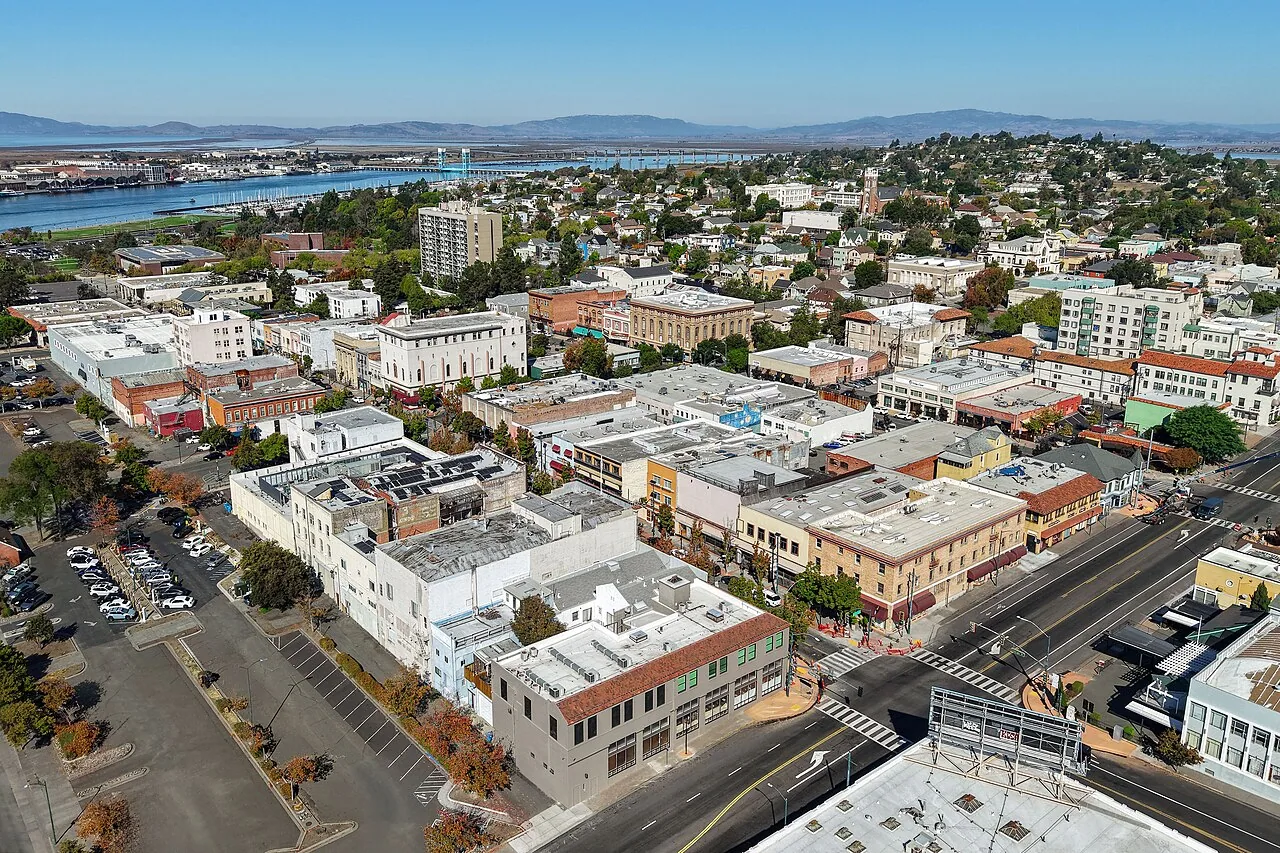
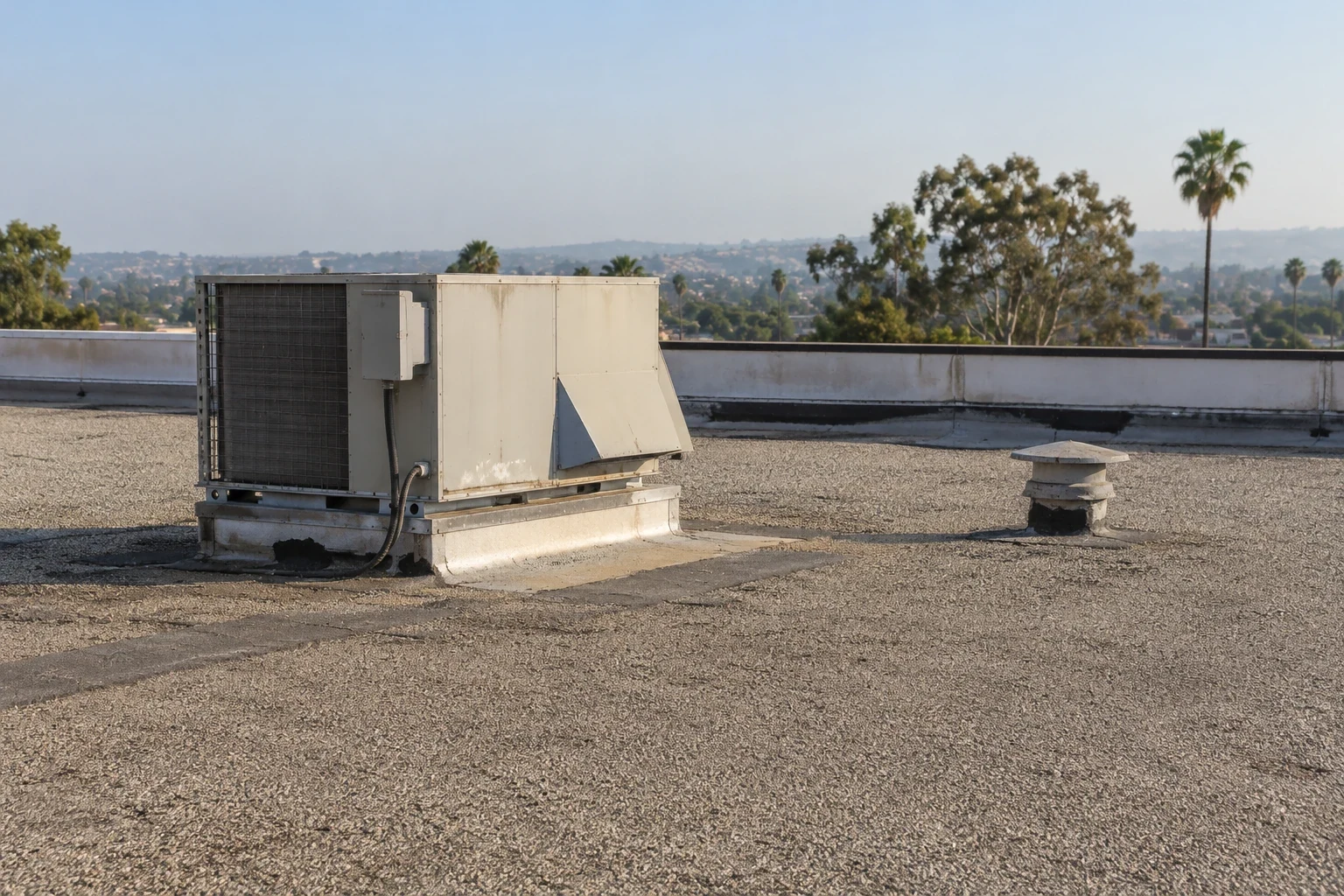
Compare a documented TPO assembly, PVC membrane, and EPDM roof only after matching the records to the building. A Downtown Vallejo property needs its own roof-zone record.
Built-up and modified bitumen
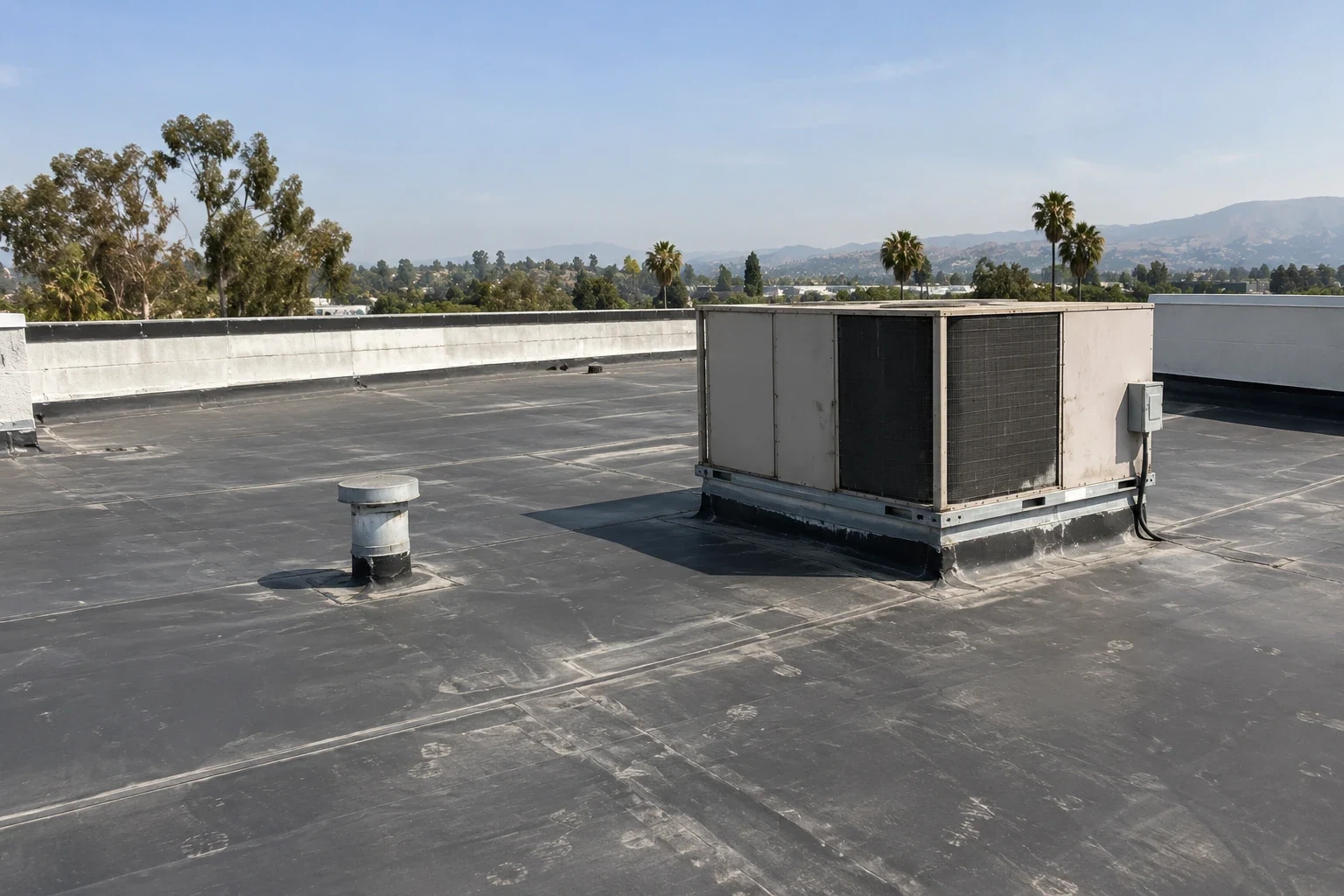
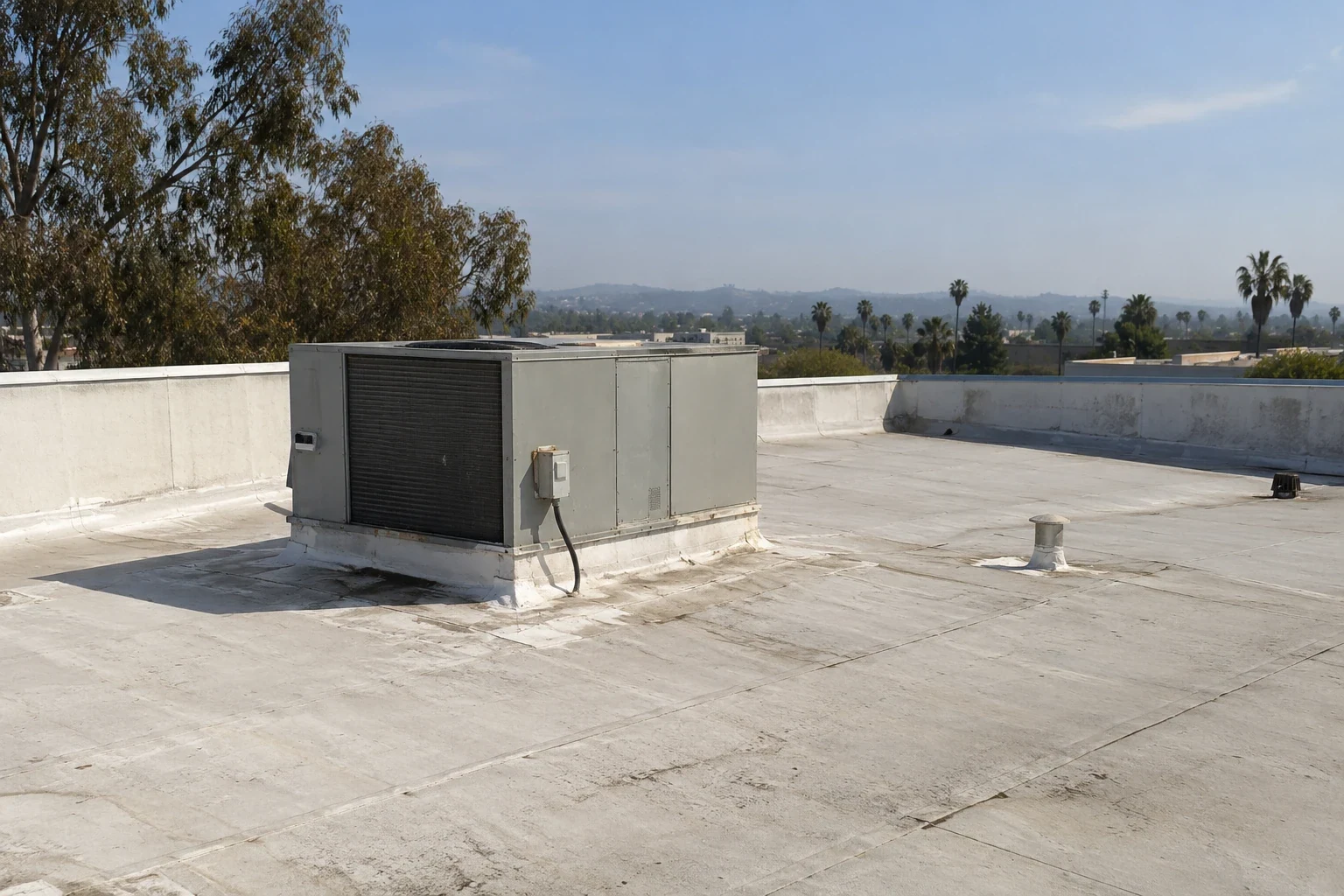
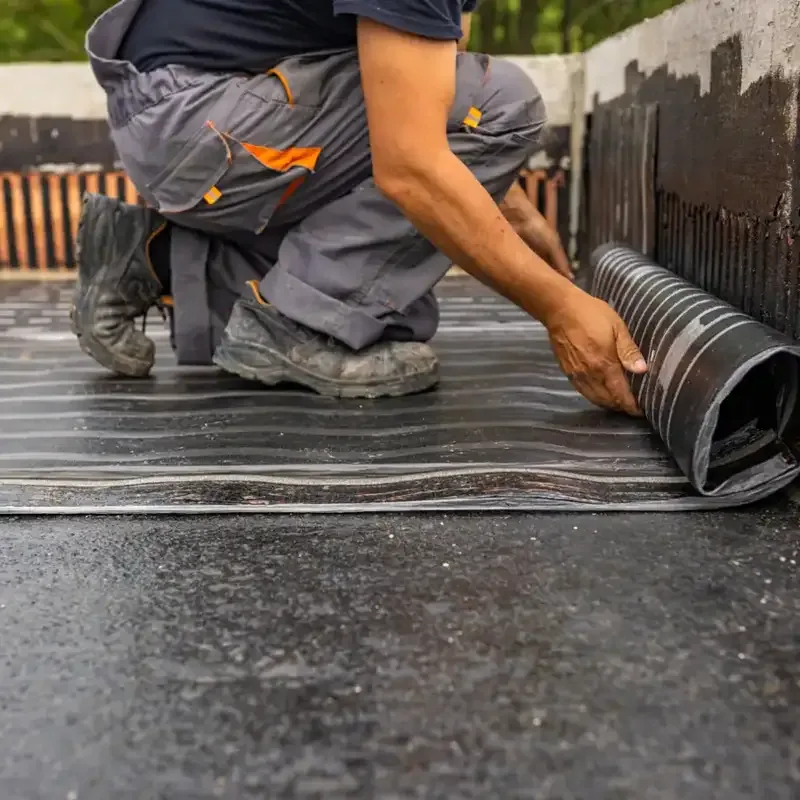
Multi-ply roofs need review by layer and repair area. A surface patch may obscure prior work, while a roof plan can omit a later addition. Identify seams, flashings, drains, penetrations, and transitions, then note what needs access or further investigation.
On office properties, preserve the tenant schedule beside the inspection plan. Relevant work can include modified bitumen, built-up assemblies, or a separate recover review.
Metal, foam, and coatings
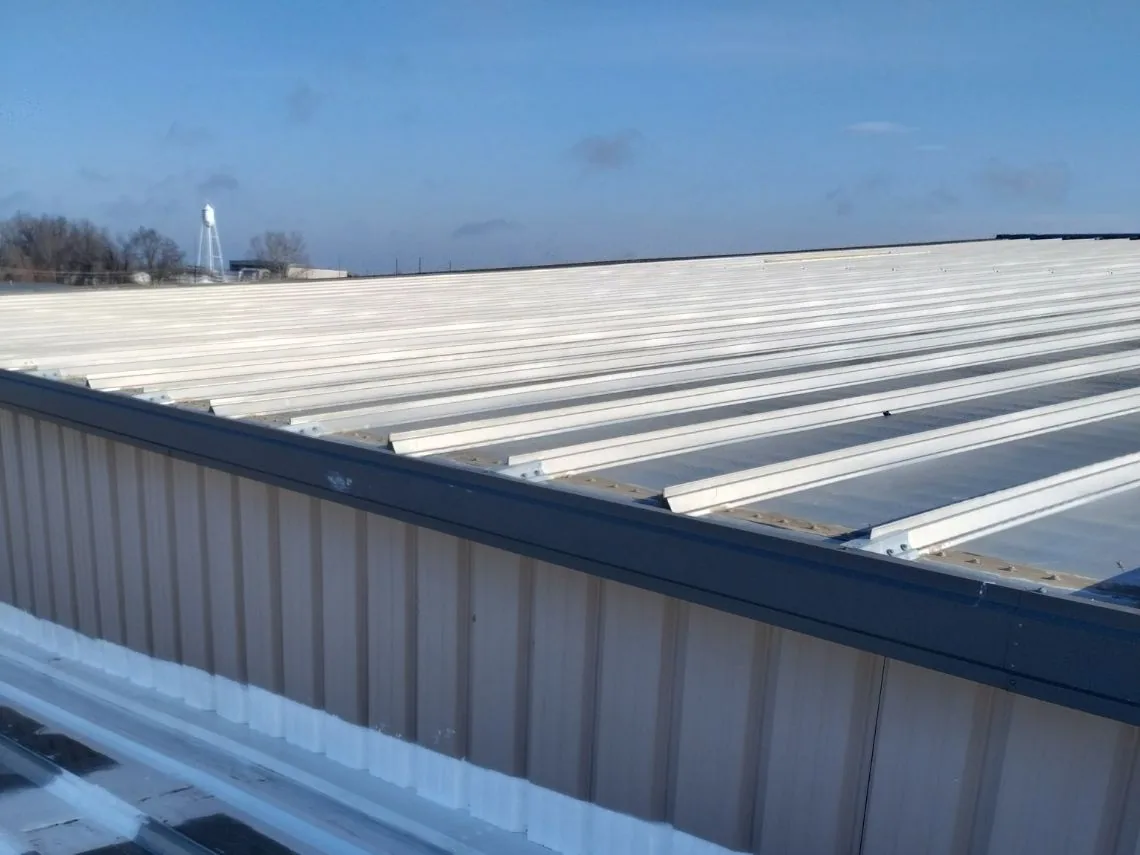
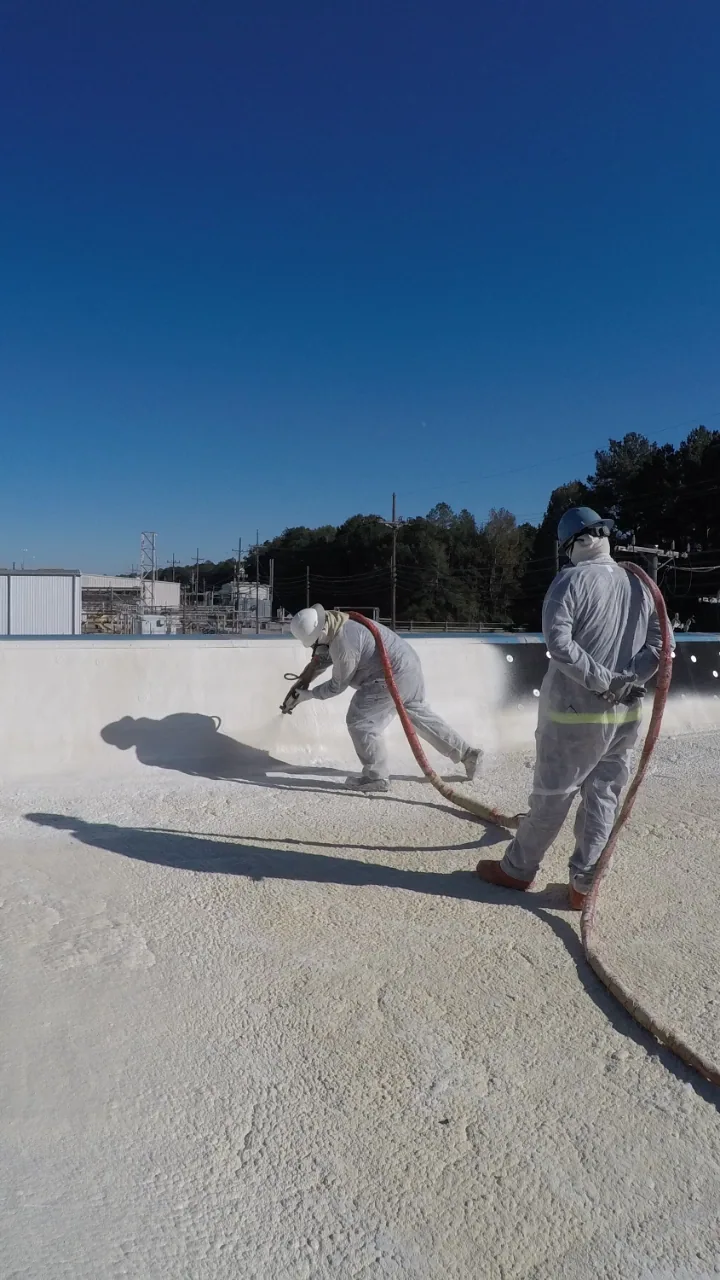
Metal panels, retrofit assemblies, spray foam, and coatings have distinct details and maintenance questions. Check panel laps, fasteners, penetrations, coating condition, and drainage where visible. Confirm the existing assembly before selecting a repair or restoration method.
A standing-seam roof or coating system should be assessed on its own evidence. A condition report can record the observed scope before a restoration estimate.
Records and next steps
Keep each product sheet, project plan, invoice, warranty, and photo log connected to the address and roof section it describes. Mark disagreements as open questions. A decision-ready file separates documented construction from assumptions and gives the owner a clear next review.
A roof asset register helps preserve the assembly record, while inspection notes and capital planning remain tied to current conditions.
For a repair discussion, distinguish the visible membrane or panel from the complete assembly beneath it. Record what the site visit can confirm, what the drawings identify, and where the two documents do not yet align. A measured quantity or an access limit should be labeled before it is used in an estimate.
Commercial Roofing Questions
Does a membrane label describe every roof layer?
No. The roof record should include the supporting layers, attachment, details, drainage, and any later repairs.
Can a coating fix any existing roof?
A coating decision depends on the substrate, roof condition, drainage, preparation, and the product requirements for that assembly.
What changes a system repair estimate?
Access, roof geometry, layers, transitions, measured quantities, and concealed conditions can affect the scope and timing.
Should different roof areas share one history?
Separate areas when construction dates or assemblies differ. Link them in the portfolio index without merging their evidence.