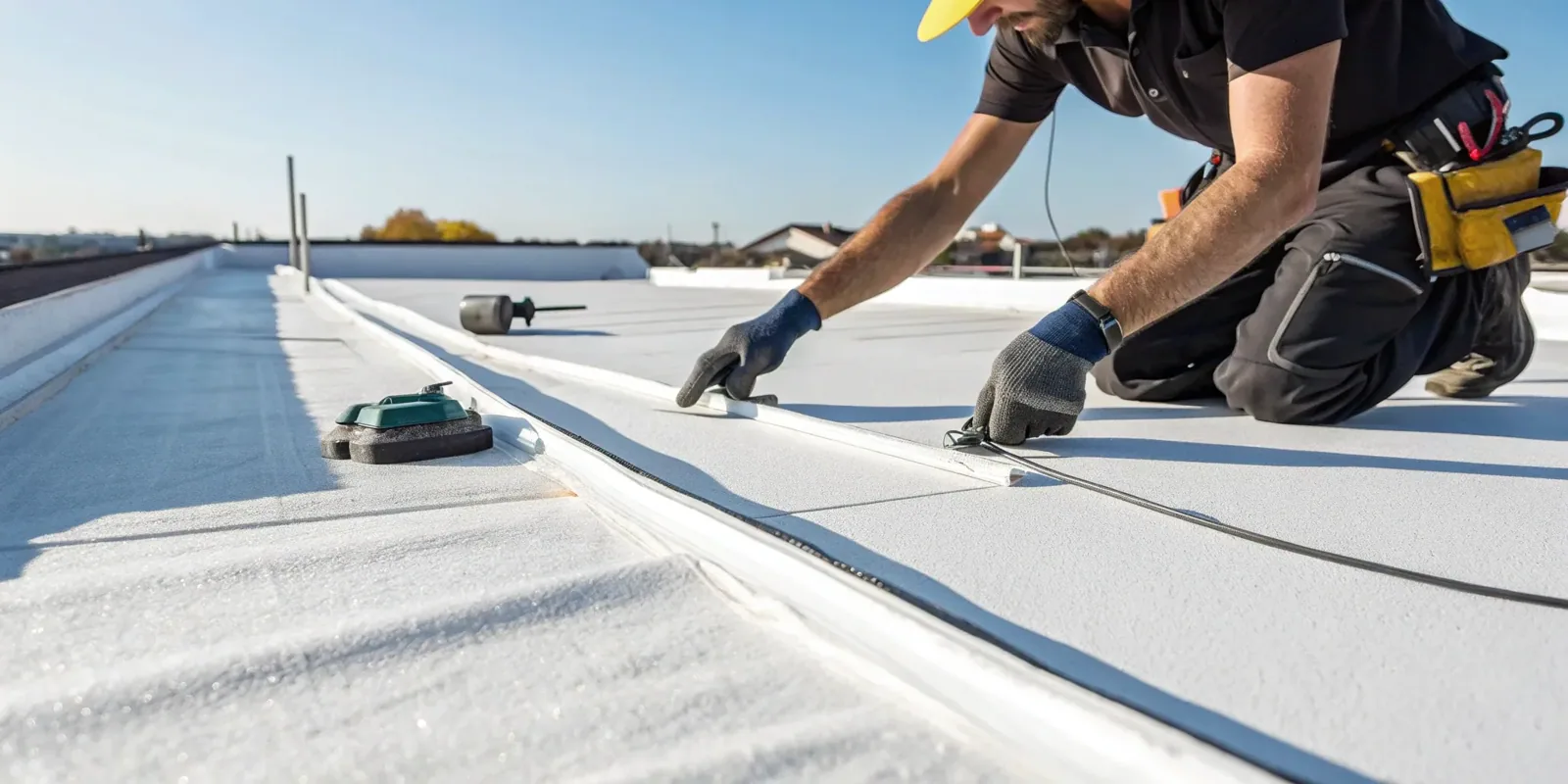
Commercial Silicone Roof Coatings in Vallejo, CA
Evaluate silicone roof coatings in Vallejo, CA by checking adhesion, substrate, ponding, repairs, and the limits of the existing roof assembly.
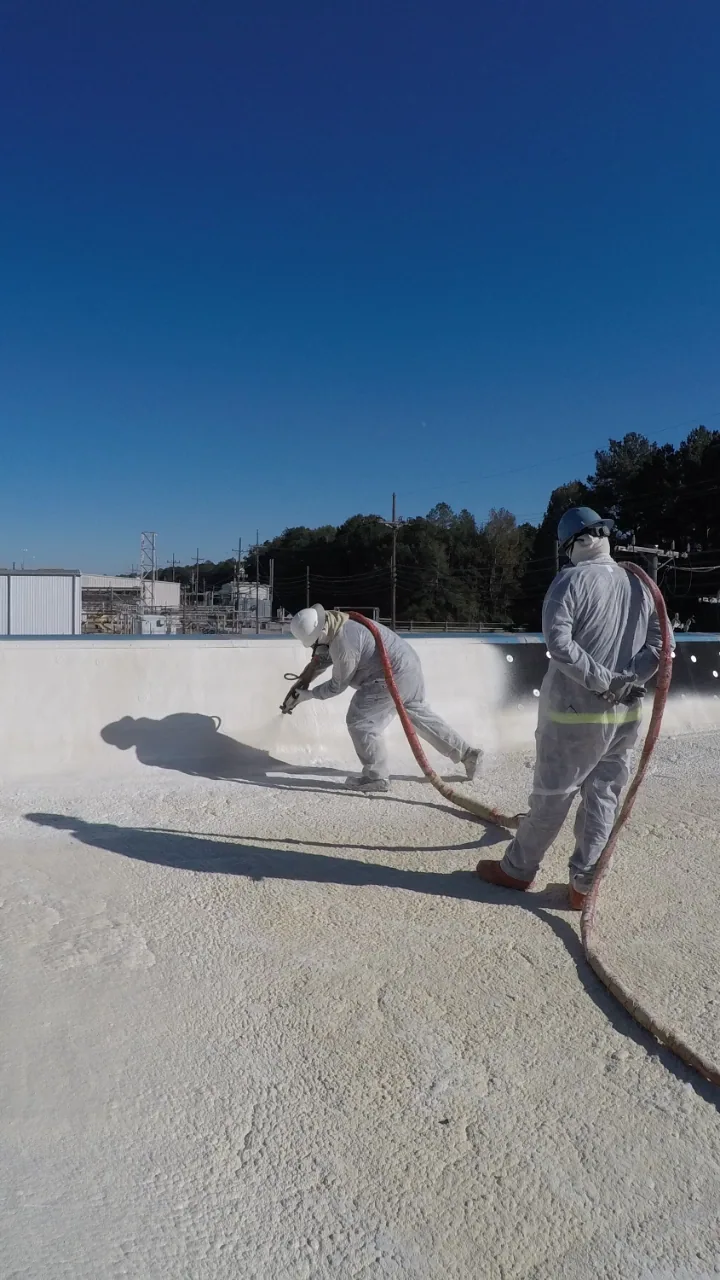
Why Commercial Roofing Vallejo?
Commercial Silicone Roof Coatings in Vallejo, CA
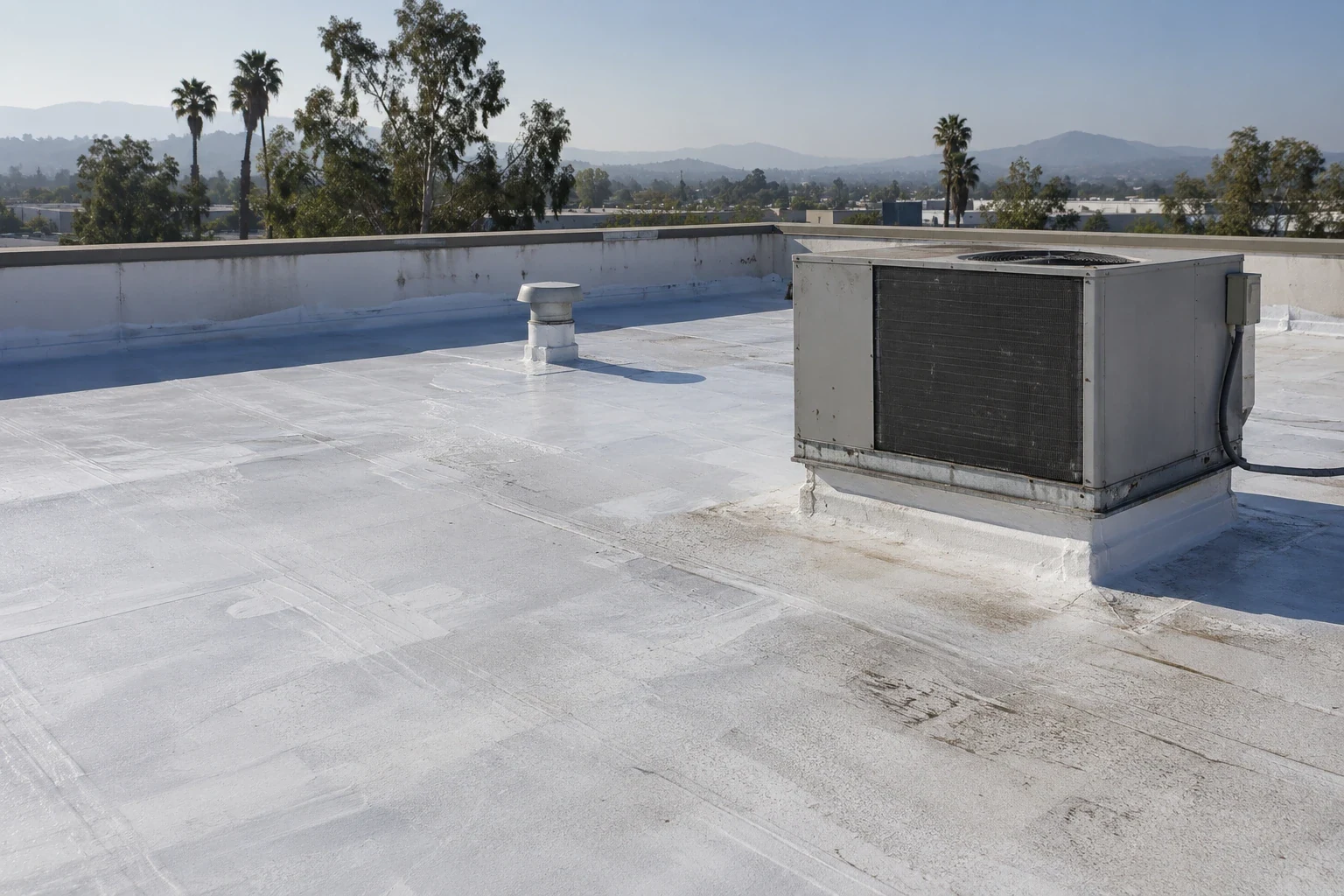
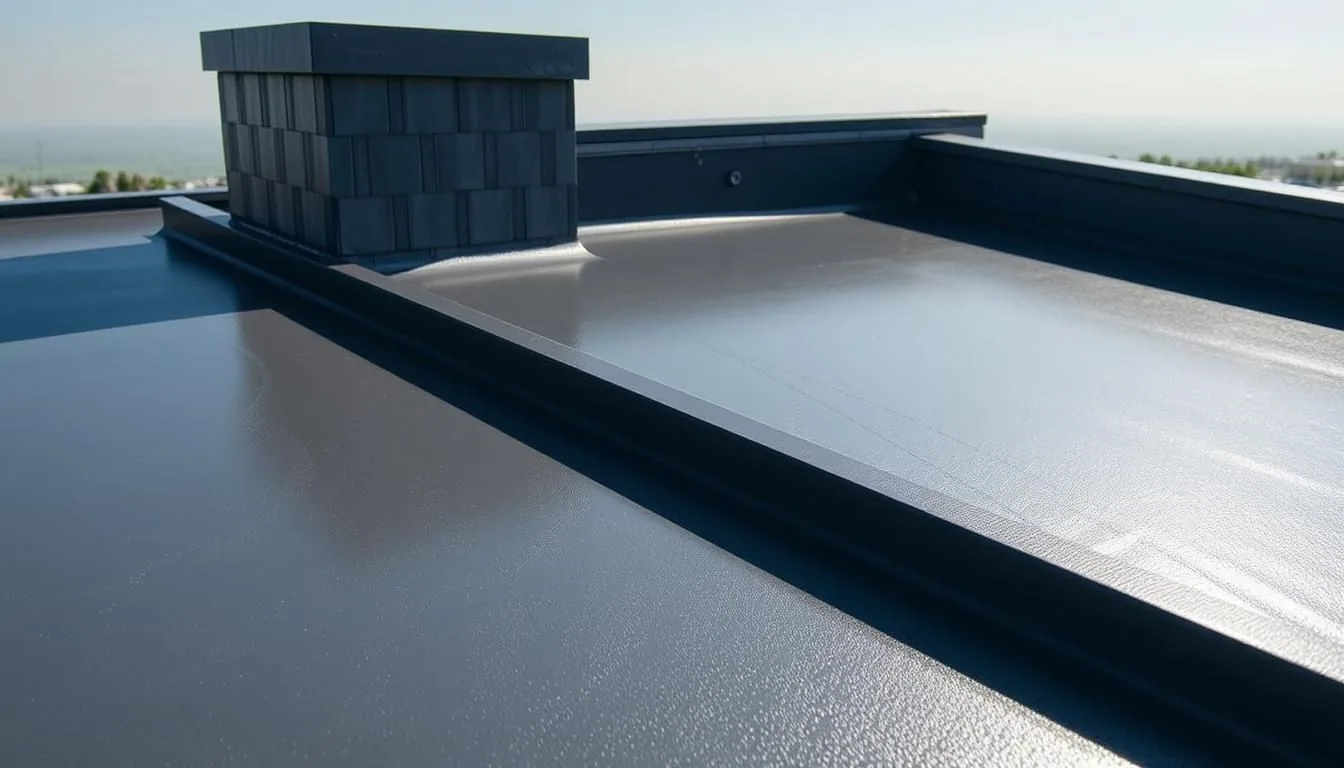
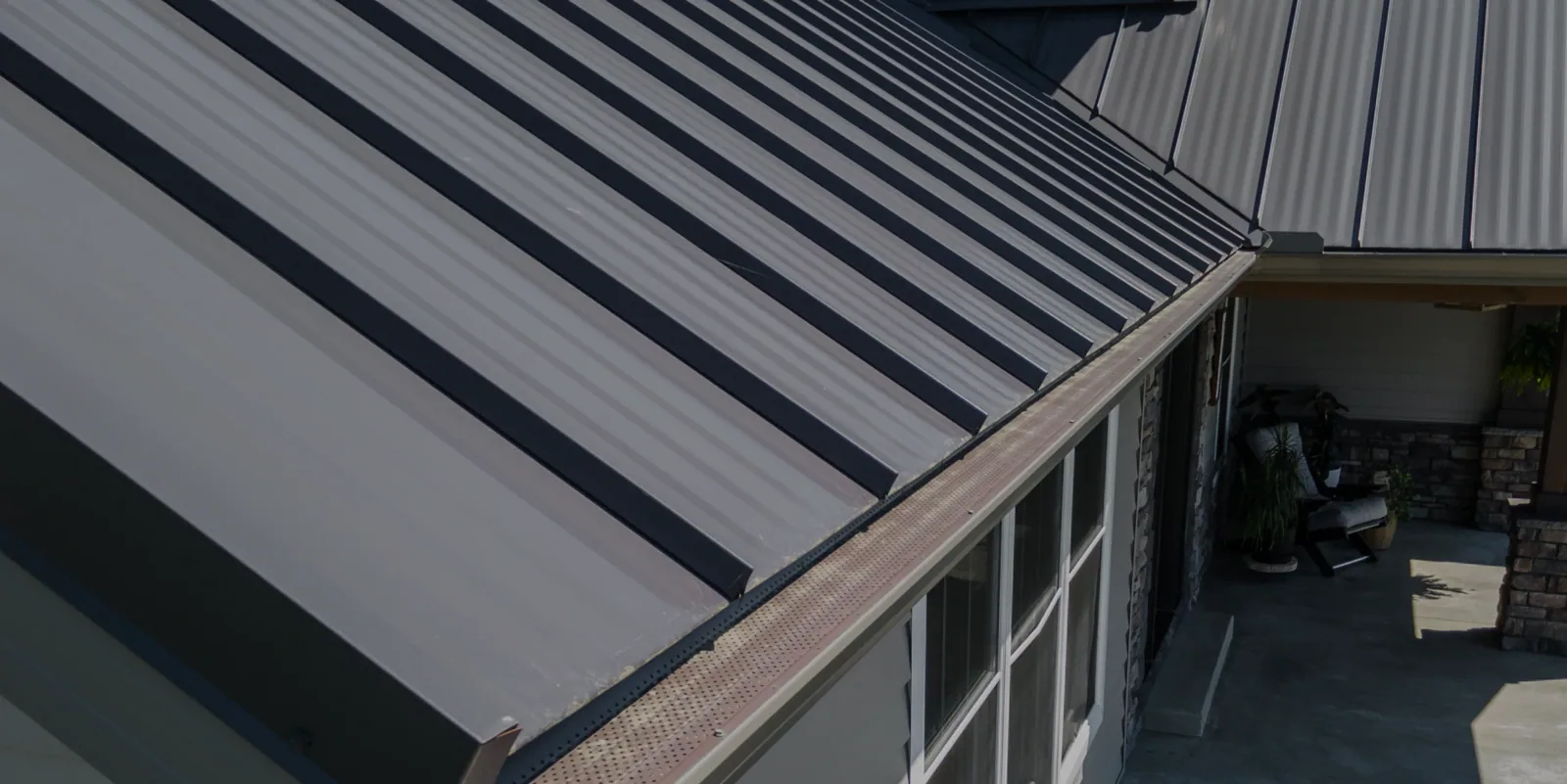
A coating history belongs in the roof record with the substrate and repairs it covers. For a Vallejo asset manager, the question is whether the existing membrane or metal can support another silicone layer, not simply whether the surface looks faded. We inspect adhesion, blisters, open seams, penetrations, drains, and areas where prior patches may be incompatible. Mare Island includes office, retail, and industrial commercial buildings; property operations may influence staging, but each building's roof assembly must be identified from its records and field conditions. A coating restoration assessment can document preparation and repair needs. We can compare silicone with spray foam systems or acrylic coatings after the substrate, water path, and required scope are clear. A condition inspection gives the owner a basis for deciding whether the coating remains a repair path or the assembly should be replaced.
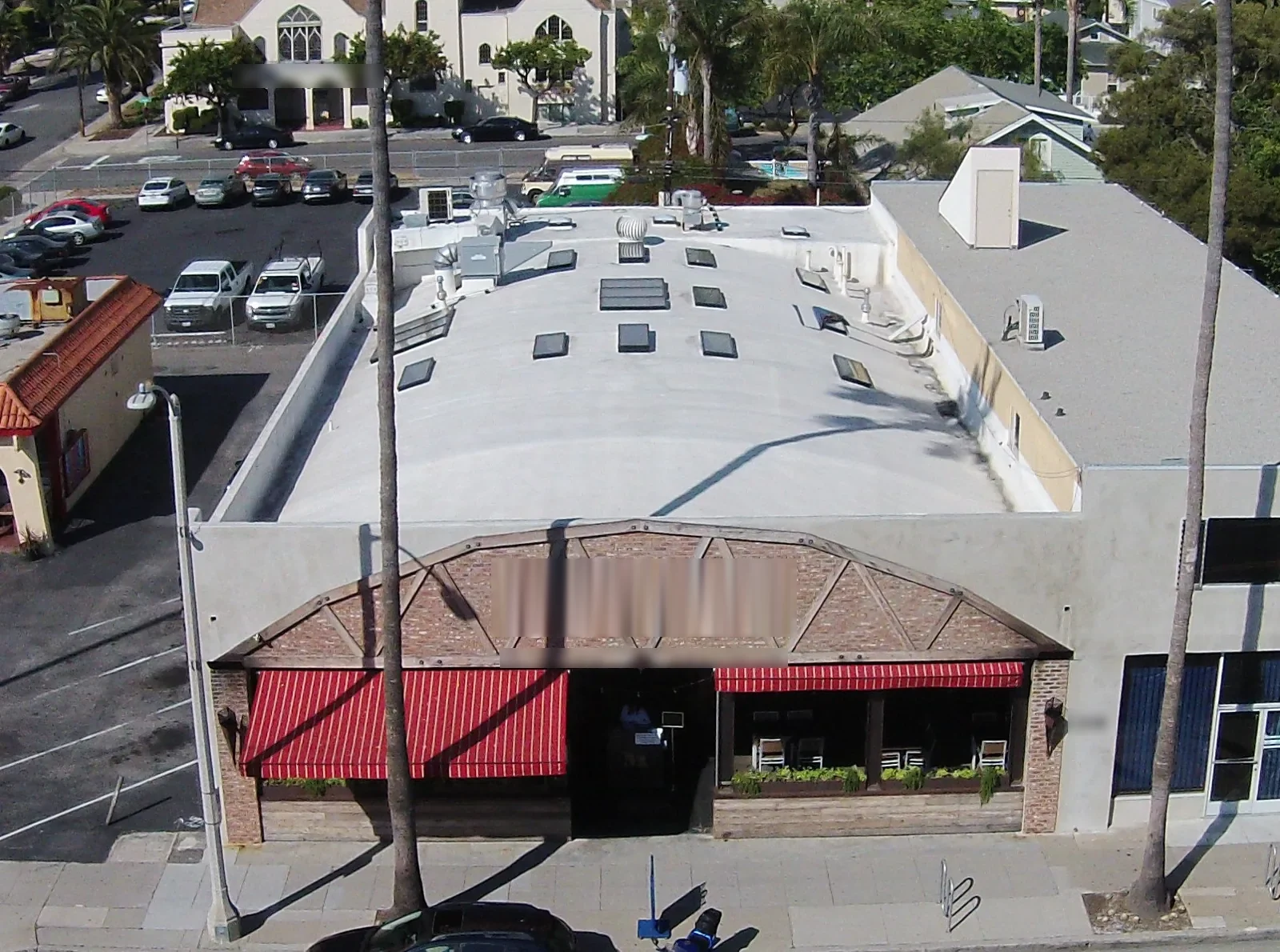
Confirm What the Coating Will Bond To
Silicone coating is applied over a prepared roof surface, so adhesion and compatibility need to be established before the area is priced. We identify the existing membrane or metal, prior coating layers, repairs, exposed substrate, and any places where water or dirt has collected. A test area may be needed when records do not identify the coating or when the surface condition changes by roof zone. The proposal should state cleaning, surface preparation, primers where required, reinforcement, and repair materials. Map membrane transitions and dissimilar repairs separately; carrying one coating schedule across them without distinct preparation can hide incompatible layers rather than resolve them. It should also identify areas excluded from coating. A successful test in one zone supports only that substrate and preparation area; map other zones separately where materials differ. If an open seam is present, a seam repair assessment can define the tie-in before application. The work boundary should be mapped so a future inspection can distinguish coated field from repaired details.
Keep Drainage Separate From Surface Renewal
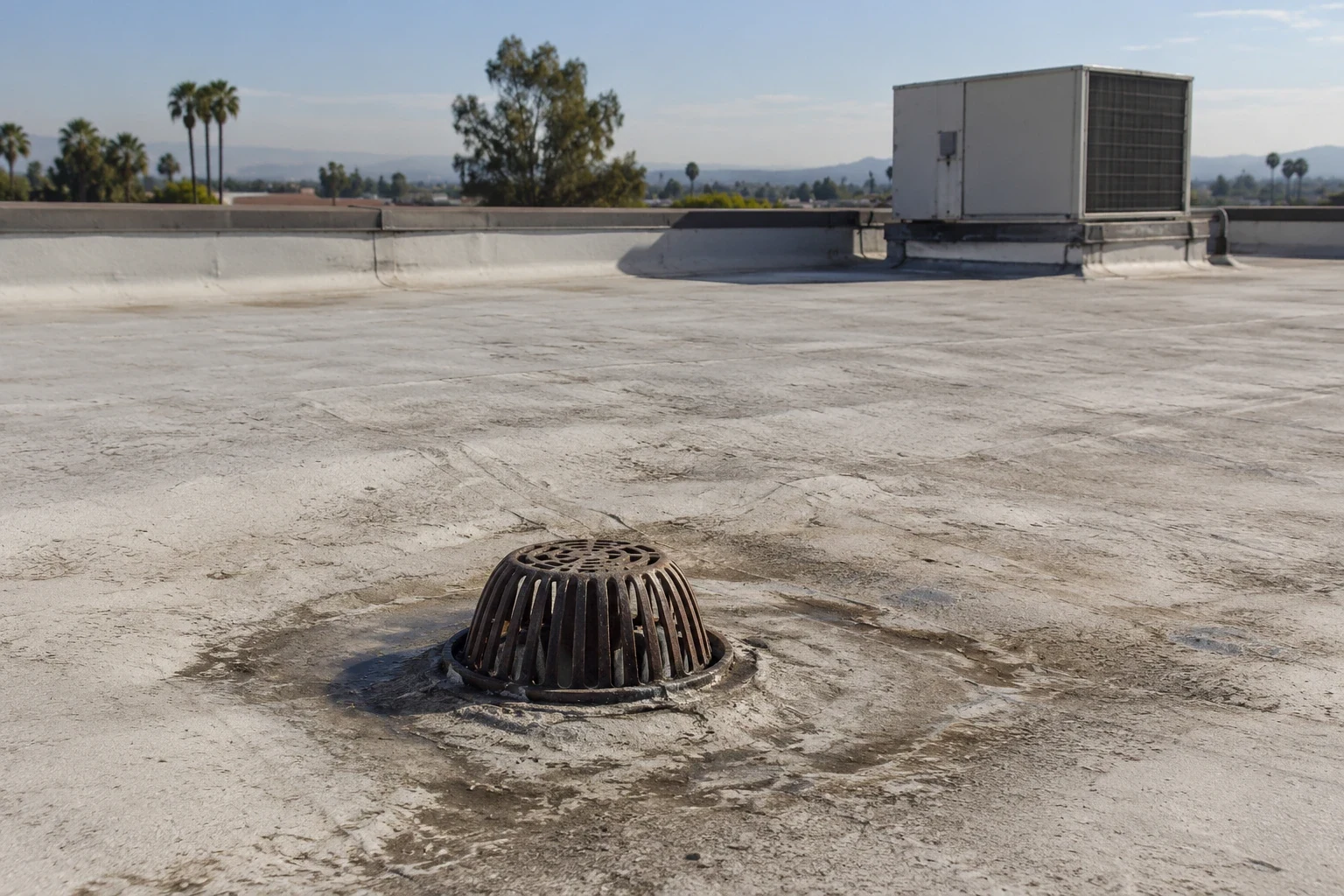
A silicone layer can protect a compatible surface, but it does not correct a low area, a blocked drain, or a damaged outlet. We map roof slope, drains, scuppers, curbs, and wall transitions before planning coverage. Check substrate dryness and application conditions against the selected system's product data before assigning the work window. A site walk should establish how water moves across the actual roof and whether standing water is a persistent condition. A drain and scupper review can record outlet condition and nearby laps. If ponding is reported, a water-retention assessment should separate slope, blockage, and assembly concerns. The coating scope should not imply that drainage has changed unless the roof profile or outlet work is included. This distinction also helps the owner compare maintenance expense with a separate correction to roof slope or outlet geometry.
Define Preparation, Reinforcement, and Coverage
The installation record should identify the selected coating, required preparation, repairs, and target coverage for each roof zone. We confirm product compatibility with the substrate and follow the specified system requirements for cleaning, primer, reinforcement, and application conditions. Seams, penetrations, drains, and transitions may need separate detailing before the field coating is applied. Sonoma Boulevard connects Vallejo districts as a neighborhood and commercial corridor; the building record and field walk identify its roof materials and coating history. That information comes from the owner record and field review. If the coating is part of a broader restoration, the scope should identify which membrane repairs and metal details are included. A perimeter detail review can clarify edge terminations, while a TPO assembly comparison may help an owner consider a different membrane path where existing surfaces cannot support coating.
Coordinate Access and Application Conditions
Coating work needs a clean, accessible surface and conditions that meet the specified application requirements. We coordinate wash water, debris collection, staging, ventilation, protected air intakes, tenant access, and any equipment that must be moved or shut down. The property contact should identify sensitive areas and operating windows before work starts. Some Mare Island commercial spaces have large roll-up doors or overhead cranes; check the assigned building's clearances and operating schedule before staging materials. The work plan should sequence cleaning, repairs, test areas, coating, and close-in so each section remains protected during a pause. Seasonal climate averages can inform annual roof planning, but the application window follows current weather and manufacturer requirements. A building-operations plan can align staging and tenant impact. If weather interrupts work, define which surface areas need protection before crews leave the roof.
Document the Renewal Layer
Closeout should record the substrate where confirmed, coating type, preparation, repaired seams and penetrations, and each area completed. Keep photographs by roof zone, including test areas and field changes. Note the date and conditions of application in the project file, together with any areas that were not coated. This helps an asset manager schedule the next inspection and compare coating wear with the original repair boundary. Properties in Mare Island or Downtown Vallejo may share a reporting format while retaining separate assembly histories. If the coating begins to release or wear, the record shows whether the issue follows a seam, drain, prior patch, or broad field. Arrange a roof review with available plans, repair history, access needs, and budget timing. We will connect surface condition to a repair, recoat, or replacement scope that can be carried through the capital window.
Commercial Roofing Questions
When is a silicone coating a reasonable renewal option?
We consider a coating when the existing substrate is stable, compatible, and suitable for preparation, and when required repairs can be defined. Adhesion, moisture, seams, penetrations, drainage, and previous coating layers all affect the decision. A test area may be needed where the surface changes. The scope should state which zones receive coating and what conditions would move the project toward removal or a different assembly.
Can silicone coating be applied over a roof with ponding water?
The selected system requirements and the roof's actual drainage condition guide this decision. We inspect the low areas, outlets, and surrounding details, then determine whether drainage work or another assembly path is required. A coating does not create slope by itself. The proposal should identify persistent water areas and separate surface protection from drain, scupper, or profile work.
How should seams and penetrations be handled before coating?
We inspect each seam and penetration, repair openings with compatible materials, and detail transitions before coating the surrounding field. The repair method depends on the existing membrane or metal and the coating system. The roof-zone plan should show those details and the area of reinforcement. If a curb or drain needs another trade, the scope should assign that work before application begins.
Does a silicone recoat require a primer?
Primer selection follows the substrate, existing coating, contamination, and the requirements of the chosen system. We confirm surface preparation and compatibility with records, inspection, and a test area where needed. The work specification should identify whether primer is required and where. It should also describe cleaning, repair, reinforcement, and application conditions so the owner can compare the proposed assembly with the existing roof record.
What should be included in a silicone coating closeout?
Include the substrate and coating information confirmed, preparation method, repairs, locations coated, photographs, test-area results, and any exclusions or field changes. Note the seams, drains, penetrations, and edges that were treated. Those records help a future site walk distinguish normal surface wear from a detail failure and allow the owner to plan maintenance without assuming every roof zone had the same condition.
Check Adhesion and Drainage Before Recoating
Arrange a Vallejo roof review with available plans, repair history, access needs, and budget timing. We will document the substrate, surface preparation, and water path before comparing a silicone renewal with repair or replacement. Separate field coating from reinforced details, drains, and transitions in the closeout so later maintenance follows the approved scope.
Request a Roof Assessment
Questions About Commercial Silicone Roof Coatings in Vallejo, CA
Common questions from building owners and property managers.
When is a silicone coating a reasonable renewal option?
We consider a coating when the existing substrate is stable, compatible, and suitable for preparation, and when required repairs can be defined. Adhesion, moisture, seams, penetrations, drainage, and previous coating layers all affect the decision. A test area may be needed where the surface changes. The scope should state which zones receive coating and what conditions would move the project toward removal or a different assembly.
Can silicone coating be applied over a roof with ponding water?
The selected system requirements and the roof's actual drainage condition guide this decision. We inspect the low areas, outlets, and surrounding details, then determine whether drainage work or another assembly path is required. A coating does not create slope by itself. The proposal should identify persistent water areas and separate surface protection from drain, scupper, or profile work.
How should seams and penetrations be handled before coating?
We inspect each seam and penetration, repair openings with compatible materials, and detail transitions before coating the surrounding field. The repair method depends on the existing membrane or metal and the coating system. The roof-zone plan should show those details and the area of reinforcement. If a curb or drain needs another trade, the scope should assign that work before application begins.
Does a silicone recoat require a primer?
Primer selection follows the substrate, existing coating, contamination, and the requirements of the chosen system. We confirm surface preparation and compatibility with records, inspection, and a test area where needed. The work specification should identify whether primer is required and where. It should also describe cleaning, repair, reinforcement, and application conditions so the owner can compare the proposed assembly with the existing roof record.
What should be included in a silicone coating closeout?
Include the substrate and coating information confirmed, preparation method, repairs, locations coated, photographs, test-area results, and any exclusions or field changes. Note the seams, drains, penetrations, and edges that were treated. Those records help a future site walk distinguish normal surface wear from a detail failure and allow the owner to plan maintenance without assuming every roof zone had the same condition.