Commercial Roofing Reviews in Vallejo's Solano360 Plan Area
Building-specific commercial roof reviews in Vallejo's Solano360 plan area, with clear separation between current property facts and proposals on hold.
Why Commercial Roofing Vallejo?
Commercial Roofing Reviews in Vallejo's Solano360 Plan Area
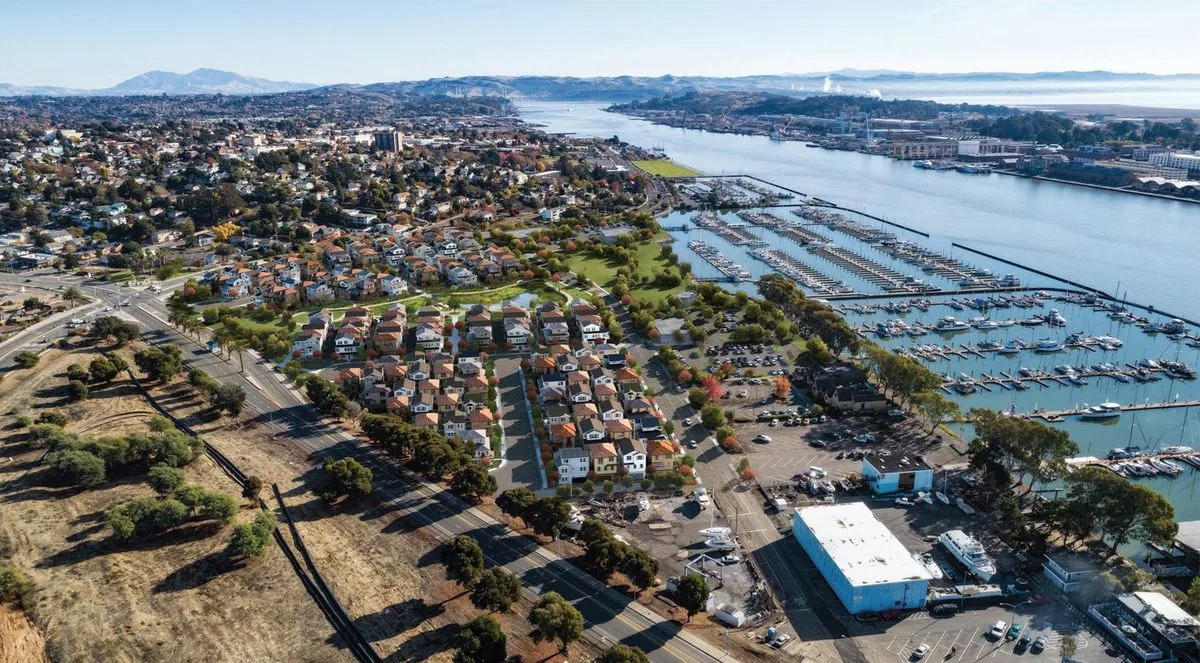
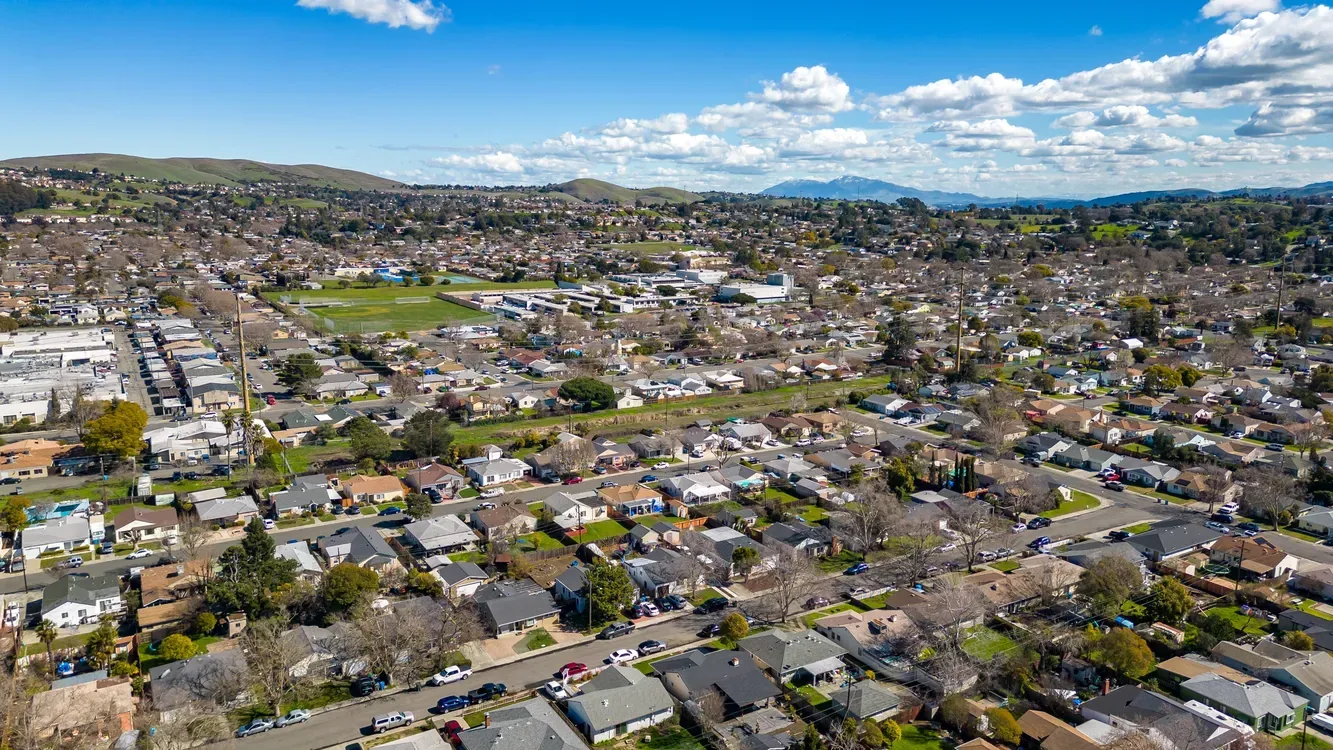
For a roof decision in the Solano360 area, start with the existing building and the scope its owner can authorize today. The area lies in Vallejo's northwest quadrant, west of I-80 and south of SR-37, and includes the County Fairgrounds. Proposed fairground reconfiguration, commercial development, open space, and housing remain pending, with review of a revised proposal on hold. Compare repair, recover, and replacement from the accessible roof assembly and condition, while treating future development dates as open until confirmed. Owners can compare records with the waterfront area or North Gateway without mixing property assumptions. A commercial roof inspection supplies the building baseline.
Keep Proposed Uses Separate From Existing Assets
Solano360 remains a proposal, and review of a revised plan is on hold while City and County leaders determine next steps. Housing, commercial development, open space, and fairground reconfiguration are proposed uses, not completed conditions. If an owner is planning around a future project, provide confirmed dates, approvals, and a project contact. Until then, assess the existing roof and the areas safely accessible today. Keep replacement timing tied to current condition and owner-confirmed milestones.
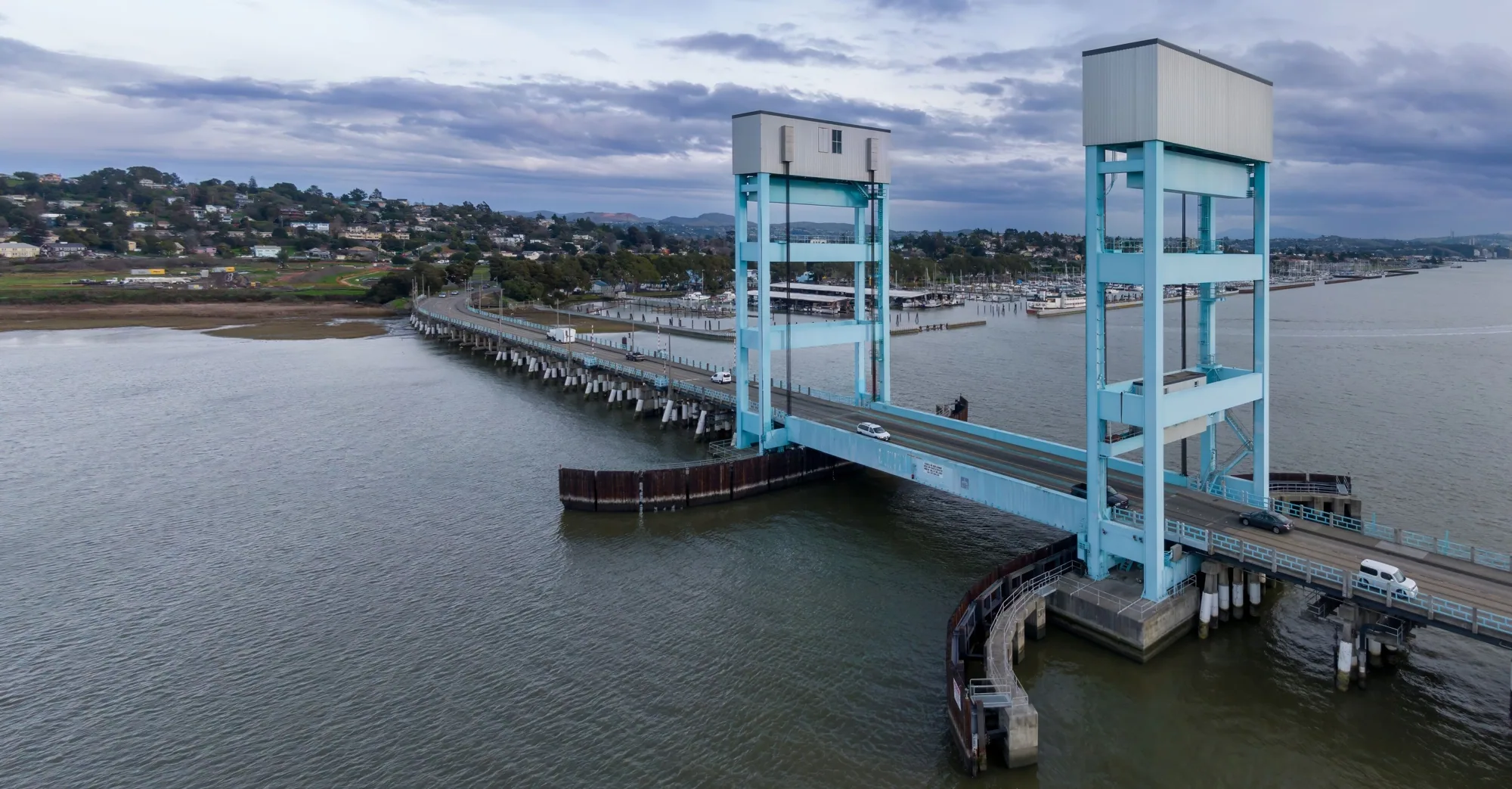
The Solano360 area includes multiple properties; roof decisions must be made for each building rather than the fairgrounds as a whole. For a property owner, the first step is to identify the parcel or building, verify authority to grant access, and assemble any roof documents. Record the building use and current operating status confirmed by the owner, along with any access limit that affects inspection. If planned work or land-use review affects staging, that dependency is listed as an open coordination item. The Admiral Callaghan corridor has separate documented street work and should not be folded into Solano360's proposal status.
Record the Roof That Exists Now
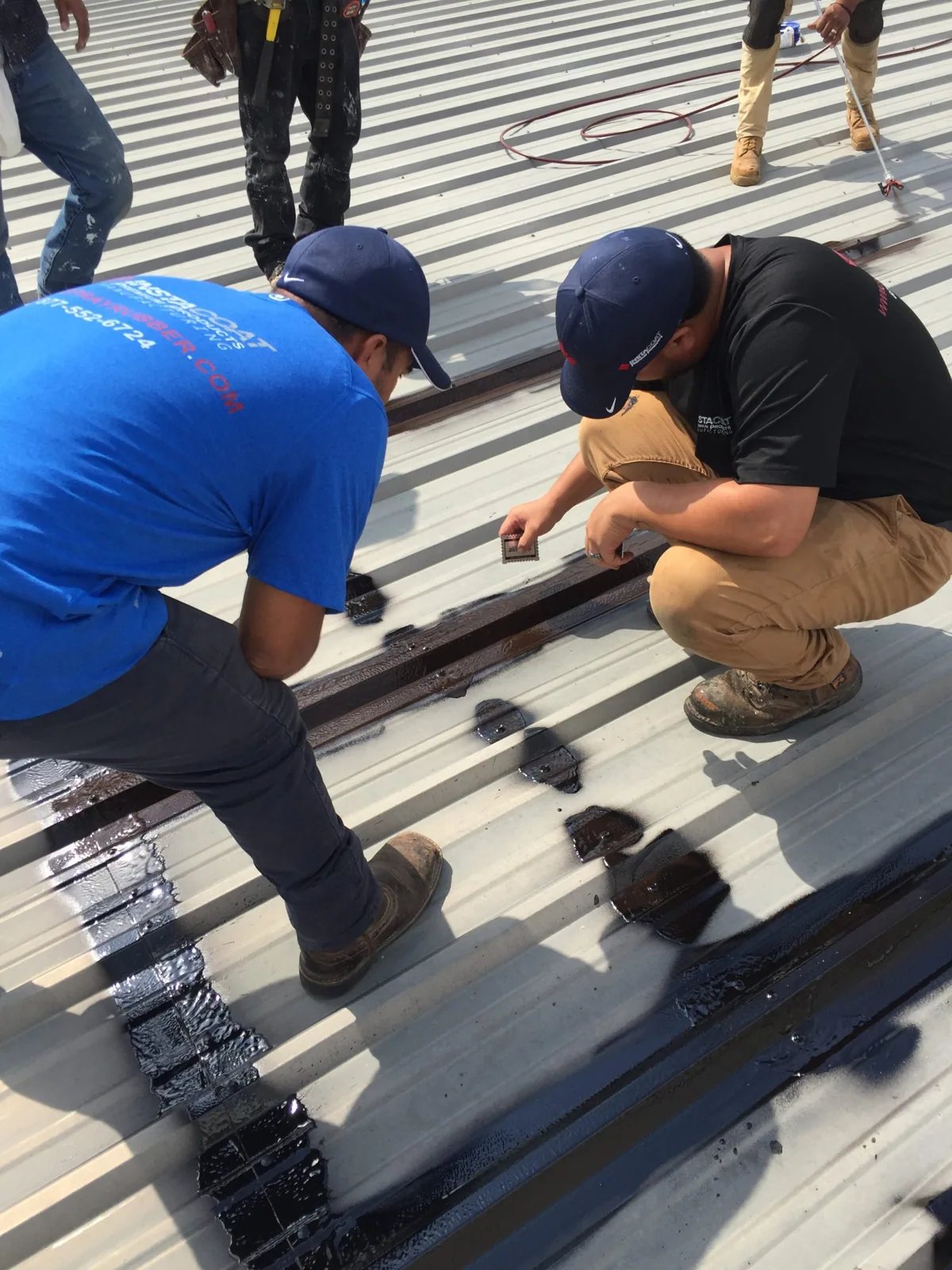
Where safe access is approved, map roof zones and identify visible membrane, metal, coating, edge, and drainage conditions. Compare them with drawings, warranties, prior repairs, and leak reports. Label assembly facts as documented, observed, or unverified. If a test opening is needed, define what question it answers before cutting. The report should distinguish an accessible surface review from concealed-layer confirmation. Confirm roof type from records and field observations before setting a repair or replacement boundary.
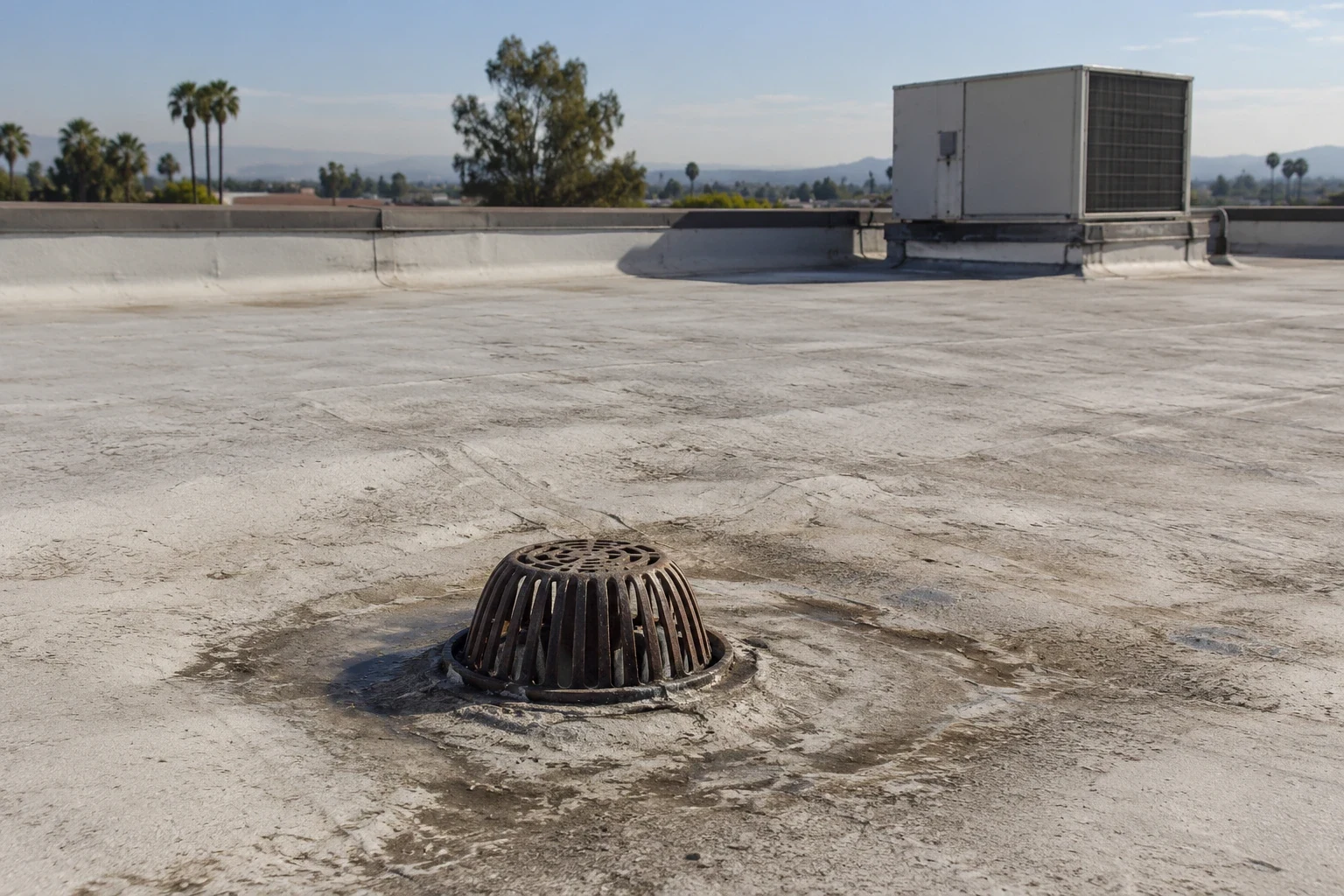
Drainage and transitions often determine whether a localized repair remains local. Photograph outlets, scuppers, seams, wall terminations, penetrations, curbs, and equipment supports. Note ponding observations and flow direction, then compare them with interior reports. A drain review can identify a distinct outlet scope. Where a moisture survey is appropriate, its readings can guide selective testing but do not independently establish removal limits. The survey process should be tied to a roof map, current conditions, and an agreed interpretation before pricing.
Build a Safe Access and Staging Plan
Access arrangements should come from the property contact. Confirm the roof hatch or ladder, escort requirements, work hours, loading routes, staging area, and any public path that has to remain clear. If construction or event activity is scheduled, confirm the dates and contact before setting roof access, material delivery, or the daily close-in sequence. The daily work record should identify the roof zone, protection below, material movement, and temporary dry-in method. If access is denied or unsafe, note the limitation and arrange a later review rather than treating the area as inspected.
Where an occupied property needs phased work, define which roof area is open, what trade must finish first, and who approves return to service. Occupied-building sequencing can make that boundary explicit. At a property in the plan area, the owner confirms current use, approved access, and operating rules before an inspection or work sequence is set. The phase map should also identify interior protection and the handoff contact for each work zone. Before mobilization, confirm how materials move from the approved drop point to the roof and who checks temporary protection at shift end.
Price the Confirmed Work and Expose Open Questions
Repair, recover, and replacement options can be compared when the assembly and condition support a fair comparison. We identify what evidence would move the decision: repeated leak history, verified wet insulation, failed attachment, or a service-life objective. The repair option can address a bounded condition. A replacement review can evaluate broader renewal. If a coating or recover is considered, check substrate, existing layer count, adhesion, and drainage height first. A written assessment should record those limits rather than promise that an overlay will fit.
For a building expected to remain in use, compare immediate leak-control work with longer-range renewal only after the assembly and access are documented. An owner-confirmed development date can change the capital window, while an unapproved proposal should not displace a needed repair. Keep both decisions in the asset file with their separate assumptions.
Separate Near-Term Protection From Long-Range Planning
For each asset, track assembly, documented age, prior scopes, open testing, drainage, access, and renewal trigger. A recurring inspection record can retain observations; any trend should be based on comparable evidence. Keep a separate record for properties in a distinct zoning or district context. A location map can organize multi-building records, while field evidence determines what roof work is justified.
For a multi-building review, use one common set of condition fields but keep a separate record for every roof. Record the inspection date, observed area, photo reference, active leak report, test performed, and any access restriction. Assign unresolved items to an owner and a follow-up date so they do not disappear into a general capital list. When comparing budgets, distinguish verified quantities from planning allowances and note the condition that would change each allowance. The geographic grouping can help organize the portfolio, but repair urgency should follow documented water entry, safety concerns, and assembly condition at each building.
Make the Record Useful Through a Change in Project Status
A well-kept roof file remains useful whether a proposed land-use project advances, changes, or remains paused. Keep dated photographs, confirmed assembly, repairs performed, warranties, test results, and open items. Note which conditions were not visible and why. When a project schedule later becomes concrete, the owner can compare it with the roof's condition trend and decide whether temporary protection, repair, or renewal best fits the confirmed sequence.
For a roof review in the Solano360 area, provide the building identity, owner authorization, plans, repair history, leak locations, and confirmed access constraints. We will identify tests needed to set a repair boundary and compare options for the existing roof. If future development could affect the capital horizon, include only confirmed dates and approvals in the decision record.
Commercial Roofing Questions
Is the proposed Solano360 development underway?
The revised Solano360 proposal remains on hold while City and County leaders determine next steps. Confirm its status before relying on a future schedule.
Does the district boundary establish access or roof condition?
No. Access and roof condition are specific to the building and require owner approval and a site review.
Can a future redevelopment change the roof recommendation?
It may affect timing if the owner provides a confirmed schedule. The immediate condition record should still document the existing roof, current risks, and open questions separately.
How do you avoid confusing a proposal with a completed project?
Keep proposed development timing separate from current roof conditions. Assess the existing assembly and any active leak using owner-approved access and the site record.
What should happen if the property cannot be accessed?
The report records the access limit and identifies the person or permission needed for a later visit. Inaccessible areas are not described as inspected or assigned an assumed condition.
Review the Existing Asset While Plans Remain Open
Provide property authorization, roof records, leak history, and confirmed access constraints. We will document current conditions and keep future planning questions separate.
Request a Roof Assessment
Questions About Commercial Roofing Reviews in Vallejo's Solano360 Plan Area
Common questions from building owners and property managers.
Is the proposed Solano360 development underway?
The revised Solano360 proposal remains on hold while City and County leaders determine next steps. Confirm its status before relying on a future schedule.
Does the district boundary establish access or roof condition?
No. Access and roof condition are specific to the building and require owner approval and a site review.
Can a future redevelopment change the roof recommendation?
It may affect timing if the owner provides a confirmed schedule. The immediate condition record should still document the existing roof, current risks, and open questions separately.
How do you avoid confusing a proposal with a completed project?
Keep proposed development timing separate from current roof conditions. Assess the existing assembly and any active leak using owner-approved access and the site record.
What should happen if the property cannot be accessed?
The report records the access limit and identifies the person or permission needed for a later visit. Inaccessible areas are not described as inspected or assigned an assumed condition.