Commercial Roofing in American Canyon, CA
Commercial roof inspections and capital scopes for American Canyon properties, with verified assembly, access, drainage, and maintenance records.
Why Commercial Roofing Vallejo?
Commercial Roofing in American Canyon, CA
Commercial roofs in American Canyon need separate scope by current use and roof record. More than 400 businesses operate across the city, and Green Island Industrial Area is a focus for business growth and new industrial users. That range can create different loading and access needs across a portfolio, but each building's current operations, assembly, access, and maintenance file set the repair recommendation. A roof inspection can document that asset. For regional portfolios, Benicia and Vallejo waterfront properties can use comparable inspection fields while keeping each location's facts distinct.
Start With the Property, Not the Business Count
American Canyon has more than 400 businesses, from sole proprietorships to large corporations. That citywide range does not identify a particular site’s tenant, operating hours, roof type, or maintenance history. Green Island Industrial Area is a focus for business growth and new industrial users; the district label does not identify a property’s operating schedule. We use the city and district names to orient the service area, then ask the property owner or manager to confirm the building and access authority.
American Canyon is advancing planning and infrastructure work for its Broadway District as part of a business and employment strategy. Those planning efforts may matter to long-range property discussions, but proposed work is not a completed project or an approved roofing schedule. If a building's roof work must coordinate with another project, the owner supplies the confirmed dates and contact. The Broadway Street corridor in Vallejo is a different municipality and planning context; do not carry its facts across city lines.
Build an Asset File From Existing Records
Before the walk, assemble available roof plans, warranty information, inspection reports, service invoices, leak tickets, and dated photographs. Mark each repair and report on a roof map. Confirm which documents apply to the current assembly; a roof may have been recovered or modified after the original drawings were issued. Label the basis for age and system descriptions. If the file does not show attachment or concealed layers, state what remains unverified rather than assuming a uniform assembly from one visible edge.
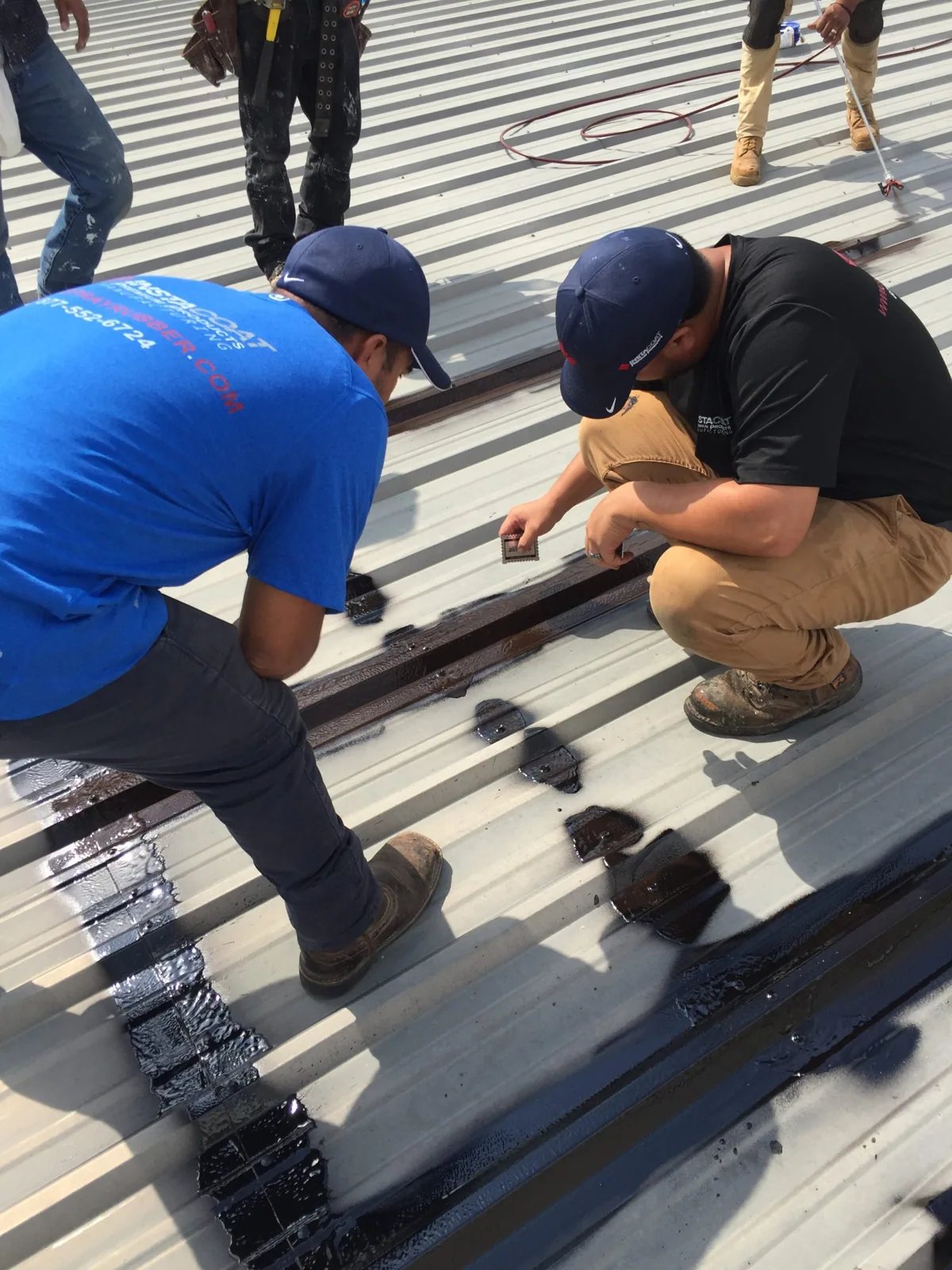
During the review, photograph seams, field conditions, curbs, penetrations, wall transitions, drains, scuppers, edge metal, and rooftop supports. Compare interior moisture reports with probable water paths, but do not equate an inside stain with a confirmed roof opening. A moisture survey may help select areas for testing when appropriate. If a roof edge or wall detail is implicated, a flashing review can separate that work from a larger assembly decision.
Trace Water Movement and Outlet Condition
Map the route from field areas to outlets and record visible slope, low points, debris, and water observations. Photograph drain bowls, scuppers, seams around penetrations, and transitions to walls. Note whether a report followed a specific event or repeats in the same interior area. If the path is uncertain, identify an observation or test needed to narrow it. A short inspection should not claim to determine structural capacity or concealed moisture without appropriate evidence.
A drain and scupper review can scope an outlet correction. A recurring low area may warrant a ponding-water assessment and further evaluation. Separate routine cleaning from a construction repair to a failed flange or membrane tie-in. When water appears away from the entry point, compare roof geography and interior reports before choosing a boundary. This reduces unnecessary opening and gives the owner a record that can be revisited after maintenance or rain.
Coordinate Around Industrial and Commercial Operations
Confirm site access with the manager, including escorts, roof entry, delivery timing, work hours, loading routes, staging areas, and protected paths. If equipment or active operations constrain access, the property team identifies the limits and who can approve a change. Green Island is district context, not an operating schedule for an individual property. The owner confirms access authority and whether another contractor or process must finish before roofing can close an opening.
For occupied buildings, define daily roof zones, temporary dry-in, overhead protection, cleanup, and end-of-day handback. An occupied-building work plan can sequence activities around confirmed site hours. Where lifts, cranes, or material storage are contemplated, verify the methods and load conditions with responsible project professionals. If a roof area cannot be safely reached, mark it unreviewed and schedule a return only after permission and access controls are resolved.
Compare Repair, Recovery, and Replacement
A repair proposal should name the roof zone, defect, material, removal depth, tie-in, and exclusions. It explains what may change after exposure and how the owner authorizes that change. A bounded detail repair can fit when surrounding material remains serviceable. Multiple recurring issues, confirmed moisture, or deterioration across zones may justify a broader renewal comparison. We state the evidence and uncertainty for each path, so the capital request is traceable to the inspection rather than a generalized description of the city.
A bounded repair and a broader renewal alternative should use the same roof map and access plan. A recover may depend on layer count, attachment, substrate, drainage height, and warranty requirements; a coating also needs compatible, sound material. Compare access impact, repeat maintenance, service-life objective, and budget window along with first cost. A system-compatibility review can record questions before a product is selected.
Keep City Planning and Roof Work in Separate Records
At closeout, file dated photographs, completed zones, material records, warranty papers, drain and edge details addressed, test results, and open items. Identify any area not accessed or tested. If temporary protection remains, state its follow-up trigger. The next manager should be able to trace why the repair limit was selected and which finding might change the recommendation. Keep the project file tied to the specific property even when the owner reports multiple city assets.
For an American Canyon roof review, provide the property contact, plans, repair history, leak dates and locations, access rules, and confirmed operating windows. Before pricing, identify warranty status, prior repairs still under observation, inaccessible zones, and who may authorize a test opening. The report will tie each item to the building map so a future capital review can separate immediate service work from planned renewal. City business context helps orient the portfolio; current parcel facts and field evidence guide the roofing decision. If a building sits in an active planning area, note the confirmed phase and responsible contact separately from the roofing schedule. A later planning change should not erase the current condition baseline or cause an unapproved scope to be treated as authorized. Retain the approved access plan with job photographs, dated sign-offs, and any change request for the next property review.
Commercial Roofing Questions
Does the 400-business count identify eligible roofing sites?
The count describes the city's business base. A specific owner or property manager must confirm the building and authorize access before a scope is prepared.
Is Green Island Industrial Area one facility?
Green Island Industrial Area is a business-growth focus within American Canyon. The service target is the broader district, and work remains specific to an authorized property.
Does the Broadway District planning work mean construction is complete?
Planning work and infrastructure schedules can change. Confirm current project dates with the property owner before coordinating roofing work.
How should a leak report be prepared for inspection?
Include the room, date, weather notes, prior response, and any photographs. The roof team can then compare the report with drains, seams, and previous repair boundaries.
What if the owner has more than one American Canyon property?
Group locations for scheduling, but keep a separate roof map, access approval, condition summary, and closeout record for each asset.
Create a Roof Record for the Property
Send roof plans, leak history, repair invoices, site hours, and access instructions. We will document visible conditions and define a repair or renewal path.
Request a Roof Assessment
Questions About Commercial Roofing in American Canyon, CA
Common questions from building owners and property managers.
Does the 400-business count identify eligible roofing sites?
The count describes the city's business base. A specific owner or property manager must confirm the building and authorize access before a scope is prepared.
Is Green Island Industrial Area one facility?
Green Island Industrial Area is a business-growth focus within American Canyon. The service target is the broader district, and work remains specific to an authorized property.
Does the Broadway District planning work mean construction is complete?
Planning work and infrastructure schedules can change. Confirm current project dates with the property owner before coordinating roofing work.
How should a leak report be prepared for inspection?
Include the room, date, weather notes, prior response, and any photographs. The roof team can then compare the report with drains, seams, and previous repair boundaries.
What if the owner has more than one American Canyon property?
Group locations for scheduling, but keep a separate roof map, access approval, condition summary, and closeout record for each asset.