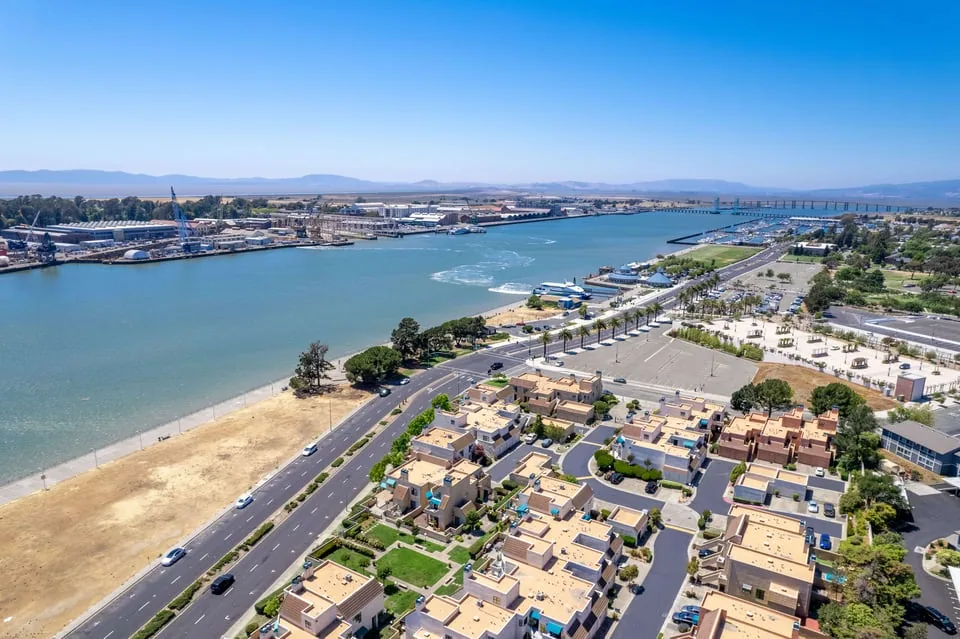
Property Types We Roof in Vallejo, CA
Commercial Roofing Vallejo
Match roof planning to how each commercial building operates. Review structure, access, tenant needs, records, and current conditions in Vallejo.
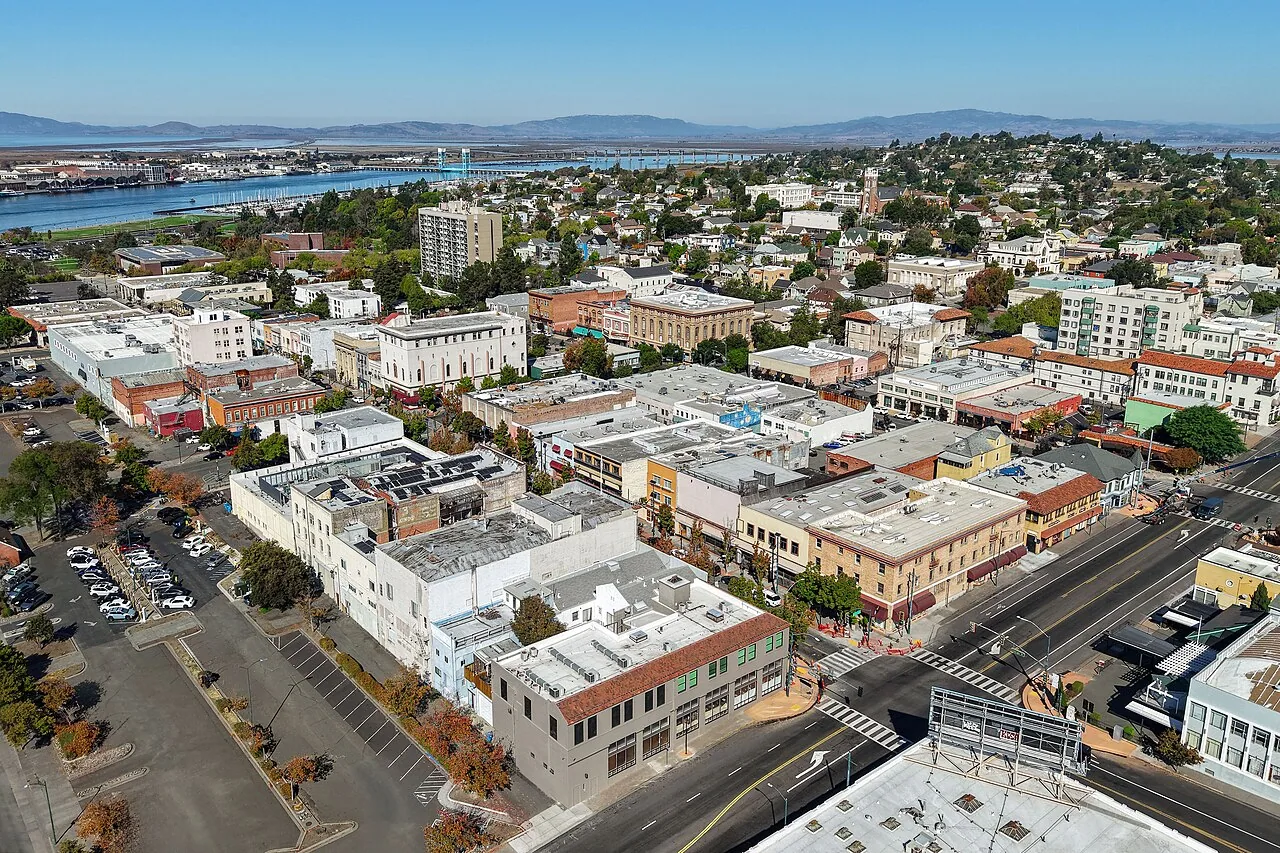
Why Commercial Roofing Vallejo?
Property Types We Roof for Vallejo Properties
A roof scope should account for the way the building is used. A warehouse may need loading access kept clear, while an office building may require tenant coordination and phased work. These operating constraints change inspection timing and construction sequencing.
The building type is only a starting point. Plans, roof history, field observations, and property contacts are needed to define the actual assembly and decision.
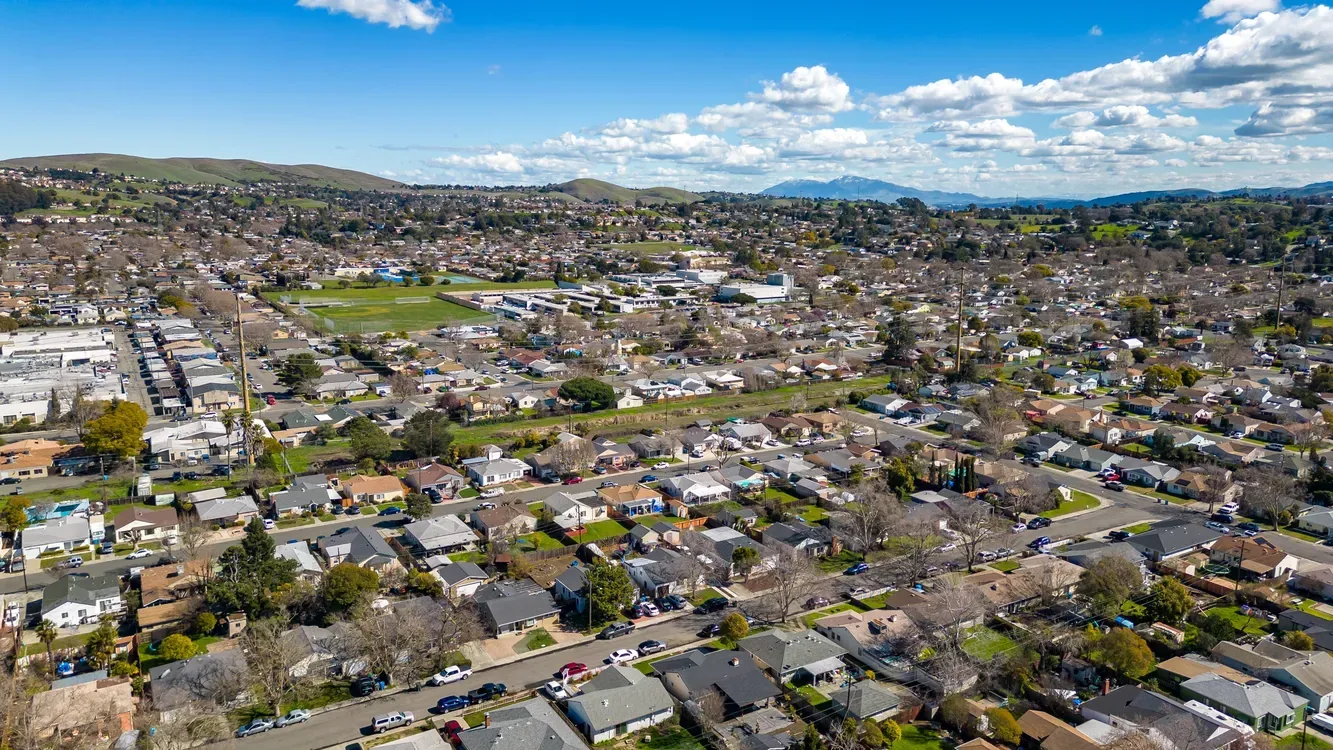
Browse Property Types We Roof
Vallejo, CA
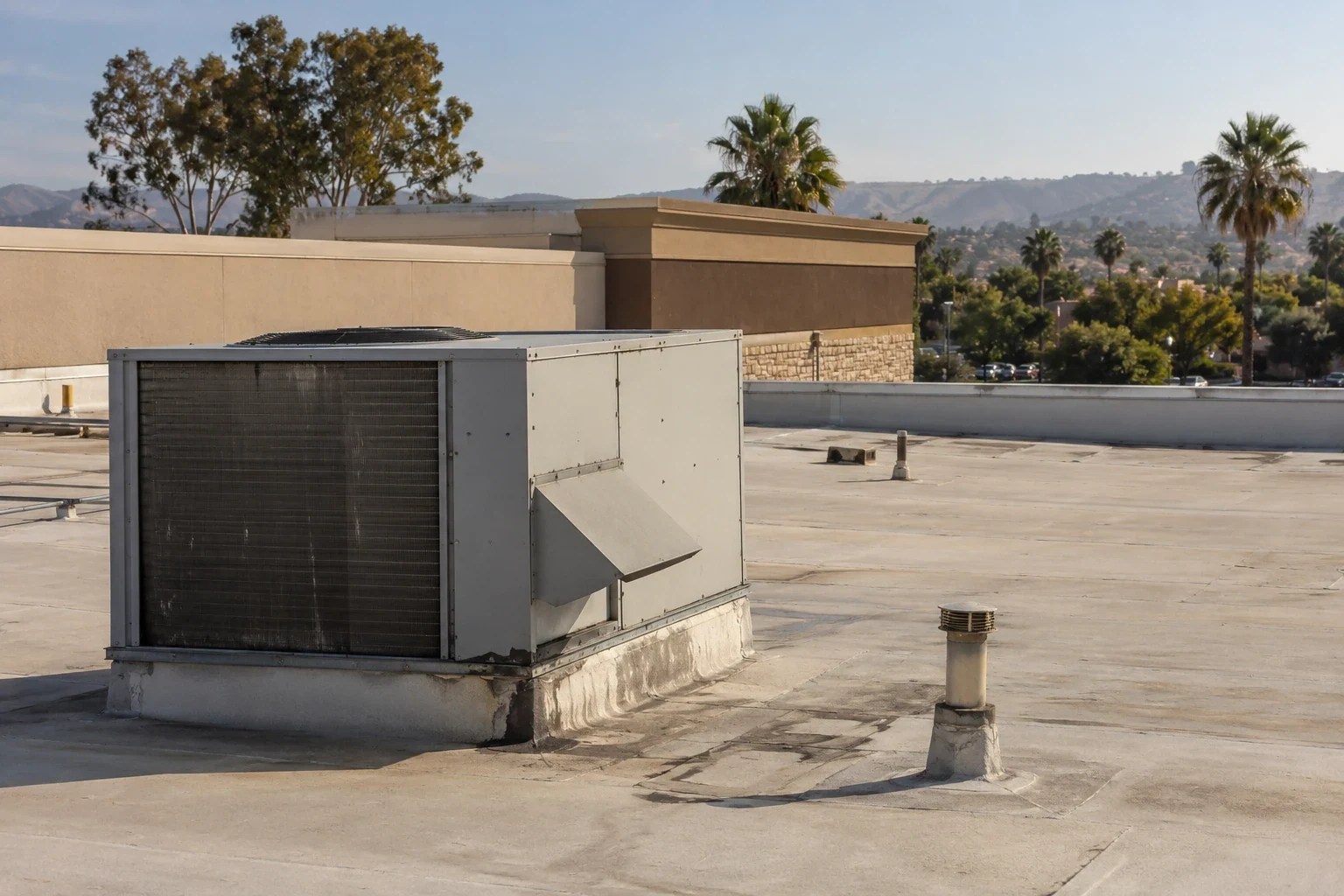
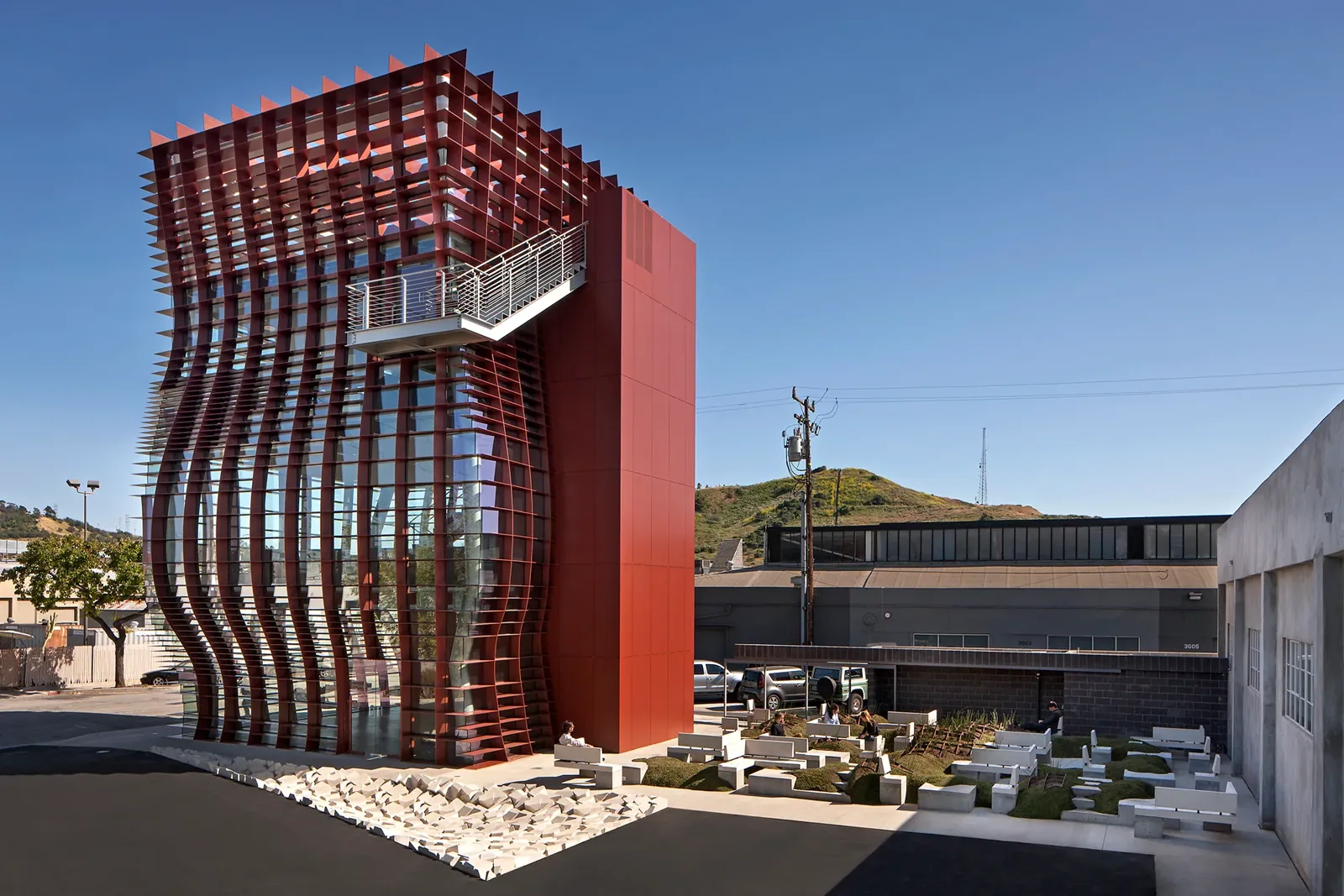
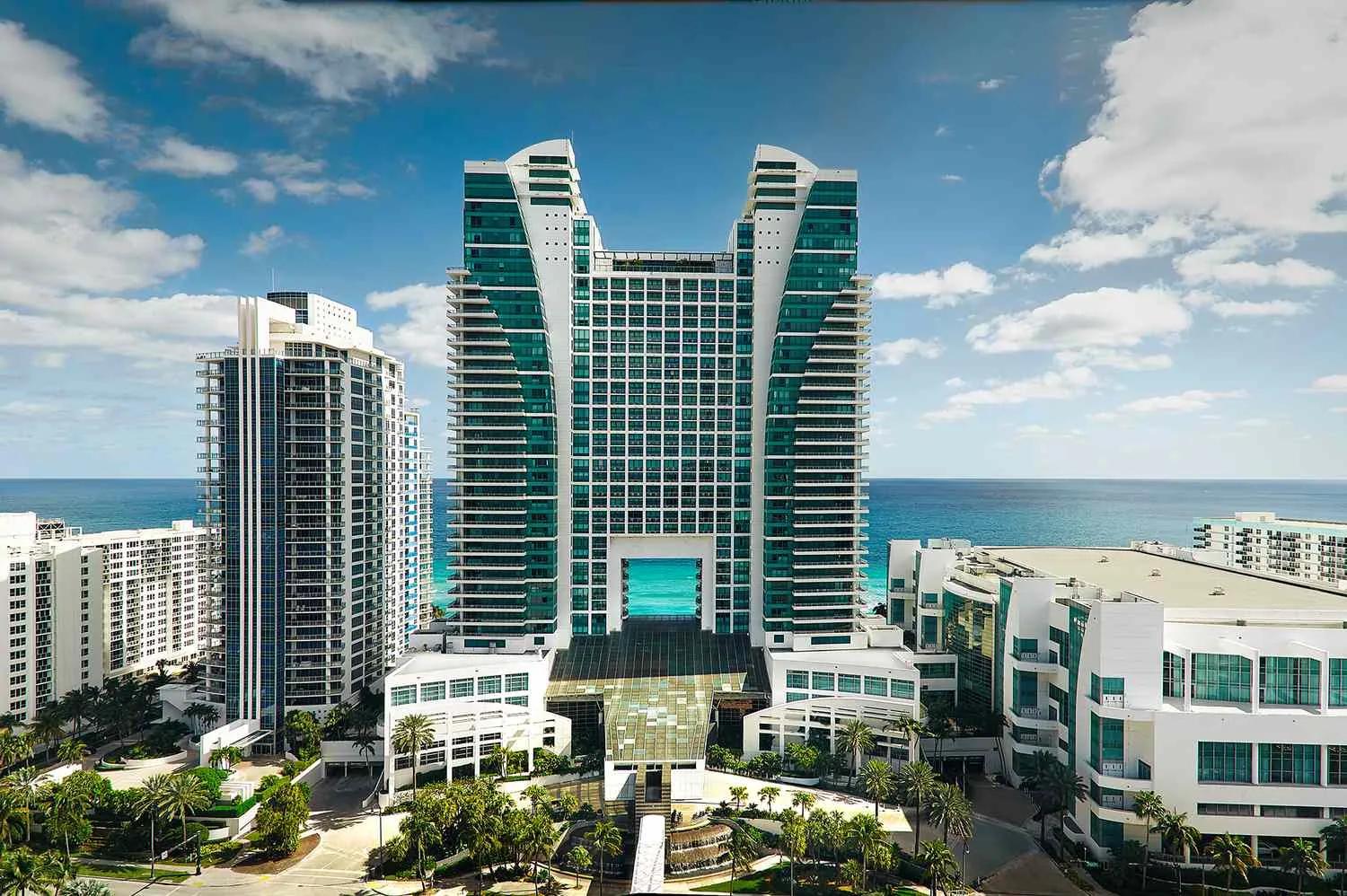
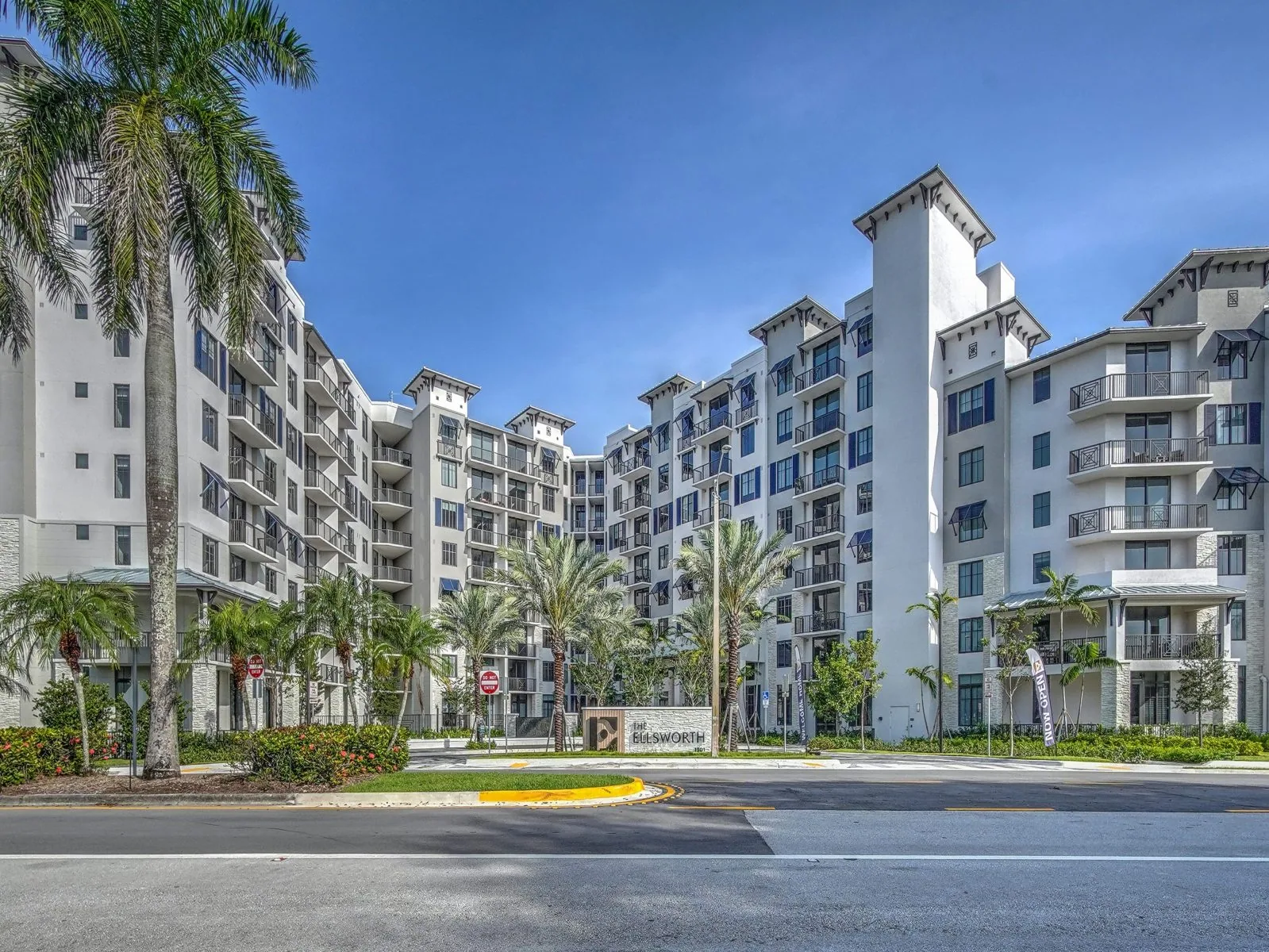
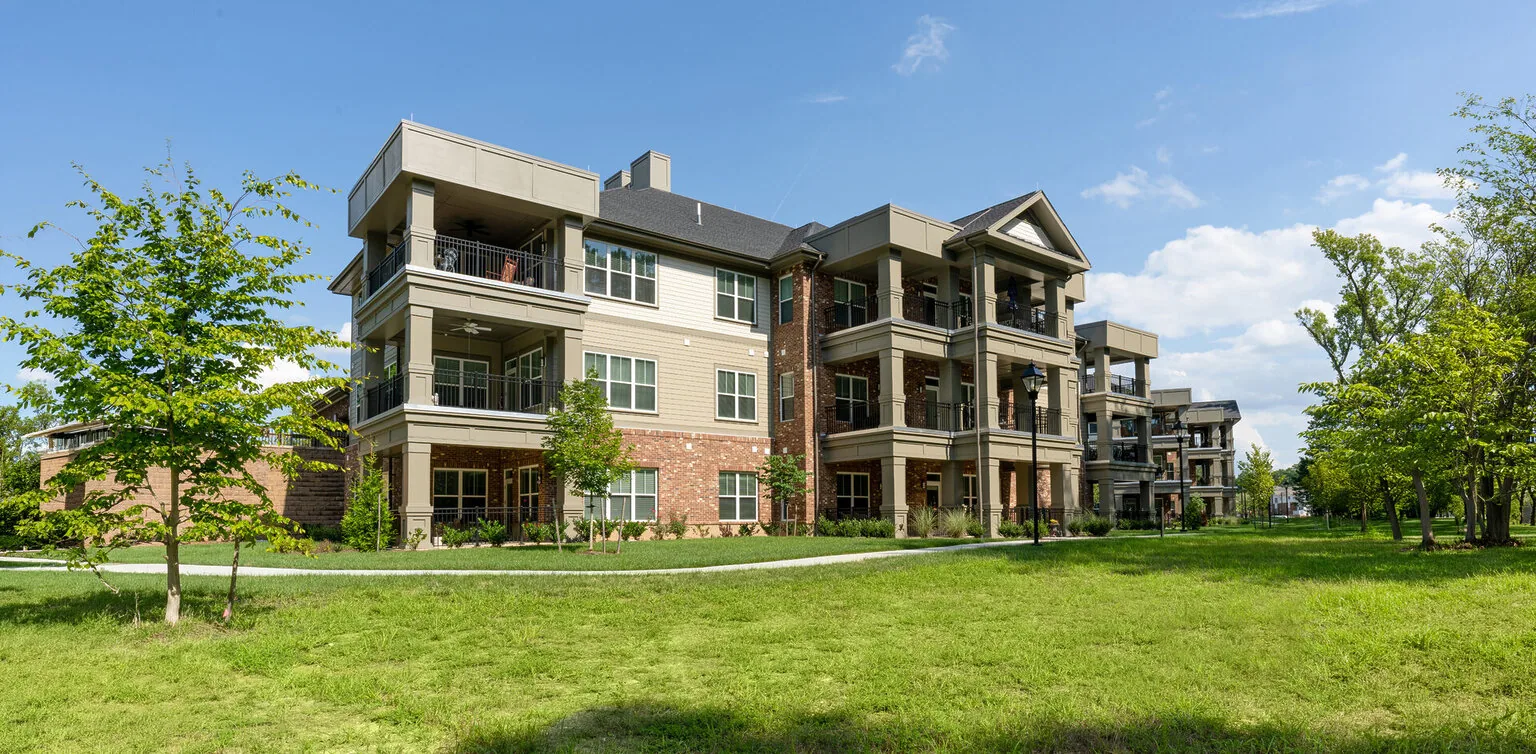
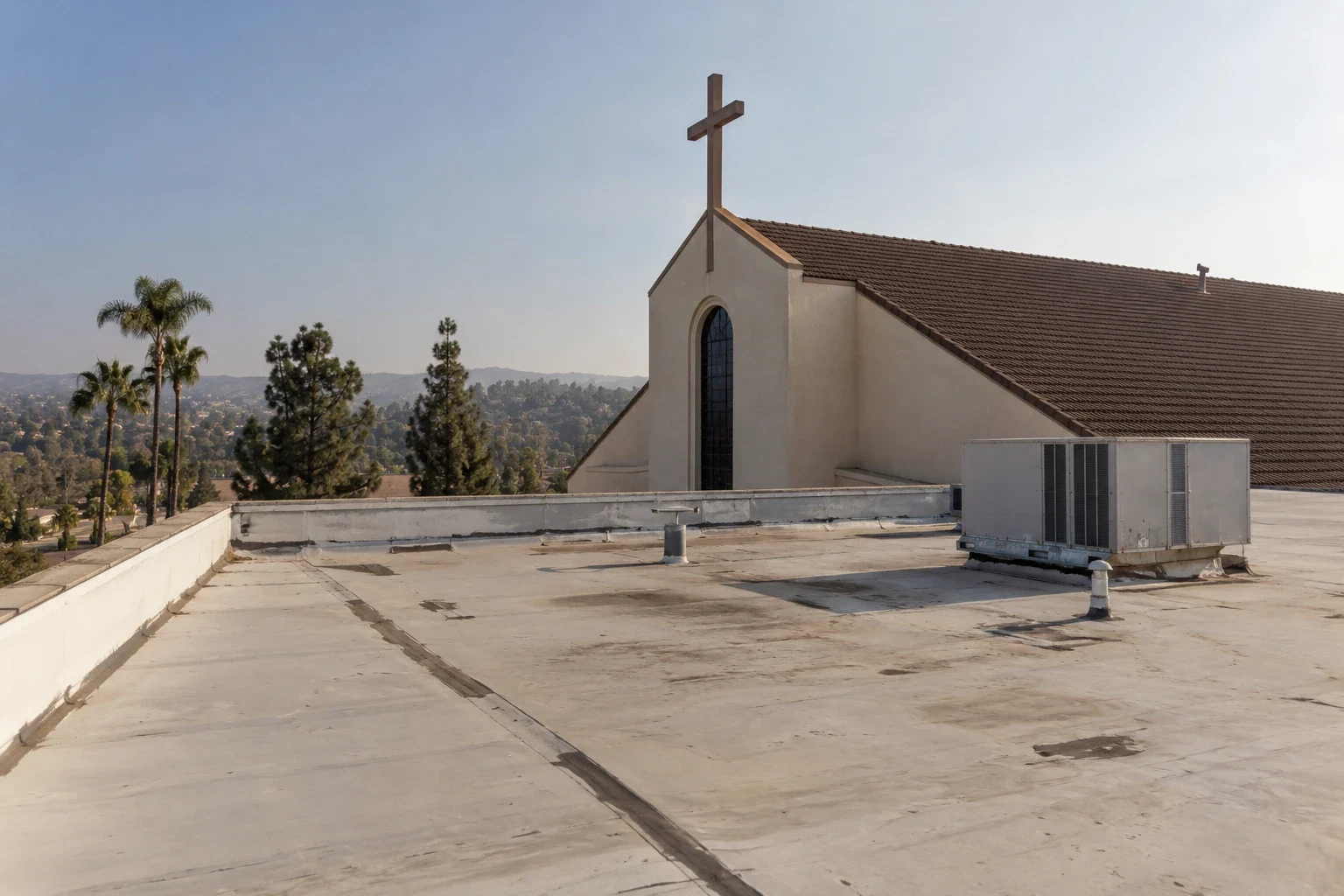
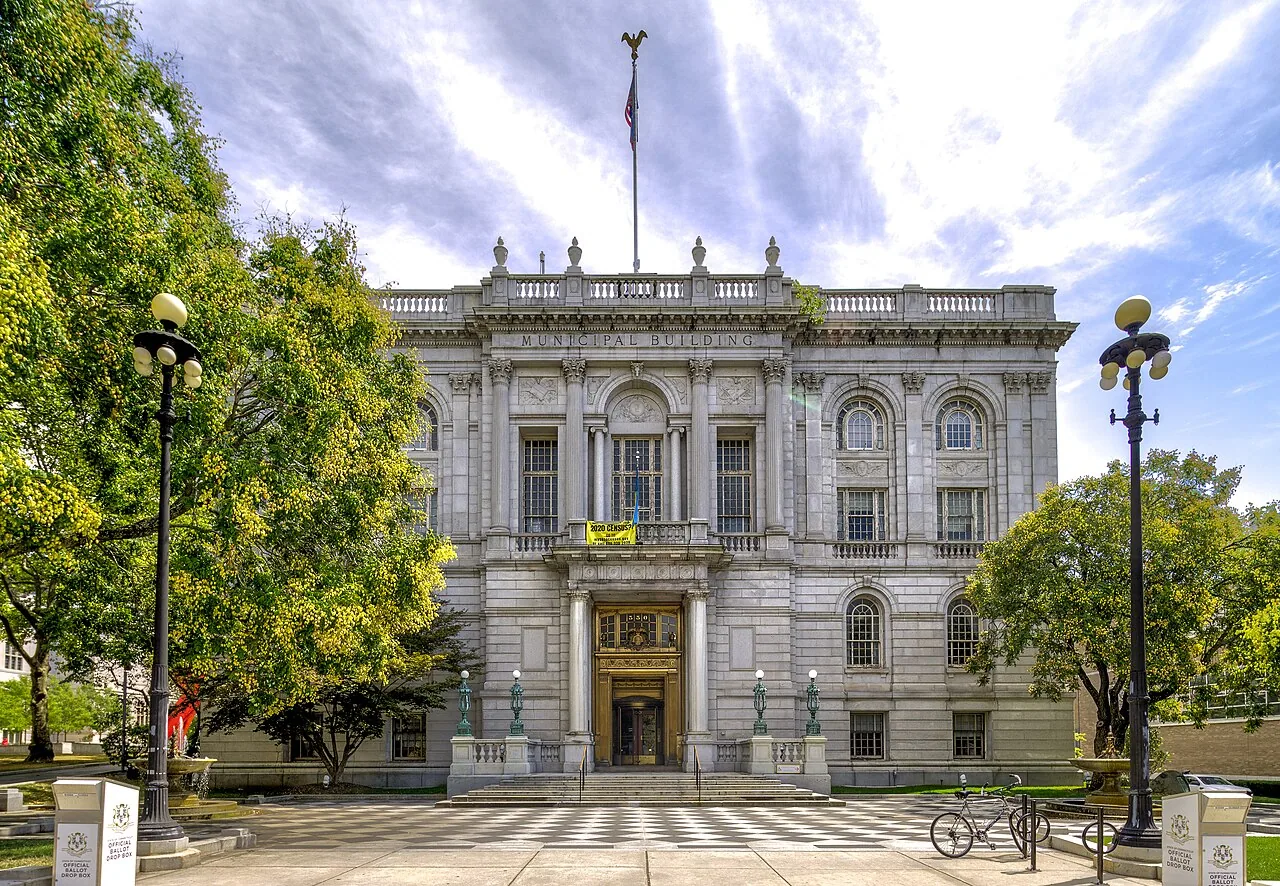
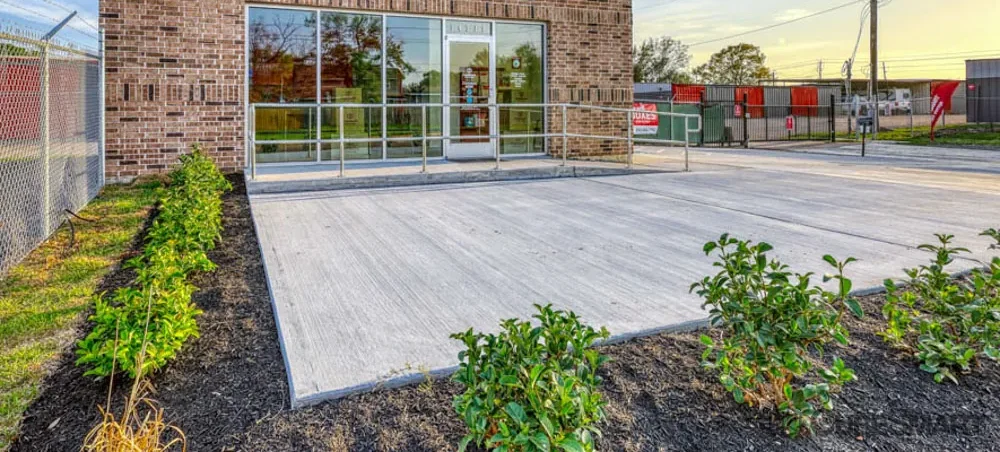
Planning Notes
Property Types We Roof Details
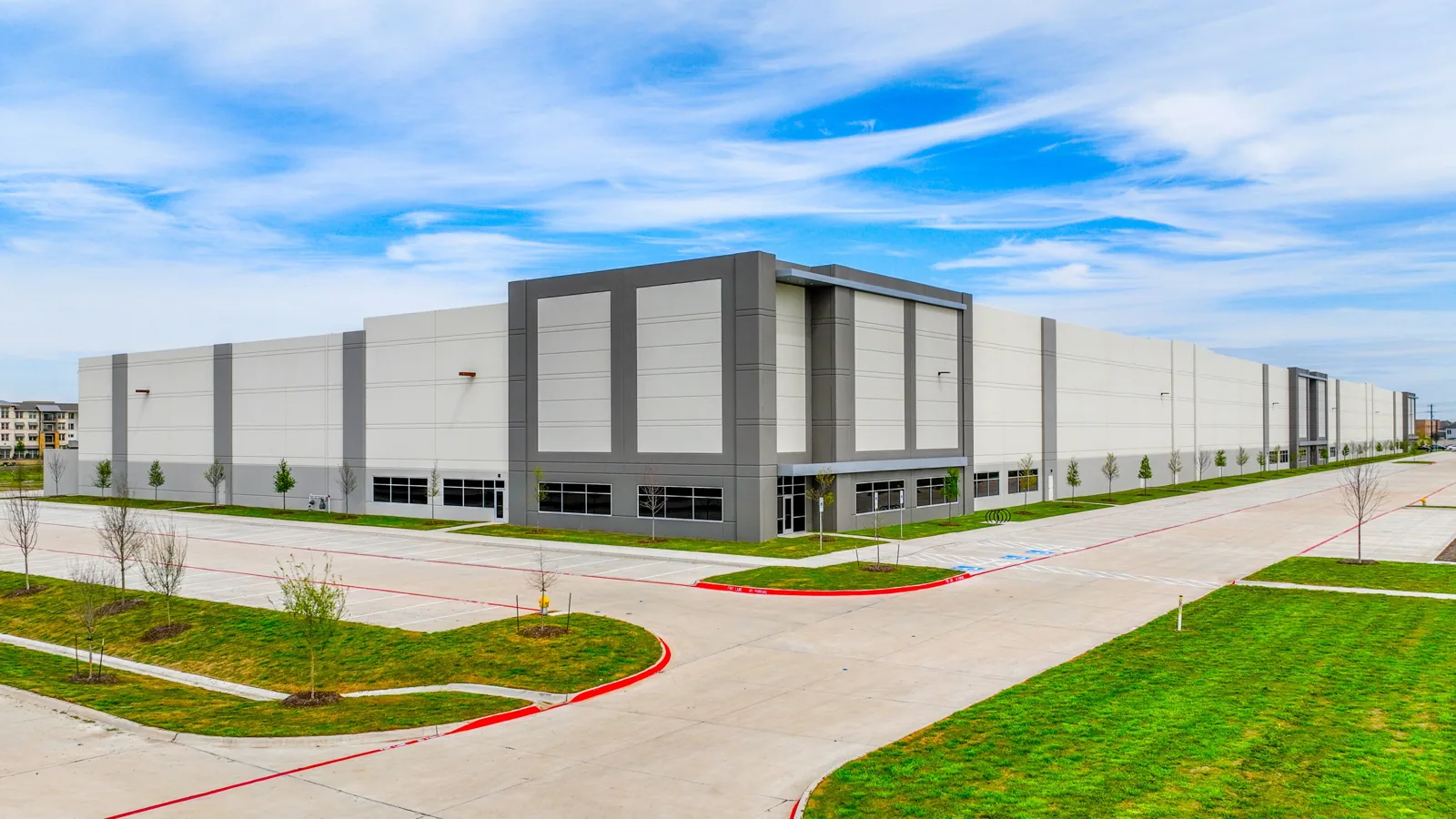
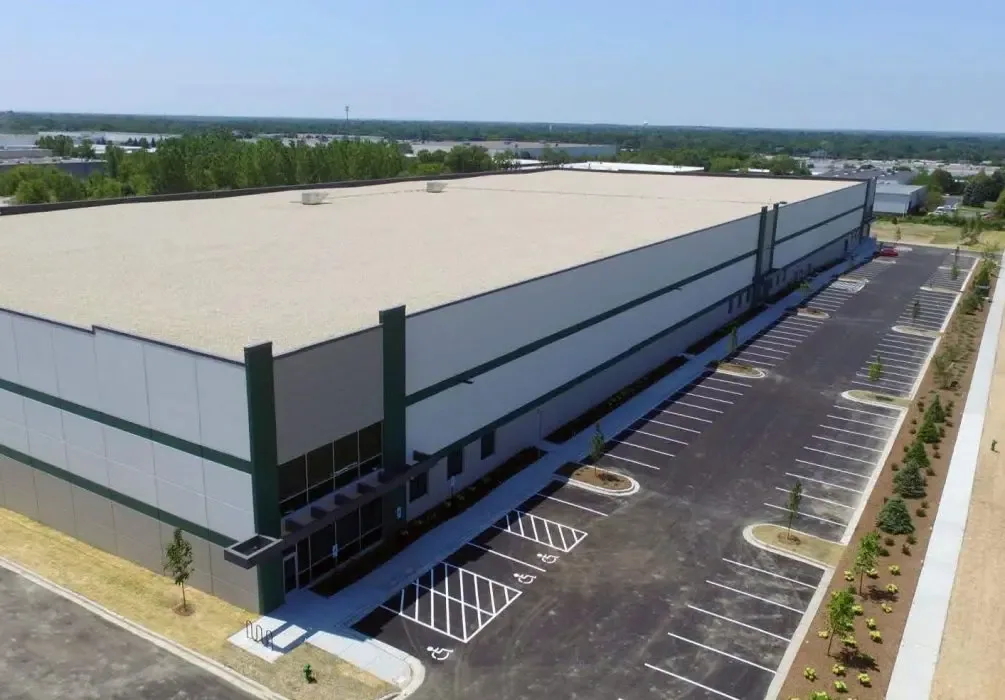
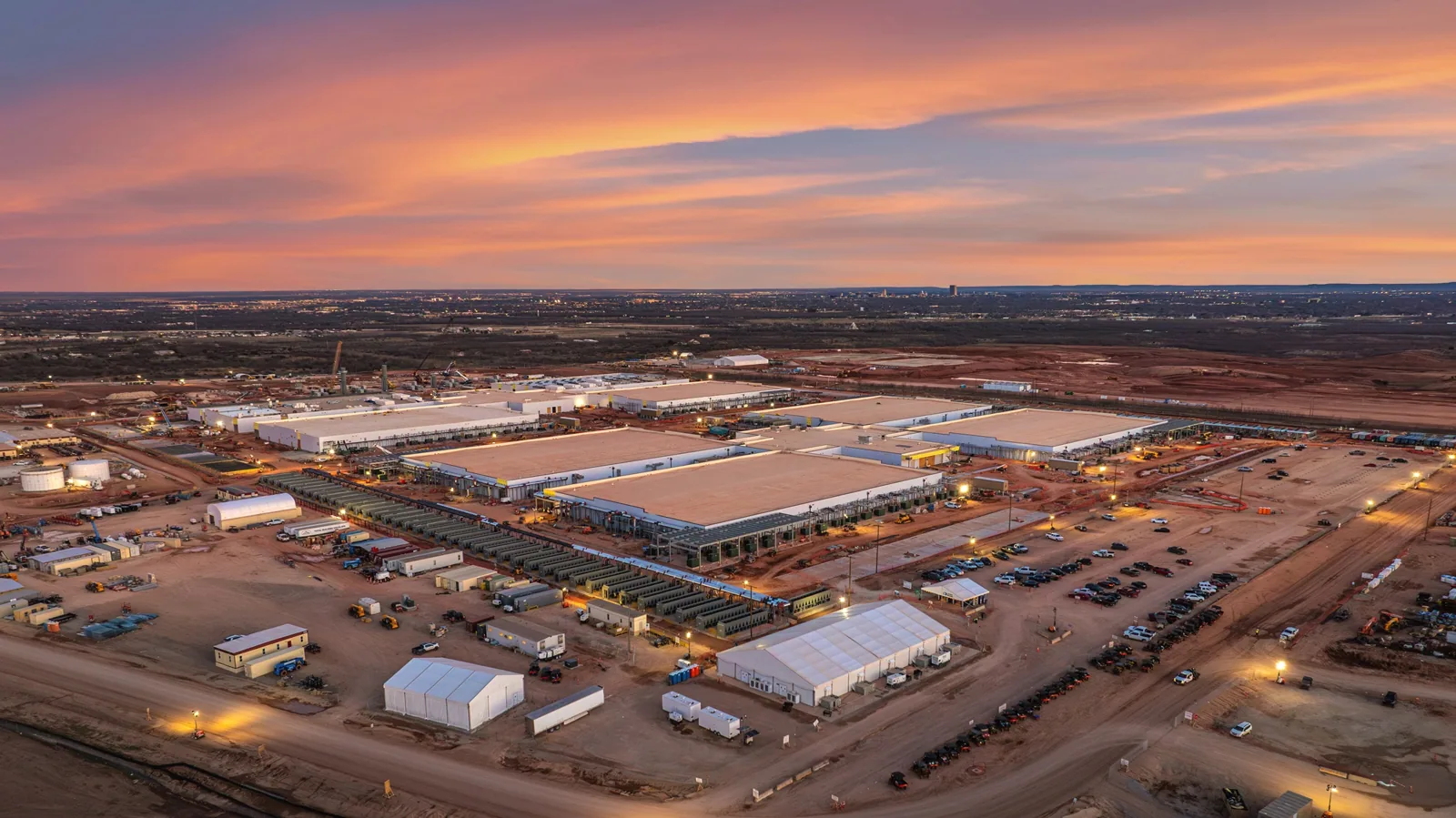
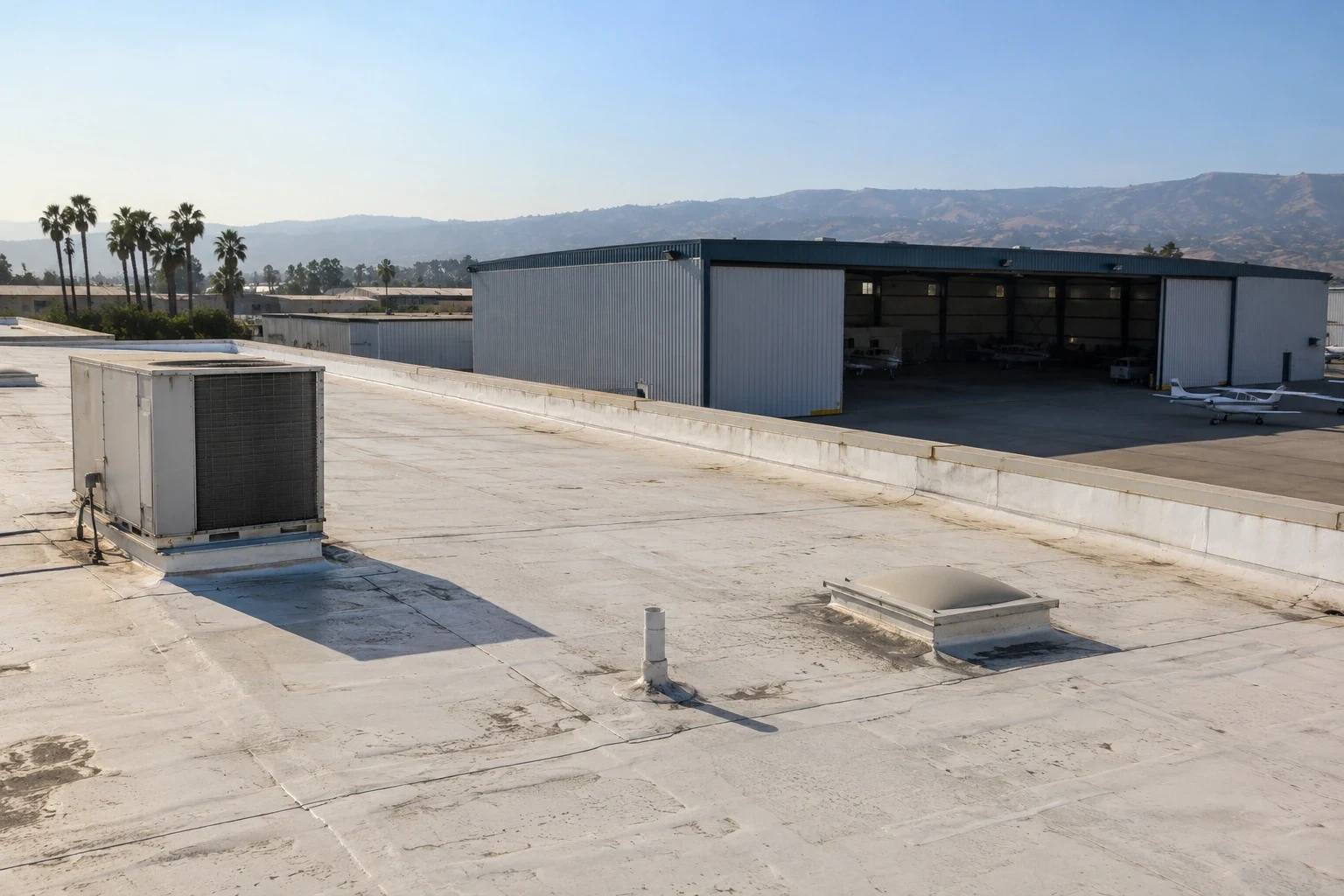
Industrial and distribution properties
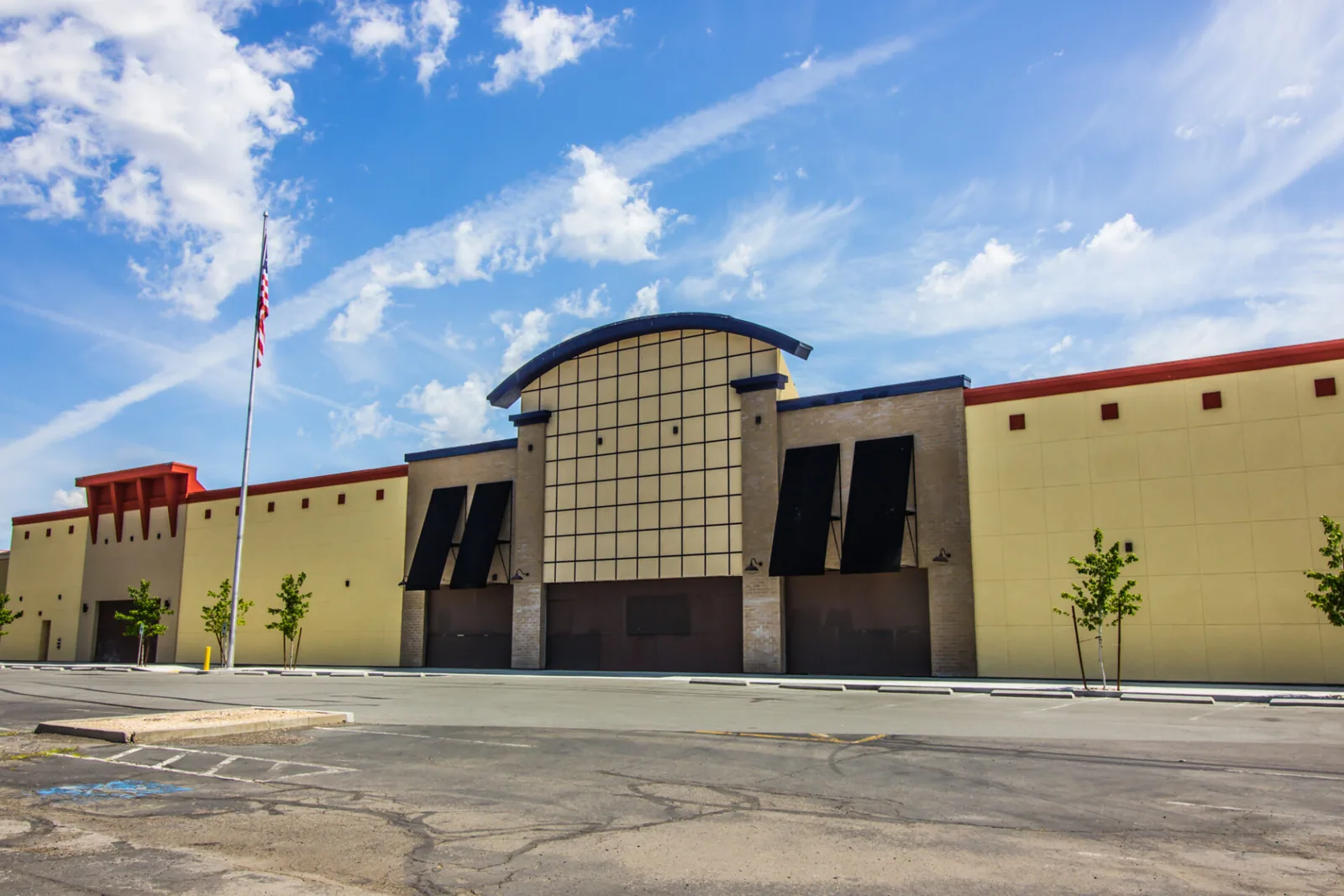
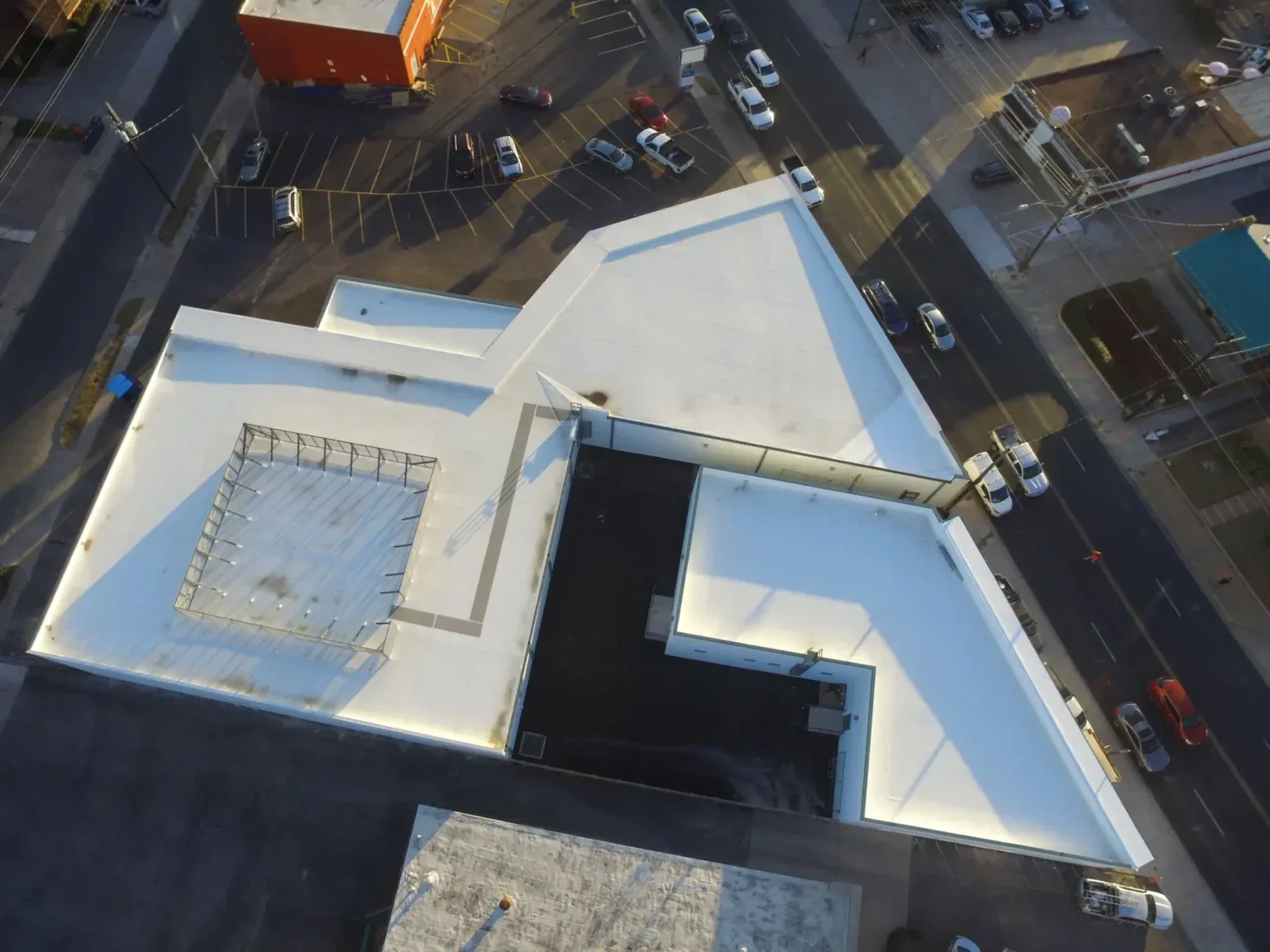
Large operating areas can include roof zones, equipment, and access restrictions that need separate documentation. Coordinate with the facility manager and distinguish observed conditions from production assumptions. Keep staging and safety requirements current.
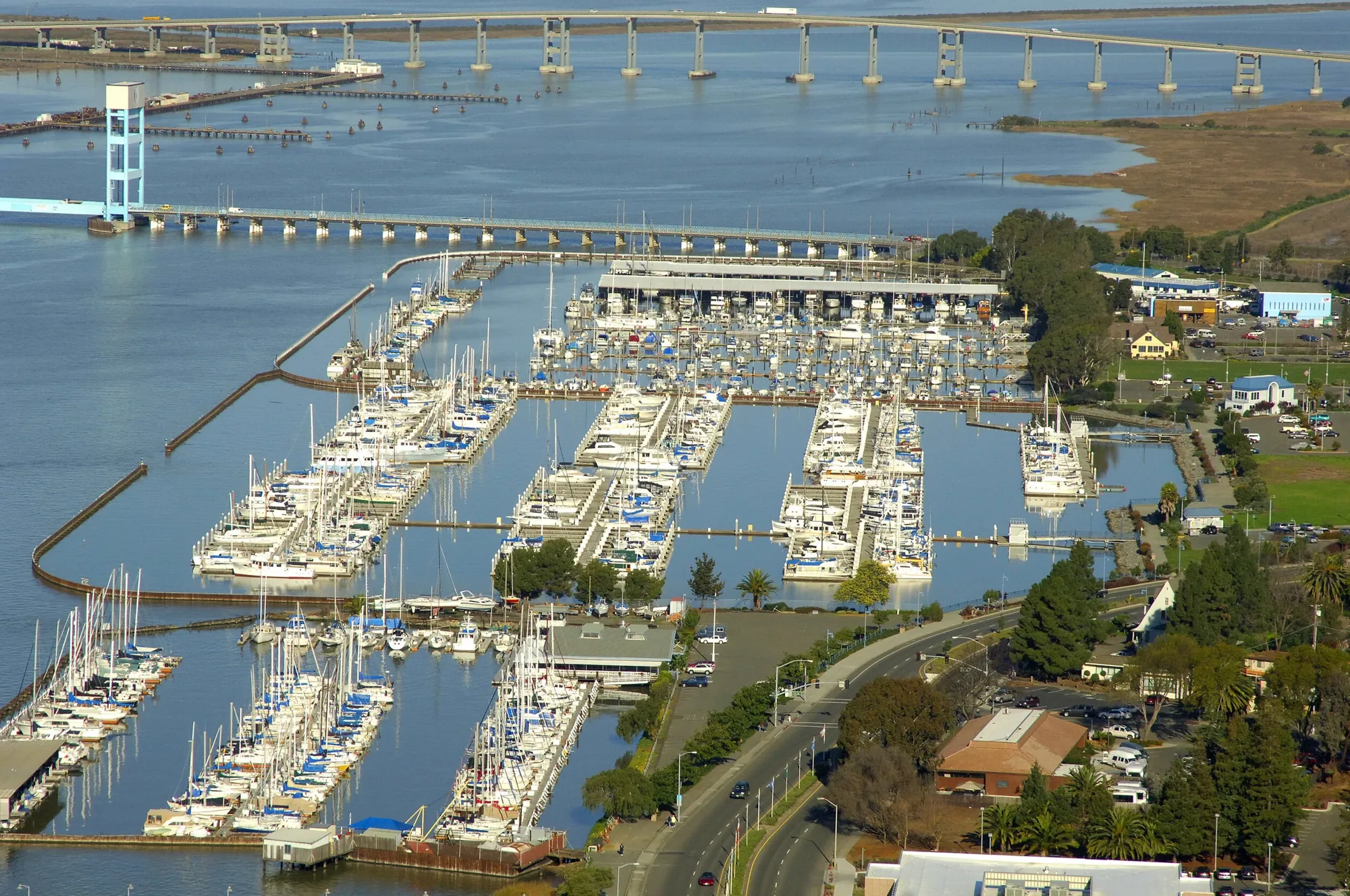
A warehouse roof or manufacturing property can need a portfolio record with its own repair history. Confirm local access for Mare Island buildings.
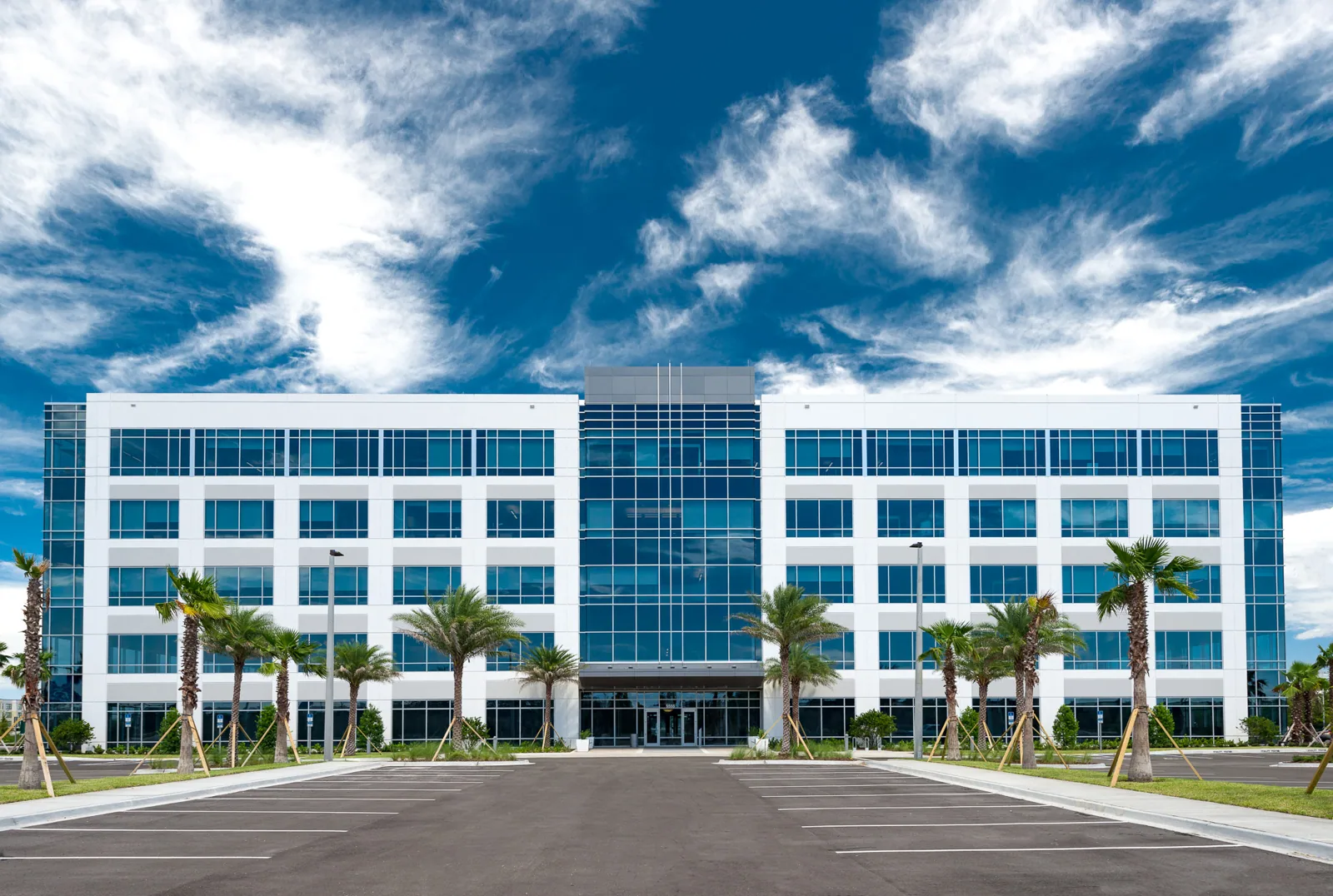
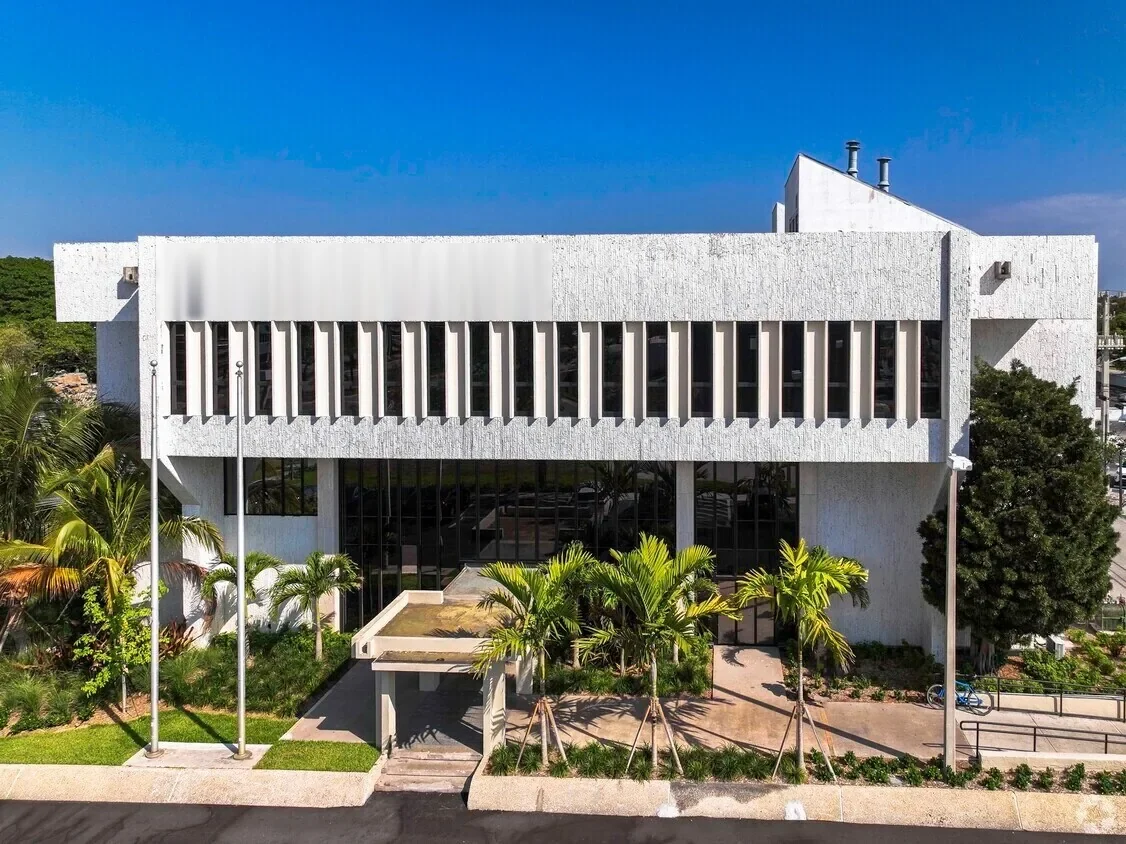
Office and public buildings
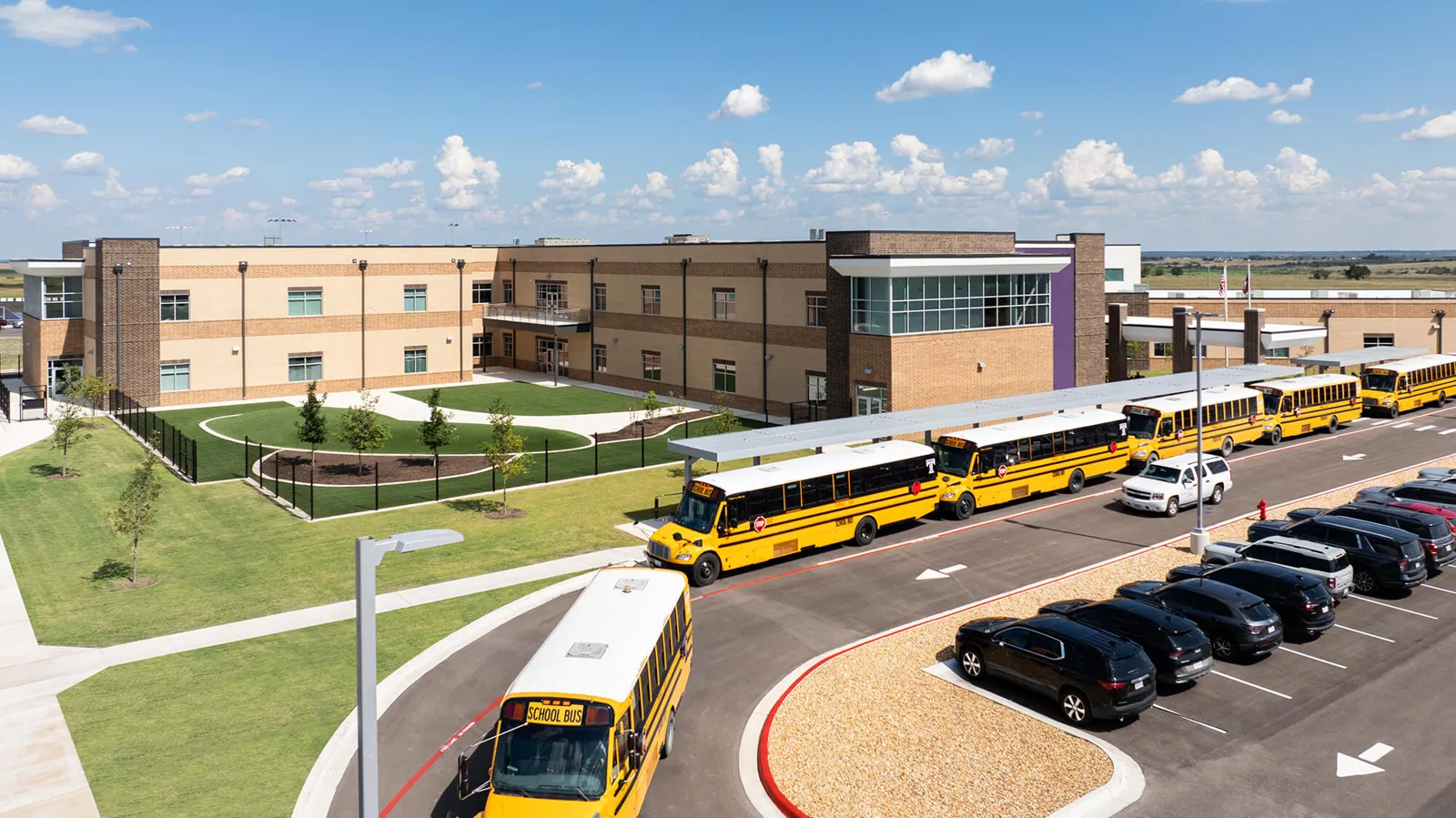
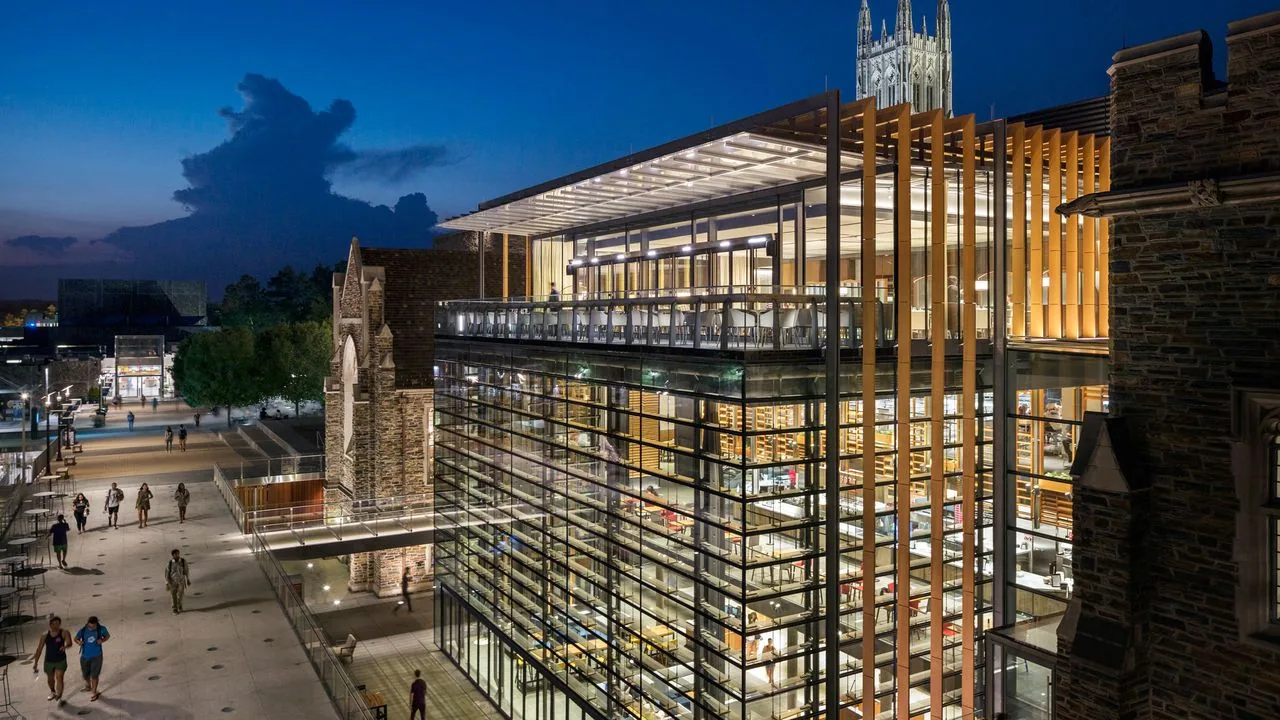
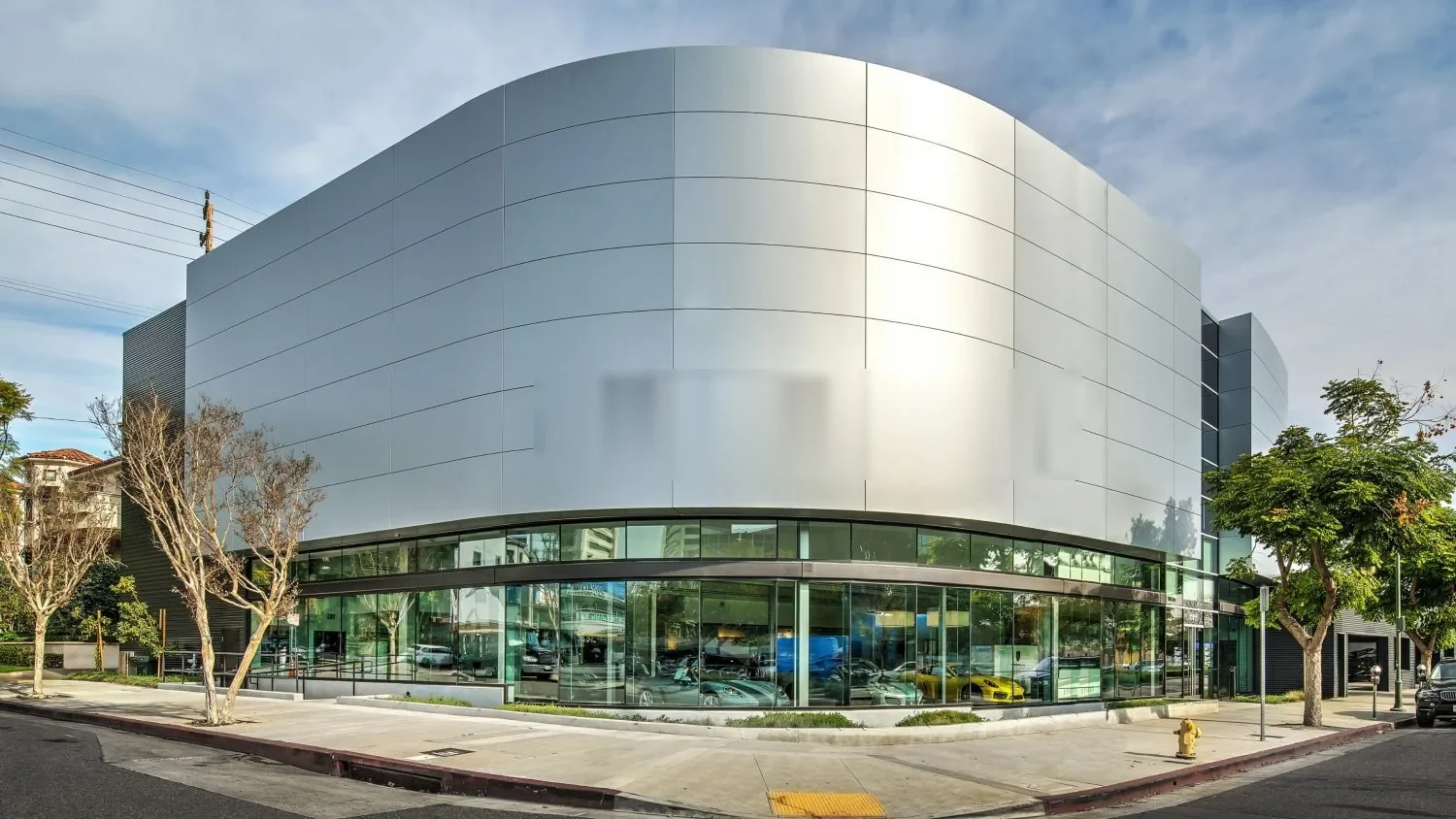
Office, government, school, and healthcare properties have distinct access, occupancy, and documentation needs. The owner can identify work windows, secure areas, and approval steps before a roof walk. Keep the roof plan separate from building-use assumptions.
Review office, government, and school properties through the documents available for each address. A roof inspection can produce a dated condition record.
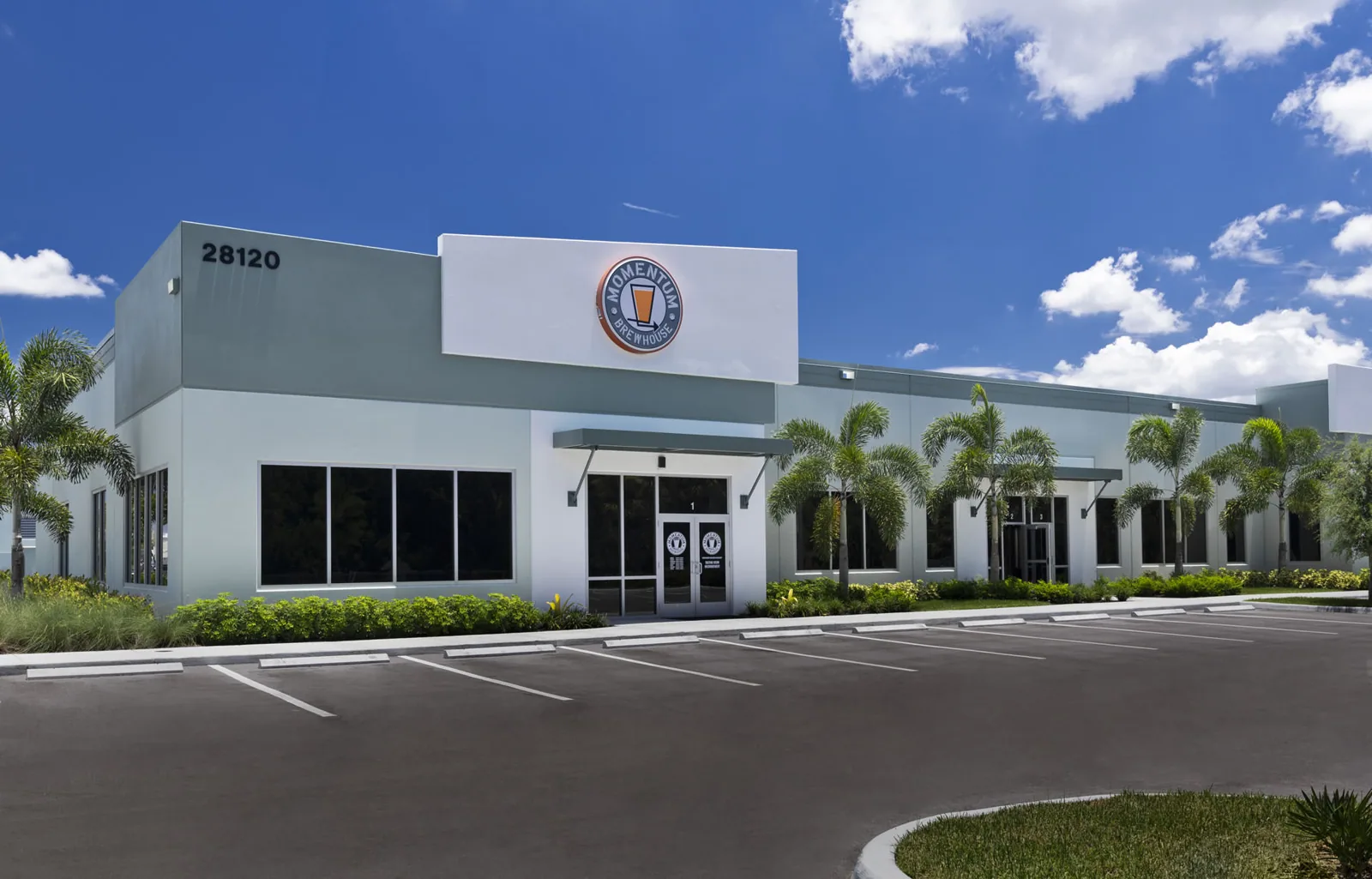
Retail and service buildings
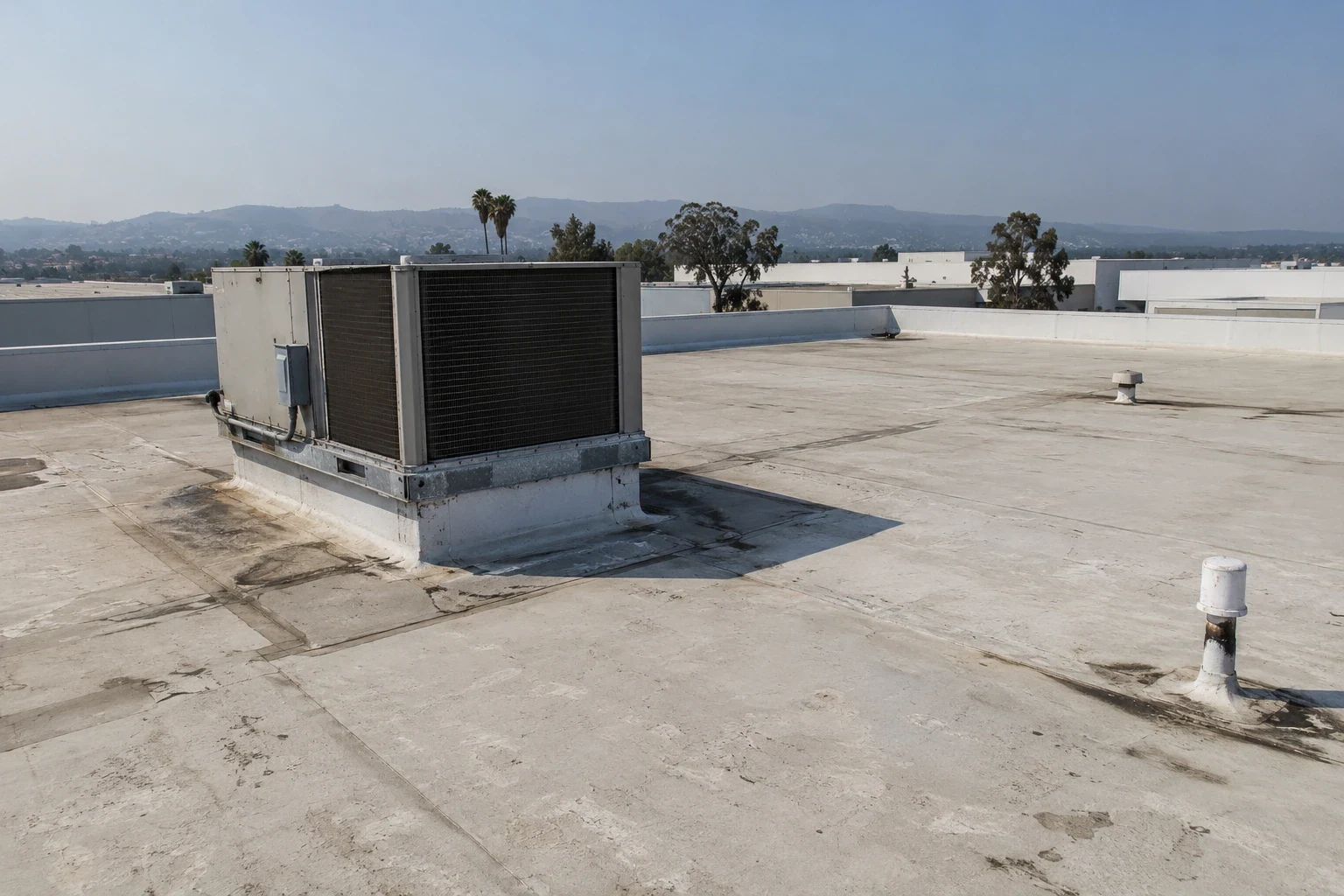
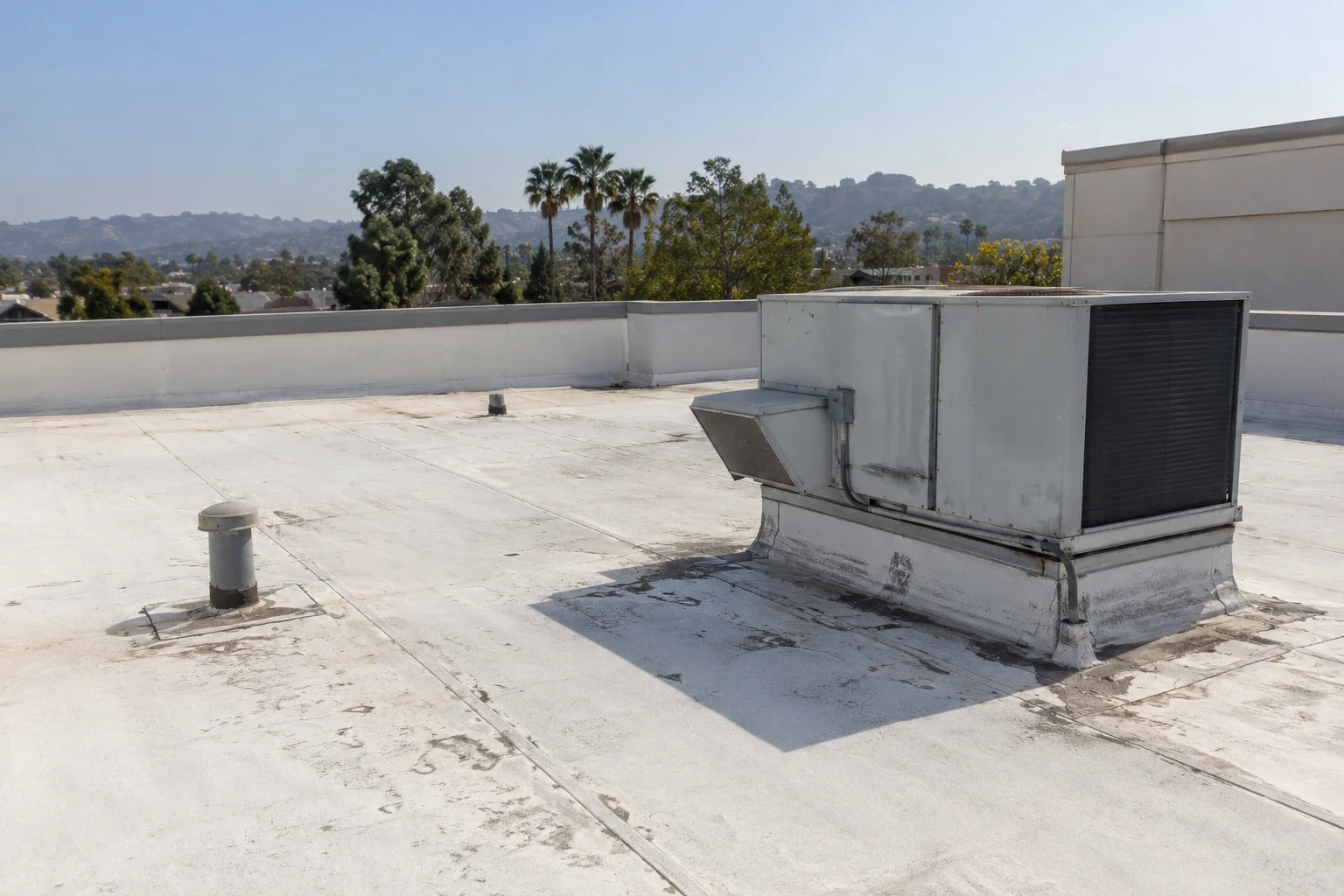
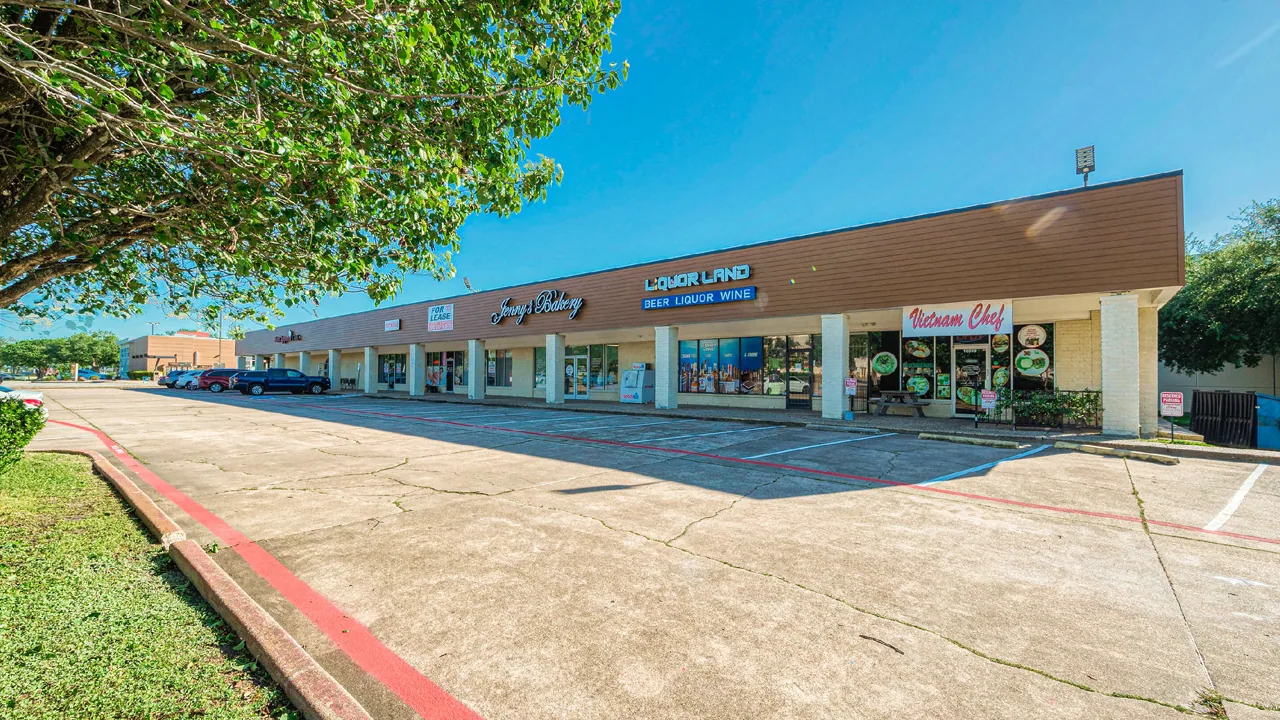
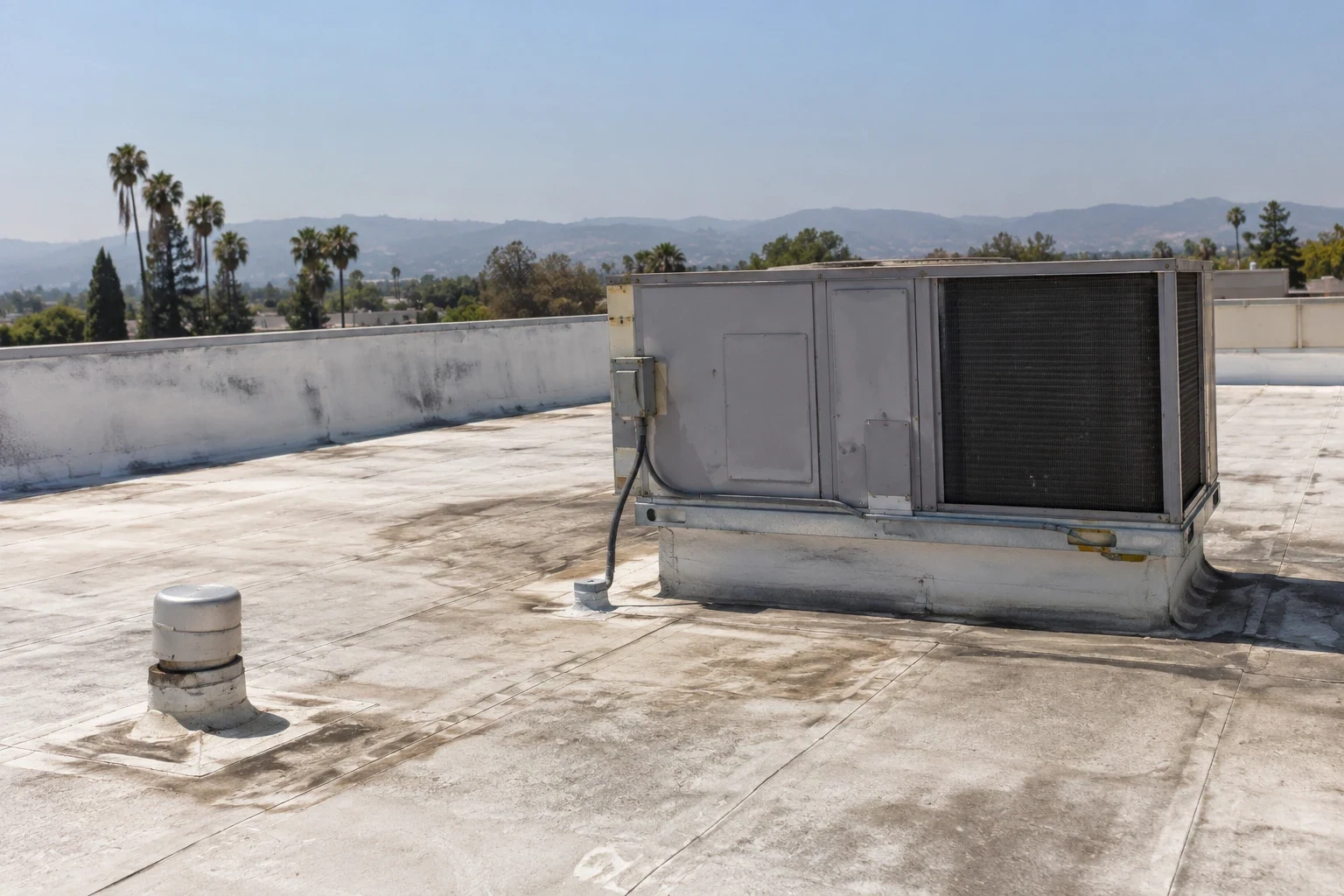
Retail, hospitality, and restaurant operations may have deliveries, customer hours, rooftop units, and tenant responsibilities to coordinate. Check current contacts and identify roof areas above active spaces. Avoid carrying one tenant’s access plan across a multi-tenant property.
For a shopping center or restaurant property, establish staging, odor or noise limits, and the roof section involved. Tie the work plan to budget timing and maintenance findings.
Use the right building record
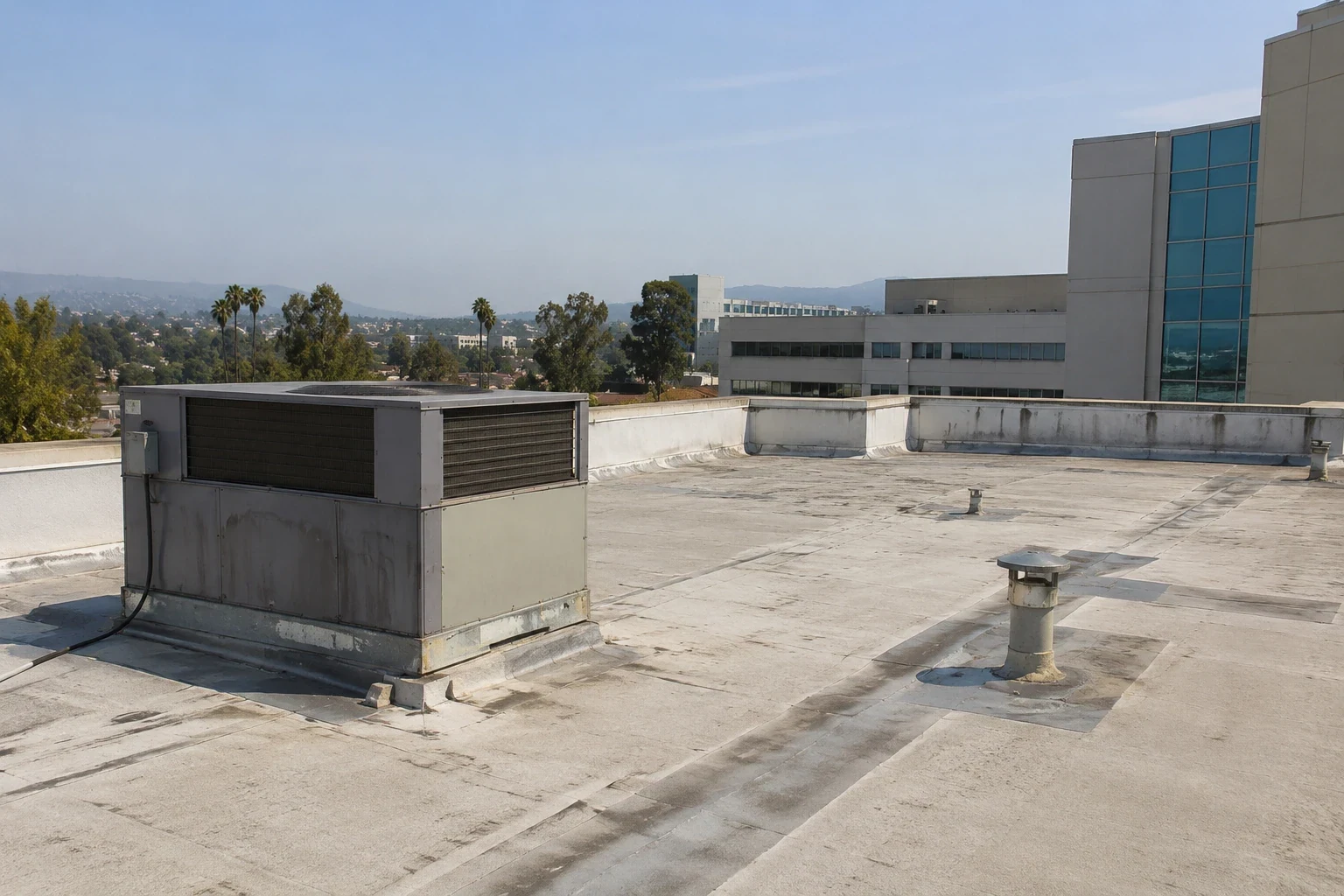
A useful property file includes confirmed address, owner, roof zones, plans, repairs, photos, access notes, and warranties supplied by the owner. If use or construction changed, note when the record was updated and who confirmed it.
The asset record should link each Downtown Vallejo location to its own repair log, system reference, and condition report.
Property use helps set the inspection plan, but it does not determine the roof’s age, assembly, or condition. Ask the current manager how the building operates, then verify construction and maintenance details from the records and the roof itself. Keep the operational note with its date and contact.
Use the building record to verify roof details that a property category cannot establish. Plans, repair files, and current observations can show whether additions or separate sections should be reviewed independently. Keep any operating constraint tied to the person who confirmed it.
Commercial Roofing Questions
Does building type determine the roof system?
No. Use type to plan operations and access, then verify the assembly from project records and site observations.
Can work be planned across multiple properties?
A shared program can standardize records and reviews, while each property keeps its own roof history and scope.
What information helps coordinate occupied work?
Confirm tenant schedules, building access, staging, restricted areas, and the current facility contact.
Should roof records be grouped by building use?
Use building type as one index field, while keeping plans, repairs, and conditions linked to the specific property.