Commercial Roof Recover and Overlay in Vallejo, CA
Evaluate whether an existing Vallejo commercial roof can support a recover. We inspect moisture, attachment, drainage, edges, and code conditions before scope.
Why Commercial Roofing Vallejo?
Commercial Roof Recover and Overlay in Vallejo, CA
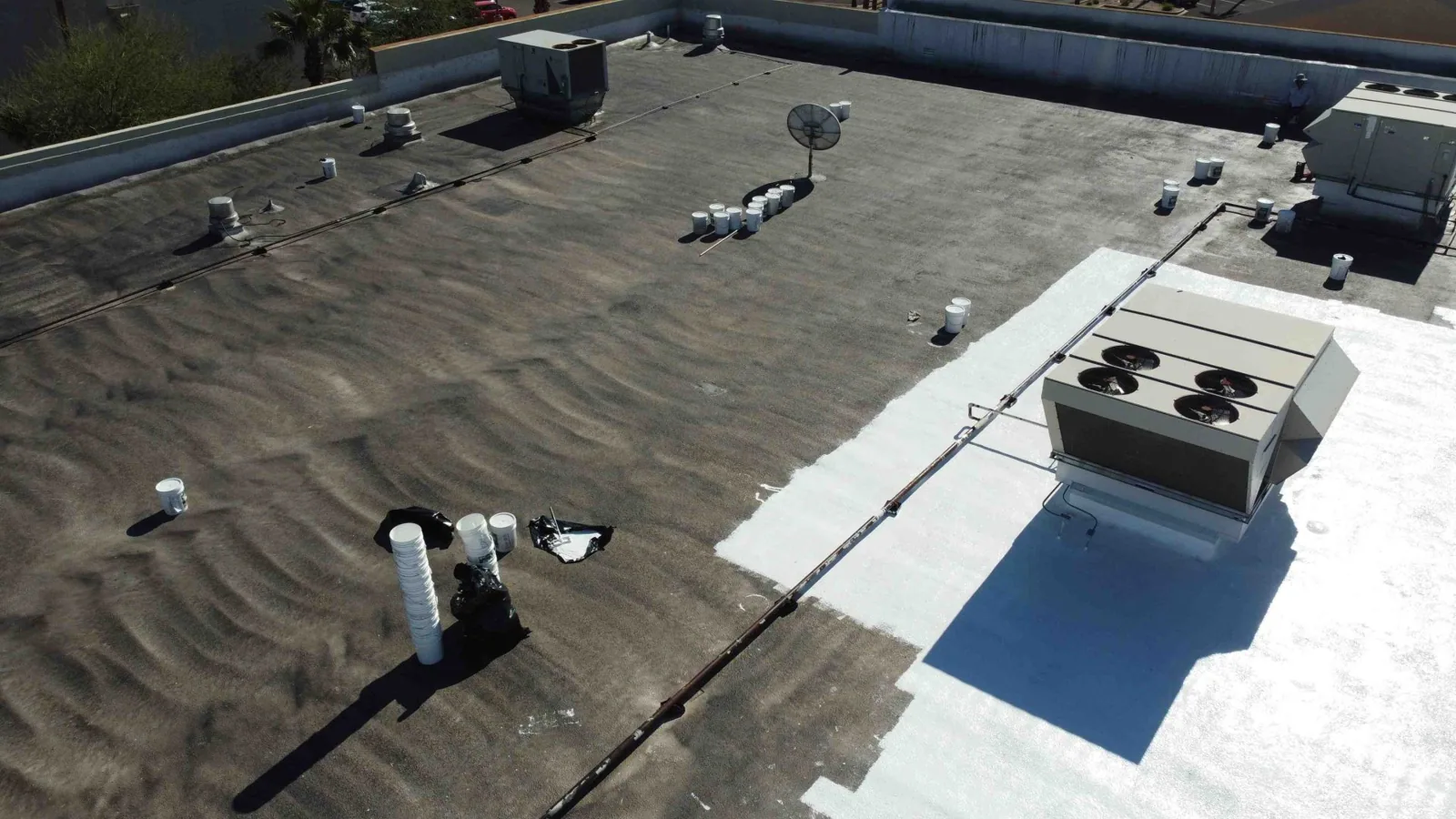
A recover can preserve a usable roof assembly, but only when the layers beneath the new membrane are dry enough, stable enough, and permitted for the added work. On a Vallejo, CA property, the decision starts with the existing roof record and what can be confirmed in the field. A commercial building near Downtown Vallejo may have a different access pattern from an industrial space on Mare Island, yet the same questions apply: how many layers are present, where moisture has moved, and whether edges and drains can accept a new system. We inspect and map those conditions before describing an overlay as a capital option.
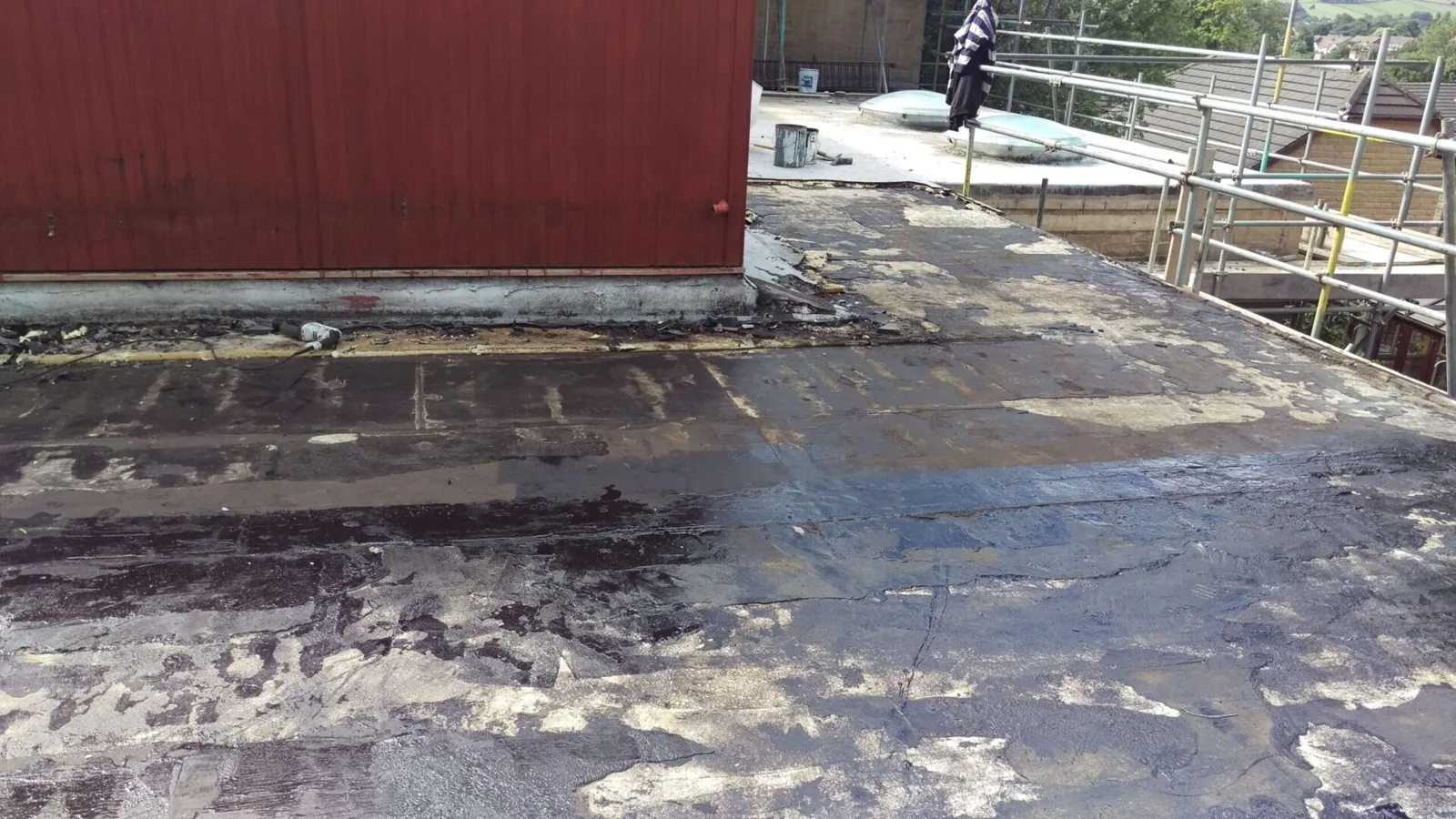
A Sound Base for Another Layer
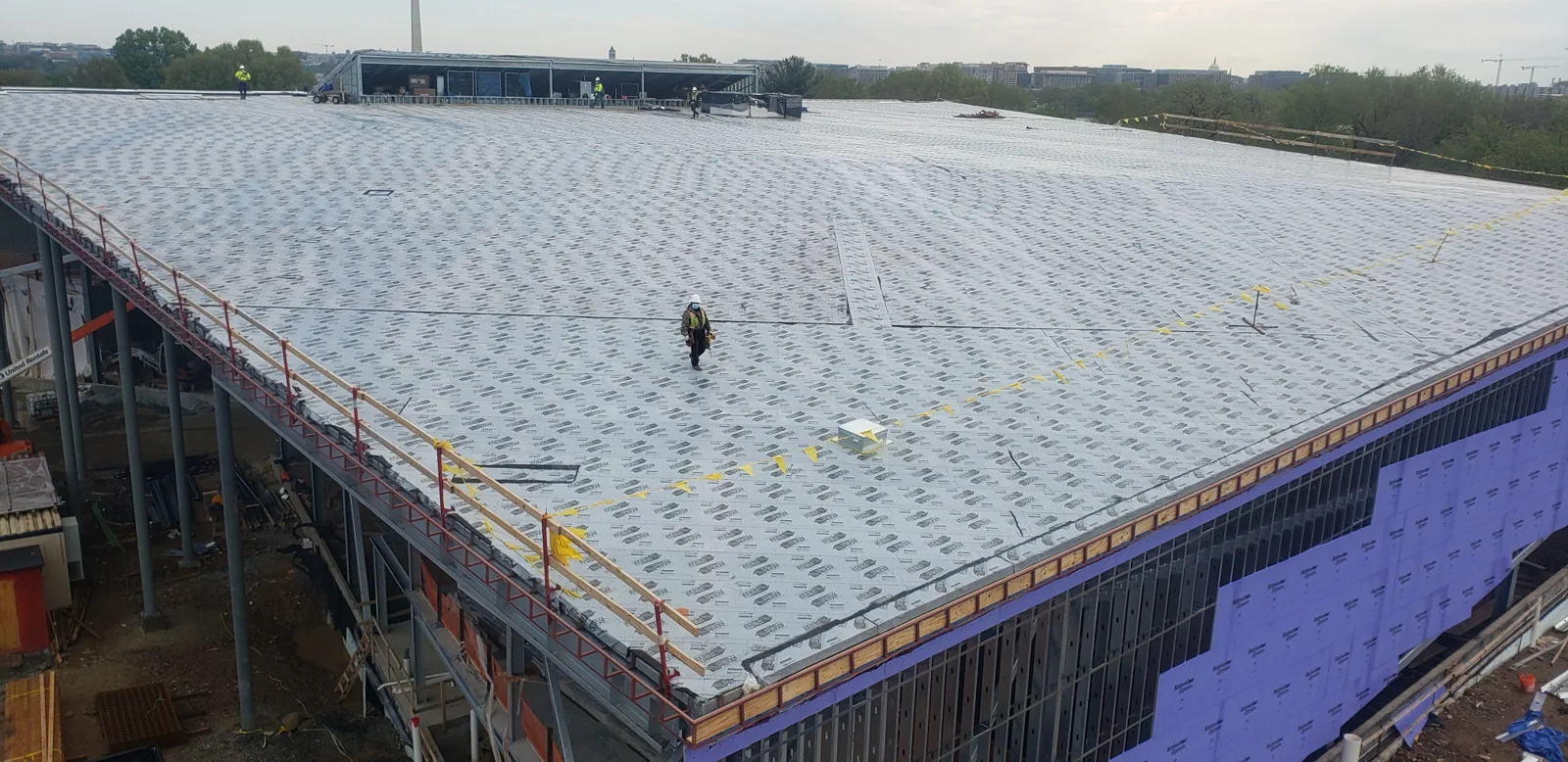
The existing assembly needs to provide a reliable base. We record visible membrane type, seams, previous patches, roof-to-wall transitions, perimeter metal, penetrations, and areas where the surface has shifted or softened. Plans and repair records can help identify prior recover work, but drawings do not confirm what is concealed today. Test openings may be needed to verify layer count, insulation condition, and deck type. Those findings establish whether a new system can attach as intended and whether the replacement detail can be built at edges and terminations.
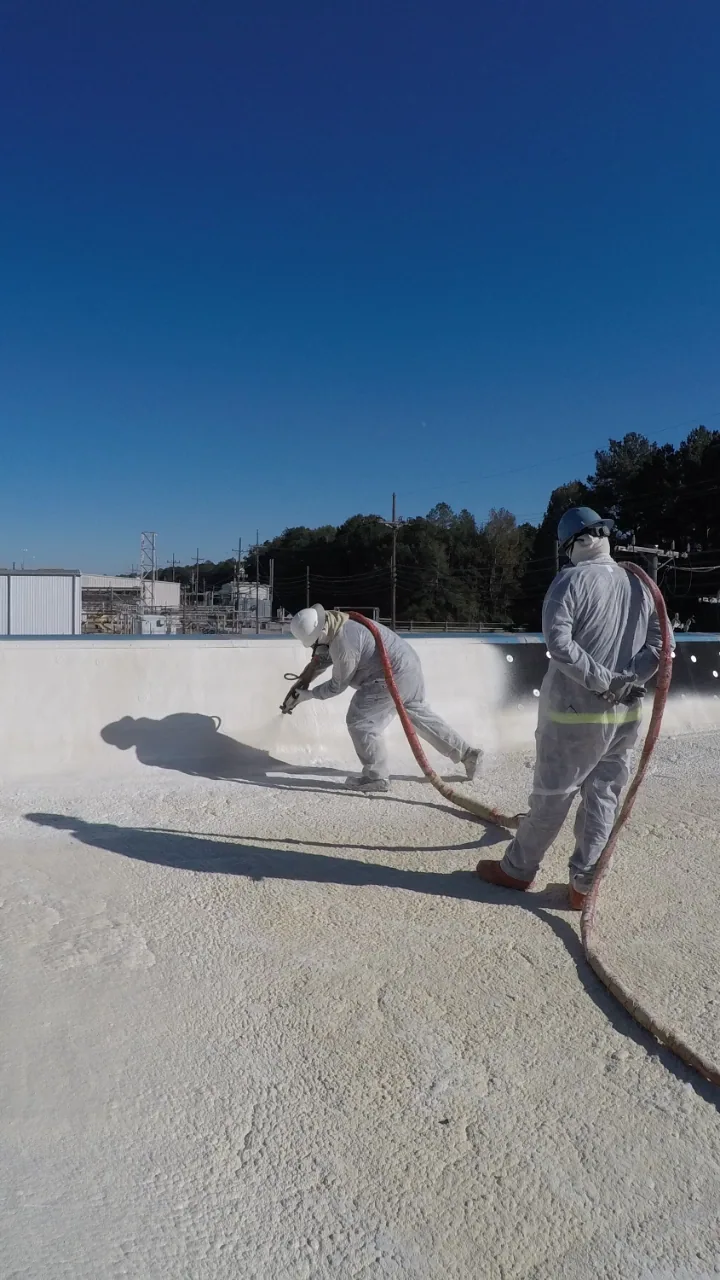
Commercial and industrial spaces around Mare Island include properties with overhead cranes and oversized roll-up doors. That context helps us understand access and equipment considerations, but it does not tell us the construction of any specific roof. We build the scope from field conditions, mark zones that need more investigation, and record where a recover boundary changes. When the existing roof is too wet or unstable, a full roof replacement may provide a more complete reset. For a dry, secure assembly, compare TPO roof systems and silicone coating systems based on substrate and detail compatibility.
Moisture Before Membrane
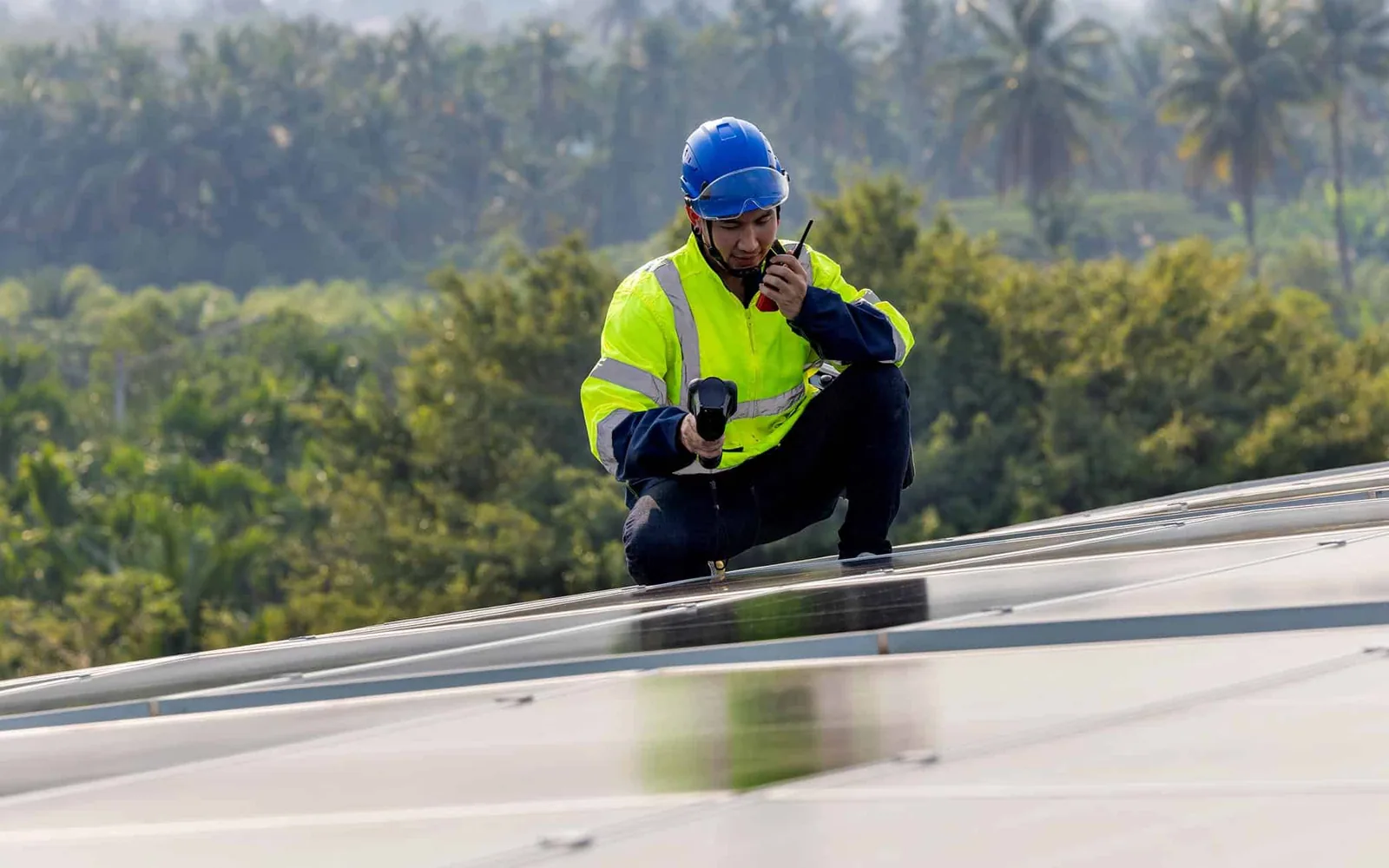
Moisture below the surface can remain hidden under an overlay, where it may weaken insulation, affect attachment, or contribute to deck deterioration. We look for blistering, open seams, soft areas, interior leak history, and changes near drains or equipment. Infrared imaging can help identify areas with different thermal behavior under suitable conditions, but readings need interpretation and may need confirmation. Targeted core cuts show the layers and moisture condition at selected locations. The survey plan should state why each test location was chosen and what decision it is meant to support.
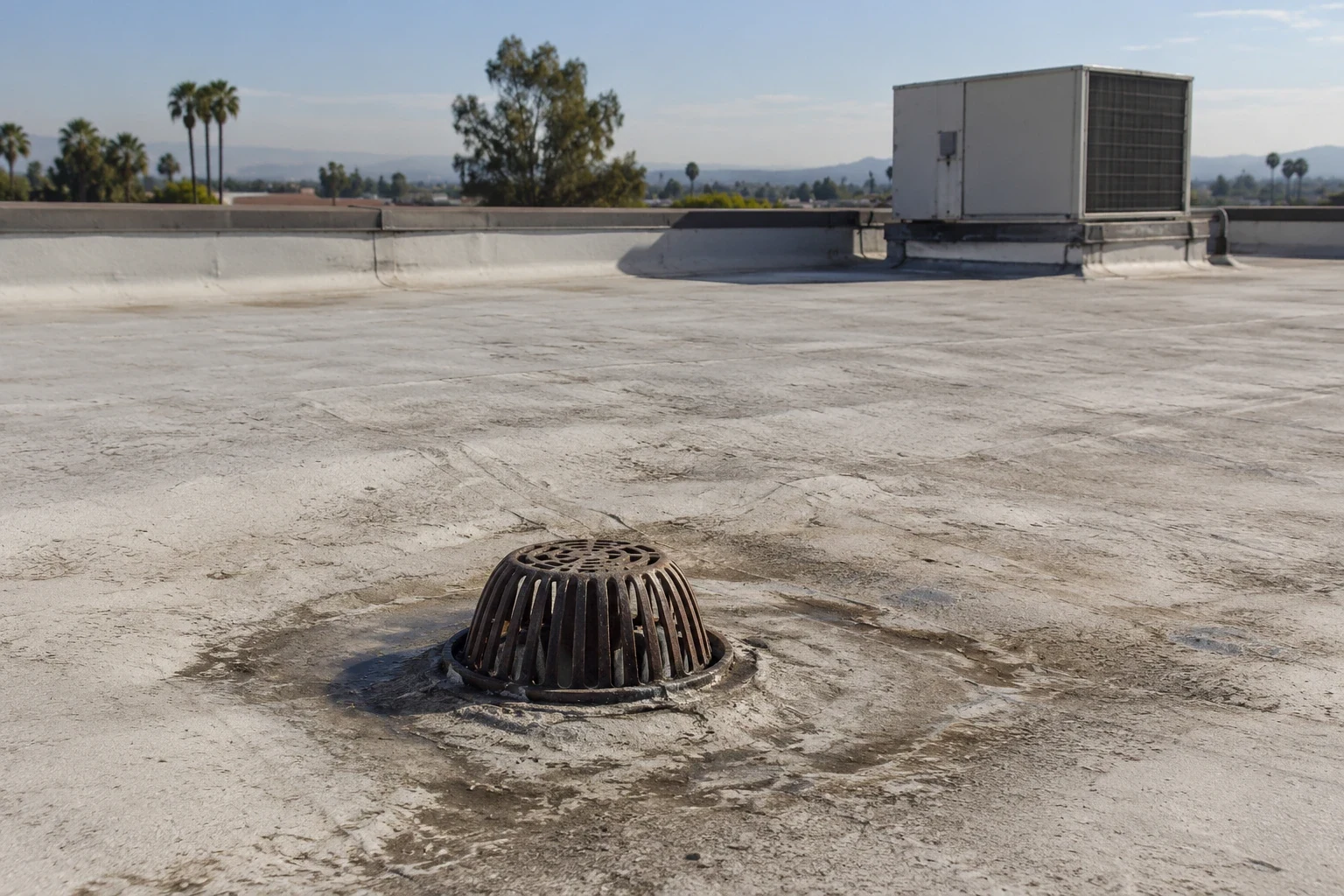
Vallejo averages no rainfall in July and August, followed by a wetter season. We check drains and low areas before rainfall returns, then use the roof walk or approved testing to determine whether moisture is present. We inspect low areas, drain bowls, scuppers, and transitions where water can linger. A moisture survey with targeted openings can distinguish recoverable zones from areas where wet material needs removal. If ponding or a blocked outlet has affected the assembly, ponding-water repair may belong in the scope before a new roof layer is considered.
Edges, Drains, and Added Height
A recover raises the roof surface, so its edge height and transitions have to be resolved before installation. We review parapet terminations, coping, door thresholds, wall flashings, rooftop curbs, and drainage openings. Added insulation changes height too. If a new membrane would narrow a drain opening or leave too little flashing height, the detail needs adjustment rather than a field patch after the fact. The scope identifies which edge metals, counterflashings, or curb extensions are part of the work and which existing elements need separate replacement.
Near the Vallejo waterfront and on Sonoma Boulevard, occupied retail, office, or service space can make access and staging part of the design discussion. We coordinate material routes and work zones with the building contact, then divide the roof so each opened area can be closed according to the planned shift. A dedicated drain and scupper review records water paths, while edge metal and coping work addresses the raised perimeter condition. These details affect both the scope and how water leaves the finished roof.
Permit Path and Capital Choice
Code review belongs in the decision before the owner selects an overlay. Before considering a recover, document existing layers, wet areas, drainage, and structural-review questions so the proposed assembly has a defined basis. A recover’s proposed layers and attachment details should be included in the actual permit record for the responsible reviewer to evaluate. Keep the applicable review milestone tied to the permit filing; an earlier design discussion does not establish approval for the roof assembly. We account for permit review with the project schedule and leave room to resolve assembly requirements before fixing a start date.
Budget comparison should account for testing, preparation, attachment, cover board, membrane, perimeter details, disposal if removal is needed, and correction of drainage or deck conditions. A low initial scope can shift cost into repairs later if the old layers remain unsuitable. A capital review should show the evidence behind the recover recommendation and the conditions that would change it. Link the roof condition to a capital plan so ownership can compare the overlay with tear-off, repair, and planned maintenance.
A Record That Keeps the Boundary Clear
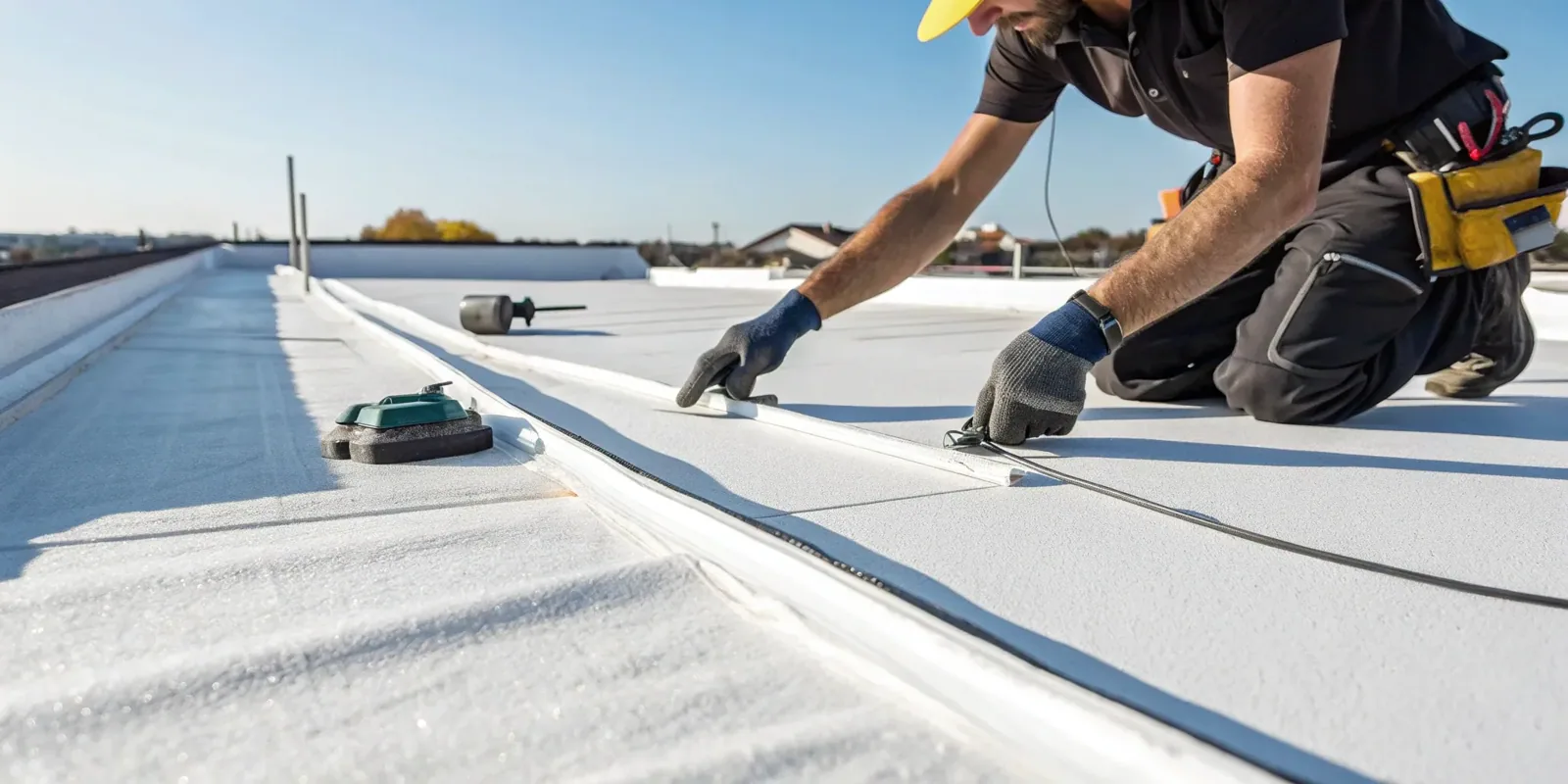
Before work starts, the owner should have a marked roof plan, test results, intended attachment method, preparation requirements, edge details, and a written process for handling concealed conditions. During installation, photographs can show the surface after preparation, any repaired substrate, and the finished transitions. The final record should distinguish the new membrane from retained layers and identify areas where the assembly differs. This matters for later leak diagnosis and for deciding how to inspect the roof as it ages.
Downtown/Waterfront and Mare Island include different commercial and industrial settings, but neither district establishes a specific building's roof age or type. We assess each property individually and keep the owner involved where a test changes the proposed scope. Arrange a review with available plans, repair history, access requirements, and budget timing. We will inspect the layers, map moisture concerns, and state whether a recover is supported or a removal scope is the better fit. If an overlay moves forward, the Downtown Vallejo service area and nearby work conditions can be noted in the site plan without substituting for a roof-specific assessment.
Commercial Roofing Questions
How many existing roof layers can remain under an overlay?
The permitted assembly and existing layer count guide that call. We verify layers with records and, where needed, test openings, then compare the result with code and the proposed attachment. The overlay should not conceal a condition that compromises the new system. The scope records what stays, what is removed, and where another test is needed before approval.
Can infrared imaging clear the whole roof for a recover?
Infrared imaging can locate thermal patterns consistent with moisture under suitable conditions, but it does not identify material condition by itself. We use images to target core cuts, then map findings against seams, drainage, and repair history. The recover recommendation follows that evidence, with removal limits identified where moisture is confirmed.
What happens if wet insulation appears during installation?
The crew documents the location, protects the opening, and reports the condition before covering it. The project plan establishes how the owner reviews a finding and approves changes to removal or replacement scope. Dry, stable areas can proceed when nearby details remain suitable. The closeout record shows where the condition changed the original boundary.
Will the overlay affect roof drains and parapet flashing?
Added height can change drain clearance, flashing height, and the membrane termination. We measure these transitions and specify extensions, edge changes, or removal where needed. A vulnerable termination carries an old weakness into the new surface. The detail schedule should name each transition changed by the added layer.
Which code edition applies to a Vallejo roof recover?
Vallejo sets the applicable building-code edition from the building-permit plan-check submittal date. Covered submissions received from January 1, 2026 use the 2025 California Building Standards Code; earlier filings need case-specific review under the City transition guidance. Confirm the overlay scope before filing.
Check the Existing Layers
Arrange a roof review with plans, repair history, access needs, and budget timing. We will map the visible assembly, identify where testing is useful, and outline the recover or removal scope.
Request a Roof Assessment
Questions About Commercial Roof Recover and Overlay in Vallejo, CA
Common questions from building owners and property managers.
How many existing roof layers can remain under an overlay?
The permitted assembly and existing layer count guide that call. We verify layers with records and, where needed, test openings, then compare the result with code and the proposed attachment. The overlay should not conceal a condition that compromises the new system. The scope records what stays, what is removed, and where another test is needed before approval.
Can infrared imaging clear the whole roof for a recover?
Infrared imaging can locate thermal patterns consistent with moisture under suitable conditions, but it does not identify material condition by itself. We use images to target core cuts, then map findings against seams, drainage, and repair history. The recover recommendation follows that evidence, with removal limits identified where moisture is confirmed.
What happens if wet insulation appears during installation?
The crew documents the location, protects the opening, and reports the condition before covering it. The project plan establishes how the owner reviews a finding and approves changes to removal or replacement scope. Dry, stable areas can proceed when nearby details remain suitable. The closeout record shows where the condition changed the original boundary.
Will the overlay affect roof drains and parapet flashing?
Added height can change drain clearance, flashing height, and the membrane termination. We measure these transitions and specify extensions, edge changes, or removal where needed. A vulnerable termination carries an old weakness into the new surface. The detail schedule should name each transition changed by the added layer.
Which code edition applies to a Vallejo roof recover?
Vallejo sets the applicable building-code edition from the building-permit plan-check submittal date. Covered submissions received from January 1, 2026 use the 2025 California Building Standards Code; earlier filings need case-specific review under the City transition guidance. Confirm the overlay scope before filing.