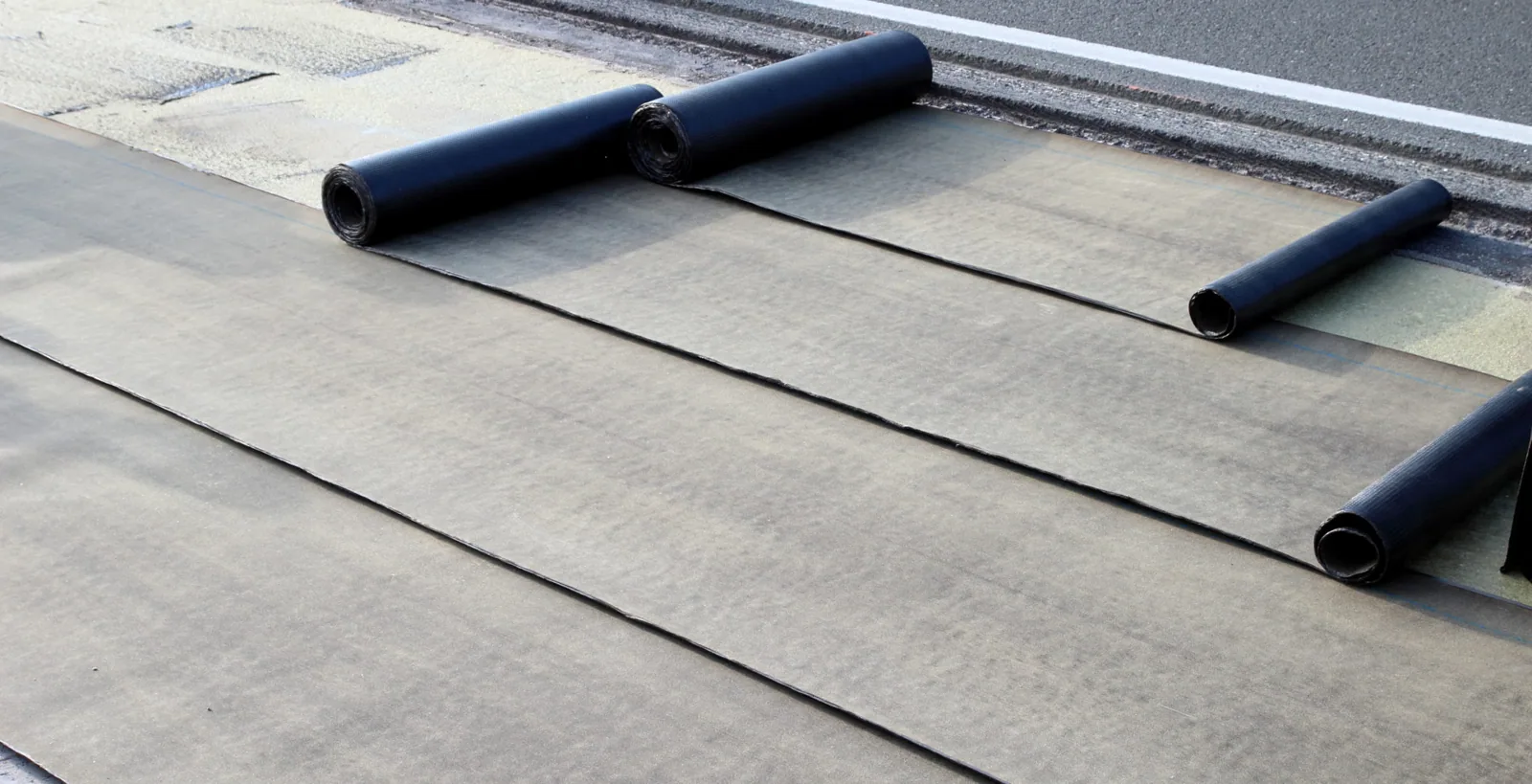
Commercial Roof Drains and Scuppers in Vallejo, CA
Review commercial roof drains, scuppers, and ponding in Vallejo, CA with a drainage inspection and repair scope tied to roof conditions.
Why Commercial Roofing Vallejo?
Commercial Roof Drains and Scuppers in Vallejo, CA
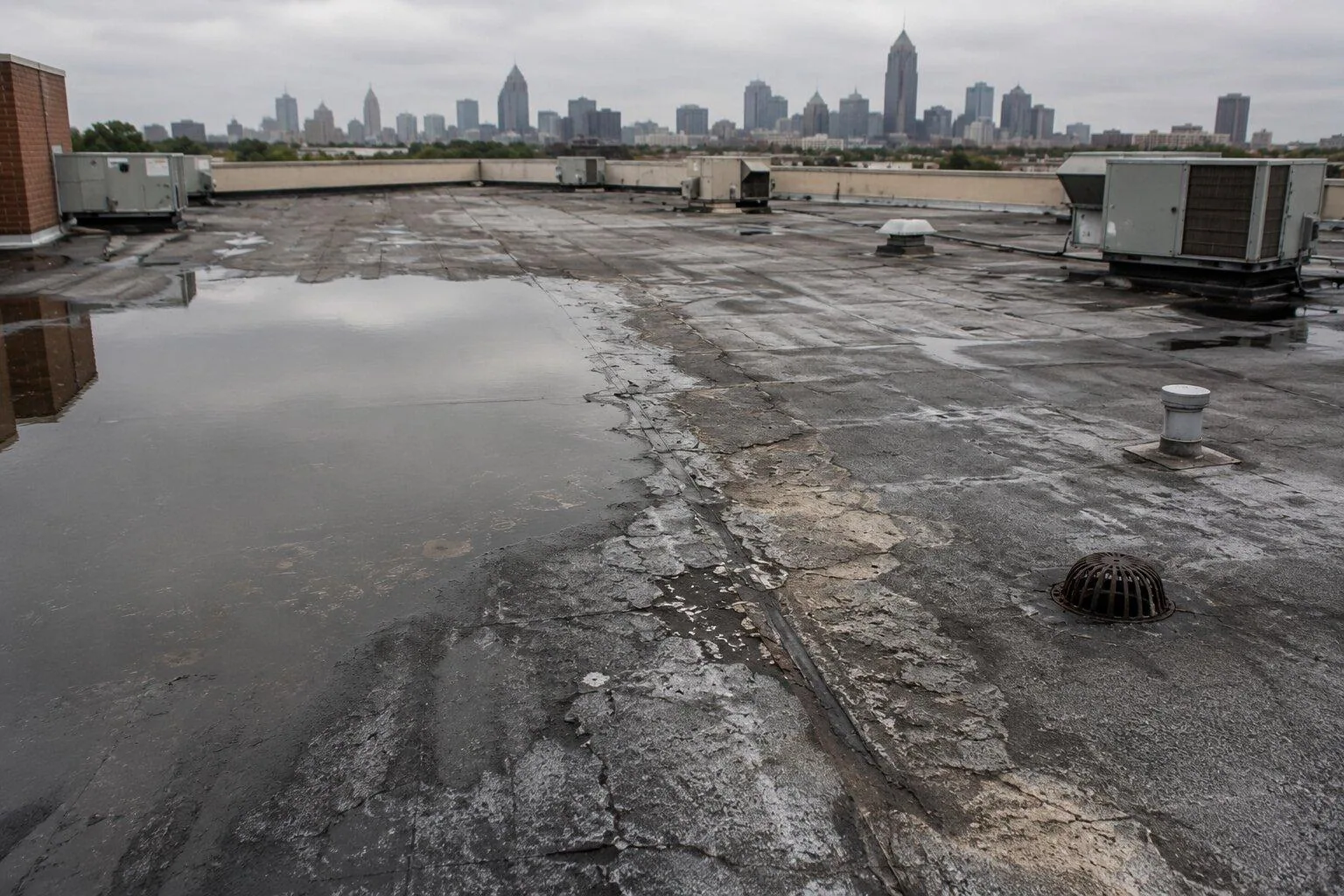
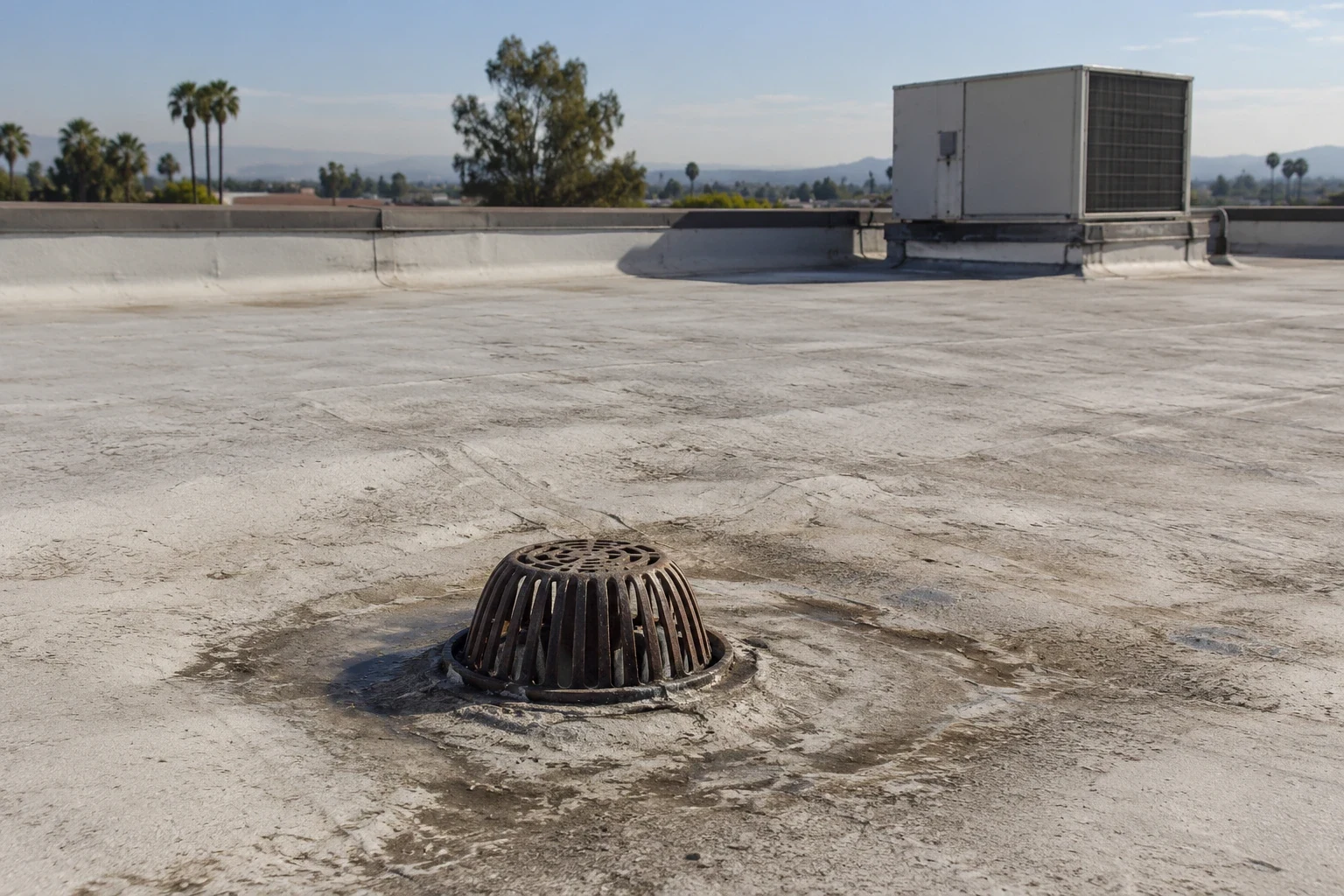
A drain that clears slowly can turn a maintenance question into a roof decision. Start by separating debris at the inlet from a slope, outlet, or membrane detail that is not moving water as intended. We inspect the drain bowl, strainer, flange, nearby seams, and the surrounding low point, then compare the result with the roof plan and prior photographs. On a commercial roof, water may collect because a strainer is blocked, a drain is damaged, or the surface and structure direct flow differently than the record suggests. Those conditions require different scopes. In Vallejo's climate normals, July and August each record no average rainfall. A pre-wet-season drain check can identify obstructions, while current roof slope and outlet conditions determine how each property drains. A roof inspection can map the drainage pattern, while a maintenance visit can record whether the same low point recurs. We address the condition found, not ponding by itself as proof that an assembly has failed.
Find Where Flow Breaks Down
Trace the path from the high area toward each drain, scupper, or gutter. Look for a blocked strainer, damaged bowl, loose flashing, a cracked seal at the flange, or a low point that holds water after nearby areas clear. If water crosses a roof zone, note the route and any seams or penetrations it passes. A scupper can discharge correctly while a nearby low area remains, so the observation should identify both the opening and the surface around it. Photographs need a roof-zone reference and enough context to compare them at a later visit. We also check whether rooftop equipment, added supports, or previous patches affect access or interrupt flow. A drawing can help locate the drain, but the visible roof should be compared with that drawing because past work may have changed the assembly. If interior staining is reported, compare its location with the roof pattern without assuming that the nearest drain is the source.
Choose the Correction That Fits
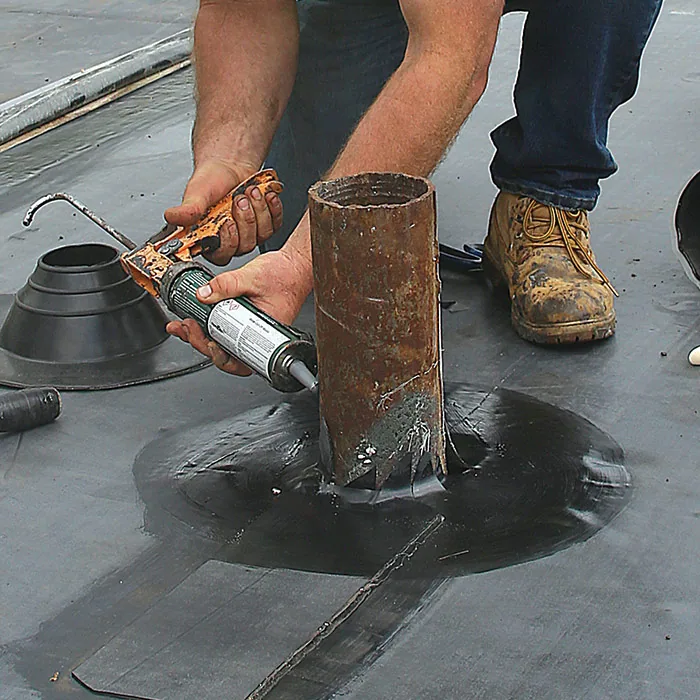
Clear debris only when the roof is safe to access and the obstruction is the confirmed issue. A damaged drain flange, split membrane, or loose flashing needs a repair that ties into sound surrounding material. Where a cricket or tapered section is needed to direct flow, first confirm the structure, drain location, door or parapet thresholds, and any equipment that limits the build-up. Adding material without those checks can shift water toward a different low point or create a clearance problem. If ponding is widespread, document its extent and duration and compare it with the roof's drainage design and condition. A ponding-water review can help distinguish a drainage correction from membrane or insulation work. When a drain detail is open or damaged, a flashing repair scope should state the tie-in and materials. Owners considering a recover should also account for added thickness and the drain height before approving another layer.
Protect the Interior Below the Drain
The right drainage scope depends on what the roof protects. A leaking drain above an occupied office or retail area may require interior protection and an access window. A warehouse or light-industrial building can have stored goods, equipment, or active loading zones below the same roof. Mare Island includes office, retail, and industrial commercial spaces, but that district-wide context does not establish the layout or roof condition of an individual property. Confirm the affected room, operating hours, ceiling access, and any sensitive equipment with the site representative. Tennessee Street is one of Vallejo's corridors connecting city districts. For a property along that street, confirm material staging and the approved access route with the site contact before setting a drain-repair sequence. Before opening the drain area, identify who can authorize added work if wet insulation or a damaged deck becomes visible. We can then separate water containment, replacement of failed materials, and any broader drainage adjustment instead of leaving the owner with one undefined line item.
Coordinate Drainage Work with the Building
Drain repairs may involve rooftop equipment, downspouts, interior ceilings, and occupied spaces, so sequence those interfaces before work begins. Confirm whether plumbing or mechanical trades need access, whether the outlet connection is part of the roofing scope, and where removed water or debris can be managed. If a drain ties into an interior leader, the contractor should identify the boundary between the roof opening and downstream piping. A blocked leader cannot be corrected by replacing the membrane flange alone. For scuppers and edge outlets, confirm that discharge reaches the intended exterior route and does not threaten an entrance or adjacent property. We document what belongs in the roofing work and flag the question for the appropriate trade when the outlet is outside our scope. That clarity helps prevent a roof repair from being approved as though it addressed a drainage problem that continues below the roof deck.
Track Repeat Low Points
A drainage record should identify each drain or scupper, the adjacent roof zone, observed obstruction or damage, and the result after service. If water remains, note when the condition was observed and how much of the surface was visible. Do not label a roof defective based only on a single photograph taken during or just after rain. Compare conditions at a later visit, especially after debris removal or a repair. For a recommended correction, include the detail to be changed, tie-in, access coordination, and follow-up observation that will confirm the result. Keep repair photographs with the roof-zone label used in the condition report. Owners with properties in Downtown Vallejo and on Mare Island can compare maintenance records while preserving each building's drainage layout. Arrange a review with plans, prior drain work, reported interior symptoms, access details, and budget timing to decide whether the next step is cleaning, repair, or a designed correction.
Commercial Roofing Questions
Does standing water mean the roof needs to be replaced?
Not by itself. We record where water remains, how long after rainfall it was observed, and whether the drain, scupper, surface, or underlying assembly shows another concern. A blocked inlet may need clearing, while a failed flange or broad low area may require a repair or drainage correction. Replacement should be discussed only when the full condition evidence supports a broader scope, not from one ponding photograph.
Can you add a cricket to send water toward an existing drain?
A cricket may help when the roof geometry and drain location support that change, but the details need to be checked first. We review the slope, parapet and threshold heights, equipment clearances, drain position, and existing membrane so the added build-up does not redirect water into another area. The proposal should show the drainage change and tie-ins, plus any condition that requires a design professional or another trade.
How can we tell whether a drain repair addressed the leak?
The closeout should identify the repaired flange or flashing, the roof zone, and the material tied into the surrounding assembly. Follow-up observations after rainfall can show whether water continues to collect or interior symptoms return. If the leader or outlet is blocked downstream, a roof-side repair may not resolve that part of the problem. We keep those open items visible in the record so the right trade can address them.
Who handles a clogged interior roof drain leader?
The roofing scope can inspect the roof drain, flange, and membrane connection. A blockage farther down the leader or in the building plumbing may need a plumbing contractor. We identify where the roof work ends, document the condition we can observe, and coordinate access when another trade needs to examine the connected pipe. The proposal should not imply that a roof repair cleared a downstream line that was not inspected.
What should we provide before a drain and scupper review?
Share roof plans, prior repair or cleaning records, the location of any interior leak, and access instructions. Note whether equipment or loading operations restrict a roof route and identify the person who can approve repairs. If water was photographed after rain, include the time of the image and the area shown. Those details help us compare the report with the actual drain pattern and set the right scope for the site walk.
Map the Drainage Condition
Arrange a Vallejo roof review with plans, prior drain work, reported interior symptoms, access needs, and budget timing. We will identify the affected roof zones and separate cleaning, repair, and drainage corrections.
Request a Roof Assessment
Questions About Commercial Roof Drains and Scuppers in Vallejo, CA
Common questions from building owners and property managers.
Does standing water mean the roof needs to be replaced?
Not by itself. We record where water remains, how long after rainfall it was observed, and whether the drain, scupper, surface, or underlying assembly shows another concern. A blocked inlet may need clearing, while a failed flange or broad low area may require a repair or drainage correction. Replacement should be discussed only when the full condition evidence supports a broader scope, not from one ponding photograph.
Can you add a cricket to send water toward an existing drain?
A cricket may help when the roof geometry and drain location support that change, but the details need to be checked first. We review the slope, parapet and threshold heights, equipment clearances, drain position, and existing membrane so the added build-up does not redirect water into another area. The proposal should show the drainage change and tie-ins, plus any condition that requires a design professional or another trade.
How can we tell whether a drain repair addressed the leak?
The closeout should identify the repaired flange or flashing, the roof zone, and the material tied into the surrounding assembly. Follow-up observations after rainfall can show whether water continues to collect or interior symptoms return. If the leader or outlet is blocked downstream, a roof-side repair may not resolve that part of the problem. We keep those open items visible in the record so the right trade can address them.
Who handles a clogged interior roof drain leader?
The roofing scope can inspect the roof drain, flange, and membrane connection. A blockage farther down the leader or in the building plumbing may need a plumbing contractor. We identify where the roof work ends, document the condition we can observe, and coordinate access when another trade needs to examine the connected pipe. The proposal should not imply that a roof repair cleared a downstream line that was not inspected.
What should we provide before a drain and scupper review?
Share roof plans, prior repair or cleaning records, the location of any interior leak, and access instructions. Note whether equipment or loading operations restrict a roof route and identify the person who can approve repairs. If water was photographed after rain, include the time of the image and the area shown. Those details help us compare the report with the actual drain pattern and set the right scope for the site walk.