Commercial Roof Flashing Failure Repair in Vallejo, CA
Commercial roof flashing reviews in Vallejo, with wall terminations, curbs, penetrations, counterflashing, and repair limits documented by detail.
Why Commercial Roofing Vallejo?
Commercial Roof Flashing Failure Repair in Vallejo, CA
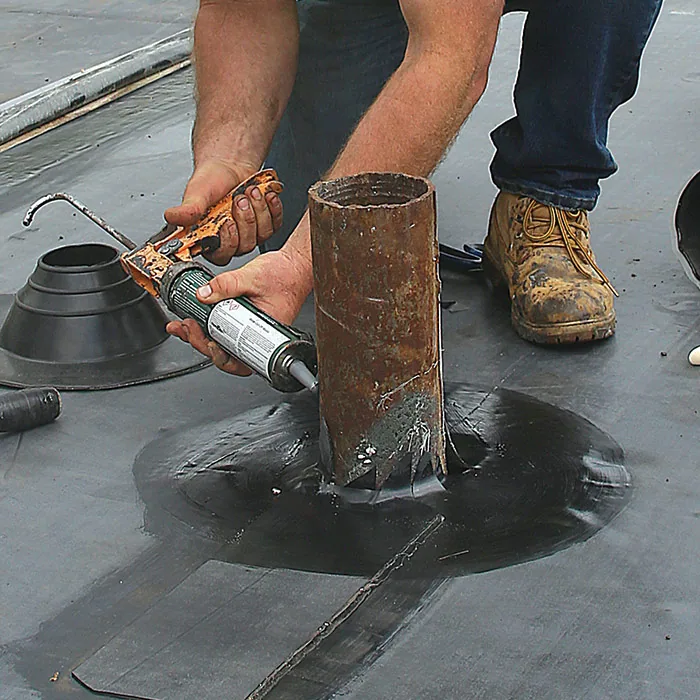
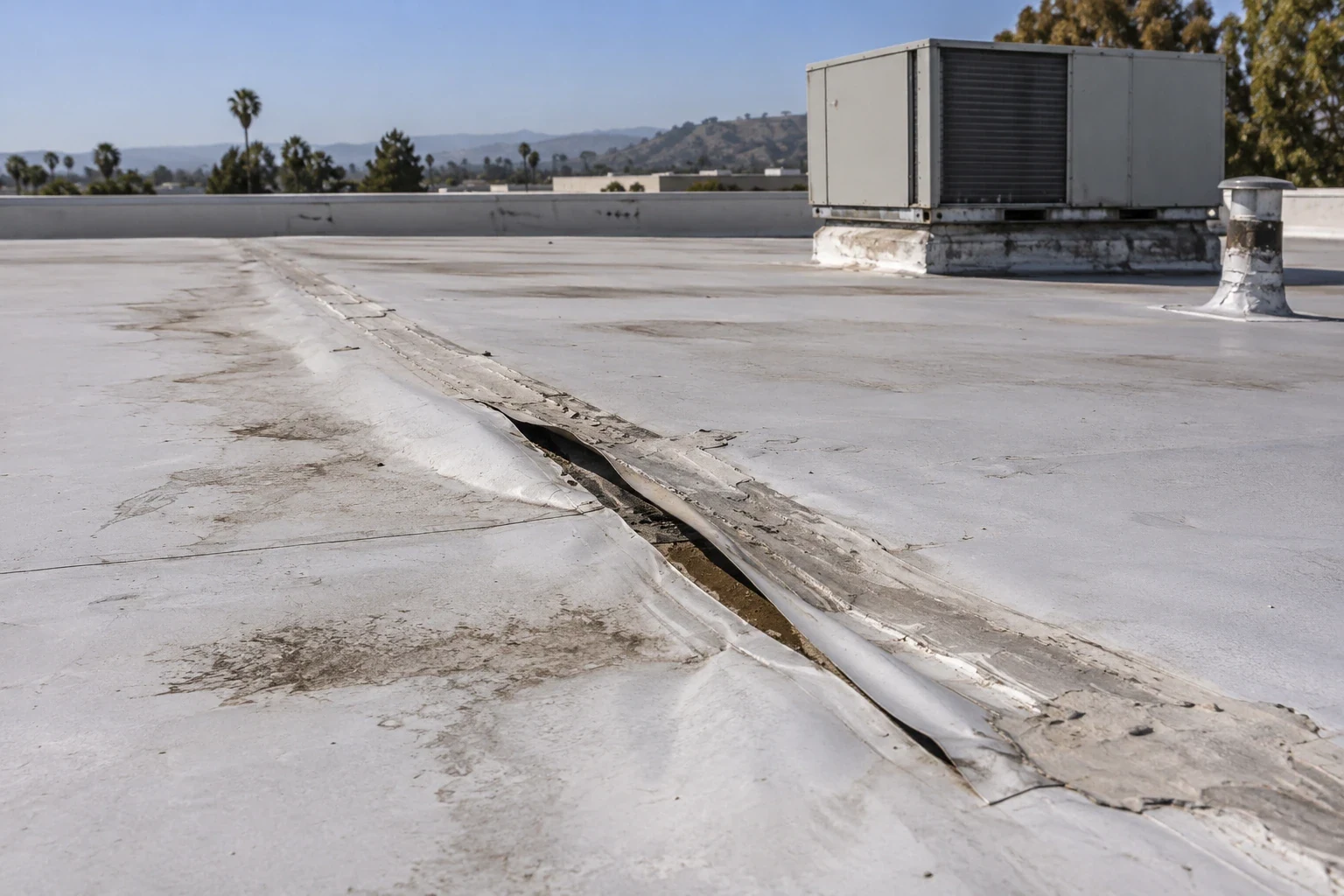
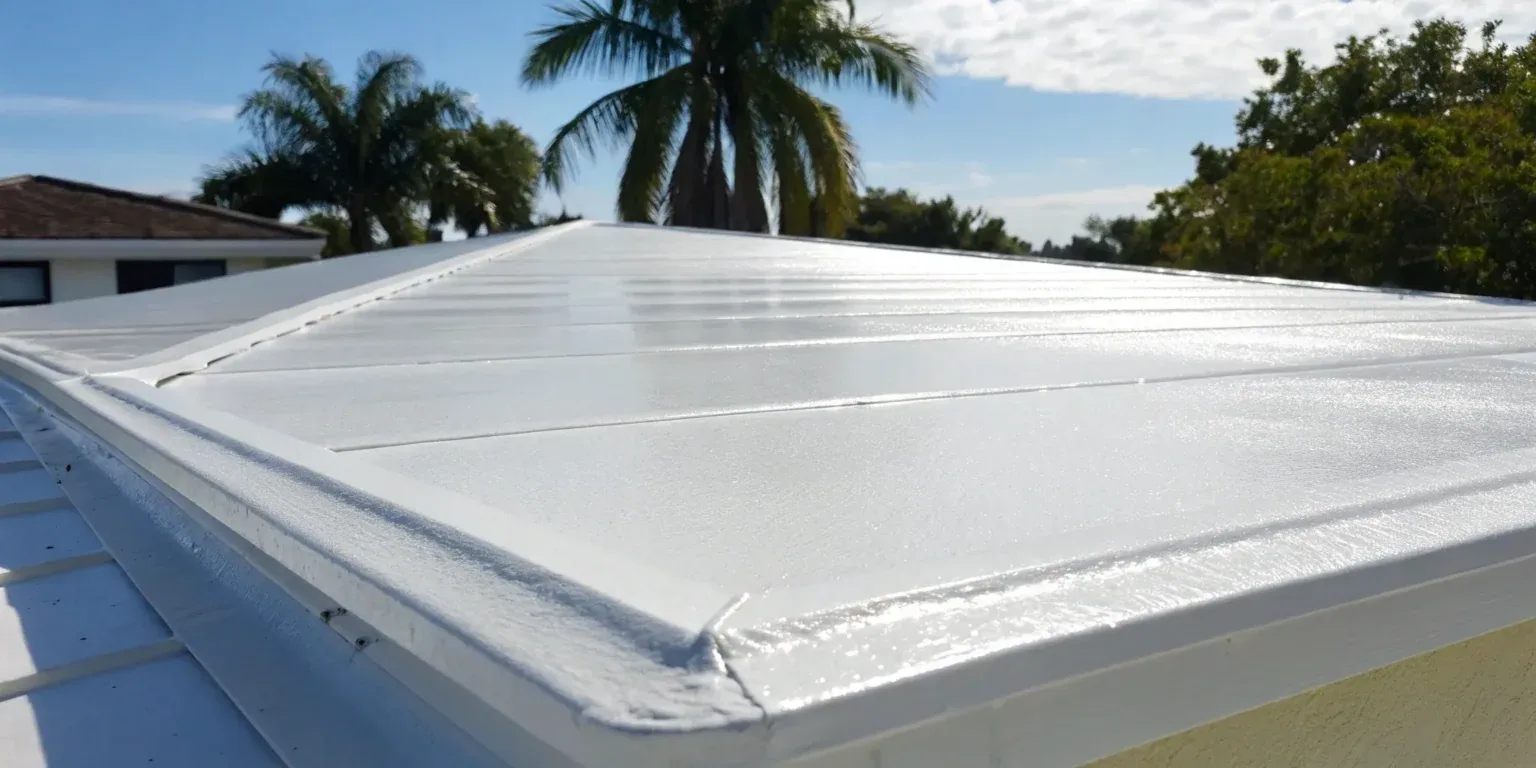
A flashing repair starts with the transition, not with a bead of sealant. We look at how the roof membrane turns up a wall, wraps a curb, meets a pipe, or terminates at metal, then trace any reported water path to that detail. A loose counterflashing, cracked sealant joint, open membrane turn-up, and failed curb corner need different treatment. In Vallejo, CA, building settings differ across Mare Island, Downtown, and the city's named commercial corridors. These local references help frame access and use, while the specific transition determines the work. A penetration flashing review can inspect a curb or skylight, while seam failure repair addresses an open lap away from the transition.
Inspect the Entire Transition Assembly
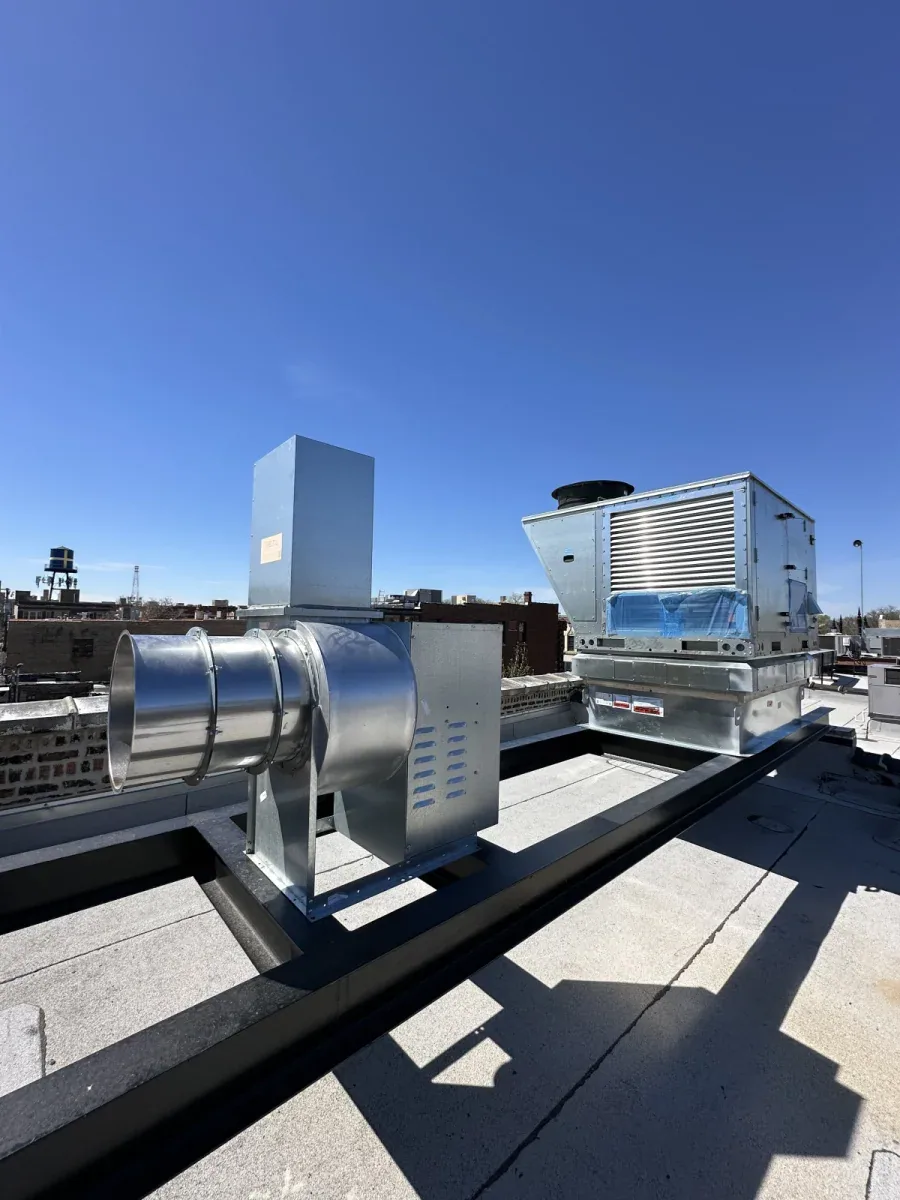
We check the base flashing, membrane termination, counterflashing, fasteners, sealant joints, reglets, corners, and nearby drainage. The inspection notes whether the flashing has lifted, split, pulled from a wall, or been punctured by later equipment work. We photograph the detail from more than one angle and note the roof zone so the repair team can match the scope to the field condition. If a wall cap, stucco edge, or equipment curb conceals the termination, we state what must be opened before the final method is priced.
Sonoma Boulevard and Tennessee Street connect Vallejo districts. A roof near the Sonoma Boulevard corridor may have different operating access than a property elsewhere in town, but the corridor does not establish the wall construction. We confirm that at the building. A coping and edge-metal review can address an upper termination, while a roof inspection records adjacent membrane and drainage conditions.
Connect the Interior Report to the Detail
Water can pass behind a flashing before it appears inside, and it may travel along a deck or insulation layer before staining a ceiling. We review the reported room, recent repairs, and detail locations around the likely path. A roof-side check includes the top of the flashing, its vertical rise, laps, corners, and nearby penetrations. We record a confirmed opening separately from a suspected source and identify whether a test cut or targeted moisture scan would change the repair limit. This prevents a surface patch from hiding an unresolved transition.
Mare Island includes office, retail, and industrial spaces; some properties have overhead cranes or large roll-up entries. These features do not identify a specific roof assembly. At any site, we check how a wall, curb, or parapet meets the actual membrane. If a puncture is also present, puncture repair addresses that separate defect. A moisture survey may help locate wet insulation when the interior evidence extends beyond the flashing itself.
Match Materials to the Existing Roof
A durable repair has to work with the membrane and substrate already in place. We identify the system where records or field details support it, then select compatible flashing materials and primers. The scope states what will be removed, how the new base flashing will turn up, where counterflashing or termination bars are involved, and how corners will be closed. A coating or sealant alone is not a substitute for a failed attachment or an open membrane termination. If the wall substrate is loose, wet, or inaccessible, the repair plan describes the opening and reconstruction needed before the roof detail can be completed.
At a building with repeated flashing failures, we compare individual corrections with a broader renewal detail rather than assume every joint needs the same sealant. The owner can see the repair area, material interface, temporary protection, and inspection step in the proposal. A recovery review checks existing layers and attachment before another assembly is considered. At each wall or curb, the tie-in must bridge the roof surface and vertical rise without leaving a gap at corners or fasteners. The selected detail depends on substrate condition and the existing membrane; we note those interfaces before material is ordered, then photograph the completed transition for the roof file. For an active leak, leak repair service can stabilize the entry while the permanent transition is designed.
Plan Access at Occupied Walls and Curbs
Some flashing details sit above a public entrance, tenant space, kitchen, or equipment area. The site contact identifies access routes, protection below, operating hours, and any equipment shutdown or escort requirement. We plan lifts and material handling around those constraints, then keep the repair zone open only as long as needed to remove and rebuild the transition. If work crosses a parapet or curb that another trade services, we coordinate the sequence and note who restores disturbed components. This gives facilities a clear boundary for interior protection and return access.
Before opening a roof detail at a Downtown Vallejo property, confirm staging, entrances, daily access, and interior protection with the building manager. We document the route and work window so an owner can coordinate notices before a roof opening is made. Each completed detail is photographed and checked before the crew demobilizes.
Record the Detail for the Next Inspection
The closeout identifies the repaired wall, curb, pipe, or edge location, materials installed, and photographs of the finished termination. It notes any inaccessible area, remaining maintenance item, or condition outside the scope. The owner can keep the record with roof plans and repair history, then compare the same detail at the next walk. A condition report can carry the repair boundary into a capital review if adjacent flashing or membrane issues appear later.
Arrange a site walk with the leak location, prior invoices, roof plans, and access rules. We will inspect the full transition, identify what is confirmed and what needs opening or testing, and price the repair by detail. The resulting file helps facilities distinguish a completed flashing correction from other roof work still under review.
After the repair, compare the restored termination with the adjacent roof field and confirm the completed tie-in is documented before access closes. If the next rain or wind exposure is part of the follow-up, assign an owner and a review date. That record can show whether water control was restored or another condition needs examination.
Commercial Roofing Questions
Can failed flashing be repaired without replacing the roof?
A localized correction may be practical when the surrounding membrane and substrate are serviceable and the transition can be rebuilt. We inspect the adjacent roof zone and identify any wet insulation or other detail failures first. The repair proposal states its limits and any test still needed.
What causes flashing to separate from a wall or curb?
Movement, poor attachment, incompatible materials, aging sealant, or later equipment work can contribute. The site review checks the membrane turn-up, counterflashing, corners, substrate, and prior repairs. We describe the observed failure and avoid assigning a cause that the inspection cannot support.
Should sealant be added to a flashing leak?
Sealant may be part of a compatible detail, but it cannot restore a loose termination or replace missing base flashing. We inspect how the assembly is attached and where water crosses it before selecting materials. The scope can then distinguish joint maintenance from reconstruction of the transition.
How do you inspect a roof curb that leaks around equipment?
We review the curb corners, membrane rise, counterflashing, equipment supports, and any service path that may have disturbed the detail. The equipment contact helps coordinate access or shutdown if needed. Photographs map the repair zone and show where testing or an opening could clarify concealed conditions.
What records should we keep after a flashing repair?
Keep photographs of the completed transition, material notes, the roof-zone location, repair boundaries, and any access or testing limitations. We can identify adjacent items left open so the next inspector does not confuse them with completed work. Attach the record to the roof plan and repair history.
Review the Flashing Before It Is Covered
Arrange a site walk with the leak location, roof records, access details, and prior repair notes so the transition can be inspected and the repair boundary documented.
Request a Roof Assessment
Questions About Commercial Roof Flashing Failure Repair in Vallejo, CA
Common questions from building owners and property managers.
Can failed flashing be repaired without replacing the roof?
A localized correction may be practical when the surrounding membrane and substrate are serviceable and the transition can be rebuilt. We inspect the adjacent roof zone and identify any wet insulation or other detail failures first. The repair proposal states its limits and any test still needed.
What causes flashing to separate from a wall or curb?
Movement, poor attachment, incompatible materials, aging sealant, or later equipment work can contribute. The site review checks the membrane turn-up, counterflashing, corners, substrate, and prior repairs. We describe the observed failure and avoid assigning a cause that the inspection cannot support.
Should sealant be added to a flashing leak?
Sealant may be part of a compatible detail, but it cannot restore a loose termination or replace missing base flashing. We inspect how the assembly is attached and where water crosses it before selecting materials. The scope can then distinguish joint maintenance from reconstruction of the transition.
How do you inspect a roof curb that leaks around equipment?
We review the curb corners, membrane rise, counterflashing, equipment supports, and any service path that may have disturbed the detail. The equipment contact helps coordinate access or shutdown if needed. Photographs map the repair zone and show where testing or an opening could clarify concealed conditions.
What records should we keep after a flashing repair?
Keep photographs of the completed transition, material notes, the roof-zone location, repair boundaries, and any access or testing limitations. We can identify adjacent items left open so the next inspector does not confuse them with completed work. Attach the record to the roof plan and repair history.