Commercial Roof Membrane Puncture Repair in Vallejo, CA
Commercial membrane puncture inspections in Vallejo, with traffic paths, cut edges, underlying moisture, and patch limits recorded by roof zone.
Why Commercial Roofing Vallejo?
Commercial Roof Membrane Puncture Repair in Vallejo, CA
A small puncture can admit water into a larger roof assembly, so the visible mark is only the start of the repair review. We locate the opening, inspect nearby seams and traffic paths, and check whether the insulation or deck shows a wider effect. The report maps the puncture to a roof zone and separates the confirmed hole from areas that need testing. That boundary guides the next repair decision. Vallejo properties span settings from Mare Island's industrial and office uses to worker-serving space in the Curtola Employment Center. Mare Island spaces include office, retail, and industrial uses, with some properties served by overhead cranes or oversized roll-up doors. We confirm the access route and roof condition at the building before setting a repair boundary. A roof inspection establishes the surrounding condition, while seam repair addresses an opening that follows a sheet lap.

Locate the Opening and Its Traffic Path
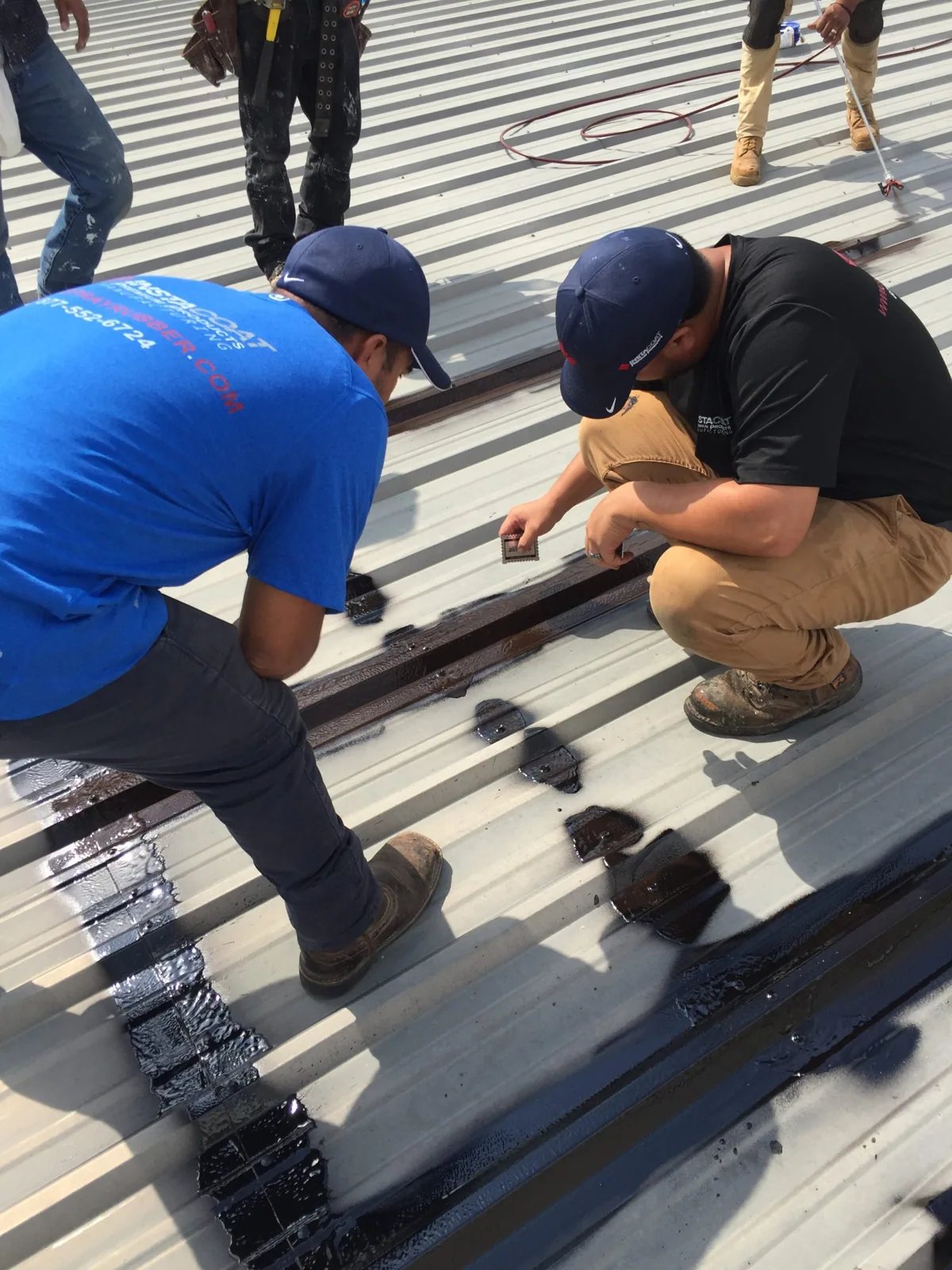
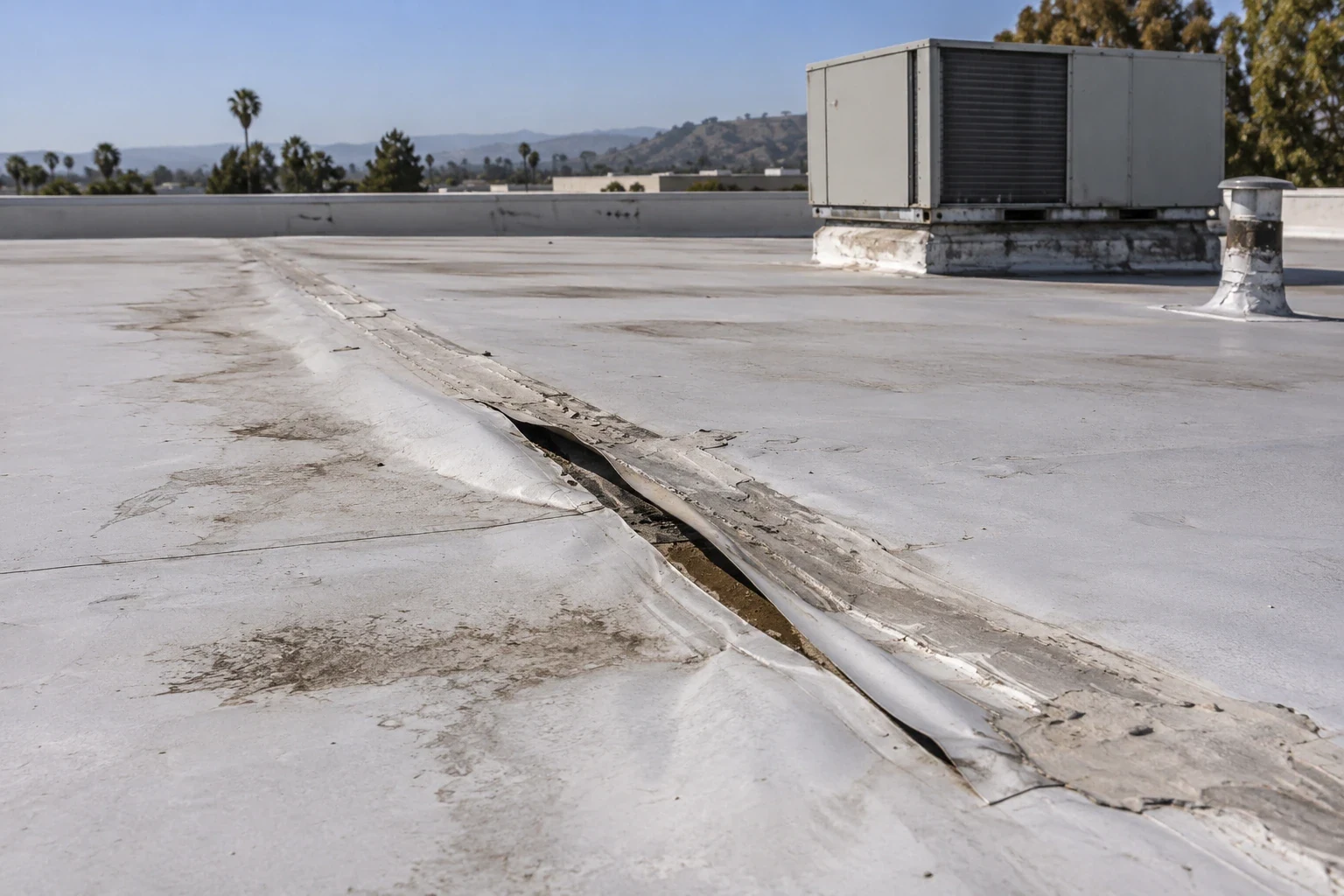
We inspect the membrane around the reported puncture, noting cuts, impact marks, displaced materials, exposed reinforcement, or a patch that has lifted at the edge. A nearby ladder, service route, paver, equipment base, or maintenance task may help explain how the roof surface was used, but the inspection records what can be observed instead of assigning an unsupported cause. We mark the opening, measure the affected area, and photograph the surface and details that connect to it. That lets the owner compare the repair location with rooftop work orders and maintenance history.
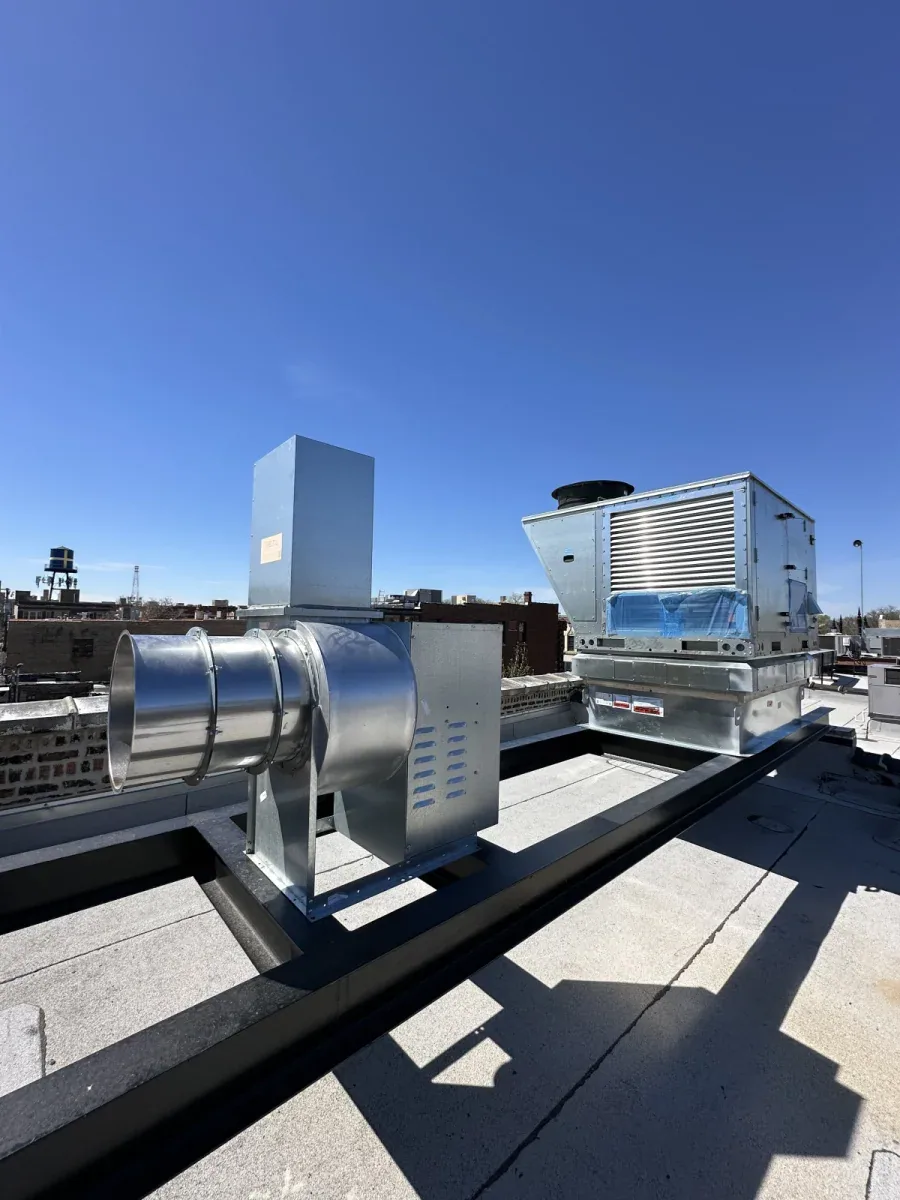
Crane travel and oversized-door operations can affect material movement during a puncture repair. We confirm service paths with the operating contact and mark the affected roof zone. At a Mare Island roof review, we map the puncture, equipment route, and roof access before setting the repair boundary. If work crosses the membrane, equipment curb and support service can coordinate penetrations and access details.
Check Beneath the Surface Before Widening the Patch
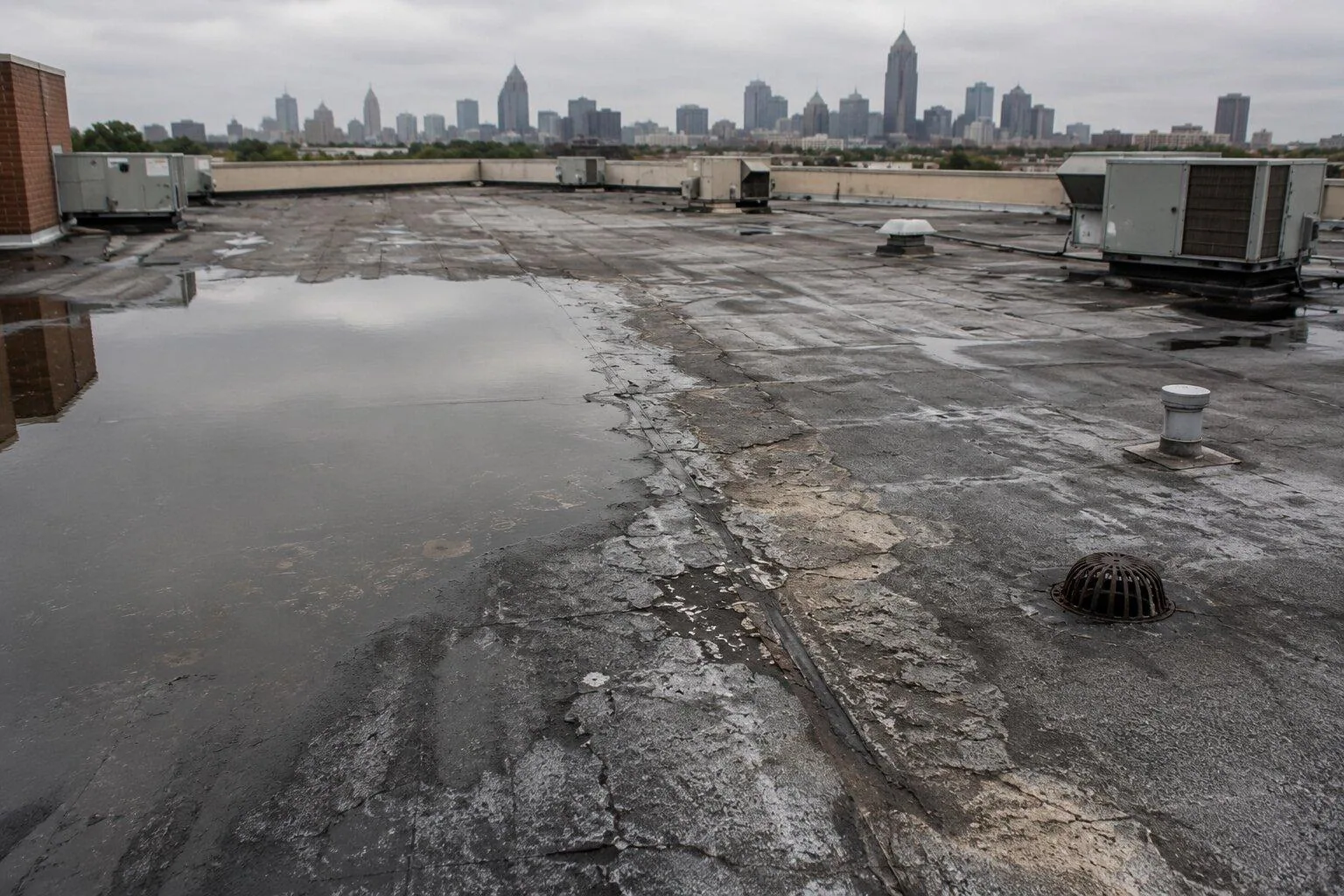
Water may move laterally beneath the membrane before showing indoors. We inspect nearby seams, insulation joints, drains, curbs, and penetrations, then compare those details with the interior report if one exists. Blisters, soft areas, staining, or repeated leaks may justify imaging or a test opening before the patch limit is set. The report shows which findings were visible and which remain a question. This keeps a small surface repair separate from any unresolved question about concealed moisture.
The Curtola Employment Center lies immediately south of Downtown Vallejo, with worker-serving uses such as banks, cafes, printers, and office-supply businesses. At the property, we map the puncture relative to drains and seams and identify any access restrictions. A targeted moisture survey can help locate wet insulation, and a drainage assessment can determine whether retained water affects the same zone.
Prepare a Patch That Bonds to Sound Membrane
The patch material must match the roof system and extend onto clean, sound membrane. We identify the system from records and field details, then plan cleaning, priming, welding or adhesion, patch geometry, and edge treatment. A patch that covers dirt, oxidation, moisture, or a loose seam can fail at the same boundary. We also check the patch edge for a sharp corner that could peel under service traffic, keep the repair clear of drain flow, and note whether a walkway pad should be reset or relocated. These small placement choices help the finished detail remain visible and maintainable on the next roof visit. We record the preparation and the area of material to be removed. If the membrane is brittle or delaminated beyond the opening, the owner may need a broader repair instead of a larger patch placed over unsound material.
Where several punctures share a path or the membrane has many repairs, we compare a localized correction with a wider review of foot traffic and roof access. The scope can add walkway pads or designate a service route after the repair, when the system and owner requirements allow. A maintenance visit can include periodic checks of those areas. If an open lap is also present, flashing review keeps that separate from the puncture repair boundary.
Protect the Space Below and Limit Exposure
For an occupied building, the site contact identifies rooms below, operating hours, and any sensitive inventory or equipment that needs protection. We plan material staging, access, and debris removal around those constraints. The roof opening is prepared and closed within a controlled sequence, with temporary protection if the repair cannot be completed in one visit. If another trade needs access across the same roof zone, the schedule identifies the route and what surface protection should remain in place.
Broadway and Sonoma Boulevard connect Vallejo's city districts, but neither corridor establishes a building's roof access or service hours. A project near those routes still needs a property-specific access plan, including lift location and service hours. We confirm those details with the facility manager and note them with the repair. The work file states who can release the area and what interior rooms may need a follow-up check after the next rain.
Track the Repair Against Future Roof Work
After the patch, we photograph its edge, note the material and preparation, and mark the location on the roof-zone record. The closeout also lists testing performed, areas not reached, and nearby conditions outside the approved work. Facilities can compare the same spot on a later visit and determine whether a new impact occurred or the patch edge changed. A roof condition report keeps that repair boundary with the assembly history for a future capital review.
Arrange a walk with the puncture location, roof plan, previous repairs, and information about recent rooftop service. We will inspect the opening and adjacent membrane, identify whether moisture testing is needed, and define the patch limit before work begins. If the condition points to broader wear or repeated traffic damage, the report can separate that question from the immediate puncture repair.
Commercial Roofing Questions
Can a puncture be repaired with a small membrane patch?
A patch can be appropriate when the opening is isolated, surrounding membrane is sound, and no wider moisture or attachment problem is found. We identify the system, prepare the surface, and extend compatible material onto a clean bond area. The repair record shows its dimensions and nearby conditions.
How do you locate a puncture under ballast or walkway pads?
We review the reported leak zone, service path, and any areas where materials were moved, then inspect exposed membrane as access permits. If the surface is concealed, the owner may need to authorize lifting or removal before the condition can be confirmed. We note each area not opened.
What happens if insulation is wet around the hole?
We map the suspected extent and use imaging or selective openings when needed to define it. Wet insulation may require removal beyond the visible puncture. The repair proposal identifies the tested boundary, replacement materials, and any remaining area needing confirmation before authorization.
Can rooftop equipment work cause punctures?
Service access can introduce foot traffic or dropped tools, but the inspection does not assign a cause unless records support it. We photograph the membrane, nearby work areas, and service route, then recommend protection or a designated walkway if that fits the assembly.
What should be included in the puncture repair closeout?
Keep before-and-after images, patch material, preparation notes, repair location, any moisture test, and areas outside the scope. We mark the roof zone so the next service team can inspect the same location and avoid placing equipment or material over the repaired area.
Map the Puncture Before Patching
Arrange a roof review with the leak location, roof plan, maintenance history, and recent rooftop work so the opening and any moisture beyond it can be checked.
Request a Roof Assessment
Questions About Commercial Roof Membrane Puncture Repair in Vallejo, CA
Common questions from building owners and property managers.
Can a puncture be repaired with a small membrane patch?
A patch can be appropriate when the opening is isolated, surrounding membrane is sound, and no wider moisture or attachment problem is found. We identify the system, prepare the surface, and extend compatible material onto a clean bond area. The repair record shows its dimensions and nearby conditions.
How do you locate a puncture under ballast or walkway pads?
We review the reported leak zone, service path, and any areas where materials were moved, then inspect exposed membrane as access permits. If the surface is concealed, the owner may need to authorize lifting or removal before the condition can be confirmed. We note each area not opened.
What happens if insulation is wet around the hole?
We map the suspected extent and use imaging or selective openings when needed to define it. Wet insulation may require removal beyond the visible puncture. The repair proposal identifies the tested boundary, replacement materials, and any remaining area needing confirmation before authorization.
Can rooftop equipment work cause punctures?
Service access can introduce foot traffic or dropped tools, but the inspection does not assign a cause unless records support it. We photograph the membrane, nearby work areas, and service route, then recommend protection or a designated walkway if that fits the assembly.
What should be included in the puncture repair closeout?
Keep before-and-after images, patch material, preparation notes, repair location, any moisture test, and areas outside the scope. We mark the roof zone so the next service team can inspect the same location and avoid placing equipment or material over the repaired area.