Rooftop Equipment Curbs and Supports in Vallejo, CA
Review rooftop equipment curbs and supports in Vallejo, CA, with roof penetrations, drainage, equipment access, and repair boundaries tied to the assembly.
Why Commercial Roofing Vallejo?
Rooftop Equipment Curbs and Supports in Vallejo, CA
Industrial spaces on Mare Island may have overhead cranes or oversized roll-up doors, so equipment access affects how curb and support work is staged. Those features do not establish how individual units are supported or what is below each penetration. We compare equipment schedules with roof plans, inspect counterflashing and pitch pockets, and record bases that have shifted, corroded, or become inactive. In Vallejo, CA, the roof file should connect each equipment change to the membrane and its transition detail. We also identify units that cannot be shut down and the trade contact responsible for releasing them. Findings separate roofing work from mechanical coordination and show which details need repair or belong in a larger renewal scope. The owner can approve a work zone that closes at shift end and leaves a record for the next service visit.
The Equipment and the Roof Below It
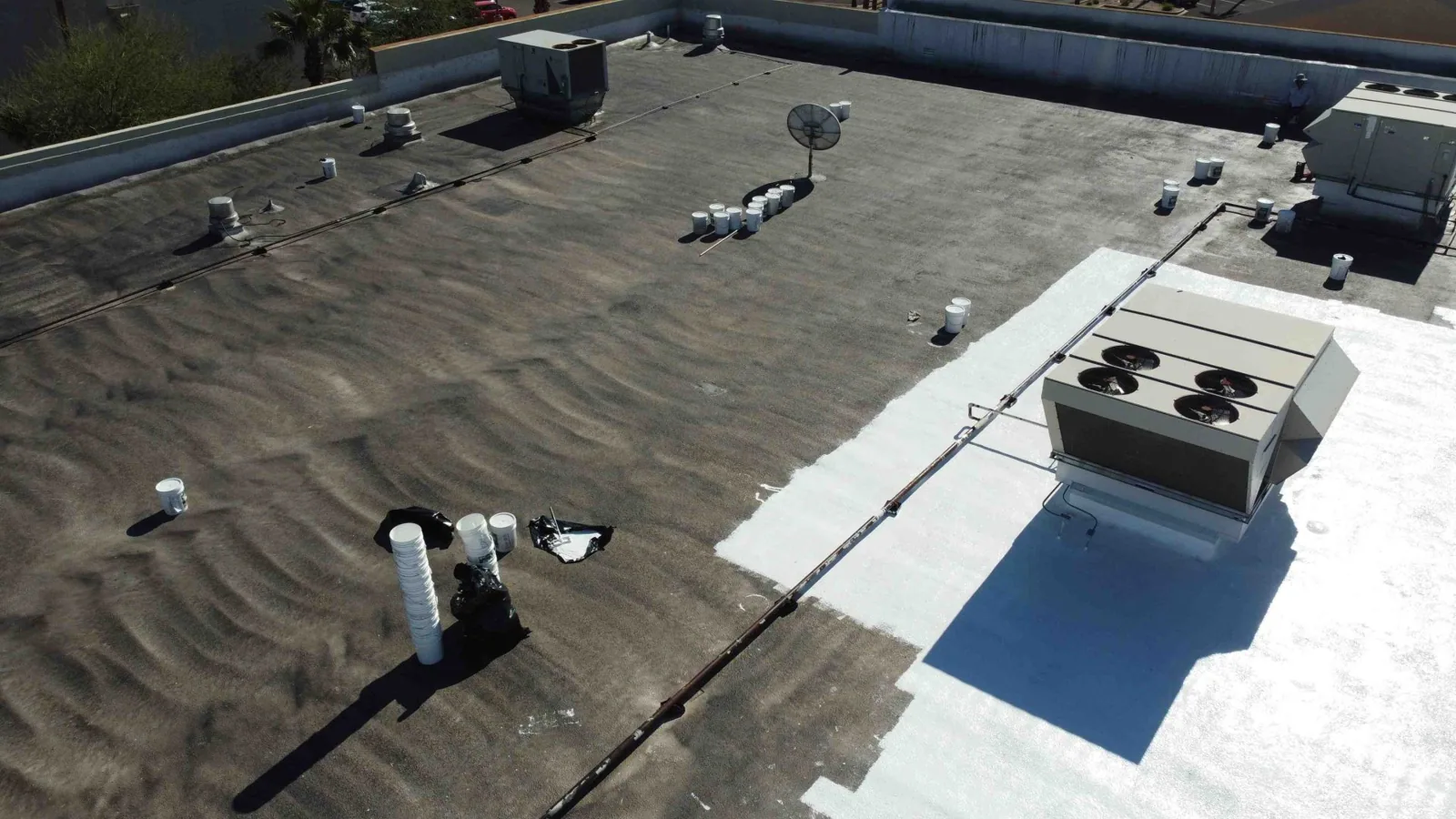
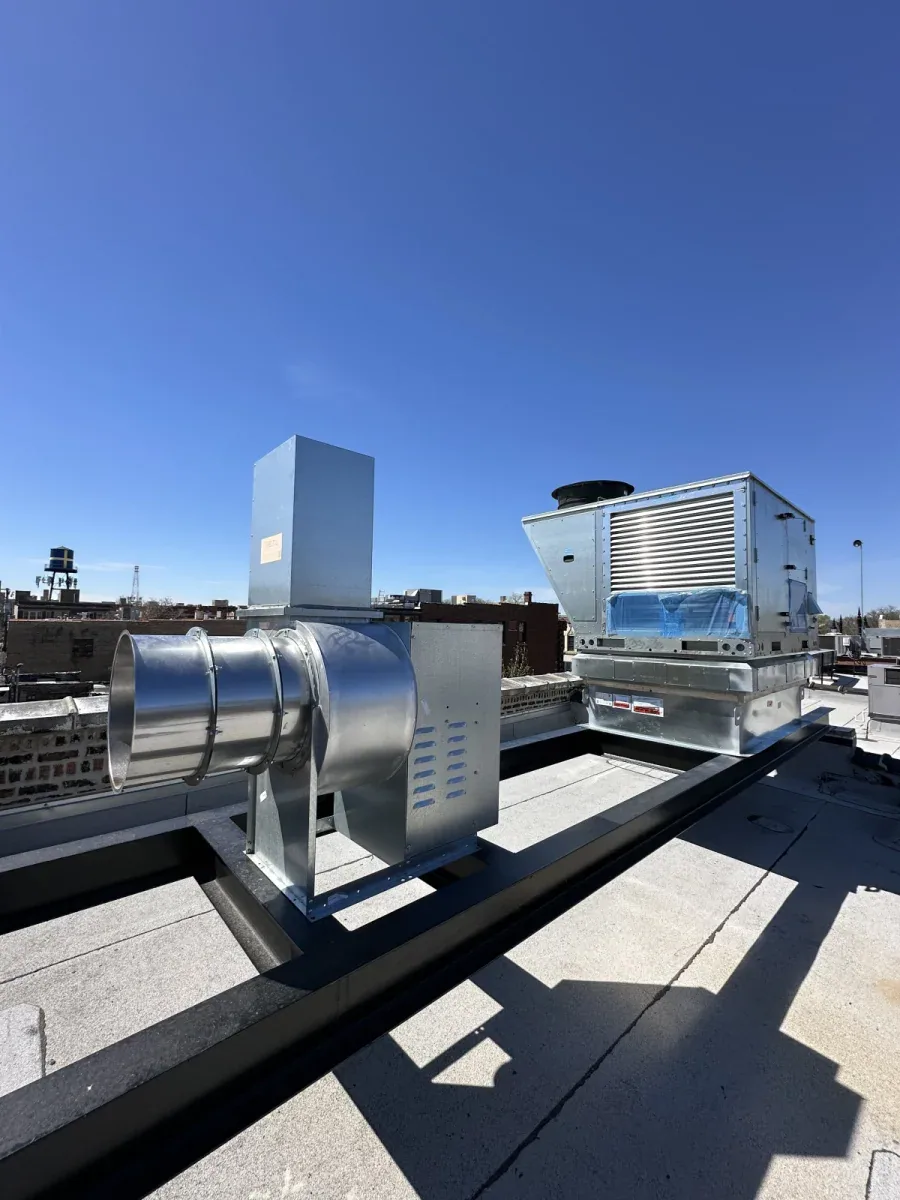
Pipe supports, conduit stands, refrigeration lines, exhaust equipment, and screen frames each meet the membrane differently. We compare plans and equipment schedules with the roof, recording support spacing, movement, corrosion, fasteners, and curb flashing. A replacement unit set on an old curb can leave an exposed seam or low spot. We also note whether a support bears on the deck or only on roof layers, since that changes how loads and flashing should be reviewed.
The Sonoma-Broadway area has commercial-office and some light-industrial uses, but the actual building use determines shutdowns and access. We mark each item by location and note whether a mechanical contractor must disconnect or lift it. The result is a clear roof inspection record for the owner and trades, with uncertain items identified for follow-up before a scope is priced.
Read the Detail at Each Penetration
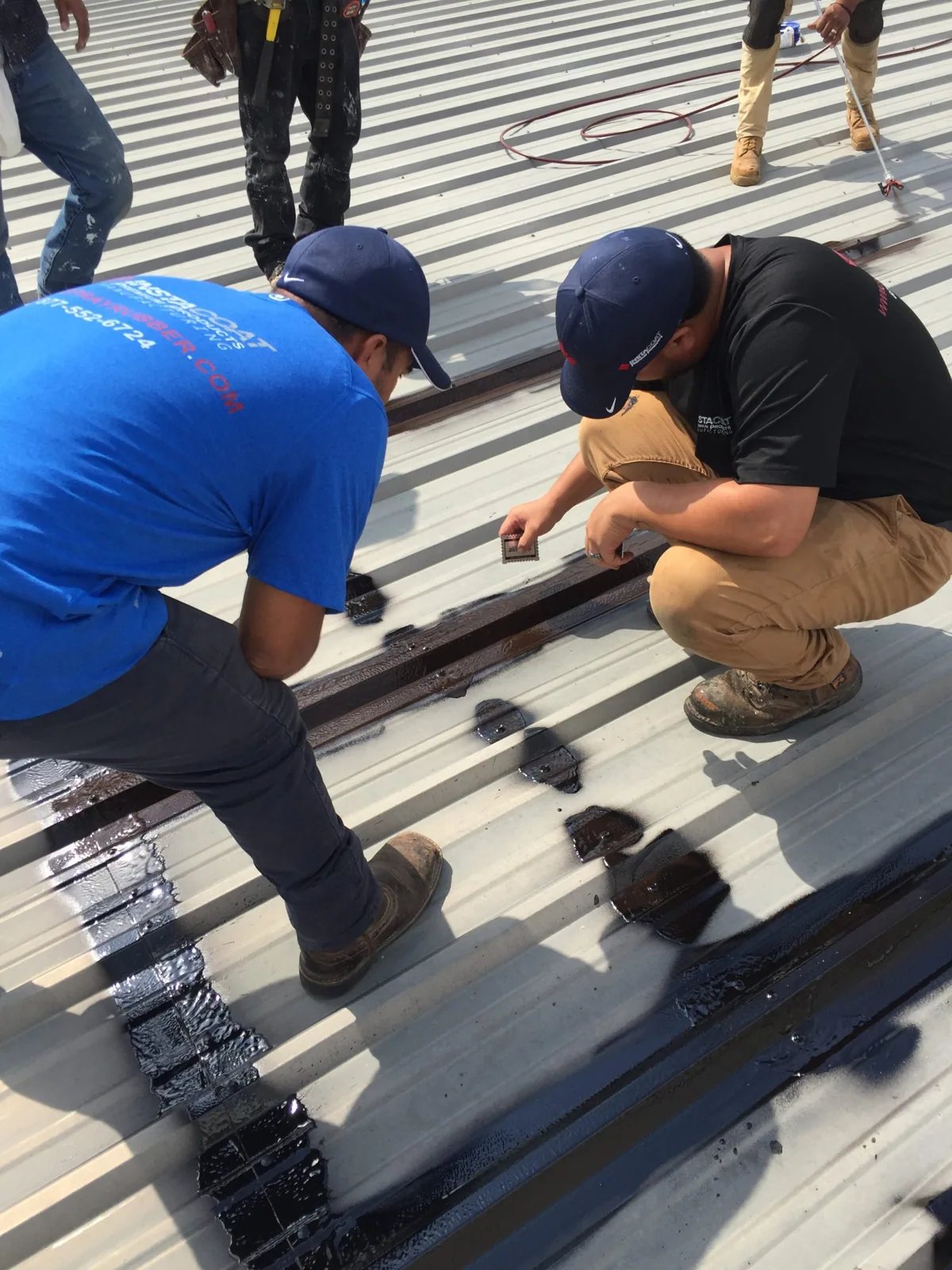
Water finds discontinuities. At a curb, we check split corners, open laps, loose counterflashing, failed sealant, and movement at the base. A pipe stand can rub against the membrane as its line moves; an unprotected foot may wear through the surface. Photos show whether the issue is limited to flashing or includes a support needing mechanical correction. Interior staining and ceiling reports can help locate a path, but the roof detail still needs inspection to find the entry point.
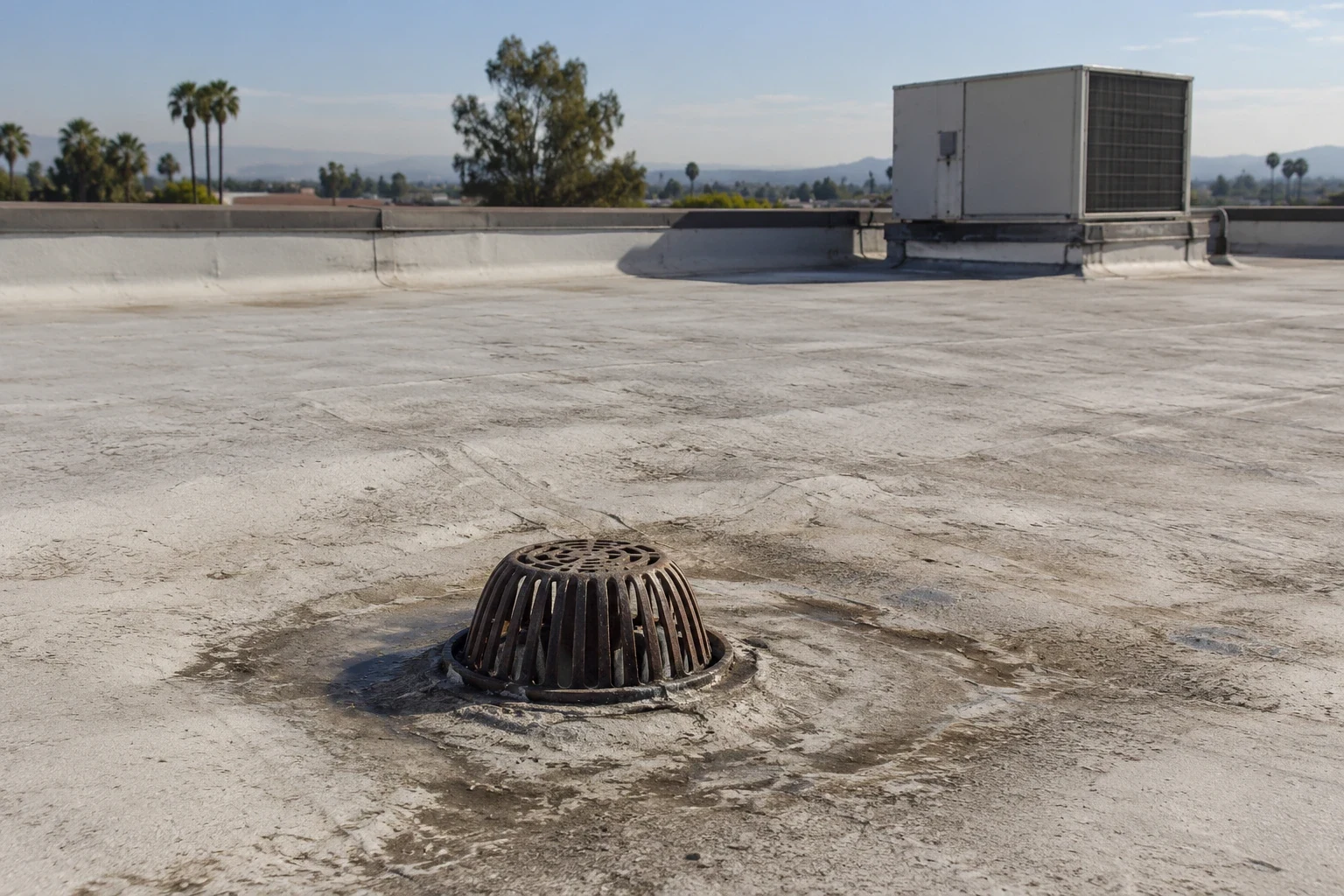
In Vallejo, July and August average no rainfall, and summer monthly highs run about 85 to 87°F. Those figures give seasonal context; roof drainage and the workday forecast set the inspection window. A drainage review records outlets, and a flashing repair scope addresses failed transitions. Keep those findings tied to the affected zone so later visits can tell whether the repair held.
Repair, Reset, or Rebuild the Support
State whether the equipment stays in service and who controls shutdown. A stable curb may need new membrane and counterflashing; a deteriorated base can require equipment removal, curb replacement, deck review, and a rebuilt transition. Pipe stands may need protective bases or revised spacing. Photos should show the detail before and after. Where a curb has several layers of old flashing, list removal limits so the new work bonds to a sound surface.
We coordinate with the mechanical trade so the opening is closed before equipment returns. Localized repairs can preserve sound membrane; repeat failures across zones may point toward commercial roof replacement or a roof recover evaluation. TPO and metal roofs need different curb transitions. The scope names the assembly, trade responsibilities, and any testing or deck review expected for each item.
Sequence the Mechanical and Roofing Work
Cost and duration depend on penetration count, lifting access, roof condition under each base, and mechanical coordination. Reflashing a unit in place differs from disconnecting and resetting it. Staging, occupied areas below, and the work window also affect the daily close-in area. We identify these drivers before pricing. A small count of difficult penetrations can take longer than a larger group with clear access and repeatable details.
Mark active and abandoned items so an unused conduit is closed, not left as a future leak path. Vallejo includes industrial, business/light-industrial, and central-corridor areas. For Broadway or Downtown/Waterfront properties, confirm access and equipment responsibility at the site walk. For urgent water entry, we respond around the clock, every day and holiday, as the permanent scope is coordinated. Budget timing should account for equipment shutdown approvals and any related mechanical purchase.
Keep the Building's Systems in View
Identify critical units, tenant notices, exhaust or process equipment, and areas needing temporary climate control. We mark the work zone and coordinate isolation and restart with the mechanical trade. Where a property has roll-up doors or overhead handling equipment, confirm delivery routes and lifting clearance. Several curbs may require staged shutdowns so each zone can close before the crew moves on. Name a site contact who can release the equipment and approve a change in access.
We open only the area that can be made watertight that shift, protect exposed deck and insulation, and finish the detail before equipment returns to service. The close-in record notes what was opened, reset, and released. That handoff helps operations staff and gives the next inspection consistent rooftop locations to revisit. If a unit cannot be shut down, adjust the work sequence before material is removed.
Keep a Detail Record with the Roof
Closeout should locate each curb and support, summarize the work and transition, and note items deferred to a mechanical project. Photograph the base, completed flashing, nearby drains, and equipment after reset. A unit-numbered roof plan helps place future leak reports and distinguish recurring conditions from new ones. Record any equipment that remains temporarily isolated or any surface that needs a scheduled follow-up. Store the photographs with the asset record so they remain available at the next inspection.
Arrange a roof review with plans, repair history, equipment lists, access needs, and budget timing. We will mark the repair boundary and identify trade coordination. A written condition report can inform renewal planning, while Mare Island roof work calls for site-specific access review. The recommendation should leave a usable assembly record and identify the next capital decision.
Commercial Roofing Questions
Can a leaking curb be repaired without removing the rooftop unit?
A stable curb may allow flashing in place. We check movement, corners, and work clearance; a corroded base or blocked tie-in may require a mechanical lift. The proposal identifies equipment responsibility and temporary protection.
How should old pipe supports be handled during reroofing?
First mark active lines and check whether supports prevent membrane wear. The scope can include new bases or flashing, while inactive lines need a removal and closure plan. A zone-marked roof plan keeps the trades from leaving an opening or unsupported run.
What makes a rooftop support a replacement issue rather than a flashing repair?
Movement, corrosion, a damaged base, or repeated abrasion can push work beyond flashing. We document the condition and trade review needed. A stable support may only need a new roof transition, which the scope should distinguish from replacement.
Will a new roof change the height around existing curbs?
Added insulation or cover board can raise the finished surface. We check curb height, clearance, drains, and tie-ins before setting the assembly. Any extension must be flashed to the membrane, with affected units marked for the mechanical scope.
What should we provide before a Vallejo equipment-support review?
Share plans, unit schedules, recent mechanical work, leak locations, access limits, and budget timing. Note units that cannot stop and who approves resets. At Mare Island or Sonoma-Broadway, confirm loading and staging during the walk.
Review the Rooftop Details
Arrange a roof review with available plans, repair history, equipment schedules, access needs, and budget timing. We will document the curb and support conditions and define the roofing and mechanical work sequence.
Request a Roof Assessment
Questions About Rooftop Equipment Curbs and Supports in Vallejo, CA
Common questions from building owners and property managers.
Can a leaking curb be repaired without removing the rooftop unit?
A stable curb may allow flashing in place. We check movement, corners, and work clearance; a corroded base or blocked tie-in may require a mechanical lift. The proposal identifies equipment responsibility and temporary protection.
How should old pipe supports be handled during reroofing?
First mark active lines and check whether supports prevent membrane wear. The scope can include new bases or flashing, while inactive lines need a removal and closure plan. A zone-marked roof plan keeps the trades from leaving an opening or unsupported run.
What makes a rooftop support a replacement issue rather than a flashing repair?
Movement, corrosion, a damaged base, or repeated abrasion can push work beyond flashing. We document the condition and trade review needed. A stable support may only need a new roof transition, which the scope should distinguish from replacement.
Will a new roof change the height around existing curbs?
Added insulation or cover board can raise the finished surface. We check curb height, clearance, drains, and tie-ins before setting the assembly. Any extension must be flashed to the membrane, with affected units marked for the mechanical scope.
What should we provide before a Vallejo equipment-support review?
Share plans, unit schedules, recent mechanical work, leak locations, access limits, and budget timing. Note units that cannot stop and who approves resets. At Mare Island or Sonoma-Broadway, confirm loading and staging during the walk.