Commercial Roof Repair in Vallejo, CA
Repair commercial roof seams, flashings, membranes, and drainage details in Vallejo. Get a mapped scope that separates immediate fixes from capital work.
Why Commercial Roofing Vallejo?
Commercial Roof Repair in Vallejo, CA
A repair list earns its place when each item has a location, a condition, and a reason to act. For a commercial property in Vallejo, CA, that record helps an owner separate an isolated seam opening from a broader assembly problem. A retail building on Sonoma Boulevard may have different access demands from an industrial property on Mare Island, but each needs a repair boundary that can be checked after the work. We inspect the membrane and its details, photograph findings, and group repairs by urgency and relationship to the roof's water path. The result gives the asset manager a useful next step and a basis for comparing repair with future renewal.
From Symptom to Repair Limit
A stain or damp ceiling identifies where water appeared inside, not necessarily where it entered the roof. We follow likely paths across seams, penetrations, wall transitions, drains, and equipment supports, then inspect nearby areas for a related opening or trapped moisture. A repair scope should state the observable defect and how far the correction extends. If the membrane is split around a curb, the work may include the flashing transition and the adjacent field seam. If insulation is wet, the boundary may need an opening or moisture survey before a surface patch is specified.
We mark findings on a roof plan and connect each photograph to a roof zone. That lets ownership review what should be fixed now, what needs further testing, and what can be monitored for a later budget cycle. Conditions around the Downtown Vallejo waterfront or in the Sonoma-Broadway employment district do not define a particular roof, so recommendations follow the property walk. A condition report can carry the same location labels into future inspections, while active leak tracing addresses water entry that needs immediate attention.
Membrane Seams and Transitions
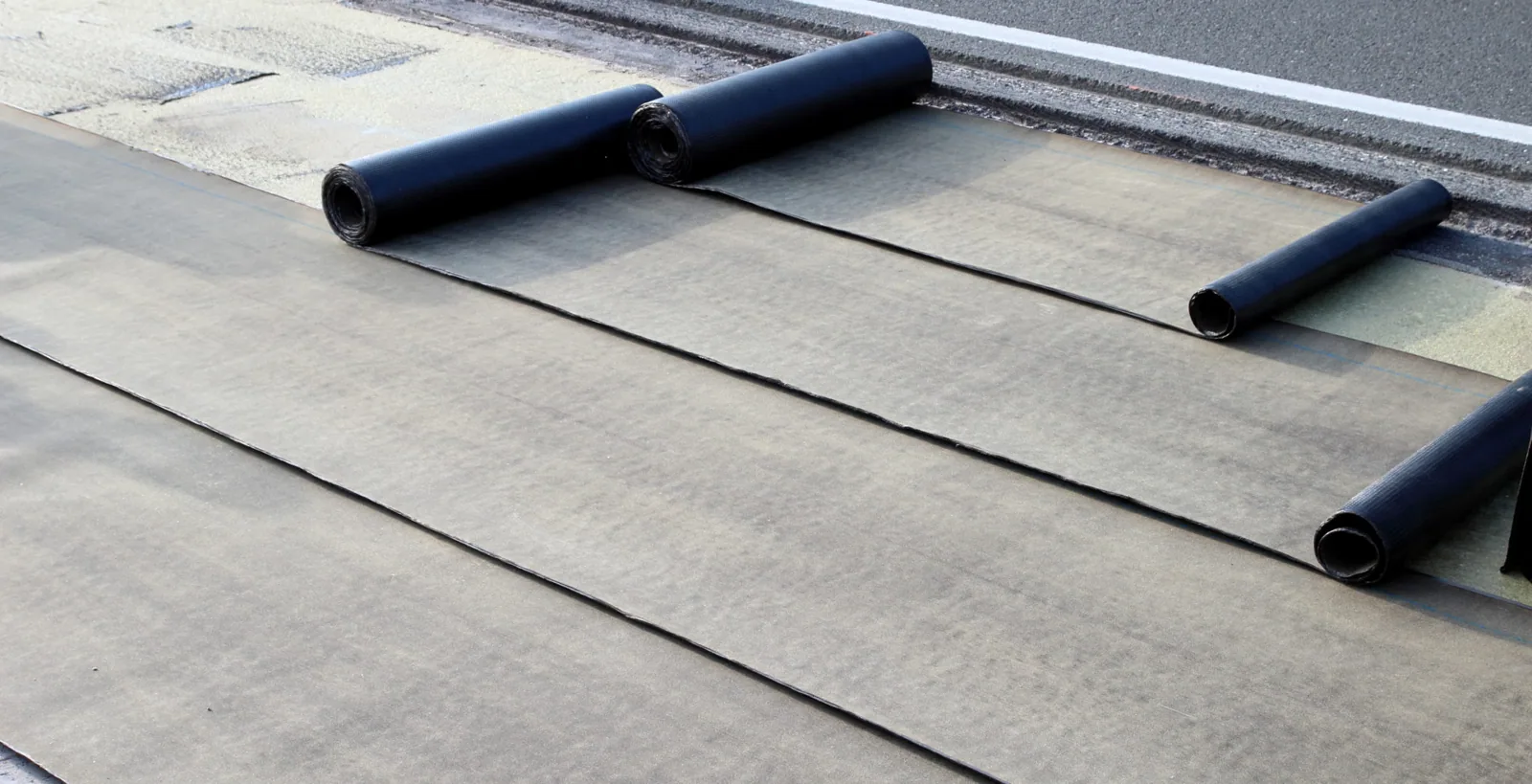
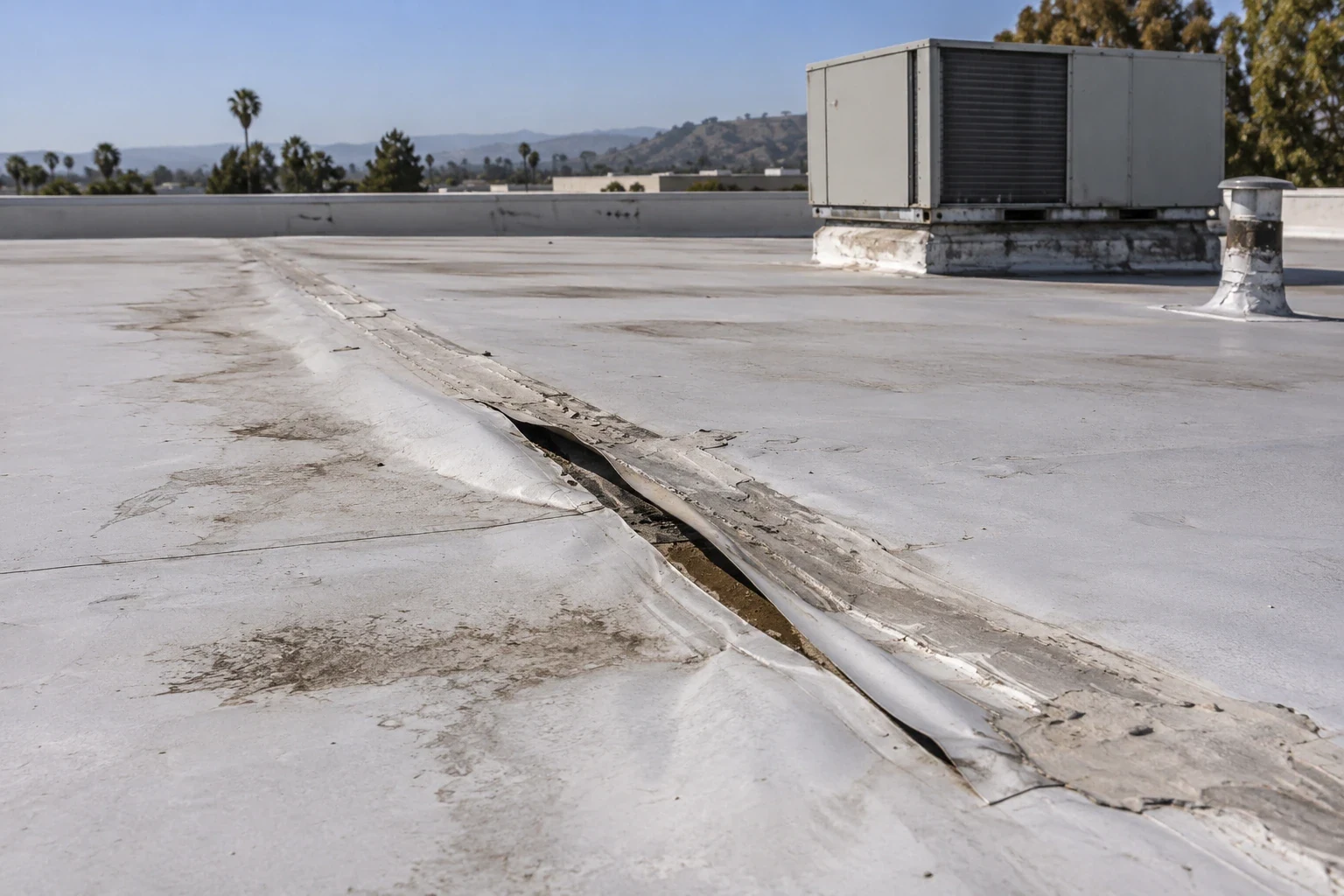
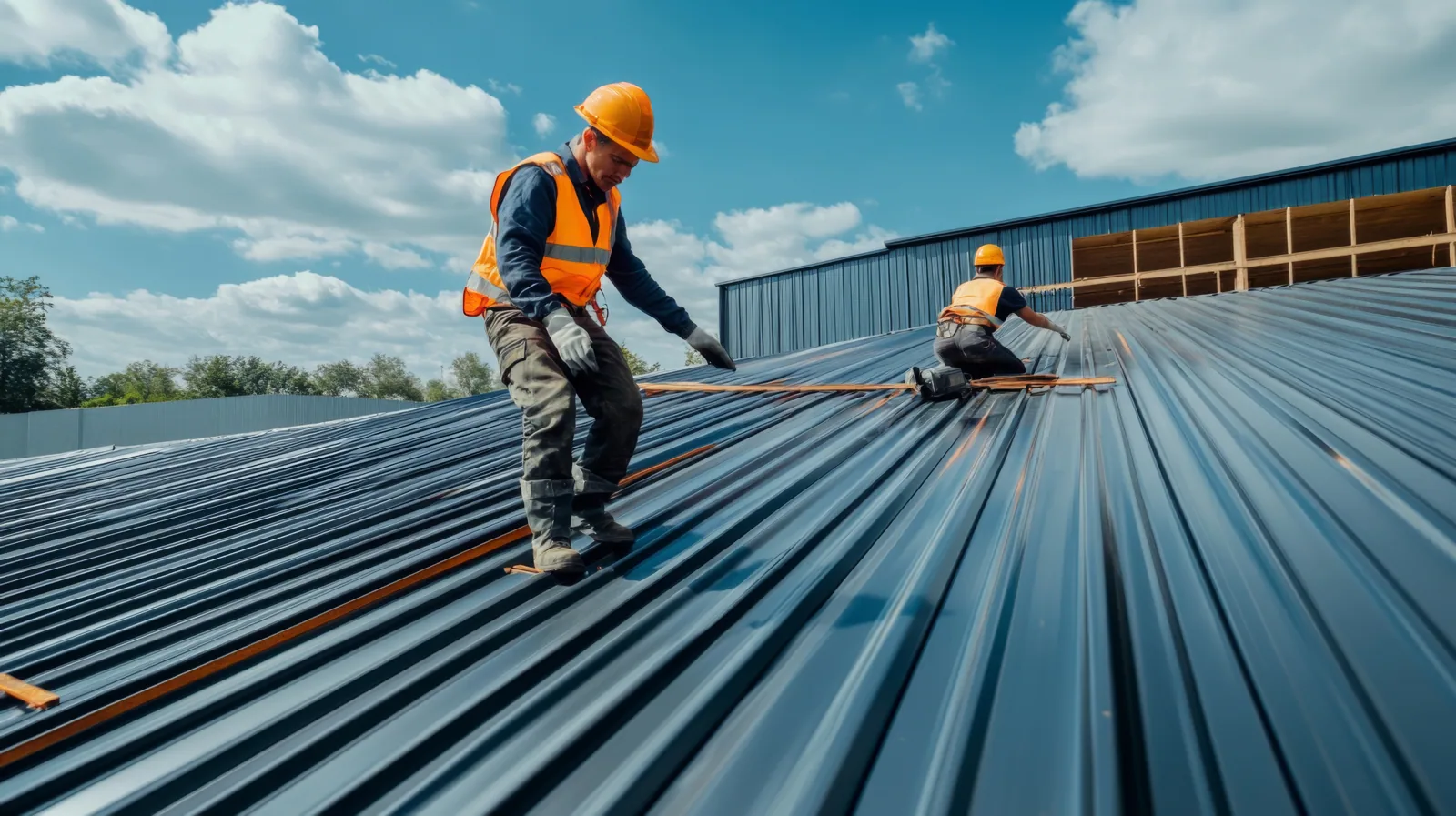
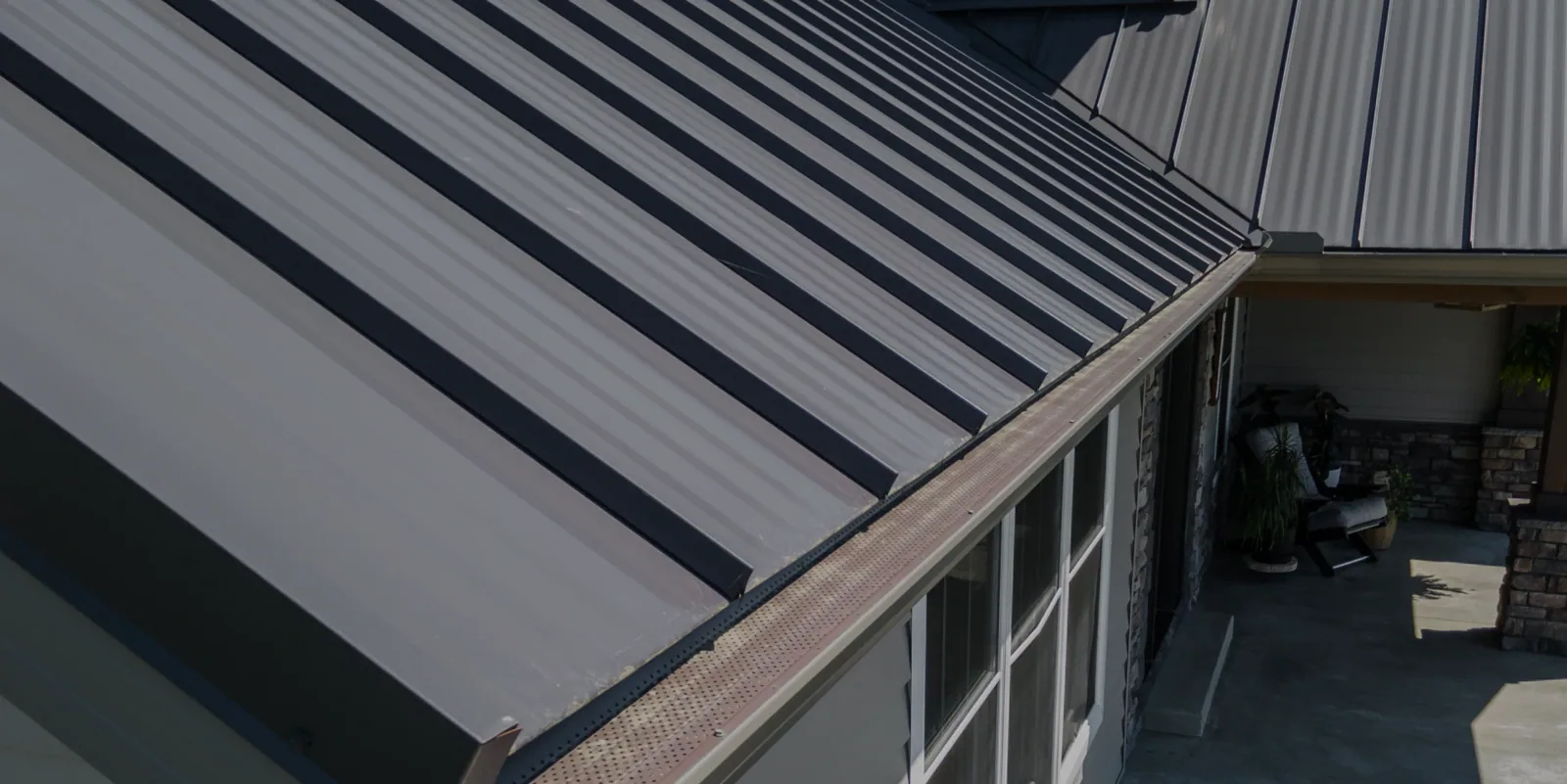
On a single-ply roof, seam repairs need compatible materials and sound attachment at the repair edge. A patch placed over dirt, loose membrane, or a wet surface may not bond as intended. We clean and prepare the repair area, check the seam beyond the visible opening, and examine whether movement or poor detailing contributed to the separation. With modified bitumen or built-up roofs, the repair method changes with the surface, reinforcement, and existing layers. Metal roofs call for attention to fasteners, laps, penetrations, and the movement of panels.
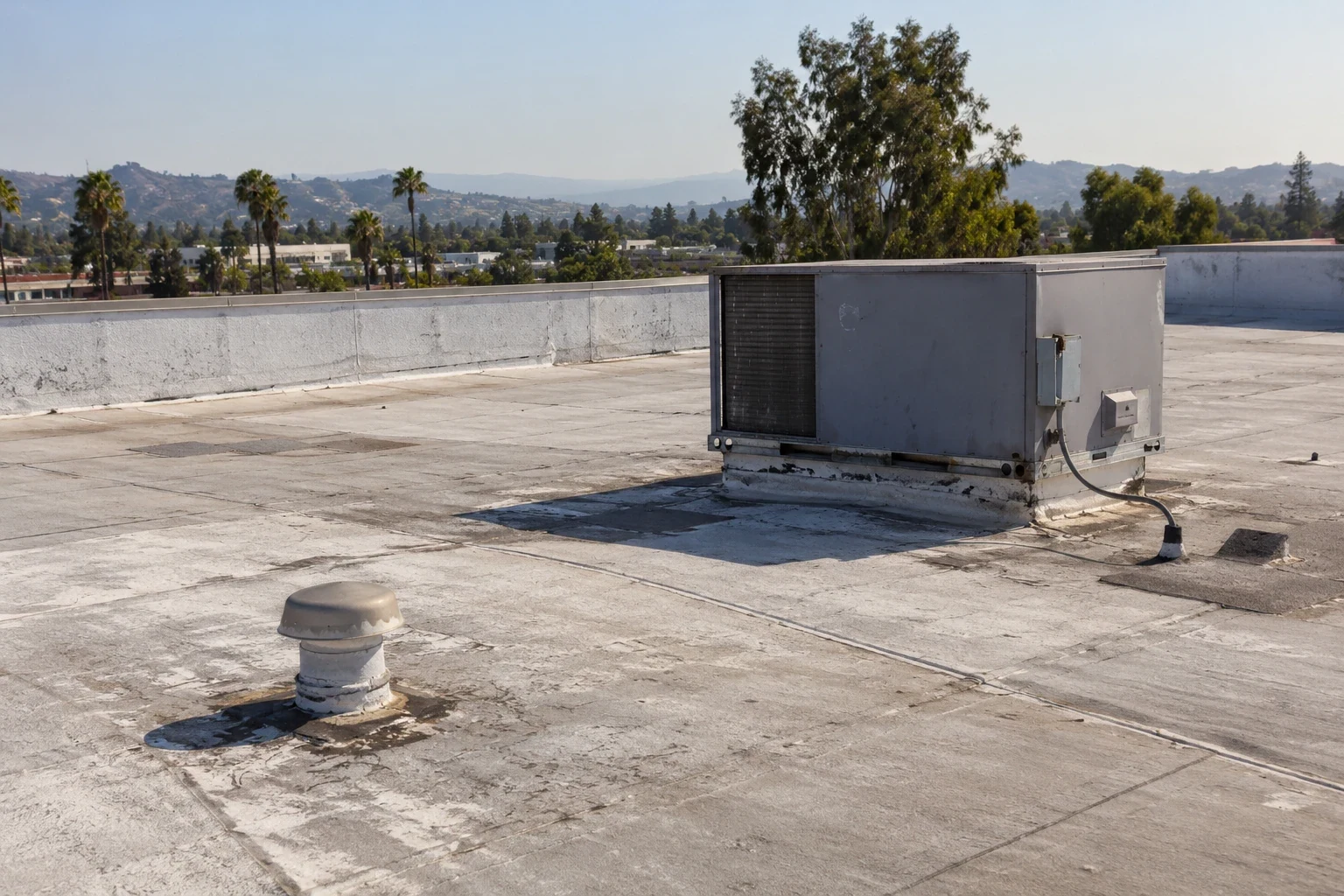
Flashings often need the same care as the open roof field. Wall terminations, pipe penetrations, skylights, and equipment curbs can break the water-control layer if their edges have pulled away or sealants have aged. A seam-failure repair may need a defined seam length and compatible membrane, while flashing repair can include rebuilding a transition instead of applying sealant over a gap. We identify repair materials against the installed assembly and record any unknown system condition for confirmation before work begins.
Drainage and Water Paths
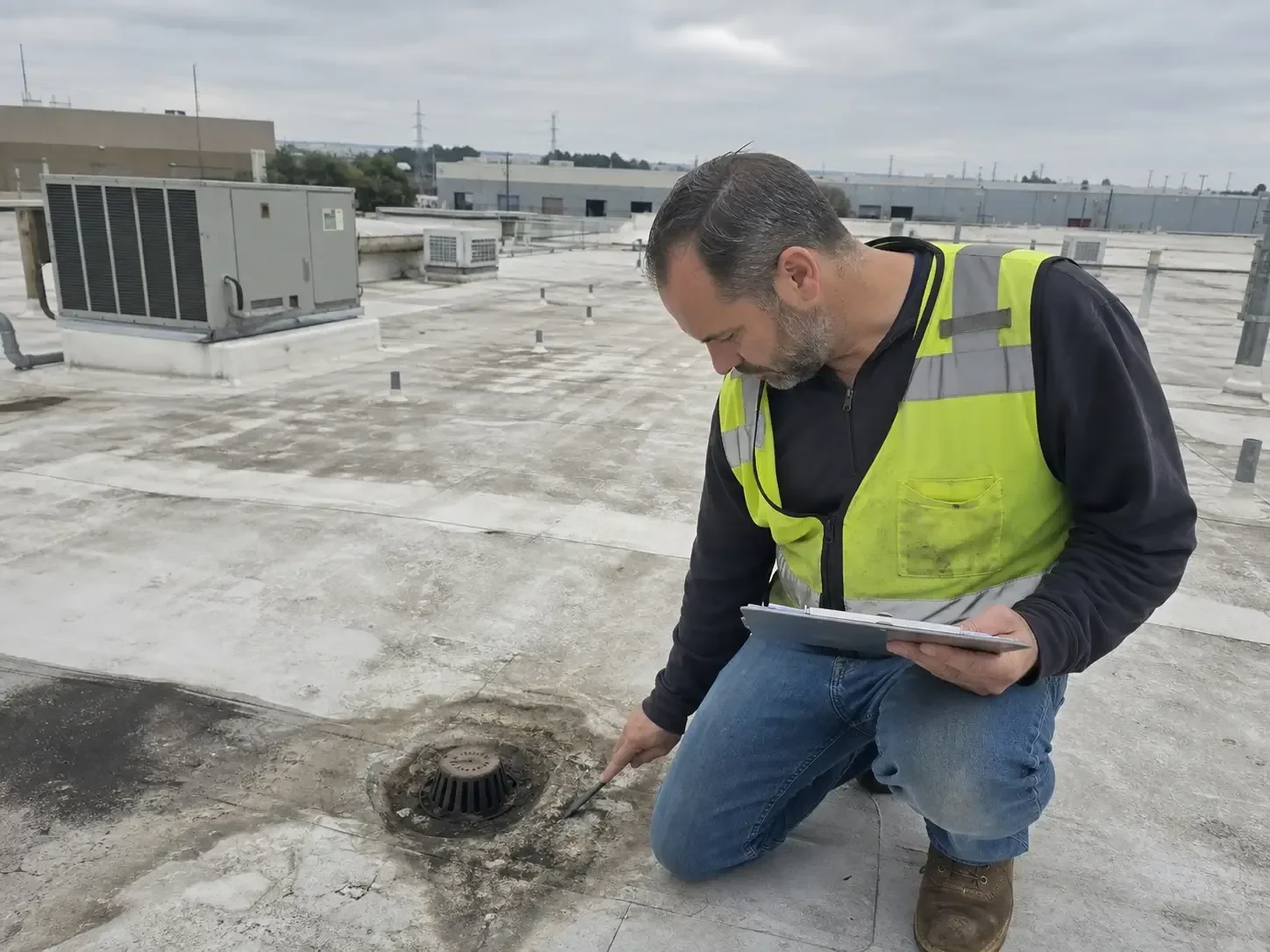
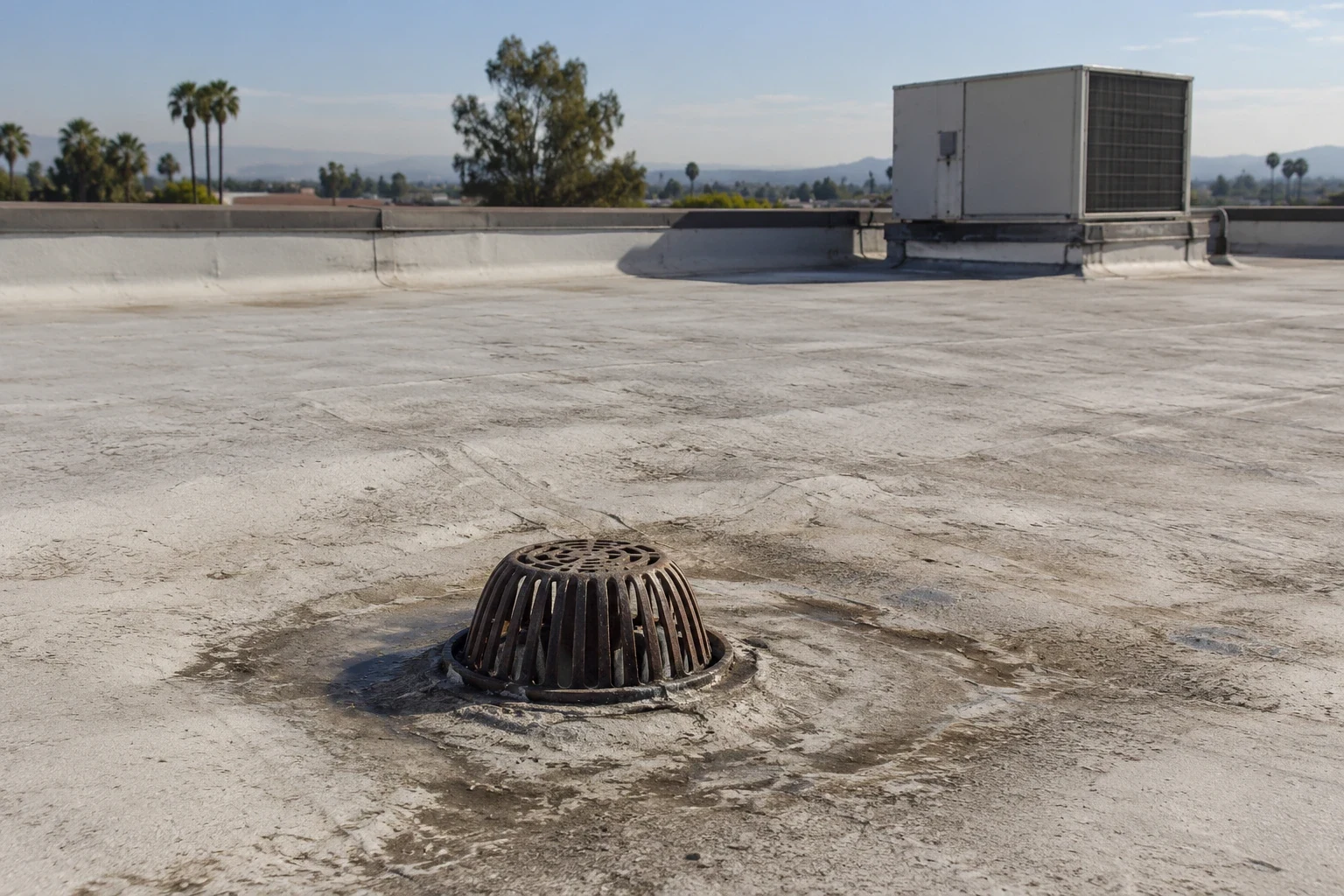
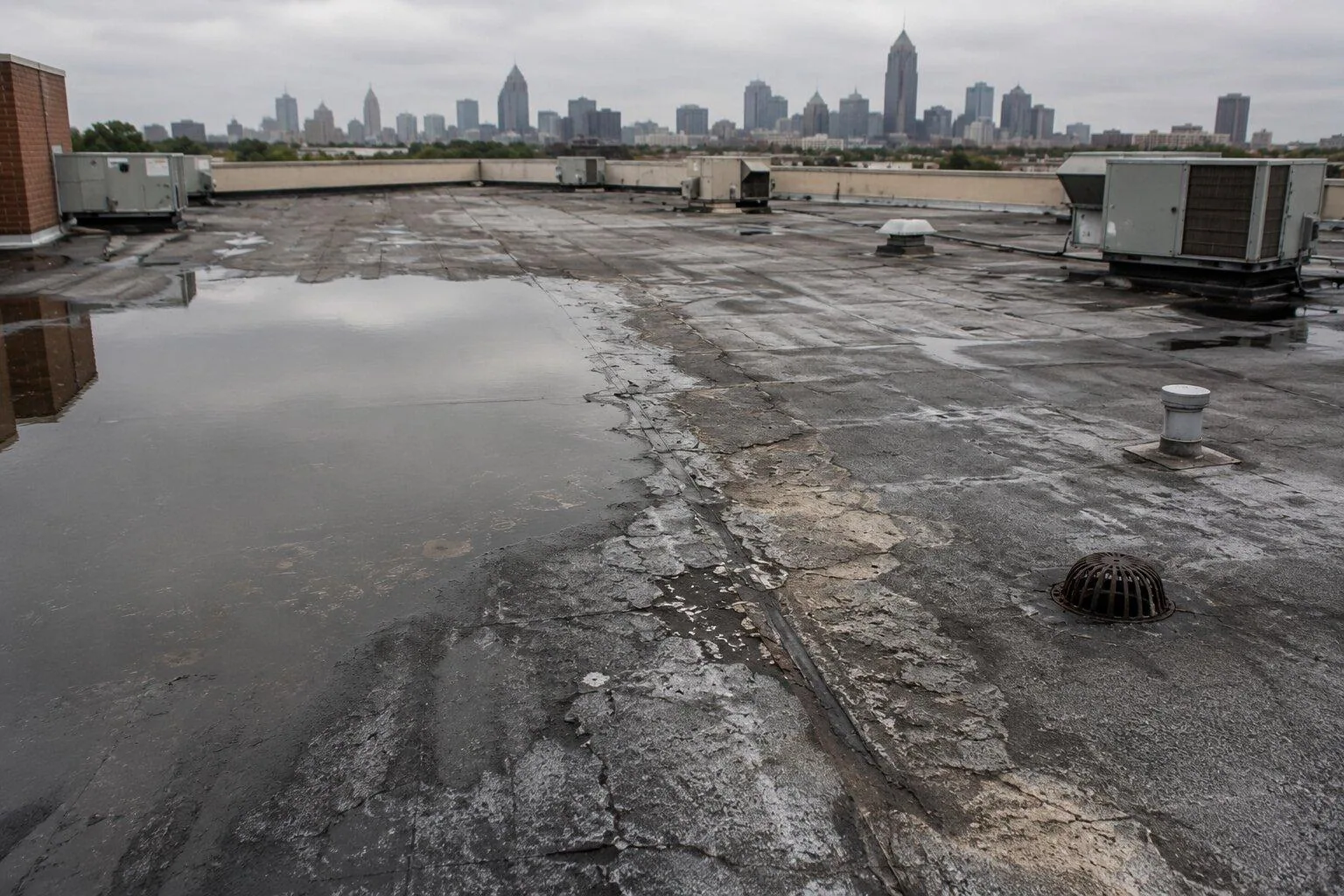
Drain bowls, scuppers, gutters, and low points can turn a small maintenance item into a recurring leak if water cannot leave the roof. We check for debris, standing water, loose strainers, separated flashing, and discharge paths that bring water back toward a wall. A repair visit should document the current symptom, roof-zone location, and temporary measure so later work follows observed conditions. Vallejo averages summer highs around 85 to 87°F and no average rainfall in July and August, making a pre-rain drain review a useful calendar item. The site walk still determines whether the building has a drainage defect.
Repair scope should distinguish clearing an outlet from correcting the slope, flashing, or connection around it. If an outlet is damaged, the surrounding membrane may also need to be lifted and reattached so the water path remains continuous. Owners can compare drain and scupper repairs with ponding-water correction after we map the low area and determine whether the cause is debris, geometry, or a local detail. Along commercial corridors such as Tennessee Street, service access and tenant activity may affect how the repair area is reached, so those needs belong in the work sequence.
A Repair or a Capital Item
Repair cost follows the number of locations, material compatibility, access, substrate condition, and whether the work can be completed without opening a larger area. A scope should give each item a repair method and limit, including removal of failed material, preparation, flashing or membrane replacement, and closeout photos. It should also identify exclusions that need an owner decision, such as concealed wet insulation or deck damage found after opening. That structure makes a repair estimate easier to compare with a larger capital project.
Several repeated repairs in one area may point to an assembly or detail issue rather than a series of unrelated defects. We review whether repair can restore service life or whether moisture, attachment, or widespread deterioration changes the recommendation. A small repair can remain appropriate while a replacement is planned, provided the boundary is clear and the risk is understood. The owner can record these items in a roof inventory and connect them with a capital plan. If the findings support a larger project, compare a defined replacement scope before treating recurring service calls as the long-term plan.
Access, Occupancy, and Closeout
Planned repair can usually be divided into locations that fit a site's operating schedule. The site contact should identify occupied rooms under the work area, customer and delivery entrances, sensitive equipment, roof access limits, and any time window for noisy work. We coordinate where materials move and how the repair zone is reached, then protect the opening while surface preparation and repairs proceed. On a mixed-use property near Mare Island, tenants and service businesses may share circulation areas; a marked access route helps keep roof work legible to the building team.
The closeout record should identify each completed item, photographs before and after the repair, materials used, and conditions that remain. We note where additional testing or a capital scope is recommended, so a later inspection can compare the same location rather than start over. Sonoma Boulevard, Tennessee Street, and Broadway connect commercial districts; use those corridor names to organize a portfolio, not to infer roof construction. Arrange a site review with repair history, access requirements, and budget timing. We will map the observed defects, explain the repair boundary, and return a record ownership can use at its next condition review.
Commercial Roofing Questions
Can one membrane patch stop a leak that has appeared in several rooms?
Several marks can share one entry point or reflect separate openings. We trace likely paths across roof details and compare them with the building layout, then inspect nearby seams and penetrations. The scope records evidence and any need for testing. We map the finding before broader work is approved.
How do you tell a repairable seam from a failing roof area?
We inspect seam edges, attachment, nearby membrane, and moisture. A localized opening with sound surrounding material may support repair. Repeated separation, wet insulation, or movement across a wider area can point to an assembly issue. The record distinguishes repairable sections from areas needing investigation or capital review.
Should drainage cleaning be part of a roof repair visit?
Clear drains matter when debris blocks an outlet or water backs up near a repair. We note whether the issue is cleaning, damaged flashing, a loose connection, or a low area that holds water. If slope or outlet geometry contributes, cleaning alone will not correct it. The scope states how to restore the water path.
What should our records show after a repair is completed?
Keep the roof-zone location, before and after photographs, repair material, work limit, and conditions left for monitoring. Add the date and useful weather context. A consistent record helps compare recurring defects and shows whether a local repair held or a larger assembly decision belongs in the capital plan.
Can roof repairs be phased around tenant or production hours?
Yes. We can sequence planned work areas with access, deliveries, sensitive rooms, and noisy operations. We agree on the work zone with the property contact and protect each opening as the day progresses. The schedule should allow time to confirm substrate conditions after the repair area is opened.
Map the Repair Boundary
Arrange a roof review with the repair history, access needs, and budget timing. We will document the defect locations and prepare a repair scope tied to the building's operating plan.
Request a Roof Assessment
Questions About Commercial Roof Repair in Vallejo, CA
Common questions from building owners and property managers.
Can one membrane patch stop a leak that has appeared in several rooms?
Several marks can share one entry point or reflect separate openings. We trace likely paths across roof details and compare them with the building layout, then inspect nearby seams and penetrations. The scope records evidence and any need for testing. We map the finding before broader work is approved.
How do you tell a repairable seam from a failing roof area?
We inspect seam edges, attachment, nearby membrane, and moisture. A localized opening with sound surrounding material may support repair. Repeated separation, wet insulation, or movement across a wider area can point to an assembly issue. The record distinguishes repairable sections from areas needing investigation or capital review.
Should drainage cleaning be part of a roof repair visit?
Clear drains matter when debris blocks an outlet or water backs up near a repair. We note whether the issue is cleaning, damaged flashing, a loose connection, or a low area that holds water. If slope or outlet geometry contributes, cleaning alone will not correct it. The scope states how to restore the water path.
What should our records show after a repair is completed?
Keep the roof-zone location, before and after photographs, repair material, work limit, and conditions left for monitoring. Add the date and useful weather context. A consistent record helps compare recurring defects and shows whether a local repair held or a larger assembly decision belongs in the capital plan.
Can roof repairs be phased around tenant or production hours?
Yes. We can sequence planned work areas with access, deliveries, sensitive rooms, and noisy operations. We agree on the work zone with the property contact and protect each opening as the day progresses. The schedule should allow time to confirm substrate conditions after the repair area is opened.