Commercial Roofing Along Sonoma Boulevard in Vallejo
Commercial roof inspections and repair scopes along Sonoma Boulevard in Vallejo, with parcel-specific facts, access plans, and closeout records.
Why Commercial Roofing Vallejo?
Commercial Roofing Along Sonoma Boulevard in Vallejo
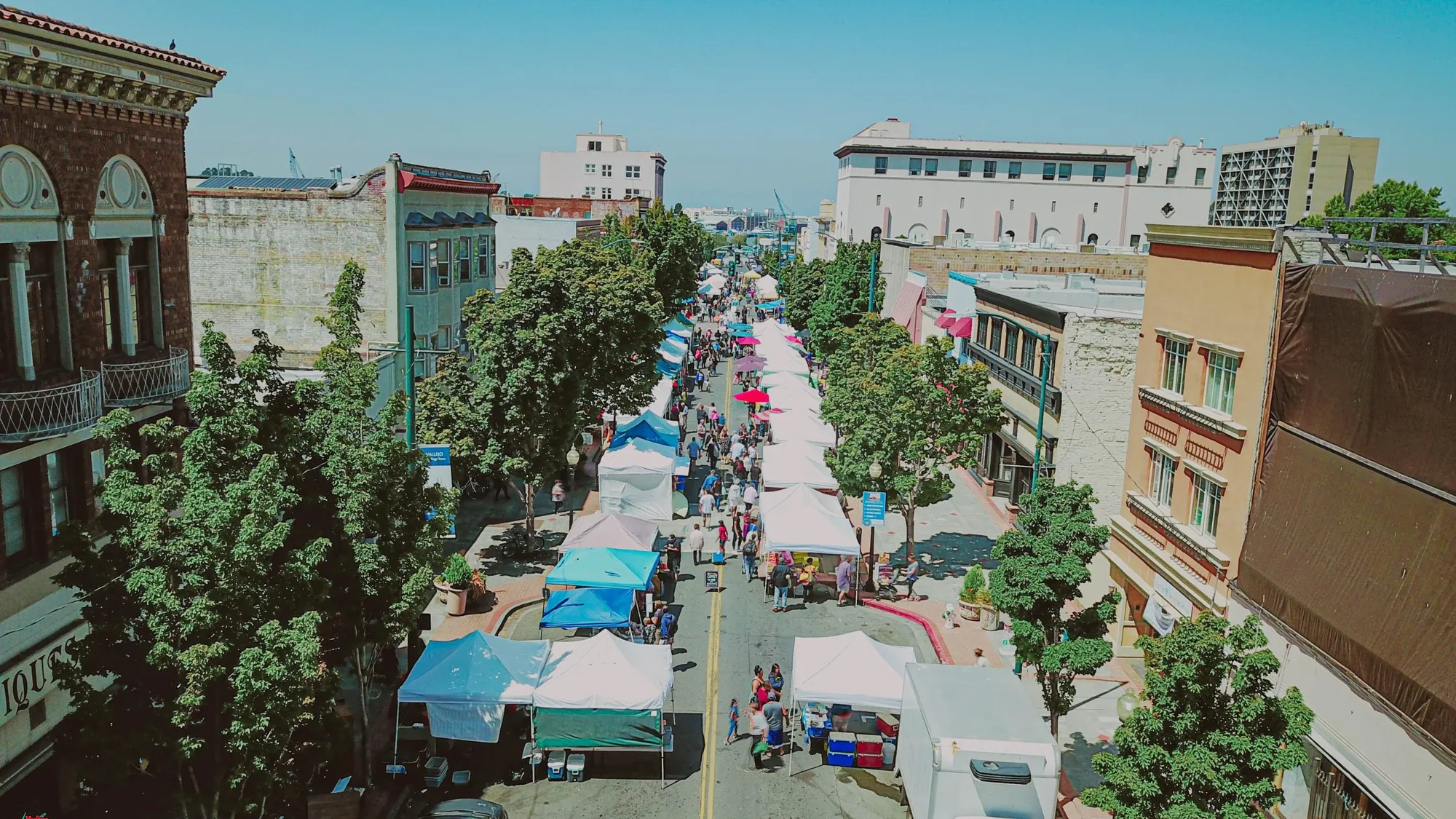
Retail and service properties along Sonoma Boulevard need a roof-zone review that separates current use, drainage, and access before a repair boundary is priced. The White Slough commercial strip extends north from Sereno Drive to Redwood Street, where service and retail uses are permitted. Confirm current use, occupancy, and roof assembly before setting a scope. Owner-approved access and building-level inspection findings determine the repair boundary, not the corridor's land-use designation. For portfolio comparisons, White Slough plan-area properties and Sonoma-Broadway district properties should be recorded by their own assembly, access, and repair history. Start with a commercial roof inspection and a dated zone map.
Read Zoning as Context, Then Verify the Parcel
The commercial stretch along Sonoma Boulevard runs north of Sereno Drive to Redwood Street and includes retail, food and beverage, personal services, and other commercial uses. Confirm current occupancy and parcel boundaries with the property contact, then keep each roof's assembly and work record tied to its address. Confirm the roof assembly from available records and field observations, not from the permitted use or corridor label.
For a roofing visit, identify the property's point of contact, the building's active operations, roof access, and any delivery or customer paths that need protection. If a street or sidewalk work area is required, the owner obtains current approvals and confirms conditions with the relevant authority. Old planning or capital records do not establish current curb availability. The Admiral Callaghan corridor is another broad service area with its own documented street segments; keep logistics tied to the actual visit.
Reconstruct the Repair History by Roof Zone
Bring drawings, warranty terms, repair invoices, leak tickets, and photographs to the review. We place known repairs and reported leaks on a roof map, then compare their dates, materials, and locations. A repeated call near the same interior room may point to a persistent path, but the roof entry point can be offset by slope, deck flutes, or framing. We distinguish a confirmed relationship from one that needs another visit or test. Where the record is incomplete, the recommendation states what remains unknown rather than inventing a roof age or failure date. When additions meet, mark the transition and drainage path separately; one street address does not confirm a shared assembly or leak origin.
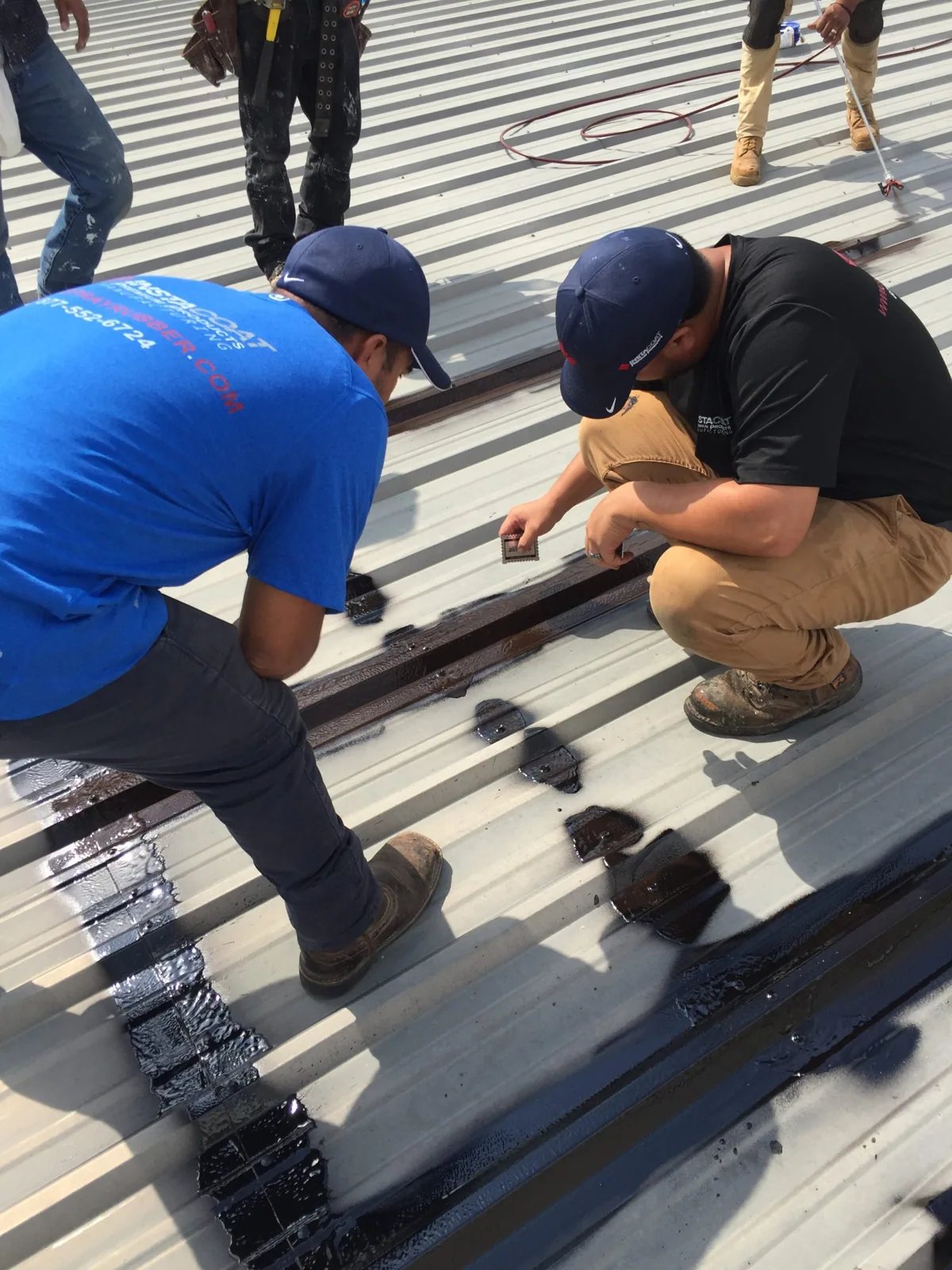
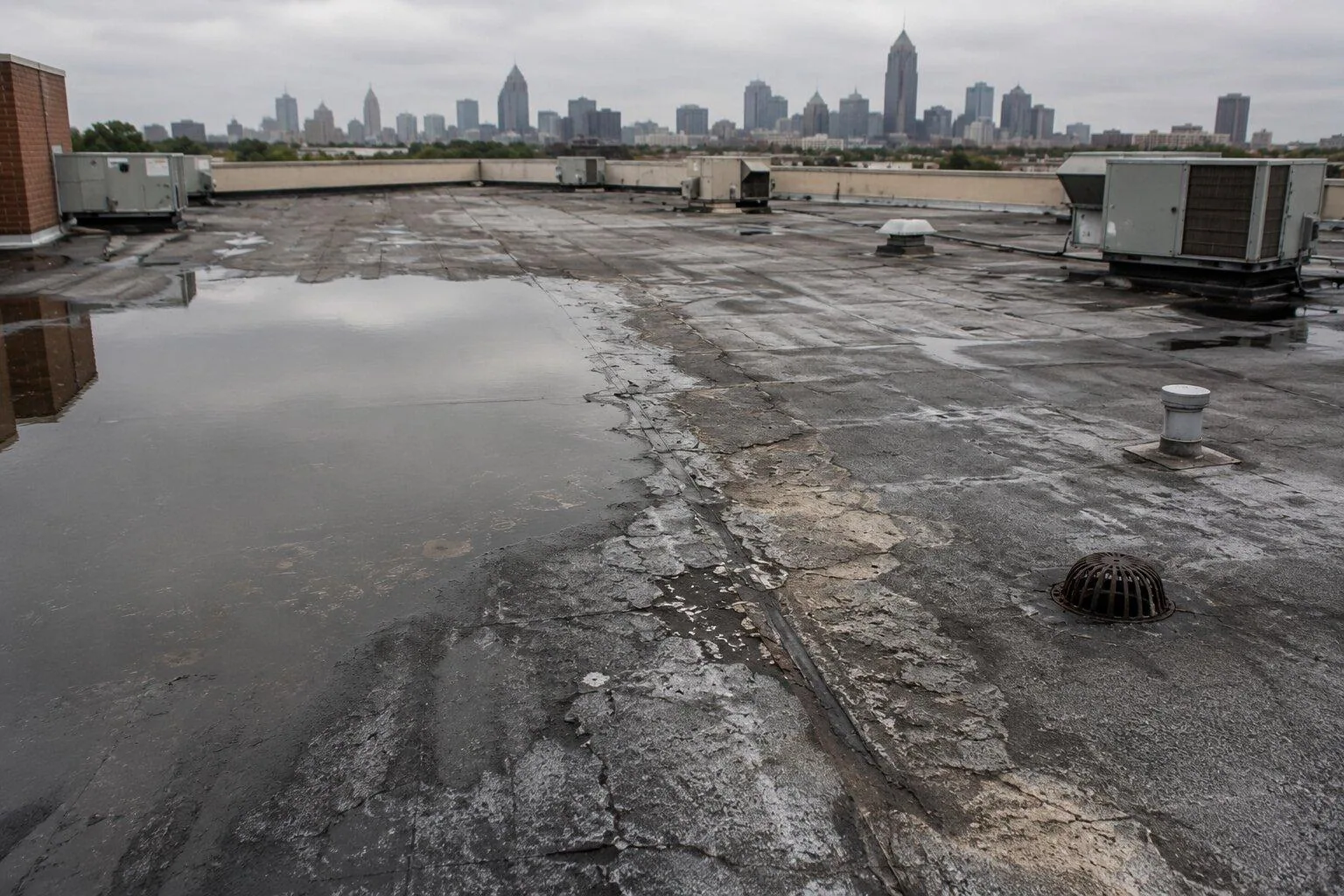
Inspect seams, terminations, wall transitions, curbs, drains, scuppers, penetrations, edge metal, and equipment supports. Note whether an assembly is confirmed from a drawing or only observed at the surface. A test cut can clarify hidden layers if the owner approves its placement and repair. A moisture survey may help select testing areas, but readings need interpretation against the assembly and current conditions. For reported ponding, a drainage condition review can separate maintenance observations from a repair need.
Protect Customer Paths and Business Operations
Commercial frontage can create specific movement constraints. Confirm customer entrances, delivery windows, loading access, fire lanes, accessible paths, and roof access with the property representative. We identify where a lift or material drop can be placed only after permission and site requirements are known. The plan lists who will communicate a temporary change, which routes remain open, and how debris or tools will be secured. The property contact confirms current hours and identifies entrances or loading paths that must remain open during the proposed work window.
If the building remains occupied, split the project into work zones with explicit daily limits. Each phase covers protection below, temporary dry-in, work completion, cleanup, and handback. Occupied-building sequencing can help keep storefront or office operations separate from roof installation. If a tenant needs a quiet period or a loading area must remain available, record those constraints before pricing. We return to the site plan when conditions change instead of assuming a route is still clear.
Set a Scope That Can Be Compared and Managed
When comparing repair with renewal, use the same roof map. The repair option should show its boundary and expected maintenance follow-up. A replacement option can capture removal, insulation, deck review, drainage, edge metal, and access sequencing. If an owner is considering recovery, assess layers, drainage height, substrate, and warranty requirements first. A system-compatibility review can document open questions before the capital decision.
Keep Corridor Reporting Useful Without Overgeneralizing
At follow-up, review whether prior repairs remain intact and whether leak reports recur in the same area. A roof log can preserve dated observations and identify which zones need another look. For properties extending toward another district, maintain a separate area record and confirm that district's access and operating requirements. This approach helps an asset manager prioritize capital while protecting the accuracy of each building's roof history.
For roofs with several repair dates, build a simple chronology before choosing a capital scope. Pair each invoice or work order with its location, material, reported symptom, and post-repair observation. Repeated water entry near the same detail may justify a closer investigation, while a new symptom elsewhere may require a separate diagnosis. Avoid combining these observations into one corridor-wide condition score. A dated record lets a property manager compare buildings while preserving the limits of each inspection. If the roof plan is incomplete, mark the assumed dimensions and verify them before pricing quantities, insulation replacement, or edge work.
Before a proposal is approved, verify that the included roof area matches the owner’s intended scope and that exclusions are visible. List testing, permits, equipment moves, and after-hours work as included or pending items. A short pre-award review can resolve those boundaries and leave a record of who will answer questions discovered after access begins.
Carry the Findings Into the Next Budget Cycle
Return a closeout with photographs, installed materials, repaired details, test results, warranty records, and all exclusions. Identify what was accessed and what remains unresolved. A dated map lets the next reviewer compare the proposal with later maintenance calls. If an area was only temporarily protected, call that out with the follow-up trigger. This is more useful than an undifferentiated summary that does not show where work ended.
To request a Sonoma Boulevard commercial roof review, provide plans, repair history, current leak locations, access approval, and the expected budget window. We will document the confirmed assembly, identify the next test if needed, and set a repair or renewal boundary that reflects the building. Confirm the building's use, roof assembly, access, and field conditions before defining the repair or renewal scope.
Commercial Roofing Questions
Does the commercial corridor description confirm a building’s current tenant?
No. The corridor description identifies a broad commercial stretch, not current occupancy at a particular address. Confirm the tenant, parcel, and site contact with the owner before setting roof access or work.
What part of Sonoma Boulevard is the White Slough commercial stretch?
The commercial stretch runs north of Sereno Drive to Redwood Street. Treat those boundaries as area context; confirm the actual parcel, property contact, roof access, and operating conditions before defining a work scope.
Can zoning tell us which roof system is installed?
No. Verify the assembly from drawings, maintenance records, or approved field testing. Confirm roof materials and condition through the building's records and a field review.
How can a business remain open during roof work?
The owner and site contact approve access, work hours, staging, and protected routes. Daily phases should define the roof zone, temporary dry-in, and handback before mobilization.
What if the leak appears far from a roof defect?
Water can travel through deck or framing before entering the room. We compare the interior report with roof details and drainage, then label the path as confirmed or needing more evidence.
Make the Roof Scope Specific to the Property
Share the parcel contact, roof plans, leak history, and access constraints. We will map observed conditions and return a bounded repair or renewal decision.
Request a Roof Assessment
Questions About Commercial Roofing Along Sonoma Boulevard in Vallejo
Common questions from building owners and property managers.
Does the commercial corridor description confirm a building’s current tenant?
No. The corridor description identifies a broad commercial stretch, not current occupancy at a particular address. Confirm the tenant, parcel, and site contact with the owner before setting roof access or work.
What part of Sonoma Boulevard is the White Slough commercial stretch?
The commercial stretch runs north of Sereno Drive to Redwood Street. Treat those boundaries as area context; confirm the actual parcel, property contact, roof access, and operating conditions before defining a work scope.
Can zoning tell us which roof system is installed?
No. Verify the assembly from drawings, maintenance records, or approved field testing. Confirm roof materials and condition through the building's records and a field review.
How can a business remain open during roof work?
The owner and site contact approve access, work hours, staging, and protected routes. Daily phases should define the roof zone, temporary dry-in, and handback before mobilization.
What if the leak appears far from a roof defect?
Water can travel through deck or framing before entering the room. We compare the interior report with roof details and drainage, then label the path as confirmed or needing more evidence.