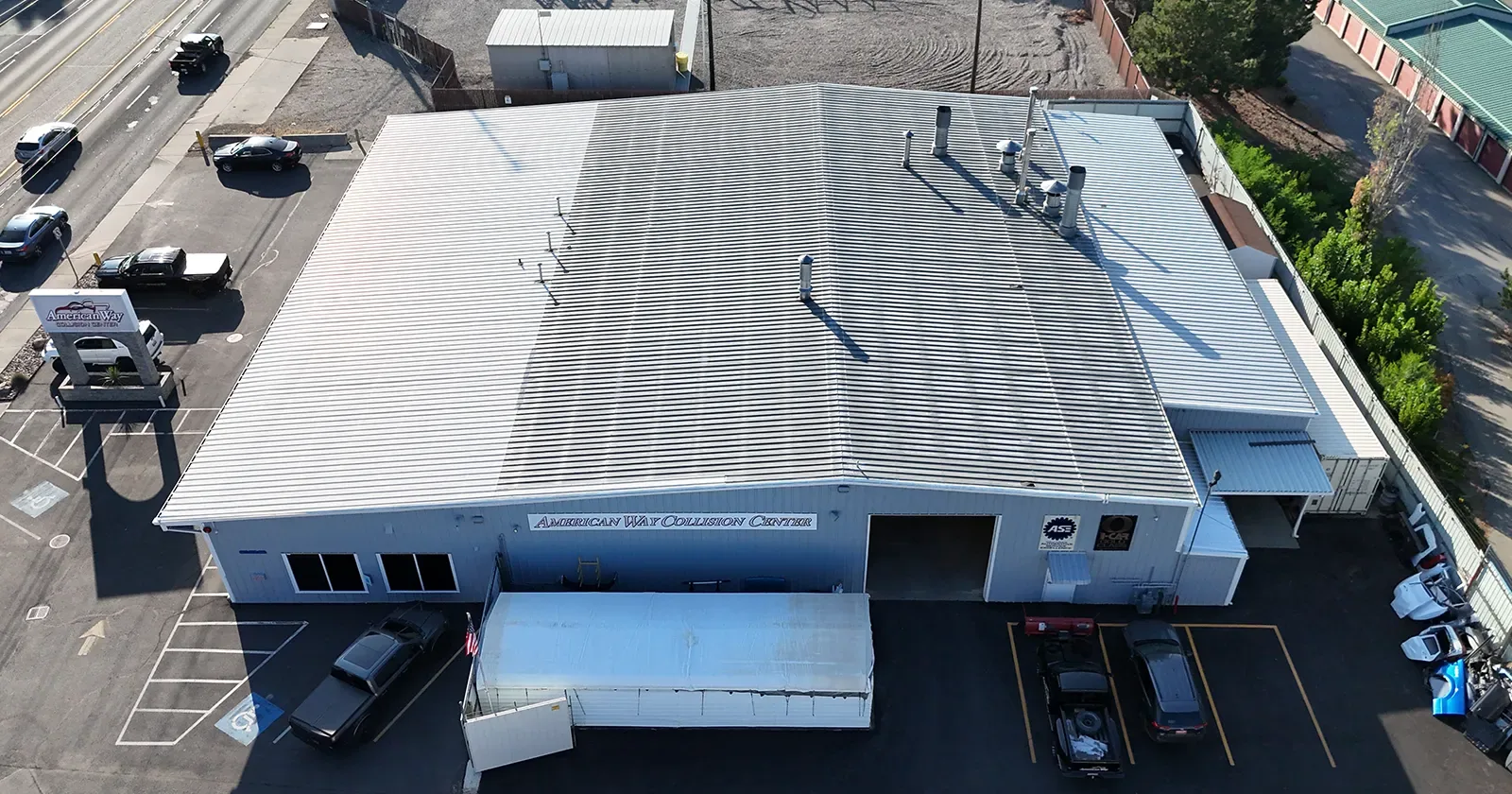
Commercial Roofing for Logistics and 3PL Operators in Vallejo, CA
Roof inspections, repairs, and capital planning for logistics and third-party warehouse operators near Vallejo, coordinated around docks and shipping activity.
Why Commercial Roofing Vallejo?
Commercial Roofing for Logistics and 3PL Operators in Vallejo, CA
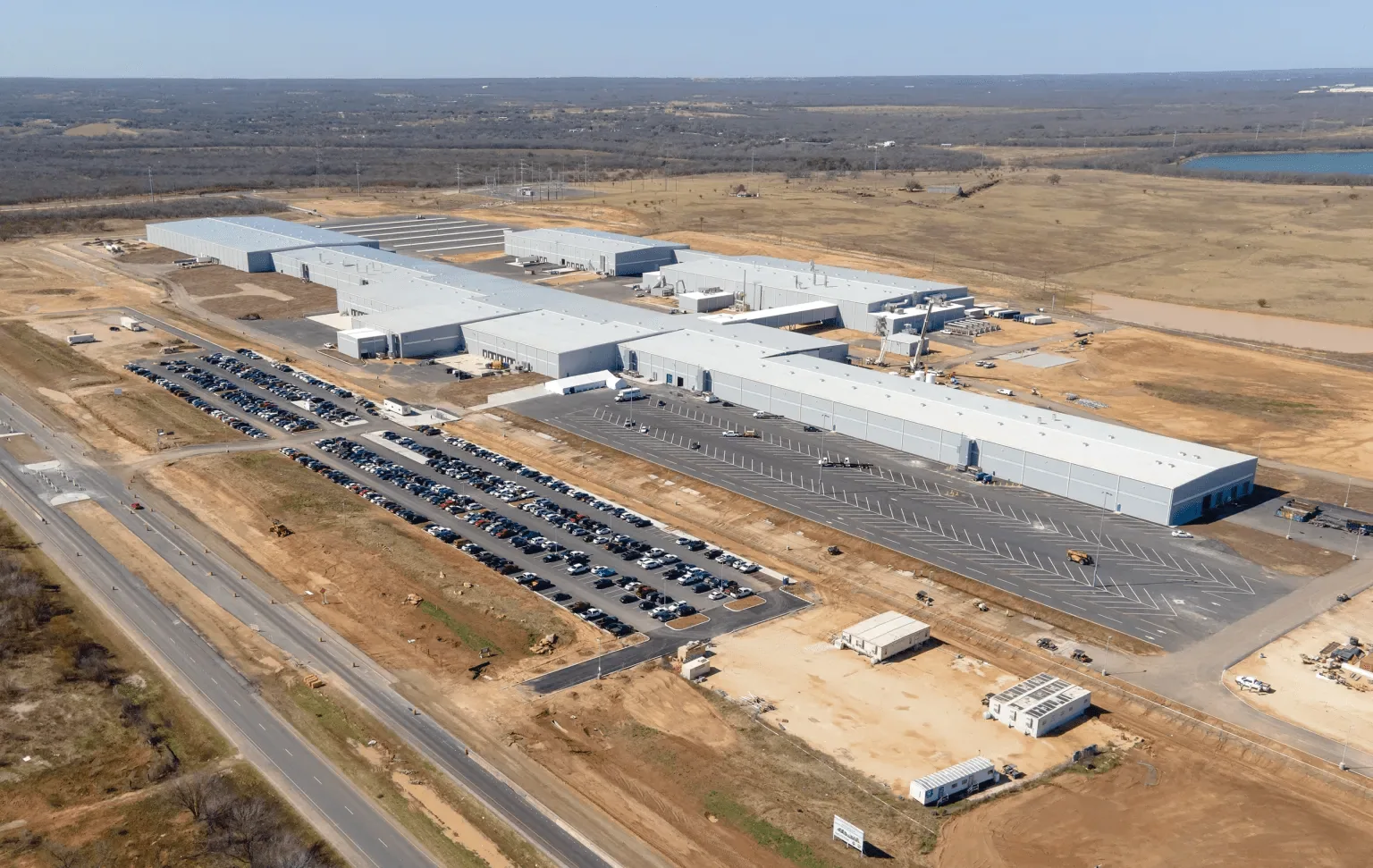
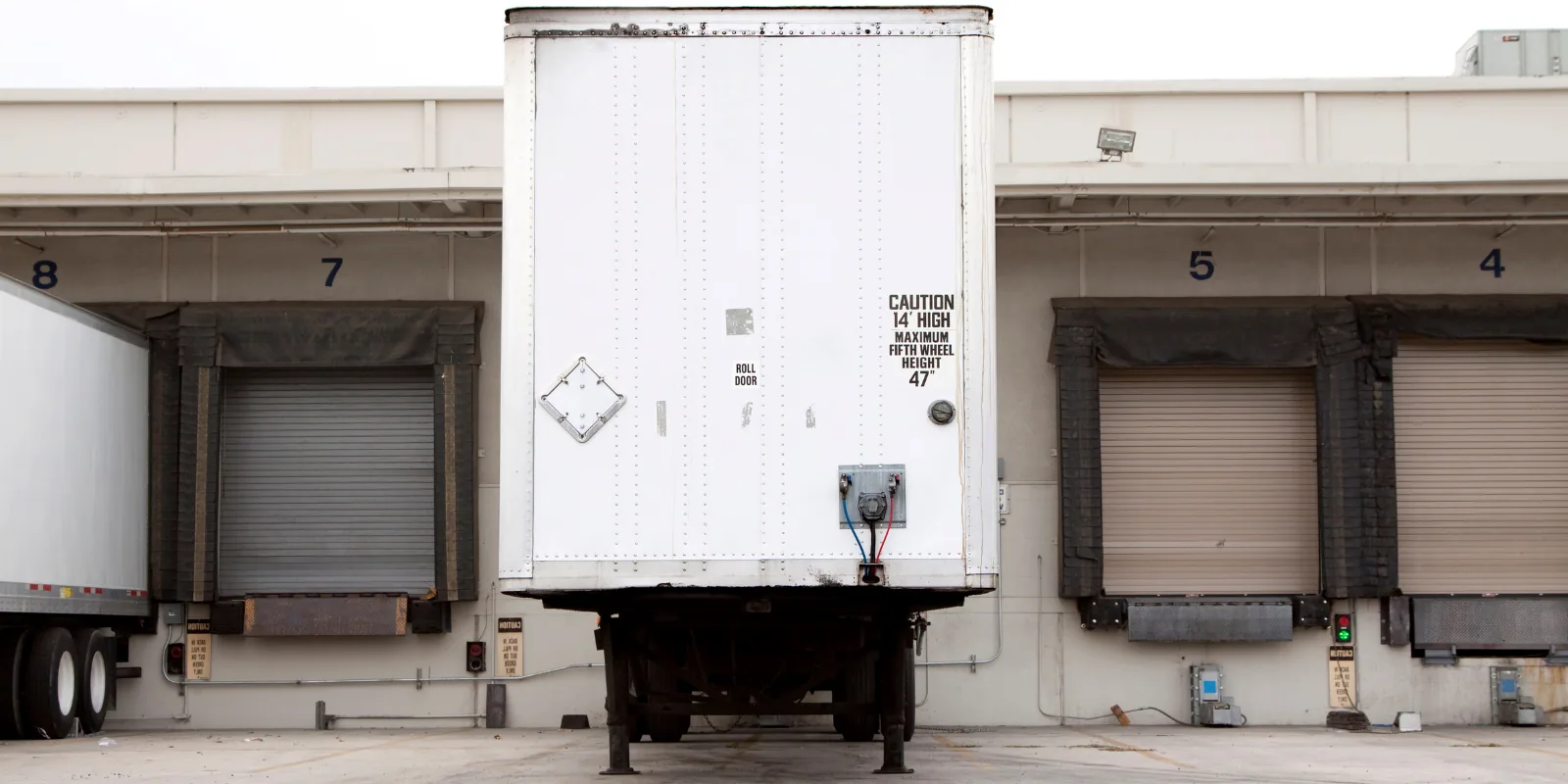
Dock schedules and inventory protection shape a roof project as much as the membrane or metal system. Military Ocean Terminal Concord, or MOTCO, is a U.S. Army transshipment facility near Concord on Suisun Bay, with tidal and inland areas, wharves, and rail connections. Mare Island also has industrial spaces, including some properties with oversized roll-up doors. MOTCO and Mare Island show different freight and industrial settings; the warehouse roof still needs its own inspection record. We inspect each building by roof zone, mapping drains, seams, penetrations, edges, and prior repairs against dock and access routes. A distribution-center review can define building needs, while manufacturing teams may have separate shift and equipment constraints. For an eligible site, Concord-area coverage follows the actual municipality and approved service radius.
Map Dock, Storage, and Office Roof Zones
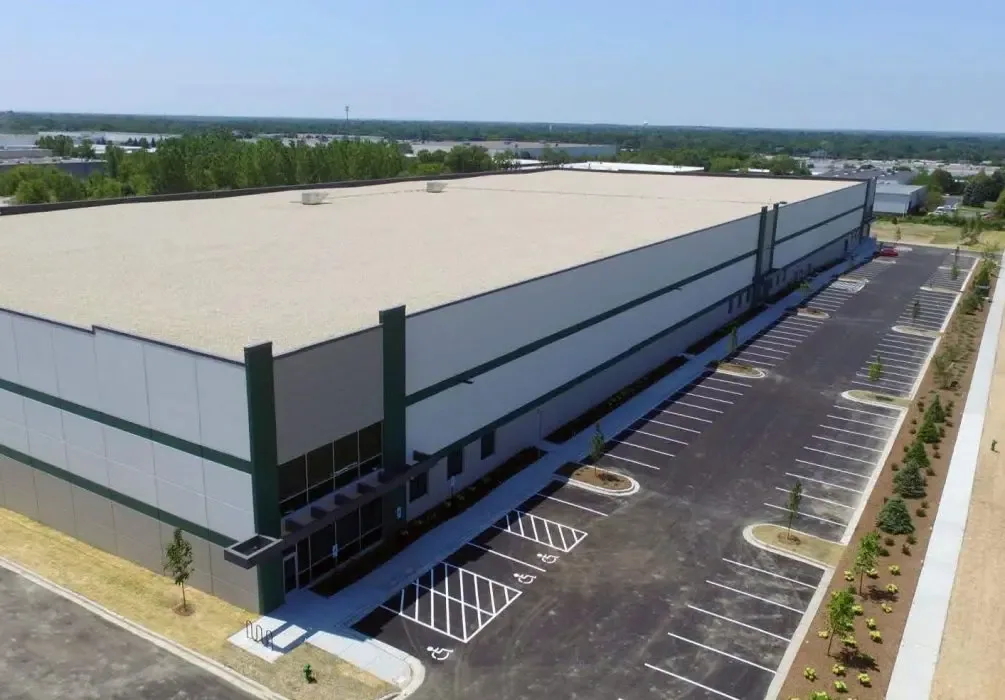
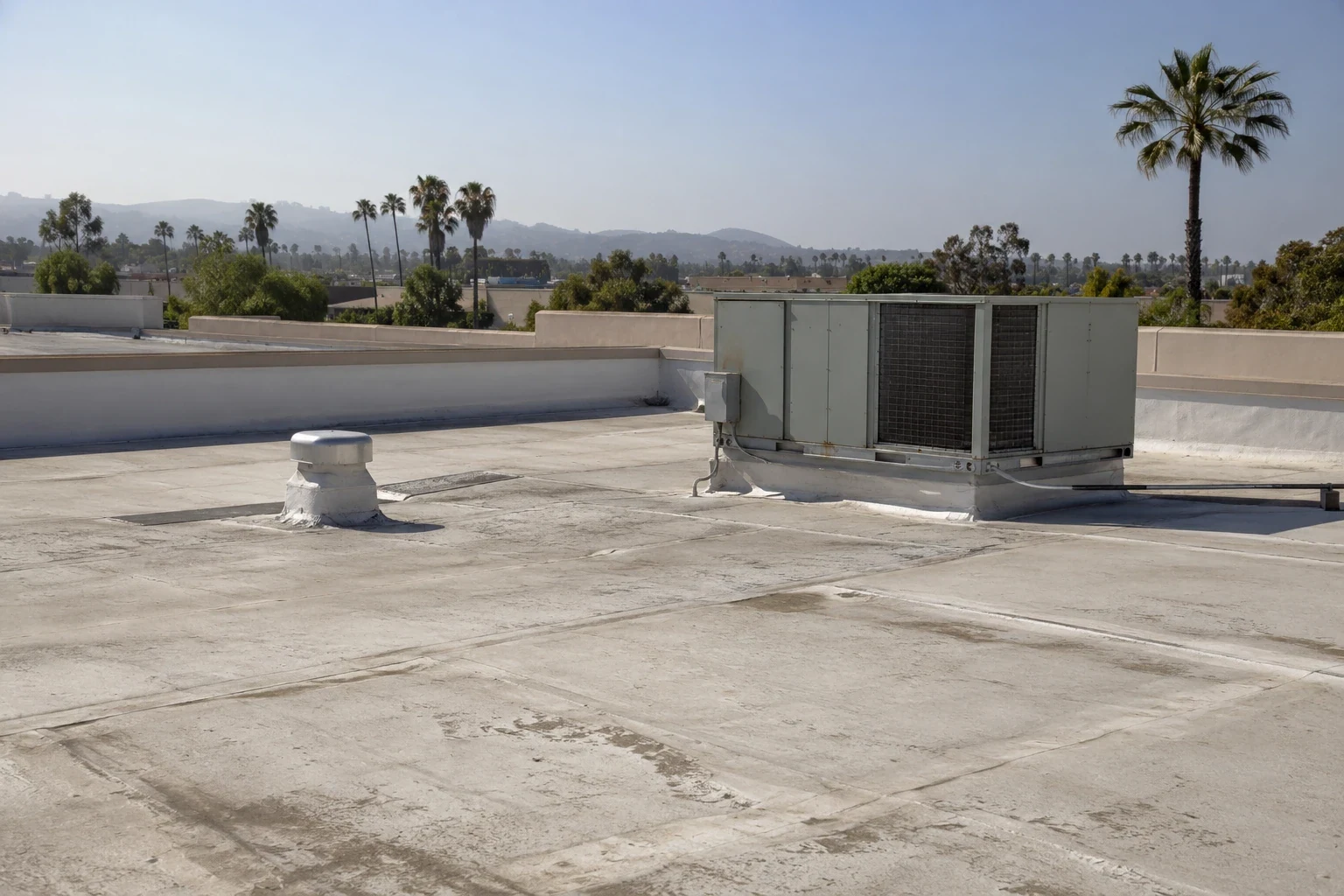
A 3PL operation may span loading docks, high-bay storage, offices, equipment rooms, and trailer or service access, with different roof details over each use. We start with available plans and repair history, then mark the assembly, drains, curbs, seams, penetrations, and perimeter transitions by zone. A door opening or dock canopy changes where water can affect stored goods, but it does not reveal the roof's condition. At MOTCO, an Army-owned railway links the inland and tidal areas and meets two commercial rail lines. That freight context makes route coordination relevant, while a site's actual delivery schedule and roof access still need confirmation. We identify staging, lift paths, and areas requiring protection so the owner can evaluate how a repair or replacement phase affects warehouse movement.
Connect Roof Defects With Inventory Exposure
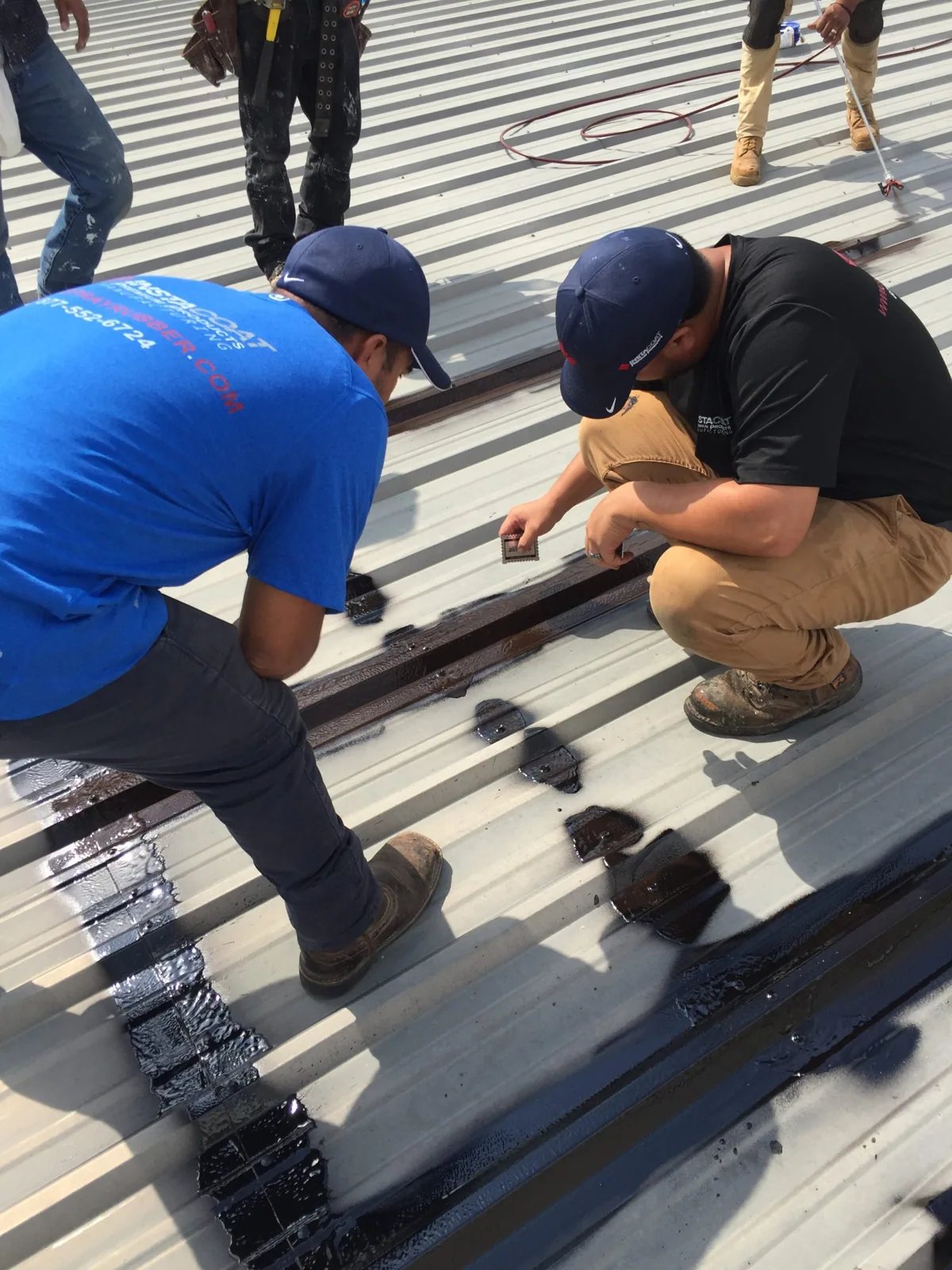
A reported drip above a pick aisle, loading lane, or rack should be traced to a roof-level detail before a repair quantity is set. We inspect nearby seams, laps, penetrations, curbs, drains, and edge conditions, then compare them with the interior report and prior work. The photos identify the zone and distinguish a confirmed opening from a suspected path that needs testing. If insulation may be wet beneath the surface, infrared screening or targeted sampling can help establish extent. A logistics roof sequence should preserve dock capacity and protect inventory below the active work area; confirm the daily close-in point with the site operator. Long-term Vallejo climate averages show no average rainfall in July and August and summer highs around 85 to 87°F. They frame seasonal planning, while the roof inspection records actual drainage and condition. A roof inspection can document the findings before the operator decides which inventory areas require protection during repairs.
Keep Shipping Routes Open During Roofing
The operator identifies receiving windows, dock assignments, truck circulation, inventory zones, loading equipment, and any areas that must remain accessible. We coordinate lifts, material delivery, debris removal, and temporary protection with those routes. A roof phase can be arranged by bay or elevation, but staging must not block an active dock or emergency route without approval. We record whether inventory below needs relocation or covering and who will confirm each step. Where a roof opening must remain temporarily protected between shifts, the plan names the dry-in method and inspection point. A phased occupied-warehouse sequence can help align the crew's work with shipping activity, while facility staff verify the operating window. If a zone is inaccessible during the first visit, its condition remains open for later inspection rather than being rolled into the completed roof area.
Compare Repair and Replacement by Warehouse Bay
A localized seam opening or puncture may support repair when surrounding material is sound and the water path is bounded. Repeated leaks, moisture across multiple bays, failed attachment, or edge deterioration can point toward larger renewal. A recovery or coating is considered only after existing layers, adhesion, drainage, and moisture are checked. We describe the scope by bay, removal depth, insulation, drains, curbs, edge details, and protection so an operator can compare alternatives. A warehouse roof assessment can capture the building profile, while a TPO option may be compared with other membrane systems using the same access and inventory assumptions. The estimate distinguishes immediate water control from long-term replacement, helping the owner plan around storage protection and dock operations without treating every bay as equally affected.
Use the Maintenance Window for High-Impact Work
Roof work may fit a slower shipping period, planned inventory rotation, or equipment maintenance window, but actual conditions and lead times set the decision. We separate urgent leaks, preventive work, testing, and renewal candidates, then note access and inventory assumptions for each. A roof asset record can track the condition trend by building and bay. The owner's budget schedule can then compare repair cost drivers, facility downtime, protection, material delivery, and the value of handling related zones together. Regional freight connections can orient the portfolio, but each property's truck access, staging permission, and delivery window need direct confirmation before the scope is priced. Any work dependent on a shutdown or owner approval is identified as such, with a follow-up date. When a 3PL operates a leased warehouse, the owner, operator, and property manager may each hold different roof or access records. A property-management handoff can align who authorizes entry, who receives leak notices, and who retains closeout documents. The work scope should state which party is responsible for each approval so a roof repair does not wait on an unclear handoff.
Hand Off Findings to Operations and Facilities
Closeout includes photographs by roof zone, repaired details, material records, drain and edge observations, and any test results. We record exclusions, inaccessible areas, and maintenance checks that remain open. Operations can use the same map to brief warehouse staff and protect inventory if a later repair is needed. A roof record should also identify the staging and access assumptions used during the work so another contractor or facility manager can understand what changed. Mare Island's commercial and industrial spaces and MOTCO's freight infrastructure create distinct property contexts. Each roof record remains tied to its own building and operating plan. The final report supports continuity between shipping operations and capital planning, with the roof assembly and condition tied to the exact property rather than an industry-wide profile.
Commercial Roofing Questions
How do you plan roof repairs without blocking warehouse docks?
The operator identifies receiving windows, dock assignments, truck routes, and areas where inventory or equipment must remain accessible. We plan staging and roofing by zone, then document any access restriction or protection step requiring approval. The sequence is confirmed with site staff before material delivery and adjusted if shipping conditions change.
What roof details matter most above a distribution operation?
We inspect seams, penetrations, curbs, drains, edges, transitions, and the roof zones above docks, racks, and offices. Prior leak and repair notes help direct the walk. Photos and tests show what is confirmed, while the report identifies any area not reached or any suspected moisture that still needs evaluation.
Can warehouse roof work be divided into shipping bays?
Phasing may work when roof assemblies, transitions, weather protection, and access allow each bay to be isolated. We map tie-ins and plan temporary dry-in, then coordinate material movement and protection below with operations. The owner confirms whether a bay can be taken out of service during the proposed window.
What belongs in a 3PL roof capital plan?
Track each building's assembly, condition, leak history, repair boundary, dock or inventory impact, next action, and review date. Separate immediate repairs from testing, maintenance, and renewal candidates. We supply the roof-level observations and access assumptions so operations and finance can weigh timing without applying one replacement cycle to every location. Keep the records current.
Review the Warehouse Roof and Shipping Plan
Arrange a roof review with site plans, leak and repair history, dock schedules, inventory constraints, and access routes so the scope fits the operation.
Request a Roof Assessment
Questions About Commercial Roofing for Logistics and 3PL Operators in Vallejo, CA
Common questions from building owners and property managers.
How do you plan roof repairs without blocking warehouse docks?
The operator identifies receiving windows, dock assignments, truck routes, and areas where inventory or equipment must remain accessible. We plan staging and roofing by zone, then document any access restriction or protection step requiring approval. The sequence is confirmed with site staff before material delivery and adjusted if shipping conditions change.
What roof details matter most above a distribution operation?
We inspect seams, penetrations, curbs, drains, edges, transitions, and the roof zones above docks, racks, and offices. Prior leak and repair notes help direct the walk. Photos and tests show what is confirmed, while the report identifies any area not reached or any suspected moisture that still needs evaluation.
Can warehouse roof work be divided into shipping bays?
Phasing may work when roof assemblies, transitions, weather protection, and access allow each bay to be isolated. We map tie-ins and plan temporary dry-in, then coordinate material movement and protection below with operations. The owner confirms whether a bay can be taken out of service during the proposed window.
What belongs in a 3PL roof capital plan?
Track each building's assembly, condition, leak history, repair boundary, dock or inventory impact, next action, and review date. Separate immediate repairs from testing, maintenance, and renewal candidates. We supply the roof-level observations and access assumptions so operations and finance can weigh timing without applying one replacement cycle to every location. Keep the records current.