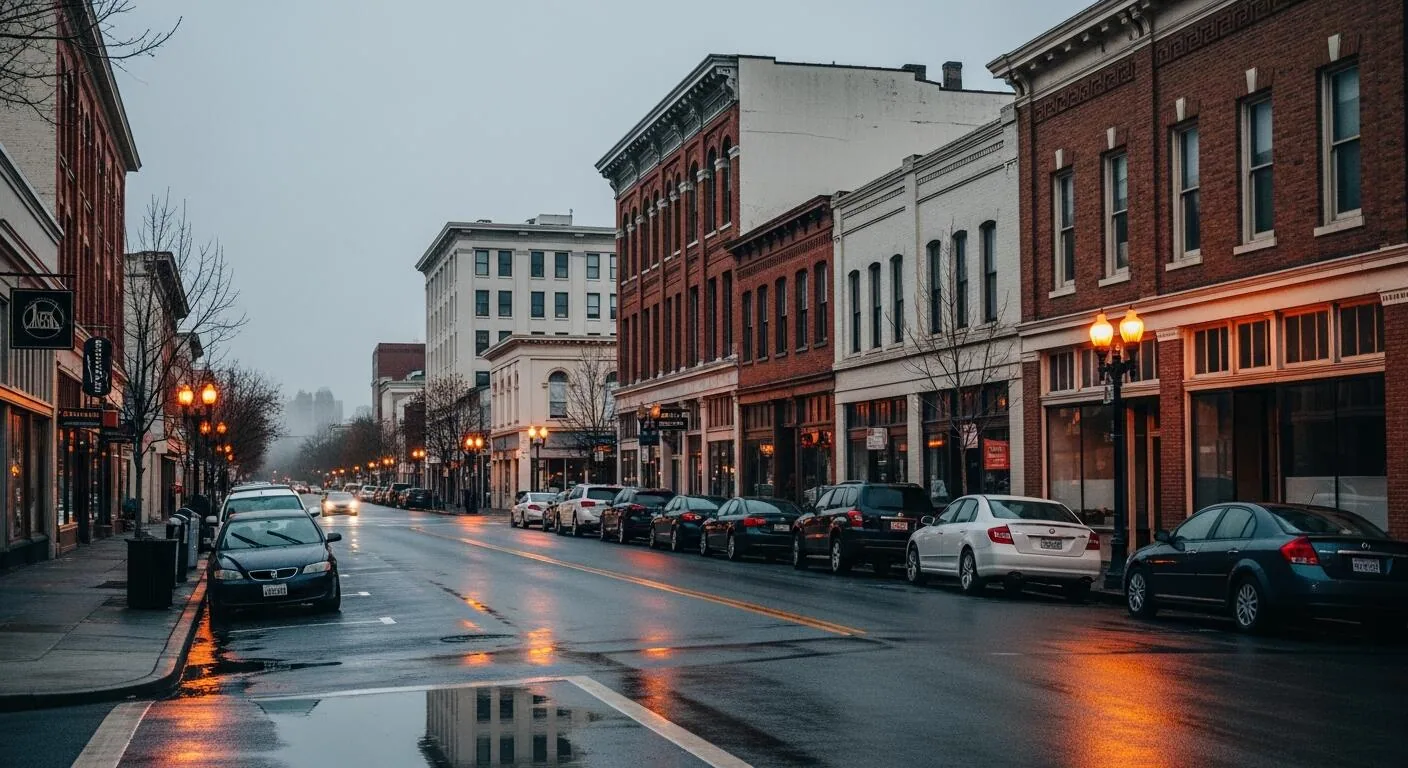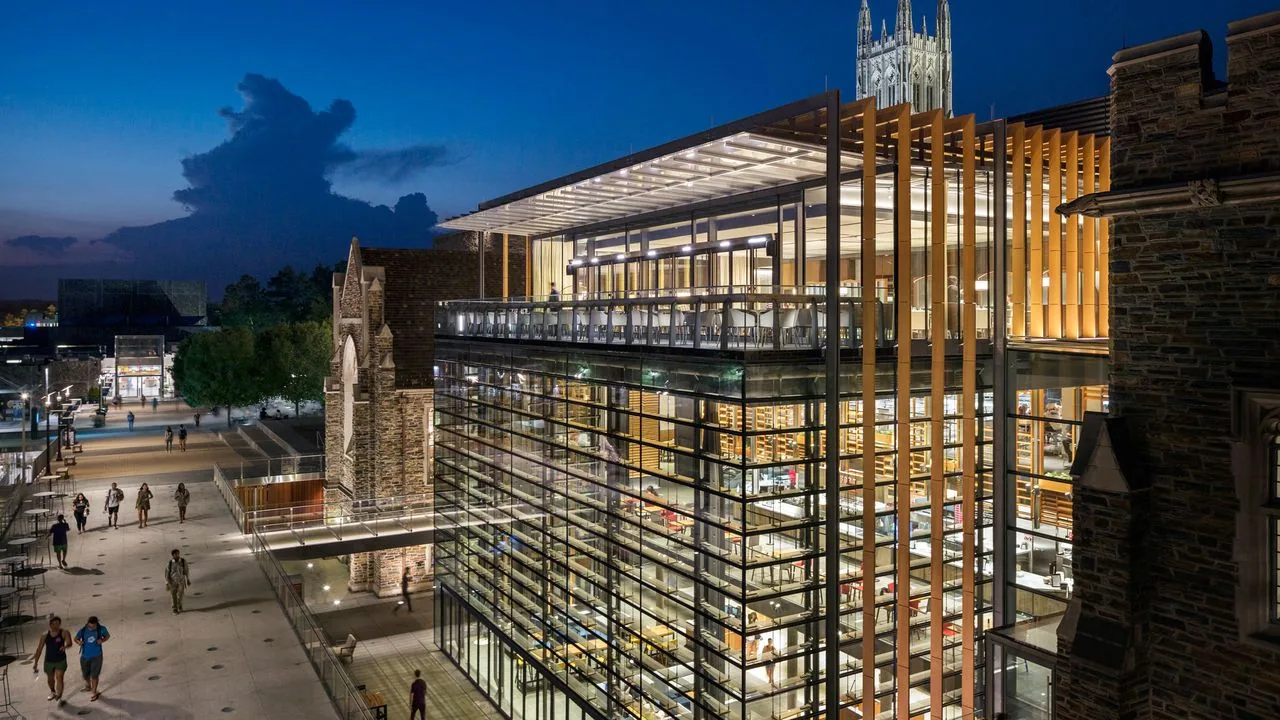
Commercial Roofing for School Districts in Vallejo, CA
Roof inspection, repair, and capital planning for school districts in Vallejo, coordinated around the academic calendar and occupied campus operations.
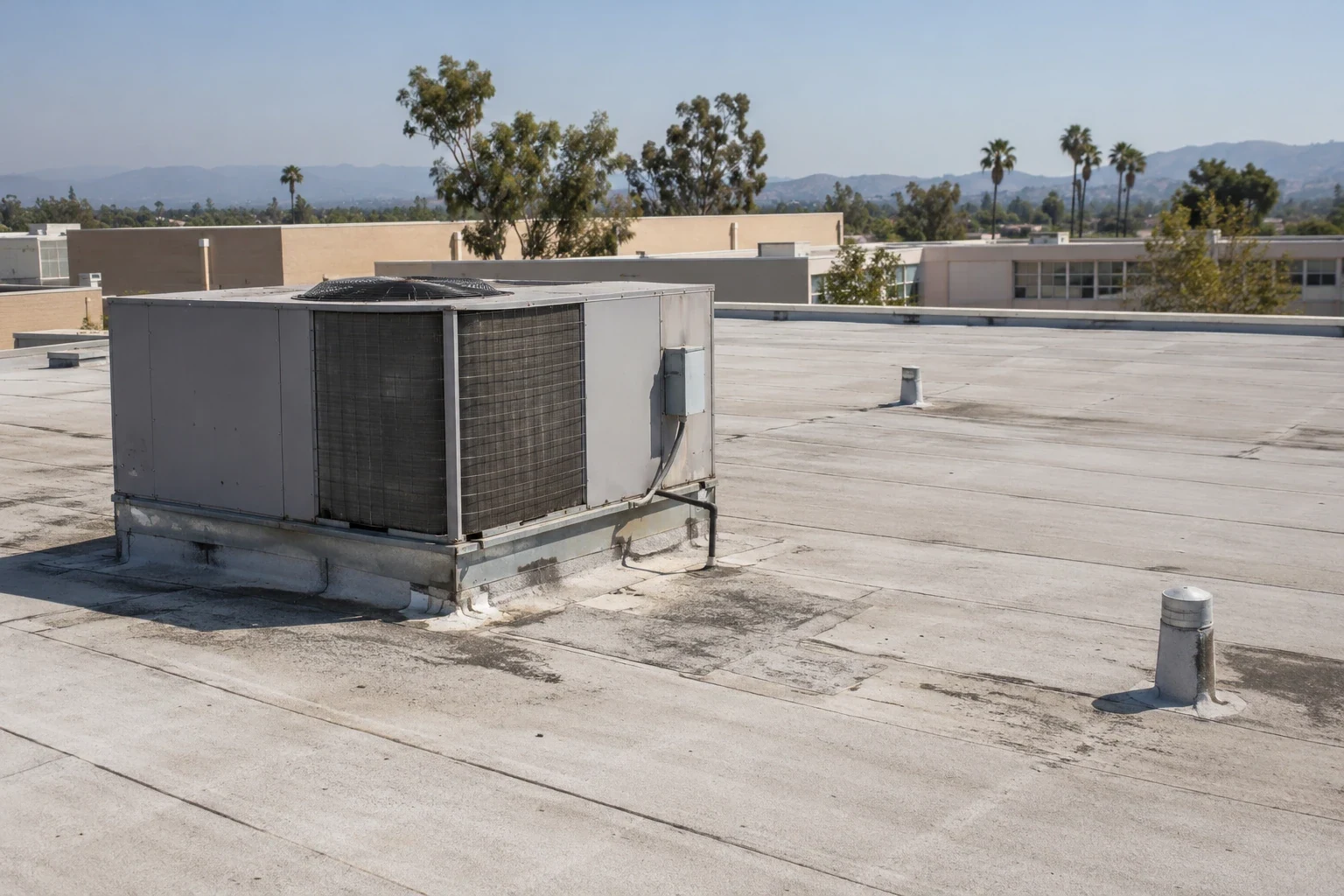
Why Commercial Roofing Vallejo?
Commercial Roofing for School Districts in Vallejo, CA
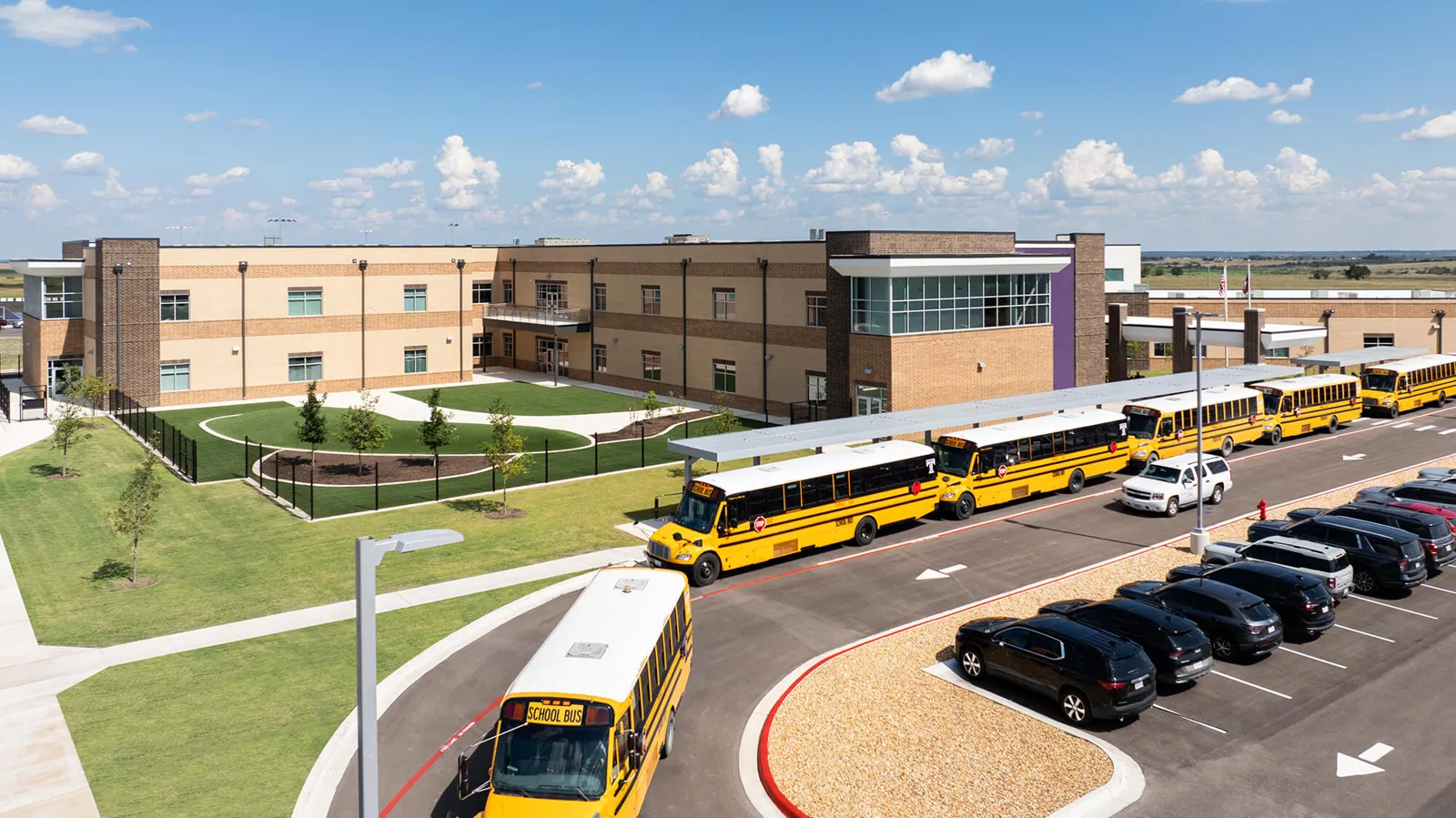
District roof decisions sit beside classrooms, kitchens, gyms, offices, and the calendar that keeps each campus operating. We map each roof assembly and zone, then connect visible defects with the rooms and schedules below. Springs Road and Tennessee Street connect Vallejo districts, while Mare Island has a separate institutional setting that includes Touro University California. That city context does not substitute for a campus-by-campus roof survey. Keep each school record tied to its assembly, schedule, and rooms below. A school roof review can document assemblies and drainage by building. health-system facilities also need occupied-building phasing, while public agencies may coordinate procurement and access through separate approval paths. The district's actual calendar and site rules set the work window.
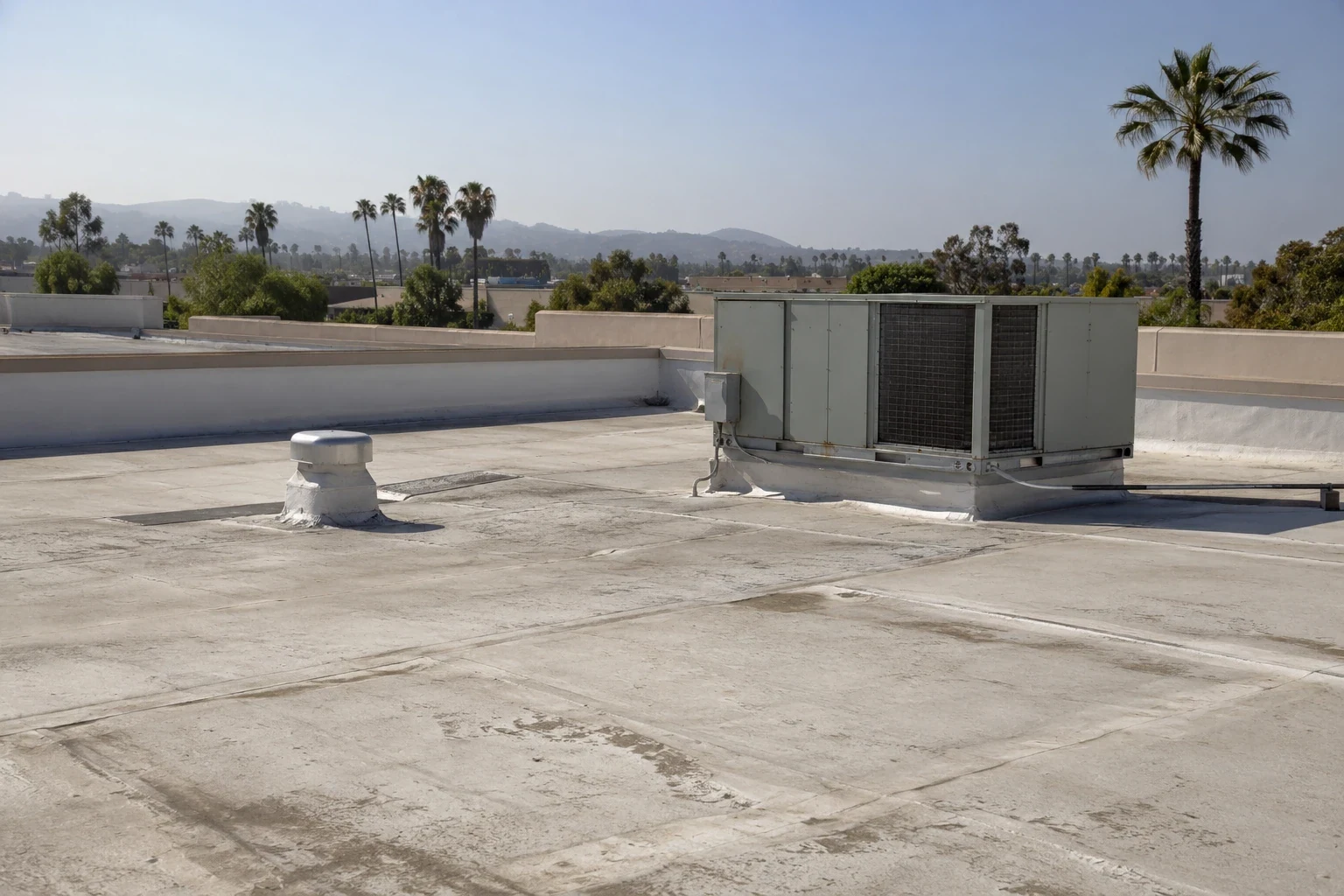
Separate Campuses, Buildings, and Roof Assemblies
A district portfolio may include older classroom wings, newer additions, gyms, cafeterias, administrative offices, and maintenance buildings. We review available plans, repair history, drains, penetrations, edges, and equipment before assigning a replacement year or repair priority. Different buildings can have different membrane or metal assemblies and different consequences below. A roof walk should record the condition by zone, label the room or function beneath it where relevant, and identify areas that could not be accessed. Touro University California is based on Mare Island, a separate setting from the school district campuses covered here. A university roof record cannot stand in for a district facility; keep each school inspection tied to its own building, assembly, and maintenance history. Keeping those records separate prevents a district-wide funding spreadsheet from making the condition of one school stand in for the rest of the portfolio.
Plan the Work Around Students and Staff
The district confirms school hours, testing periods, summer and break windows, arrival routes, after-school use, and any spaces that remain active when classes pause. We use that schedule to phase roof zones, plan deliveries and lifts, protect entrances, and coordinate noise or temporary closures. A summer window may create more access, but lead time and the roof's current condition determine whether it is sufficient. If a leak needs attention before a break, the report can identify a focused repair and the protection needed below. A phased occupied-building plan can help the facilities team coordinate work one building or area at a time. The approved sequence remains specific to each campus and may need revision when school operations change.
Connect Interior Reports to Roof-Level Findings
A classroom stain or gym leak is a reason to inspect the roof above, not a diagnosis of the entry point. We trace nearby seams, penetrations, drains, curbs, and edge details, compare them with prior repair notes, and photograph what we can confirm. If moisture may extend under the surface, targeted testing can help define whether the repair stays local or reaches another zone. Vallejo summer climate averages put monthly highs near 85 to 87°F, and each of July and August averages no rainfall. That seasonal baseline can help facilities staff choose a review window; it cannot predict a leak on a particular school roof. The report separates observed defects from suspected conditions and lists any area still needing access. A Springs Road corridor context helps orient district work in Vallejo, while the building survey provides the roof evidence.
Set Repair Priorities Before a Bid Package
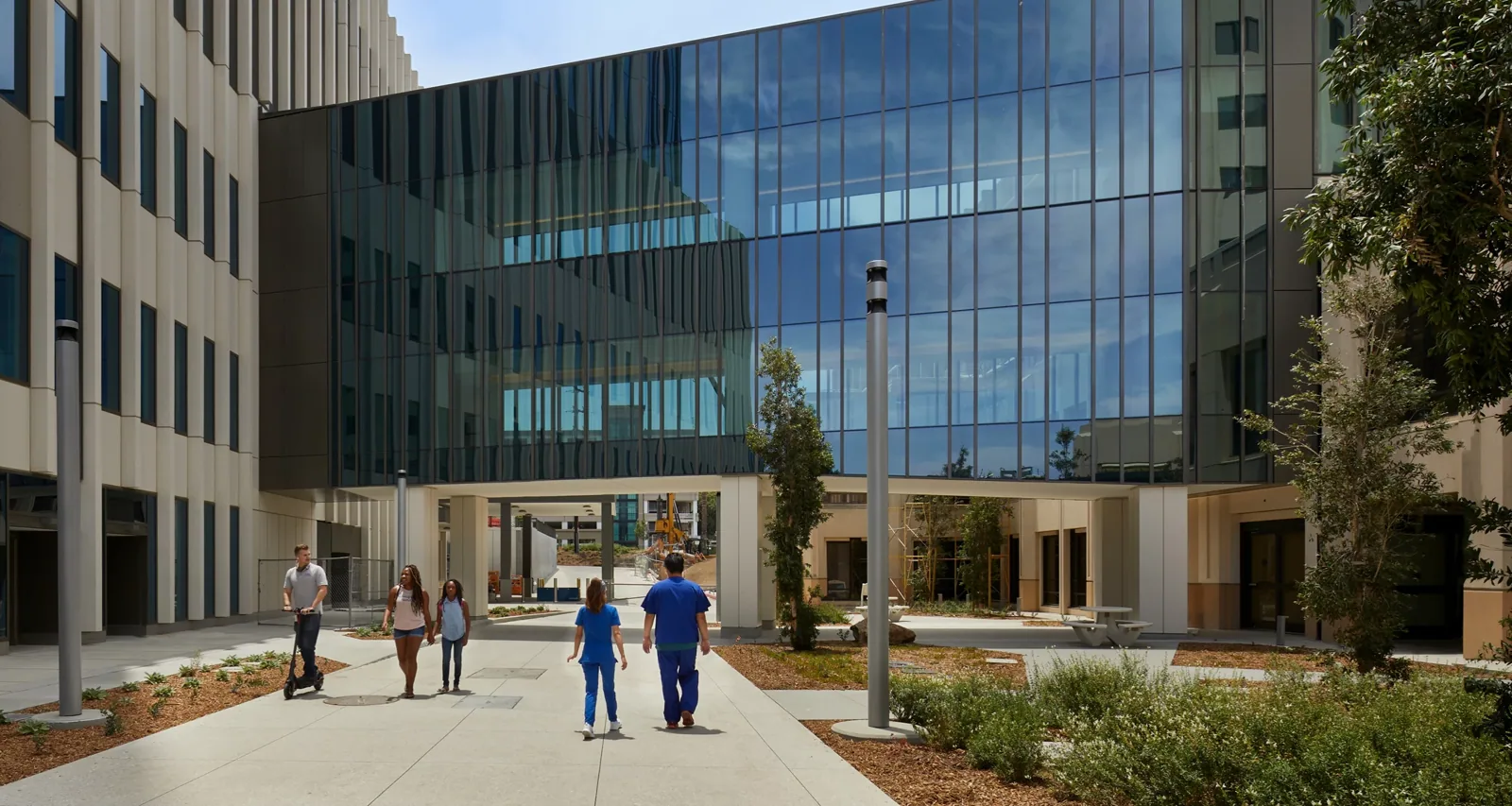
A localized seam, flashing, or drain issue may support a focused repair when the surrounding materials are serviceable and the water path is understood. If several roof zones show recurring leaks or testing identifies moisture beyond a local repair, compare a broader renewal with phased repairs. The report should state which findings support each option. We separate maintenance, testing, repair, coating or recovery analysis, and replacement so the district can compare work by campus. The scope records removal depth, insulation, drains, curbs, temporary protection, and any testing still needed. A higher-education roof plan can address another academic setting, but the school district's own assemblies and access limits govern this work. Bid documents should identify exclusions and assumptions, giving procurement a comparable baseline and facilities a list of conditions to verify before an award.
Match Capital Requests to the Academic Cycle
Capital planning should distinguish urgent water-entry work from maintenance, testing, and replacement candidates. Each line item ties the observation to a building, roof zone, interior impact, access requirement, and proposed time window. We note material lead time, weather, approvals, and whether a break or summer closure can accommodate the work. A roof capital schedule can carry those priorities across several schools without treating them as one campus. The district can compare a repair that protects an active classroom now with a larger scope planned for a later shutdown. If a roof area needs testing before a bid, that need is called out rather than rolled into an unsupported quantity. The resulting request can show both the immediate need and the longer renewal path. Bid packaging can group similar systems for procurement while preserving separate drawings, quantities, and phasing by building. That makes alternates easier to compare and allows the district to defer a campus with incomplete access or testing without obscuring the status of schools ready for construction. We include assumptions on temporary protection and interior coordination, which can materially affect schedule and owner staffing even when roof area appears comparable.
Leave Facilities Staff a Building-Level Record
After work, the district receives photographs by roof zone, completed repair details, materials, drain and edge observations, and any inspection or testing notes. We record areas not accessed, work excluded, and follow-up checks so staff can plan the next walk. The file can be updated after equipment changes, new leaks, or additional repairs. Tennessee Street and Springs Road connect Vallejo districts, but a school roof record still needs its own assembly, access limits, and rooms below. That distinction helps the next facilities manager compare current conditions with the completed scope and prepare a reliable capital request. A handoff that follows the building, rather than a generic district label, is easier to use during a later project and audit of maintenance decisions.
Commercial Roofing Questions
When should a school district schedule a roof replacement?
We compare roof condition with the academic calendar, procurement steps, lead time, access, and the spaces below each zone. Summer or break periods may offer a wider work window, but a leak or assembly issue may need earlier attention. The report identifies the sequence and any repair that should not wait for a planned closure. It also separates work that can proceed during occupied periods from tasks requiring a quieter or closed campus window.
How should a district prioritize roof repairs across campuses?
Rank by observed water entry, extent of moisture, repair limits, interior use, safety, and access. We list each finding by building and zone, separate confirmed work from needed testing, and identify immediate protection. That lets district staff compare priorities without assuming one school's condition applies to another.
Can reroofing continue while classrooms remain occupied?
Phasing may be possible when work areas, access, noise, deliveries, and temporary protection are coordinated with the school. The district identifies active rooms and routes, then approves the sequence. We record any unavailable roof areas and keep the work boundary clear so facilities staff know what has and has not been inspected.
What should a district request in a roofing bid package?
Include a roof-zone map, condition photos, assembly information, repair history, scope inclusions, exclusions, testing needs, access rules, phasing, and material assumptions. We can document those details before pricing so bidders work from a comparable basis. Any area not inspected or any assumption that could change quantity should be clearly identified. The district can then review alternates against the same building conditions and construction window. Clear site-level records let staff reconcile quantities, campus access, and work windows before award.
Review the District Roof Inventory
Arrange a roof review with campus plans, repair history, school schedules, access rules, and capital timing so each building can be evaluated on its own condition.
Request a Roof Assessment
Questions About Commercial Roofing for School Districts in Vallejo, CA
Common questions from building owners and property managers.
When should a school district schedule a roof replacement?
We compare roof condition with the academic calendar, procurement steps, lead time, access, and the spaces below each zone. Summer or break periods may offer a wider work window, but a leak or assembly issue may need earlier attention. The report identifies the sequence and any repair that should not wait for a planned closure. It also separates work that can proceed during occupied periods from tasks requiring a quieter or closed campus window.
How should a district prioritize roof repairs across campuses?
Rank by observed water entry, extent of moisture, repair limits, interior use, safety, and access. We list each finding by building and zone, separate confirmed work from needed testing, and identify immediate protection. That lets district staff compare priorities without assuming one school's condition applies to another.
Can reroofing continue while classrooms remain occupied?
Phasing may be possible when work areas, access, noise, deliveries, and temporary protection are coordinated with the school. The district identifies active rooms and routes, then approves the sequence. We record any unavailable roof areas and keep the work boundary clear so facilities staff know what has and has not been inspected.
What should a district request in a roofing bid package?
Include a roof-zone map, condition photos, assembly information, repair history, scope inclusions, exclusions, testing needs, access rules, phasing, and material assumptions. We can document those details before pricing so bidders work from a comparable basis. Any area not inspected or any assumption that could change quantity should be clearly identified. The district can then review alternates against the same building conditions and construction window. Clear site-level records let staff reconcile quantities, campus access, and work windows before award.