Commercial Roofing for Public Agencies in Vallejo, CA
Roof inspections, repairs, and capital scopes for Vallejo public agencies, with building records, access needs, and operating schedules carried into the plan.
Why Commercial Roofing Vallejo?
Commercial Roofing for Public Agencies in Vallejo, CA
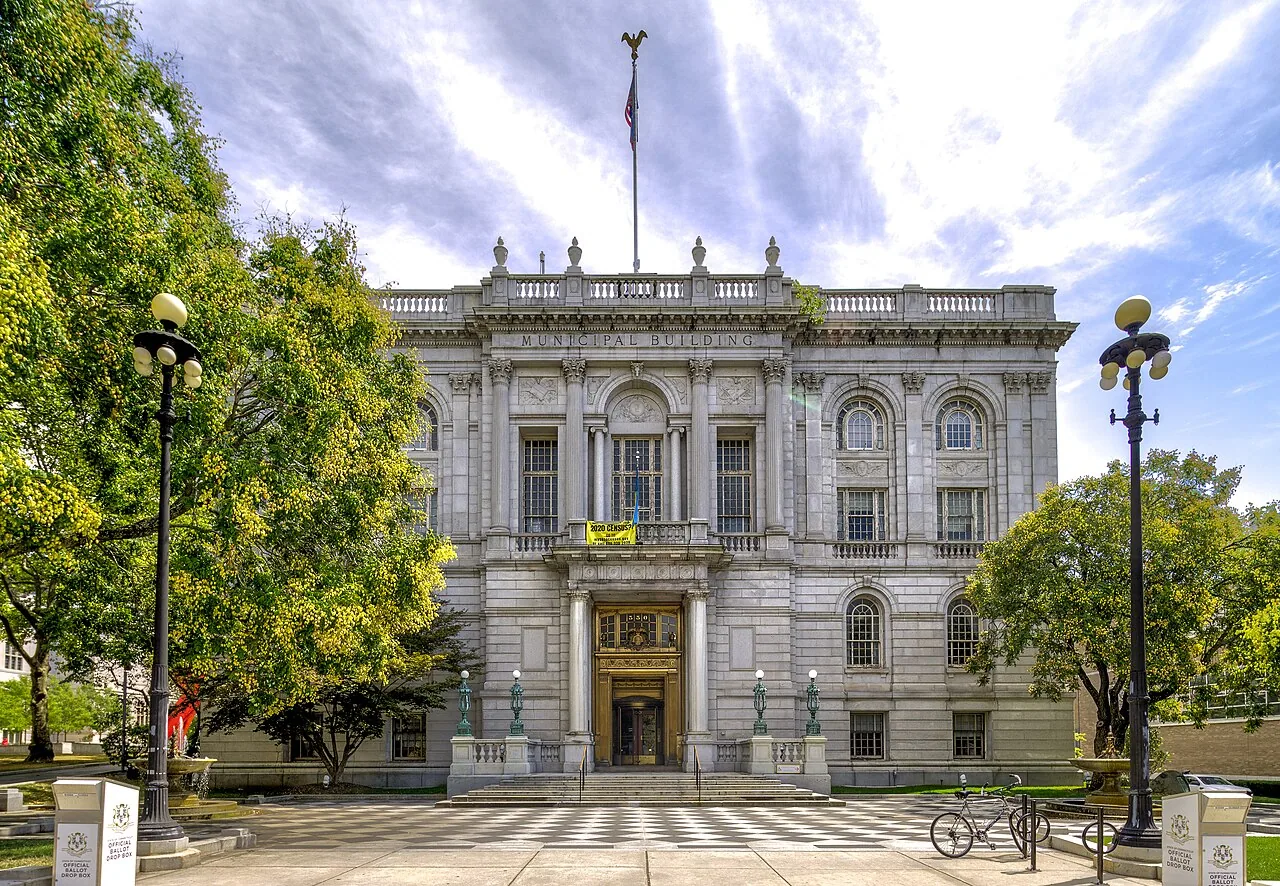
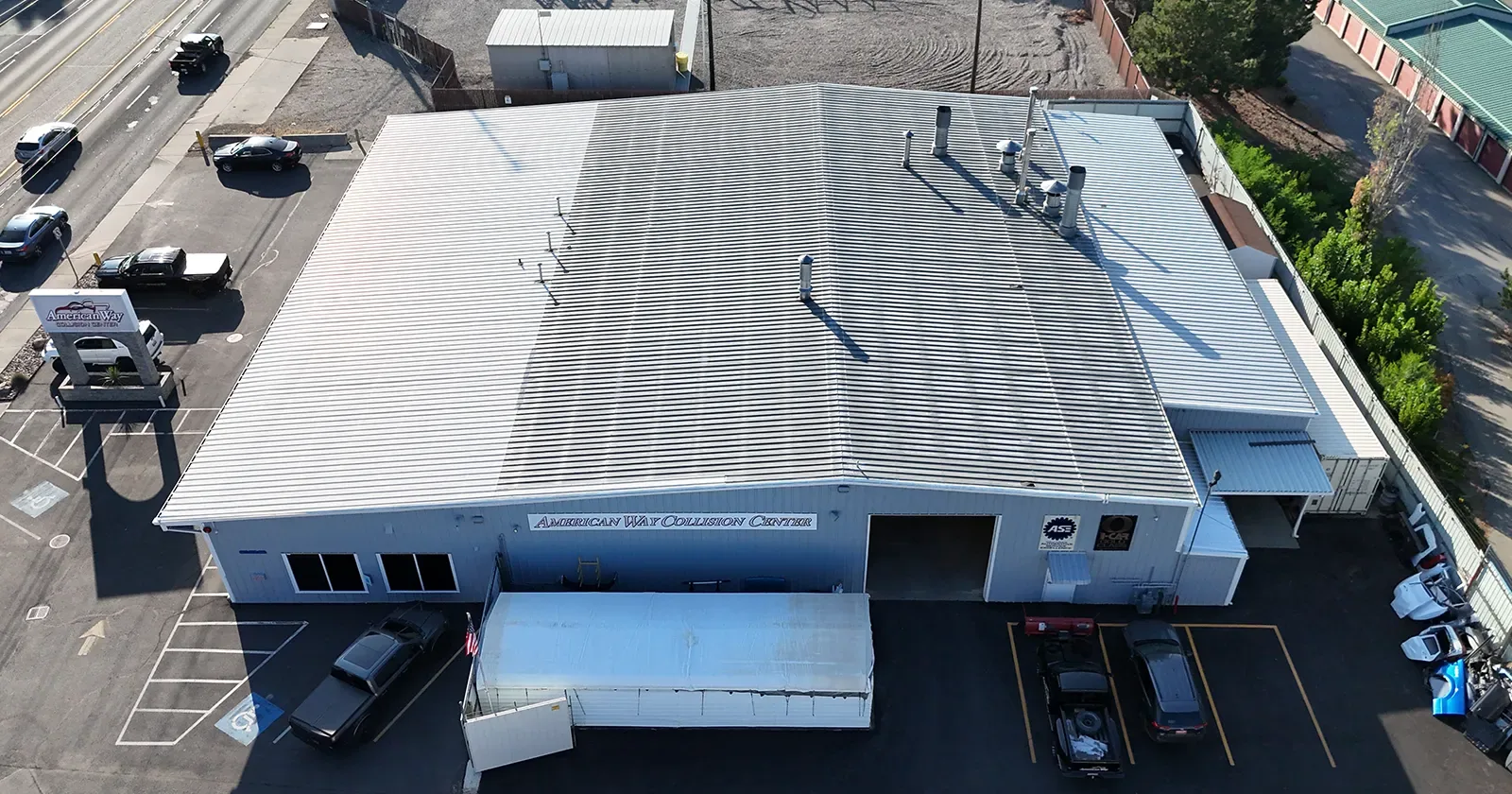
A public building can carry a roof decision across facilities, finance, procurement, and the people who use the space each day. We begin with the asset list, available plans, repair history, and the approval path for the property. In Vallejo, CA, Mare Island includes office, retail, and industrial spaces, while the Curtola Employment Center is a separate employment cluster just south of downtown. Those settings affect how access and operating needs are discussed, but not the condition of a particular roof. We map each assembly and roof zone, photograph visible findings, and separate urgent water-entry work from testing, maintenance, and renewal. A government-building roof review can give facilities staff a building-level record, while school district planning adds the academic calendar when that is the operating constraint.
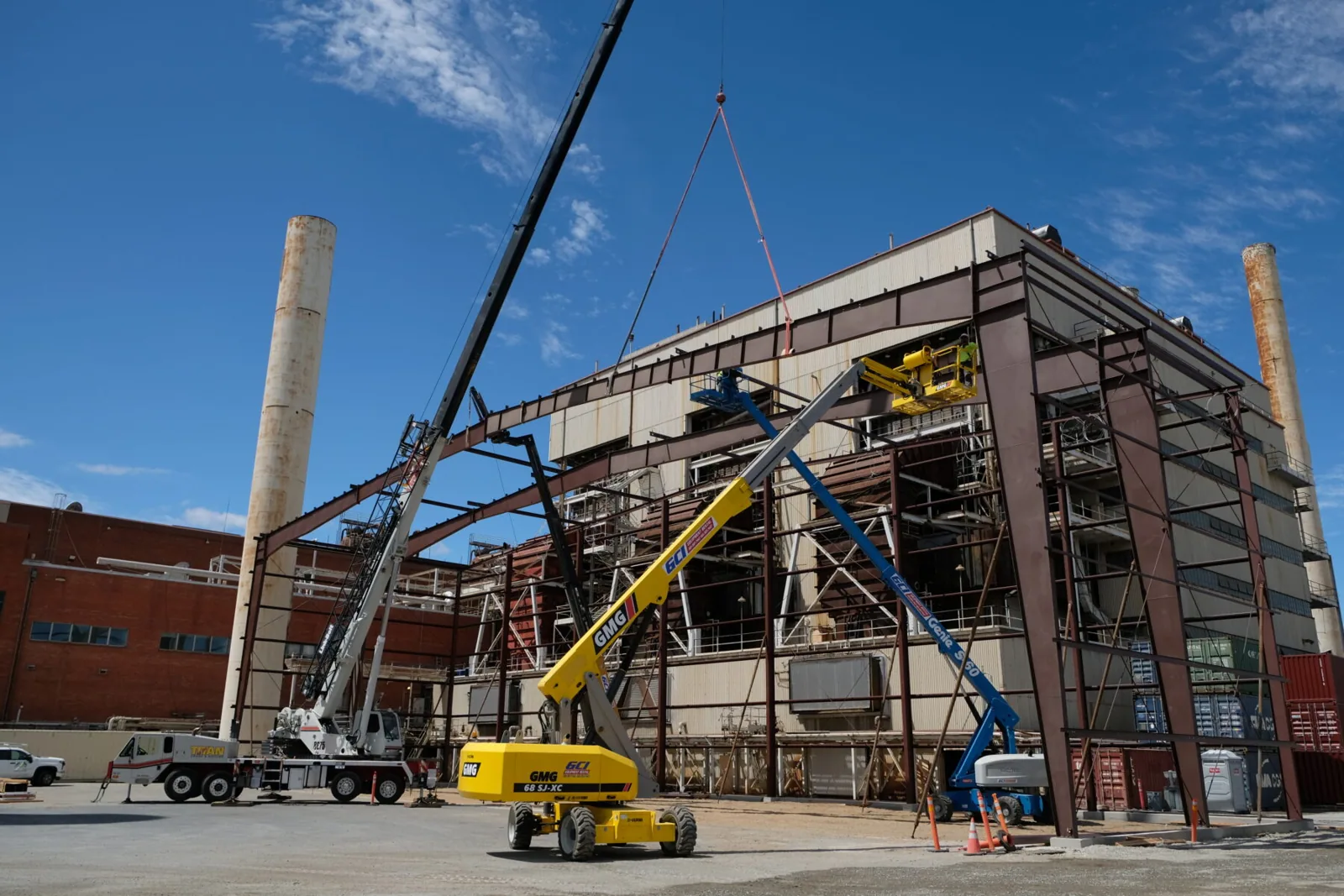
Keep the Asset Record at Building Level
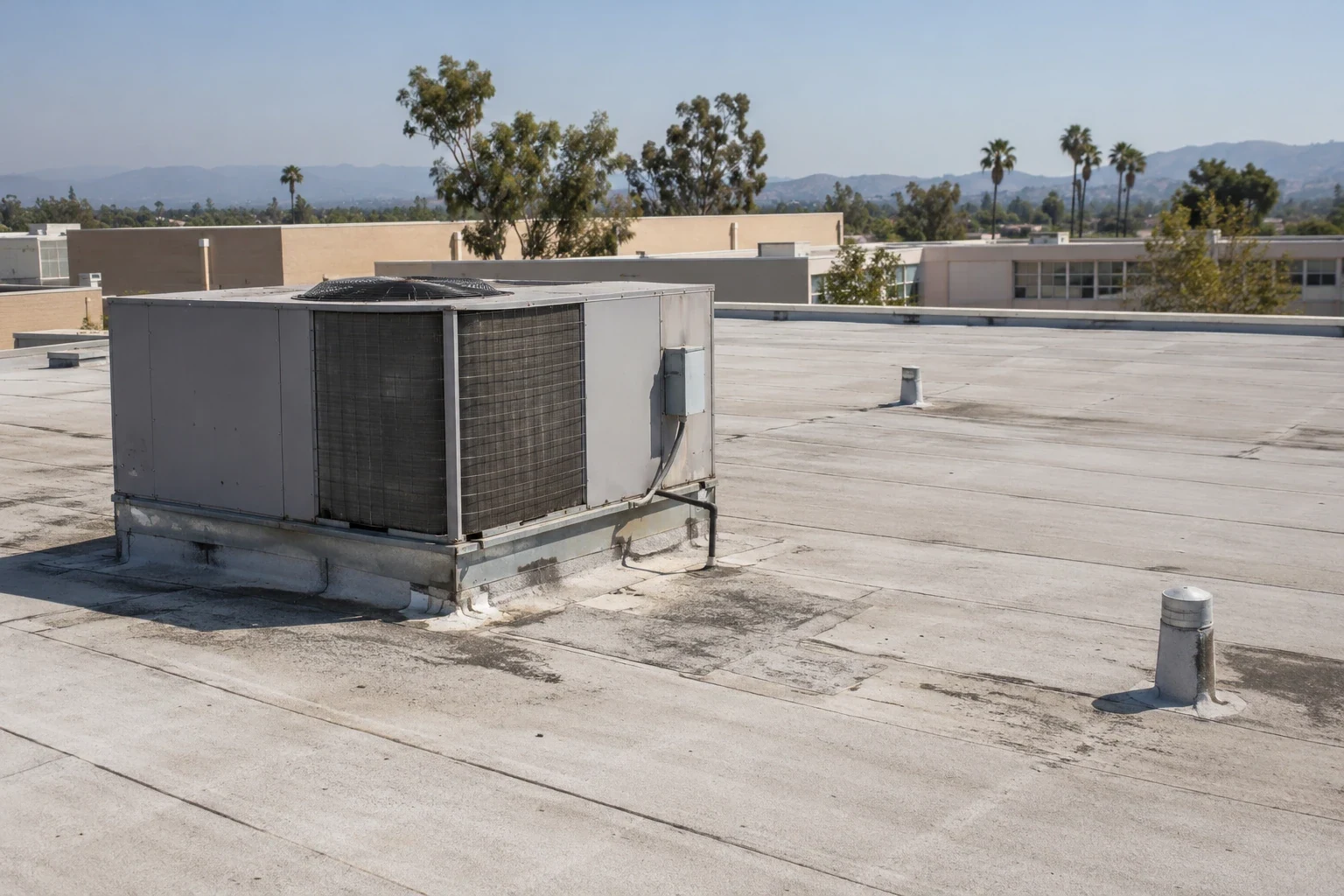
A public portfolio may include offices, service buildings, maintenance space, libraries, and other occupied properties. Each building keeps its own roof-type and replacement-year record. Plans, prior work orders, leak locations, equipment changes, and access rules help establish what is known before the site walk. At roof level, we record membrane or metal assembly where it can be identified, then map seams, drains, curbs, penetrations, edges, and transitions by zone. The file records observed conditions, inaccessible areas, and questions needing tests. That separation helps a facilities lead explain why two buildings with similar dates may need different scopes.
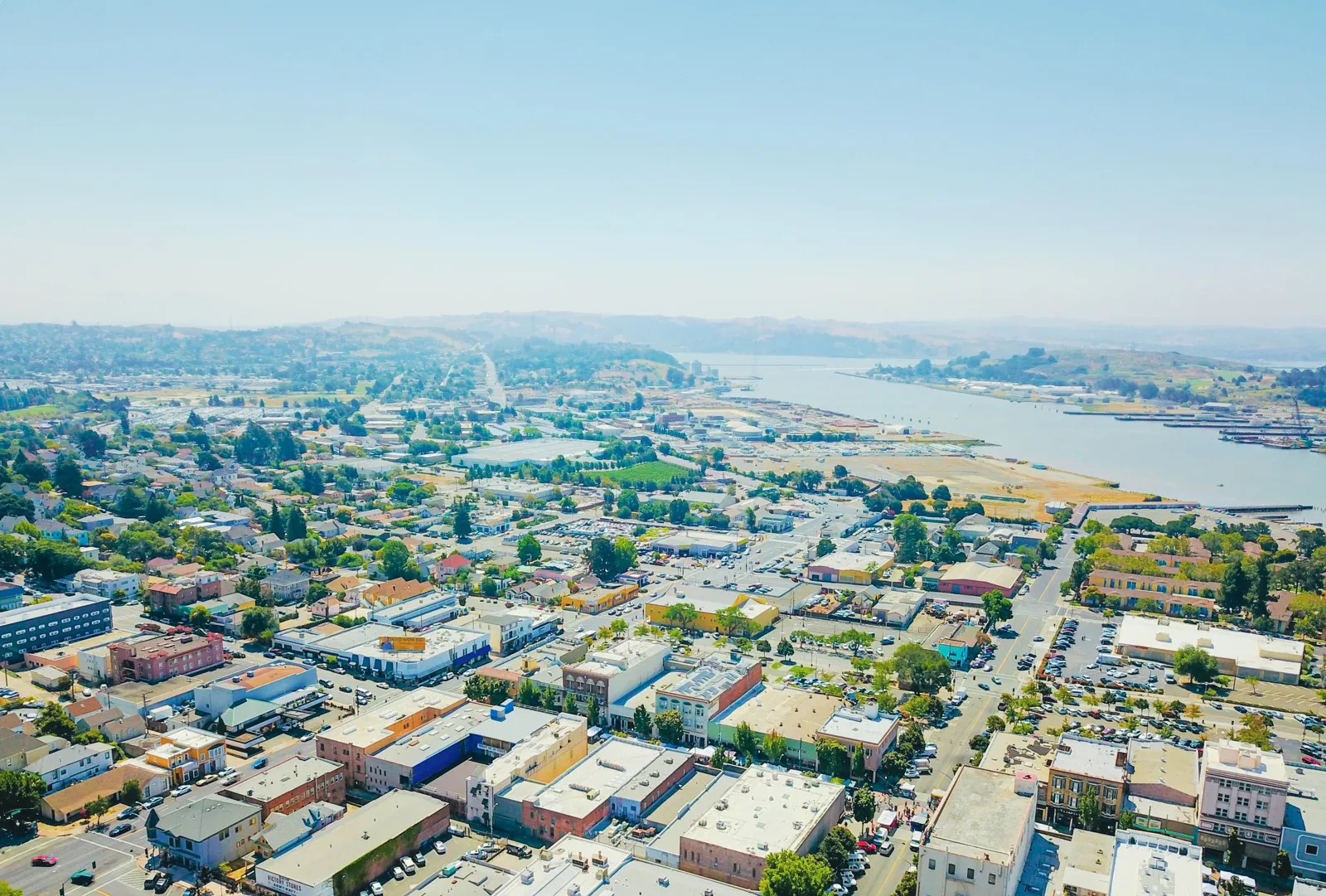
Springs Road, Tennessee Street, and Sonoma Boulevard connect Vallejo districts. A portfolio may span several Vallejo districts, but each assessment should remain attached to its own building, use, roof section, and access approval. For an asset near Downtown Vallejo, we confirm the owner's address and access information before planning a roof visit.
Carry Scope Assumptions Into Procurement
A bid package is easier to compare when the condition, work boundary, and exclusions are visible before pricing. We document the roof zones inspected, photographs, known repairs, suspected moisture, and any test openings or access still required. The scope distinguishes repair from recovery or replacement analysis. It states what is included at drains, curbs, edge metal, penetrations, and insulation, and identifies assumptions that could change quantity or sequence. Facilities can review the technical record while procurement checks the required approvals, schedule, and purchasing route. A photo-based condition report keeps findings tied to the work being authorized rather than to a general portfolio label.
The next step depends on the approval path, not only on the roof. We separate immediate protection from later construction, list decisions needed before release, and note tests that could clarify a bid. If an agency needs several alternates, we define their limits against the same observations. This gives reviewers a common basis without presenting an untested area as confirmed damage or promising a particular outcome.
Plan Access Around Public Use
Occupied facilities need a work plan that accounts for entrances, public hours, deliveries, restricted rooms, and services that cannot pause without coordination. The site contact identifies access, sensitive areas below, and equipment that must stay available. We phase the work by roof zone, arrange lifts and material staging, and state how open areas will be protected at the end of each shift. If a section cannot be reached during normal operations, the scope notes the dependency and a practical window for return. This detail lets agency staff review tenant or department notices before the crew arrives.
The Curtola Employment Center is a worker-serving employment area with services such as banks, cafes, printers, and office suppliers. For a roof project there, confirm the actual building use, loading activity, and operating schedule with its site contact. The site contact confirms which areas remain active during the work window. For a facility that must remain active, an occupied-building sequence can identify protection, noise, and access steps before work is released.
Separate the Leak Report From the Repair Boundary
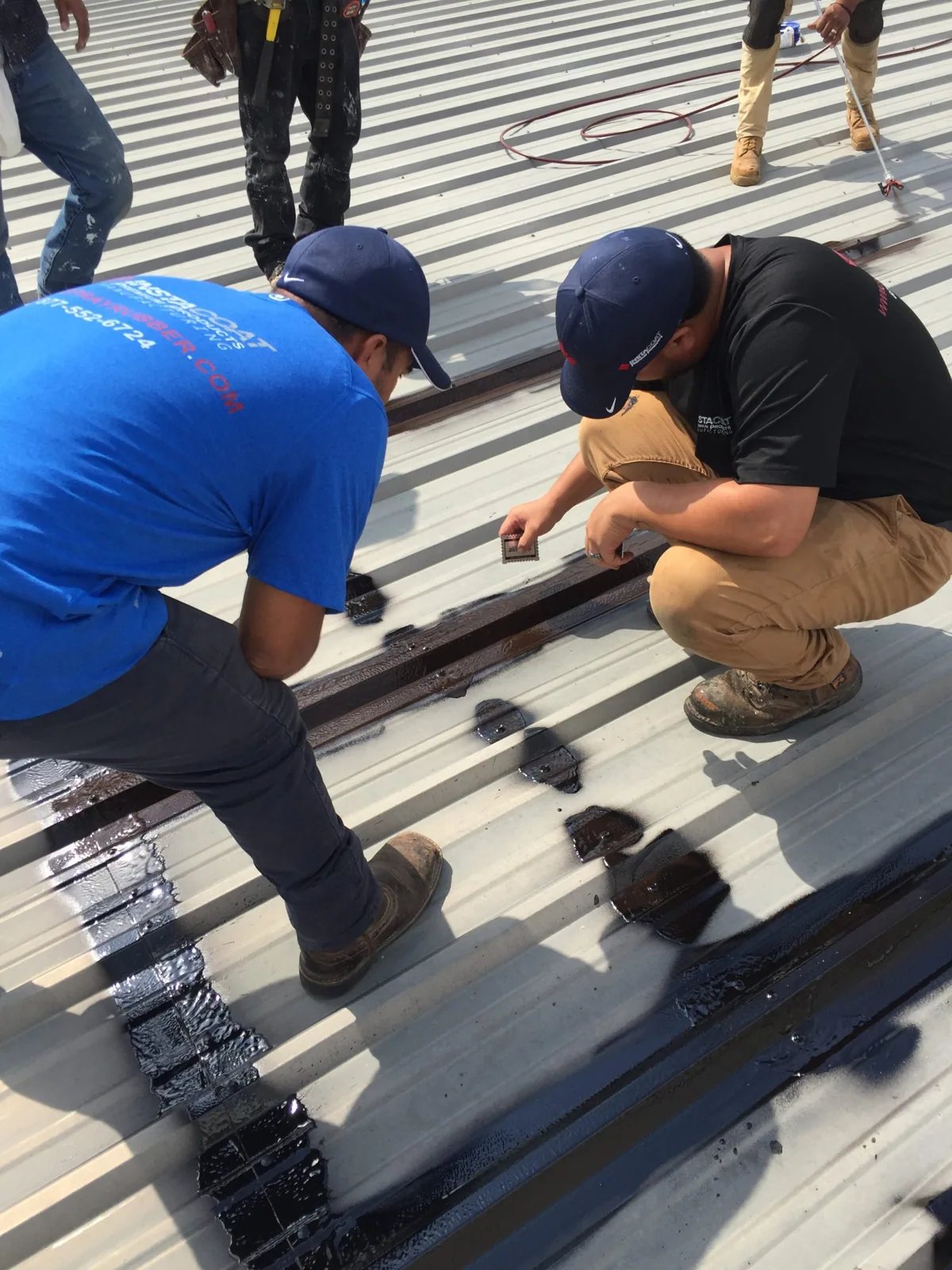
An interior stain identifies where water became visible, not necessarily where it entered the assembly. We compare the report with seams, penetrations, drains, transitions, and nearby repairs, then photograph confirmed conditions. If the insulation or deck may hold moisture, targeted imaging or a test opening can help determine how far the scope should extend. The record distinguishes a visible defect from a suspected cause so the agency does not price an assumption as a completed diagnosis. A commercial roof inspection gives facilities a baseline, while repair work can proceed once the boundary and authorization are clear.
Vallejo averages no rainfall in July and August. Agency staff can use that seasonal baseline to schedule a drainage walk before the wetter period, while checking roof conditions at the property. We record outlet condition, low points, ponding, and debris at the property. If recurring entry or suspected wet insulation could widen the scope, a moisture survey can examine selected zones before the agency chooses repair or renewal.
Choose Work That Matches the Evidence
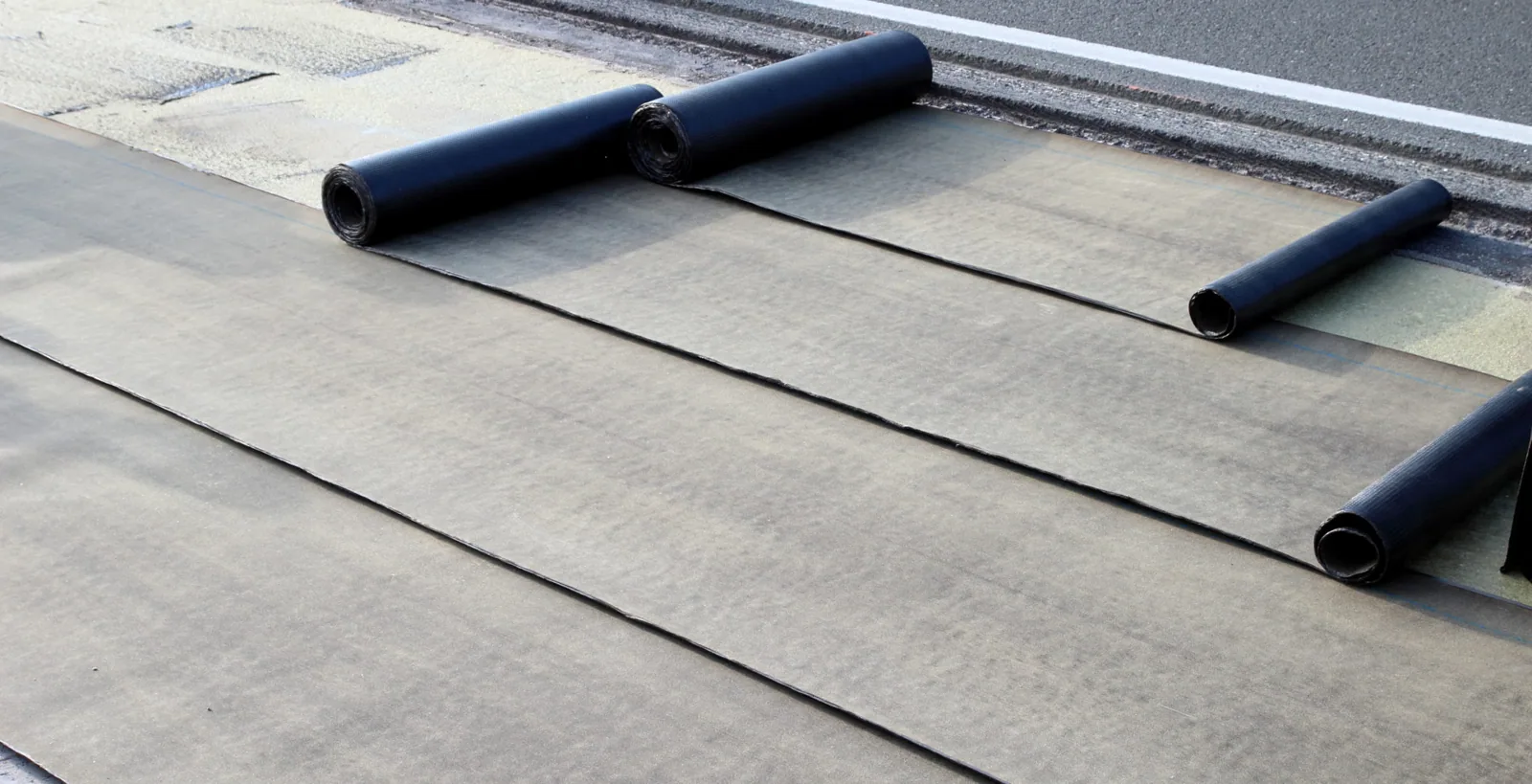
A localized seam, flashing, or puncture repair may fit when nearby materials are serviceable and the entry path can be bounded. A coating or recovery needs checks of moisture, attachment, drainage, and compatibility with the existing assembly. Replacement becomes a more supportable option when failures recur across zones, wet insulation is extensive, or details cannot be restored within a durable repair boundary. We explain removal depth, insulation, drainage details, temporary protection, and work sequencing for each alternative. The agency can compare service life and disruption assumptions against the building's use, rather than receiving a single recommendation without the conditions behind it. healthcare facility planning may involve comparable access coordination, while the roof survey determines each assembly and scope.
Return a File the Next Budget Review Can Use
Our handoff pairs each completed work location with its photographs, records the material and drainage details addressed, and attaches tests that were part of the authorization. We mark inaccessible areas, exclusions, and actions still open. Facilities can file that package beside plans, work orders, and approvals, then compare it with the next site walk. A capital schedule carries immediate repairs and future renewal candidates into budget review while preserving the separate condition record for every building.
Arrange a roof review with plans, repair history, access needs, public-use schedules, and approval timing. We will document conditions and testing needed to define the scope for facilities and procurement. The agency can then decide what to repair, monitor, test, or carry into its capital package.
Commercial Roofing Questions
What should an agency include in a roof repair bid package?
Include roof-zone maps, assembly notes, photographs, repair history, access limits, scope boundaries, testing needs, and operating windows. We can document observed conditions and identify assumptions that may affect quantity or phasing. Procurement can then compare bids against one building record, with exclusions and open questions visible before award.
How can facilities separate urgent leaks from capital renewal?
We classify findings by roof zone, visible condition, interior impact, and evidence needed to confirm a wider problem. A localized opening may call for prompt repair, while recurring failures or broad moisture can justify testing and renewal analysis. The record lists immediate work separately from decisions for a later budget cycle.
Can roof work proceed while a public building stays open?
A phased plan can keep selected areas active when access, noise, deliveries, and protection are coordinated with the site contact. We show the work boundary and staging route so staff can plan service continuity. Some tasks still require a restricted window or temporary closure.
What records help compare proposals for different agency buildings?
Use a consistent format for assembly, condition, photographs, repair limits, testing, exclusions, access, and schedule assumptions. We keep those fields comparable while evaluating each roof separately. The portfolio summary supports priority setting; building-level findings remain available for scope review and closeout.
When should a moisture survey be added to the inspection?
Add targeted testing when interior reports or roof observations raise a question about moisture below the membrane. The walk identifies candidate zones, then imaging or selected openings can test them. We explain how results could change the repair boundary or the choice between recovery and replacement before authorization.
Set the Roof Review Around the Approval Path
Arrange a site walk with plans, repair records, access rules, operating schedules, and the budget window so the findings can support a building-level decision.
Request a Roof Assessment
Questions About Commercial Roofing for Public Agencies in Vallejo, CA
Common questions from building owners and property managers.
What should an agency include in a roof repair bid package?
Include roof-zone maps, assembly notes, photographs, repair history, access limits, scope boundaries, testing needs, and operating windows. We can document observed conditions and identify assumptions that may affect quantity or phasing. Procurement can then compare bids against one building record, with exclusions and open questions visible before award.
How can facilities separate urgent leaks from capital renewal?
We classify findings by roof zone, visible condition, interior impact, and evidence needed to confirm a wider problem. A localized opening may call for prompt repair, while recurring failures or broad moisture can justify testing and renewal analysis. The record lists immediate work separately from decisions for a later budget cycle.
Can roof work proceed while a public building stays open?
A phased plan can keep selected areas active when access, noise, deliveries, and protection are coordinated with the site contact. We show the work boundary and staging route so staff can plan service continuity. Some tasks still require a restricted window or temporary closure.
What records help compare proposals for different agency buildings?
Use a consistent format for assembly, condition, photographs, repair limits, testing, exclusions, access, and schedule assumptions. We keep those fields comparable while evaluating each roof separately. The portfolio summary supports priority setting; building-level findings remain available for scope review and closeout.
When should a moisture survey be added to the inspection?
Add targeted testing when interior reports or roof observations raise a question about moisture below the membrane. The walk identifies candidate zones, then imaging or selected openings can test them. We explain how results could change the repair boundary or the choice between recovery and replacement before authorization.