Commercial Roof Capital Planning in Vallejo, CA
Build a Vallejo roof renewal forecast from located condition evidence, scope assumptions, operating needs and clearly stated budget decision points.
Why Commercial Roofing Vallejo?
Commercial Roof Capital Planning in Vallejo, CA
A roof forecast is useful when it distinguishes a current repair need from a future capital choice. Vallejo owners can organize each building around assembly, observed condition, known work and what remains uncertain. The result is a planning sequence with decision dates and scope questions, rather than a single age-based replacement year presented as certainty.
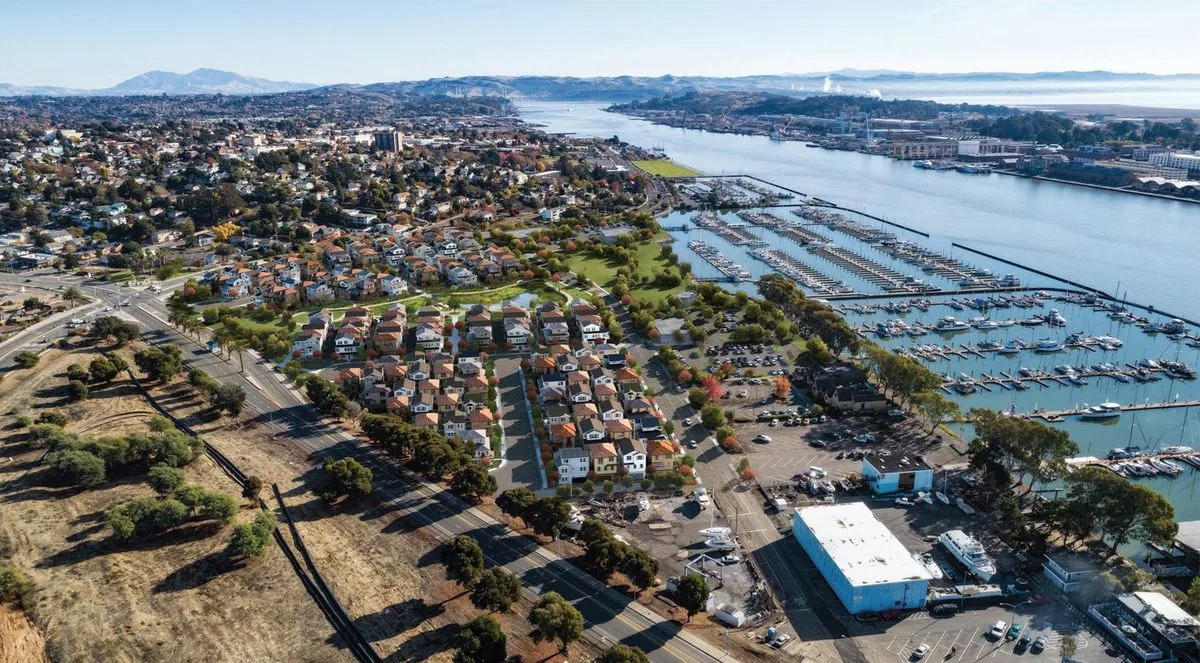
Vallejo's growth priorities include Downtown/Waterfront, Mare Island, Sonoma Boulevard, Solano360, and neighborhood or employment corridors. Mare Island includes office, retail, and industrial spaces, so each property still needs its own roof record and operating plan. Operating role can affect access, tenant notice, and construction sequencing. Connect each proposed allowance to the building and a decision date that can be revisited when field evidence changes.
A forecast should identify what someone must verify before funds are committed: the roof area measured, project access, the construction boundary and any code or operating question. Keeping that checklist beside the budget window gives the owner a clear route from planning figure to reviewed scope.
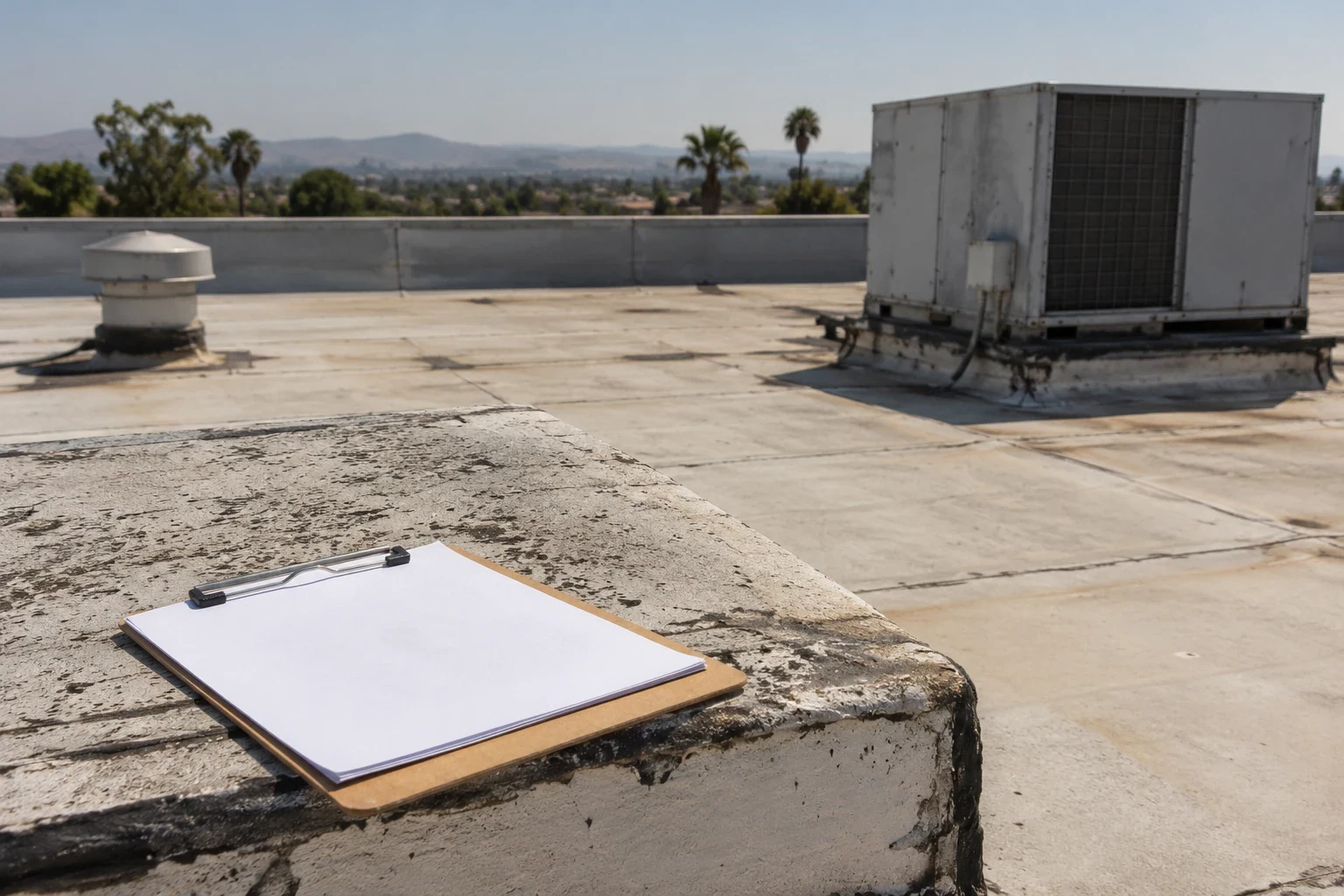
Build the forecast around evidence
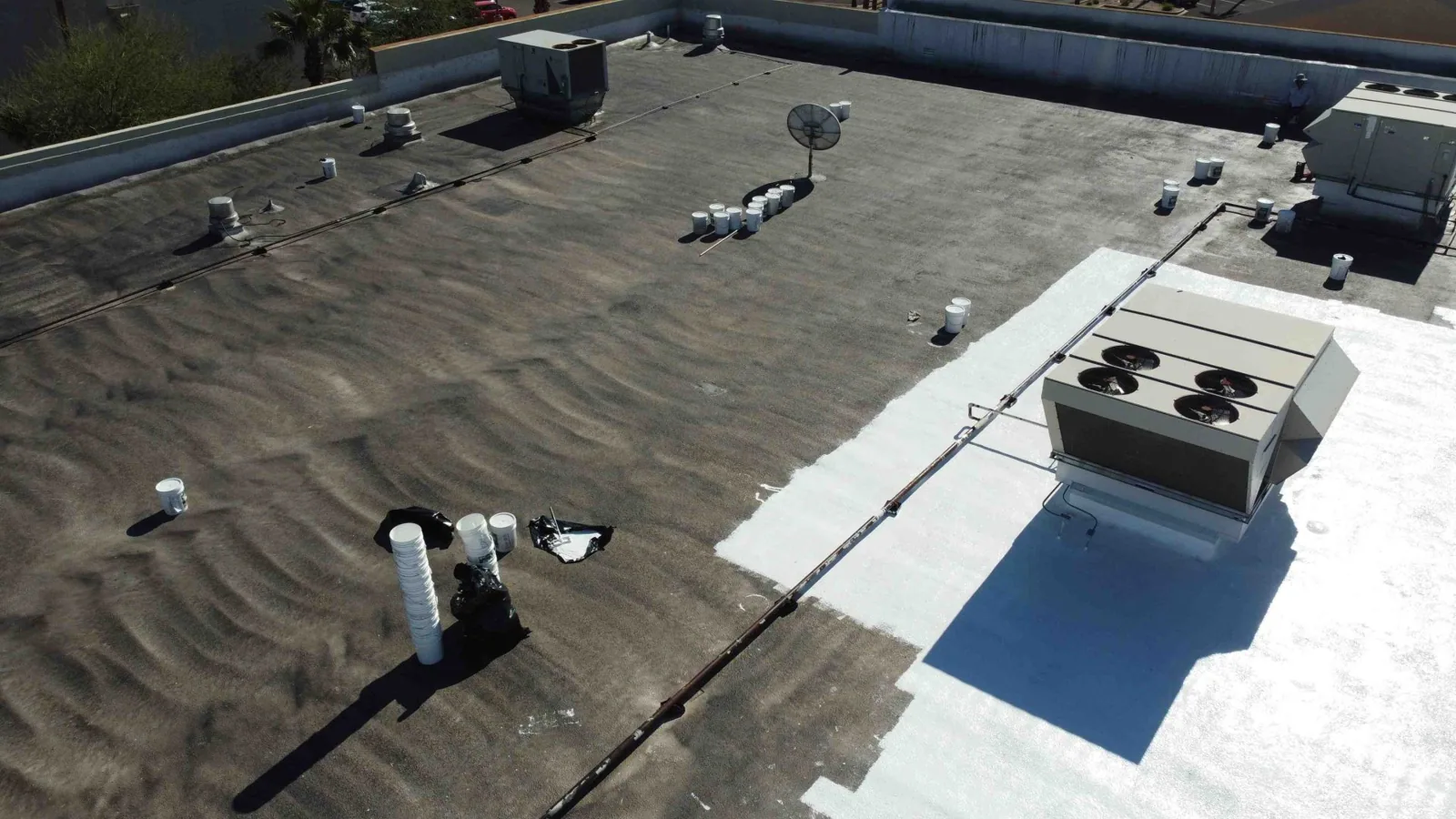
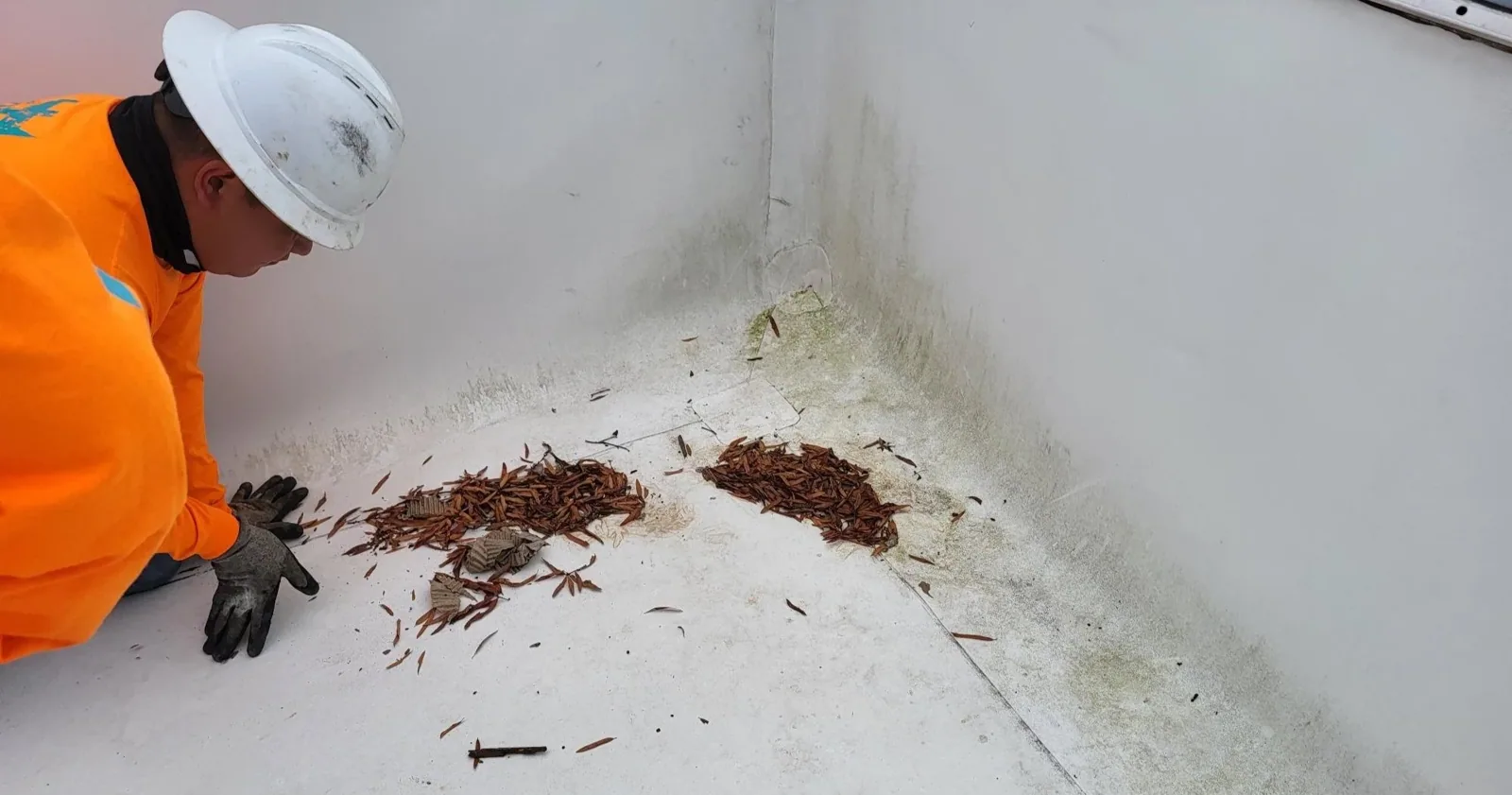
Start with the latest condition record and check whether it covers the roof area under review. Note the date, access limitations, repair history and any open investigation that could change quantities. If the report addresses only a leak zone, avoid extending its observation to every roof section on the property.
Separate documented facts from planning assumptions. A recorded membrane type, completed repair or measured area may be supported; a concealed layer, remaining service life or future cost may not. Show which assumptions drive the forecast so an owner can update them when a site walk or project opening supplies better information.
Connect the building entry to a condition report that explains located observations. When records span several properties, a roof inventory can preserve the same fields while keeping each building distinct.
Model repair and renewal as separate paths
A maintenance allowance addresses a known task or recurring inspection need. A renewal alternative evaluates broader scope, preparation and operating impacts. They can coexist in a forecast, but should not be blended into one number that obscures which work is expected and which remains an option.
For each alternative, describe what is included, what is excluded and what field verification is pending. A recover concept may depend on existing conditions and applicable requirements; it should not be treated as available until the assembly and scope are examined.
Use a replacement scope review to describe roof zones, edge details, penetrations, drainage and access. If the repair path is viable, tie it to maintenance tasks and an owner-approved review point rather than implying that deferral has no consequence.
Schedule by decision gates
Set a decision window for confirming the roof assembly, examining uncertain areas, preparing a scope and aligning work with building operations. Each gate should have an owner, the record needed to proceed and the consequence if a question remains unresolved.
Vallejo has announced a transition to the 2025 California standards for specified permits and plan-check filings received from January 1, 2026. Earlier submissions generally follow the 2022 edition, with stated case-specific qualifications. Keep the property submission history in the planning file and ask the responsible building professional to confirm which provisions govern the proposed scope. Forecast documents should flag permitting assumptions for review rather than assign a code outcome without project facts.
Record the applicable plan-check milestone and responsible reviewer when a project is being developed. This keeps a code question from becoming an unspoken contingency in a capital number, especially when the permit path or scope has not yet been established.
Compare alternatives on common assumptions
When comparing repair, restoration and replacement, use the same roof boundary and operating assumptions where possible. Identify where options diverge: removal, substrate work, drainage corrections, rooftop equipment coordination, insulation changes or tenant phasing. A comparison is stronger when each difference has a clear basis.
Do not assign false precision to an uncertain quantity. Use ranges or provisional allowances when access, concealed conditions or roof geometry remain unsettled, and explain the event that would convert a planning value into a bid quantity.
The Vallejo building code transition makes submission timing relevant to some project reviews. The 2025 California Building Code is based on the 2024 International Building Code, but that general relationship does not determine the requirements for a particular roof. Keep project-specific confirmation as an explicit gate.
Fit capital timing to building operations
Place the preferred work window beside the building contact, tenant constraints and access plan. A retail roof, industrial loading area and occupied office may share a budget year while needing different work sequences. The forecast should surface those differences before an owner approves a portfolio-wide schedule.
Use roof zone priorities to phase construction where a single project cannot be completed at once. Explain what work must occur together for water management or warranty documentation, and which lower-risk tasks can be sequenced later after the responsible professional reviews the plan.
For Vallejo Waterfront or the Sonoma-Broadway employment area, identify each property operating calendar individually. The district context helps with logistics, while the building-specific contact sets the actual access and notice requirements.
Show uncertainty and budget ownership
Give each open question a named owner, a next action and a date for review. Examples include confirming roof layers, obtaining a prior closeout file, coordinating an equipment survey or clarifying the permit timeline. An uncertainty with a path to resolution is more useful than a hidden contingency.
Separate the person approving capital from the person arranging access and the contractor preparing scope. Their responsibilities can overlap, but a clear handoff prevents a forecast from being mistaken for an approved construction package or a field observation from being mistaken for budget authority.
When planning spans investment properties, retain the assumptions for each asset. Portfolio summaries can roll up approved amounts, but underlying records should still show which roofs were observed, which were estimated, and where a future survey could change the plan.
Reforecast after work and preserve history
After a repair or renewal, update the forecast with the completed scope, roof zones, material information and closeout record. Keep the previous option and its assumptions in the file. That history helps explain whether a later change came from new findings, a revised budget or a completed project.
Review the next capital window when a condition report identifies a changed water path, a maintenance pattern shifts or operations alter roof use. Normal summer highs in Vallejo sit near 85 to 87°F; rainfall averages for July and August are zero. Use that seasonal pattern to set a review window; current roof observations still determine the recommendation.
Invite the owner to share available plans, repair records and budget timing for a current inspection. Add the resulting evidence to the capital record so the next decision reflects the roof that was examined, not only the assumption that began the cycle.
Commercial Roofing Questions
Does roof age determine the replacement year?
Age is one planning input. Condition evidence, assembly, repair history, access and operating requirements also affect the next decision, so the forecast should show those assumptions.
Can a capital forecast be treated as a construction bid?
No. A forecast organizes future decisions. Scope, quantity, access and project requirements need confirmation before a construction price or approved work package is established.
How should a repair allowance be shown?
Tie it to a located finding, task boundary and responsible review date. Keep it separate from a broader renewal option so the budget owner can see what each amount represents.
When should code timing be reviewed?
Confirm the project submission and permit facts with the responsible design or building professional. Vallejo has stated transition rules tied to plan-check timing, with case-by-case qualifications.
What prompts a reforecast?
A completed project, changed roof observation, new access information, revised operating need or resolved scope question can alter the forecast. Preserve the former assumptions when updating it.
Tie Roof Needs to the Capital Window
Share roof plans, condition reports, repair history, access constraints, and the budget cycle. We will separate urgent repairs, tests, and renewal options for the assets under review.
Request a Roof Assessment
Questions About Commercial Roof Capital Planning in Vallejo, CA
Common questions from building owners and property managers.
Does roof age determine the replacement year?
Age is one planning input. Condition evidence, assembly, repair history, access and operating requirements also affect the next decision, so the forecast should show those assumptions.
Can a capital forecast be treated as a construction bid?
No. A forecast organizes future decisions. Scope, quantity, access and project requirements need confirmation before a construction price or approved work package is established.
How should a repair allowance be shown?
Tie it to a located finding, task boundary and responsible review date. Keep it separate from a broader renewal option so the budget owner can see what each amount represents.
When should code timing be reviewed?
Confirm the project submission and permit facts with the responsible design or building professional. Vallejo has stated transition rules tied to plan-check timing, with case-by-case qualifications.
What prompts a reforecast?
A completed project, changed roof observation, new access information, revised operating need or resolved scope question can alter the forecast. Preserve the former assumptions when updating it.