Commercial Roof Condition Reports in Vallejo, CA
Get Vallejo commercial roof condition reporting with located observations, examination limits and practical repair, investigation and planning recommendations.
Why Commercial Roofing Vallejo?
Commercial Roof Condition Reports in Vallejo, CA
A roof condition report should let a facilities manager locate a finding and understand what action follows. The record needs the building reference, inspected roof area, observed condition, access limits and question that remains. We prepare commercial roof reports for Vallejo properties with those boundaries visible, connecting each recommendation to the evidence actually available.
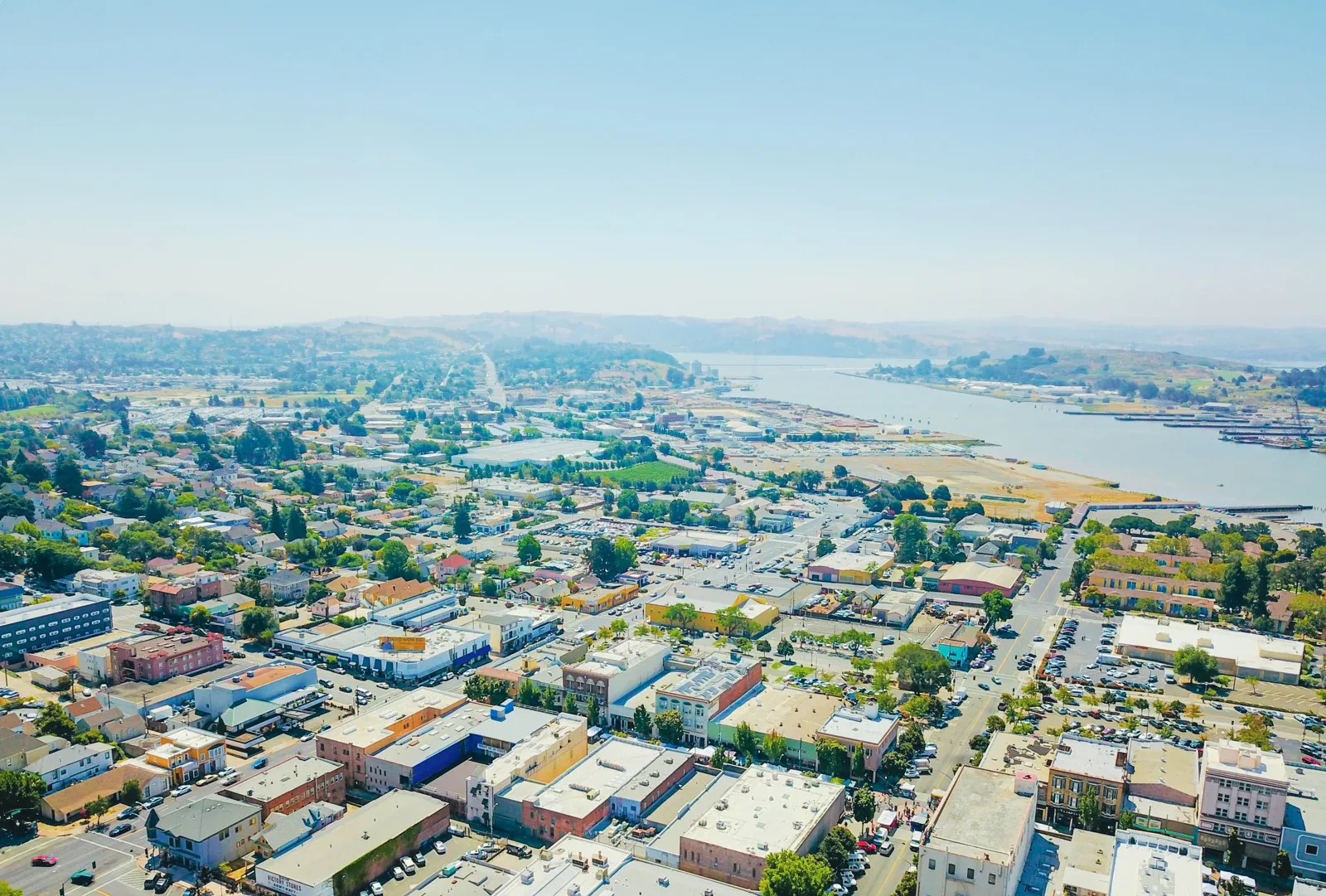
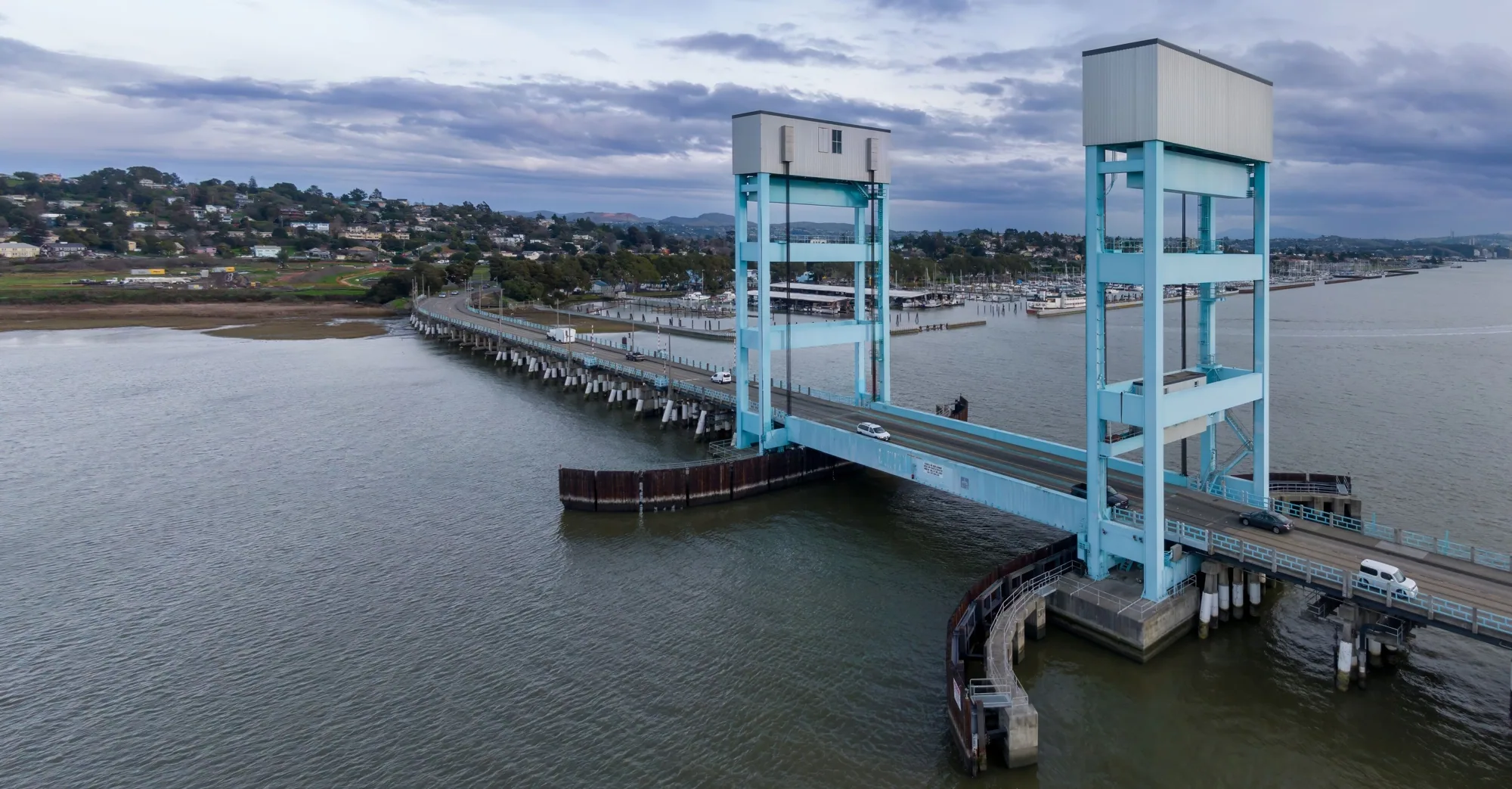
Mare Island includes office, retail, and industrial spaces; city planning materials also identify Downtown/Waterfront and employment corridors. The report can use that context for orientation, but a district name never establishes condition. Roof zones, photographs and building records must carry the finding back to the property where maintenance or capital review can act on it.
When a facilities contact receives the report, the next task should be visible without a second visit merely to interpret a photograph. A concise location description, reference plan and marked open question can turn observations into a maintenance request that another team member can schedule.
A reader may need to arrange access, share a maintenance request or compare this examination with an older report. Write the next step with enough location detail and responsibility that the record can be used by a facilities colleague who did not join the roof walk.
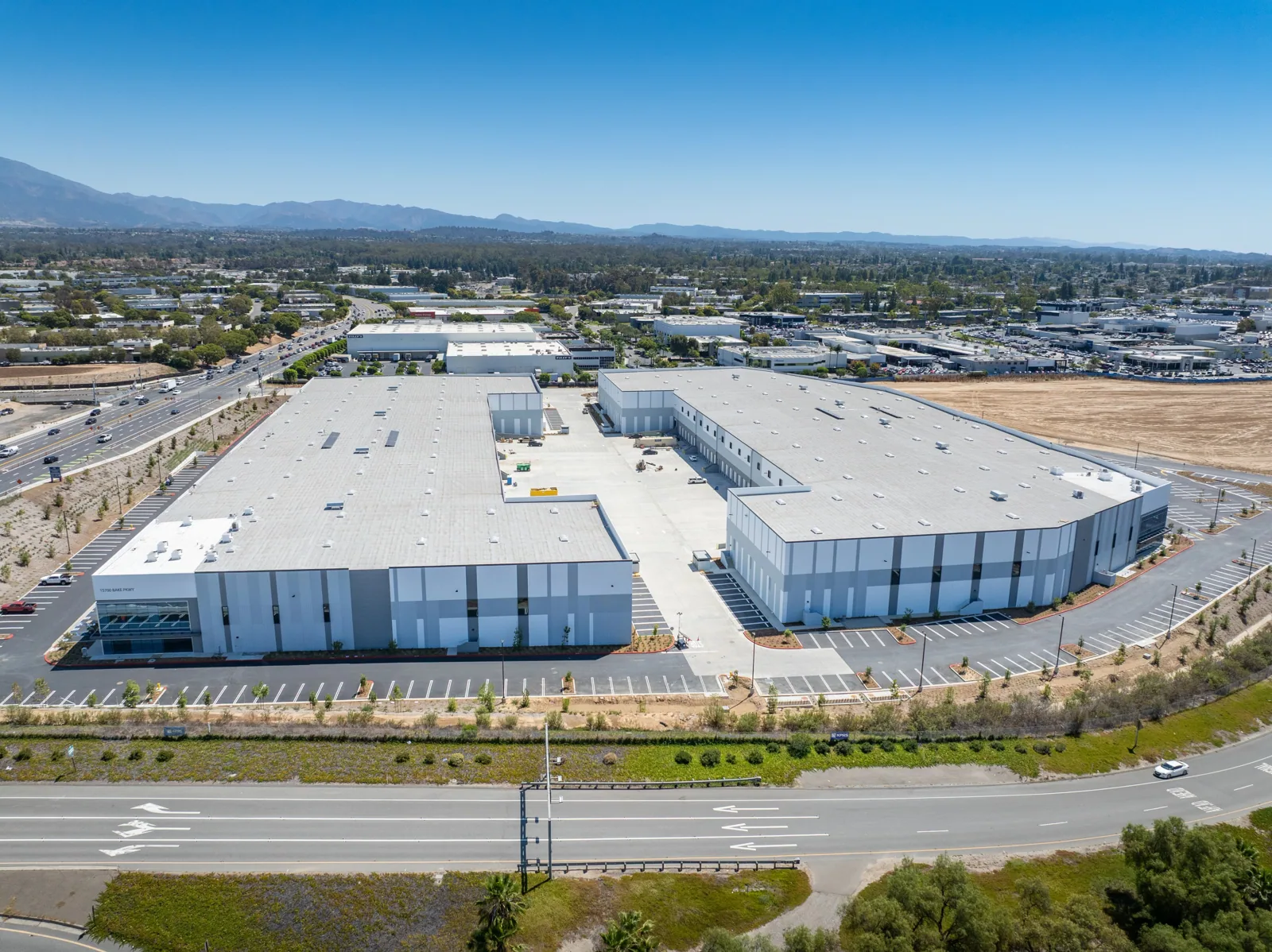
Define the examination before the visit
State the reason for the assessment and the roof areas included. A response to active leakage may focus on a reported path, while a capital review may examine a broader set of zones. Describe the assignment boundary so a later reader does not treat a limited visit as a building-wide certification.
Gather available roof plans, repair records, tenant or facility concerns and access conditions before scheduling. A commercial inspection benefits from a named contact and clear roof references, especially where equipment, occupied rooms or loading activity affect how the area can be reached.
Vallejo summers average monthly highs near 85 to 87°F, with no average rainfall in July and August. That seasonal pattern can set a drain-review window, while the roof walk records actual moisture, drainage and edge conditions.
Locate and describe each observation
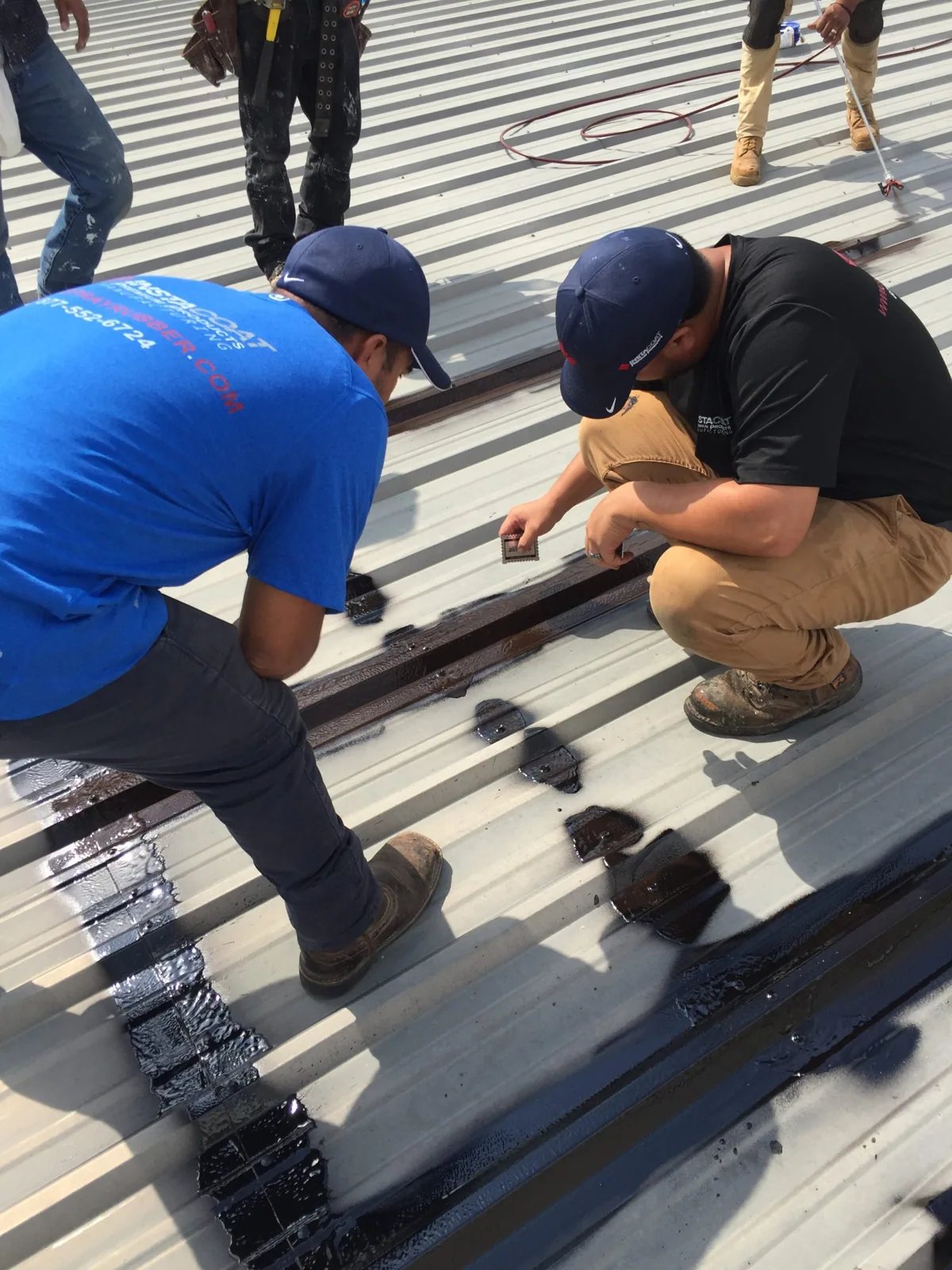
Connect every image and written finding with a building, roof zone and nearby reference point. A close photograph may show an open seam but not its position. Add a wider view or marked plan where that helps the maintenance team return to the same area.
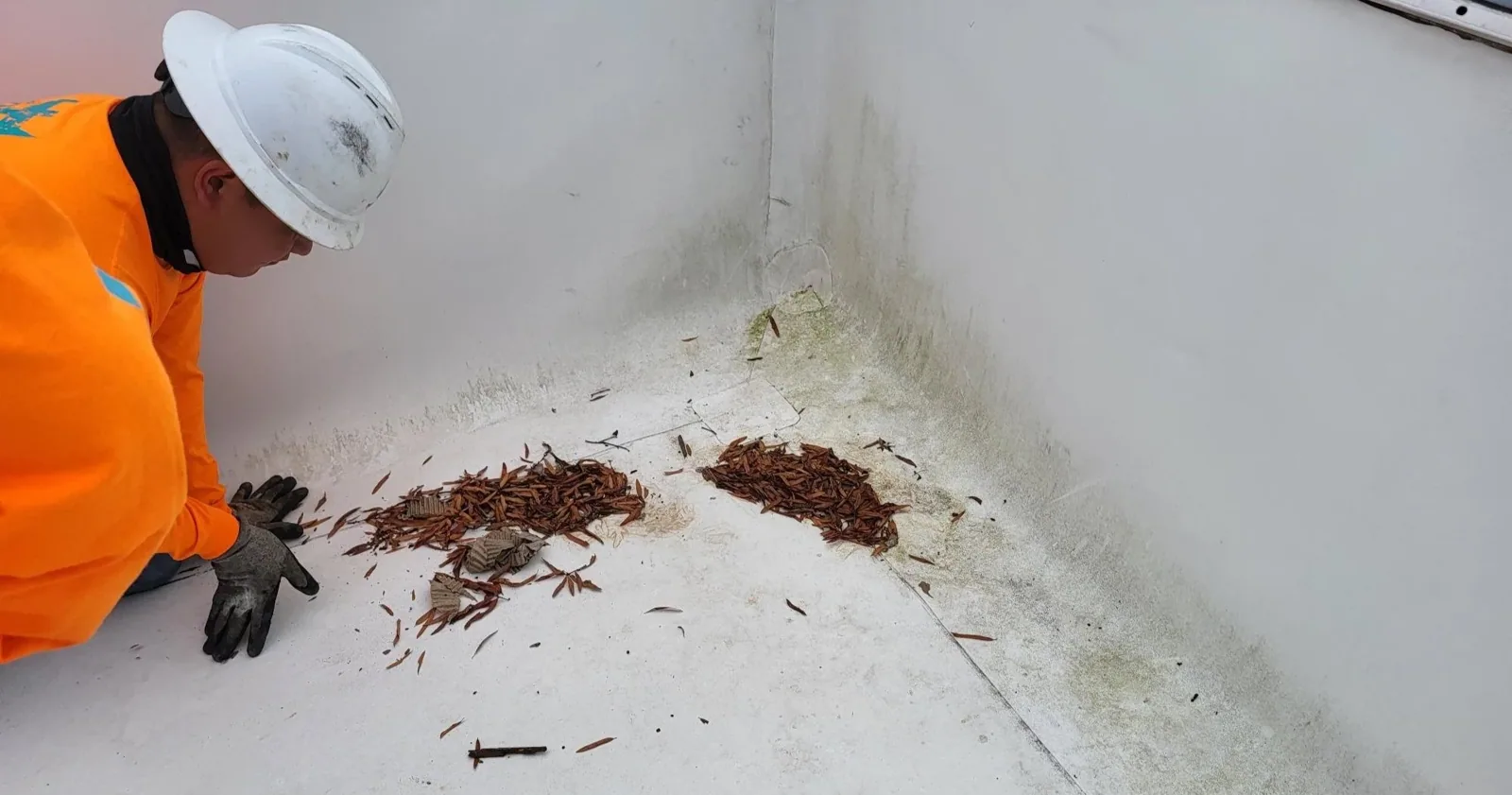
Describe the condition observed before discussing possible cause. Separate visible displacement, open flashing, blocked drainage or surface wear from concealed conditions that were not examined. This keeps a finding factual and prevents a photo from carrying a conclusion that the visit did not support.
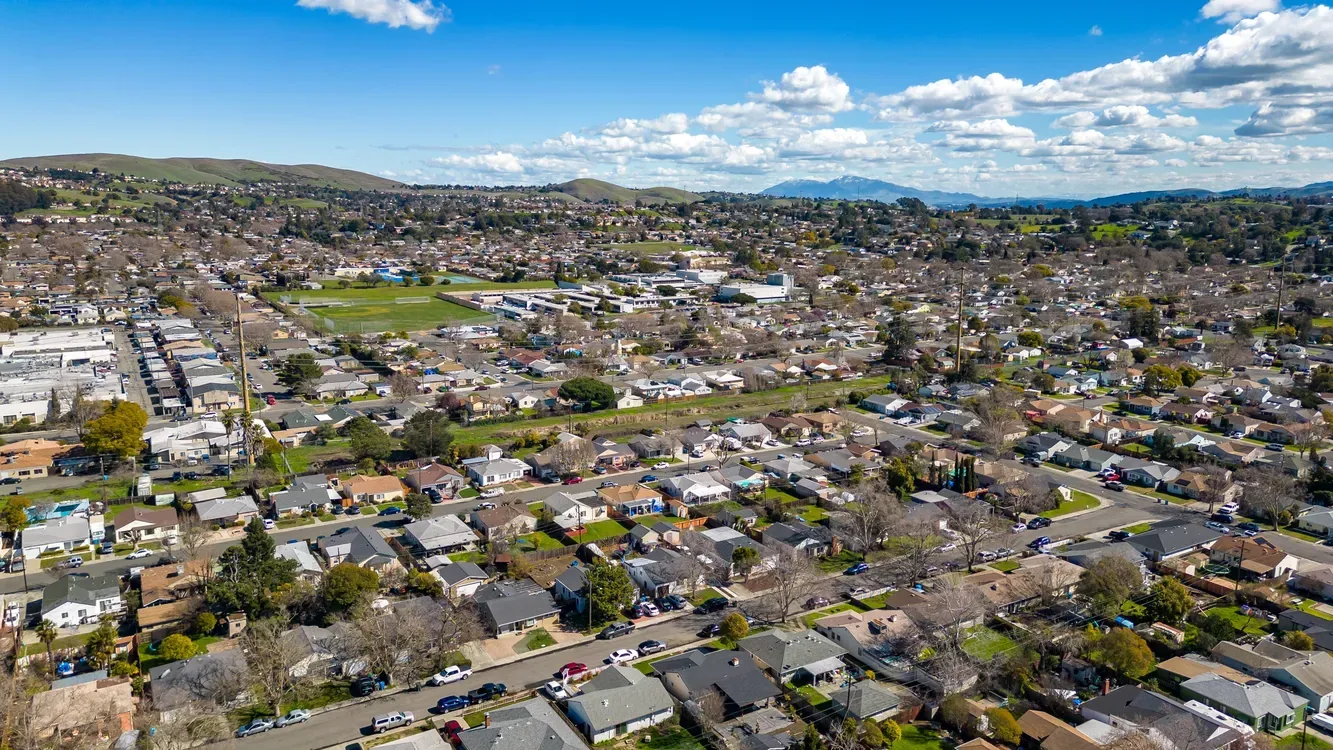
For properties around Downtown Vallejo or North Gateway, preserve the individual building identifier. Location words aid orientation, while the report roof-zone notation makes the actual condition traceable.
State limits and conditions needing confirmation
List areas that could not be accessed, roof layers that remain concealed, and conditions that may require a separate test or opening. Explain why the limitation matters to the recommendation. A blank on the plan is not evidence that the hidden assembly is sound or that damage is present.
When moisture screening is part of the work, explain the method and the conditions under which its observations are useful. An indicated area may guide confirmation, but it does not automatically define removal quantities or prove that a particular insulation layer is wet.
Pair relevant observations with a moisture survey and confirmation plan where that is appropriate. The report should identify the question, the accessible evidence and any additional examination needed before a scope is finalized.
Separate repair tasks from larger options
Write recommendations as tasks an owner can arrange: repair a located detail, investigate a defined area, clear a drainage condition, or evaluate a wider assembly. Avoid compressing distinct actions into a single severity label that leaves the facilities team guessing what to do.
State what the proposed task includes and where it ends. If the condition continues beyond visible limits, identify the additional observation or access needed. If the report raises replacement as an option, describe the basis and the assumptions that need a separate scope review.
A capital planning review can use the condition record while keeping future allowances distinct from immediate maintenance. The location and report purpose should stay attached to each recommendation through approval and scheduling.
Keep condition language proportional
Use plain terms that distinguish observation, interpretation and next step. “Observed at the west drain” gives a location; “possible contributor to ponding” presents a question; “confirm flow during a roof review” describes follow-up. Those layers help a reader understand how far the report can take a decision.
Seasonal climate statistics are long-run baselines rather than short-term forecasts. A report may note why drainage review is practical after a dry interval, but should not imply that climate averages predict a leak, ponding event or material failure at one Vallejo roof.
Use drawings or photos to support, not replace, a written finding. When an assembly is uncertain, retain that uncertainty and identify the record or field observation that would resolve it before recommending compatible repair materials.
Make the report usable by operations
Summarize who can act on each finding, what access is needed and whether an interior contact must coordinate protection. The person reading the report may not be the individual who can open a hatch, notify tenants or arrange a lift, so give the handoff enough context to proceed.
Rank tasks by operating consequence and supporting evidence, not by how dramatic a photograph appears. Active water entry, a recurring item and a longer-term renewal discussion may call for different review windows. Keep that distinction in the narrative rather than relying on color alone.
For a mixed employment area such as Mare Island, different roof uses can shape access plans. The report still needs building-level authorization and safe roof-entry arrangements before work is scheduled.
Update the record after completed work
Retain the original report and add a dated update after correction. Include the roof zone, completed scope, relevant material information and photographs if available. Mark unresolved recommendations separately so the owner can tell what was closed and what remains under review.
The next condition report should say whether it revisited the same locations. A comparison is stronger when it distinguishes a completed repair, a changed roof area and a newly observed condition instead of merging all findings into one undated status.
Share plans and earlier records before arranging a portfolio roof record. Property teams in managed portfolios can then track each finding while preserving the specific inspection boundary and recommendation for the Vallejo building.
Commercial Roofing Questions
What makes a roof report actionable?
Each finding is located, dated and connected with an observed condition, examination limit and practical next task. The reader should be able to find the area and understand what remains uncertain.
Does an inspection establish concealed roof conditions?
Not unless the assigned examination includes suitable access or testing. A report should identify concealed questions and the additional investigation needed to answer them.
How should photographs be handled?
Tie images to a building and roof zone, then add a wider reference where needed. A close view without location context can be difficult to use for maintenance.
Can a condition report set a replacement date?
It can inform a planning discussion, but a future date depends on evidence and assumptions. Show uncertainty and separate an immediate task from a broader capital option.
What should be updated after a repair?
Add the completion date, scope, location and available closeout information to the earlier record. Keep open recommendations visible rather than replacing the original findings.
Build a Condition Record for Budget Review
Share roof plans, dated photos, and prior repair notes. We will map observations to roof sections and separate confirmed defects from follow-up questions.
Request a Roof Assessment
Questions About Commercial Roof Condition Reports in Vallejo, CA
Common questions from building owners and property managers.
What makes a roof report actionable?
Each finding is located, dated and connected with an observed condition, examination limit and practical next task. The reader should be able to find the area and understand what remains uncertain.
Does an inspection establish concealed roof conditions?
Not unless the assigned examination includes suitable access or testing. A report should identify concealed questions and the additional investigation needed to answer them.
How should photographs be handled?
Tie images to a building and roof zone, then add a wider reference where needed. A close view without location context can be difficult to use for maintenance.
Can a condition report set a replacement date?
It can inform a planning discussion, but a future date depends on evidence and assumptions. Show uncertainty and separate an immediate task from a broader capital option.
What should be updated after a repair?
Add the completion date, scope, location and available closeout information to the earlier record. Keep open recommendations visible rather than replacing the original findings.