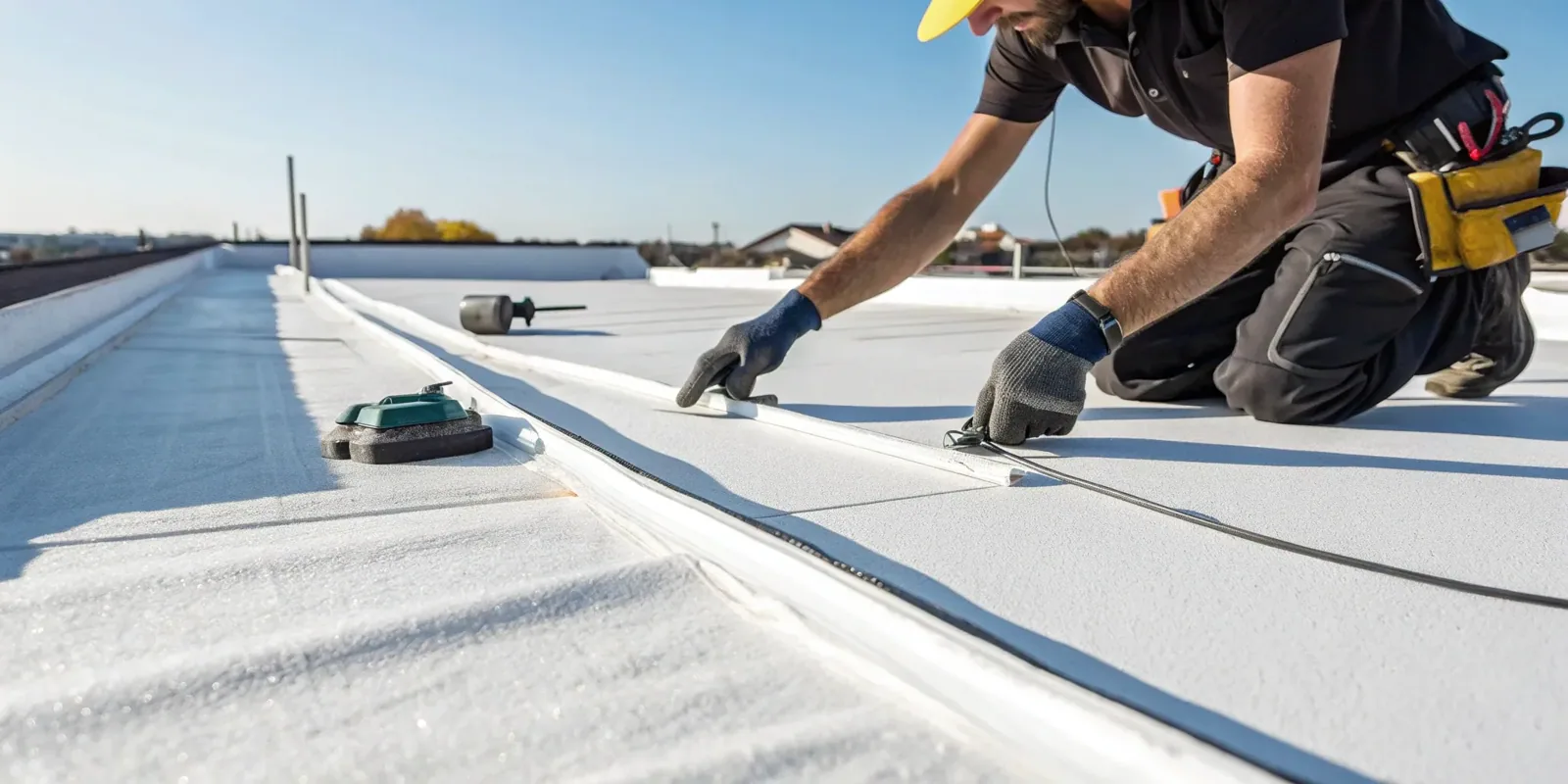
Commercial Built-Up Roofing in Vallejo, CA
Review built-up roofing in Vallejo, CA through its plies, surfacing, drainage, and repair history before setting a recover or replacement scope.
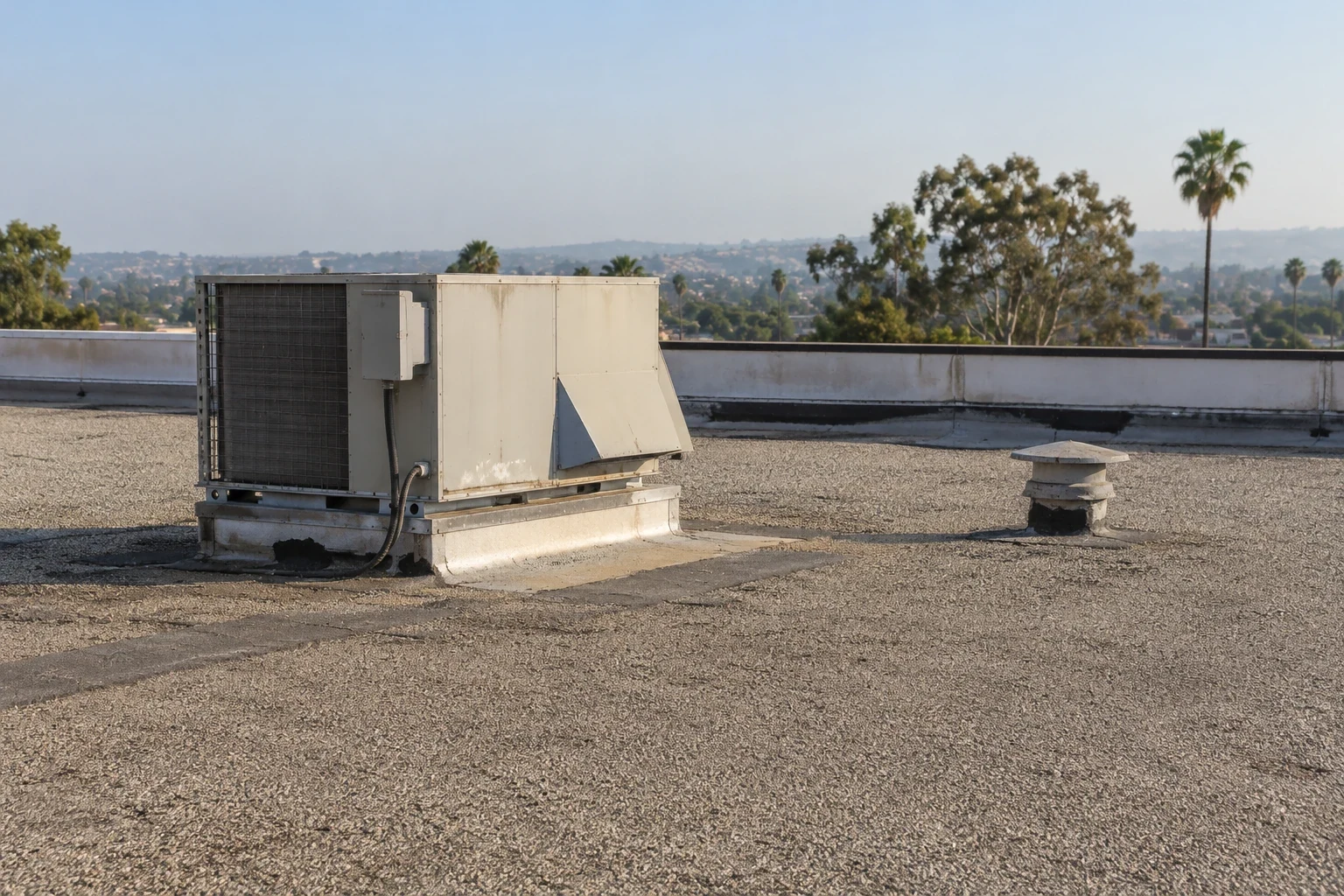
Why Commercial Roofing Vallejo?
Commercial Built-Up Roofing in Vallejo, CA
Two buildings with a similar roof age can carry different capital needs when one has several built-up plies and the other has a later overlay. A Vallejo, CA roof inventory should record the assembly, surfacing, repair boundaries, and use of each building before renewal dates are grouped. Mare Island includes office, retail, and industrial spaces, and some properties have overhead cranes or oversized roll-up doors. Those uses can change staging and access questions, while the roof layers still need direct confirmation. We inspect the membrane field, gravel or cap surfacing, flashings, drains, and transitions to additions. If the records are incomplete, a commercial roof inspection can map the visible conditions. A recover review can then compare the existing assembly with the proposed added layer, while a replacement scope addresses broader removal and reconstruction.
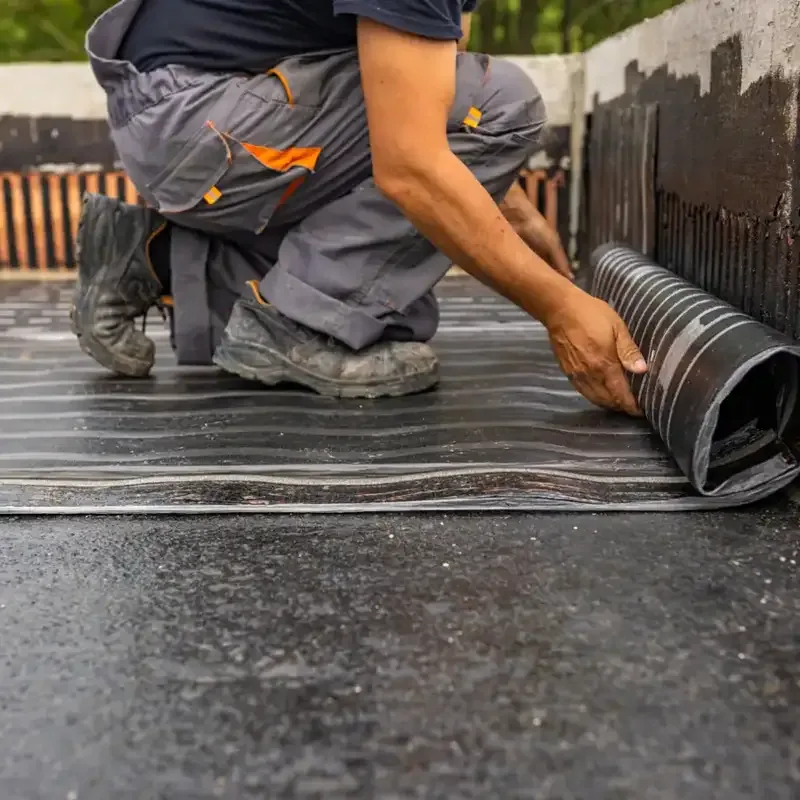
Read the Layers Before Setting the Scope
Built-up roofing uses multiple plies of reinforcing fabric and bitumen, finished with surfacing that may include aggregate or a cap sheet. The number and condition of those layers affect how a repair ties in and whether another assembly can be added. We look for displaced surfacing, open blisters, splits, exposed bitumen, failed laps, and patch edges that do not bond to sound material. A core or test cut may be needed to confirm layer count, attachment, insulation, and moisture. Any opening should be coordinated with the property contact and closed or protected the same day. The report separates what was visible from what a test confirmed. A seam-failure assessment can define an isolated opening, while a leak investigation tracks water entry through roof zones and transitions instead of assigning the interior stain to the nearest point above it.
Compare Repair, Recover, and Removal
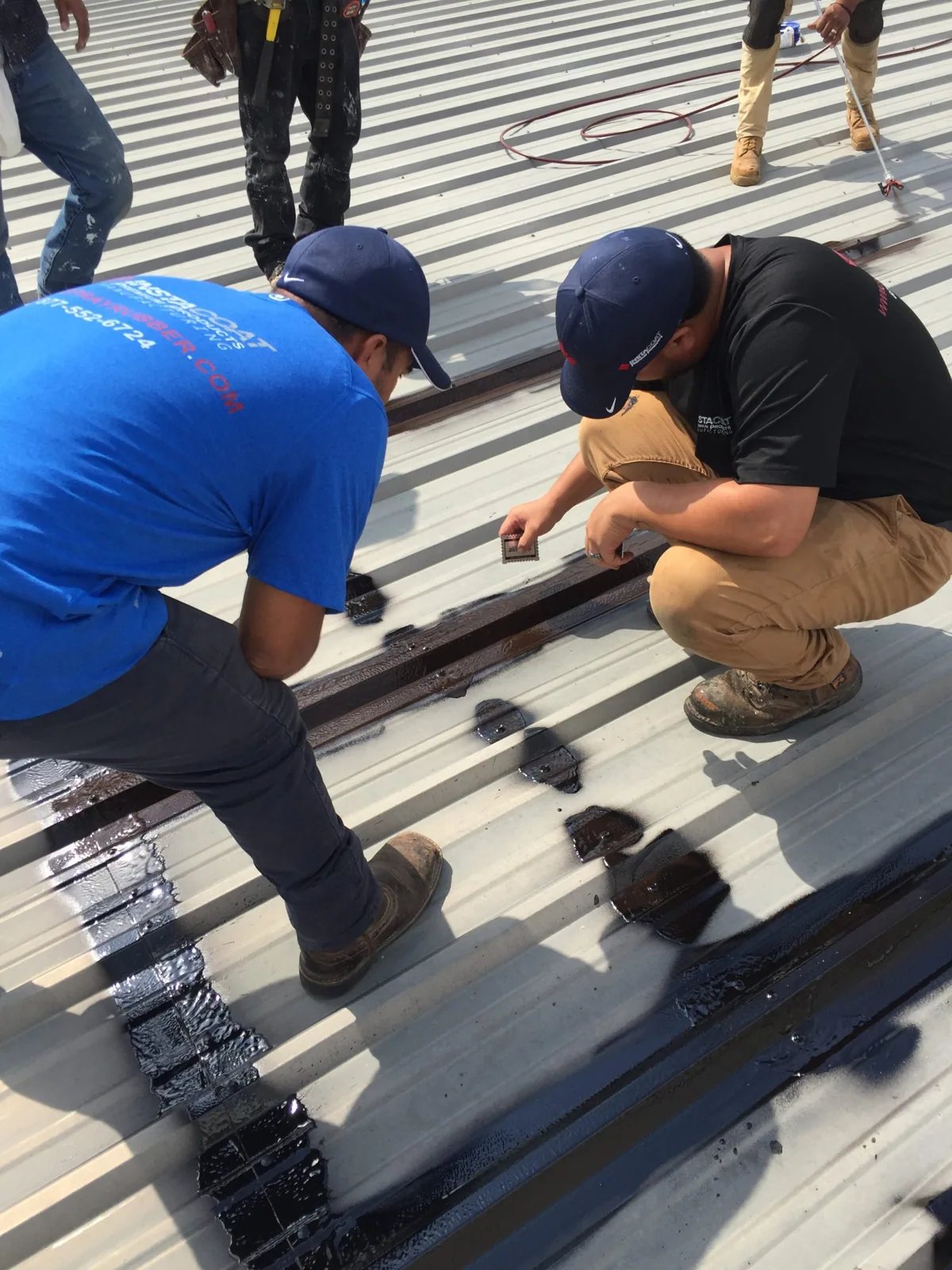
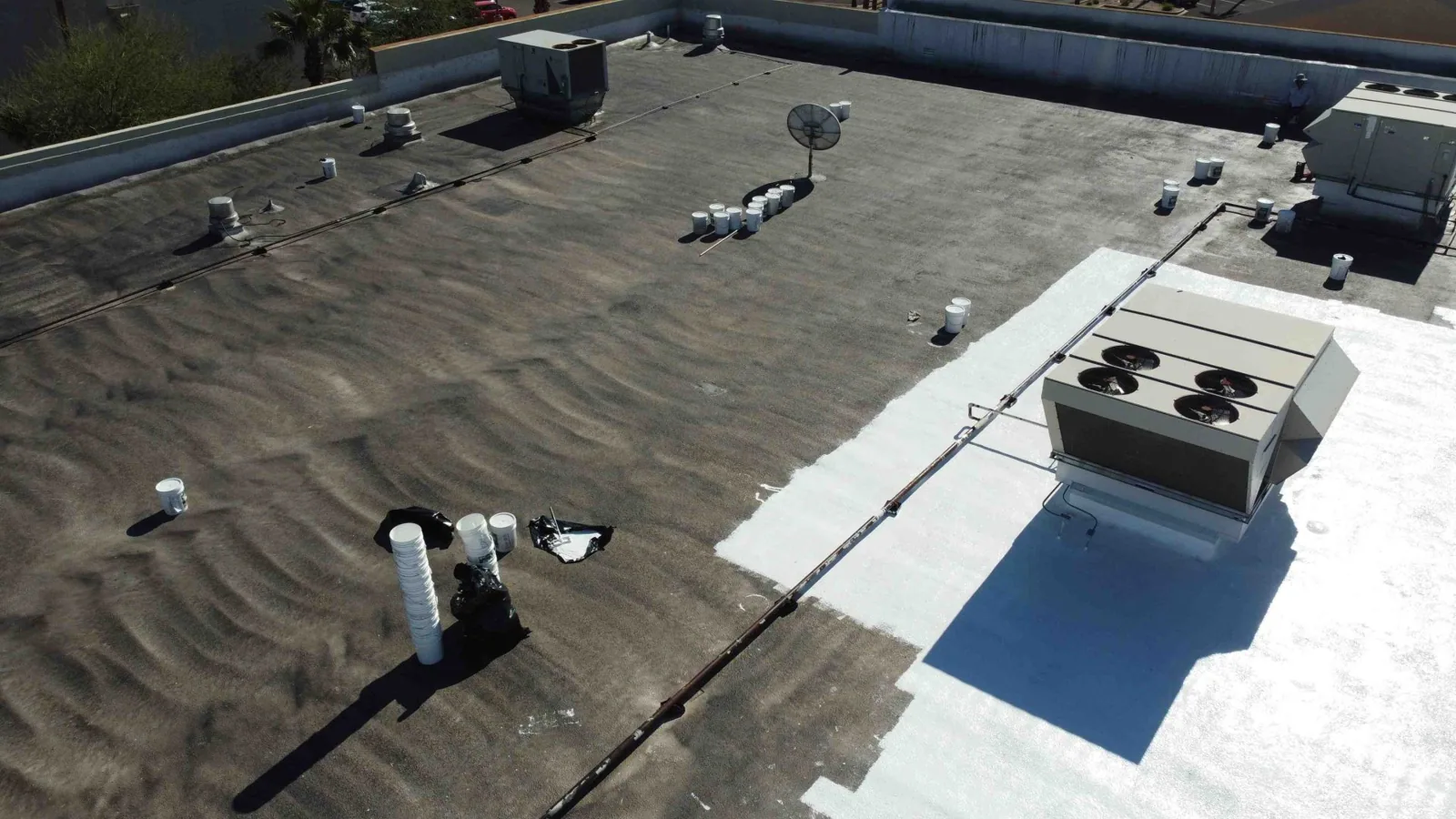
A repair can remain local when the surrounding plies are bonded, the deck is stable, and the defect has a clear boundary. The scope should state preparation, reinforcement, patch size, surfacing, and how the repair returns to existing material. A recover may be considered when the existing assembly is suitable to remain, moisture findings support that path, and added height can be accommodated. Wet insulation, multiple unstable layers, or blocked edge and drain details can change that choice. A replacement scope can set a clean boundary for removal, deck review, new insulation, and flashing. For a low-slope building on Sonoma Boulevard, confirm roof assembly, loading, and business hours before selecting a built-up repair or replacement scope. We verify the property itself. Owners comparing assemblies can review modified bitumen and TPO roofing after the substrate, drainage, use, and project requirements are documented.
Check Drains, Walls, and Equipment Curbs
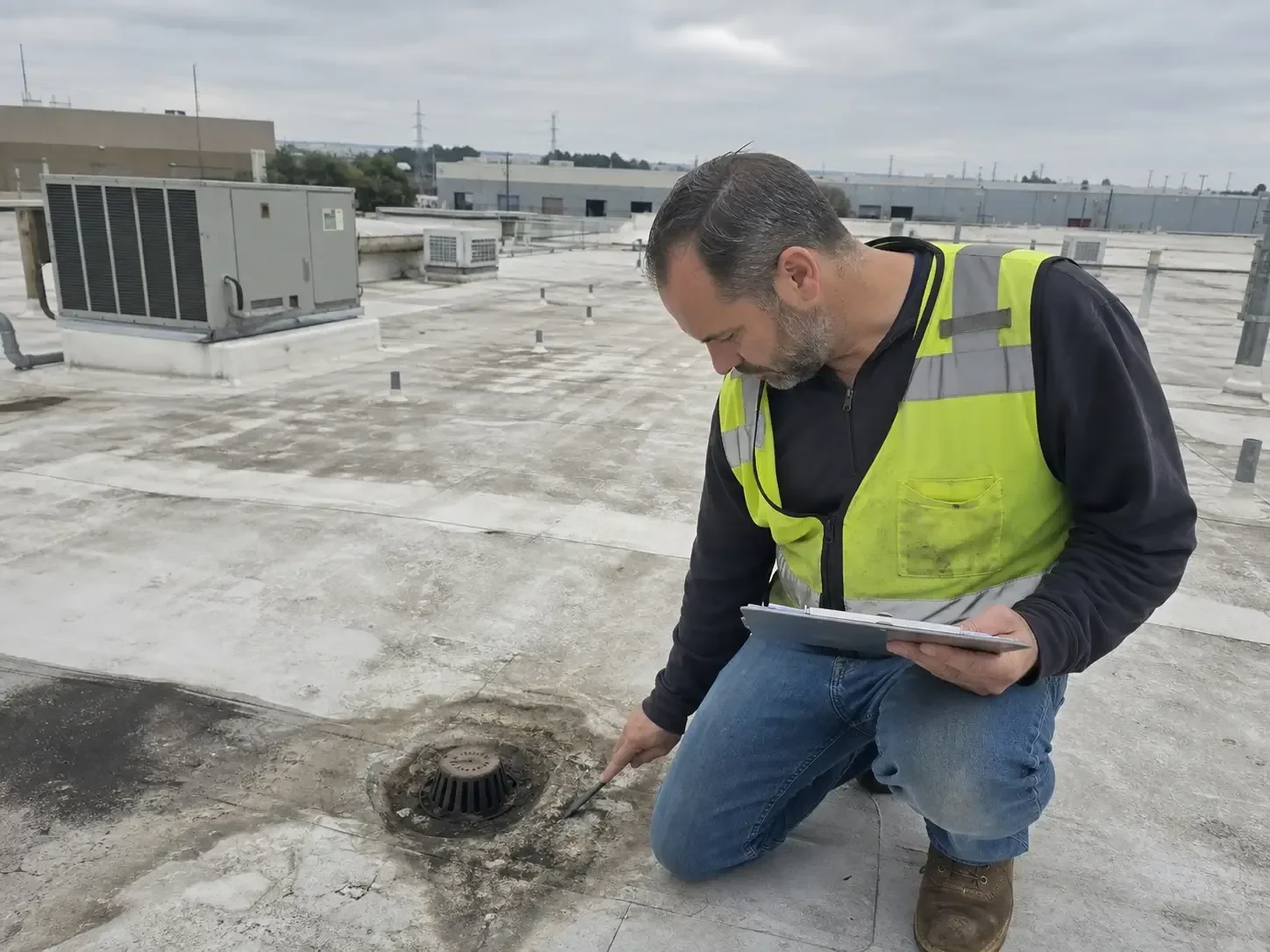
Built-up roofs rely on continuous ply tie-ins at drains, curbs, skylights, parapets, and wall transitions. Aggregate surfacing can make some details harder to read, so a site walk should note where the membrane is visible and where material limits inspection. At each drain, check the bowl, flange, clamping components, surrounding plies, and the roof surface leading toward the outlet. A drain and scupper review can distinguish an obstructed outlet from a low-area or flashing issue. Equipment changes deserve the same care: abandoned supports, new penetrations, and service routes can leave patches or openings that need a defined repair boundary. We photograph details by roof zone and show which items belong to roofing versus another trade. For a downtown Vallejo building with constrained staging or delivery access, coordinate the work window and material route with the operator. The roof's actual layout remains the basis for quantities and sequence.
Plan Work Around Occupancy and Access
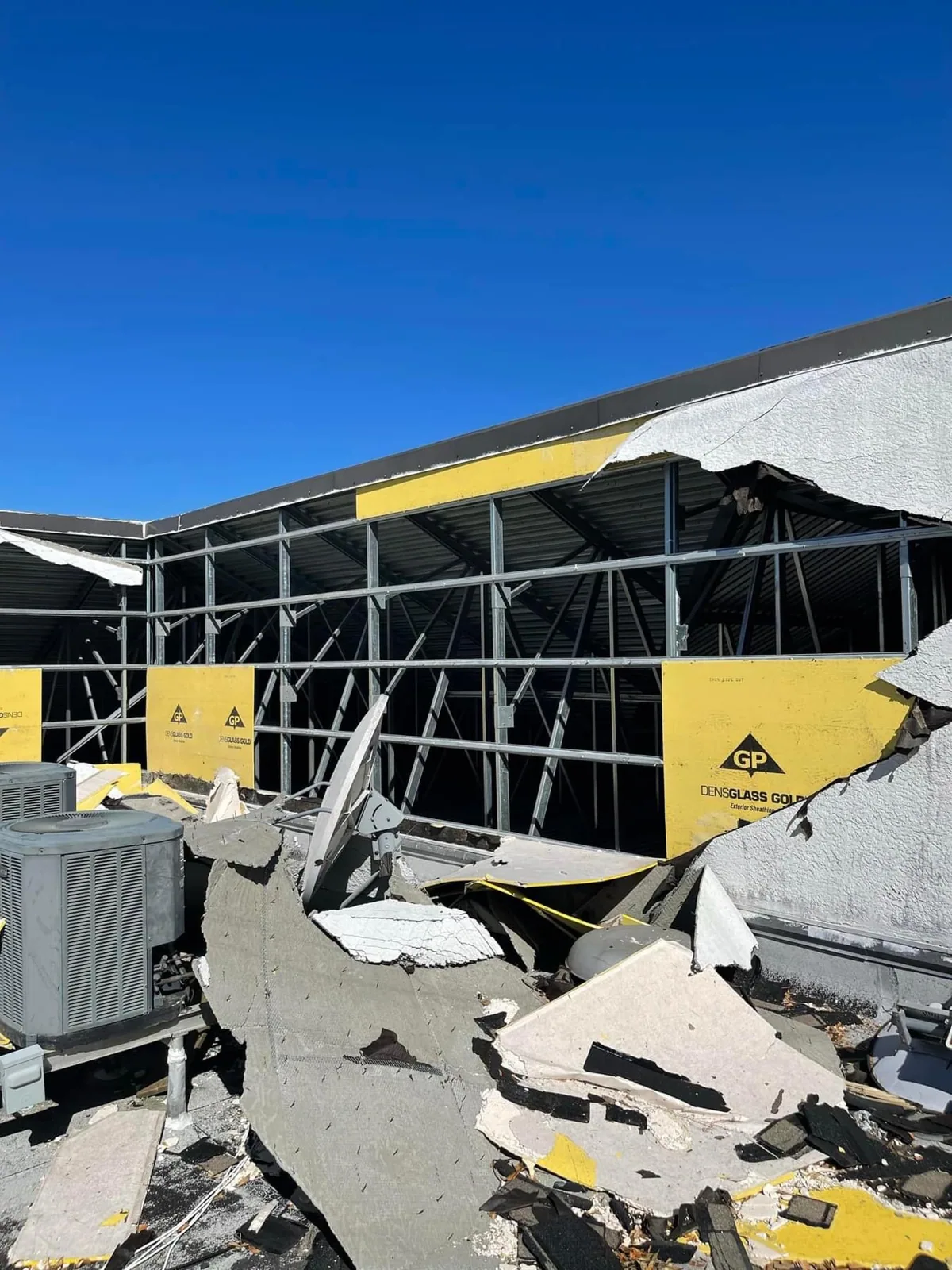
Removal and installation method influence noise, odor, loading, and the time that a roof zone remains open. A built-up system may involve hot bitumen or cold-applied products, depending on the specified assembly. The work plan should identify the chosen materials and method, ventilation needs, fire-prevention controls where applicable, loading locations, and temporary protection. If an occupied space operates below the roof, coordinate sensitive areas, notices, and interior protection before the first cut. Mare Island includes properties with large roll-up doors and overhead handling equipment, so the facility contact should confirm routes, clearances, and any operating windows that affect staging. We divide work into manageable zones and define how each area will be closed in at shift end. Vallejo averages no rainfall in July and August. Use that seasonal baseline to plan drainage checks, then inspect roof flow and outlets at the property. A weather-aware sequence should follow the actual forecast and roof geometry, with a response plan if conditions interrupt the work.
Keep the Assembly Record Useful
Closeout should identify the confirmed ply count, surfacing, insulation or cover board, repair locations, drain work, and flashing transitions completed. Include photographs with roof-zone labels and note any field change or excluded area. That record helps an asset manager compare repair history across properties without treating every built-up assembly as the same age or condition. If several buildings are in the capital window together, group them by observed layer condition and operational priority, not by one assumed replacement cycle. A recurring leak can then be checked against its original repair boundary and nearby details. Sonoma Boulevard is one of Vallejo’s named neighborhood and commercial corridors. A building near the Sonoma Boulevard corridor still needs its own assembly record. Keep histories separate by property while using a consistent roof inventory. We connect the inspection findings to the repair, recover, or removal option, then document what the approved renewal scope changes.
Commercial Roofing Questions
How do several built-up roof layers affect a recover decision?
We confirm the layer count, attachment, moisture, deck condition, and added height before recommending a recover. Multiple layers can affect edge metal, drains, curbs, and code or system limitations. If wet or unstable materials remain, covering them can preserve a problem inside the assembly. The proposal should state which tests or removals establish the final boundary and how transitions will connect to sound material.
What signs suggest a built-up roof repair should extend past one patch?
Repeated openings at the same lap, widespread loose surfacing, blisters across several zones, or moisture findings beyond the visible leak can point to a larger condition trend. We map each observation and compare it with prior repairs. A broader scope is supported by the extent of confirmed deterioration, not by the age of one patch alone. The report should show where localized work ends and what additional testing would change that boundary.
Can aggregate surfacing stay on a built-up roof during repairs?
That depends on the repair method and whether the aggregate can be removed or prepared sufficiently at the tie-in. Loose or embedded surfacing may prevent a sound bond. We define the preparation area, reinforcement, and finish in the repair scope, then document the limits. If the field has widespread surfacing loss or exposed bitumen, compare the condition across multiple roof zones before selecting a larger renewal option.
Which records help price a built-up roof replacement?
Useful records include roof plans, prior repair locations, known overlays, drain and curb details, access rules, and any test results showing deck or insulation conditions. We pair those documents with a roof walk so assumptions can be checked. The estimate can then separate removal, substrate work, insulation, new plies or cap sheet, metal, and protection for occupied areas. Unknown layers should remain an allowance or a defined investigation item until confirmed.
How should a built-up reroof be sequenced at an active business?
We agree on access, loading, operating hours, sensitive interior zones, and close-in limits with the property contact. The roof is divided into work areas that can be protected if weather or building operations pause the shift. The sequence also accounts for drains, equipment, and perimeter details so one open zone does not block another trade. A site-specific plan gives the owner a clear view of tenant impact and daily handoff.
Review the Existing Plies and Capital Window
Arrange a Vallejo roof review with available plans, repair history, access needs, and budget timing. We will document the built-up assembly and its details before comparing repair, recover, and replacement work.
Request a Roof Assessment
Questions About Commercial Built-Up Roofing in Vallejo, CA
Common questions from building owners and property managers.
How do several built-up roof layers affect a recover decision?
We confirm the layer count, attachment, moisture, deck condition, and added height before recommending a recover. Multiple layers can affect edge metal, drains, curbs, and code or system limitations. If wet or unstable materials remain, covering them can preserve a problem inside the assembly. The proposal should state which tests or removals establish the final boundary and how transitions will connect to sound material.
What signs suggest a built-up roof repair should extend past one patch?
Repeated openings at the same lap, widespread loose surfacing, blisters across several zones, or moisture findings beyond the visible leak can point to a larger condition trend. We map each observation and compare it with prior repairs. A broader scope is supported by the extent of confirmed deterioration, not by the age of one patch alone. The report should show where localized work ends and what additional testing would change that boundary.
Can aggregate surfacing stay on a built-up roof during repairs?
That depends on the repair method and whether the aggregate can be removed or prepared sufficiently at the tie-in. Loose or embedded surfacing may prevent a sound bond. We define the preparation area, reinforcement, and finish in the repair scope, then document the limits. If the field has widespread surfacing loss or exposed bitumen, compare the condition across multiple roof zones before selecting a larger renewal option.
Which records help price a built-up roof replacement?
Useful records include roof plans, prior repair locations, known overlays, drain and curb details, access rules, and any test results showing deck or insulation conditions. We pair those documents with a roof walk so assumptions can be checked. The estimate can then separate removal, substrate work, insulation, new plies or cap sheet, metal, and protection for occupied areas. Unknown layers should remain an allowance or a defined investigation item until confirmed.
How should a built-up reroof be sequenced at an active business?
We agree on access, loading, operating hours, sensitive interior zones, and close-in limits with the property contact. The roof is divided into work areas that can be protected if weather or building operations pause the shift. The sequence also accounts for drains, equipment, and perimeter details so one open zone does not block another trade. A site-specific plan gives the owner a clear view of tenant impact and daily handoff.