Commercial Roofing for Downtown Vallejo Properties
Roof inspections, repair planning, and renewal scopes for Downtown Vallejo commercial properties, with clear records for access, drainage, and tenant impact.
Why Commercial Roofing Vallejo?
Commercial Roofing for Downtown Vallejo Properties
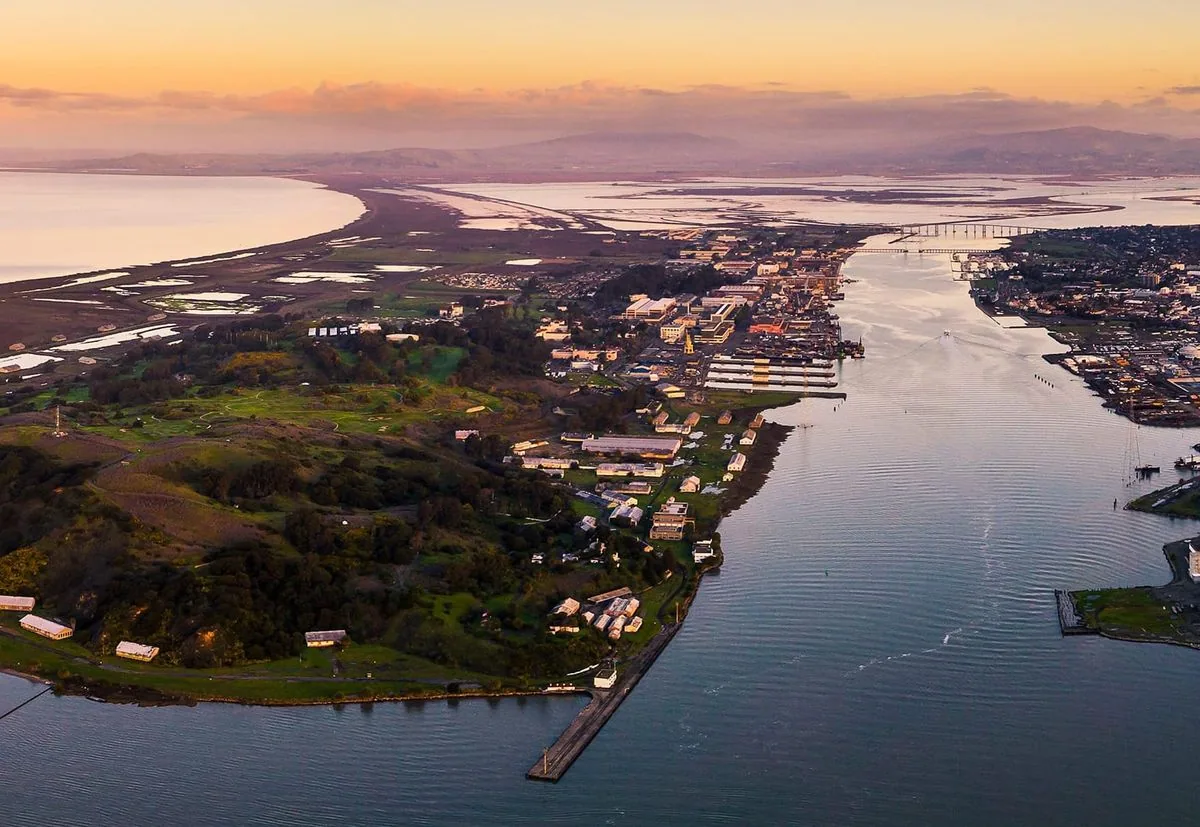
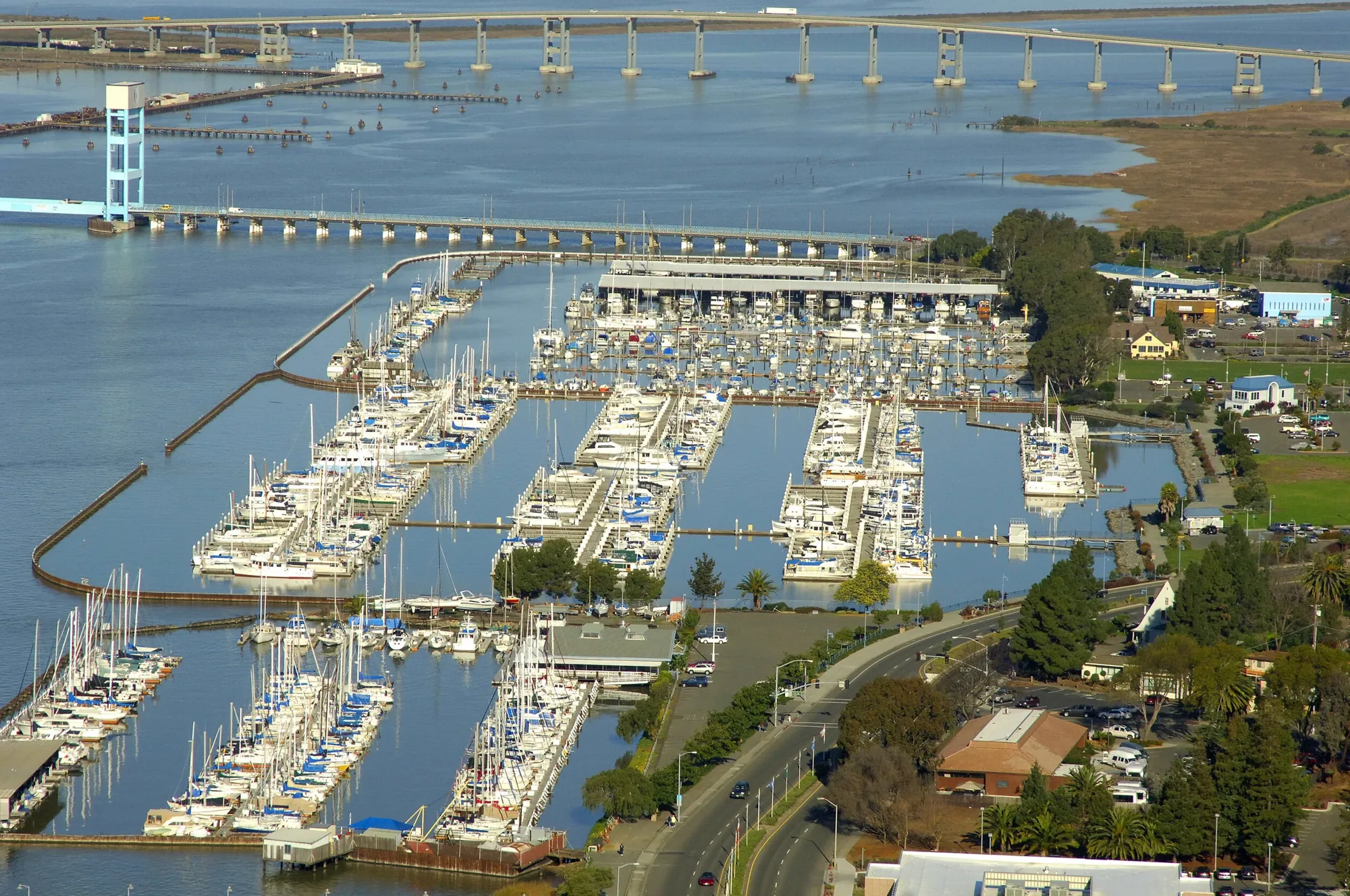
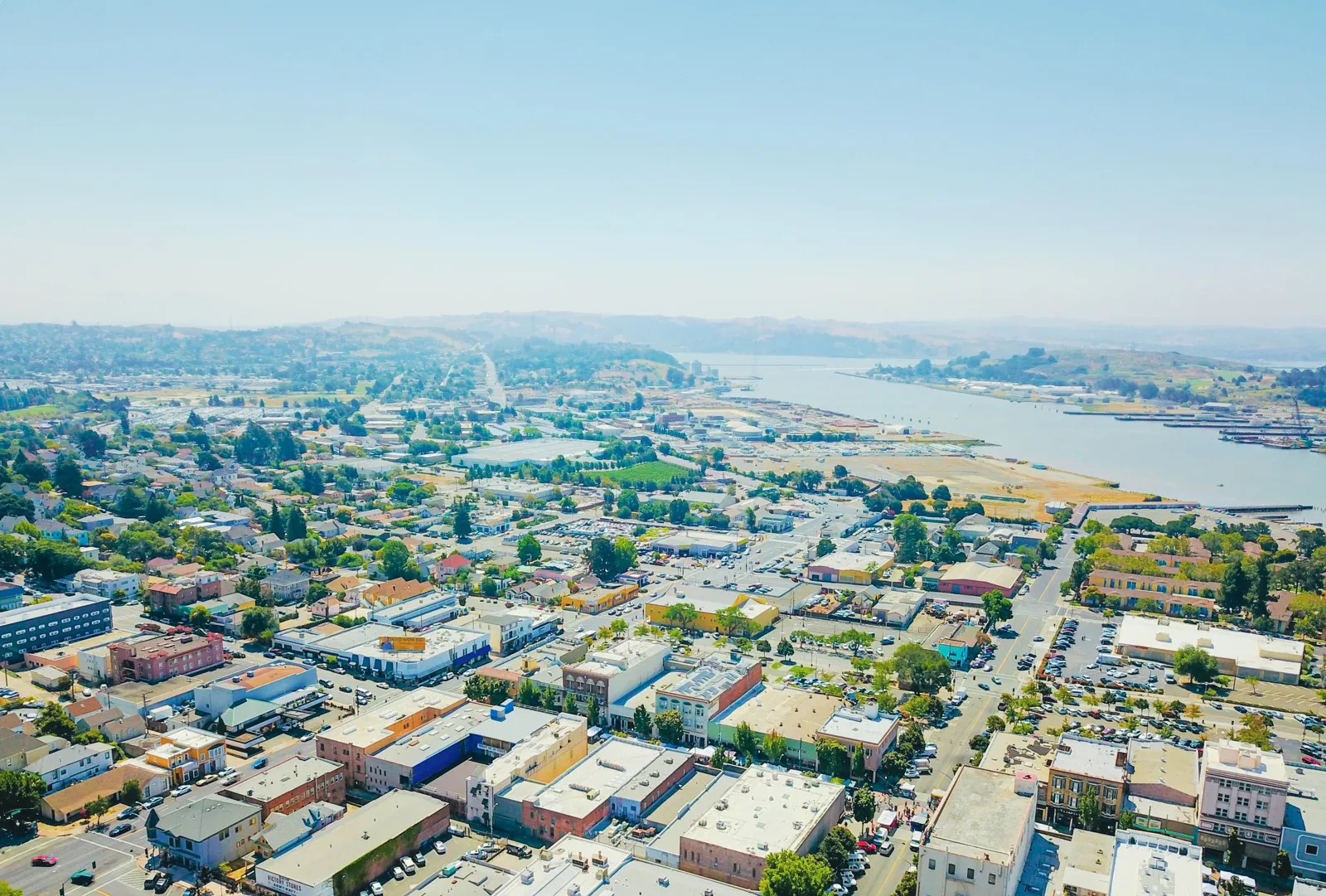
A downtown roof review should account for the building record, the occupied uses below, and the route by which work reaches the roof. Each property can have different access windows and interior sensitivities, so a downtown label is not a substitute for a site walk. Vallejo's Downtown Specific Plan update spans land use, mobility, infrastructure, housing, equity, economic development, and environmental sustainability. That broader capital context is separate from the condition of any individual roof. Our review starts with the actual assembly, repair history, drain paths, and details at transitions. A commercial roof inspection can establish a condition record; owners comparing assets can also review Mare Island property conditions using the same fields.
Build the File Before the Site Walk
Gather available roof plans, warranty papers, proposals, leak tickets, invoices, interior photographs, and notes from prior contractors. A downtown property may have a long repair history across ownership or tenancy changes. The first task is not to decide whether every older repair failed. It is to place the record on a roof-zone map and identify what is confirmed, what is reported, and what remains unknown. Date, weather note, room location, and repair response can help distinguish recurring water migration from a new isolated opening. If documents conflict, we flag the discrepancy rather than quietly choosing the version that supports a preferred scope.
Downtown mobility and infrastructure projects can affect access around a property, but the owner must confirm current conditions, permissions, deliveries, escorts, and work hours with the responsible manager. We confirm permissions, deliveries, escorts, and work hours with the responsible manager. For adjacent neighborhood portfolios, Curtola Employment Center records can be compared without merging separate building histories.
Trace the Water Path, Not Just the Interior Stain
An interior stain identifies a place to investigate, not automatically the point where water entered. We compare the reported room with roof drains, scuppers, seams, curbs, parapets, wall interfaces, and earlier patch locations. Water can travel along a deck flute, insulation joint, conduit, or framing member before it appears indoors. The report separates the visible symptom from the suspected path and records what evidence supports each connection. Where the entry point cannot be confirmed during the first visit, we describe the next test or observation required to narrow it.
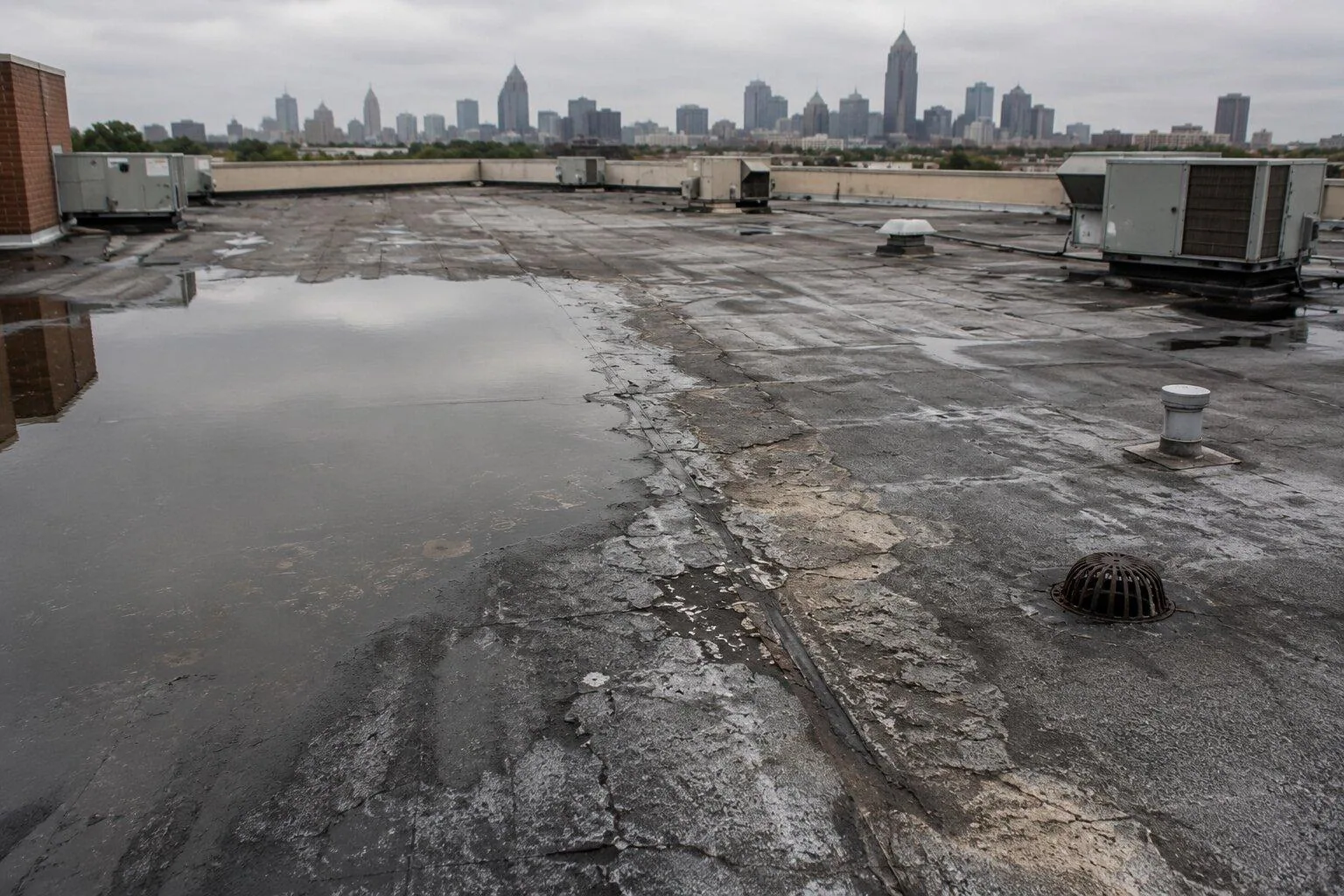
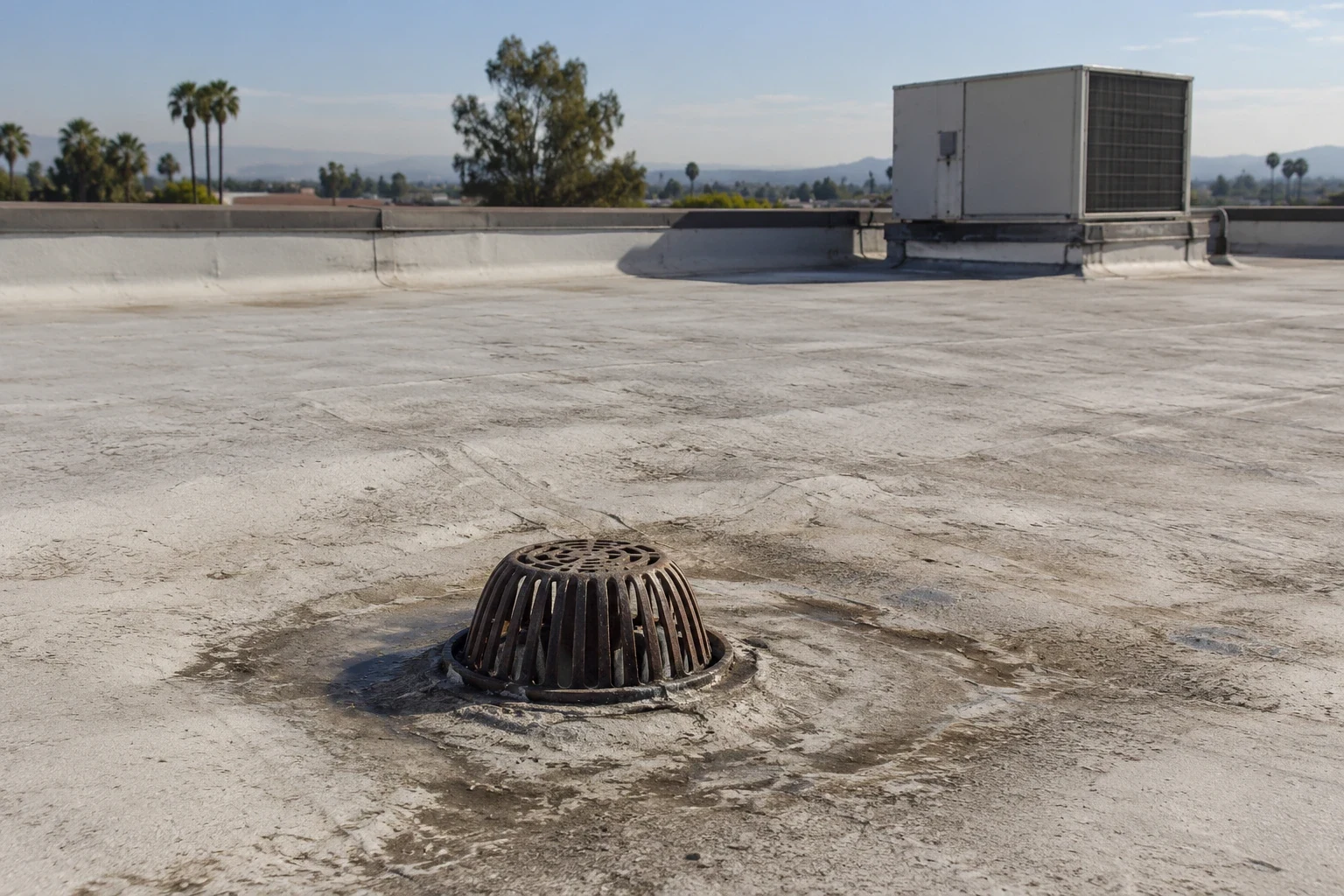
Drainage details deserve careful mapping on a roof that has accumulated patches or equipment changes. We note debris, ponding observations, outlet condition, slope direction where evident, and any detail that could redirect flow. This is a field observation, not an engineering conclusion about structural capacity. A ponding-water review can address recurring low areas, while a drain and scupper scope can define a specific correction. We document adjoining zones so a repair does not hide the likely water path without addressing the receiving detail.
Protect Access and Tenant Continuity
Before mobilization, the property contact identifies entrances, business hours, delivery paths, fire lanes, roof access points, and interior areas that need protection. A lift, hoist, or material drop can affect a public-facing frontage differently from a rear service route. We do not assume curb access or street occupancy. The owner confirms required permits, notifications, and permissions with the relevant authorities before equipment or materials arrive. If a tenant cannot pause an operation, the work sequence should show how the crew will reach the roof, secure the day's work, and keep protected routes usable.
Phasing can be useful when a roof has separate drainage areas or when a portion must remain in service. The sequence identifies daily work limits, temporary dry-in, noise or odor considerations, and the point at which each zone is returned to the property team. The occupied-building reroofing approach can coordinate those boundaries. The plan remains specific to the building; downtown context alone cannot tell us which entrances are critical or which hours are acceptable. If a zone cannot be safely isolated, we revise the sequence with the owner's representative before work begins.
Define Work at the Detail and Assembly Level
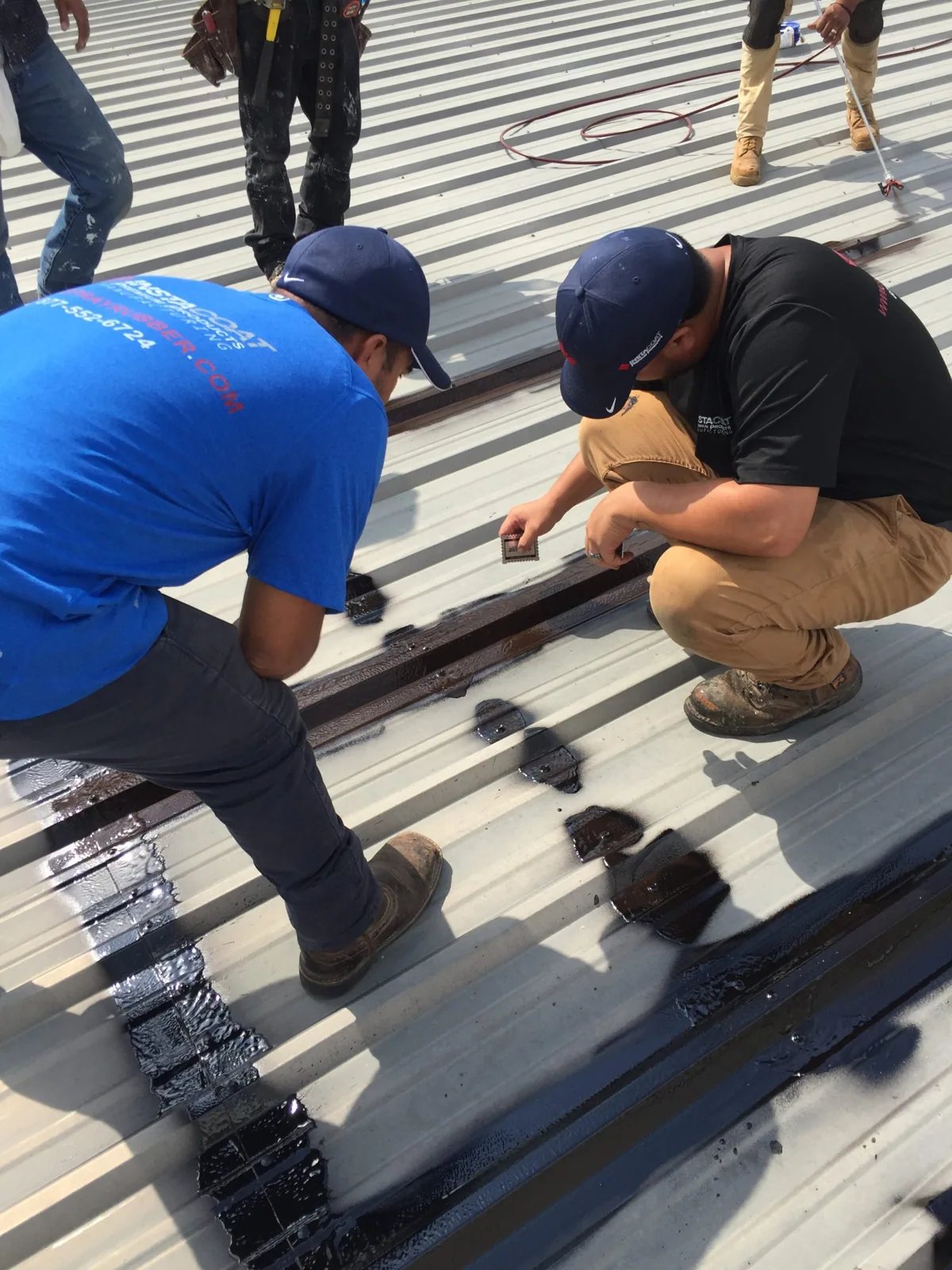
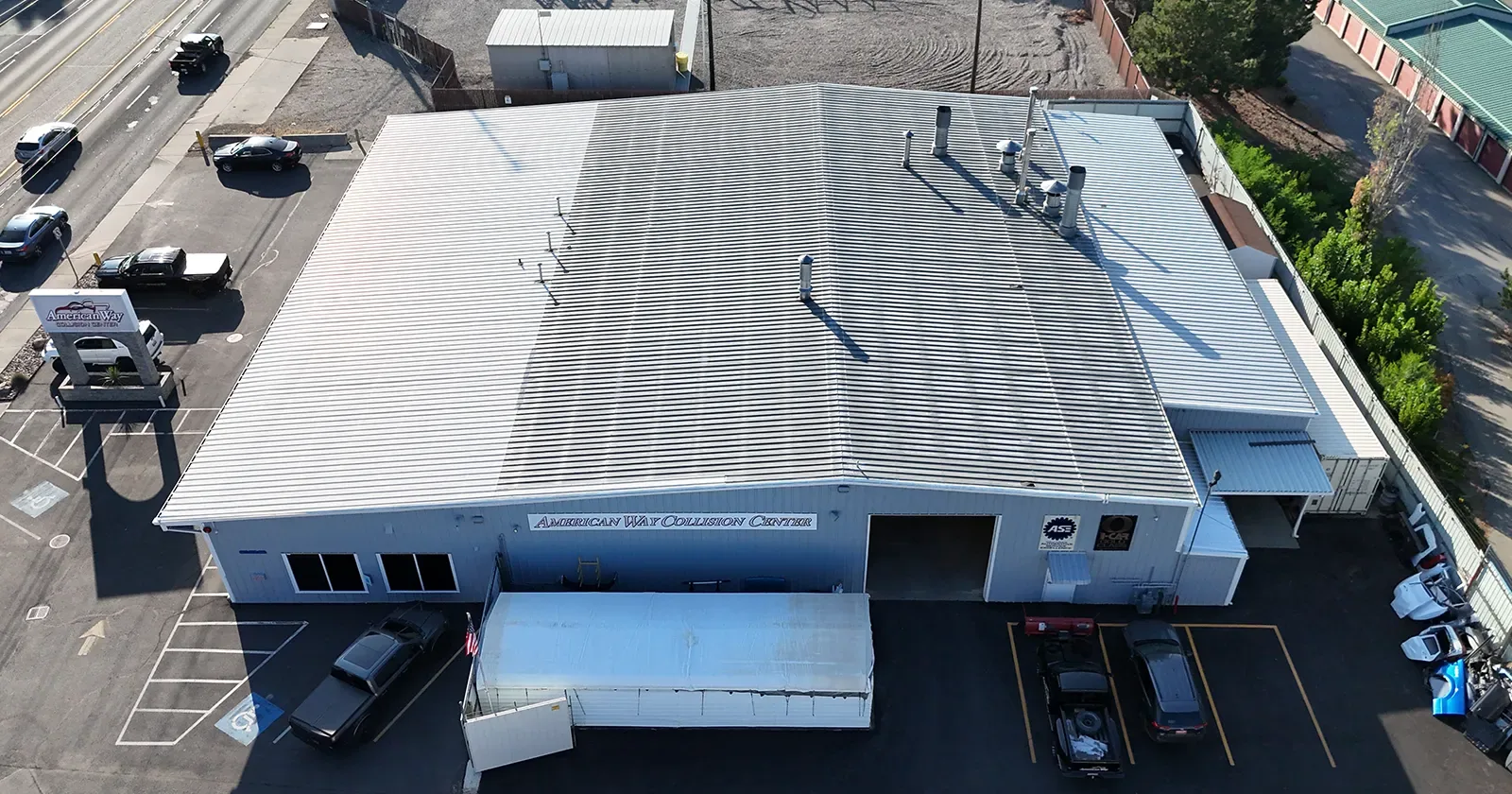
A usable repair proposal names the roof zone and condition, removal limits, substrate checks, replacement materials, tie-in details, and cleanup. It also identifies exclusions such as concealed wet insulation, deck damage, or inaccessible interfaces that cannot be priced responsibly before exposure. For membrane systems, seams and transitions may control the repair boundary. For metal roofs, fasteners, laps, closures, and penetrations require a different inspection path. We verify the existing assembly before recommending compatibility or coating. If a test opening is needed, we place it where the result will answer a specific scope question and document how it will be closed.
A contained defect may justify repair when adjoining material remains serviceable and water is not traveling beyond the mapped area. Several recurring failures can change the decision. We compare repair and renewal options by expected remaining service life, repeat maintenance, access disruption, warranty terms, and budget cycle. The repair scope and replacement review should make their different assumptions visible. A coating or recover proposal needs particular scrutiny around drainage height, adhesion, existing layers, and edge conditions; the coating-restoration review addresses those checks.
Use the Downtown Plan as Context, Not as a Roof Diagnosis
For an asset manager, the useful bridge is a consistent condition file. Record assembly, known repair dates, water path, drainage, access limits, testing needs, and the proposed decision window. At the next visit, compare the same roof zones and note what changed: a repaired seam, a recurring drain issue, a newly restricted access point, or an area that still needs testing. Identify the installed membrane or panel before choosing compatible repair materials; neither neighborhood nor building age establishes the roof system.
Return a Record That Supports the Next Decision
To schedule a Downtown Vallejo roof review, share available plans, repair files, access rules, current leak locations, and the capital timing under consideration. We will document what can be reached, note uncertainty plainly, and prepare a repair or renewal scope with defined limits. Use consistent portfolio fields for comparison while keeping each site's assembly and operations distinct.
A useful review also records what the inspection could not establish. Mark areas hidden by equipment, stored materials, ponding, or unsafe access, then state whether a follow-up visit, moisture survey, or selective opening would resolve the question. Keep photographs dated and tied to roof zones so a later reviewer can compare the same area rather than rely on a general condition label. If the decision window is short, separate urgent water control from work that can wait for testing. That distinction gives ownership a clear next action without treating an incomplete inspection as a full diagnosis.
Commercial Roofing Questions
Does a downtown area label tell us whether a roof needs replacement?
No. Area context does not establish a building’s roof assembly or condition. Use the property’s repair history, roof-zone observations, and any testing needed to define a repair boundary.
How should a leak ticket be used during an inspection?
Treat it as a location and timing lead. Compare the room report with the roof above, drain paths, transitions, and prior repairs, then record whether the suspected path is confirmed or needs more testing.
Can roof work proceed while downtown tenants remain open?
Often, if access and sequencing can be approved. We coordinate hours, entrances, staging, temporary dry-in, and protected routes with the property team before defining daily work limits.
What documents help compare two downtown roofs?
Use a consistent file with assembly, repair dates, photos, drains, open testing questions, access limits, warranties, and renewal triggers. Comparable fields make differences visible without implying buildings are alike.
Will you identify conditions that could not be inspected?
Yes. The report records inaccessible zones and the reason, along with a practical next step. It should not convert an unobserved area into a confirmed condition.
Set a Clear Roof Decision Boundary
Share the roof file, access rules, leak history, and budget window. We will return documented observations and a repair or renewal scope tied to the building.
Request a Roof Assessment
Questions About Commercial Roofing for Downtown Vallejo Properties
Common questions from building owners and property managers.
Does a downtown area label tell us whether a roof needs replacement?
No. Area context does not establish a building’s roof assembly or condition. Use the property’s repair history, roof-zone observations, and any testing needed to define a repair boundary.
How should a leak ticket be used during an inspection?
Treat it as a location and timing lead. Compare the room report with the roof above, drain paths, transitions, and prior repairs, then record whether the suspected path is confirmed or needs more testing.
Can roof work proceed while downtown tenants remain open?
Often, if access and sequencing can be approved. We coordinate hours, entrances, staging, temporary dry-in, and protected routes with the property team before defining daily work limits.
What documents help compare two downtown roofs?
Use a consistent file with assembly, repair dates, photos, drains, open testing questions, access limits, warranties, and renewal triggers. Comparable fields make differences visible without implying buildings are alike.
Will you identify conditions that could not be inspected?
Yes. The report records inaccessible zones and the reason, along with a practical next step. It should not convert an unobserved area into a confirmed condition.