Commercial Roofing for Mare Island Properties in Vallejo, CA
Commercial roof reviews for Mare Island office, retail, and industrial properties, with assembly records, access planning, repair limits, and renewal options.
Why Commercial Roofing Vallejo?
Commercial Roofing for Mare Island Properties in Vallejo, CA
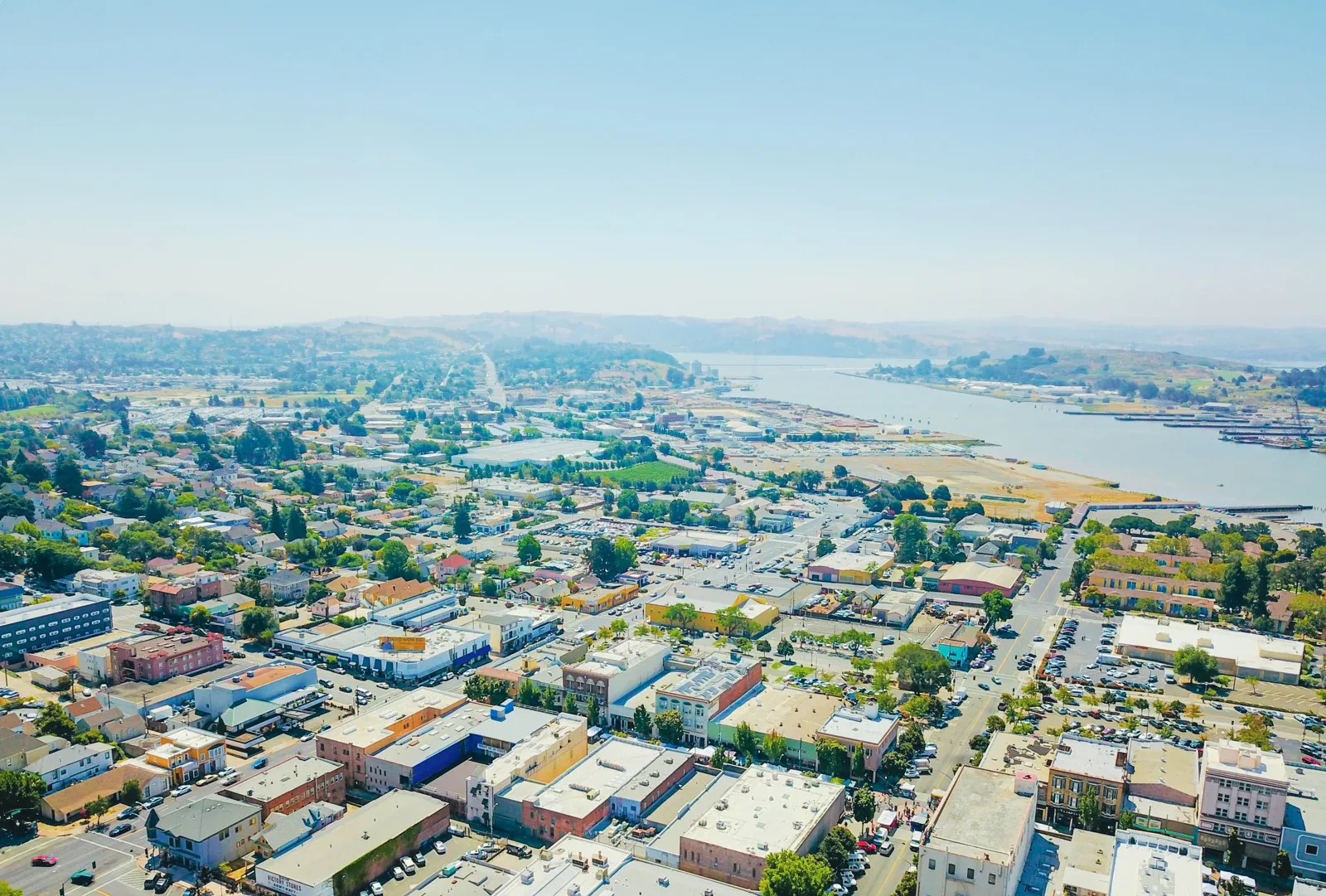
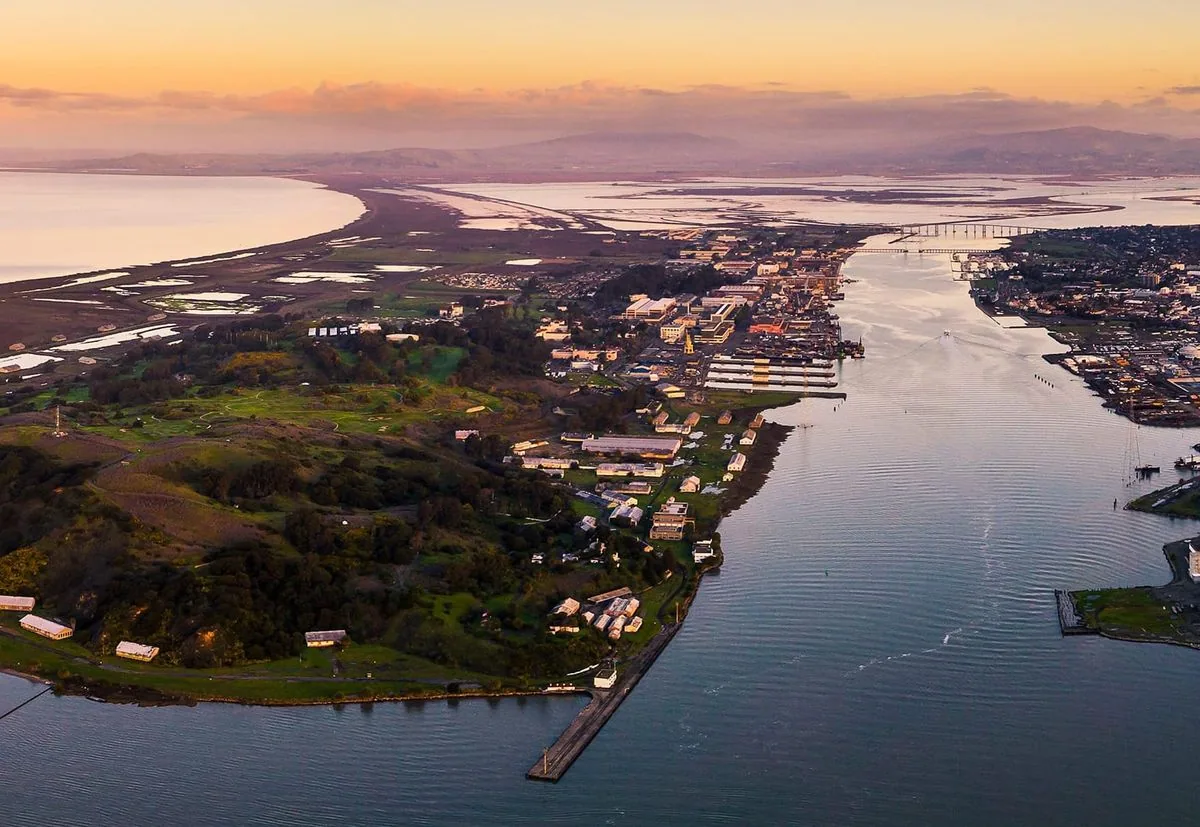
Mare Island includes office, retail, and industrial property settings, so a roofing plan should start with the building use, roof assembly, access conditions, and maintenance record rather than a generic scope. Some available commercial spaces have overhead cranes or oversized roll-up doors, details that can affect staging and interior coordination at a particular property. They do not establish the roof construction or access procedure for every building. We review the plans, past repairs, and current roof conditions before drawing a repair boundary or recommending renewal. For an owner comparing assets across Mare Island and Downtown Vallejo, consistent roof-zone records make the condition trend easier to follow. A commercial roof inspection can establish the current file, while Downtown Vallejo property review supports a comparable district-level record.
Start With the Building and Its Roof Record
Before a site walk, assemble any roof plans, prior proposals, repair invoices, leak logs, warranty documents, and photographs that show earlier conditions. The file helps distinguish an isolated repair from a recurring water path or a larger assembly concern. If drawings are incomplete, we record what can be confirmed from accessible areas and list assumptions separately. That separation matters on a portfolio: a roof with a documented repair boundary should not be treated as equivalent to an asset with repeated open items and no closeout record.
On Mare Island, office, retail, and industrial uses can bring different operating windows, loading patterns, and access controls. We ask the owner or facility contact about occupied areas, delivery routes, equipment, and any work that cannot be interrupted. Downtown Vallejo has a different mix of planning considerations and pedestrian activity, but the same discipline applies: site logistics belong to the specific property, not a district-wide assumption. A North Gateway district roof review can organize a second location in a Vallejo portfolio before a larger scope is developed.
Identify the Assembly Before Choosing a Repair
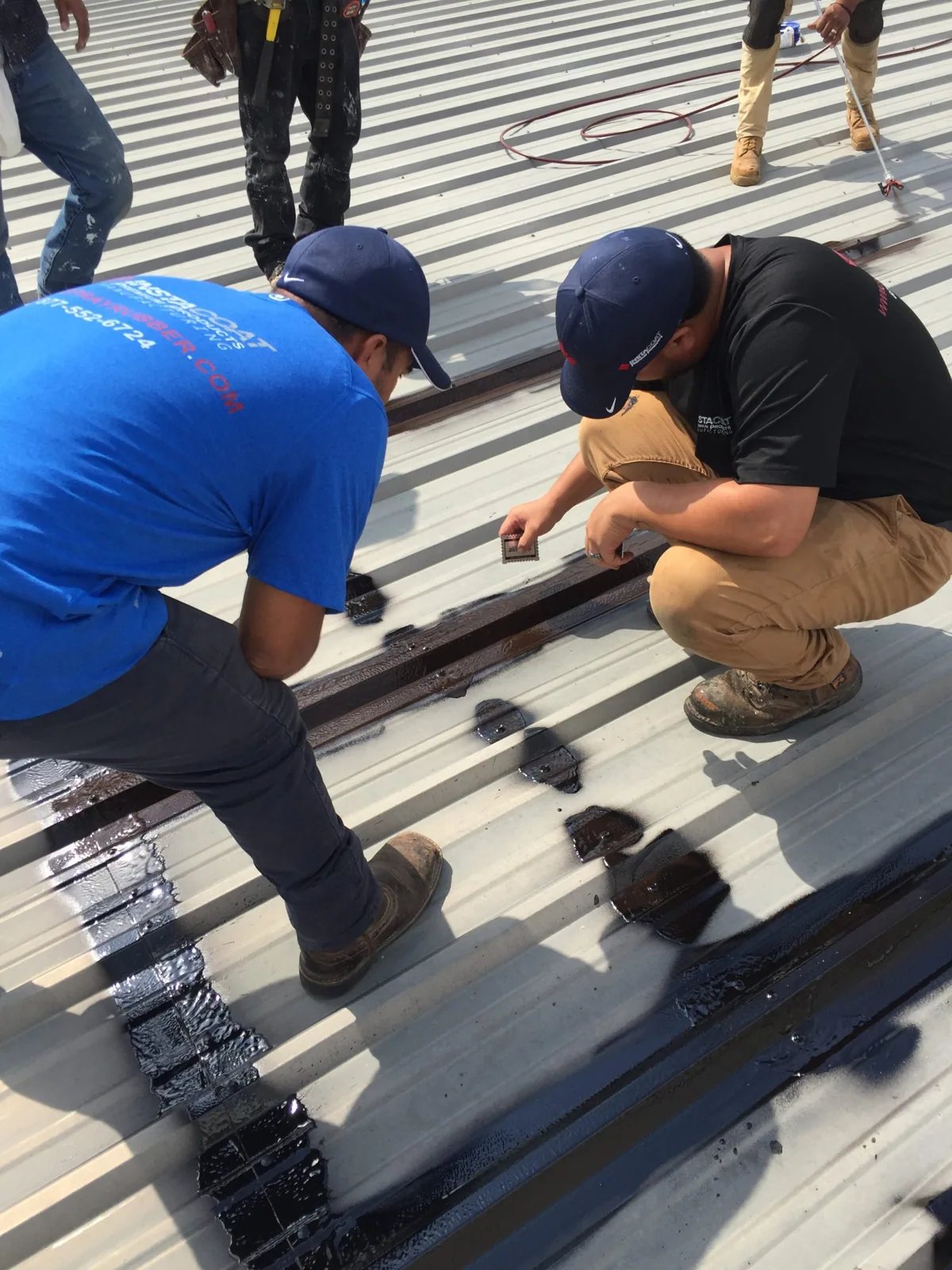
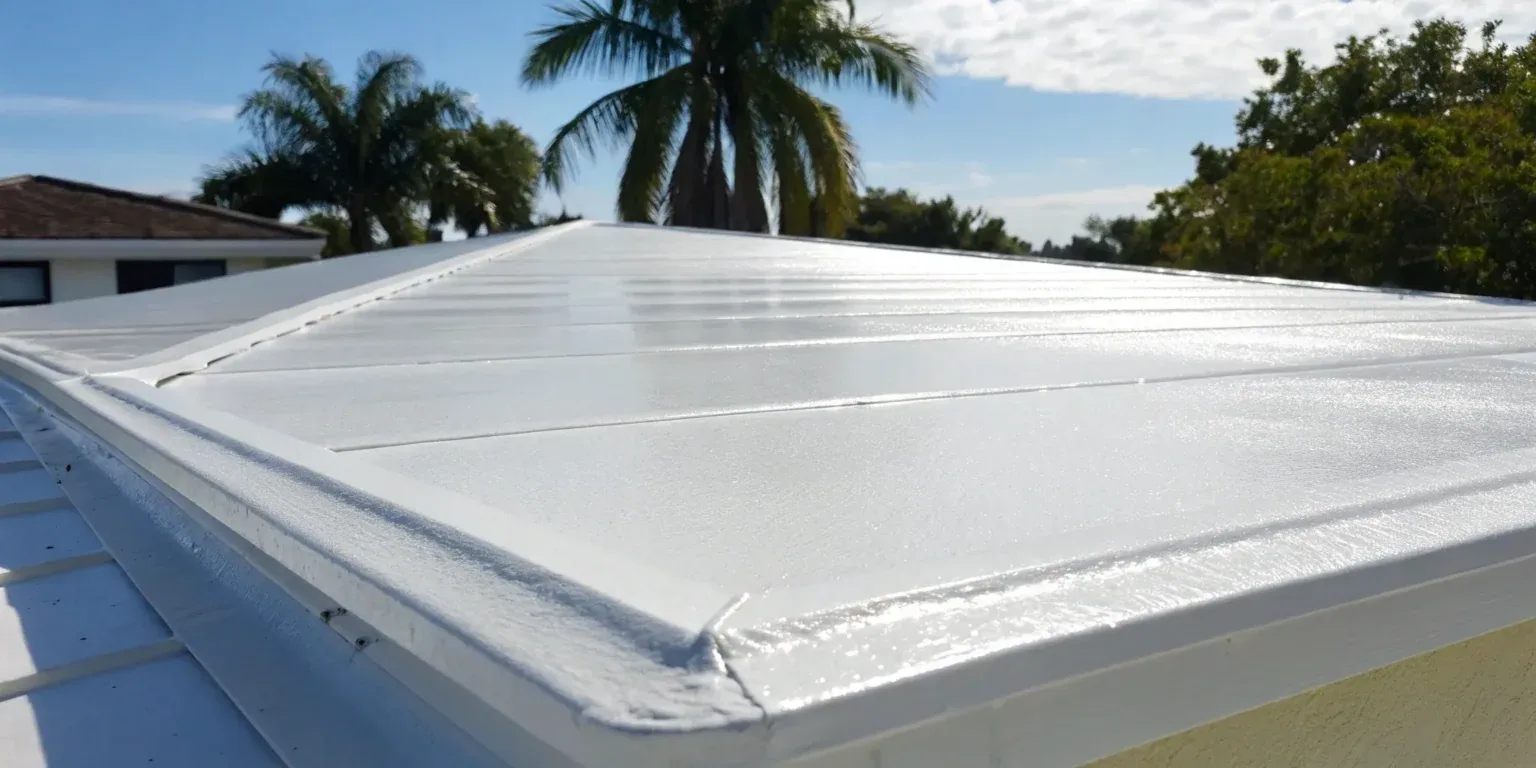
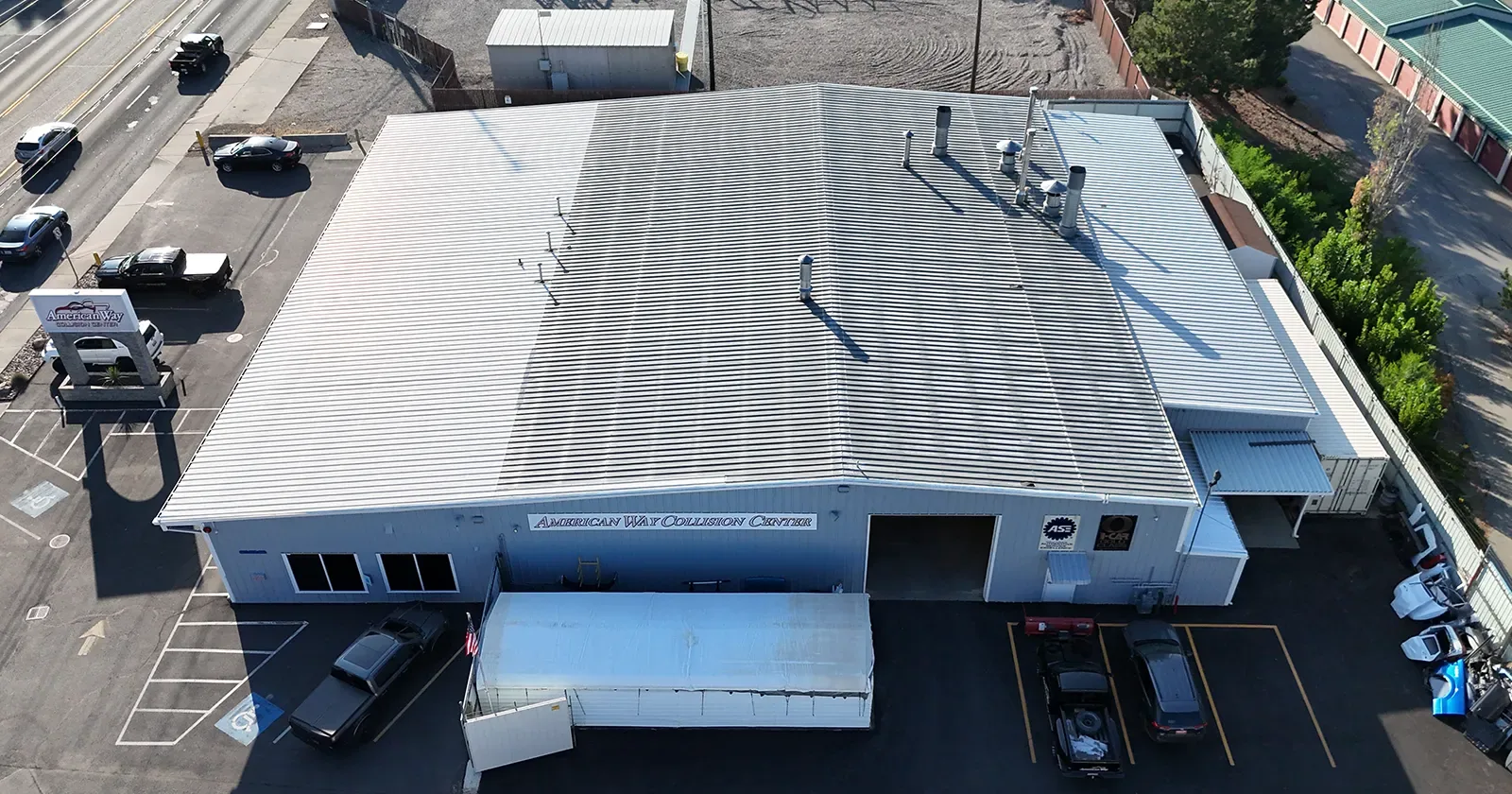
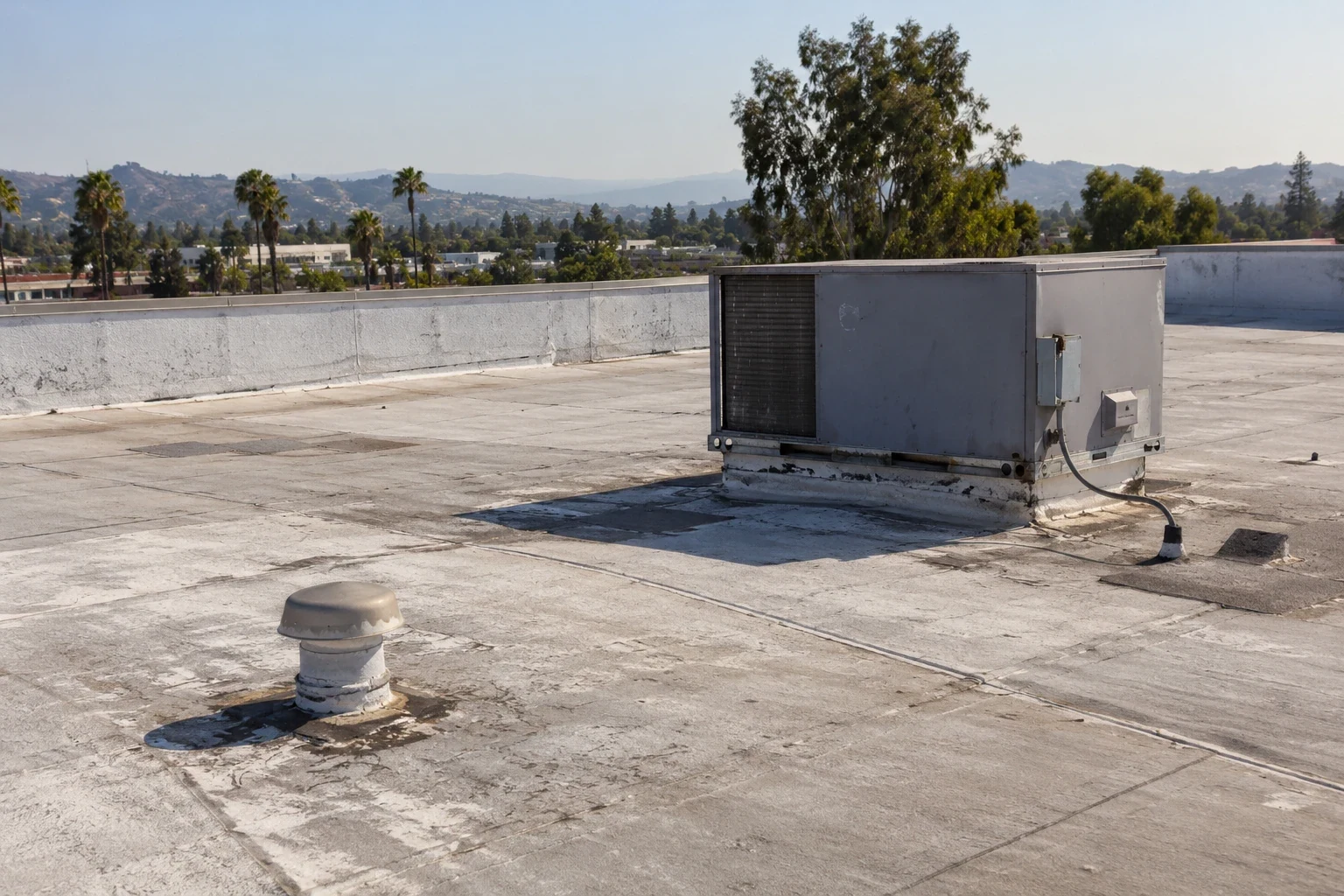
A membrane roof, coated roof, metal roof, and built-up assembly can show similar symptoms while requiring different checks. We document visible membrane or panel condition, seams, transitions, drains, scuppers, edge metal, curbs, penetrations, and rooftop equipment interfaces. Where an opening or test is needed to confirm concealed layers, we identify the location and decision it will support before work begins. A coating is not a substitute for correcting a failed detail, and a patch is not a lasting answer when the surrounding assembly has lost continuity.
Prior repairs can reveal whether a leak was isolated, repeated, or moved by changing weather and drainage. We compare their locations with interior reports and accessible roof observations, then record where evidence agrees and where it does not. A moisture survey may help identify candidate areas for selective testing; it does not by itself define removal limits. The infrared moisture survey process is most useful when its findings are tied back to a roof map supported by field observations. For a known opening or puncture, membrane puncture repair can address the localized condition separately.
Plan Access Around Real Operations
Roof access should be approved by the person responsible for the property. We confirm ladders or roof hatches, escorts, fall-protection requirements, permitted work hours, staging locations, and routes that must stay open. At an industrial property, overhead equipment or active production may change where materials can be moved; an office or retail operation may require a different delivery window. Those are questions for the site contact to verify, not conditions that can be inferred solely from a Mare Island address.
The field record notes any roof areas not reached and why they remain unreviewed. A locked room, active process, fragile surface, or equipment conflict should not be bypassed to complete a checklist. If conditions require another trade, the report identifies the needed coordination and a safe next access step. For occupied buildings, phased reroofing coordination can help sequence work by zone while protecting entrances and operations. Repeatable access and inspection intervals can then be set from the actual assembly and owner priorities.
Set a Repair Limit That Can Be Tracked
A useful repair limit names the roof zone, the condition observed, the materials to be removed, the detail to be restored, and the interface that will remain. It also states exclusions, concealed conditions, temporary protection, and any testing or access still needed. Without those boundaries, an owner may receive a price that appears complete but leaves drains, edge conditions, or adjacent transitions outside the defined work. We prefer a map and written scope that let facilities staff compare the proposal with the roof record.
If the defect is limited and surrounding materials are serviceable, localized work may preserve the assembly. If multiple zones show recurring failure, moisture, or failed attachment, the owner may need to compare repair, recover, and replacement options. That decision depends on confirmed conditions, the remaining service-life objective, budget timing, and operational impact. The commercial roof repair scope can define a bounded correction; a replacement review can address a broader capital window. Neither option should be selected from district identity alone.
Connect Findings to the Capital Window
For an owner managing more than one building, the inspection should produce comparable fields: assembly, approximate age if documented, active repair items, drainage observations, open testing questions, and renewal triggers. We distinguish measured facts from estimates and note where records are missing. A condition trend becomes useful only when the next reviewer can see what changed since the prior visit and why a repair boundary moved.
On Mare Island and across Vallejo, individual roof decisions still depend on the property record. A building with a stable assembly and manageable details may support planned maintenance. A roof with repeated leak calls, widespread deterioration, or an unresolved water path may deserve earlier capital review. The TPO assembly overview can help frame options once the existing system is confirmed. We do not assume that either system is present or suitable without site information.
Leave a Record the Next Manager Can Use
At completion, the closeout should identify the repaired zone, materials installed, photographs before and after, drainage and edge details addressed, warranty documents provided, and any conditions left open. If a roof area was not accessible or a concealed layer was not tested, that limitation remains visible in the record. Facilities teams can then plan the next walk without repeating discovery or treating an unresolved item as a completed repair.
To arrange a Mare Island commercial roof review, gather available drawings, repair history, leak locations, access instructions, and budget timing. We will document the accessible assembly, separate confirmed findings from questions, and return a repair or renewal scope with its limits clearly stated. The same approach can support a property on Downtown Vallejo, while allowing each building's use, roof record, and operating needs to remain distinct.
Commercial Roofing Questions
Do all Mare Island commercial properties have the same roof conditions?
No. Office, retail, and industrial settings vary by building, assembly, access, and maintenance history. We review the specific roof and available records rather than infer condition from the district or nearby properties.
What should an owner provide before a roof inspection?
Plans, prior repair invoices, leak logs, warranty information, and access instructions are useful. If some records are unavailable, we note that gap and document visible conditions without treating assumptions as established facts.
Can a localized repair extend roof service life?
It can address a bounded defect when the surrounding assembly and details remain serviceable. The inspection should confirm the repair boundary and identify recurring conditions or concealed questions that may require broader work.
How do you coordinate roof work around active operations?
We confirm access, work hours, staging, escorts, and protected routes with the property contact. The plan records any areas that cannot be reached and sequences work only after the responsible site contact approves it.
What belongs in the roof closeout record?
Keep zone-specific photographs, materials and details repaired, warranty documents, drainage observations, and open items together. The record should also identify exclusions or areas that were not tested or accessed.
Review the Roof Record Before the Next Capital Decision
Share plans, repair history, leak locations, access instructions, and budget timing. We will document accessible conditions and define a repair or renewal scope with clear limits.
Request a Roof Assessment
Questions About Commercial Roofing for Mare Island Properties in Vallejo, CA
Common questions from building owners and property managers.
Do all Mare Island commercial properties have the same roof conditions?
No. Office, retail, and industrial settings vary by building, assembly, access, and maintenance history. We review the specific roof and available records rather than infer condition from the district or nearby properties.
What should an owner provide before a roof inspection?
Plans, prior repair invoices, leak logs, warranty information, and access instructions are useful. If some records are unavailable, we note that gap and document visible conditions without treating assumptions as established facts.
Can a localized repair extend roof service life?
It can address a bounded defect when the surrounding assembly and details remain serviceable. The inspection should confirm the repair boundary and identify recurring conditions or concealed questions that may require broader work.
How do you coordinate roof work around active operations?
We confirm access, work hours, staging, escorts, and protected routes with the property contact. The plan records any areas that cannot be reached and sequences work only after the responsible site contact approves it.
What belongs in the roof closeout record?
Keep zone-specific photographs, materials and details repaired, warranty documents, drainage observations, and open items together. The record should also identify exclusions or areas that were not tested or accessed.