Roof Damage Repair in Vallejo, CA
Commercial Roofing Vallejo
Trace roof damage to a defined area, document visible conditions, and compare repair options with the building’s history and access needs.
Why Commercial Roofing Vallejo?
Roof Damage Repair for Vallejo Properties
Water entry is an interior symptom, not a roof diagnosis. A useful review traces the reported area to roof conditions, drains, transitions, and prior repairs. Record when the issue appeared and which rooms or operations are affected.
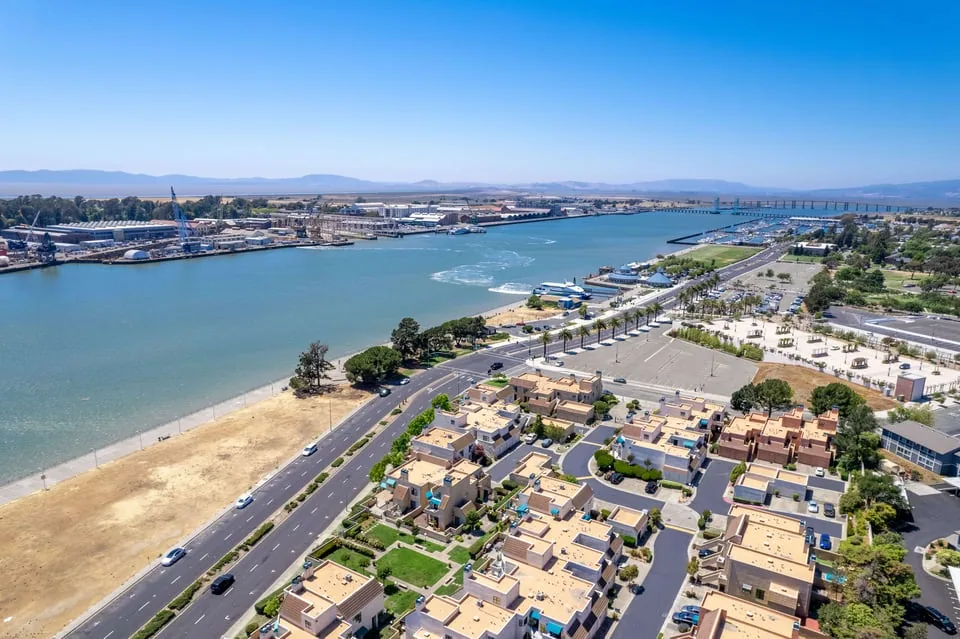
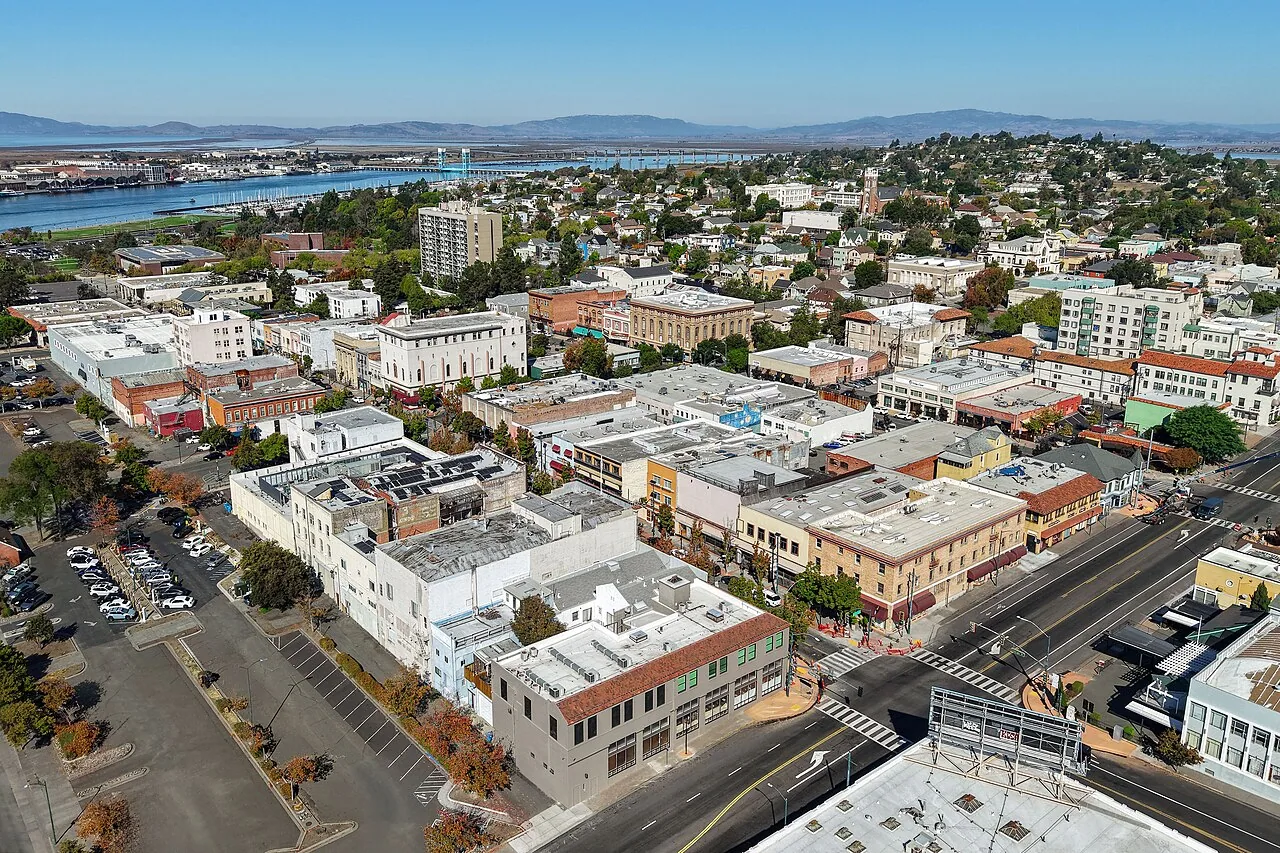
Mare Island combines commercial and industrial spaces with residential neighborhoods and a nature preserve. That mix makes the building contact and areas below each roof zone part of the repair boundary. Downtown Vallejo’s planning scope includes mobility, infrastructure, housing, and economic development; confirm delivery access and public routes at each property rather than infer them from district policy. At either location, confirm operating hours, protected rooms below, and who can approve the repair boundary. Set the access route, weather protection, occupant schedule, and approval point before work begins.
Browse Roof Damage Repair
Vallejo, CA
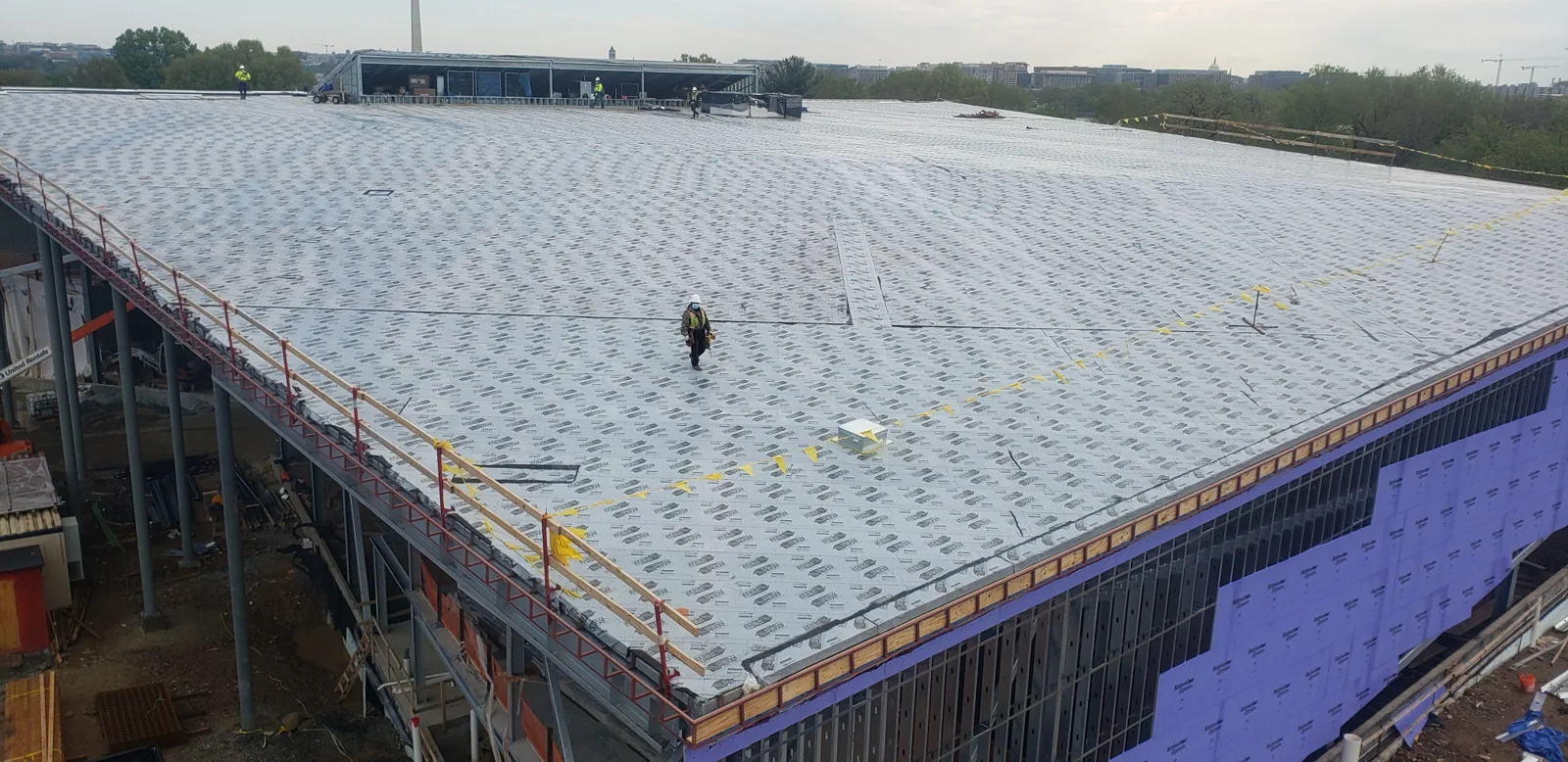
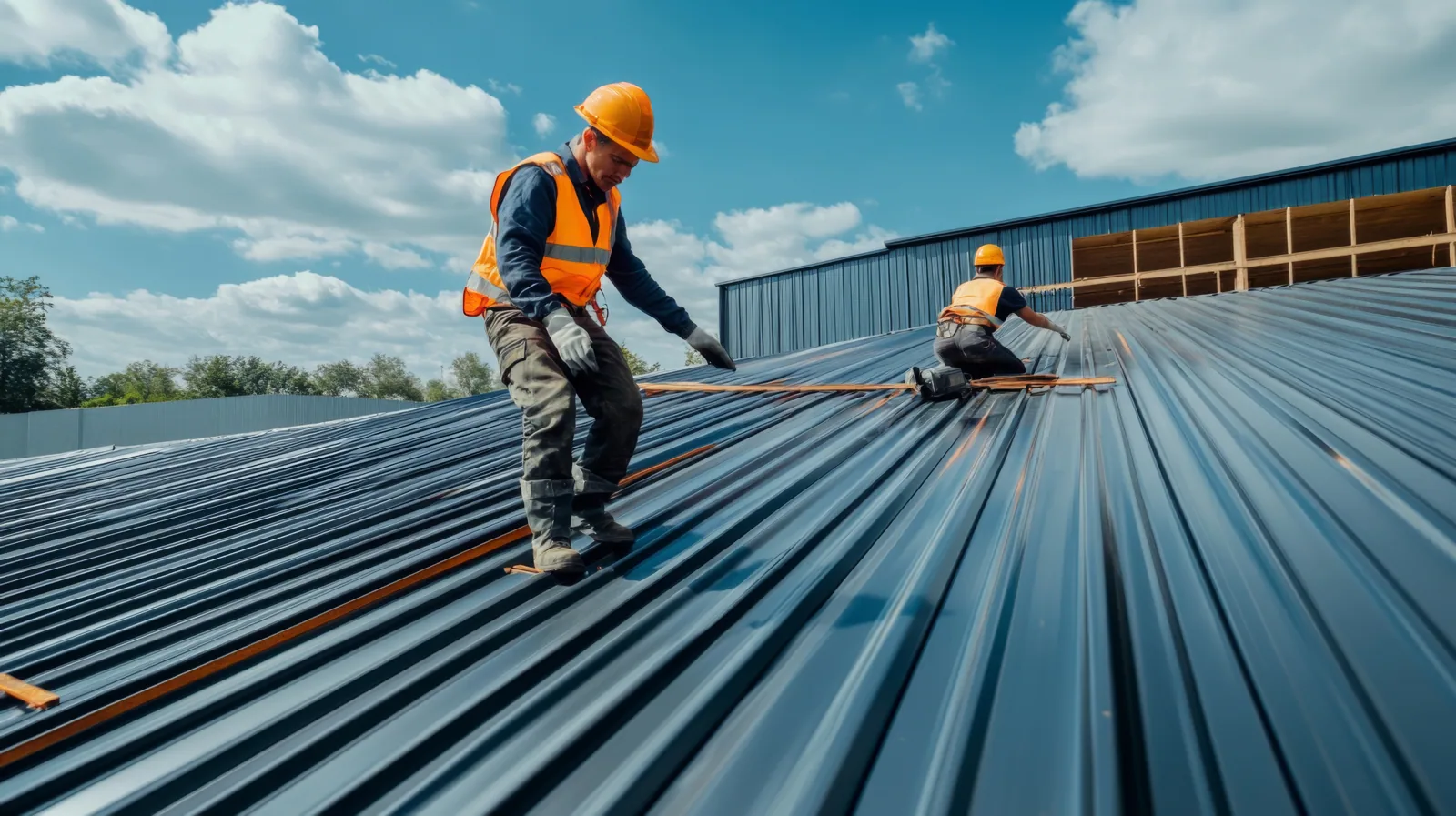
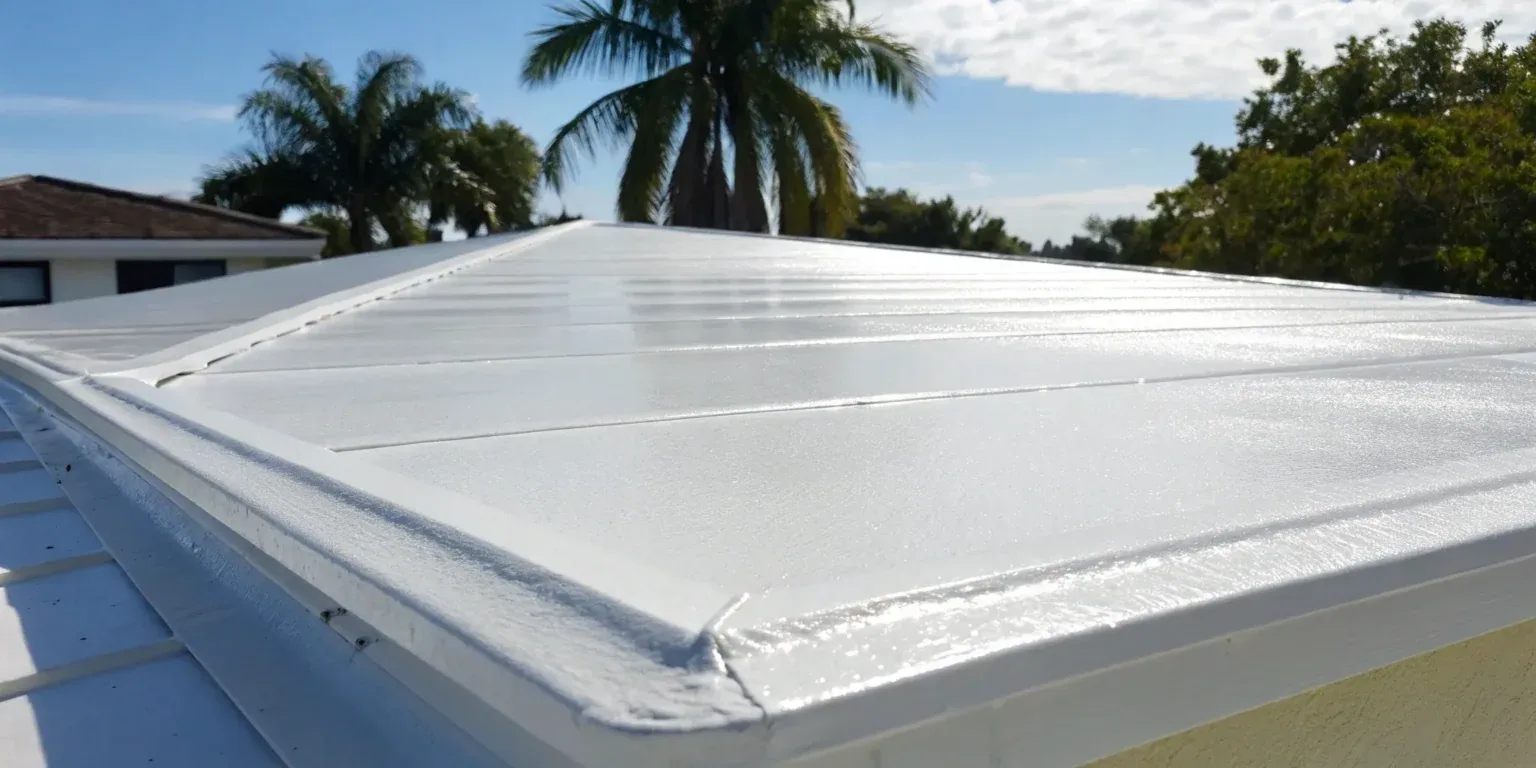
Planning Notes
Roof Damage Repair Details
Trace the water path
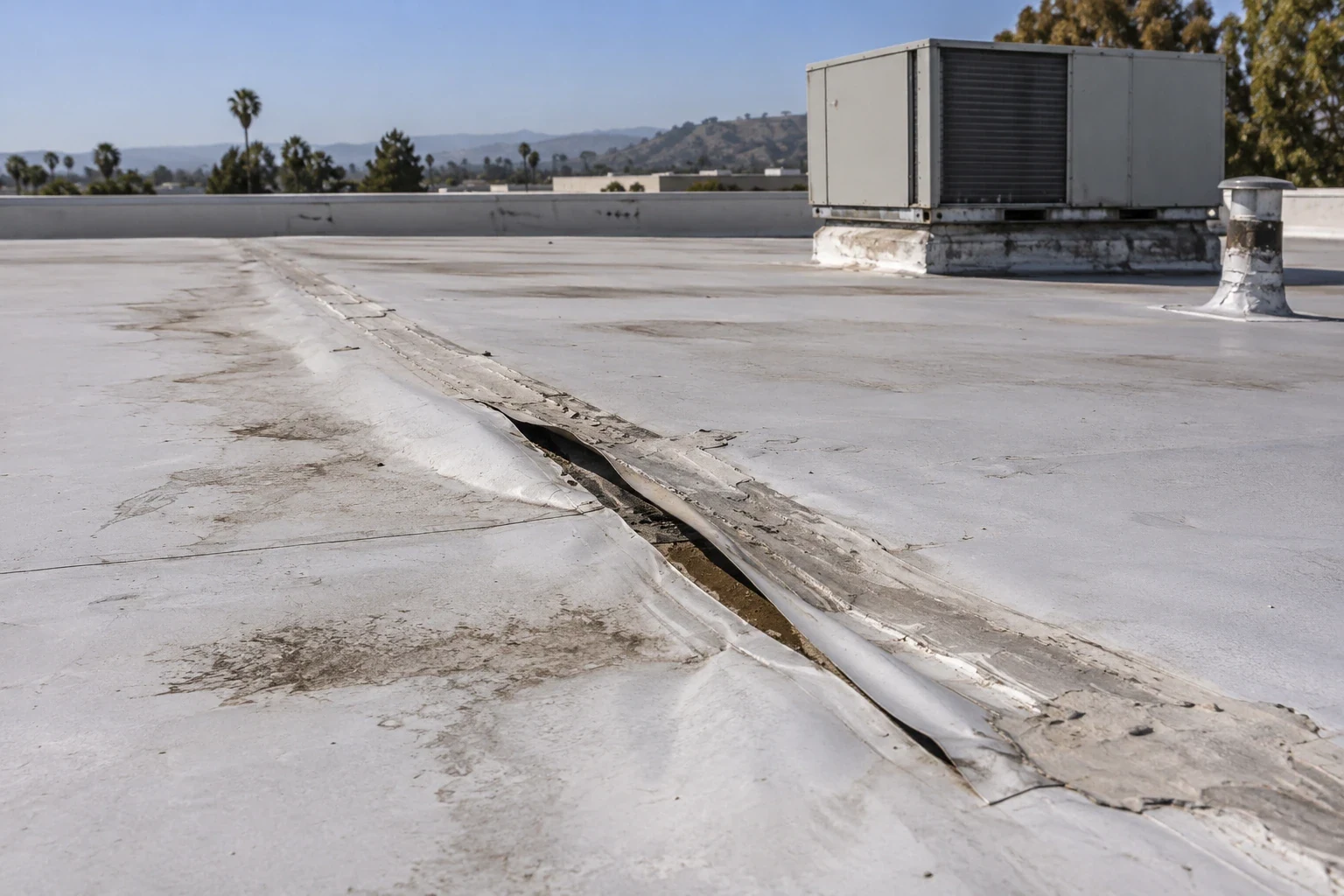
Map the interior report and compare it with roof slopes, drains, seams, penetrations, and edge conditions. Photos should include location and date. If the source remains uncertain, list which area needs further inspection instead of expanding the repair by guesswork.
A ponding review may differ from a flashing check or seam assessment. Tie the finding to a Downtown Vallejo roof zone and an inspection record.
Document the repair area
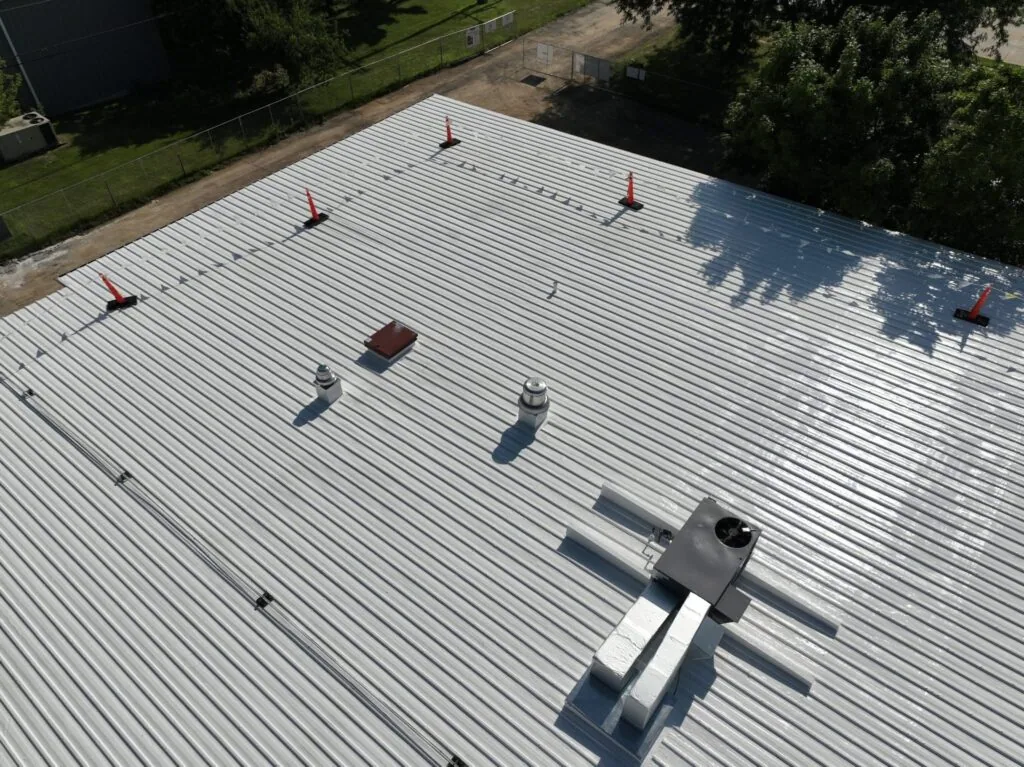
A repair scope should identify the observed condition, location, quantity basis, and limits. Note adjacent rooftop equipment and occupied spaces that affect the work sequence. Preserve the distinction between a confirmed defect and a hidden condition that may need a follow-up.
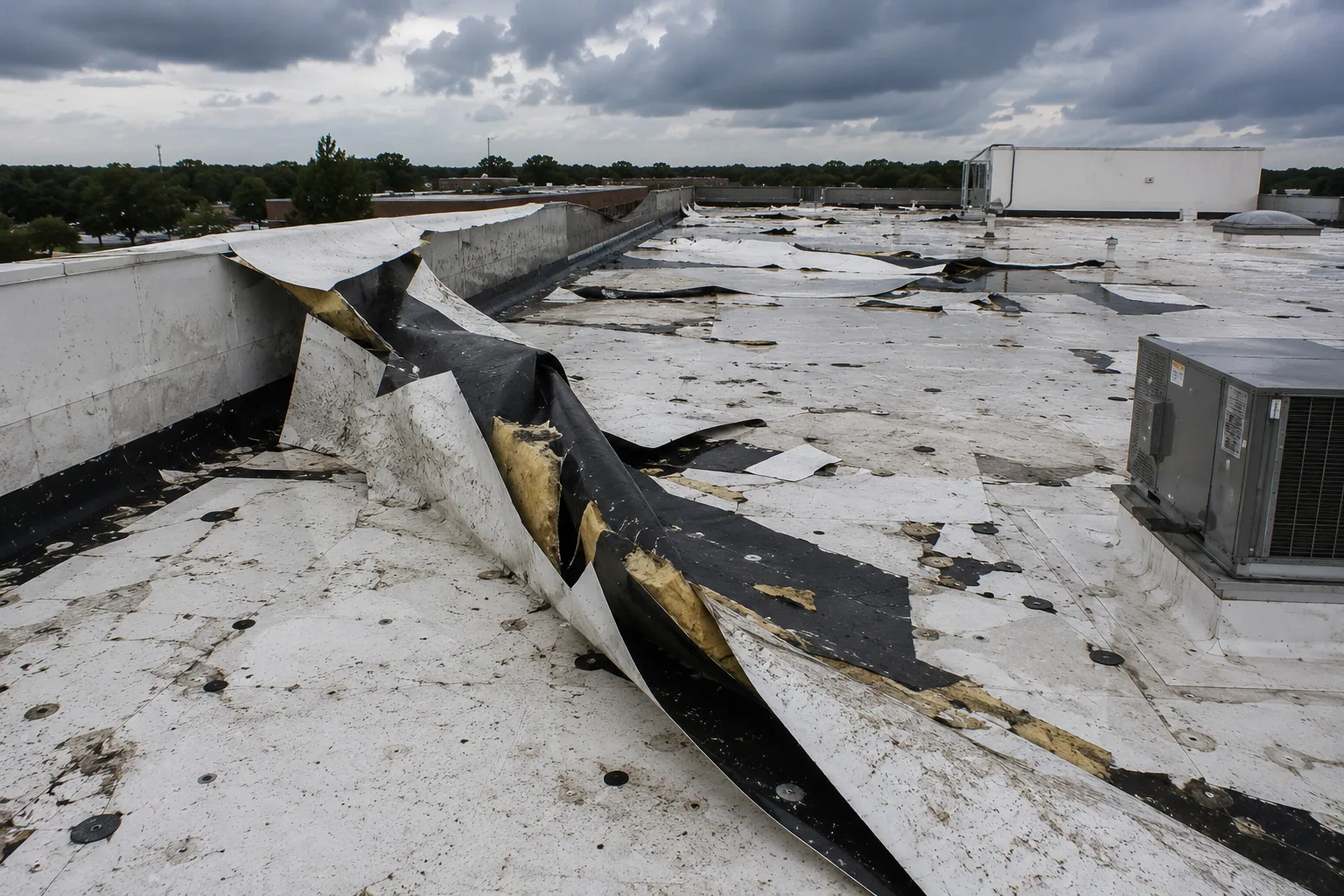
Review wind-related damage, puncture concerns, and fire-related roof conditions against site evidence. A photo report can support the owner’s repair decision.
Coordinate immediate response
An urgent call may require temporary protection while a fuller assessment is arranged. Confirm who can provide entry, whether equipment must be isolated, and how occupants will be informed. Record actions and timing so follow-up can distinguish temporary measures from permanent work.
For a Mare Island facility, coordinate with the current operations contact; do not rely on a district-level assumption. A later asset update should attach the repair chronology and the documents supplied by the owner.
Close the maintenance loop
After work, add dated photographs, materials identified in the closeout, and any remaining monitoring item to the building file. If the same location recurs, compare the new record with earlier service. That chronology can inform future maintenance and capital discussions.
Use maintenance reviews to revisit drains and transitions, and capital planning to separate a repair allowance from broader renewal options.
If the water source remains unclear, preserve the affected interior locations and dates alongside roof photographs. A second visit or additional access may be needed before a permanent scope is set. Describe temporary measures separately from permanent repairs, then note which person will confirm completion and any follow-up observation.
Commercial Roofing Questions
Can an interior leak identify the roof source?
It narrows the area for review, but the path can involve roof details or concealed conditions. Compare interior reports with roof observations.
What should be documented during a repair?
Record the location, observed condition, scope boundary, access constraints, dated images, and any work still requiring confirmation.
When is temporary protection considered?
The owner and contractor can discuss immediate steps based on conditions, access, and building operations while a permanent scope is evaluated.
How do repeat leaks affect planning?
Compare the location and prior work history. Repeated findings may change the next inspection or budget question.