Commercial Fire Damage Roof Repair in Vallejo, CA
Commercial roof reviews after fire in Vallejo, with membrane, deck, insulation, smoke, and suppression-water conditions recorded for restoration planning.
Why Commercial Roofing Vallejo?
Commercial Fire Damage Roof Repair in Vallejo, CA
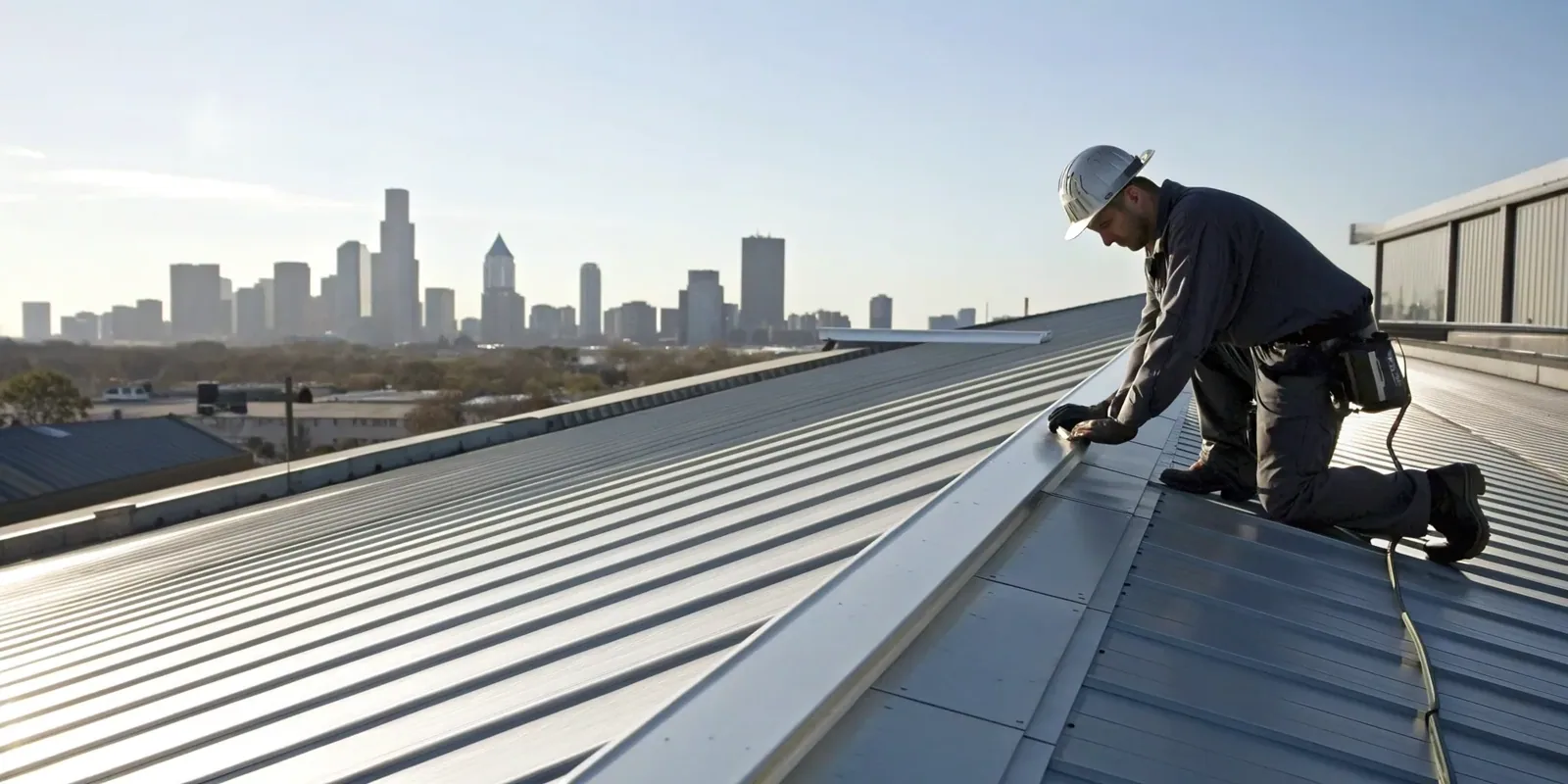
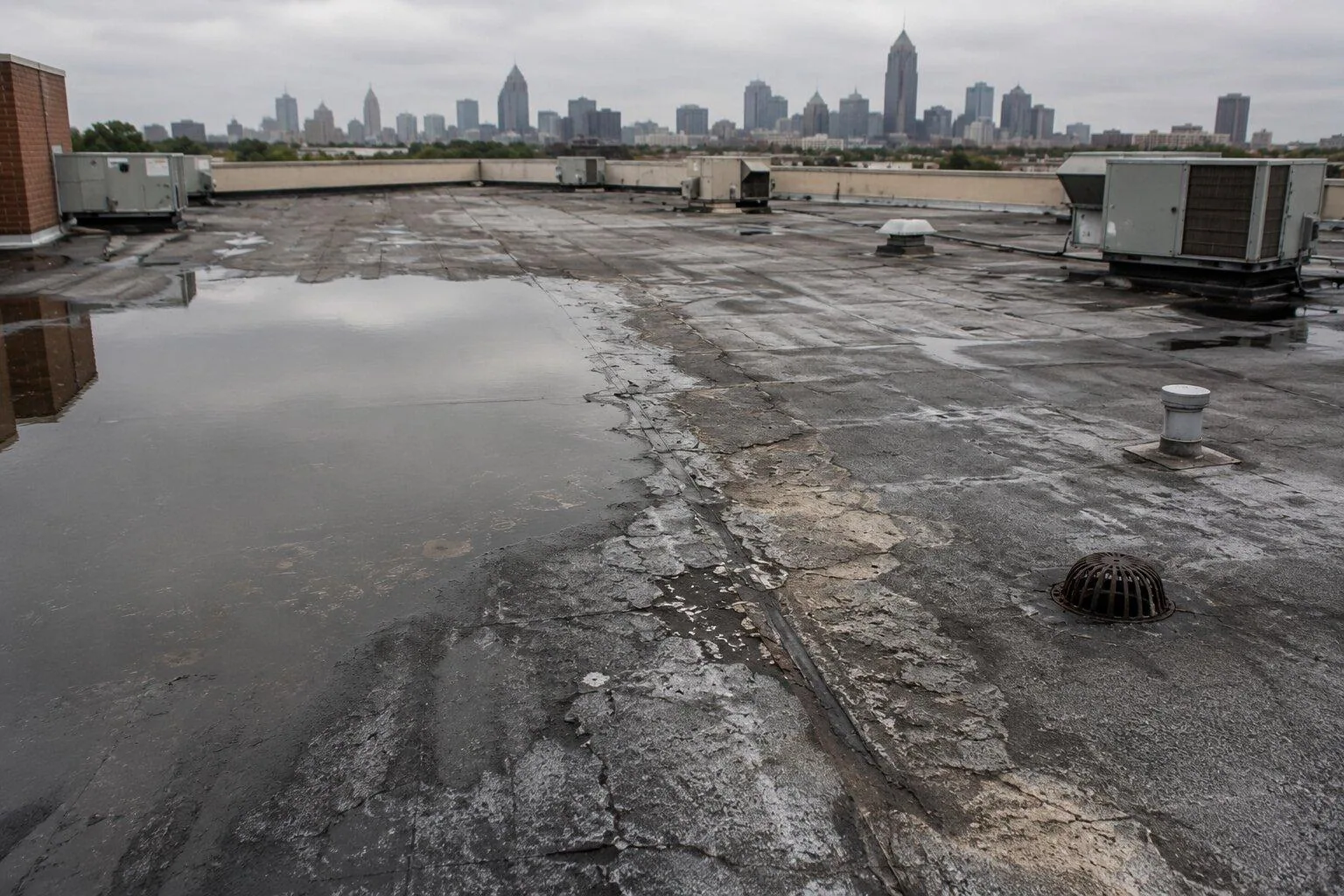
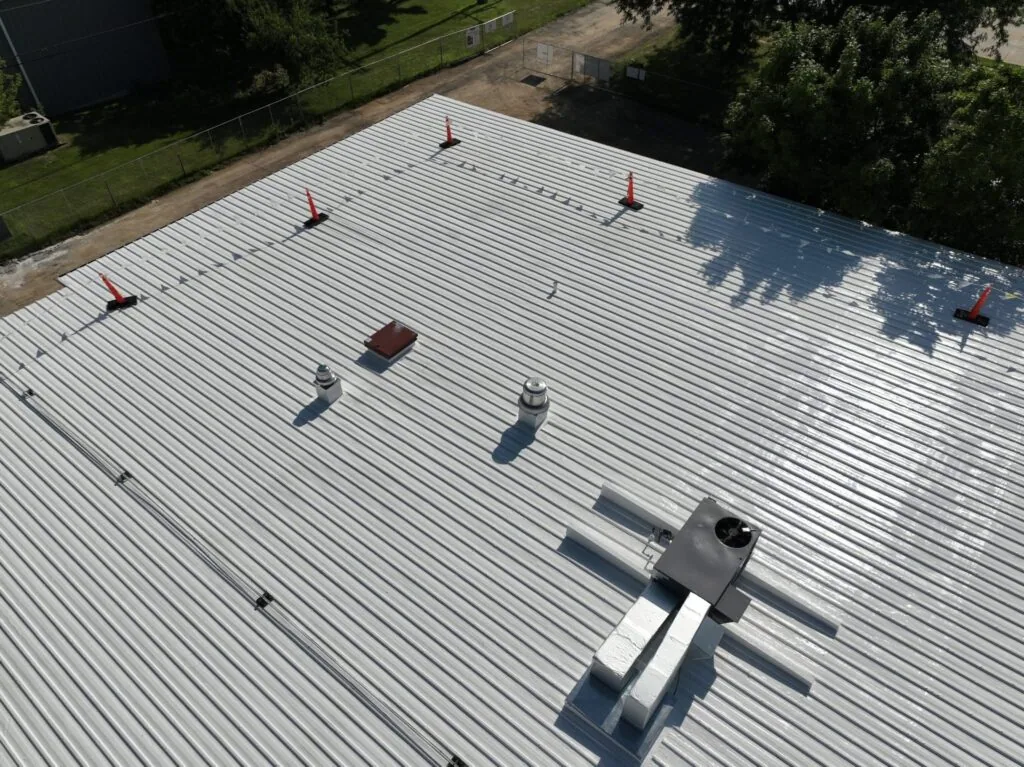
After a fire, the roof review has to separate heat exposure, suppression water, debris, and pre-existing conditions before a replacement limit is drawn. We inspect accessible roof zones, document visible effects to membrane, metal, flashings, curbs, and drains, and coordinate with the owner on what areas are safe to approach. We compare interior staining with roof-level seams, flashings, penetrations, and drainage before setting the repair boundary. Downtown and Mare Island bring different operating contexts to roof access and restoration sequencing. Downtown's mixed-use setting and Mare Island's office, retail, and industrial spaces call for building-specific access and staging plans. A claim documentation review can organize the roof observations while wind-related roof review addresses another kind of event exposure.
Coordinate Access Before the Roof Walk
Fire response and investigation can leave access restrictions, debris, damaged utilities, or areas that should not be entered until the responsible authority releases them. The owner or site manager confirms where the roofing team may work, which openings require temporary protection, and what interior areas need to remain clear. We record the route, escort needs, and limits of the inspection. If a section cannot be reached, the file says so and identifies the next safe access step. The roof scope follows the site release and any direction from the appropriate safety or building professionals.
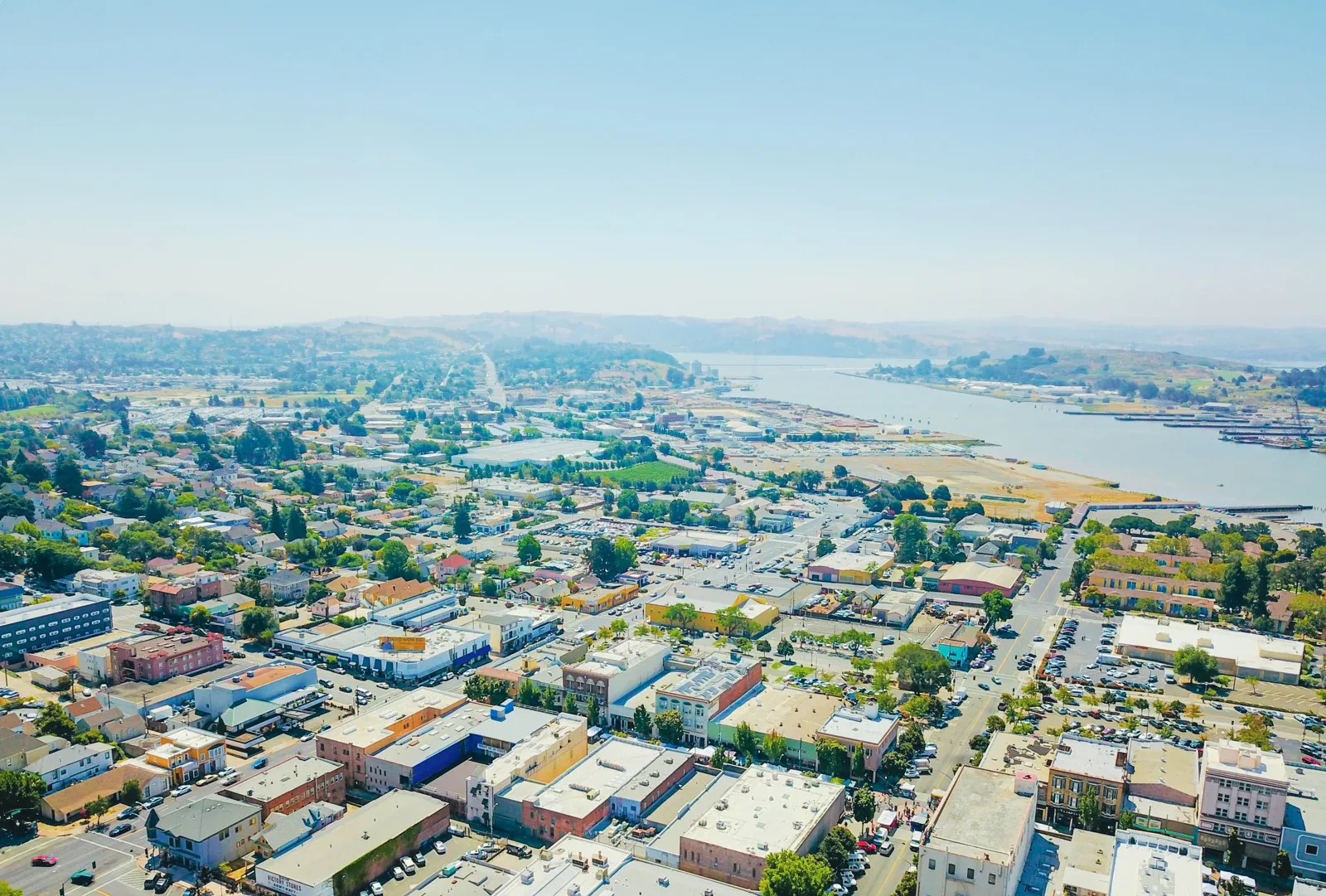
Downtown Vallejo combines active commercial corridors with civic and waterfront uses. That city context does not set access for a fire-affected property. We confirm staging, deliveries, public entrances, and service routes with site management before moving materials. A Downtown Vallejo property review remains tied to the specific building and its access clearance. Where an active operation needs to continue, phased roofing work can sequence areas only after the site contact authorizes them.
Map Heat, Water, and Debris Separately
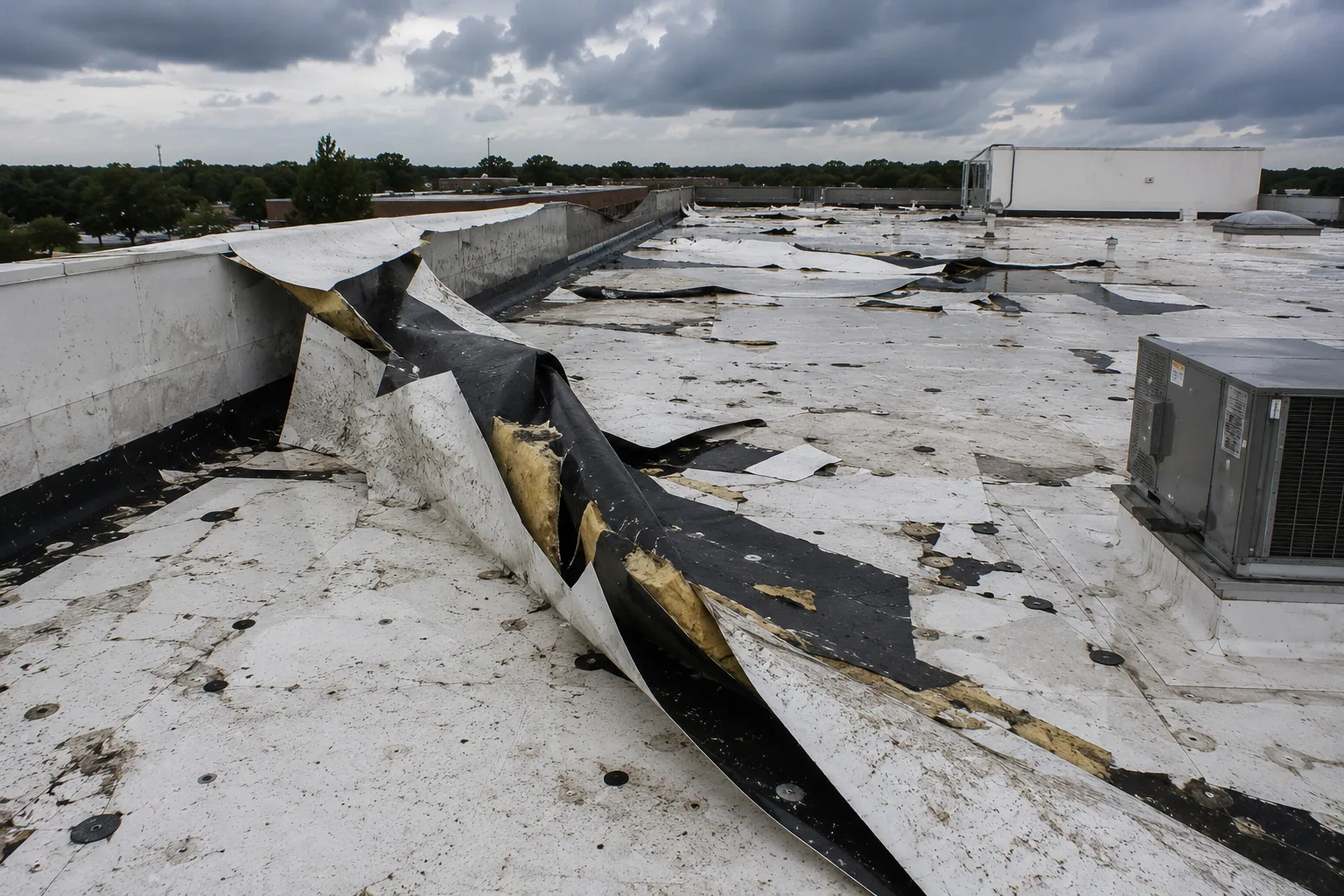
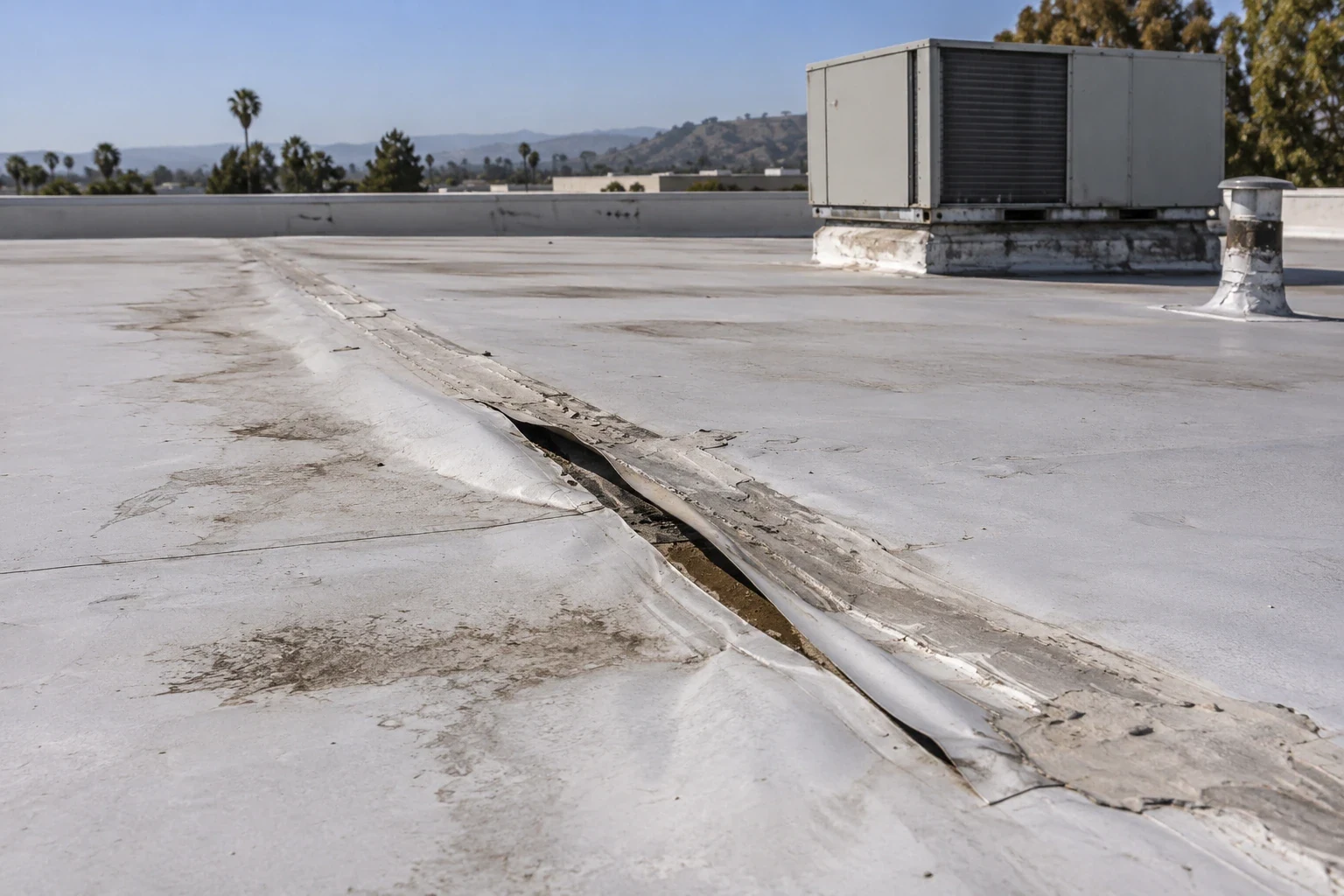
Heat can affect membranes, coatings, adhesives, insulation facers, metal flashings, and rooftop components in different ways. Suppression water can travel through openings or drains and wet materials away from the visible response area. We mark observed discoloration, distortion, blistering, open seams, displaced metal, blocked outlets, and debris by roof zone. The field report separates visible changes from concealed conditions that need an opening, material test, or structural review. We photograph each condition before cleanup alters the evidence and identify which areas remain inaccessible.
Mare Island's commercial inventory includes office, retail, and industrial uses, with some available properties noted for overhead cranes or oversized roll-up doors. That does not establish a fire-damaged roof type or event condition at any property. The site record identifies its actual assembly and affected zone. If water migration is suspected, a moisture survey may locate candidate areas for selective testing. A drainage review can also determine whether debris or displaced components changed the flow path.
Check the Layers Before Setting Replacement Limits
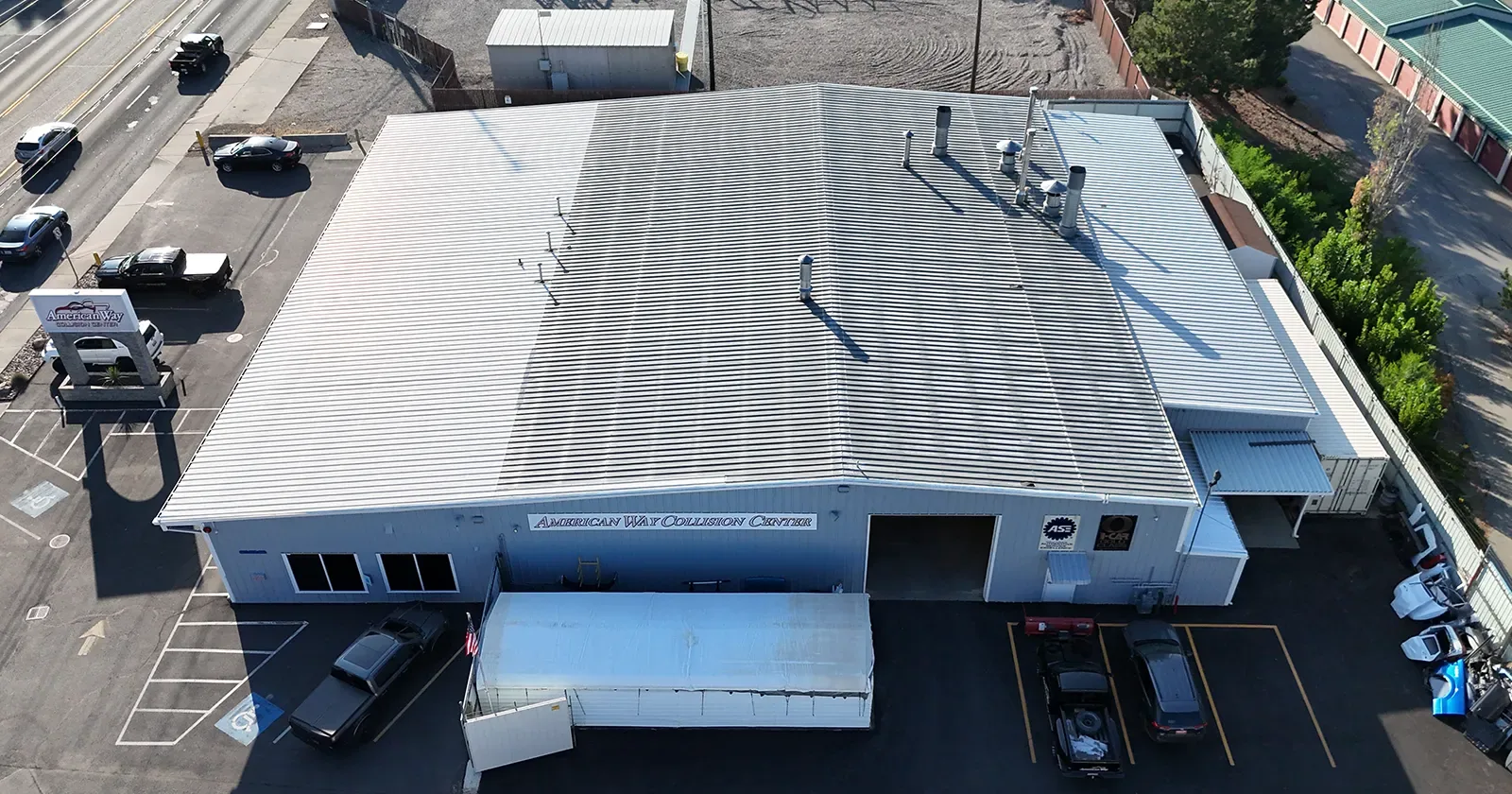
A roof can contain several layers, patches, and concealed interfaces that respond differently to heat and water. We compare drawings and repair files with exposed field conditions, then identify where a test cut or material evaluation could clarify the work. The inspection records membrane condition, insulation, cover board, deck observations, attachment, curbs, and penetrations where accessible. Structural questions or fire-resistance decisions may require qualified design professionals or authorities; the roofing scope does not replace that review. The repair boundary should reflect confirmed conditions and clearly list assumptions for areas that remain closed.
A localized repair may fit an isolated opening when surrounding materials and attachment remain sound. If heat, water, or debris affects multiple zones, a broader recovery or replacement scope may be more appropriate. We identify removal depth, temporary dry-in, replacement materials, edge and drain work, and the sequence required to keep adjacent areas protected. A roof inspection can establish those observations, and replacement planning can carry a larger scope once testing and access allow it.
Keep the Restoration Boundary Visible
After the inspection, we divide work into immediate weather protection, debris removal approved for the roofing scope, testing, repair, and any larger reconstruction. Each stage identifies who can release the area, what must remain accessible, and which other trades need to finish before roofing closes an opening. If equipment, electrical service, or exterior work intersects the roof, the GC and facility team confirm the order. We list the daily boundary and dry-in method so a shift does not leave an exposed area without a named next step. If cleanup, equipment removal, or interior drying is still underway, the sequence calls out who needs to finish that task before roof closure. This helps the owner avoid covering a wet interface or blocking access required for another restoration trade.
Broadway, Sonoma Boulevard, and other Vallejo corridors link city districts. Those place names may help a portfolio manager group properties, but access and scope follow the actual site. We coordinate lifts, material staging, and public routes with the responsible contact. A general contractor coordination scope can align roof restoration with interior and mechanical work. If flashing or edge damage remains after fire-related conditions are assessed, detail repair can document that work separately.
Return Evidence for the Restoration File
The closeout can include dated roof-zone photographs, materials removed and installed, test results within the approved scope, temporary protection, and locations not accessed. We mark work completed separately from open investigation items so ownership can reconcile the roof package with other restoration records. If an assembly remains under evaluation, the file identifies the decision or release still needed before that area is closed. A condition report preserves the before-and-after record for later maintenance and capital planning.
Arrange a roof review with drawings, incident records, repair history, access clearance, and restoration contacts. We will document the accessible assembly, identify tests needed to establish a limit, and outline the roof work that follows from confirmed conditions. The owner can then coordinate a repair or renewal decision with the broader restoration process without confusing an observation with a coverage determination.
Commercial Roofing Questions
Can the roof be inspected before fire investigation is complete?
Only areas released for access should be approached. We coordinate with site management and follow applicable restrictions, then document which zones could not be examined. A later visit can cover those sections after the responsible authority permits access.
Does suppression water require full roof replacement?
Not automatically. We map affected areas, inspect drains and openings, and identify insulation or deck conditions that need testing. The repair limit depends on the assembly, extent of moisture, and material condition. We separate confirmed work from areas awaiting access or testing.
How do you separate heat damage from older roof wear?
We compare current observations with dated maintenance records, prior photographs, and repair invoices. The report notes visible changes and distinguishes them from existing conditions where the history supports that distinction. Missing records remain an uncertainty, not a date or cause we assign by assumption.
Who decides whether the roof deck is structurally sound?
We can record visible deck observations where access allows and identify conditions that warrant further review. A qualified design professional or authority should address structural capacity and applicable safety questions. The roofing repair scope remains limited to the findings and work approved for the roof assembly.
What should be included in a fire restoration roof package?
Include roof-zone photographs, accessible assembly information, test results, removal and replacement limits, temporary protection, exclusions, and open access needs. We can organize those items by location so the owner and restoration team can compare roof work with the broader repair record.
Document the Roof Before Setting the Restoration Scope
Arrange a site review with access clearance, drawings, incident records, and restoration contacts so affected zones, testing needs, and repair boundaries can be documented.
Request a Roof Assessment
Questions About Commercial Fire Damage Roof Repair in Vallejo, CA
Common questions from building owners and property managers.
Can the roof be inspected before fire investigation is complete?
Only areas released for access should be approached. We coordinate with site management and follow applicable restrictions, then document which zones could not be examined. A later visit can cover those sections after the responsible authority permits access.
Does suppression water require full roof replacement?
Not automatically. We map affected areas, inspect drains and openings, and identify insulation or deck conditions that need testing. The repair limit depends on the assembly, extent of moisture, and material condition. We separate confirmed work from areas awaiting access or testing.
How do you separate heat damage from older roof wear?
We compare current observations with dated maintenance records, prior photographs, and repair invoices. The report notes visible changes and distinguishes them from existing conditions where the history supports that distinction. Missing records remain an uncertainty, not a date or cause we assign by assumption.
Who decides whether the roof deck is structurally sound?
We can record visible deck observations where access allows and identify conditions that warrant further review. A qualified design professional or authority should address structural capacity and applicable safety questions. The roofing repair scope remains limited to the findings and work approved for the roof assembly.
What should be included in a fire restoration roof package?
Include roof-zone photographs, accessible assembly information, test results, removal and replacement limits, temporary protection, exclusions, and open access needs. We can organize those items by location so the owner and restoration team can compare roof work with the broader repair record.