Commercial Roofing for General Contractors in Vallejo, CA
Roof scopes and trade coordination for Vallejo general contractors, with assemblies, access, temporary dry-in, and closeout records defined by building.
Why Commercial Roofing Vallejo?
Commercial Roofing for General Contractors in Vallejo, CA
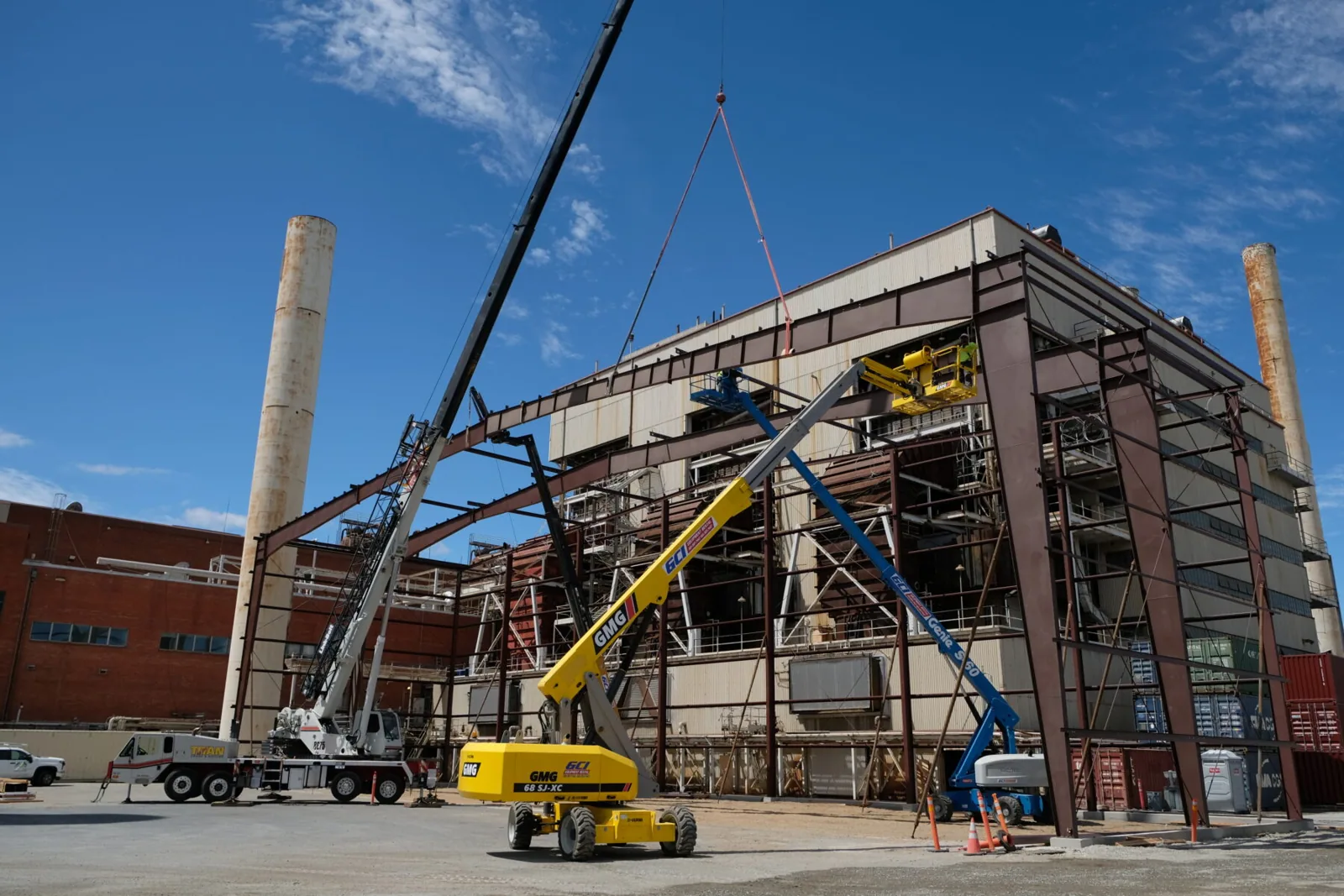
A roofing scope affects more than the roof when it meets mechanical work, exterior renovations, tenant access, or a tight turnover date. We review the drawings, existing assembly, and work boundary with the general contractor before setting a sequence. Map parcel, truck route, staging area, and roof-zone boundaries with the project team before mobilization. Mare Island combines office, retail, and industrial space; some commercial properties have overhead cranes or oversized roll-up doors. Confirm clearances and work access at the specific building, since those features do not establish roof capacity. A phased occupied-building scope can define daily protection while manufacturing projects may add production windows and equipment access. A hospitality renovation schedule may prioritize guest turnover, while public facilities may need approval steps aligned with their procurement calendar and ongoing services.
Define the Roofing Boundary Before Mobilization
Plans and specifications should identify which roof zones are included, what existing layers are known, and where another trade changes the assembly. We review curbs, penetrations, drains, edge metal, parapets, wall transitions, and areas affected by new equipment or exterior work. The scope lists removal depth, insulation, cover board, membrane or metal system, temporary protection, and tie-in limits. If concealed conditions may change the quantity, we call out the opening or test needed before committing to a broader repair. This gives the GC a clear line between the roofing contract and adjacent mechanical, electrical, or façade work.
For a project in the Downtown Vallejo area, confirm parcel-specific truck routes, delivery access, permit requirements, and staging approval with the project team before materials arrive. Record each assumption in the look-ahead schedule, then revisit the route if site conditions change. That keeps a logistics question from becoming an unpriced field change at delivery.
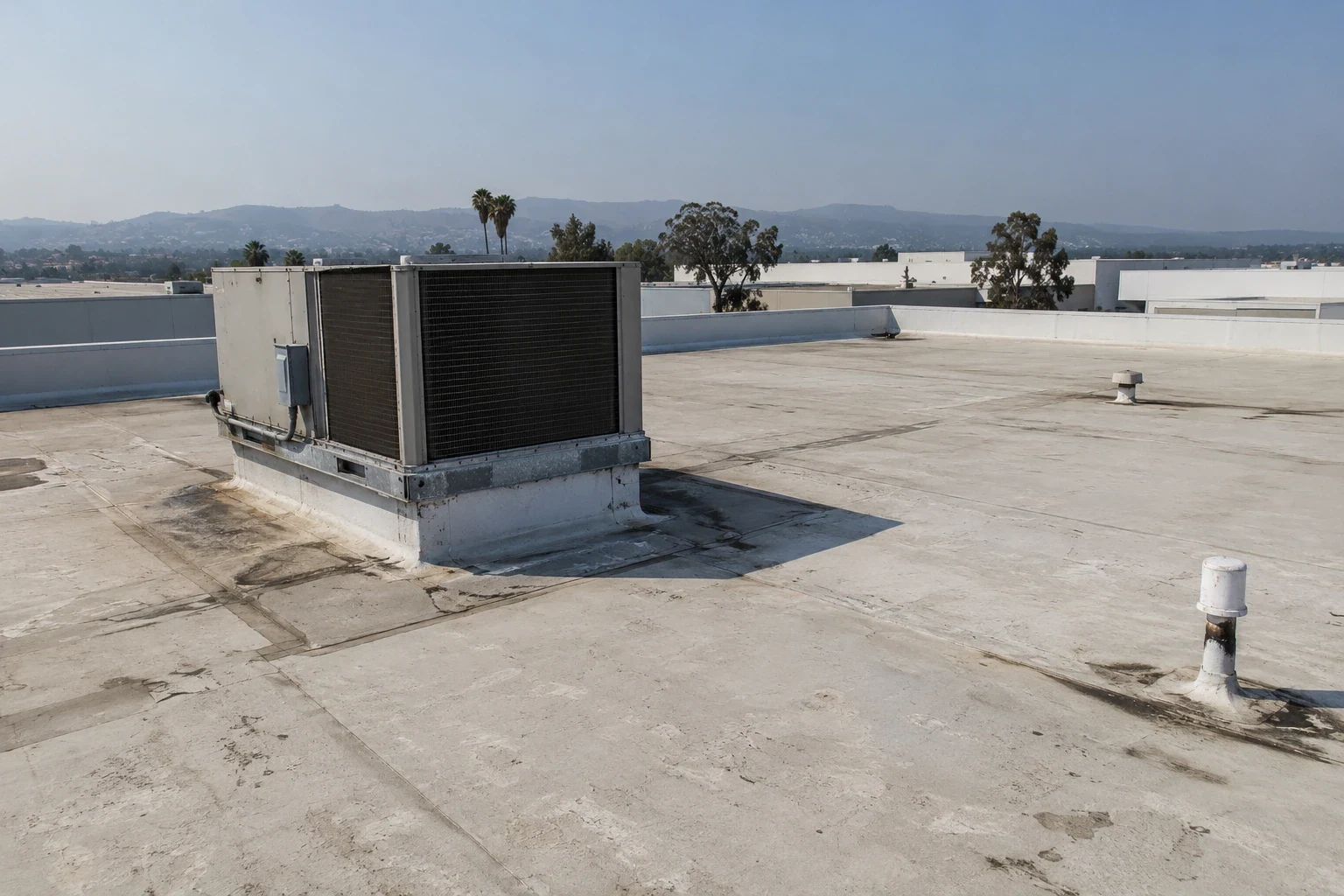
When the work includes new rooftop units, settle curb size, attachment, flashing, and the equipment-setting date before the membrane crew closes that zone. Keep each trade's release point in the look-ahead schedule. A missed interface can turn a completed roof area into a new opening.
Sequence Equipment, Openings, and Tie-Ins
New rooftop units, conduit, piping, and support steel can change the roof detail after the main membrane work is priced. We coordinate curb dimensions, attachment, flashing, and the timing of equipment setting with the GC and relevant trades. A roof opening receives a temporary dry-in plan and a defined point for permanent closure. If the equipment contractor needs access after the roofing crew leaves, the closeout should identify the traffic path and protection requirements. These steps keep a roof transition from becoming a gap between contracts.
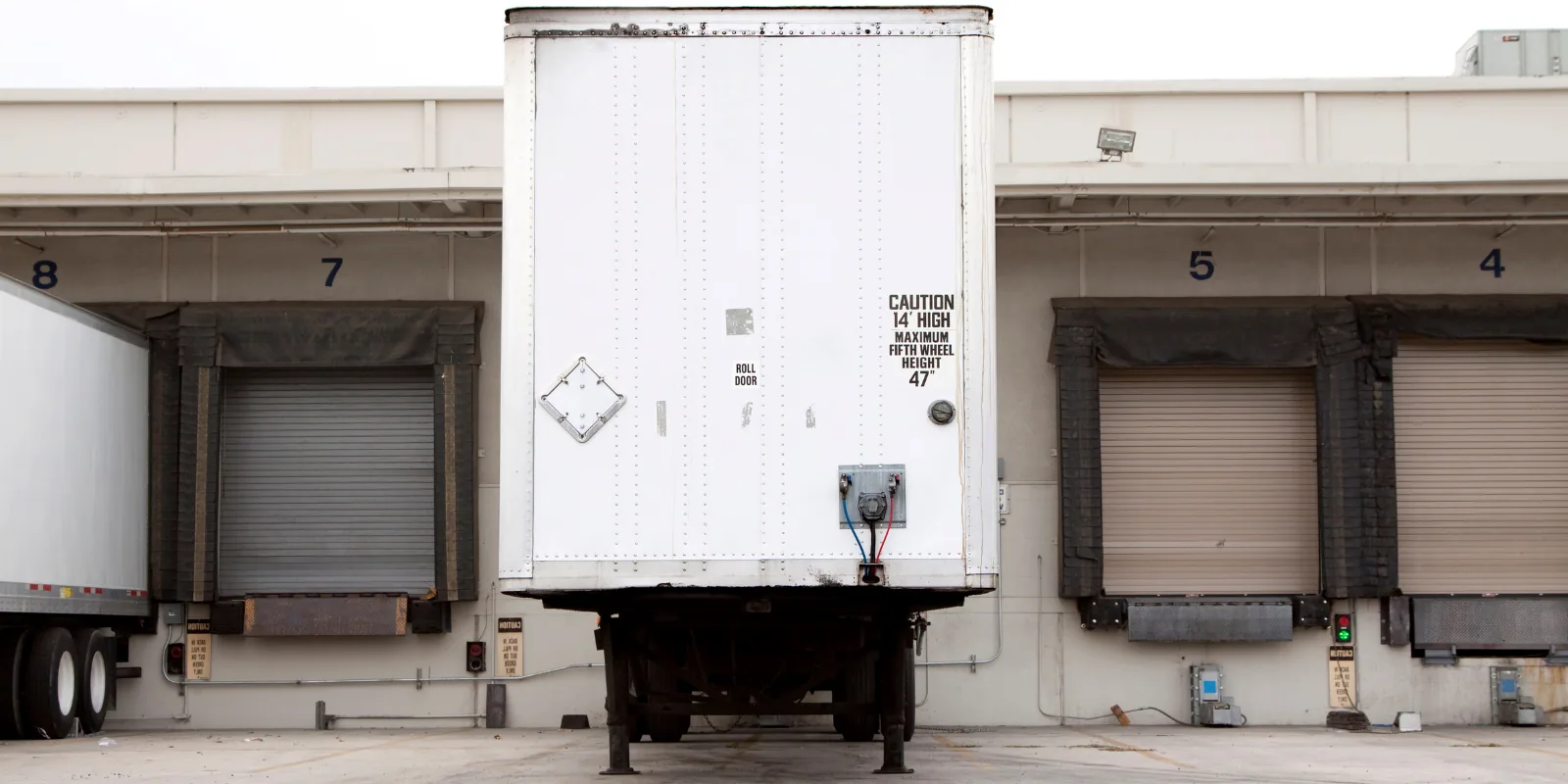
Mare Island commercial space spans office, retail, and industrial uses, and some buildings have overhead cranes or large roll-up doors. Confirm material handling and access with the site contact; these features do not establish the roof deck or lifting capacity. Tie the lift path to the loading schedule and the roof zone under work. For a building that remains active, a warehouse roof scope or manufacturing roof plan can document use-specific limits before lifts, deliveries, or shutdowns are scheduled.
Resolve Existing Conditions Before the Bid Closes
Existing roofs can conceal moisture, multiple layers, abandoned penetrations, or prior repairs that change the tie-in. We compare available plans and repair records with a field walk, then identify zones needing a core cut, moisture survey, or access from below. The report distinguishes visible conditions from assumptions and describes how each unresolved item could affect demolition, attachment, or flashing. That lets the GC carry a clear allowance or hold point rather than treating an unknown assembly as a confirmed quantity.
Broadway, Sonoma Boulevard, and Tennessee Street link Vallejo districts. Those names can orient a project schedule, but the parcel and building determine truck access, delivery timing, and site rules. A roof inspection can record the current assembly and visible defects, while an infrared survey may help test selected areas when the observations support it. Neither replaces a project-specific opening where concealed layers need confirmation.
Protect the Schedule Through Each Work Shift
Roofing sequence depends on tear-off limits, forecast conditions, material delivery, crew access, and the time needed to close the assembly each day. We define work zones that can be dried in before a shift ends and identify the temporary protection used if an unexpected condition interrupts progress. The GC can coordinate that sequence with interior finishes, occupied areas, and equipment setting. If another trade must cross completed roofing, the plan should state the approved route and protection method before the area is released.
Vallejo’s summer monthly highs average 85 to 87°F; July and August average no rainfall. Use this seasonal context while aligning exposed work with the current forecast and the daily dry-in limit. We confirm the current schedule, keep exposed areas limited, and specify who checks temporary tie-ins. An emergency response can address active water entry, while scheduled work still needs a daily closeout boundary and documented handoff.
Return Records That Match the Contract Documents
Closeout can include photographs by roof zone, materials installed, details at curbs and drains, test results, warranties supplied by the manufacturer, and areas outside the roofing scope. We identify changes from the approved documents and list open punch items that affect water shedding or access. The GC can keep the record with submittals, daily reports, and commissioning notes, then give ownership a clear picture of what was completed. A condition report also helps a later facilities team distinguish an original roof item from a post-construction change.
Arrange a scope review with drawings, project schedule, access assumptions, existing roof records, and adjacent trade contacts. We will identify tie-ins and testing needs, define the daily protection boundary, and return a roof package that can be coordinated with the larger project. That gives the GC a clearer basis for bid comparison, mobilization, and turnover.
Commercial Roofing Questions
What should a GC confirm before roofing bids are released?
Confirm the roof limits, known layers, penetrations, curbs, drains, access, staging, and work hours. We identify testing or openings needed to confirm concealed conditions and list assumptions that could change quantity. The bid package can then separate base scope from an allowance or alternate.
How do roofers coordinate a new rooftop unit installation?
We align curb dimensions, support details, flashing, and roof openings with the equipment and mechanical trades. The schedule identifies when the curb is ready, who maintains temporary dry-in, and when permanent flashing is completed. A later service path across finished roofing also needs a defined protection method.
Who handles temporary dry-in if a project is interrupted?
The contract sequence should name the party responsible for the exposed area and the materials used to make it watertight at shift end. We define that boundary with the GC before tear-off, then document any changed condition that affects the next day's work.
Can roofing proceed while other trades are on the roof?
It can when access routes, equipment setting, material storage, and completed areas are coordinated. We identify where other trades may cross the roof and what protection or sign-off is required. If that access changes the membrane or flashing, the repair responsibility should be assigned before the area is reopened.
What should be in the roofing closeout package?
Include photographs, system and material records, detail locations, inspection or test results, approved changes, exclusions, and open punch items. We organize the record by roof zone so the GC can reconcile it with submittals and the owner can use it for later maintenance and warranty administration.
Coordinate the Roof Scope Before Mobilization
Arrange a review with drawings, project timing, access assumptions, existing conditions, and trade interfaces so the work boundary and daily protection are clear.
Request a Roof Assessment
Questions About Commercial Roofing for General Contractors in Vallejo, CA
Common questions from building owners and property managers.
What should a GC confirm before roofing bids are released?
Confirm the roof limits, known layers, penetrations, curbs, drains, access, staging, and work hours. We identify testing or openings needed to confirm concealed conditions and list assumptions that could change quantity. The bid package can then separate base scope from an allowance or alternate.
How do roofers coordinate a new rooftop unit installation?
We align curb dimensions, support details, flashing, and roof openings with the equipment and mechanical trades. The schedule identifies when the curb is ready, who maintains temporary dry-in, and when permanent flashing is completed. A later service path across finished roofing also needs a defined protection method.
Who handles temporary dry-in if a project is interrupted?
The contract sequence should name the party responsible for the exposed area and the materials used to make it watertight at shift end. We define that boundary with the GC before tear-off, then document any changed condition that affects the next day's work.
Can roofing proceed while other trades are on the roof?
It can when access routes, equipment setting, material storage, and completed areas are coordinated. We identify where other trades may cross the roof and what protection or sign-off is required. If that access changes the membrane or flashing, the repair responsibility should be assigned before the area is reopened.
What should be in the roofing closeout package?
Include photographs, system and material records, detail locations, inspection or test results, approved changes, exclusions, and open punch items. We organize the record by roof zone so the GC can reconcile it with submittals and the owner can use it for later maintenance and warranty administration.