Commercial Roofing for Hospitality Groups in Vallejo, CA
Roof inspections and renewal scopes for Vallejo hotels and hospitality properties, planned around guest access, mechanical equipment, and operating schedules.

Why Commercial Roofing Vallejo?
Commercial Roofing for Hospitality Groups in Vallejo, CA
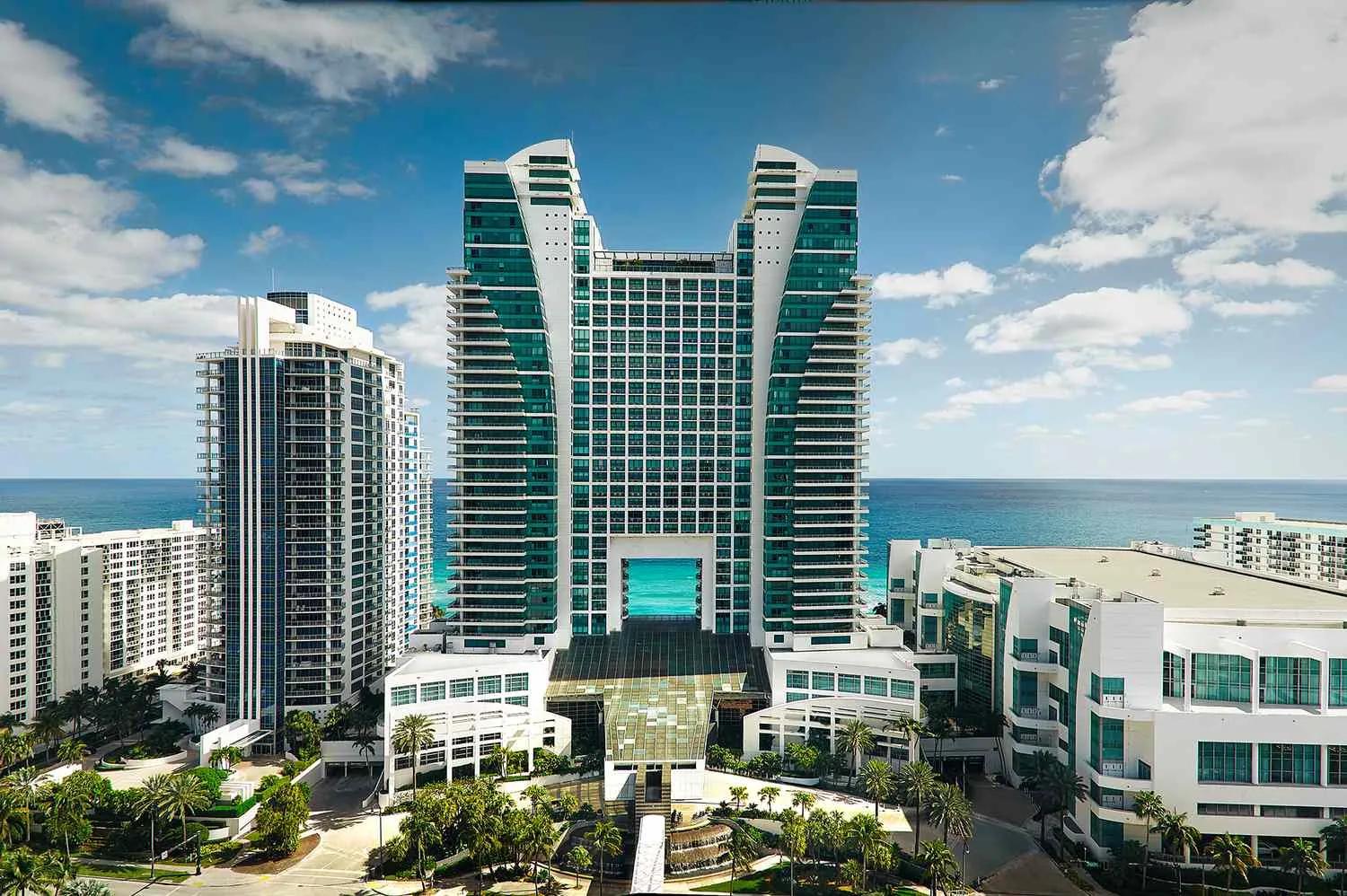
Lodging portfolios carry guest rooms, kitchens, meeting areas, service space, and rooftop equipment under an operating calendar that rarely stops for construction. We begin by mapping each property's roof assembly, repair history, drainage, and access limits, then connect findings to the rooms and services below. Downtown Vallejo planning covers mobility, infrastructure, land use, economic development, and related civic topics; Mare Island includes a mix of office, retail, and industrial space alongside institutional and residential uses. Those city contexts do not establish a hotel's roof condition. A hotel roof review records the building itself, while retail and restaurant portfolio planning can address another operating pattern.
Build a Separate Roof File for Each Property
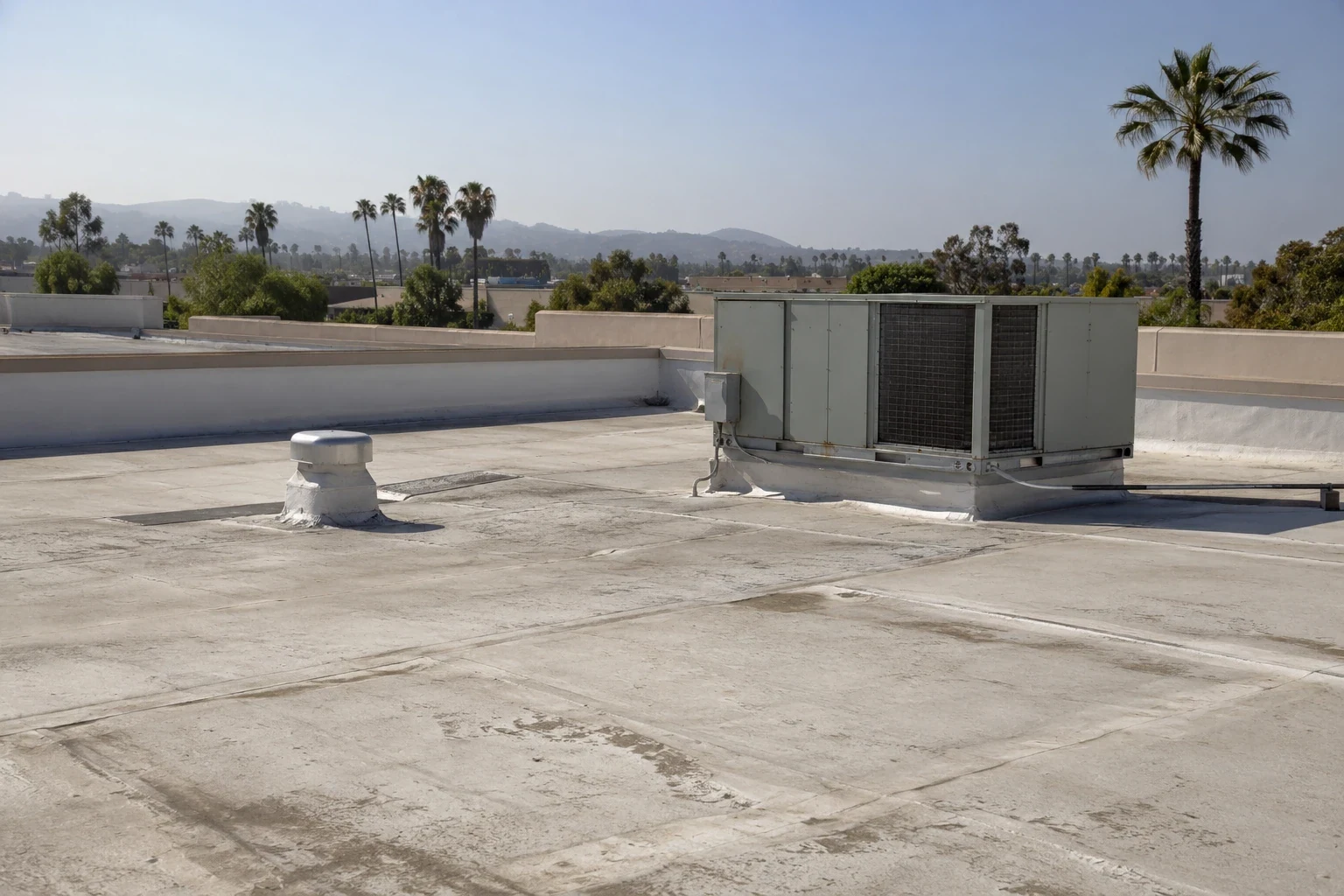
Similar brands can occupy buildings with different roof ages, assemblies, additions, and service histories. We review available plans, leak reports, renovation notes, equipment changes, and prior invoices before setting an inspection route. On the roof, we record seams, drains, flashings, curbs, penetrations, edges, and transitions by zone. A photograph is tied to a location and an observed condition, not a general building label. If a section cannot be accessed or a suspected wet area needs confirmation, the file shows that gap and the next test. This lets the asset manager compare properties without carrying one site's condition across the portfolio.
Vallejo's General Plan names corridors such as Sonoma Boulevard, Broadway, and Tennessee Street as connectors among districts. A property near Downtown Vallejo may have access considerations that differ from a site elsewhere in the city, but the district does not define its roof or guest schedule. The on-site manager confirms entrances, receiving, quiet periods, and equipment access. We keep those operating notes with the property record, then use the same fields for repair limits, testing, and next review across the group.
Set the Work Boundary Around Guest Operations
Guest access, check-in hours, event bookings, loading, food service, and emergency routes can change where lifts and materials may be staged. The property team identifies occupied wings, meeting rooms, kitchen operations, service corridors, and locations that need interior protection. We phase roof work by zone, coordinate deliveries, and state what noise or access restrictions may occur each day. Where an area must remain open, the plan identifies a temporary protection measure and a return window for any unfinished tie-in. An occupied-building sequence can keep the boundary visible for hotel staff and ownership.
Mechanical equipment, exhaust, piping, and rooftop service paths also affect the sequence. We note which equipment must remain available and where another trade needs to coordinate before a curb or flashing is altered. The hotel contact approves the route and operating assumptions before work begins. A quiet period supplied by management is a scheduling input, not a promise that all roof work will be silent. The written plan gives the operations lead a practical basis for notices, staffing, and guest-service continuity.
Connect Interior Reports to Roof-Level Evidence
A ceiling mark in a guest room or service area points to a concern below the roof, but not always to the place where water entered. We compare the report with nearby membrane seams, wall flashings, drains, penetrations, and earlier repairs, then record the conditions we can observe. If moisture may extend through insulation, targeted imaging or a test opening can establish a better repair boundary. The condition report distinguishes confirmed defects from suspected causes and identifies areas not reached. That helps the group avoid repeating a patch where the actual water path remains open.
Vallejo's long-term rainfall average is zero in July and August. A hotel can use that dry interval to consider access for a drain review or planned maintenance, then reserve a separate window for any repairs the roof walk supports. Station normals are not a prediction for the property. We inspect low points and outlets in place, record their condition, and use a commercial roof inspection as the baseline. An infrared moisture survey can test a suspected wet area when observations justify it.
Compare Repairs With a Phased Renewal
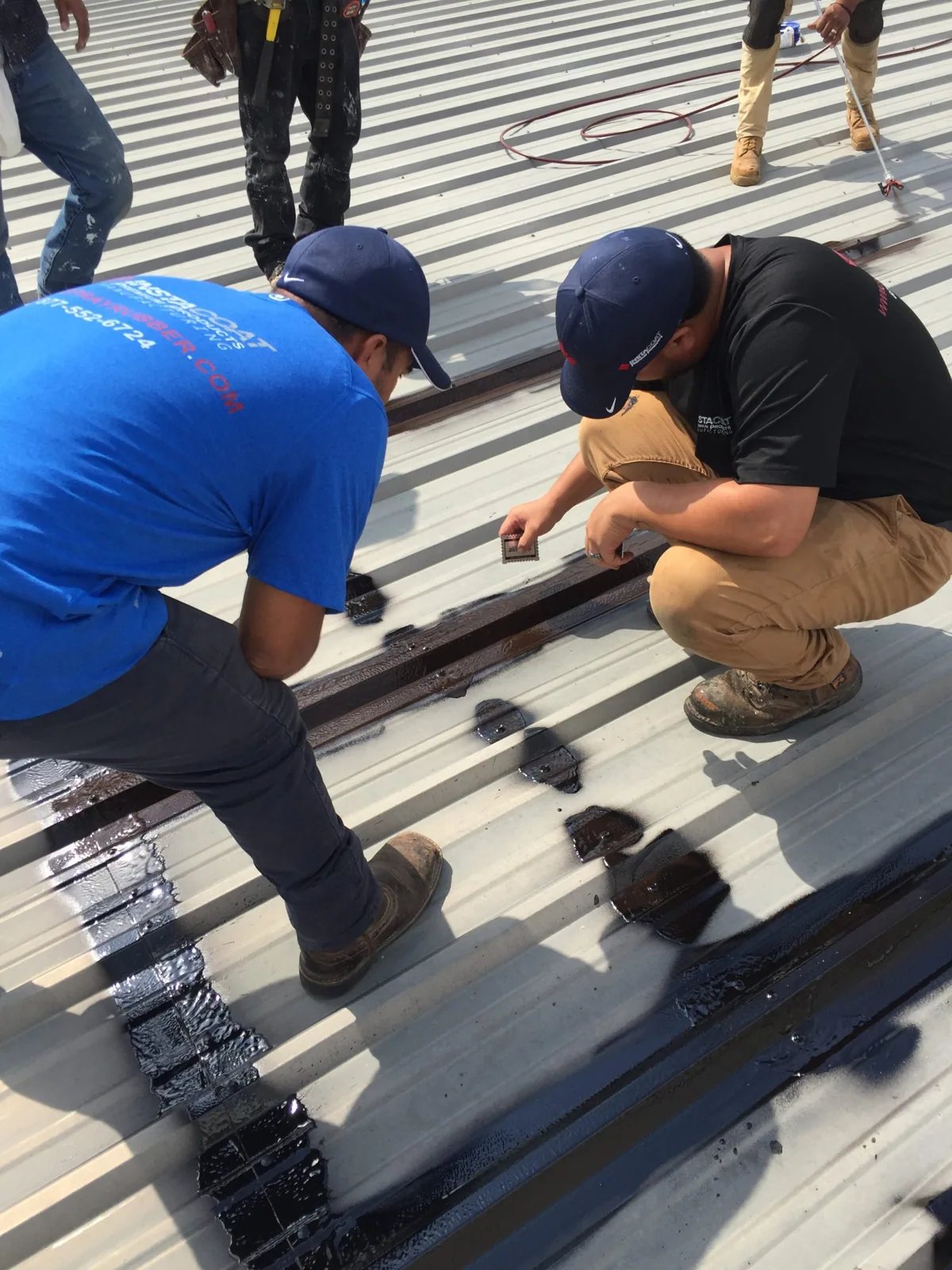
A local seam or flashing repair may fit when the surrounding materials remain serviceable and the water path can be bounded. A coating or recovery requires review of moisture, attachment, drainage, and compatibility with the existing system. Replacement is a stronger candidate when deterioration repeats across zones, wet insulation is widespread, or details no longer support a reliable repair. We describe the removal depth, curb and drain work, insulation, temporary protection, guest impacts, and sequence for each option. Ownership can weigh service life and disruption against the property record rather than using a single renewal year for every hotel.
The Downtown Vallejo plan update includes infrastructure, mobility, and economic-development topics as well as land use. That planning context can help a group discuss how an asset sits within the city, while the roof review stays tied to its own access, assembly, and condition. A capital schedule carries repair and renewal priorities into the budget cycle. If the roof work is part of a larger renovation, a general contractor coordination scope can identify where roofing interfaces with mechanical or exterior work.
Leave Operations With a Useful Handoff
Closeout should tell the property team what changed and where. We provide photographs by roof zone, repair details, materials, drainage observations, and test results included in the approved work. The file identifies excluded areas, access limits, and follow-up checks so a future manager can distinguish completed work from an open condition. A condition report can support ownership review while the hotel retains the roof record beside renovation and maintenance documents. This makes the next inspection more useful because it can compare the same areas rather than start from an unlocated summary.
Arrange a roof review with plans, repair history, guest-service constraints, equipment access, and the upcoming capital window. We will document accessible areas, identify testing needed to define a larger scope, and map any repair to the property zone it affects. The result gives asset management and operations a shared record for deciding what to repair now, monitor, test, or schedule during a later project.
Commercial Roofing Questions
How can a hotel schedule reroofing without disrupting guests?
We map occupied wings, event periods, service routes, equipment restrictions, and access before setting a sequence. Work can be phased by roof zone when temporary protection and tie-ins are planned. The property manager approves the daily boundary, notices, and any restricted routes before the crew is scheduled.
What roof records should an asset manager gather first?
Plans, repair invoices, leak locations, renovation notes, equipment changes, and prior inspection photographs help establish a baseline. We compare those records with the field walk, then mark gaps where access or testing is needed. Each property's record stays separate even when ownership uses one portfolio format.
Can guest-room leaks be repaired from the roof above?
A roof-level repair may resolve the entry path when inspection identifies a bounded seam, flashing, curb, or drain condition. We compare the interior report with nearby details and note whether moisture testing is needed. The scope identifies the repair area and any interior protection required during the work.
When should a hotel choose replacement over another repair?
Recurring failures, widespread moisture, unstable details, or repair areas that keep expanding can support a renewal study. We document the assembly, condition, and test results before comparing a local repair, recovery, or replacement. Guest impact and available renovation windows also affect how a larger scope is sequenced.
What belongs in the roofing closeout for a hospitality property?
The file should identify work completed by roof zone, photographs, materials, drainage or flashing details, areas excluded, and checks still open. We return those records so maintenance can compare future leaks with the repair boundary and ownership can update its capital schedule.
Review the Property Roof Record
Arrange a site walk with repair history, plans, guest schedules, equipment access, and budget timing so each recommendation fits the property and its operating window.
Request a Roof Assessment
Questions About Commercial Roofing for Hospitality Groups in Vallejo, CA
Common questions from building owners and property managers.
How can a hotel schedule reroofing without disrupting guests?
We map occupied wings, event periods, service routes, equipment restrictions, and access before setting a sequence. Work can be phased by roof zone when temporary protection and tie-ins are planned. The property manager approves the daily boundary, notices, and any restricted routes before the crew is scheduled.
What roof records should an asset manager gather first?
Plans, repair invoices, leak locations, renovation notes, equipment changes, and prior inspection photographs help establish a baseline. We compare those records with the field walk, then mark gaps where access or testing is needed. Each property's record stays separate even when ownership uses one portfolio format.
Can guest-room leaks be repaired from the roof above?
A roof-level repair may resolve the entry path when inspection identifies a bounded seam, flashing, curb, or drain condition. We compare the interior report with nearby details and note whether moisture testing is needed. The scope identifies the repair area and any interior protection required during the work.
When should a hotel choose replacement over another repair?
Recurring failures, widespread moisture, unstable details, or repair areas that keep expanding can support a renewal study. We document the assembly, condition, and test results before comparing a local repair, recovery, or replacement. Guest impact and available renovation windows also affect how a larger scope is sequenced.
What belongs in the roofing closeout for a hospitality property?
The file should identify work completed by roof zone, photographs, materials, drainage or flashing details, areas excluded, and checks still open. We return those records so maintenance can compare future leaks with the repair boundary and ownership can update its capital schedule.