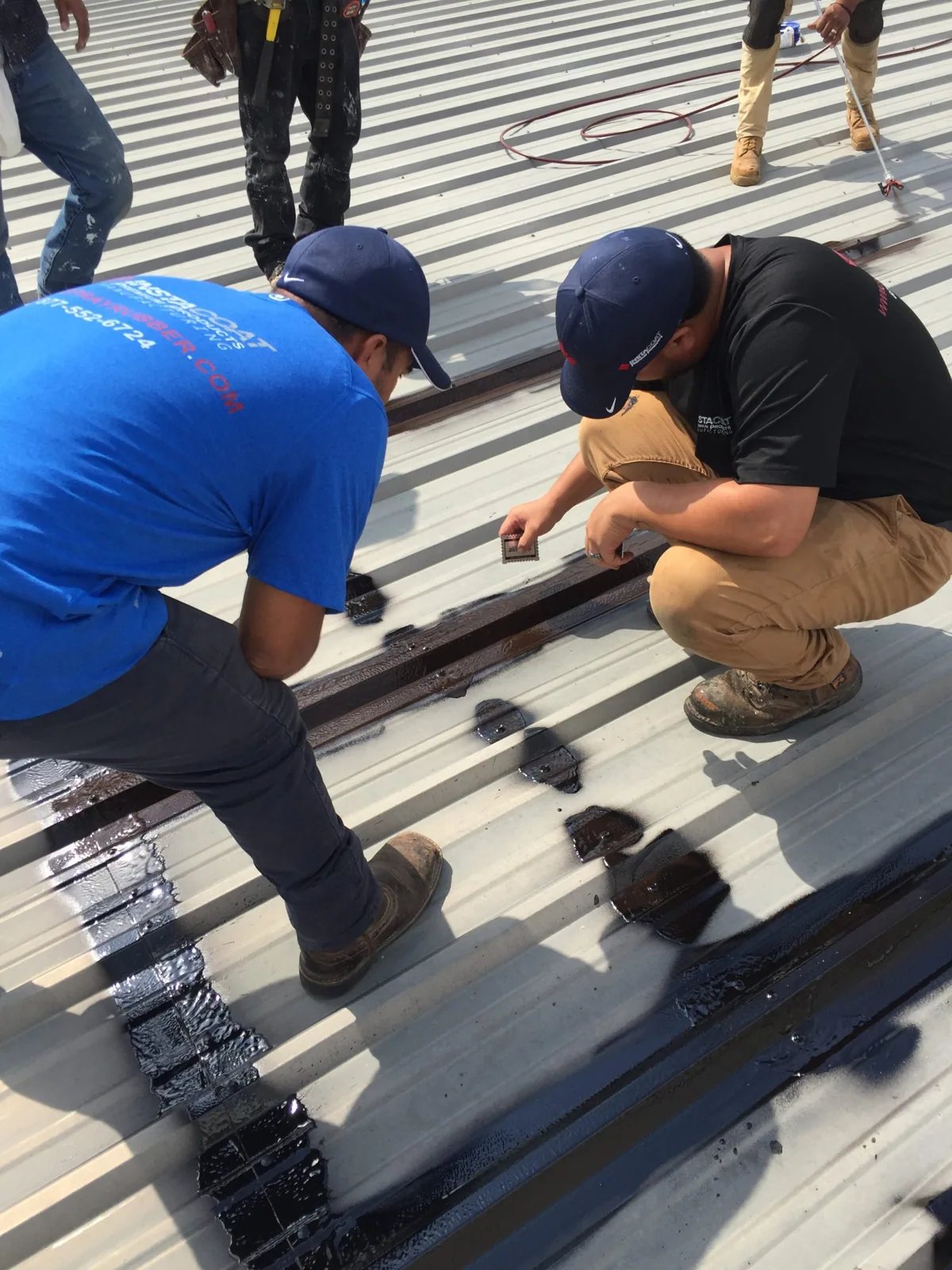
Commercial Roofing for Retail and Restaurant Chains in Vallejo, CA
Roof reviews and repair scopes for retail and restaurant portfolios in Vallejo, with store hours, customer access, drainage, and capital timing in view.
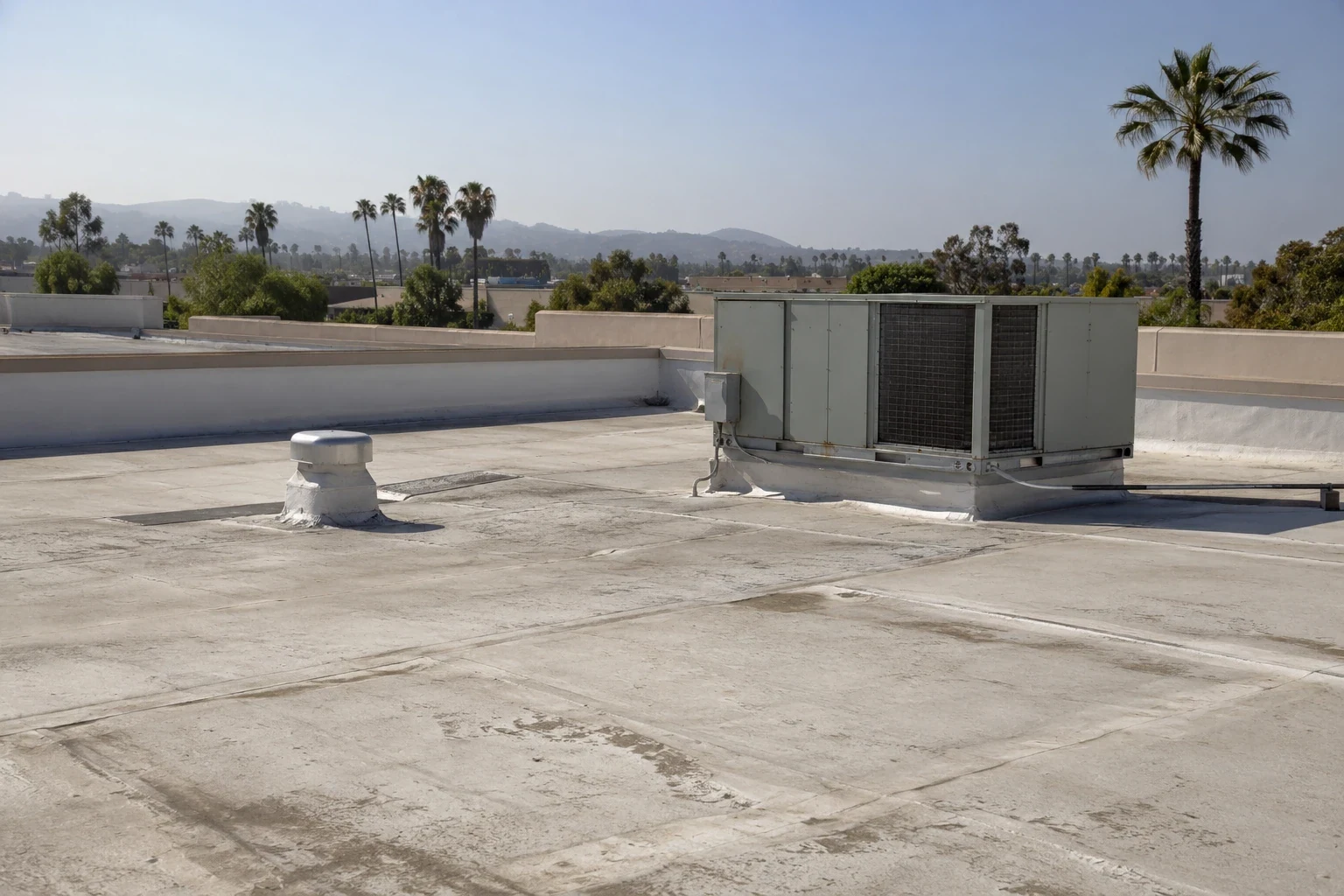
Why Commercial Roofing Vallejo?
Commercial Roofing for Retail and Restaurant Chains in Vallejo, CA
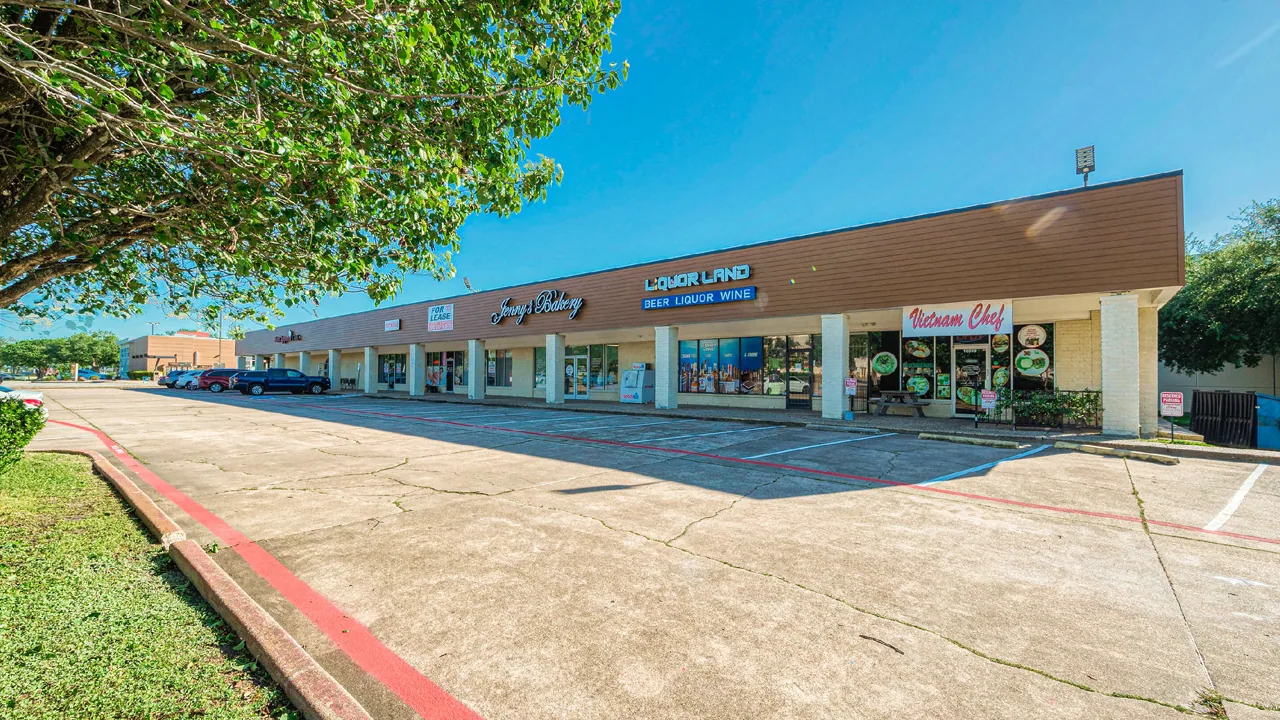
A chain roof review works best when each location has its own condition record and the portfolio has one way to compare priorities. A store, restaurant, and distribution-facing property can share a brand calendar but differ in roof assembly, customer access, kitchen exhaust, and delivery timing. In Vallejo, the White Slough plan describes a Sonoma Boulevard commercial strip where zoning allows retail and food or beverage uses. Downtown Vallejo planning also covers mobility and infrastructure alongside land use and economic development. These settings help frame access conversations, not roof conditions. We map each assembly, drainage path, and repair boundary, then sort immediate work from maintenance and capital renewal. A shopping-center roof assessment can address shared access and tenant impacts, while hospitality portfolio planning may involve different operating hours.
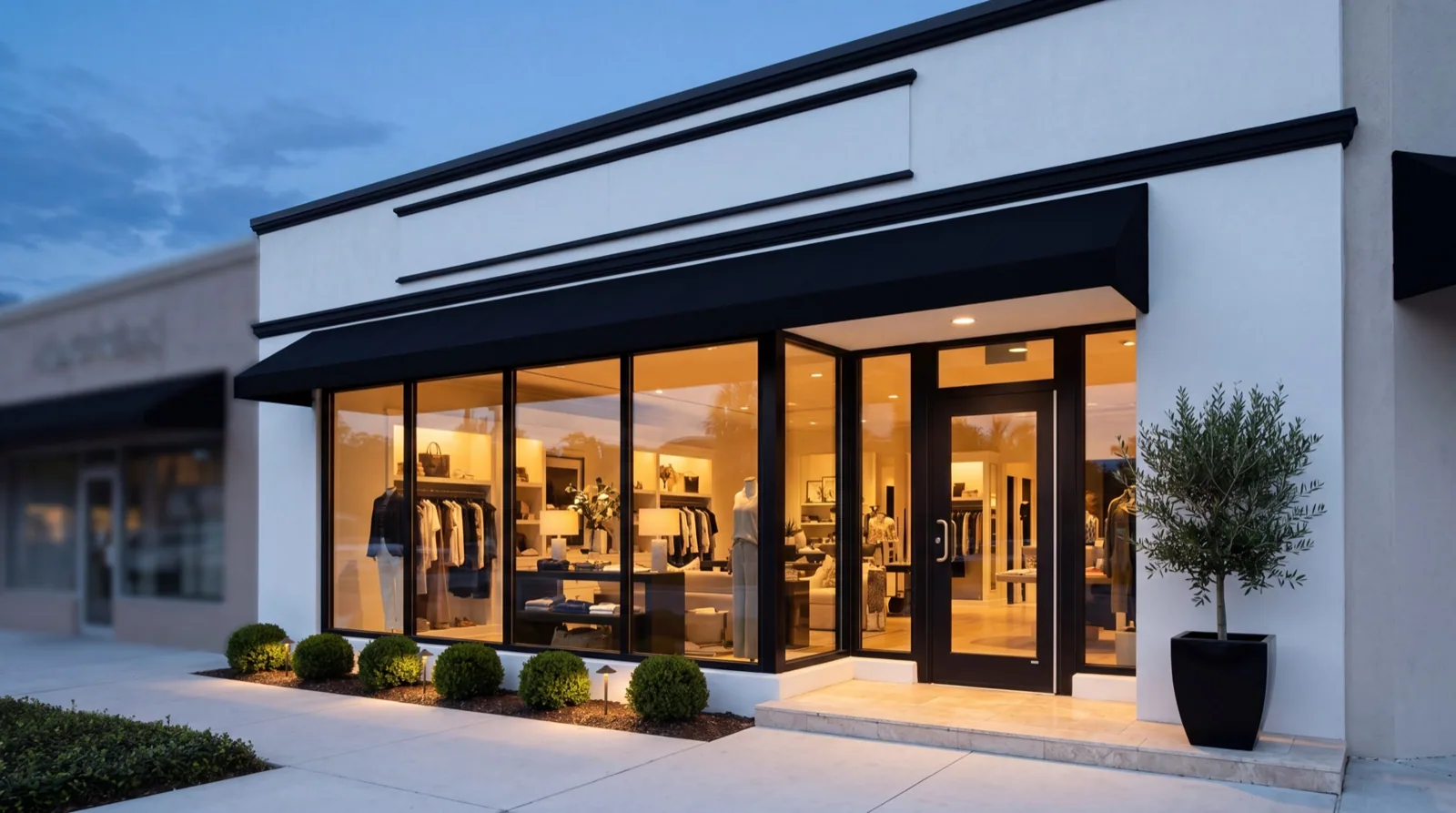
Compare Stores Without Treating Them as Identical
A portfolio file can use common fields for roof assembly, inspection date, active leaks, recent repairs, drainage, and next action. The field format should stay consistent while the findings remain site-specific. A retail box, inline storefront, and food-service building may have different curb details, exhaust penetrations, parapets, and routes for deliveries. We review plans and repair notes, then map seams, flashings, penetrations, drains, and edge conditions by roof zone. Photos and location labels let a regional facilities lead compare the list without assuming that a condition at one store exists at another. An asset record carries those distinctions into the annual review.
The General Plan lists Sonoma Boulevard among the corridors connecting Vallejo districts, and the White Slough plan describes retail and food uses in part of that corridor. For a property there, the corridor's planning context can help a team discuss deliveries and customer access; it does not identify a tenant or prove a roof type. We confirm the actual site use and operating limits before scheduling. That keeps the portfolio view useful without turning a location label into a building diagnosis.
Protect Store Hours and Customer Routes
Roofing work above an open store can affect entrances, parking, receiving, outdoor dining, and service lanes. The site contact identifies peak hours, delivery windows, customer routes, kitchen or mechanical equipment, and areas that need interior protection. We use those limits to plan lifts, material staging, debris removal, and daily dry-in. If a section needs to be closed, the work boundary and notice window are stated before the crew is scheduled. A phased occupied-building plan can separate roof zones or locations so the chain keeps a workable operating sequence.
At a restaurant, exhaust, grease-related maintenance, and rooftop equipment can make curb and flashing coordination part of the scope. At a retail property, customer entry and receiving may drive a different route for lifts and materials. We do not infer those constraints from a brand name. The manager confirms them at the property, and the field plan lists any shutdown, escort, or restricted access requirement. That allows operations to review the schedule against store hours before a repair becomes a disruption.
Trace Water Entry Before Pricing a Chain-Wide Fix
A ceiling mark or wet inventory gives the team a reason to inspect the roof above, but the entry point can sit at a seam, curb, drain, wall transition, or another detail. We compare the interior report with roof observations and earlier repairs, then photograph the likely path. Where moisture may extend below the membrane, targeted imaging or a test opening can help determine whether the work remains local. The record separates what is visible from what needs confirmation, so a regional repair allowance does not turn an assumption into a chain-wide project.
Vallejo's long-term rainfall average is zero in July and August. Chain facilities can use that interval to inspect outlets and schedule non-urgent work, then rely on the store walk to assess actual drainage. A climate average does not forecast a leak at one location. We mark low points and note whether debris, ponding, or a failed detail changes the store's maintenance need. A commercial inspection establishes that property record; a moisture survey can evaluate zones where field signs suggest wet insulation.
Set a Repair Boundary for Each Location
A damaged curb or lap at one store may permit a narrow correction when adjoining materials remain sound. Suspected wet insulation or uncertain attachment calls for testing before an overlay is considered; recurring defects across separate roof zones can move replacement into the comparison. We set out disposal depth, curb and drain details, insulation, temporary cover, and the order of work for each option. Chain ownership can weigh those scope drivers against receiving hours, customer entry, and store turnover instead of applying one decision to all locations. A capital schedule keeps the next budget window tied to findings.
When several stores need attention, we separate emergency stabilization, planned maintenance, testing, and larger renewal. A common scope format makes bids easier to compare, but each property keeps its own quantities, access notes, and exclusions. If a building shares a wall or service area with other tenants, the manager confirms coordination needs before the work limit is set. A general contractor coordination plan can help when roof work is part of a broader store refresh.
Give Regional Facilities a Usable Closeout
The manager receives a location-specific completion note with repaired-zone markers, selected materials, photos keyed to the roof plan, drainage changes, and unresolved actions. We flag excluded or inaccessible areas so regional facilities can update the store file and distinguish completed work from an open item. At the next visit, the team can compare the marked locations and note what has changed since closeout.
Arrange a review with store hours, delivery constraints, repair history, roof plans, and the budget window ahead. We will inspect accessible areas, identify questions that need testing, and return a photo record that separates urgent repairs from maintenance and renewal. That gives regional facilities a practical basis to prioritize locations while preserving the evidence behind each decision.
Commercial Roofing Questions
How should a chain rank roof work across open stores?
Compare active water entry, interior impact, repair limits, moisture evidence, access, and operating disruption at each location. We list urgent protection separately from testing, maintenance, and renewal candidates. Regional staff can prioritize from a common record without assuming that one store's condition applies to another.
Can roof repairs happen outside store hours?
Some tasks may fit before opening, overnight, or during a planned closure, depending on access, material handling, weather, and the repair boundary. We coordinate the work window with the manager and state when noise, lifts, or restricted areas may affect customers or deliveries.
What should a restaurant provide before a roof inspection?
Share leak locations, repair invoices, roof plans, equipment access rules, exhaust or HVAC service notes, and hours when receiving or food preparation cannot be interrupted. We use those details to plan the walk and compare them with roof-level observations. They guide access, not a diagnosis by themselves.
When does a recurring store leak justify a wider scope?
A repeat report matters when it connects with failed details, broad moisture, or repairs that no longer hold. We inspect adjacent seams, penetrations, drains, and transitions, then identify what testing could confirm. The resulting boundary may stay local or expand to a roof zone if the evidence supports it.
How can ownership compare proposals for different locations?
Use the same fields for assembly, condition, photographs, included details, access, phasing, exclusions, and testing. We preserve a separate record and quantity basis for each property. That lets ownership compare bids while keeping the building conditions and operating assumptions visible.
Review the Store Roof List
Arrange a portfolio review with location records, store hours, repair history, access rules, and budget timing so each roof receives a site-specific priority.
Request a Roof Assessment
Questions About Commercial Roofing for Retail and Restaurant Chains in Vallejo, CA
Common questions from building owners and property managers.
How should a chain rank roof work across open stores?
Compare active water entry, interior impact, repair limits, moisture evidence, access, and operating disruption at each location. We list urgent protection separately from testing, maintenance, and renewal candidates. Regional staff can prioritize from a common record without assuming that one store's condition applies to another.
Can roof repairs happen outside store hours?
Some tasks may fit before opening, overnight, or during a planned closure, depending on access, material handling, weather, and the repair boundary. We coordinate the work window with the manager and state when noise, lifts, or restricted areas may affect customers or deliveries.
What should a restaurant provide before a roof inspection?
Share leak locations, repair invoices, roof plans, equipment access rules, exhaust or HVAC service notes, and hours when receiving or food preparation cannot be interrupted. We use those details to plan the walk and compare them with roof-level observations. They guide access, not a diagnosis by themselves.
When does a recurring store leak justify a wider scope?
A repeat report matters when it connects with failed details, broad moisture, or repairs that no longer hold. We inspect adjacent seams, penetrations, drains, and transitions, then identify what testing could confirm. The resulting boundary may stay local or expand to a roof zone if the evidence supports it.
How can ownership compare proposals for different locations?
Use the same fields for assembly, condition, photographs, included details, access, phasing, exclusions, and testing. We preserve a separate record and quantity basis for each property. That lets ownership compare bids while keeping the building conditions and operating assumptions visible.