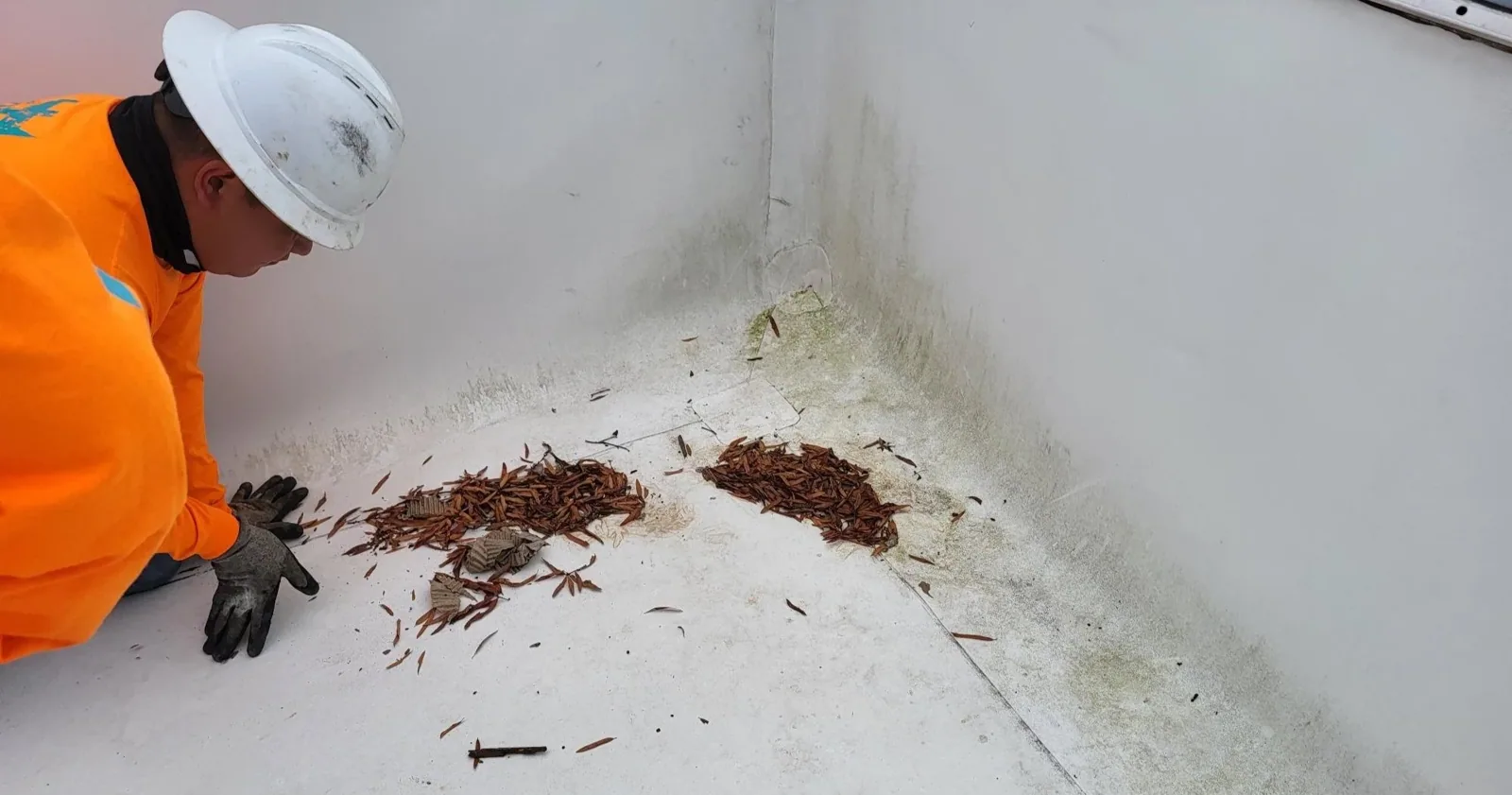
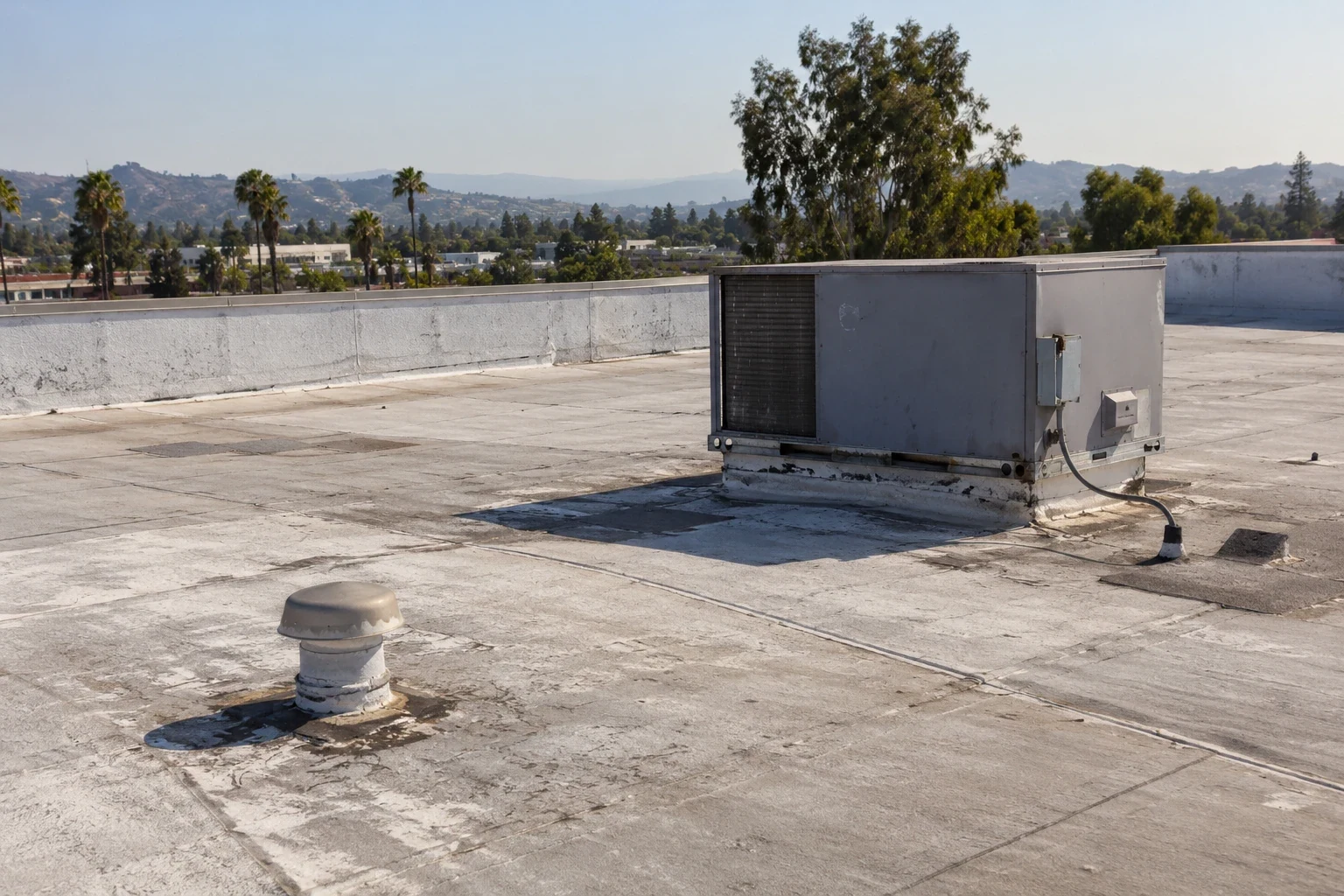
Hotel Roofing in Vallejo, CA
Plan hotel roof repairs and renewal in Vallejo around guest comfort, rooftop equipment, drainage, and work phases with a clear closeout record.
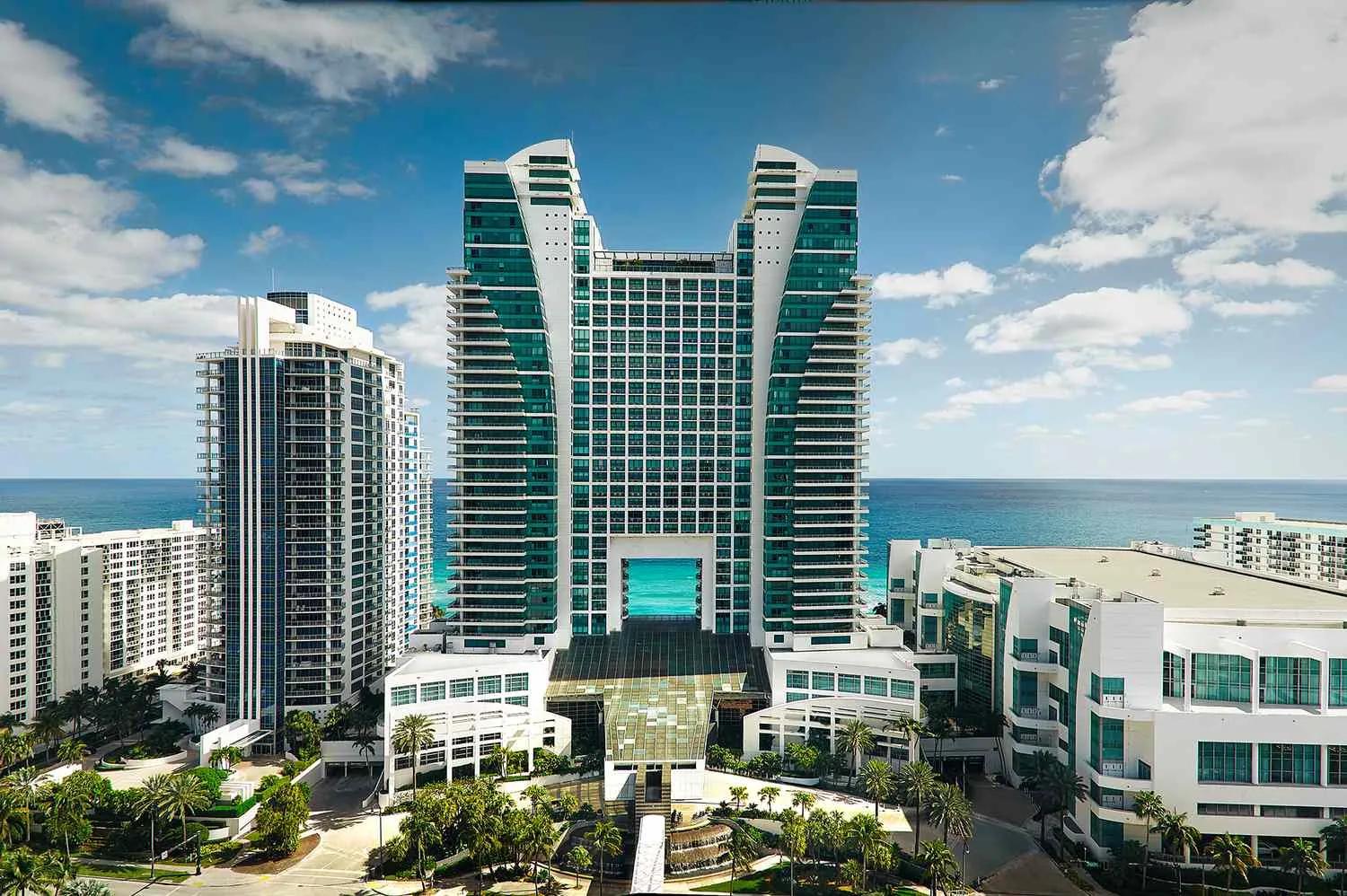
Why Commercial Roofing Vallejo?
Hotel Roofing in Vallejo, CA
A hotel roof review has to account for guest rooms, public areas, and building services below the membrane. A repair over an occupied floor may require different access and noise controls from work above a service area. In Vallejo, CA, we start with the property use, available roof records, and operating calendar, then map the assembly and visible conditions by zone. That gives ownership a basis for setting a repair boundary, planning work around occupancy, and deciding whether renewal belongs in the current budget cycle.
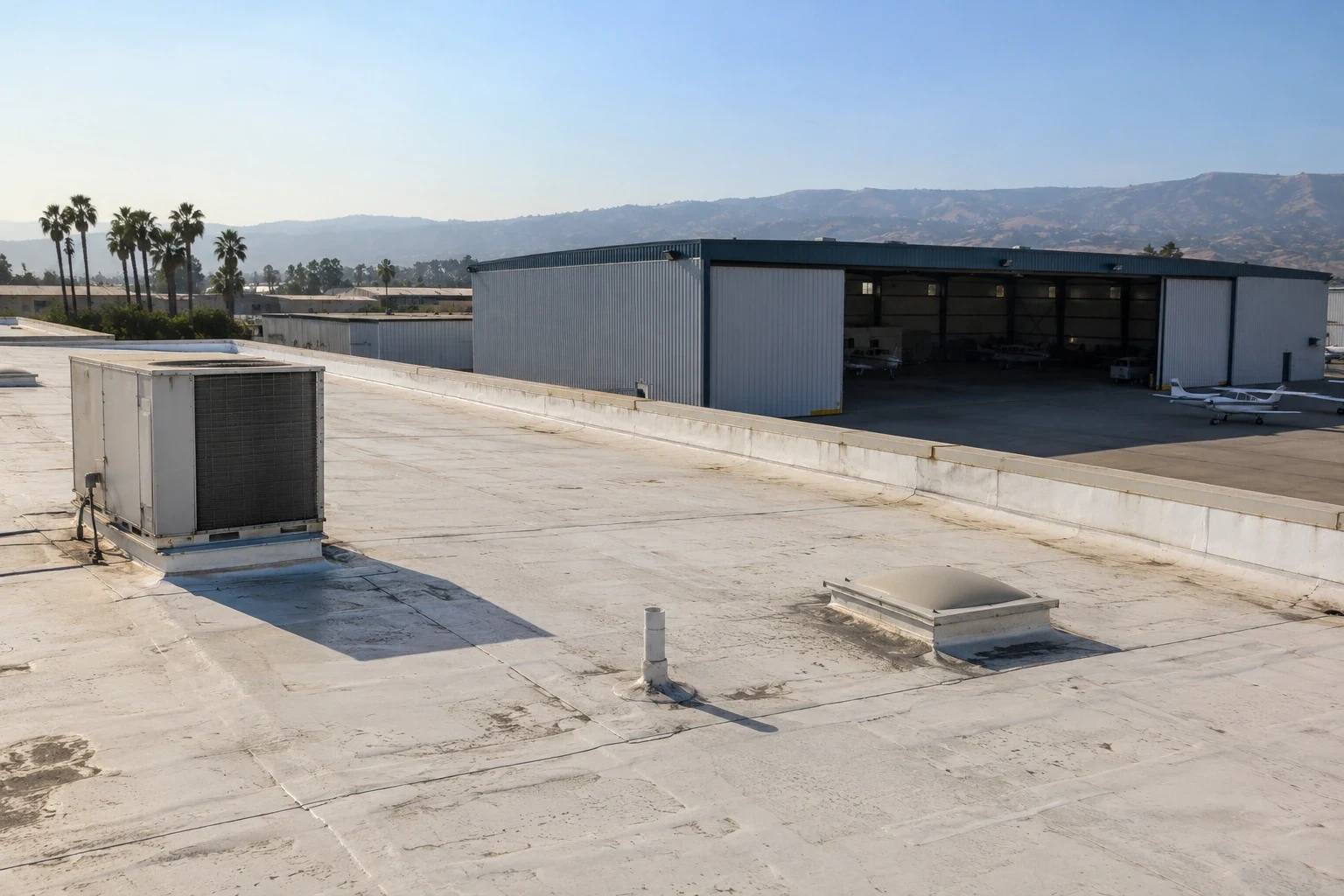
Plan Around Guest and Staff Movement
The property team identifies guest-room zones, meeting areas, food service, laundry, building entrances, and events that affect work access. We check roof entry, material lifts, debris routes, and sensitive rooms below each planned section. The daily sequence states which areas open, how they are protected, when work closes, and how the site contact receives a change notice. If rooftop equipment serves several floors, its service schedule and clearances belong in the plan before flashing or membrane work begins.
For a reported leak, we protect the affected room block, then inspect for a permanent repair and guest-access plan. We stabilize the roof and coordinate with hotel operations while the permanent scope is assessed. For a property in Vallejo’s Waterfront plan area, confirm the actual staging route with the site contact; district context does not establish roof access. A guest-aware reroofing plan ties work zones to occupancy and records the close-in sequence for each shift.
Map Interior Reports to Roof Details
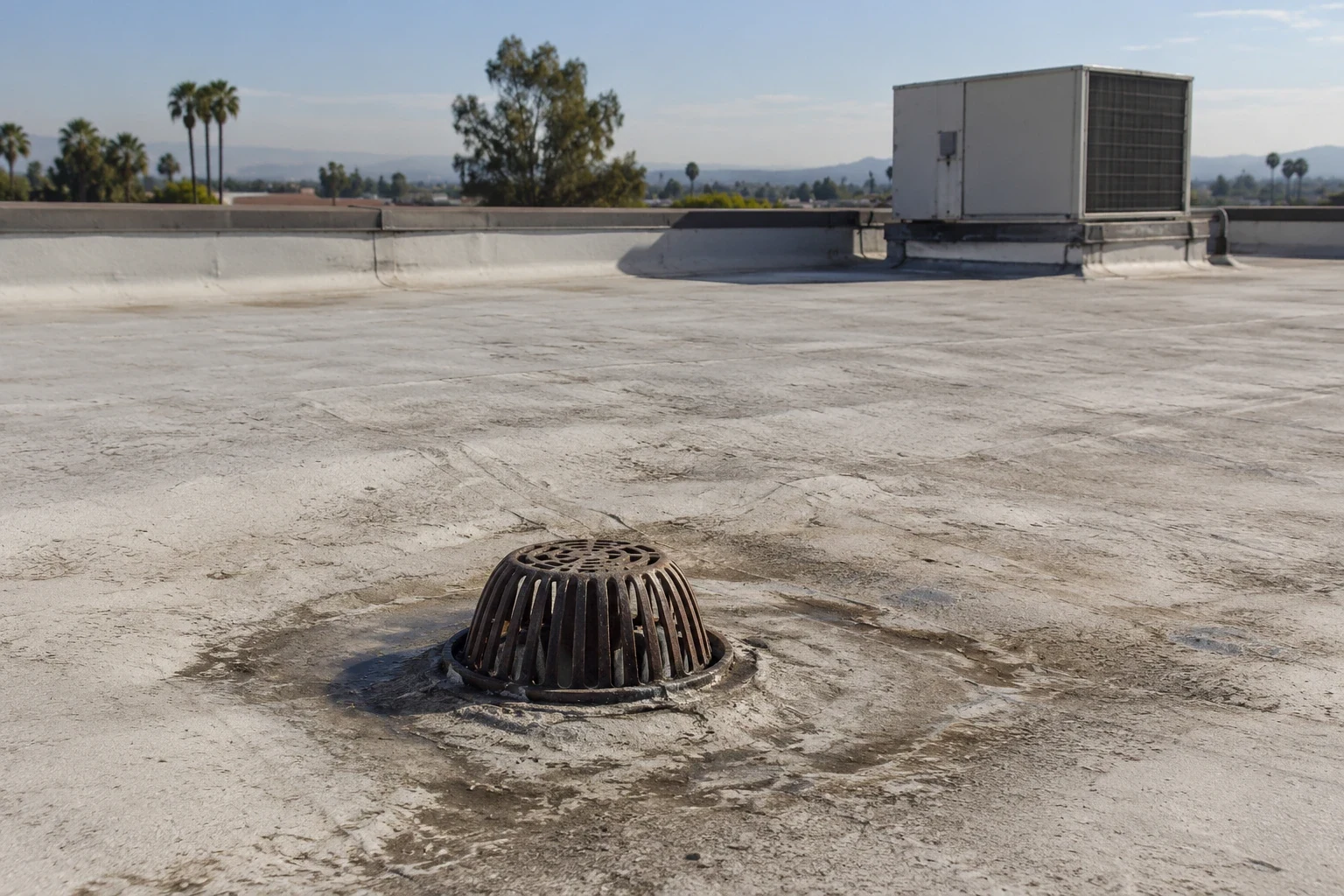
A room complaint, ceiling stain, or damp corridor finish is an interior observation, not a roof map. We compare its location with drains, seams, wall transitions, skylights, equipment curbs, and roof elevations above. Water may follow a deck or insulation layer before it appears indoors. The report marks the observed defect, photos, likely water path, and any test needed to determine whether moisture extends past the visible repair area. Repeated reports in separate rooms may point to different roof zones and need separate findings. Identify guest-room protection, service access, and the daily roof closure before setting a weather-sensitive work window. Use Vallejo's summer baseline when scheduling drain checks and record outlet conditions at the property. We inspect low points, scuppers, drain bowls, and debris near equipment screens and walk paths. A condition inspection can organize those findings by zone, and a drain review can identify cleaning or correction work that should be scheduled before renewal.
Separate Roof Zones by Building Use
Hotels can combine guest areas with kitchens, meeting spaces, rooftop mechanical equipment, and back-of-house functions. These uses place different interior and access requirements beneath the roof. We confirm the actual layout with the property team rather than assigning the same protection plan to every roof zone. The walk records membrane, insulation where visible, edge conditions, penetrations, drains, repairs, and additions. Available plans and maintenance records help distinguish original construction from later work when those details are documented.
The Downtown Vallejo update scope addresses land use, mobility, and infrastructure; the Waterfront plan area includes office, residential, and open-space uses. Confirm guest access, housekeeping routes, and material staging at each hotel. A residential-property roof assessment may involve different access patterns, while hotel review includes guest and service areas within one operating property. Where a portfolio includes both uses, separate roof inventories preserve the condition trend for each building.
Build a Work Window From the Occupancy Calendar
Budget and duration follow tear-off depth, insulation condition, deck repairs, perimeter details, curb count, drainage work, and the time required to protect occupied rooms. Access limitations, event dates, equipment shutdowns, and material staging can change the sequence. We identify those cost and timing drivers by roof zone and state which concealed conditions may change scope after removal. A phased option should identify temporary tie-ins, work remaining, and the inspection point before the next capital release. Tie guest-room protection, service access, and roof boundaries to the drawings reviewed for that building. Keep reviewed drawings and permit decisions with the building's phase schedule. We align that review with the occupancy calendar and equipment work. A capital planning review can compare immediate leak repairs with a broader renewal scope and its work phases.
Choose a Repair or Renewal Path
A localized seam, flashing, or curb failure may support repair when adjacent materials remain sound. We define the patch limits and note any room or equipment that needs protection during the work. If moisture is present in insulation, we map the tested area and identify whether more openings are needed. Repeated failures at separate elevations, deteriorated edges, or widespread wet material may support a larger scope. A repair plan records what was corrected and what remains in the inspection queue.
Recover suitability depends on the retained layers, attachment, moisture, deck, added height, and compatibility of the proposed assembly. Replacement exposes concealed conditions and allows details to be rebuilt, but needs a clear protection and close-in plan above occupied areas. We document drains, curbs, parapets, skylights, and roof transitions in the renewal scope. Compare EPDM assembly details with the actual deck, insulation, and maintenance needs when selecting a system. The proposal should identify where guest comfort and equipment access constrain the sequence.
Make the Closeout Useful to Operations
The closeout file should include the assembly installed or repaired, roof-zone photographs, drain and curb details, areas excluded, and items left for monitoring. We record access restrictions and work hours that will matter at the next service visit. If a repair was made during an inspection or emergency call, tie it to a date and location. Property management can then compare future leak reports with the actual service history rather than relying on room descriptions alone.
A hotel in Downtown Vallejo and a property on Mare Island can have different loading and guest-access needs. We use the property's actual location and operating map to organize the roof record. Arrange a site walk with roof plans, repair history, occupancy dates, equipment details, access, and budget timing. We will return findings by roof zone and identify repair, testing, maintenance, or renewal steps. A separate restaurant roof review may prioritize kitchen exhausts, while hotel closeout tracks guest, service, and common-area impacts.
Commercial Roofing Questions
How can roof work proceed without disrupting guest rooms?
We map occupied rooms and quiet periods against roof zones, material routes, and the work that will create noise or vibration. The plan sets advance notices, daily opening limits, interior protection, and close-in times. Hotel staff identify special events and sensitive spaces before scheduling. If a roof condition requires urgent work, the site contact receives the affected area and protection plan as the response proceeds.
Can you trace a leak reported several floors below the roof?
We use the room location as a starting point, then inspect roof elevations, drains, walls, curbs, and seams that could carry water to that point. Photographs and floor plans help compare the report with the roof map. If the path remains uncertain, moisture testing or a selective opening can narrow the affected area before a repair is expanded.
What roof areas should be included in a hotel inspection?
The review covers accessible membrane and metal areas, perimeter details, penetrations, skylights, drains, equipment curbs, and prior repair locations. We also note access limits and roof zones above sensitive interior uses. The report identifies what was observed and what needs testing, so ownership can set follow-up without treating every roof area as if it has the same condition.
Can a hotel reroof be divided across budget years?
A phased renewal can work if each stage leaves a weather-tight boundary and the remaining roof condition is recorded. We map zones, temporary tie-ins, equipment transitions, and items needing interim maintenance. The owner should review how those phases interact with occupancy and permit timing before setting the capital schedule. Closeout from each stage becomes the baseline for the next approval.
Which closeout details help the next hotel property manager?
Keep the assembly description, photographs by roof zone, repair and test locations, equipment transitions, access notes, and items left for monitoring. Add the work dates and any changed operating limits. These details help a new manager match room reports to roof history and understand which areas need maintenance or capital review.
Set a Hotel Roof Review
Arrange a site walk with plans, repair history, occupancy dates, equipment details, access needs, and budget timing. We will document the roof condition and recommend a work sequence that fits hotel operations.
Request a Roof Assessment
Questions About Hotel Roofing in Vallejo, CA
Common questions from building owners and property managers.
How can roof work proceed without disrupting guest rooms?
We map occupied rooms and quiet periods against roof zones, material routes, and the work that will create noise or vibration. The plan sets advance notices, daily opening limits, interior protection, and close-in times. Hotel staff identify special events and sensitive spaces before scheduling. If a roof condition requires urgent work, the site contact receives the affected area and protection plan as the response proceeds.
Can you trace a leak reported several floors below the roof?
We use the room location as a starting point, then inspect roof elevations, drains, walls, curbs, and seams that could carry water to that point. Photographs and floor plans help compare the report with the roof map. If the path remains uncertain, moisture testing or a selective opening can narrow the affected area before a repair is expanded.
What roof areas should be included in a hotel inspection?
The review covers accessible membrane and metal areas, perimeter details, penetrations, skylights, drains, equipment curbs, and prior repair locations. We also note access limits and roof zones above sensitive interior uses. The report identifies what was observed and what needs testing, so ownership can set follow-up without treating every roof area as if it has the same condition.
Can a hotel reroof be divided across budget years?
A phased renewal can work if each stage leaves a weather-tight boundary and the remaining roof condition is recorded. We map zones, temporary tie-ins, equipment transitions, and items needing interim maintenance. The owner should review how those phases interact with occupancy and permit timing before setting the capital schedule. Closeout from each stage becomes the baseline for the next approval.
Which closeout details help the next hotel property manager?
Keep the assembly description, photographs by roof zone, repair and test locations, equipment transitions, access notes, and items left for monitoring. Add the work dates and any changed operating limits. These details help a new manager match room reports to roof history and understand which areas need maintenance or capital review.