Restaurant Roofing in Vallejo, CA
Manage restaurant roof repairs and renewal in Vallejo with attention to kitchen exhausts, rooftop equipment, drainage, and service hours.
Why Commercial Roofing Vallejo?
Restaurant Roofing in Vallejo, CA
Dinner service can turn a small roof opening into an immediate operating problem. Kitchen exhaust, make-up air, plumbing vents, and rooftop units create details that need to be inspected alongside the membrane and drains. In Vallejo, CA, we start with the restaurant's hours, equipment service history, and prior leak locations, then map the roof by zone. The review separates a localized repair from a broader assembly concern and identifies access or shutdown needs before they are carried into the work schedule.
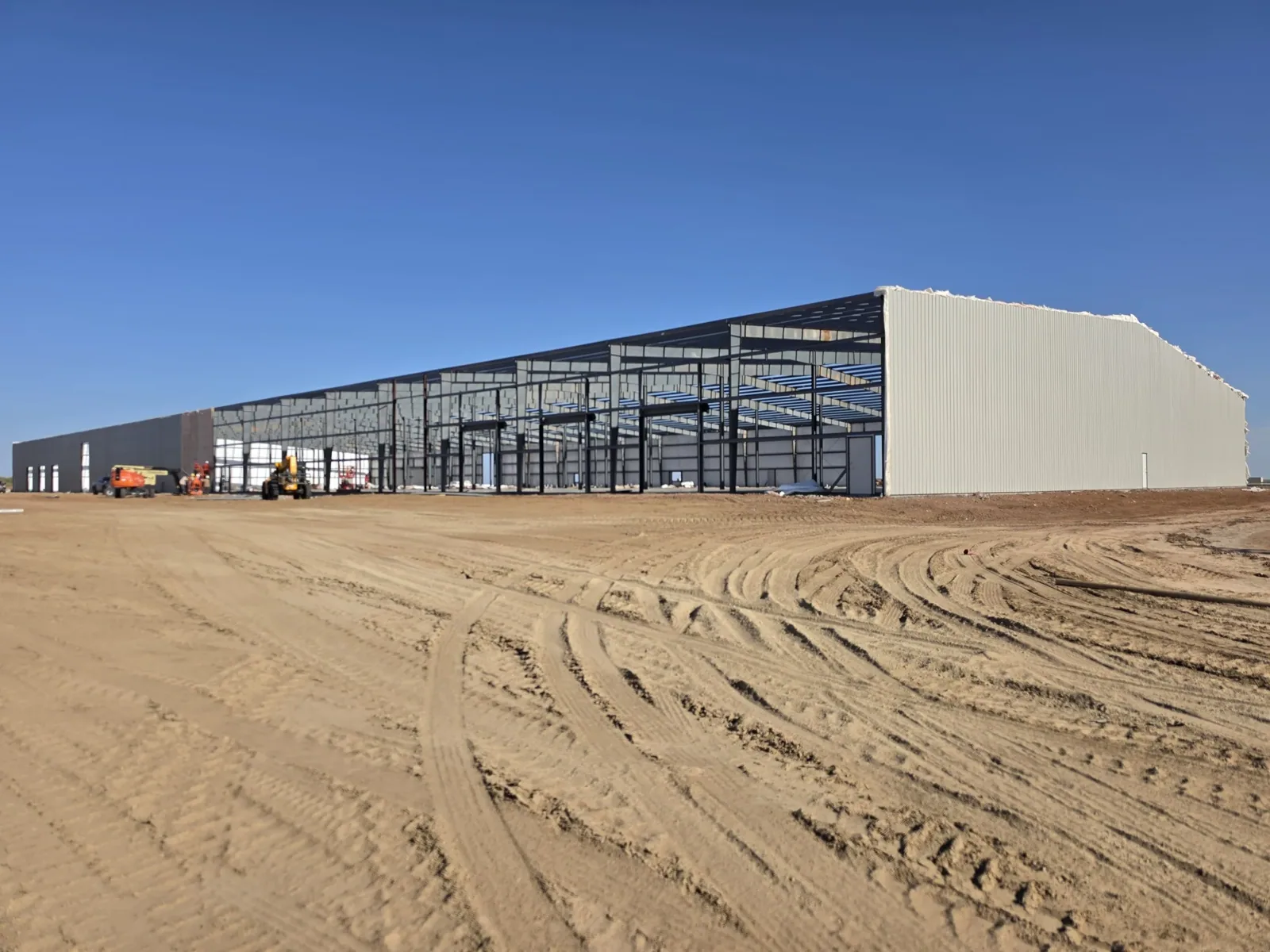
Kitchen Equipment Changes Roof Access
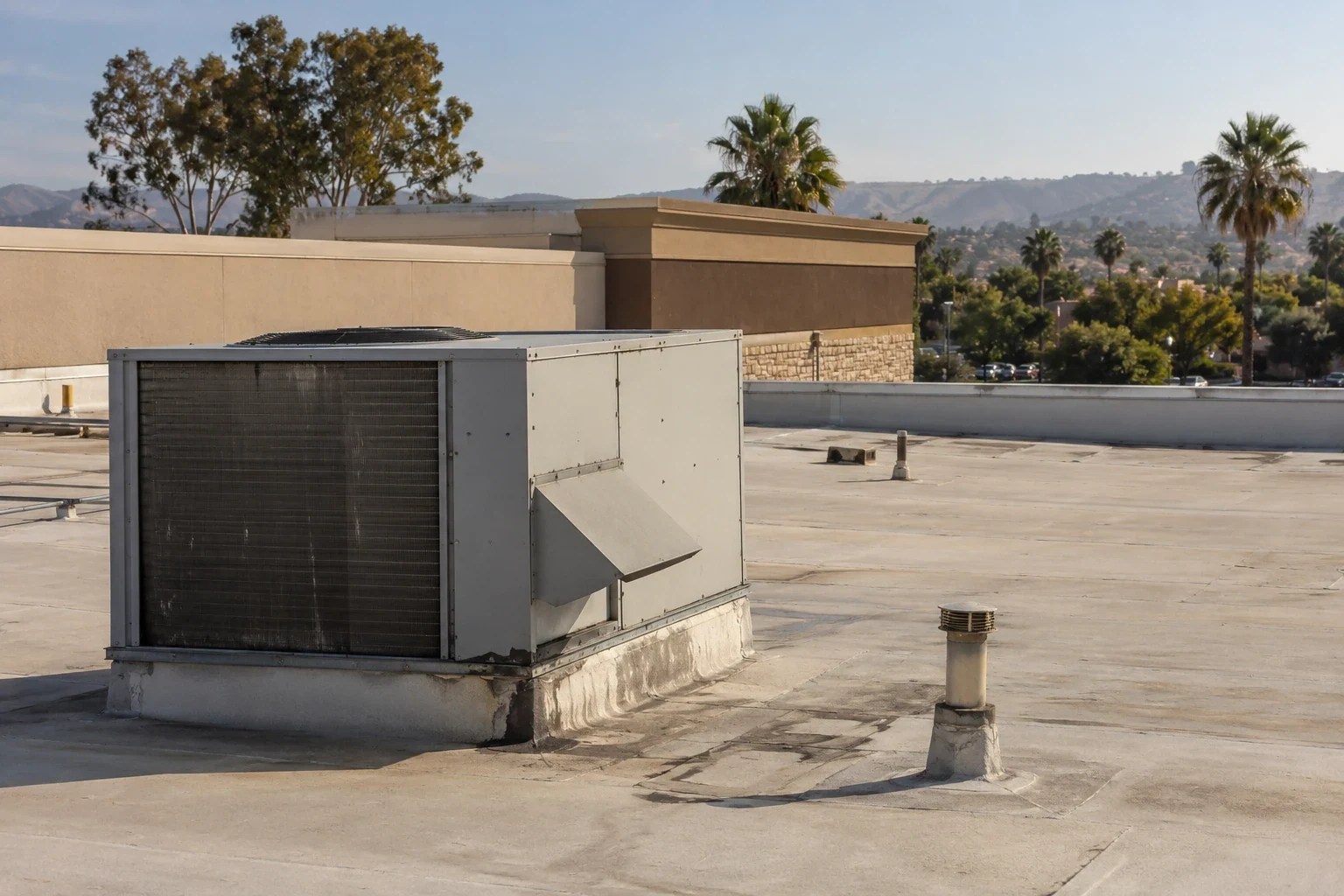
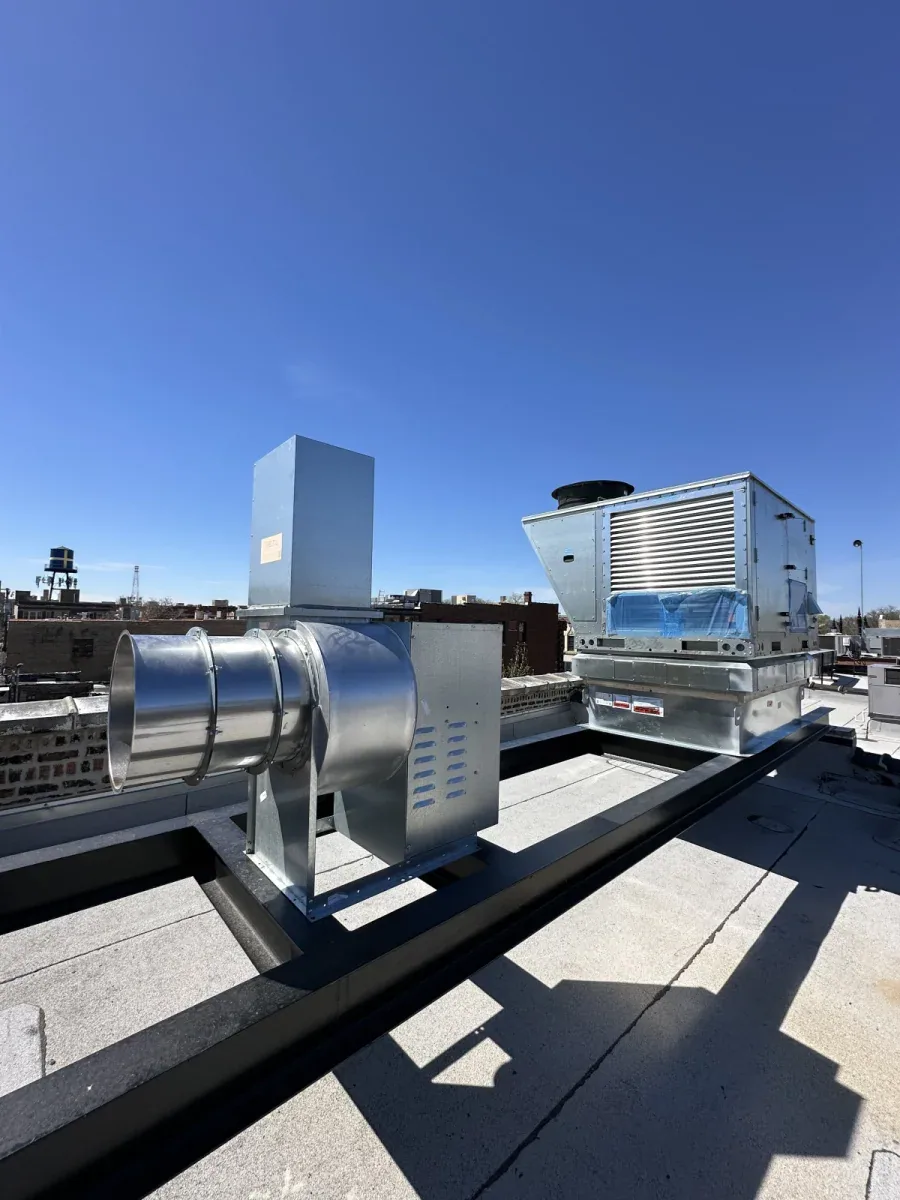
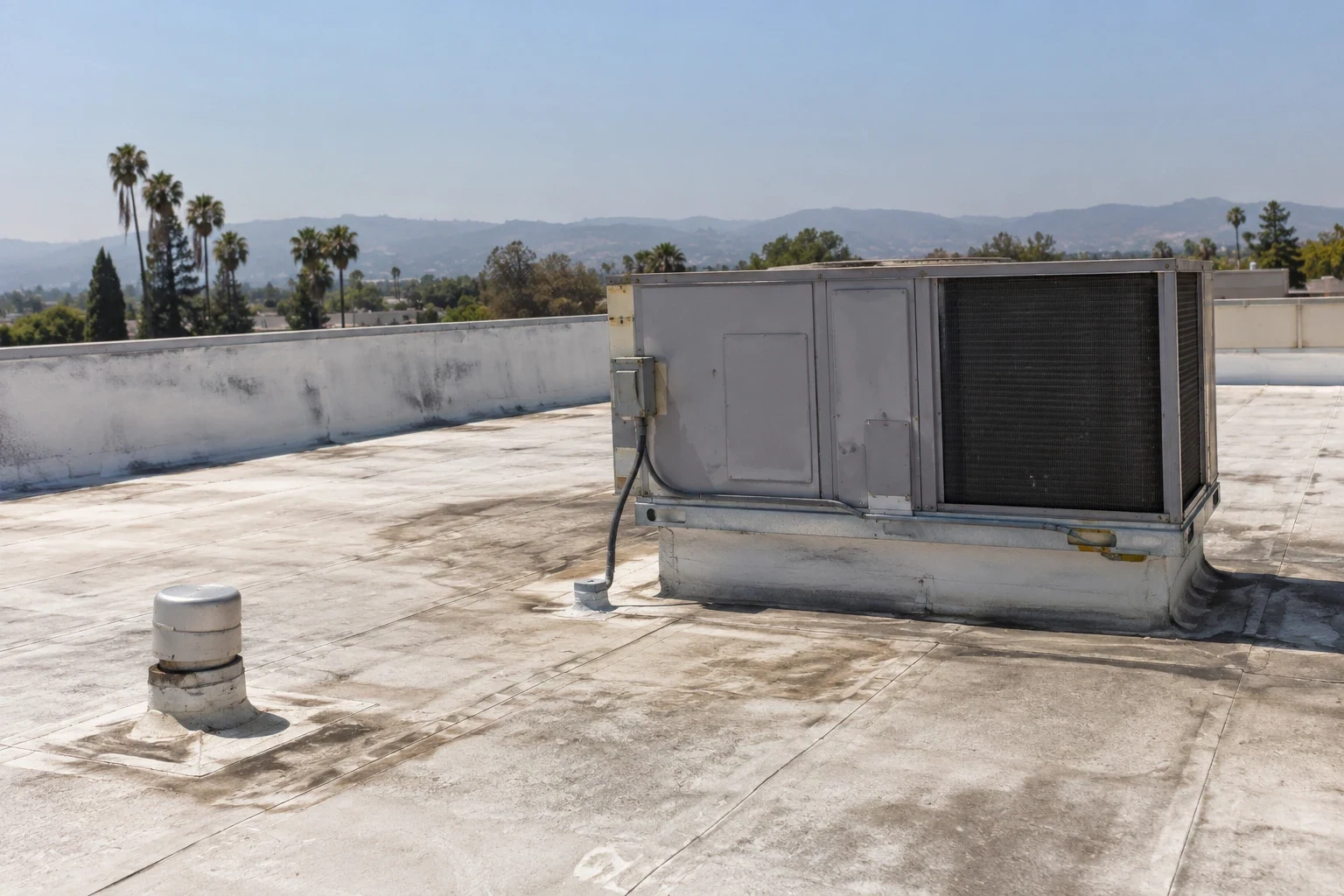
Restaurants often depend on exhaust fans and ductwork that run through roof curbs, plus electrical and refrigeration connections serving the kitchen. We document each visible transition, check service clearance, and coordinate with the equipment provider where a disconnect or lift is part of the roofing scope. Grease or cooking residue near an exhaust outlet can affect surface cleaning and repair preparation; the roof surface and compatible repair method are checked at the actual detail. The site contact also identifies dining areas, kitchen shifts, receiving, and customer entrances beneath planned work.
The White Slough plan allows food and beverage uses along its Sonoma Boulevard commercial strip. Downtown Vallejo's planning update covers land use, mobility, infrastructure, housing, economic development, and environmental sustainability. Those local contexts help frame access conversations without implying a particular restaurant's building type. A grocery roof review may prioritize refrigeration zones, while a restaurant scope often gives added attention to exhaust and cooking equipment.
Repair Around Curbs and Exhausts
Recurring water entry beside an exhaust curb can involve counterflashing, a seam, a damaged membrane, or movement around the equipment base. We compare interior reports with roof slope, curb geometry, nearby patch edges, and drainage. A repair must tie into compatible material and preserve the equipment's service clearance. Where an exhaust fan is being replaced, the roofing detail should be coordinated before the new curb or unit is set. A curb and rooftop equipment scope can record the roof-to-equipment responsibilities.
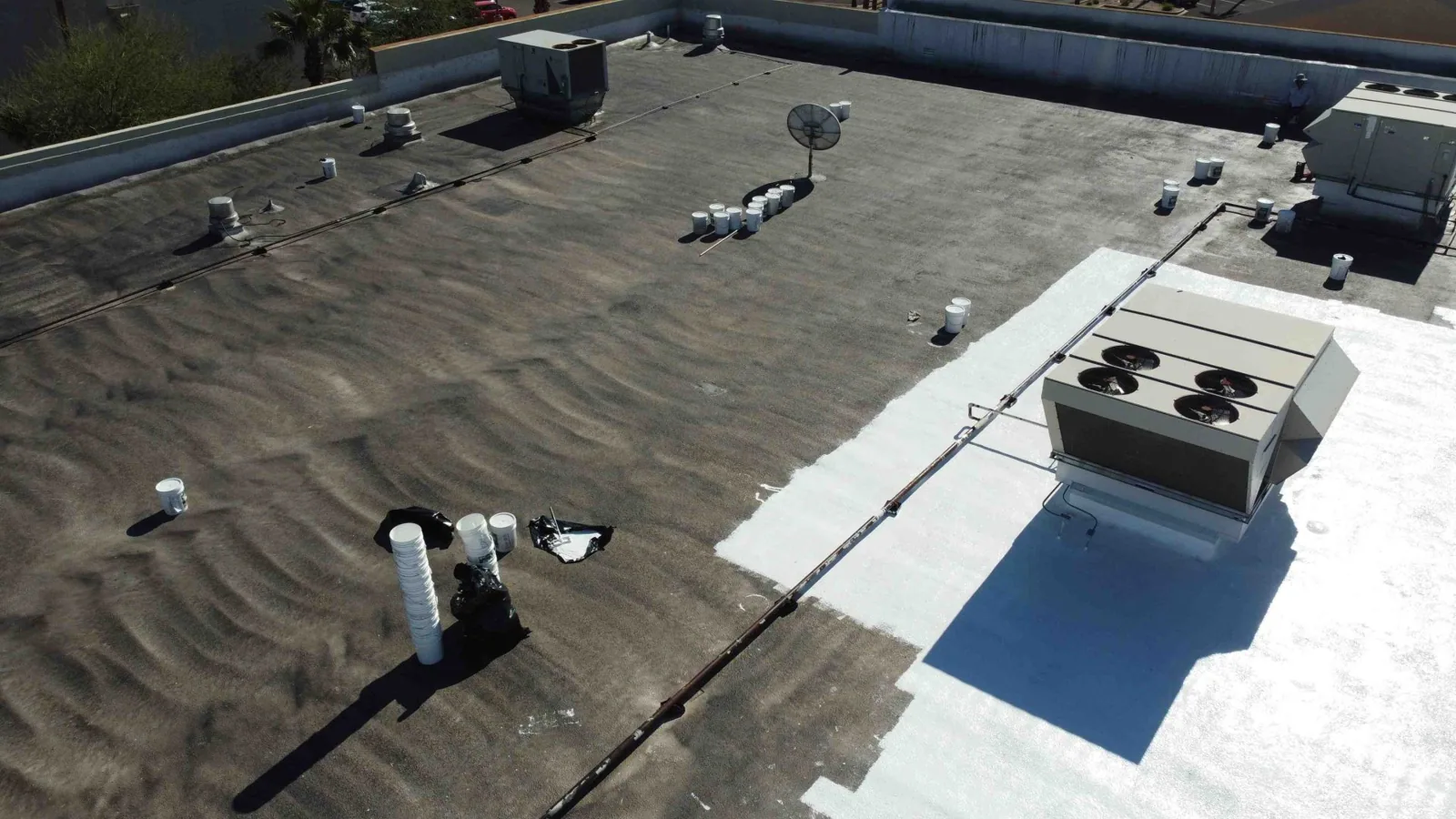
If failures stay localized and surrounding membrane and insulation remain stable, repair can be the near-term choice. Repeated leaks, open seams across separate zones, or moisture below the membrane may support testing, recover, or replacement. We map what is confirmed and note any test opening needed to set the boundary. A leak repair assessment traces entry to the roof detail, while a replacement scope accounts for tear-off, insulation, curbs, drains, edge work, and end-of-shift protection.
Fit Work Around Service Hours
Roof access and kitchen schedules influence when equipment can be moved and which rooms need protection. We identify service hours, exhaust shutdown windows, delivery periods, cooking areas below the roof, and routes for lifts and debris. The plan marks how much roof can open at once and how each section closes before the crew leaves. If the restaurant is part of a larger property, ownership and tenant contacts should agree on notices, loading access, and noise windows before work starts.
Emergency response is available at any hour, every day of the week, including holidays, for active leaks or unexpected openings. We stabilize the roof and coordinate the immediate site response, then document the permanent repair needed. For planned work near the Vallejo Waterfront, access and material handling are confirmed at the property; waterfront context alone does not establish the building's staging route. A roofing plan for an occupied restaurant records work zones, interior protection, and the close-in sequence for management.
Check Drainage Before Seasonal Rain
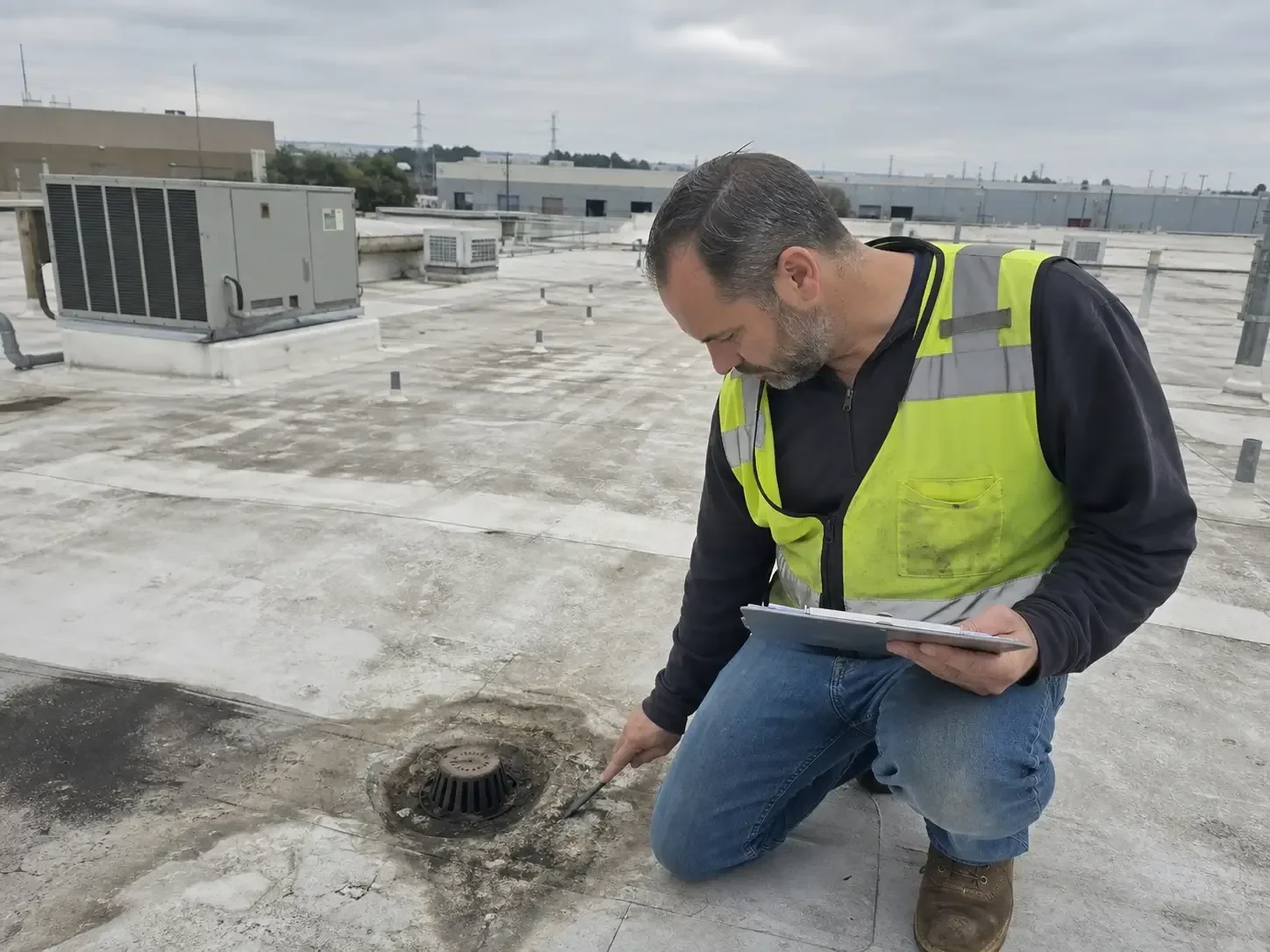
A restaurant roof may collect debris around exhaust discharge, equipment screens, skylights, and service paths. We inspect drains, scuppers, low areas, membrane seams, flashing at walls, and patches near rooftop units. If water remains after rainfall, we record its location and duration as observed by the site team; the roof walk checks slope and outlet conditions that can be addressed. A photograph tied to a roof zone helps distinguish one obstructed drain from a repeat condition across the assembly. Restaurant work should protect food-preparation areas and keep exhaust openings secure whenever a roof phase crosses kitchen operations. Vallejo's dry July and August average makes a pre-rain drainage check a useful calendar item. During the walk, we note debris, blocked outlets, and recurring ponding at the actual roof. A maintenance visit can schedule drain clearing and minor corrections, and TPO system details can be compared if the owner is considering a membrane renewal.
Set a Renewal Window That Fits the Lease
Scope cost and timing depend on roof layers, wet insulation, curb count, fan coordination, drain corrections, staging, and how much dining or kitchen activity must be protected. Lease responsibilities can also affect who approves access, equipment work, and interior protection. We list those dependencies and identify the conditions that could change the work order, such as concealed deck damage after removal. The owner can then compare a targeted repair with an assembly renewal using the same documented assumptions. Record exhaust-curb changes, grease-service penetrations, and any trade coordination on the restaurant roof plan so the reviewed work area is clear. A permitted reroof should use the code edition in force for its plan-check submittal. We include permit review, equipment availability, and restaurant calendar in the planned work window. A hotel roof plan may have separate guest and common-area constraints, while a restaurant's scope tracks kitchen operations and service hours.
Keep Repair History With the Property
Closeout should show which roof zones were repaired, what materials were used, how curbs and drains were treated, and which items remain for monitoring. We include photographs and note equipment coordination or field changes that could affect a later visit. Keep the roof plan, repair invoices, and leak locations together so a future manager can compare the same details. For leased premises, record access and work-hour arrangements that need to be renewed with the next scope.
A restaurant in the Downtown Vallejo core or the Sonoma Boulevard Corridor still needs a building-specific roof inventory. Local land-use context may shape access and tenant coordination; observed conditions determine repair, maintenance, or renewal. Arrange a site walk with plans, prior leak records, equipment information, access needs, and budget timing. We will return a condition record organized by roof zone and the next work decision.
Commercial Roofing Questions
Can we repair a roof leak without shutting down the kitchen?
Some repairs can proceed without a kitchen shutdown if the work area, access route, and interior protection allow it. We identify exhaust and electrical equipment that must be isolated, then coordinate those steps with the responsible trade and site contact. The daily plan names the affected zone and when it will be weather-tight, so management can set service expectations before work begins.
What should we check around a kitchen exhaust fan?
We inspect the curb, counterflashing, seams, membrane condition, nearby patches, and service clearance. If the fan or duct is being changed, the equipment trade and roofer should coordinate the curb and flashing before reset. The record should state which detail was repaired and whether the fan connection or adjacent roof area needs later monitoring.
Why does the same dining-room leak return after patching?
The visible stain may sit away from the roof entry, and water can follow a seam or curb before reaching the ceiling. We map previous repair dates, inspect nearby transitions and slope, and look for moisture beyond the patch. If the same location has failed repeatedly, testing or a wider repair boundary may be more useful than repeating the same surface treatment.
Can a restaurant roof replacement be phased after closing?
The work window depends on tear-off, weather protection, equipment access, and the area below. We can set evening or off-hour stages when the assembly and site conditions support them. Each shift needs a defined open limit, interior protection, material route, and close-in time. Equipment shutdowns and deliveries should be coordinated before the schedule is fixed.
What roof documents should a restaurant owner retain?
Keep the assembly description, zone-labeled photos, leak and repair history, drain and curb details, and any equipment coordination notes. Add excluded or monitoring areas to the roof inventory. Those records help the owner distinguish repeat detail failure from new damage and compare a repair allowance with future renewal.
Set the Restaurant Roof Scope
Arrange a site walk with plans, repair history, equipment records, service hours, access needs, and budget timing. We will map the roof condition and prepare a repair or renewal scope around restaurant operations.
Request a Roof Assessment
Questions About Restaurant Roofing in Vallejo, CA
Common questions from building owners and property managers.
Can we repair a roof leak without shutting down the kitchen?
Some repairs can proceed without a kitchen shutdown if the work area, access route, and interior protection allow it. We identify exhaust and electrical equipment that must be isolated, then coordinate those steps with the responsible trade and site contact. The daily plan names the affected zone and when it will be weather-tight, so management can set service expectations before work begins.
What should we check around a kitchen exhaust fan?
We inspect the curb, counterflashing, seams, membrane condition, nearby patches, and service clearance. If the fan or duct is being changed, the equipment trade and roofer should coordinate the curb and flashing before reset. The record should state which detail was repaired and whether the fan connection or adjacent roof area needs later monitoring.
Why does the same dining-room leak return after patching?
The visible stain may sit away from the roof entry, and water can follow a seam or curb before reaching the ceiling. We map previous repair dates, inspect nearby transitions and slope, and look for moisture beyond the patch. If the same location has failed repeatedly, testing or a wider repair boundary may be more useful than repeating the same surface treatment.
Can a restaurant roof replacement be phased after closing?
The work window depends on tear-off, weather protection, equipment access, and the area below. We can set evening or off-hour stages when the assembly and site conditions support them. Each shift needs a defined open limit, interior protection, material route, and close-in time. Equipment shutdowns and deliveries should be coordinated before the schedule is fixed.
What roof documents should a restaurant owner retain?
Keep the assembly description, zone-labeled photos, leak and repair history, drain and curb details, and any equipment coordination notes. Add excluded or monitoring areas to the roof inventory. Those records help the owner distinguish repeat detail failure from new damage and compare a repair allowance with future renewal.