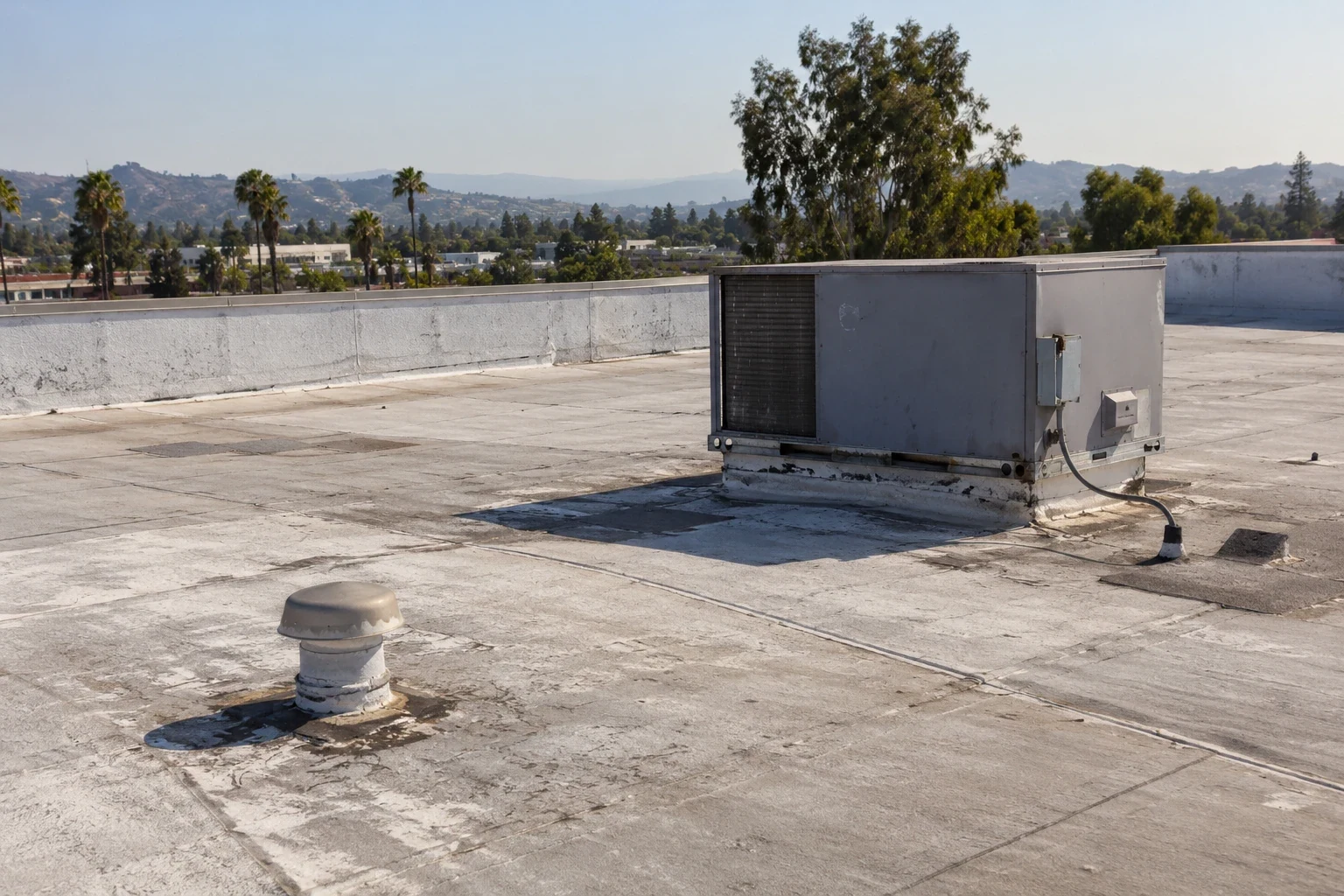
Grocery Store Roofing in Vallejo, CA
Plan grocery store roof repairs in Vallejo around refrigeration equipment, delivery access, drainage details, and customer hours with a mapped renewal scope.
Why Commercial Roofing Vallejo?
Grocery Store Roofing in Vallejo, CA
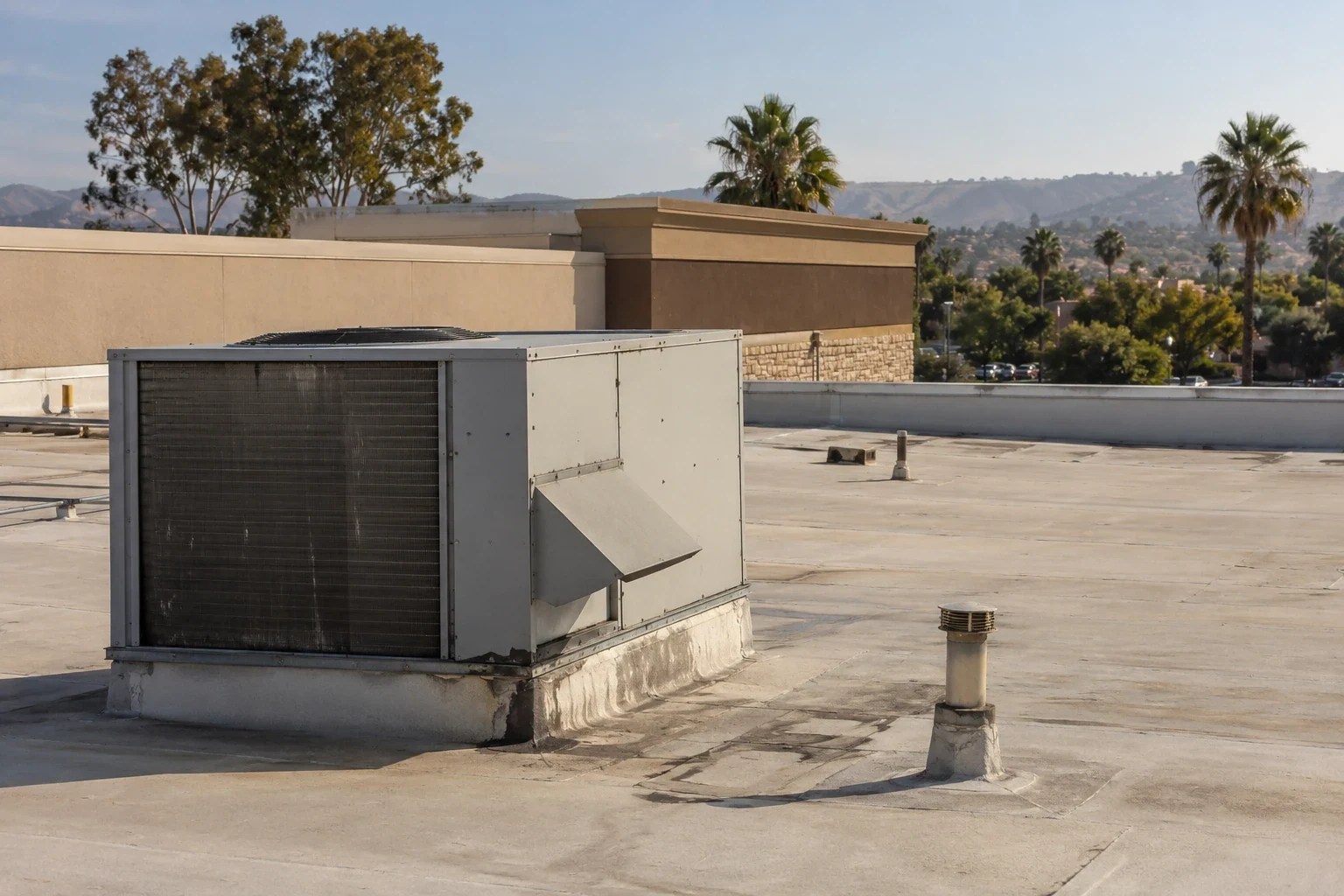
A grocery roof has to protect refrigerated stock while the store receives deliveries and serves customers. The equipment layout, exhausts, walk-in cooler lines, and roof drains can create a dense pattern of transitions that needs its own assembly record. In Vallejo, CA, we review the operating hours, repair history, and visible roof condition together. A site walk maps recurring leaks, curb details, seams, and drainage by zone, then separates the immediate repair boundary from renewal work that belongs in the next capital window.
The Store's Roof Has Several Work Zones
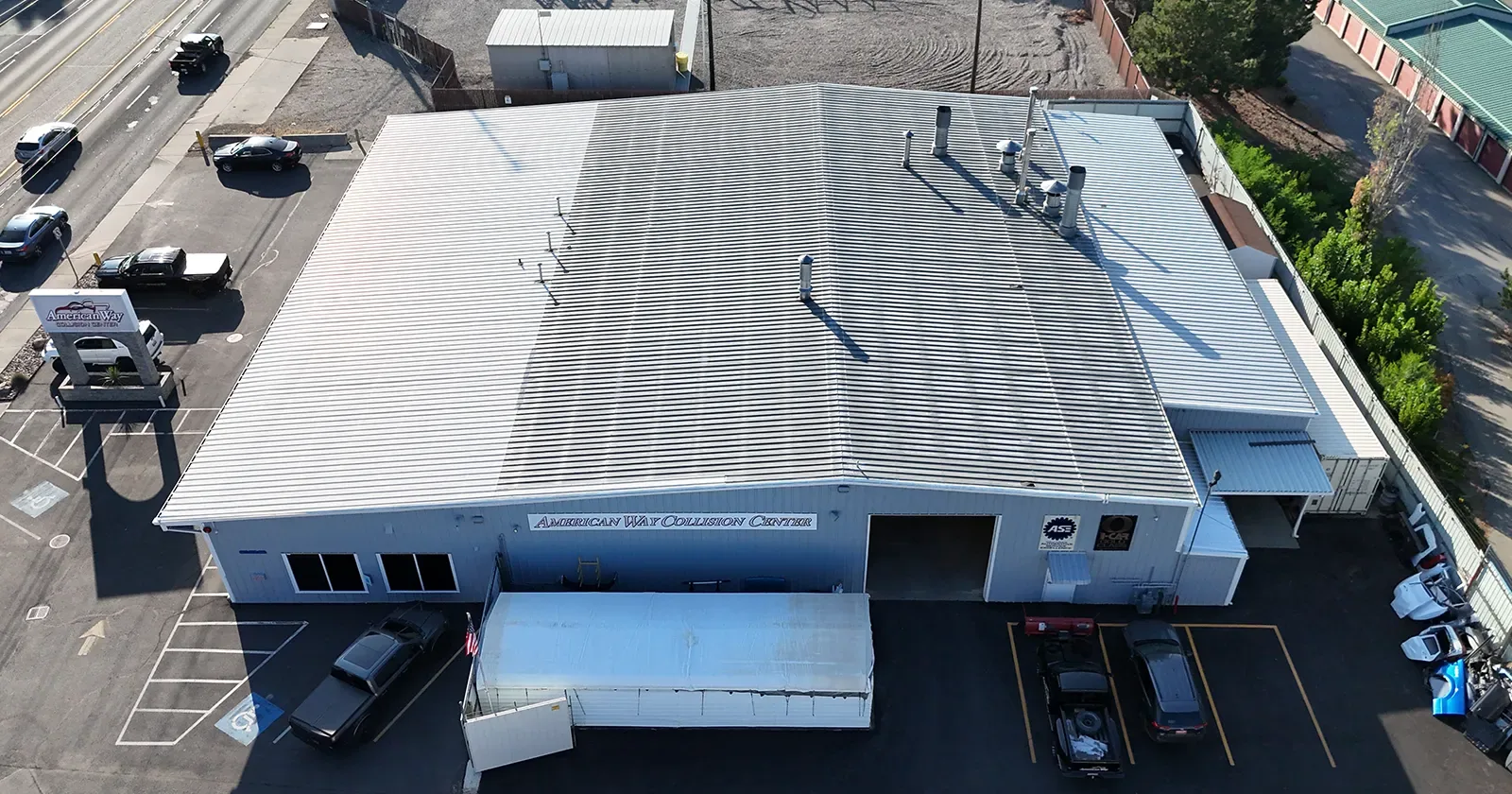
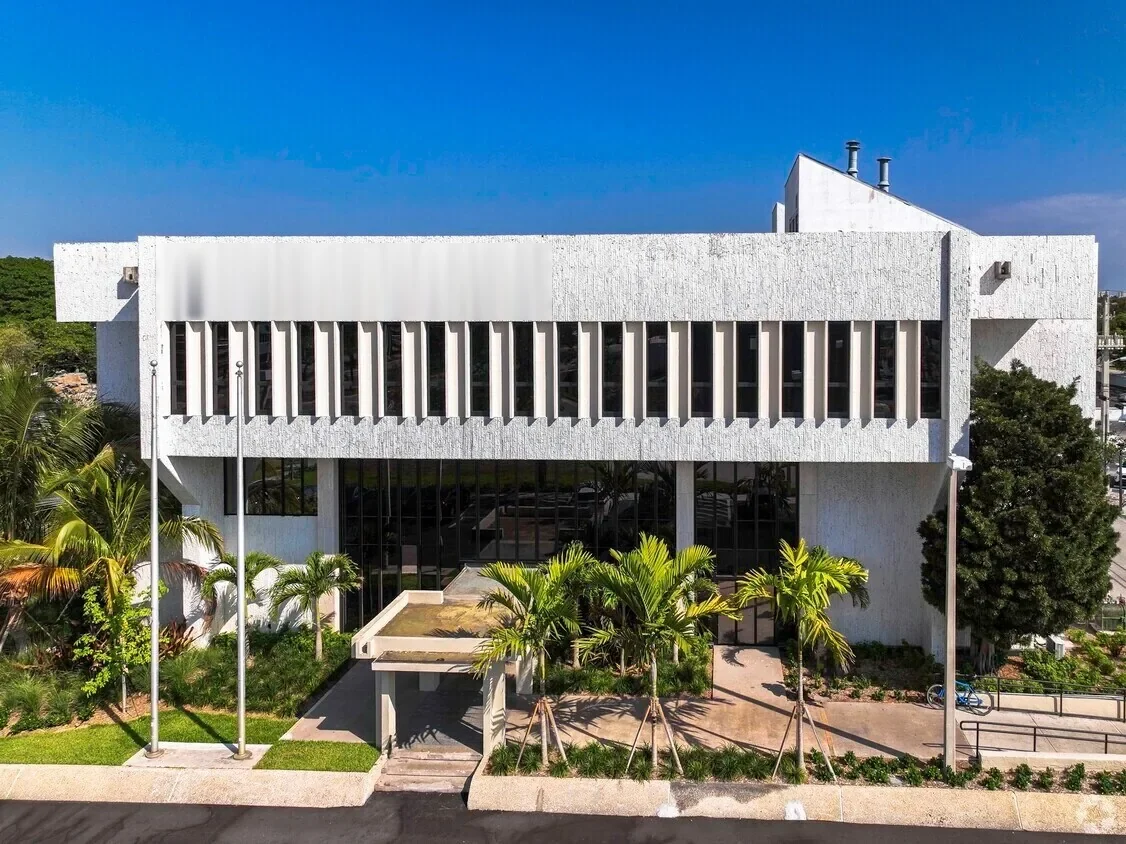
Receiving, refrigeration, food preparation, retail aisles, and customer entrances can each impose different work limits below the roof. We ask the property contact to identify sensitive stock, delivery windows, back-of-house rooms, and equipment that must remain online. The roof walk then records membrane type where visible, curb heights, vent and pipe penetrations, skylights, drains, and evidence of past overlays. A property assembled in phases may have different details across the field; the roof inventory should mark those transitions rather than assume one uniform installation.
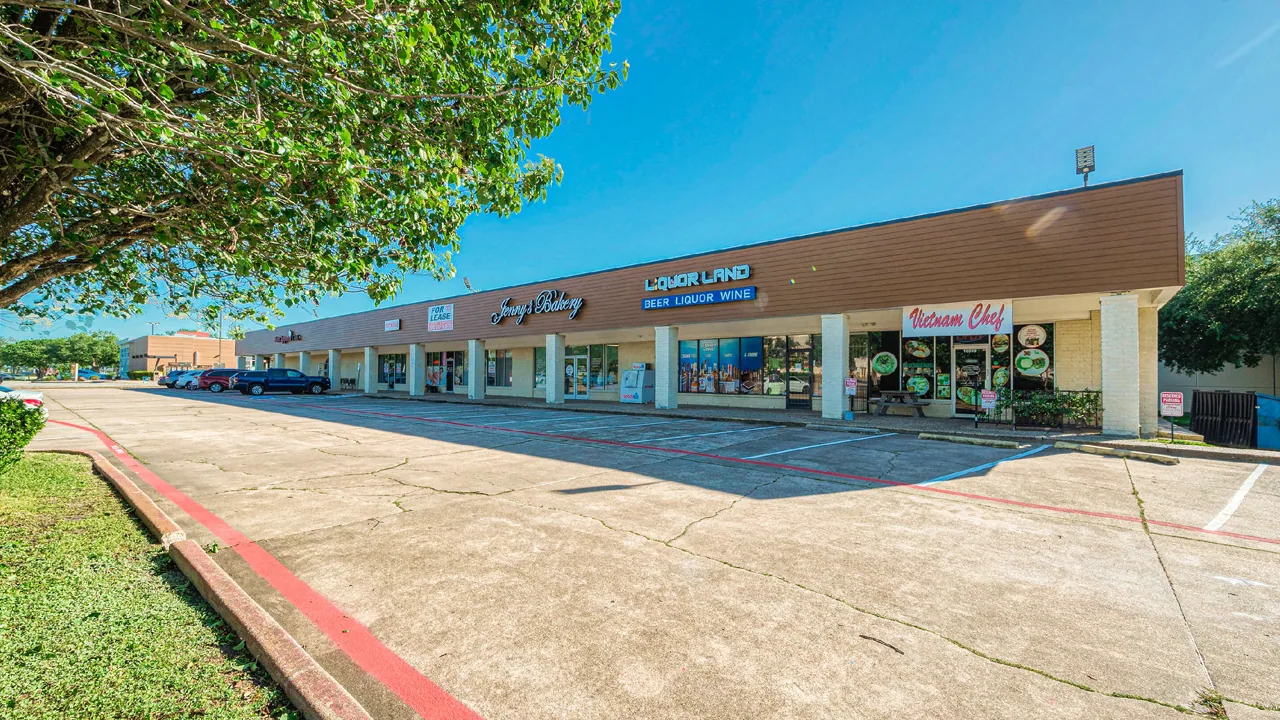
Vallejo's Sonoma Boulevard Corridor includes commercial uses such as retail, food and beverage, medical offices, and professional services. The Admiral Callaghan Lane Commercial Corridor is an active commercial zone. Those places help frame access and customer movement, but the site walk establishes the individual store's roof and operating needs. Compare a shopping-center roof review with a big-box retail assessment when ownership is organizing multiple retail properties.
Trace Water Around Refrigeration Details
A ceiling stain near a cooler does not identify the roof entry point on its own. We compare the interior location with the roof's slope, curbs, pipe supports, exhausts, seams, and nearby drains. Refrigeration piping and electrical penetrations can interrupt membrane and flashing continuity; vibration or service work may also leave a changed detail. We record visible conditions and align them with maintenance calls so the repair scope addresses the water path instead of only the interior symptom.
July and August are typically rain-free in Vallejo before the wetter part of the year. Before rain returns, we log blocked outlets, debris, and repeated ponding at the store itself; regional climate averages cannot describe one parcel. A mapped roof inspection can establish the condition baseline, while a moisture survey can test whether wet insulation extends beyond a visible defect.
Keep Store and Receiving Areas in Service
Work sequencing depends on customer hours, deliveries, roof access, and the interior beneath the active zone. We establish where material will be lifted, how debris leaves the roof, which entrances or receiving lanes need protection, and when each section must be weather-tight. The facility contact can identify a cooler or food-preparation area that needs extra interior protection. Work above a service lane may need a different window from work over a back office, so those limits belong in the schedule.
Emergency crews respond around the clock, including holidays, if an active leak or unexpected opening needs attention. For planned work, we set an escalation contact and the steps for pausing a roof zone if store operations change. Vallejo Waterfront access and Sonoma Boulevard retail movement can differ by property, so staging and delivery routes are checked at the site. A roofing plan for an occupied store records the daily limits, close-in points, and handoff with store management.
Repair the Detail or Renew the Assembly
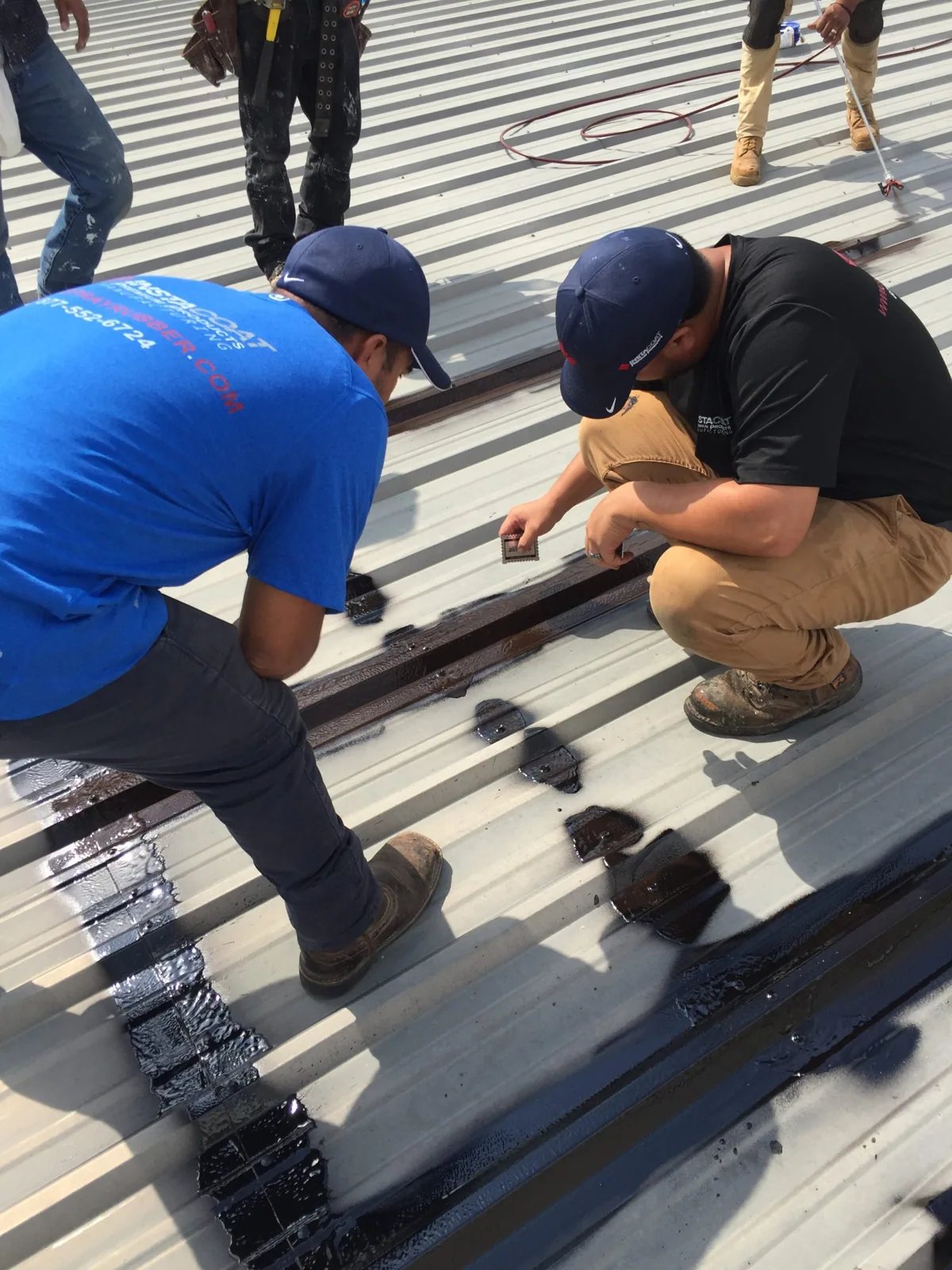
A repair may be appropriate for an isolated flashing or seam failure surrounded by stable membrane. We define the repair limits, compatible material, curb or pipe detail, and any drain clearing or correction that belongs in the same visit. Repeated leaks near multiple refrigeration transitions, widespread wet insulation, or deck concerns can change the budget decision. A targeted roof repair should state which areas were addressed and what remains under observation.
Recover or replacement requires a review of roof layers, moisture, attachment, deck condition, added height, and equipment clearances. A new layer can affect curb and drain elevations, while tear-off exposes concealed conditions that may change the scope. We list penetrations to remain or be abandoned, insulation and cover-board needs, perimeter work, and protection during each shift. Compare TPO assembly options with the roof's actual substrate, detailing, and maintenance approach instead of using membrane type alone to set the renewal decision.
Fit Roof Work to Store Calendars
Cost and duration depend on tear-off depth, insulation replacement, deck repairs, curb count, drain work, staging, and how many roof zones must remain open to deliveries or customers. A replacement over the sales floor may call for different interior protection and work hours than a back-of-house zone. We tie allowances to locations and list the decisions that could change the schedule, including concealed deck conditions and equipment coordination. This gives ownership a clear repair boundary before approving broader renewal. For grocery properties, document refrigeration curb changes and store-hour coordination alongside the roof scope, especially where another trade will alter a penetration. The plan-check date controls the code edition. We place that review alongside delivery and store-calendar constraints when setting a work window. A roof capital plan can compare immediate water-control work with a scheduled assembly renewal.
Keep the Roof Record Store Specific
The closeout record should include the roof assembly, mapped repairs, photographs of curbs and drainage, materials installed, and conditions left for monitoring. Note operating restrictions, receiving routes, and areas that need interior protection during later service. If the store has additions or roof zones over different uses, identify them separately. That record helps the next property manager compare condition trends and understand why one section was repaired while another remained in the capital plan.
For a site in the Sonoma Boulevard Corridor, location context can inform the first access conversation, while the site walk confirms actual conditions. We review plans, work orders, equipment details, access, and budget timing, then return an action list by roof zone. Ownership can use those observations to set maintenance, testing, repair, or replacement priorities.
Commercial Roofing Questions
How do you locate a leak above a refrigerated sales area?
We compare the interior report with roof slope, drains, seams, curbs, and refrigeration penetrations above and nearby. A ceiling stain may be offset from the entry point. We document the most likely route, inspect adjacent details, and identify whether moisture testing or a selective opening would change the repair limits before pricing a larger scope.
Can roof work happen while the grocery store remains open?
We plan by roof zone around customer hours, deliveries, receiving lanes, and sensitive areas below. The sequence identifies staging, debris movement, temporary protection, and each day's close-in point. Store staff confirm which entrances or aisles need access, and we set a contact for changes. Work timing follows the roof assembly and weather protection requirements.
Should refrigeration equipment be shut down during a reroof?
Only the equipment and work zones that require it need a shutdown. We coordinate those needs with the facility's refrigeration staff and record responsibility for disconnecting, protecting, and restarting each affected unit. Curbs, piping supports, and service clearances are checked as the roof scope is developed, so roofing does not block routine equipment access.
When is a recover suitable for a grocery roof?
We review existing layers, wet insulation, attachment, deck, curb heights, drains, and system requirements before recommending a recover. A sound assembly may support an added layer, while trapped moisture or unstable materials can call for removal. The proposal should identify what remains and how roof penetrations and drain elevations will be handled.
What should the store keep after a roof repair?
Keep the work order, roof-zone photos, repair materials, curb or drain details, and any condition left for monitoring. Add dates and repeat leak locations to the building's roof inventory. Those records let ownership compare future reports with actual repair history and plan renewal around store and delivery operations.
Review the Grocery Roof by Zone
Arrange a site walk with plans, repair history, equipment details, store hours, access needs, and budget timing. We will map the assembly and prepare a repair or renewal scope around store operations.
Request a Roof Assessment
Questions About Grocery Store Roofing in Vallejo, CA
Common questions from building owners and property managers.
How do you locate a leak above a refrigerated sales area?
We compare the interior report with roof slope, drains, seams, curbs, and refrigeration penetrations above and nearby. A ceiling stain may be offset from the entry point. We document the most likely route, inspect adjacent details, and identify whether moisture testing or a selective opening would change the repair limits before pricing a larger scope.
Can roof work happen while the grocery store remains open?
We plan by roof zone around customer hours, deliveries, receiving lanes, and sensitive areas below. The sequence identifies staging, debris movement, temporary protection, and each day's close-in point. Store staff confirm which entrances or aisles need access, and we set a contact for changes. Work timing follows the roof assembly and weather protection requirements.
Should refrigeration equipment be shut down during a reroof?
Only the equipment and work zones that require it need a shutdown. We coordinate those needs with the facility's refrigeration staff and record responsibility for disconnecting, protecting, and restarting each affected unit. Curbs, piping supports, and service clearances are checked as the roof scope is developed, so roofing does not block routine equipment access.
When is a recover suitable for a grocery roof?
We review existing layers, wet insulation, attachment, deck, curb heights, drains, and system requirements before recommending a recover. A sound assembly may support an added layer, while trapped moisture or unstable materials can call for removal. The proposal should identify what remains and how roof penetrations and drain elevations will be handled.
What should the store keep after a roof repair?
Keep the work order, roof-zone photos, repair materials, curb or drain details, and any condition left for monitoring. Add dates and repeat leak locations to the building's roof inventory. Those records let ownership compare future reports with actual repair history and plan renewal around store and delivery operations.