Commercial Wind Damage Roof Repair in Vallejo, CA
Wind-related roof inspections and repairs in Vallejo, with edge metal, membrane, flashing, and temporary protection documented by roof zone.
Why Commercial Roofing Vallejo?
Commercial Wind Damage Roof Repair in Vallejo, CA
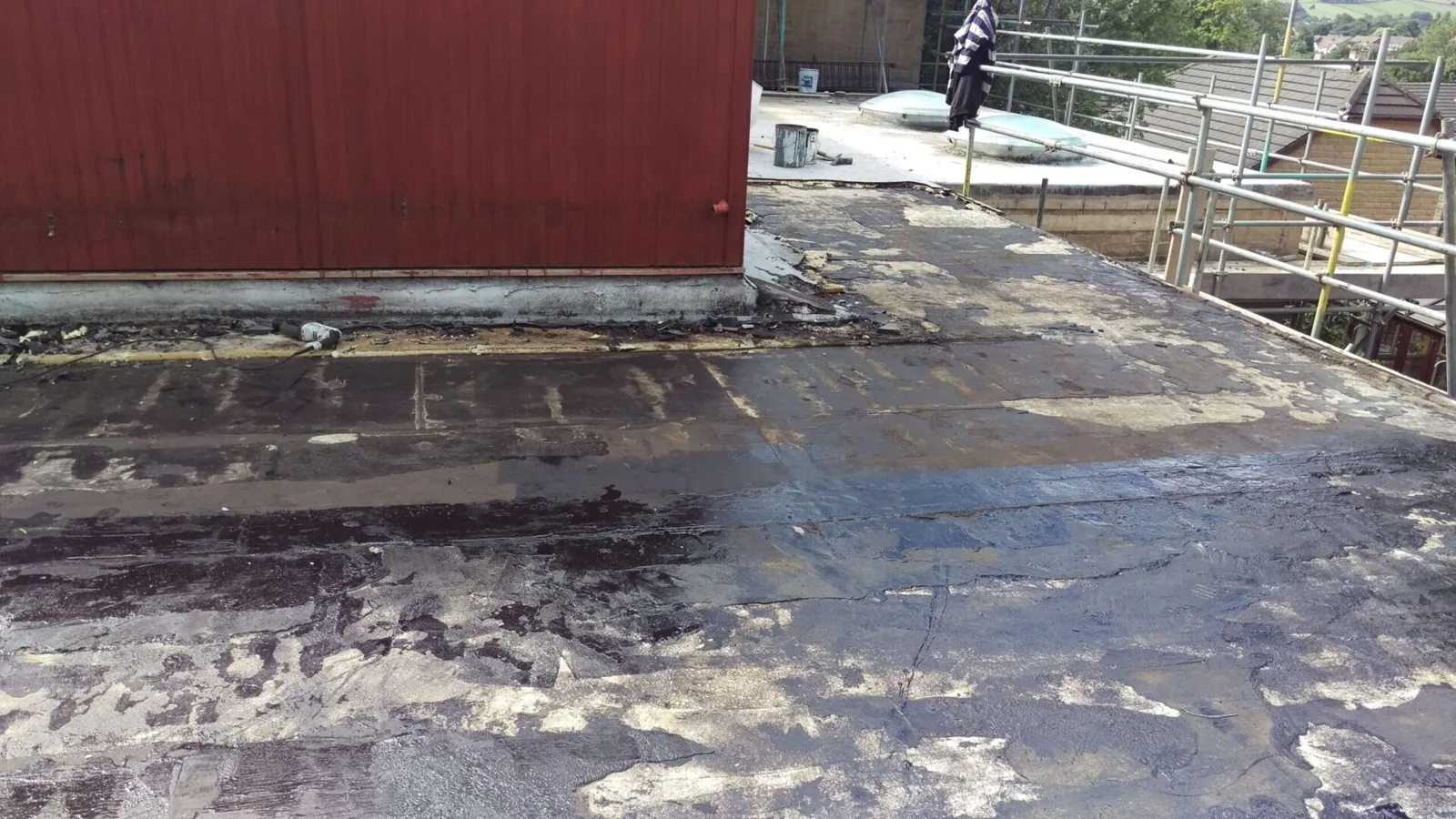
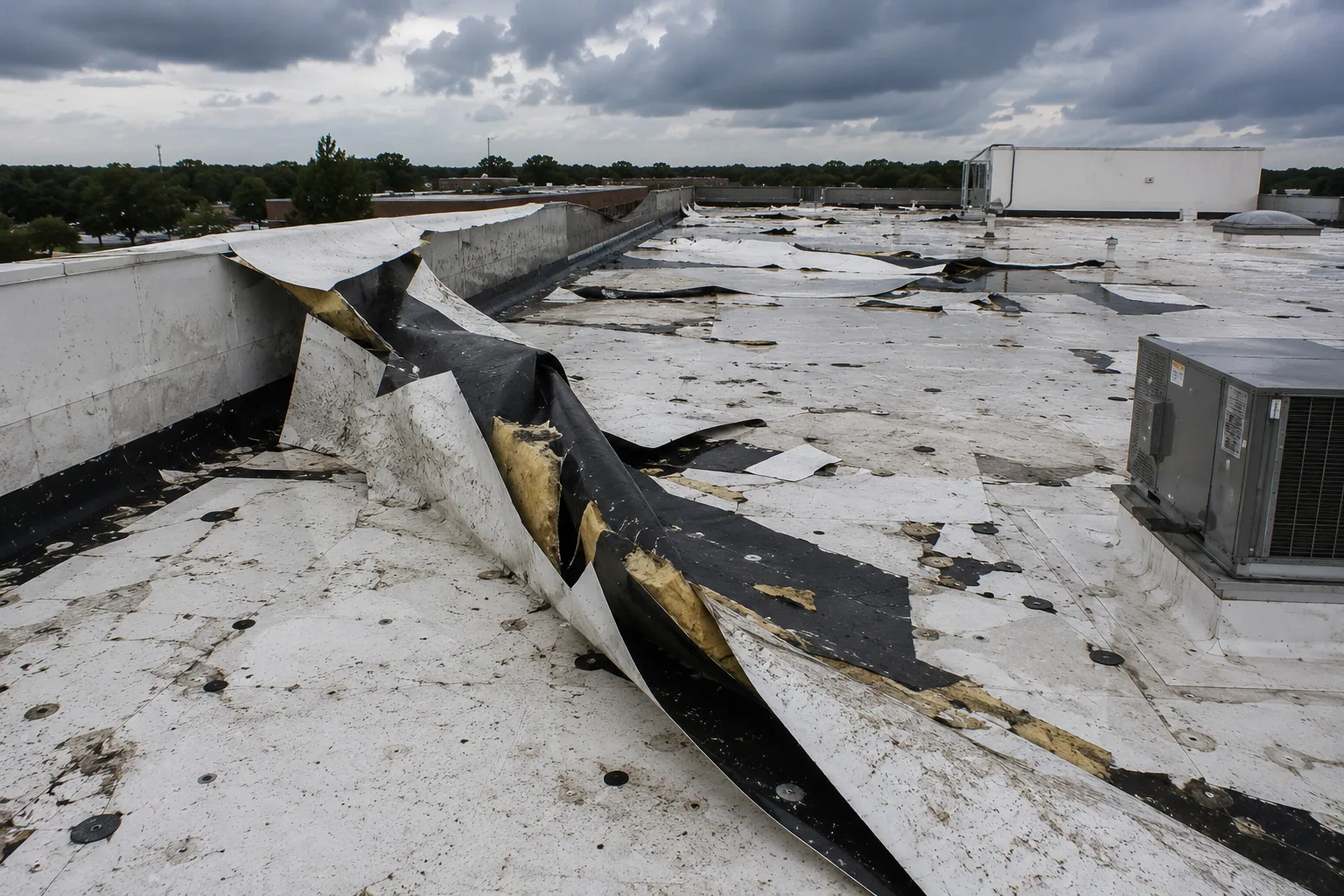
A wind report can cover anything from a loose coping piece to membrane that has lifted from its attachment. We begin at the reported zone, then inspect connected edges, seams, penetrations, and interior areas before setting a repair boundary. The work file distinguishes visible movement from an assumed cause and records what was present during the walk. In Vallejo, commercial settings range from Mare Island's office, retail, and industrial mix to downtown and waterfront corridors. That context helps with access planning, but the roof itself determines the scope. A storm-damage inspection can document observed conditions, while a flashing repair review addresses a detail after the opening is located.
Start With the Roof Perimeter
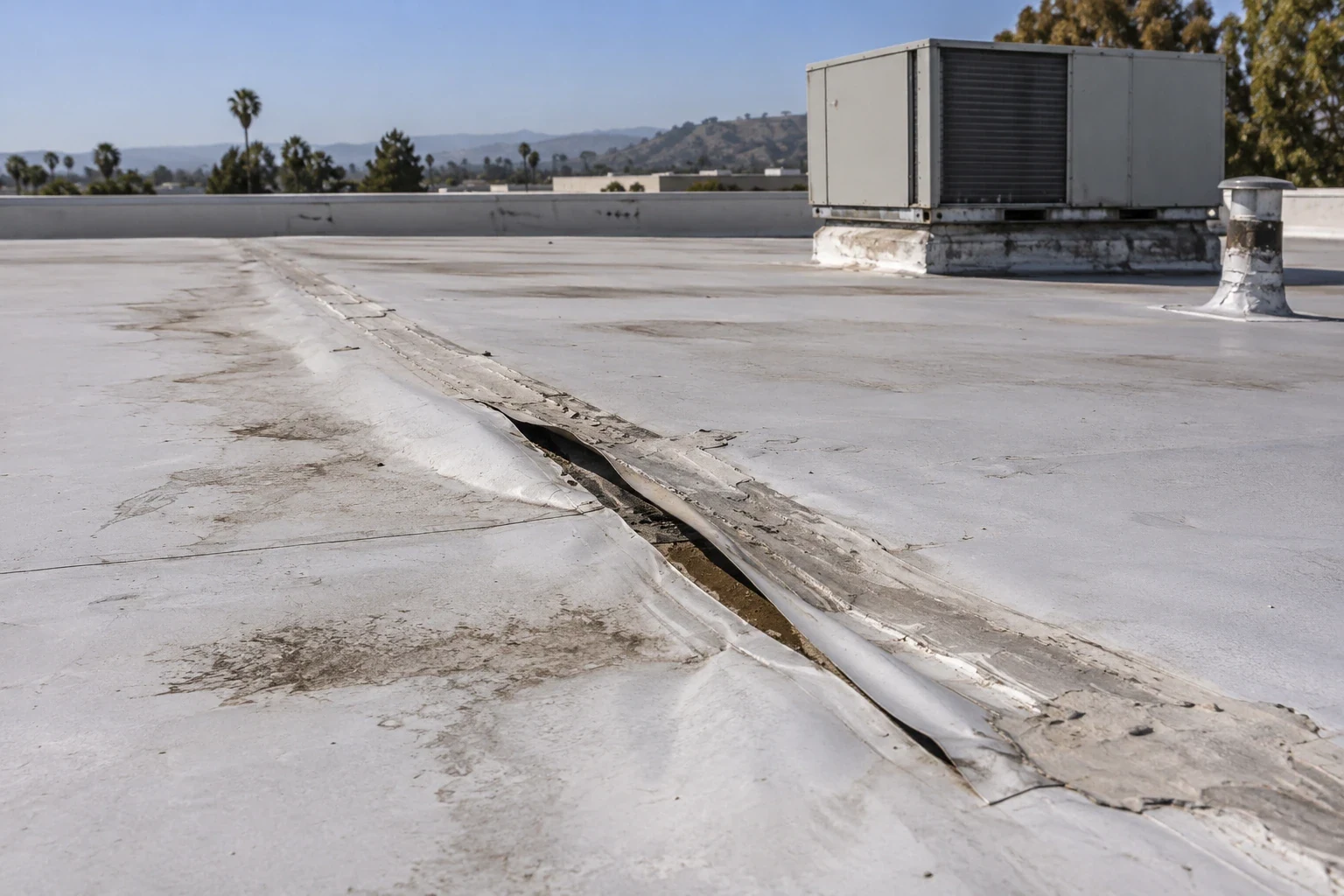
Wind-related movement may show first at perimeter details, corners, transitions, and rooftop elements. We inspect edge metal, coping, fascia, membrane terminations, and attachment lines, noting displaced fasteners, lifted laps, loose sealant, bent trim, or material that shifted against a wall. Photographs and zone labels distinguish a single damaged detail from repeated movement along the perimeter. If safe access is limited, we record the restriction and the next access step rather than estimate an unseen edge.
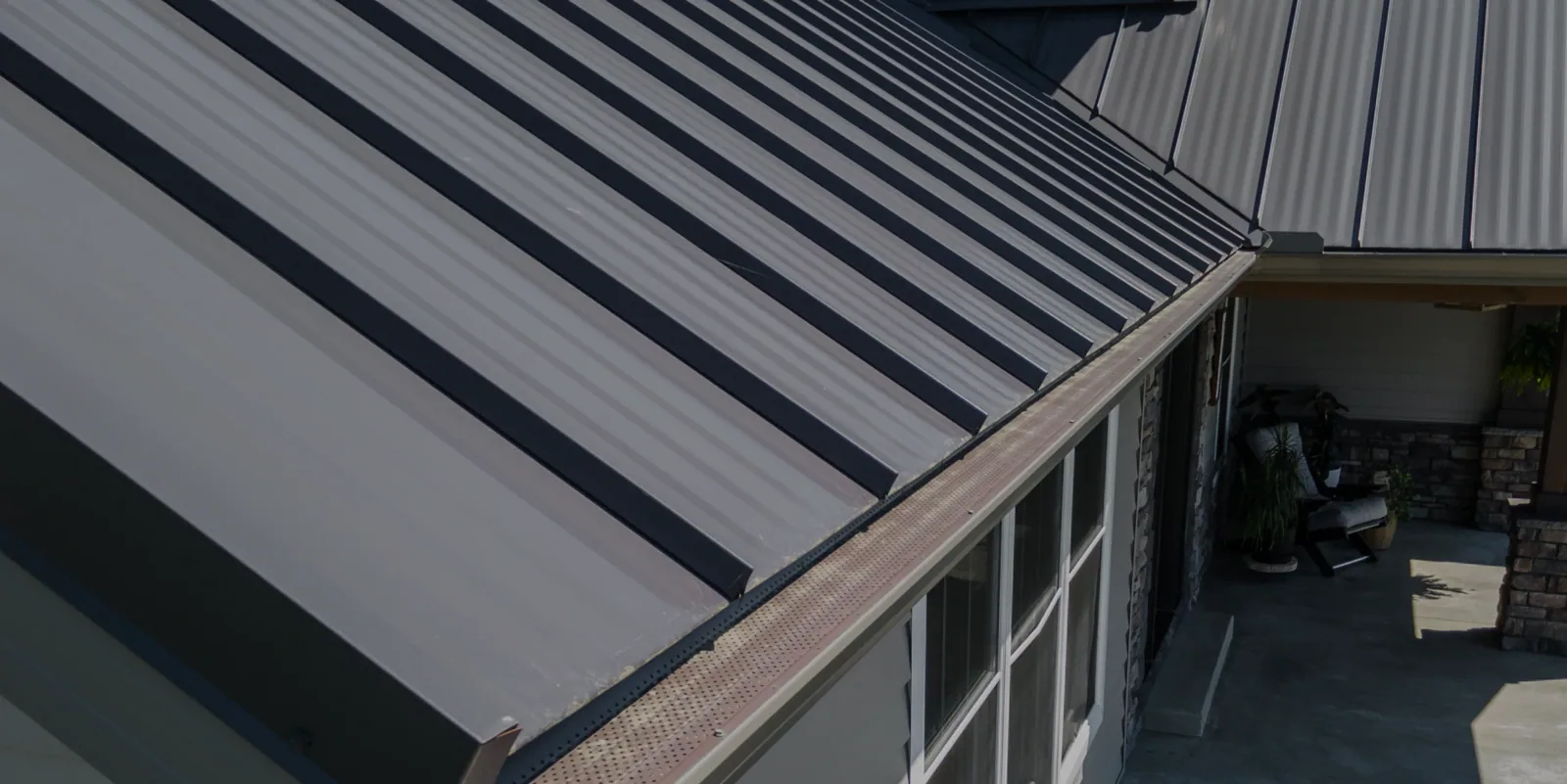
Broadway and Sonoma Boulevard orient a property list, but they do not reveal how a roof was built or whether wind affected it. We inspect the actual assembly and perimeter. For metal edges, coping and edge metal service can address the transition; panel systems need their own attachment review. The roof-zone record identifies what moved, what remains secure, and which conditions need a closer look before permanent materials are selected.
Follow Any Opening Toward the Interior
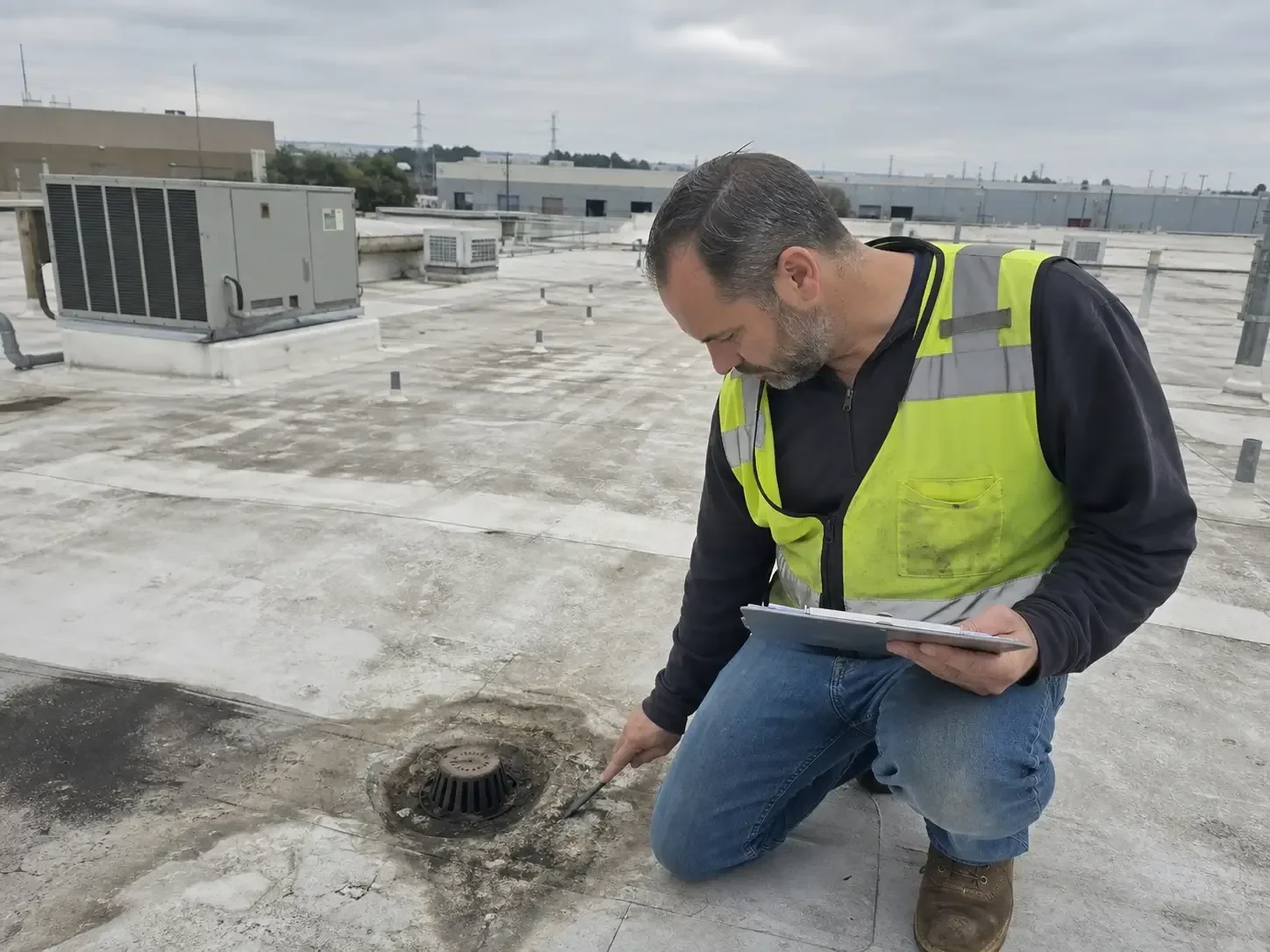
Water entry after a wind event can begin at a raised seam, shifted flashing, puncture, wall termination, or edge detail that no longer sheds runoff. We compare the interior report with the roof zone above and inspect the nearby drainage path. A ceiling mark is documented as an interior symptom, not treated as the roof opening by itself. When more than one detail is involved, each is mapped separately so the repair boundary does not absorb an unrelated maintenance item.
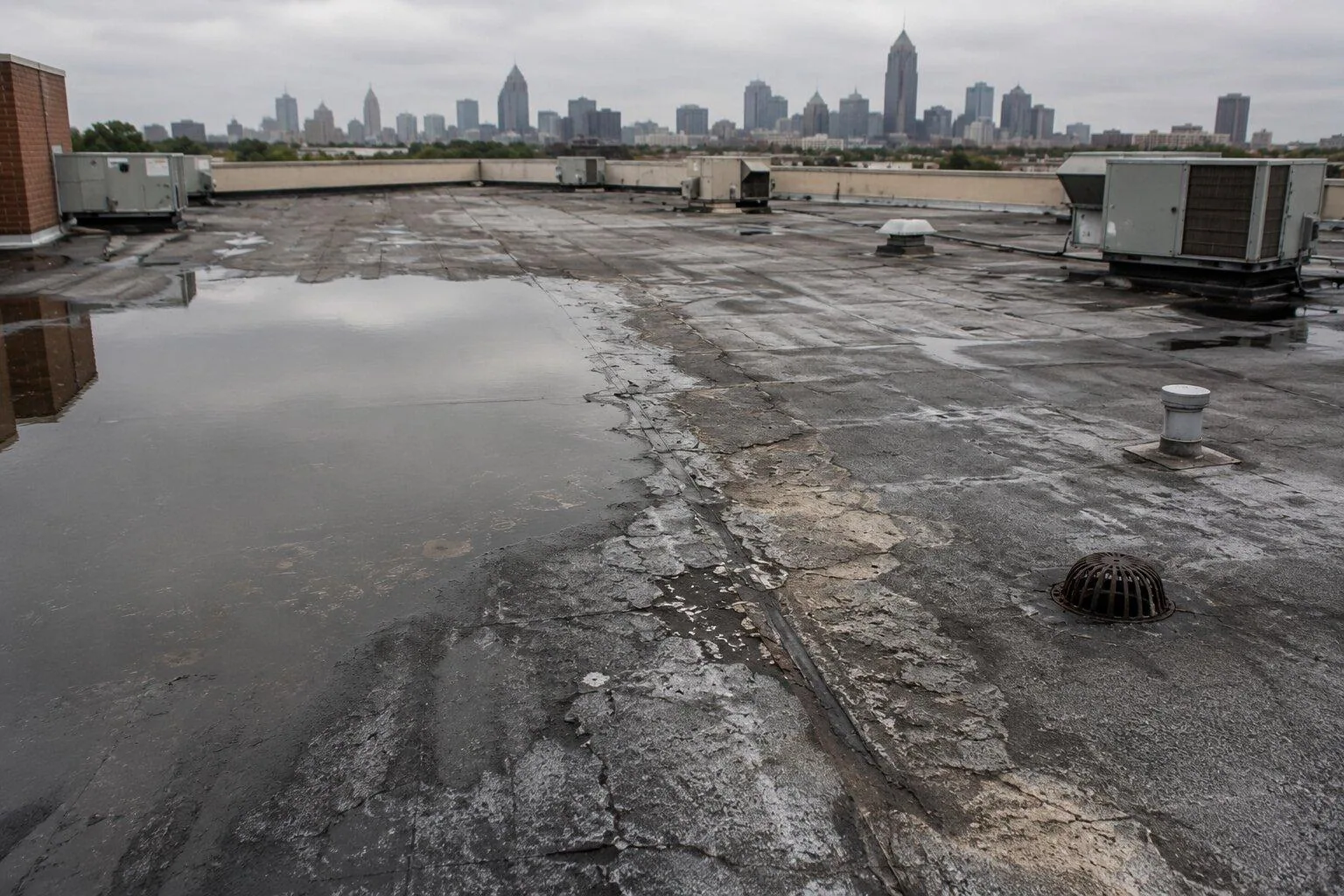
A property near the Vallejo waterfront may have a different route for equipment and materials than a building along Sonoma Boulevard or on Mare Island. The local setting helps us plan the visit, while the property contact confirms access and operating limits. We photograph open or displaced conditions, note earlier repairs, and identify whether moisture testing is needed. A leak repair assessment can trace an active water path; ponding-water review can separate drainage concerns from movement at the perimeter.
Stabilize the Exposed Area First
An open seam, displaced termination, or missing component may need a safe temporary measure while permanent materials and authorization are arranged. We identify the area, protection material, access needs, and expected follow-up. The temporary work does not conceal conditions that still require review. Before leaving, we check how the protection meets the existing assembly and note when the owner should inspect it again, including after weather or before a larger repair begins.
At an occupied facility, the route for ladders, lifts, debris, and interior protection needs the site contact's approval. We identify areas below the work, discuss deliveries and operating hours, and keep the repair zone clear for other trades. A phased roofing plan can coordinate the sequence with facility operations. Temporary dry-in is recorded separately from permanent repair so ownership can see which condition is stabilized and which scope remains open. The note names the material used, how it meets the existing roof, who is responsible for checking it, and the condition that will trigger a return visit. If the temporary measure changes drainage or blocks a service route, that limitation is recorded for the site contact. The permanent proposal can then be reviewed without confusing interim protection with the final assembly repair.
Price the Repair Around Confirmed Movement
A localized correction may fit when the affected edge, lap, or flashing is bounded and surrounding materials remain serviceable. Movement along a broader attachment line can require work across adjacent zones. We identify removal limits, replacement material, fastening or bonding details, and any insulation or substrate work included. If concealed layers or attachment remain uncertain, a test opening can show what the repair will reach. The proposal separates confirmed work from investigation needed to answer an open question.
A seam review may apply when a lap has opened; punctures have a different repair limit. If perimeter failure repeats or age-related deterioration extends beyond one detail, compare repair with renewal rather than fold both into one price. We inspect adjacent conditions before the owner selects a larger scope. Confirm the parcel entrance, delivery route, staging permission, and any site restrictions with the property contact before mobilization. A site review near the Sonoma Boulevard corridor remains tied to its building and roof assembly.
Sequence Material Handling and Closeout
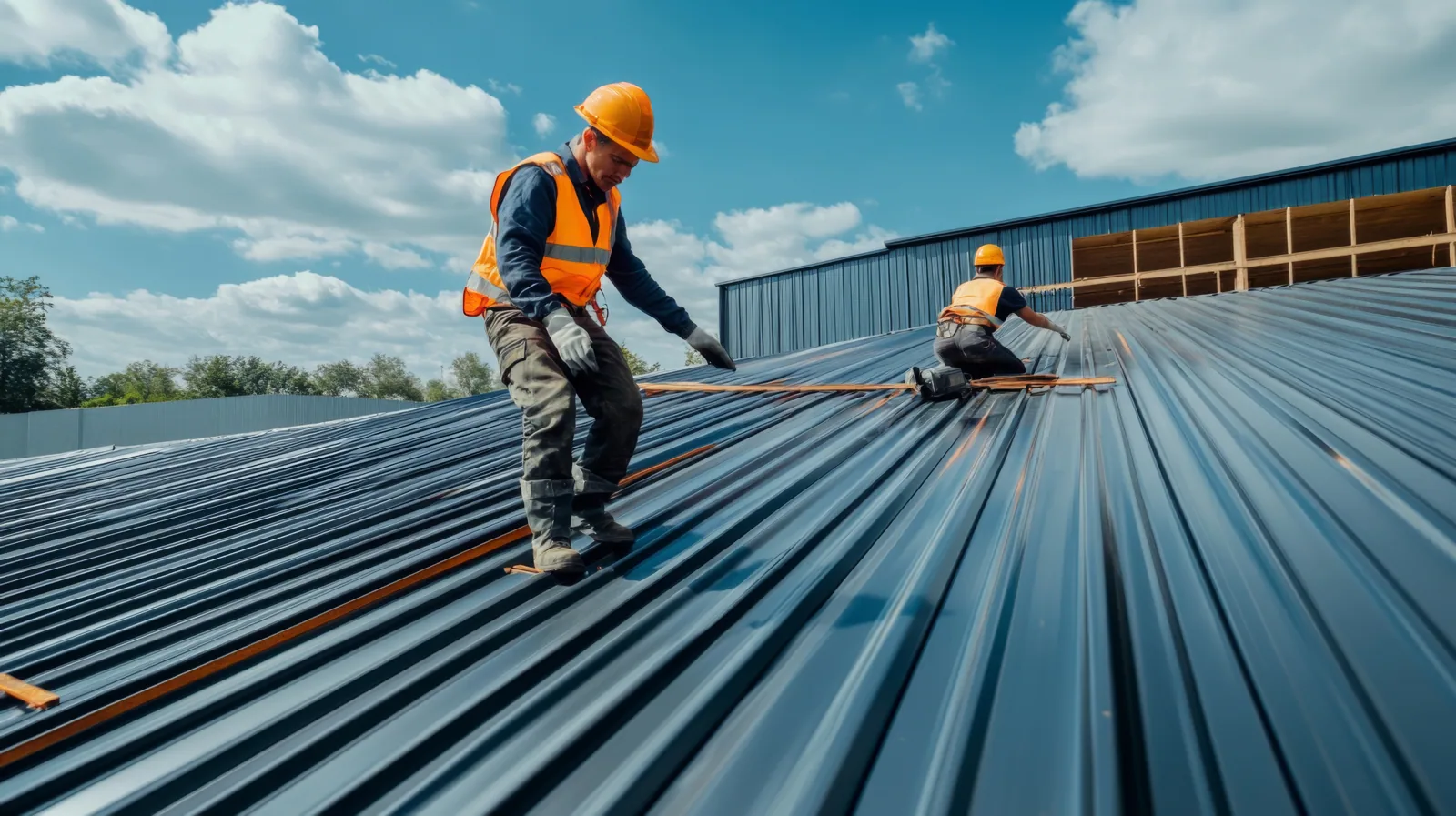
The work window depends on access, material availability, roof condition, and the time needed to secure the assembly before the crew leaves. We identify staging, lift locations, temporary protection, and who can release the roof zone. July and August are dry on average in Vallejo, while typical summer highs reach about 85 to 87°F. Those norms help frame seasonal scheduling, but current weather and roof conditions still set the repair window. We keep exposed areas limited and schedule permanent repair for conditions suitable to the specified material. The daily plan identifies what will be left watertight at shift end.
At completion, the owner receives photographs by location, repair materials, details replaced, areas not accessed, and follow-up checks. Those records help a later inspector compare an edge or seam with the pre-repair condition. For assets in Sonoma Boulevard's commercial area or elsewhere in Vallejo, the job file stays attached to the building rather than the neighborhood label. We can review earlier maintenance records to determine whether a nearby condition was already open before the reported event.
Commercial Roofing Questions
What should we do after finding loose edge metal?
Keep people clear of any area where material may fall, then arrange a roof review to map the edge and check connected seams and flashing. We can document the condition and identify temporary protection or permanent repair. The scope notes any section that could not be reached safely.
Can a wind-related roof repair stay within one area?
It can when the damage boundary is visible, nearby materials remain secure, and inspection shows no connected failure. We photograph the affected zone and check adjacent terminations before pricing. If movement continues along an attachment line, the repair may need to extend further.
How do you distinguish recent movement from an older condition?
We compare current observations with dated photographs, prior reports, repair invoices, and available roof plans. The inspection describes what can be seen and which records may help identify a change. When the history is incomplete, we state that limit instead of assigning a date without support.
Can temporary protection remain while a claim is reviewed?
Temporary measures can limit additional water entry when an opening is present, but materials and review timing depend on the assembly and site condition. We document the protected area and permanent work still needed. Ownership can coordinate those next steps with its claims process.
What belongs in the repair closeout?
The file should show the repaired zone, photographs, material used, detail replacements, and any excluded or inaccessible areas. We list follow-up checks and note whether adjacent conditions remain open. Facilities can use that record for the next inspection or service call.
Document the Wind-Related Roof Condition
Arrange a roof walk with the reported area, prior repair notes, access details, and operating needs so the repair boundary and protection plan are clear.
Request a Roof Assessment
Questions About Commercial Wind Damage Roof Repair in Vallejo, CA
Common questions from building owners and property managers.
What should we do after finding loose edge metal?
Keep people clear of any area where material may fall, then arrange a roof review to map the edge and check connected seams and flashing. We can document the condition and identify temporary protection or permanent repair. The scope notes any section that could not be reached safely.
Can a wind-related roof repair stay within one area?
It can when the damage boundary is visible, nearby materials remain secure, and inspection shows no connected failure. We photograph the affected zone and check adjacent terminations before pricing. If movement continues along an attachment line, the repair may need to extend further.
How do you distinguish recent movement from an older condition?
We compare current observations with dated photographs, prior reports, repair invoices, and available roof plans. The inspection describes what can be seen and which records may help identify a change. When the history is incomplete, we state that limit instead of assigning a date without support.
Can temporary protection remain while a claim is reviewed?
Temporary measures can limit additional water entry when an opening is present, but materials and review timing depend on the assembly and site condition. We document the protected area and permanent work still needed. Ownership can coordinate those next steps with its claims process.
What belongs in the repair closeout?
The file should show the repaired zone, photographs, material used, detail replacements, and any excluded or inaccessible areas. We list follow-up checks and note whether adjacent conditions remain open. Facilities can use that record for the next inspection or service call.