Commercial Storm Damage Roof Repair in Vallejo, CA
Assess storm-related commercial roof damage in Vallejo, CA with a documented site review, temporary protection, and a defined repair scope.
Why Commercial Roofing Vallejo?
Commercial Storm Damage Roof Repair in Vallejo, CA
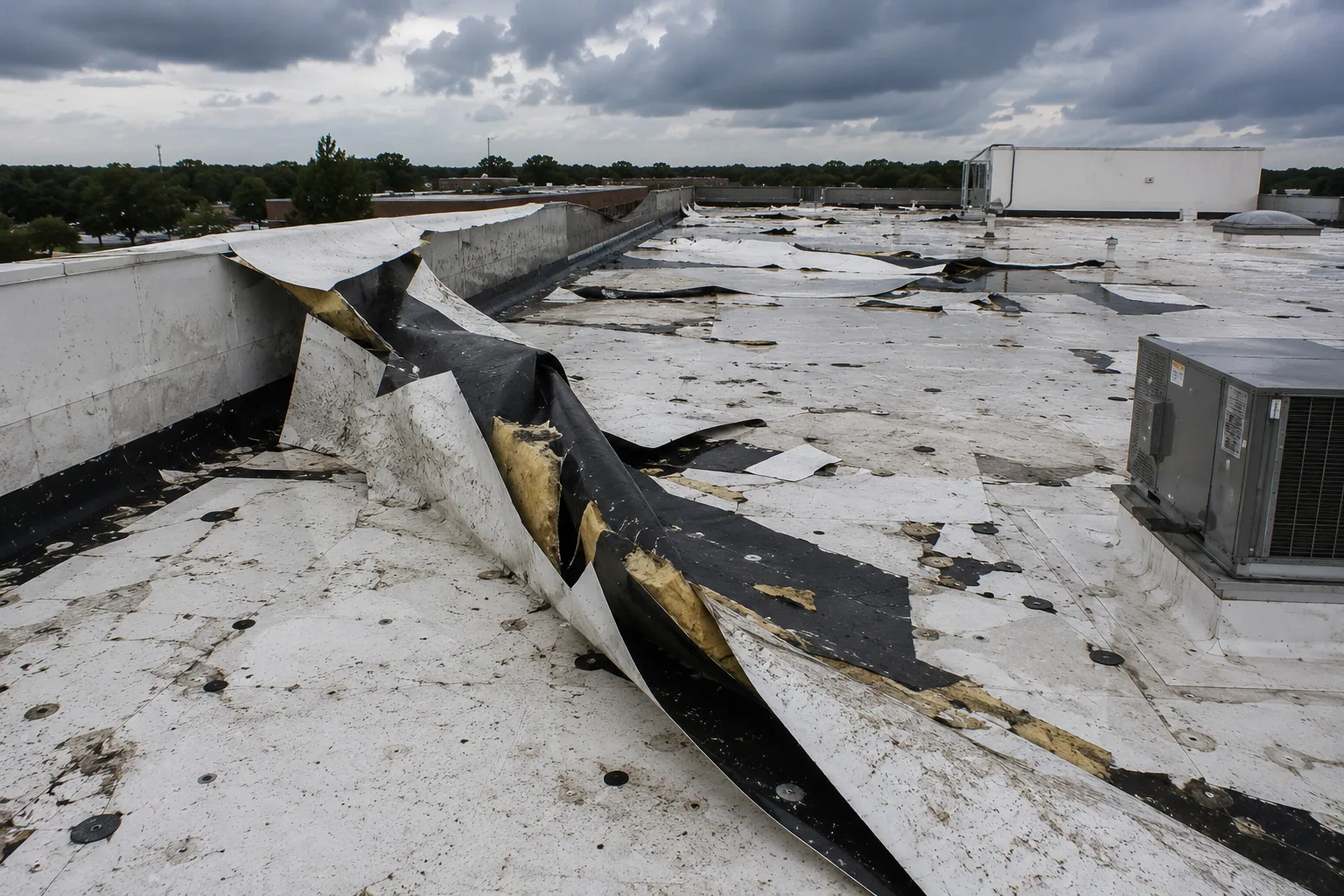
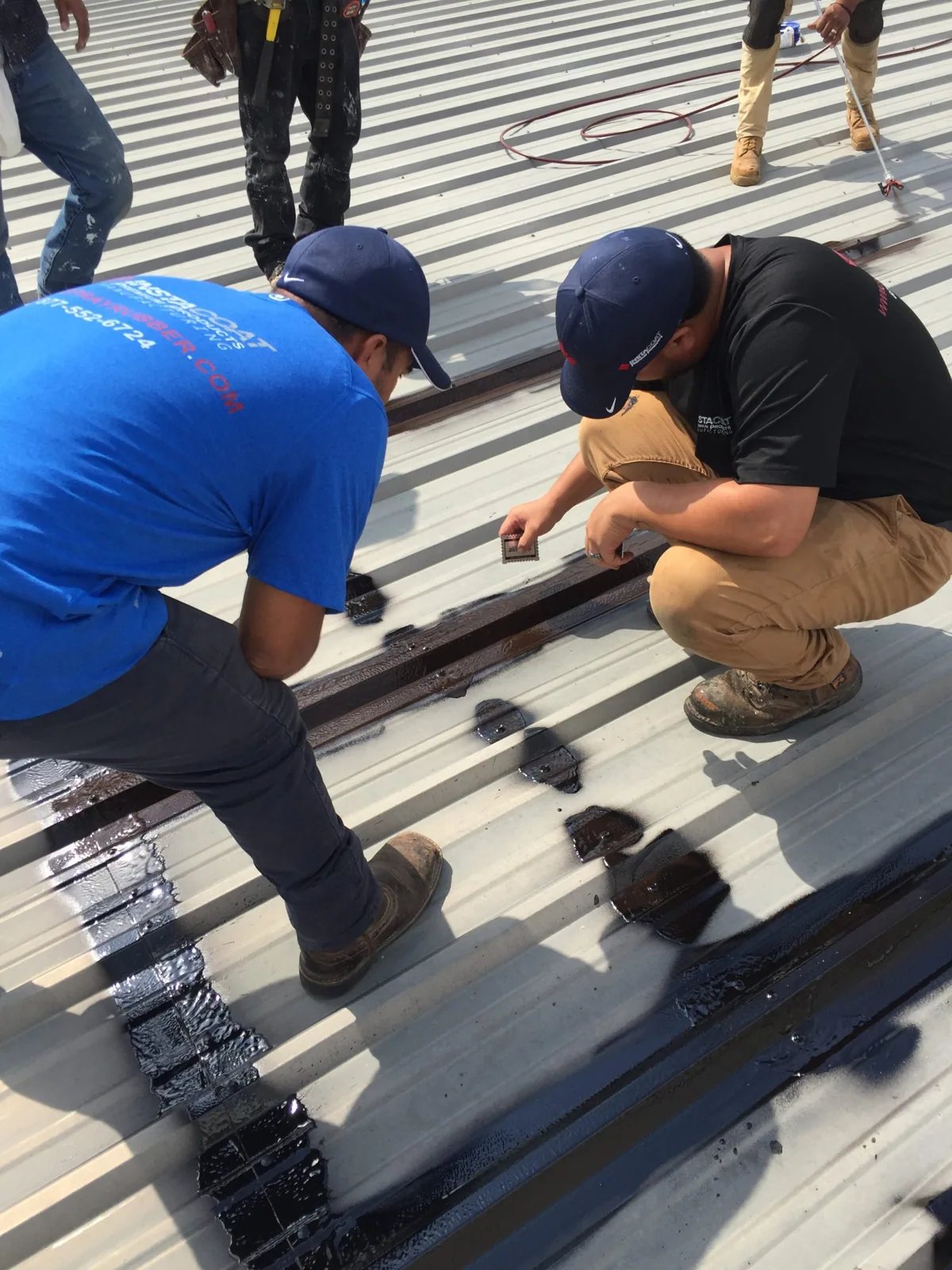
After a weather event, the first decision is whether water entry can be contained without hiding the condition that needs repair. We start with the reported leak, the roof zone above it, and the building use below it. On a warehouse, a small opening over stored goods can affect a different operating area than damage above an office or retail entrance. A storm file should separate the time damage was discovered from the date a crew observed it, then record temporary protection and the next inspection needed. The site walk has to record actual conditions, access limits, and the path that water may be taking. We photograph the membrane, seams, edges, penetrations, drains, and interior symptoms where access is available. If the source is a wind-opened edge, a wind damage assessment can separate displaced metal from membrane damage. That distinction determines whether the next step is temporary protection, a focused roof repair, or a broader condition review.
Trace the Reported Water Path
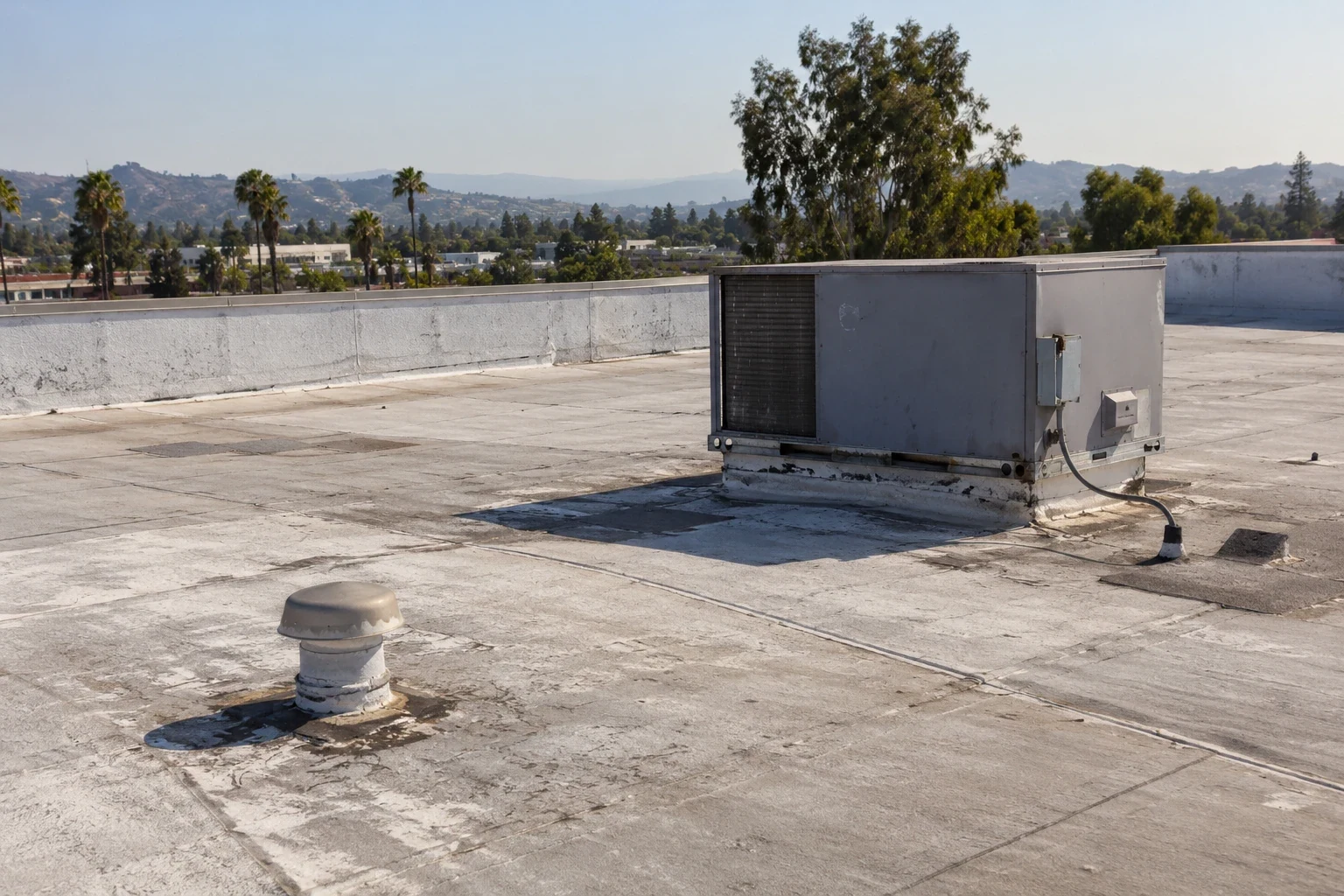
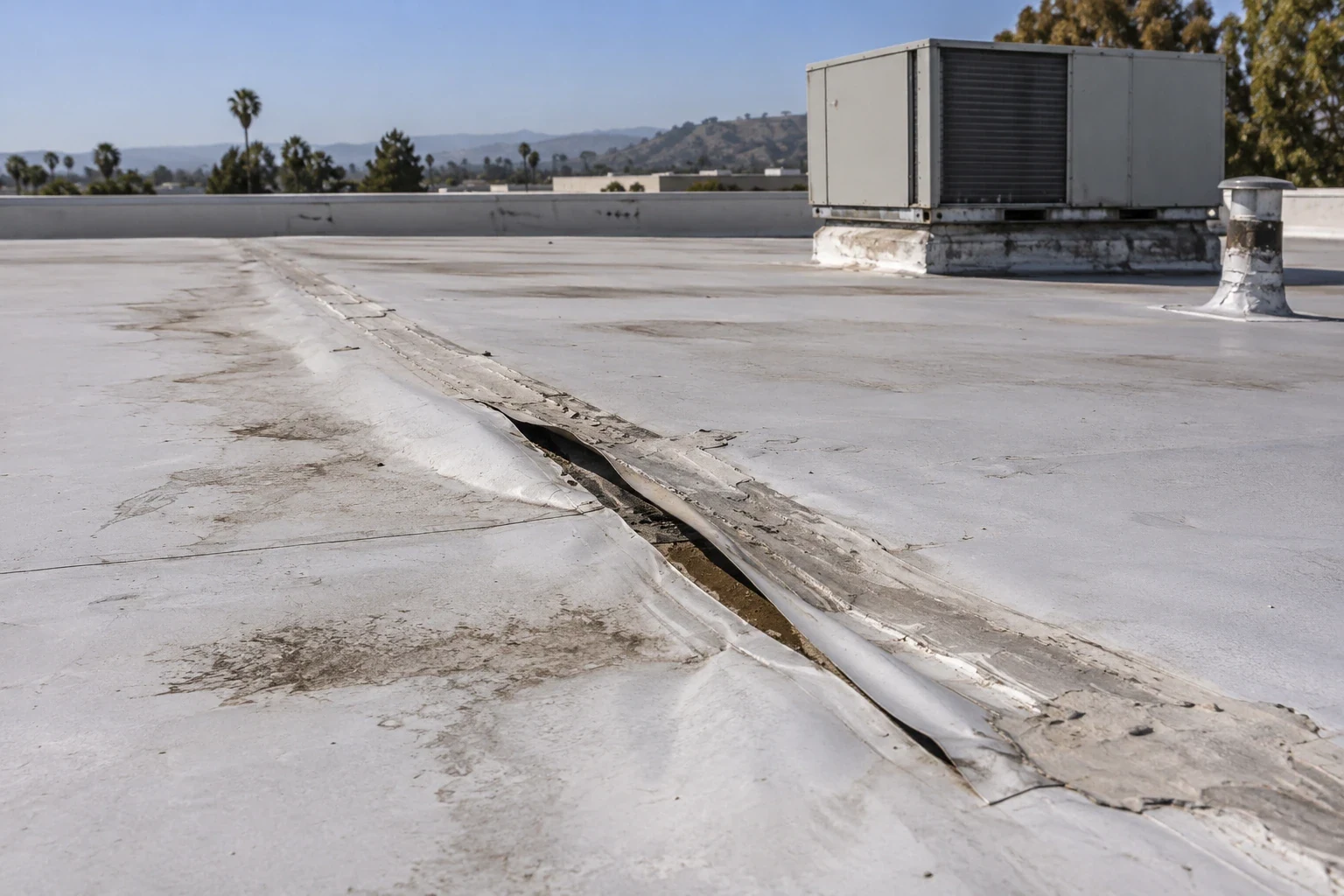
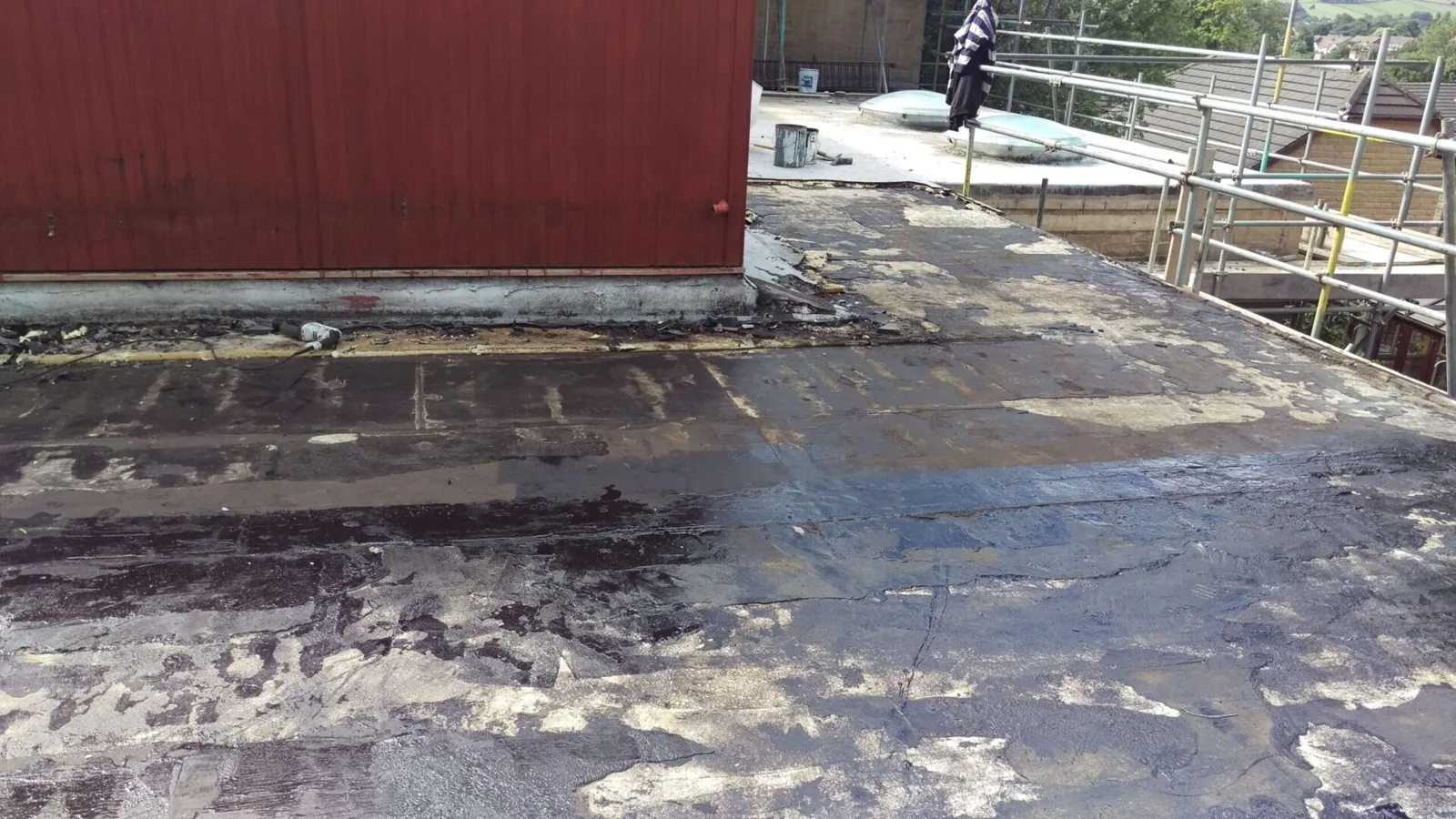
An interior stain locates a symptom, not necessarily the opening. Water can travel along a deck, insulation joint, beam, or conduit before it appears inside. We compare the reported area with roof slopes, drains, seams, penetrations, and any recent patch. The inspection record should distinguish what is visible from what remains uncertain. If a ceiling tile or interior finish must be opened, coordinate that step with the property representative and document the area first. A leak near rooftop equipment may involve a curb or service penetration, while a drip below a roof edge may point toward coping or gutter details. Neither should be assumed from the interior mark alone. Where a suspected seam has separated, a seam failure review can define the repair boundary. If the roof holds moisture beneath the surface, an infrared survey or test cut may help determine how much material needs attention before permanent work is set.
Protect the Building, Then Set the Repair
When water is entering an occupied space, temporary protection may be needed before the permanent repair can be completed. We identify the affected area, protect contents where practical, and coordinate safe access to the roof. A temporary measure should be labeled as such in the work record so it is not mistaken for a completed repair. The permanent scope should name the roof zone, affected detail, materials to be removed or retained, and the tie-in to sound existing material. It should also state what cannot be confirmed until the area is opened. A puncture through a membrane calls for a different repair than a loose edge or failed drain flashing. A puncture repair can remain localized when surrounding material is sound; recurring wet insulation or several failed details may warrant a larger condition inspection. A clear boundary helps an owner approve the work that addresses the reported path without converting every urgent call into replacement.
Keep Access and Operations in the Repair Plan
Response depends on roof access, weather, material availability, and the need to keep people clear of the work area. We confirm who can open the building, whether an escort is required, and which entrances, loading routes, or equipment zones cannot be blocked. Mare Island includes office, retail, and industrial spaces, and some commercial properties have overhead cranes or oversized roll-up doors. The building contact confirms lifting clearances, loading routes, and operating windows before those details enter the job plan. Admiral Callaghan Lane between Redwood Parkway and Turner Parkway is an active commercial segment. The site contact confirms whether lift placement or service-vehicle staging needs current coordination. We set a work window with the site representative and update the sequence if weather interrupts drying or repair. An urgent condition may need temporary protection before permanent work can proceed; response timing depends on safe access, weather, and the building contact.
Keep Event Findings Separate from the Claim
A useful damage record captures the condition as observed, not a conclusion beyond the evidence. We note the inspection date, reported event information, roof areas reached, interior symptoms, photographs, temporary measures, and permanent repairs. If a condition could relate to age, prior work, or an earlier leak, state that uncertainty instead of assigning it to the latest weather event. The report can describe physical damage and completed repair without deciding coverage. Owners coordinating a claim can use a claim documentation review to organize dated photographs, repair notes, and a contractor scope. Keep invoices and mitigation records with the roof's assembly file. Building uses and access can change the urgency of containment. At a property in the Downtown Vallejo area, note the affected entrance or occupied area before setting the work sequence. Arrange a review with repair history, access details, and the reported leak location so the next action reflects the condition found.
Decide What Must Happen Now
The immediate scope should protect the building and stop the identified water path when conditions allow. A broader capital decision can wait if there is no evidence the entire roof has failed. We separate emergency stabilization, permanent repair, and investigation so the owner can see each task's purpose and limit. Cost and timing depend on roof height, access, materials, damaged insulation or membrane, tie-in complexity, occupied-area protection, and trade coordination. If opening the roof reveals added damage, we photograph it and request direction before expanding the scope, except for authorized immediate safety or water-protection work. A dated closeout distinguishes the original repair from later work and shows whether the same zone needs monitoring. That record gives the next reviewer a practical starting point.
Commercial Roofing Questions
What should we do before a roofer can reach the leak area?
Protect people first and move contents away from the affected area when it is safe to do so. Record when water appeared, where it is visible, and whether the symptom changes during rain. Avoid opening ceilings or climbing onto a wet roof without a safe plan. Share roof access instructions, prior repair records, and any restrictions that affect the area. We can use those details to plan a site visit and decide whether temporary protection is needed before permanent work.
Can a storm repair report say that weather caused the damage?
The report can document observed damage and the event information provided for the inspection. It should not assign cause beyond what the roof evidence supports. We note the condition, location, photographs, repair history when available, and any limits on access or testing. If age, earlier work, or another condition may also be relevant, that uncertainty stays clear in the record. A coverage decision belongs to the insurer and the policy, not a roof observation alone.
When is temporary protection useful?
Temporary protection can reduce continued water entry when a permanent repair cannot be made safely or promptly. We identify the exposed area and the limits of the temporary measure, then document what remains to be completed. It should not conceal a condition that needs inspection or be represented as a permanent fix. The follow-up scope depends on the assembly, weather, access, and whether wet materials or damaged details are found when the roof is opened.
What records should a property manager keep after emergency roof work?
Keep the reported location, inspection date, photographs, temporary measures, completed repair description, and any recommended follow-up with the roof's assembly record. Add invoices and communications related to mitigation or an insurance claim. If the work area was limited or a test was not performed, preserve that note too. A later visit can then compare the same zone and determine whether the condition returned, changed, or was separate from the earlier repair.
How do you handle additional damage found after opening the roof?
We photograph the opened area, mark its location, and describe the additional condition before changing the work boundary. The owner or authorized representative can review the new information and approve a revised scope. Immediate steps needed to keep the opening safe and limit water entry should follow the authorization already in place. The closeout separates the original approved repair from added work so the final record shows what was found and why the scope changed.
Document the Damage and Next Repair
Arrange a Vallejo roof response with the reported leak area, access needs, and available repair history. We will record the observed condition, identify urgent protection, and define the permanent work that follows.
Request a Roof Assessment
Questions About Commercial Storm Damage Roof Repair in Vallejo, CA
Common questions from building owners and property managers.
What should we do before a roofer can reach the leak area?
Protect people first and move contents away from the affected area when it is safe to do so. Record when water appeared, where it is visible, and whether the symptom changes during rain. Avoid opening ceilings or climbing onto a wet roof without a safe plan. Share roof access instructions, prior repair records, and any restrictions that affect the area. We can use those details to plan a site visit and decide whether temporary protection is needed before permanent work.
Can a storm repair report say that weather caused the damage?
The report can document observed damage and the event information provided for the inspection. It should not assign cause beyond what the roof evidence supports. We note the condition, location, photographs, repair history when available, and any limits on access or testing. If age, earlier work, or another condition may also be relevant, that uncertainty stays clear in the record. A coverage decision belongs to the insurer and the policy, not a roof observation alone.
When is temporary protection useful?
Temporary protection can reduce continued water entry when a permanent repair cannot be made safely or promptly. We identify the exposed area and the limits of the temporary measure, then document what remains to be completed. It should not conceal a condition that needs inspection or be represented as a permanent fix. The follow-up scope depends on the assembly, weather, access, and whether wet materials or damaged details are found when the roof is opened.
What records should a property manager keep after emergency roof work?
Keep the reported location, inspection date, photographs, temporary measures, completed repair description, and any recommended follow-up with the roof's assembly record. Add invoices and communications related to mitigation or an insurance claim. If the work area was limited or a test was not performed, preserve that note too. A later visit can then compare the same zone and determine whether the condition returned, changed, or was separate from the earlier repair.
How do you handle additional damage found after opening the roof?
We photograph the opened area, mark its location, and describe the additional condition before changing the work boundary. The owner or authorized representative can review the new information and approve a revised scope. Immediate steps needed to keep the opening safe and limit water entry should follow the authorization already in place. The closeout separates the original approved repair from added work so the final record shows what was found and why the scope changed.