Commercial Roof Insurance Claim Assistance in Vallejo, CA
Organize commercial roof claim documentation in Vallejo, CA with dated photos, repair findings, and a clearly bounded contractor scope.
Why Commercial Roofing Vallejo?
Commercial Roof Insurance Claim Assistance in Vallejo, CA
For a Vallejo commercial roof claim, keep the reported event, the contractor's observations, and the proposed repair in separate parts of the file. We inspect the affected areas, photograph visible conditions, and describe the repairs needed without deciding whether a policy covers them. On a Vallejo property, a reported leak may reach an office, retail space, warehouse, or another occupied use. Each owner may have different mitigation steps and access records to assemble. The first file should show the date the condition was reported, the roof zones reached, interior symptoms, any temporary protection, and the repair boundary. When conditions permit, our around-the-clock response can address active water entry and preserve a record for the permanent scope. An event damage inspection can keep observed roof conditions distinct from assumptions about cause. We can also provide a roof condition report that organizes photos and findings for an owner or adjuster. The insurer and policy determine coverage; our role is to document the roof and the contractor work being considered.
Build a Dated Condition File
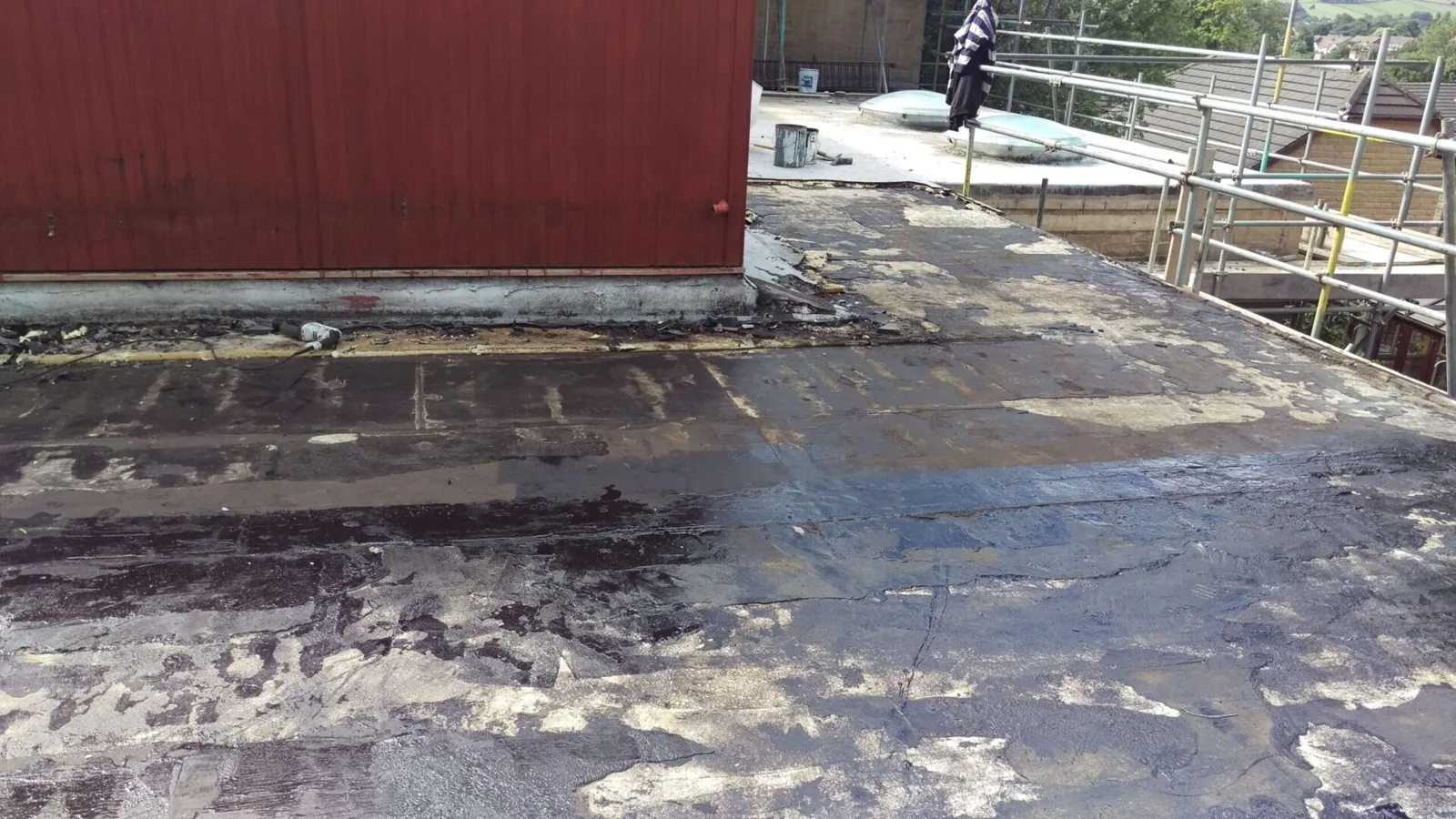
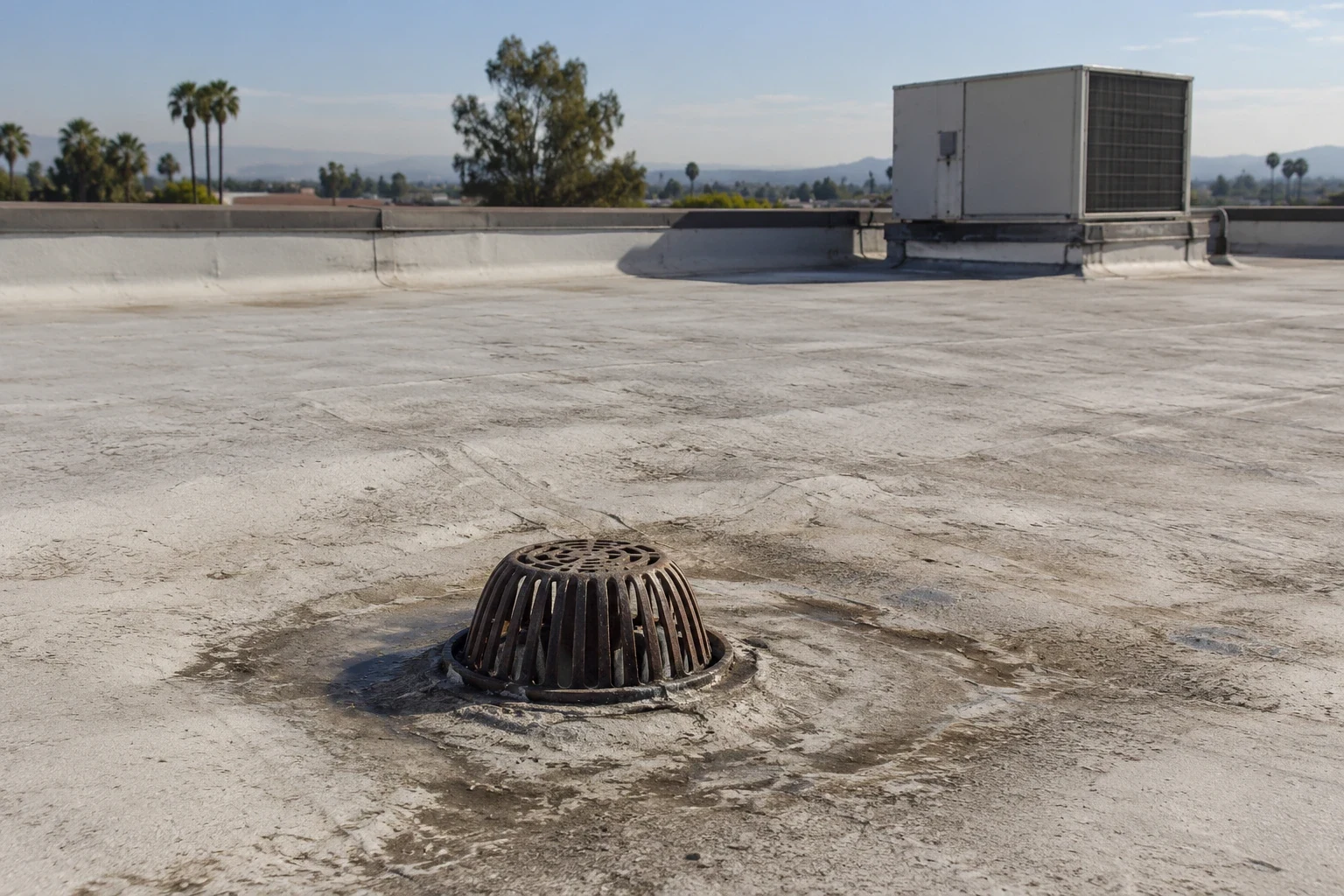
Begin with a consistent identification for each photograph and observation: building, roof zone, date, view direction where useful, and the condition shown. An image of a torn membrane without its roof location can be difficult to compare with a repair estimate. We note whether the image records a puncture, seam opening, displaced edge metal, damaged flashing, ponding, or a separate condition. Interior photographs should identify the room or affected use and should not substitute for inspection of the roof above. If water followed a deck or beam, describe the likely path as an observation to verify, not a confirmed opening. The file can include the available roof plan, prior repairs, maintenance records, invoices for emergency work, and the written repair scope. Keep originals with their dates and retain a separate working copy if annotations are added. That structure helps a reviewer compare the roof's condition with the proposed work without losing the record of what was seen before repairs.
Separate Mitigation from Permanent Work
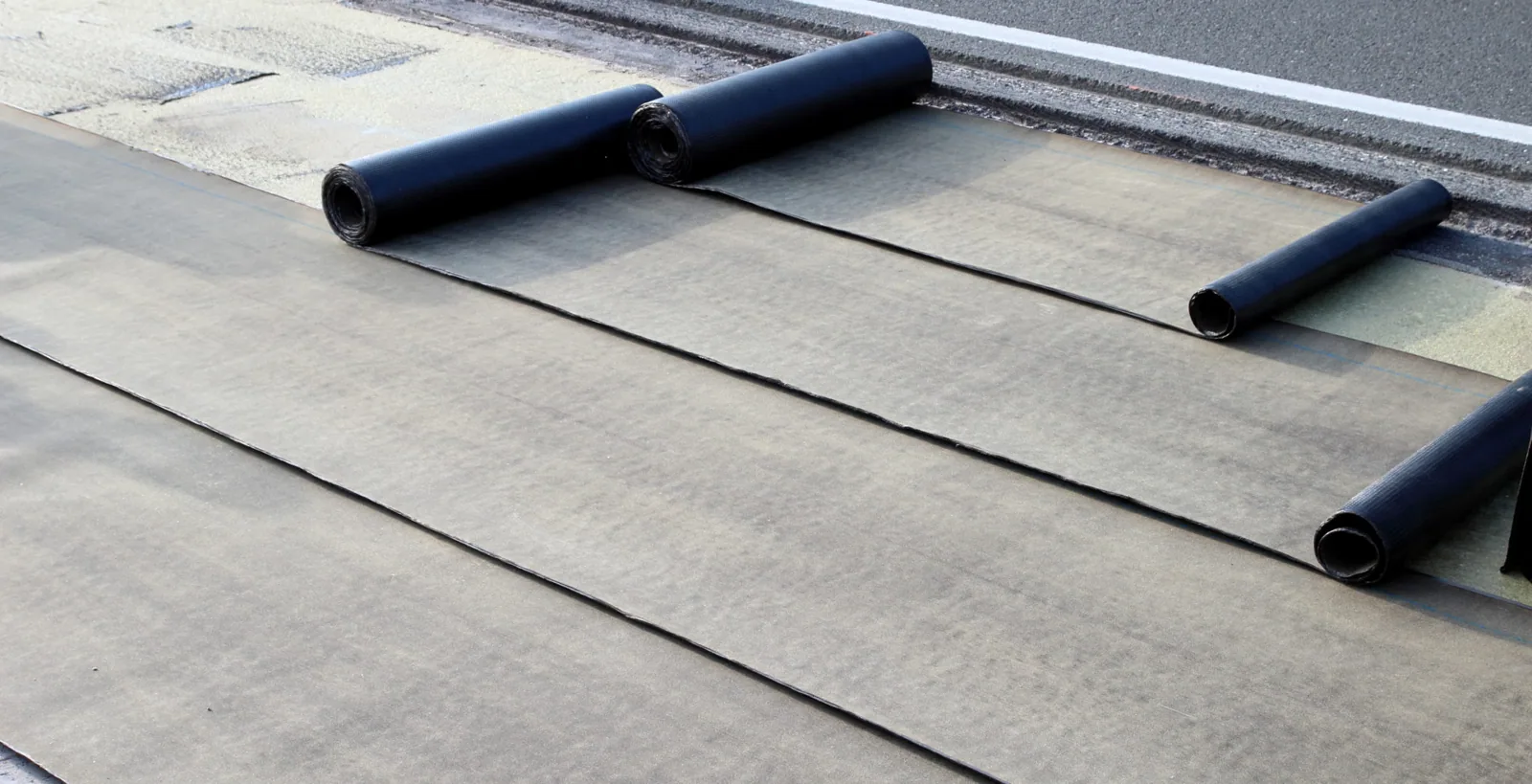
Temporary protection and permanent repair have different purposes, so list them separately. A tarp, temporary seal, or other short-term measure may reduce water entry while conditions or access prevent a durable repair. The closeout should say where it was placed, when it was installed, and what still requires follow-up. The permanent scope then names the roof area, materials removed or retained, tie-ins, and any concealed condition that could change the work after opening. For a membrane opening, a puncture repair may be limited to the affected zone if surrounding material is sound. A loose seam or perimeter condition needs its own detail and repair boundary. If wet insulation or broad deterioration appears, document the finding and present the added work for approval. The owner can then distinguish immediate water control from a larger repair authorization or capital decision. No claim file should imply that temporary measures resolved a roof condition unless the permanent work and inspection support that conclusion.
Describe Cause Only to the Evidence
A contractor report can describe the physical condition and the work required, but a date or storm report alone does not establish how a roof defect began. We note the information provided by the property representative, the observed damage, any prior repair in the same zone, and the limits of the inspection. Vallejo’s rain-free July and August normals do not date a roof claim. The file still needs the reported event details and building-level observations before a cause is described. If a leak occurs after rain, the roof walk still needs to examine the water path, seams, flashing, drains, and penetrations. A flashing condition review can help define a visible detail without assigning a cause beyond the findings. Where the roof surface does not reveal the full extent, testing or a moisture survey may be necessary before the scope can state how much material is affected.
Keep Business Records with the Repair File
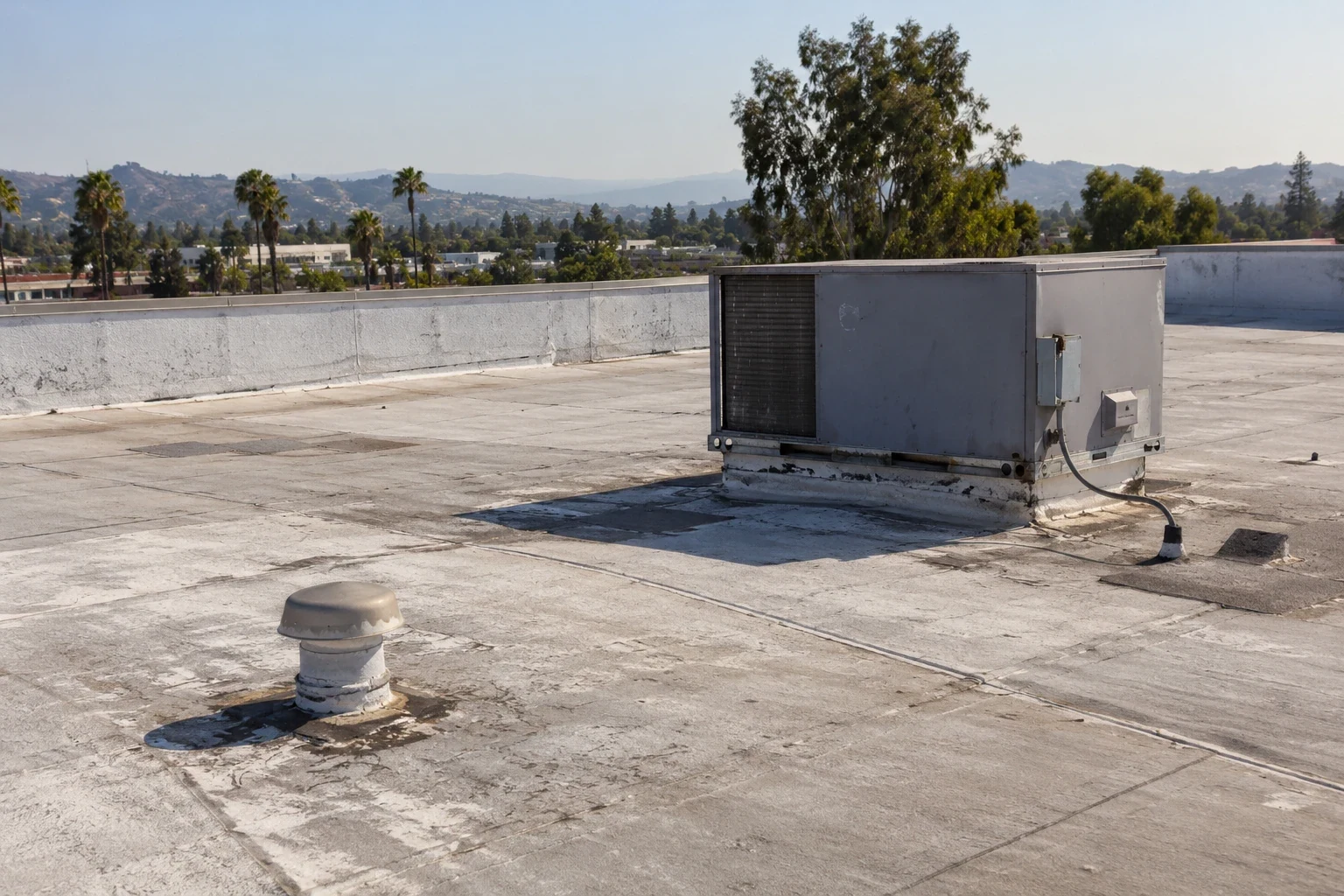
The building schedule and roof file should agree on where work occurred and what operations were affected. A retail entrance may need pedestrian protection; an industrial property may require clearance for loading or rooftop equipment. Sonoma Boulevard and Springs Road are Vallejo corridors connecting city districts. Their names can help locate a property in a portfolio, while the roof condition still comes from building-level observations. Record access dates, tenant notices, equipment restrictions, shutdowns, and interior protection. If a repair required a return visit, preserve the date and condition found. Do not blend unrelated roof areas into one claim photo set. A portfolio owner comparing properties in the Downtown Vallejo area and Fairfield can keep their files separate while using the same fields for date, area, observation, work, and closeout. This gives an asset manager a reliable view of each event without suggesting that one city's conditions occurred at the other property.
Review the Work Boundary Before Approval
A claim-supported repair proposal should define the work and identify any open question that may alter it. We walk the roof with the available plan and repair history, then mark the affected zone and tie-in to sound material. If concealed conditions may extend beyond visible damage, the estimate should state how they will be documented and returned for approval. Cost and timing can change with roof access, height, membrane type, insulation removal, interior protection, equipment coordination, and tie-in complexity. We can separate emergency stabilization, permanent repair, and optional investigation. A claim file should not substitute a contractor's scope for policy language or an insurer's determination. A roof inspection or replacement evaluation may be a separate decision when condition extends beyond reported damage. Arrange a review with event details, plans, repair history, access needs, and budget timing. The handoff describes the condition found and work proposed, leaving coverage decisions to the responsible parties.
Commercial Roofing Questions
Can the roofing contractor determine whether the policy covers the damage?
We document roof conditions and define contractor work. The insurer applies the policy and makes the coverage determination. Our report can describe what was visible, what was repaired, and what remains uncertain, but it should not promise reimbursement or interpret policy language. Keep the policy, carrier correspondence, mitigation records, photographs, and contractor scope together so each reviewer has the same condition file.
Which photographs are most useful for a commercial roof claim?
Include wide views that locate the roof zone and close views that show the damaged detail. Label each with the date and roof area, then preserve the original image file. Interior symptoms, temporary protection, and completed repair can be documented separately. A photo should not be cropped or annotated in a way that hides its context. We can add a roof-zone reference to the inspection record so an owner can compare the finding with the scope.
Should emergency work wait until the claim review is complete?
A building with active water entry may need prompt protection while the claim process continues. We can document the reported condition, identify a safe temporary measure, and distinguish that work from a permanent repair. The owner should preserve photographs and invoices and coordinate any required notice with the insurer. The roof still needs a defined permanent scope once the temporary measure is removed or the affected area can be inspected.
How should prior repairs be represented in the claim file?
List earlier repairs by date and roof zone when those records are available. A prior patch near a new opening may matter to the condition review, but it does not by itself establish cause. We can compare the current observation with the prior work record and note what changed. Keep earlier invoices and photographs intact so the reviewer can see the sequence rather than relying on a summary without supporting detail.
What happens if concealed damage is found during a repair?
We stop at the defined scope boundary when practical, photograph the opened area, and describe the additional condition. The owner or authorized representative can review a revised work description before the boundary expands. Immediate steps required to secure the opening should follow the authorization in place. The closeout should show which work was originally approved and what was added after the concealed material became visible.
Put the Roof Findings in Order
Arrange a Vallejo roof review with event details, available plans, repair history, and access needs. We will document the observed condition and provide a defined contractor scope for the owner and insurer to review.
Request a Roof Assessment
Questions About Commercial Roof Insurance Claim Assistance in Vallejo, CA
Common questions from building owners and property managers.
Can the roofing contractor determine whether the policy covers the damage?
We document roof conditions and define contractor work. The insurer applies the policy and makes the coverage determination. Our report can describe what was visible, what was repaired, and what remains uncertain, but it should not promise reimbursement or interpret policy language. Keep the policy, carrier correspondence, mitigation records, photographs, and contractor scope together so each reviewer has the same condition file.
Which photographs are most useful for a commercial roof claim?
Include wide views that locate the roof zone and close views that show the damaged detail. Label each with the date and roof area, then preserve the original image file. Interior symptoms, temporary protection, and completed repair can be documented separately. A photo should not be cropped or annotated in a way that hides its context. We can add a roof-zone reference to the inspection record so an owner can compare the finding with the scope.
Should emergency work wait until the claim review is complete?
A building with active water entry may need prompt protection while the claim process continues. We can document the reported condition, identify a safe temporary measure, and distinguish that work from a permanent repair. The owner should preserve photographs and invoices and coordinate any required notice with the insurer. The roof still needs a defined permanent scope once the temporary measure is removed or the affected area can be inspected.
How should prior repairs be represented in the claim file?
List earlier repairs by date and roof zone when those records are available. A prior patch near a new opening may matter to the condition review, but it does not by itself establish cause. We can compare the current observation with the prior work record and note what changed. Keep earlier invoices and photographs intact so the reviewer can see the sequence rather than relying on a summary without supporting detail.
What happens if concealed damage is found during a repair?
We stop at the defined scope boundary when practical, photograph the opened area, and describe the additional condition. The owner or authorized representative can review a revised work description before the boundary expands. Immediate steps required to secure the opening should follow the authorization in place. The closeout should show which work was originally approved and what was added after the concealed material became visible.