Commercial Government Building Roofing in Vallejo, CA
Plan commercial roofing for Vallejo government buildings with clear access coordination, public-use scheduling, records and building-specific scope review.
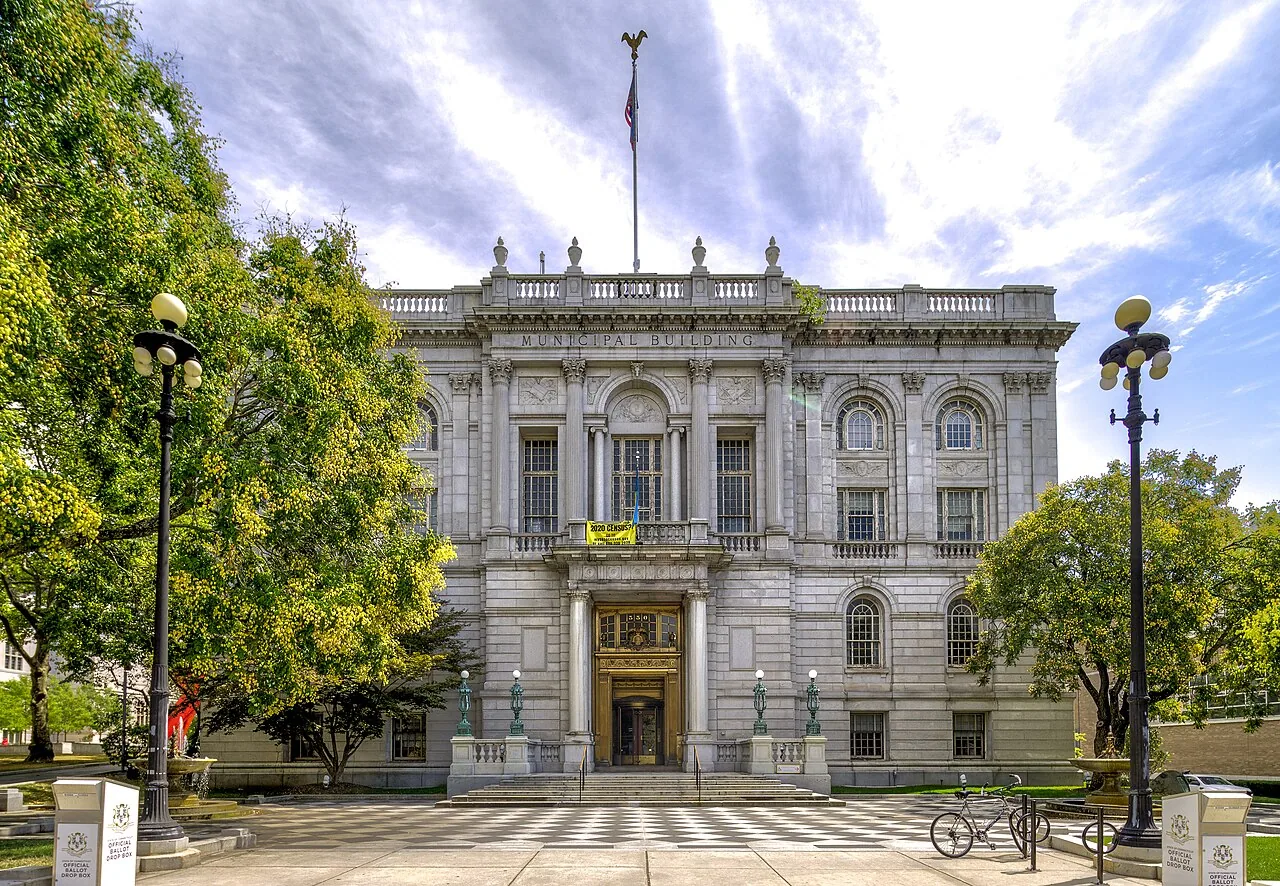
Why Commercial Roofing Vallejo?
Commercial Government Building Roofing in Vallejo, CA
Public buildings may carry more than one operating schedule: staff hours, public access, deliveries and protected interior functions. A roof plan should identify who controls access, which rooms sit below the work area and how maintenance can proceed without treating every building as the same facility. We review government building roofing in Vallejo at the property and roof-zone level.
Vallejo’s mapped planning areas include Downtown/Waterfront, Mare Island, North Gateway, Solano360 and central-corridor or industrial designations. That geography can help organize a portfolio, but project authorization, roof construction and operating conditions must still be confirmed for each public asset before a repair or replacement scope is selected.
A records handoff can also compare office building roof coordination with warehouse access planning, because room schedules and equipment routes may differ. For a site near Curtola Employment Center, use the area label to arrange travel, then verify the agency contact and property address before entry. Keep the approval chain, escort instructions and roof-zone map in the same work request so the field visit has a defined purpose and authorized boundary.
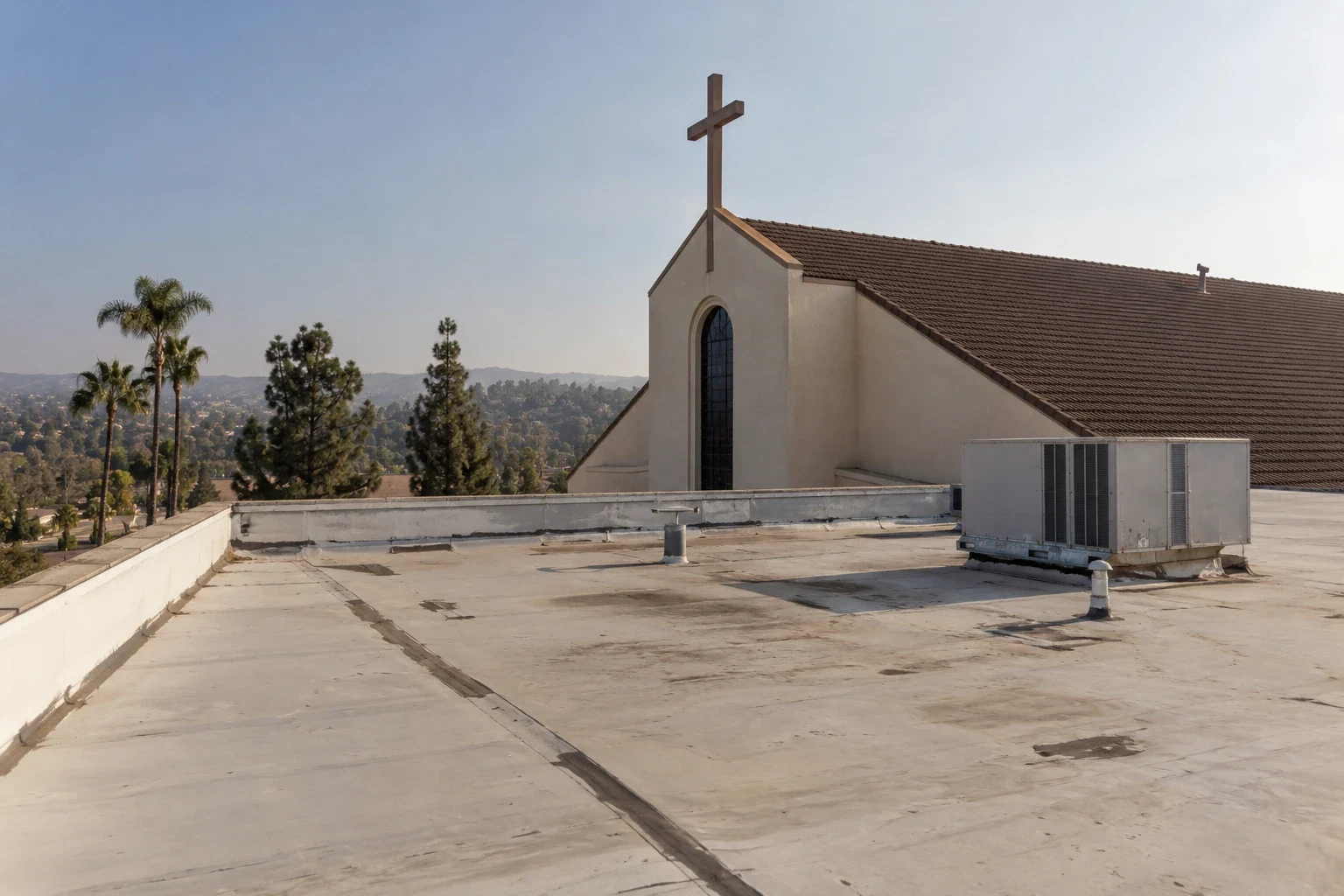
Define the public building and decision owner
Begin with the property name, facility function, roof areas and the public agency or owner responsible for authorizing an examination. A building may have a facilities contact for access and a separate capital manager for scope approval. Keep those roles distinct in the project record so the right person receives each request.
Identify the decision that prompted review: a leak report, recurring maintenance, a planned capital request, or a building improvement project. The inspection boundary should match that purpose. A narrow response around one reported room should not be described as a complete assessment of every roof section.
For buildings near Downtown Vallejo or the Curtola Employment Center, use the district only as routing context. Tie photographs, roof plans and work notes to the actual address and property label used by the agency. This reduces confusion when several facilities share a public owner or maintenance team.
Plan access around public operations
Confirm roof entry, escort requirements, keys, lift locations, work hours and any restrictions before scheduling. Public access may continue below the work area, so the contact should identify entries, pedestrian paths and rooms that cannot be interrupted during the proposed visit.
A roof walk may require coordination with security, building operations, a tenant agency or a separate maintenance contractor. Record who will meet the crew, what areas can be reached and what must be rescheduled. Do not treat an unanswered access request as permission to enter a restricted roof.
When a public building has a scheduled meeting, clinic, service counter or civic event, the operating contact should choose a practical window. A phased roofing plan for an occupied facility can address sequencing questions after the access and work boundaries are known.
Match roof zones with building records
Request available plans, prior project closeouts, repair orders and roof inspection notes. Confirm that the document set corresponds to the building and roof section under review. Public portfolios often include multiple additions or construction phases, so a plan date may describe only part of the current footprint.
Record the known assembly and mark any uncertainty. A roof covering name does not automatically identify insulation, attachment, previous overlay or concealed substrate. Those details can affect repair compatibility and the scope of a future project, so unresolved layers should remain visible as open questions.
Named areas and land-use categories help orient a public asset within Vallejo, while building documents and field observations establish the roof construction present at the property.
Keep observations separate from interpretation
A report should locate visible conditions, identify the inspected area and explain access limits. Use photographs with roof-zone references rather than isolated close-ups. If a detail could not be examined, state where it is and what additional access would help resolve the question.
Distinguish an observed open seam, displaced edge or blocked drain from a conclusion about cause or concealed moisture. A screening method can guide further review but may not establish the full extent or final repair quantity without confirmation.
A roof condition report can connect each finding with its next task. For moisture questions, a screening and confirmation plan should explain its limitations before a quantity is set.
Coordinate scope, approvals and procurement
Define whether the next action is a maintenance task, further investigation, design work or a bid package. State roof areas, preparation assumptions, interior protection and coordination responsibilities. A budget request should identify what is known and where the scope still depends on field verification.
For public work, identify who will review documents, issue procurement instructions and authorize site access. Those steps differ by owner and contract. Do not imply a procurement route, local award history or agency relationship without property-specific information from the responsible agency.
Vallejo states a building-code transition tied to permit and plan-check timing. If a proposed roof project moves toward permit review, preserve the submission history and have the responsible design professional confirm the applicable requirements rather than inferring them from a planning approval.
Protect ongoing facility use during roofing
Map interior areas below likely work and ask the facility contact how sensitive operations will be handled. For a repair, the crew may need a limited access zone; for a larger project, the owner may need communication about staging, noise, deliveries and roof openings.
Sequence work by roof area and operating effect. Do not describe a building as continuously open or assume that all work can occur around normal hours. The facility manager should establish notice, temporary protection and escalation procedures based on the actual program.
Vallejo includes office, retail and industrial spaces among the commercial uses identified on Mare Island. Public facilities also vary by function. A municipal office, service building and storage property can need different work windows even when the roof system is similar.
Document completion and return to service
At closeout, identify completed roof zones, materials recorded, remaining exclusions, photographs and any maintenance action assigned to the owner. Keep open items separate from accepted work. A completion note should not imply that inaccessible areas or unrelated roof sections were included.
Return access controls, keys and escort arrangements according to the property contact’s direction. Share roof plans or markups with the facilities record owner, and store the final work documents where the agency can find them after personnel changes.
A building-specific replacement scope should remain connected to its inspections and authorization records. The owner can then use the capital planning file to schedule later work without losing the basis for the prior decision.
Commercial Roofing Questions
What should be arranged before a government roof inspection?
Confirm the responsible facility contact, entry permission, escort or key needs, operating windows and the roof areas included. Identify any public or interior spaces that require coordination.
Does a public building report cover every roof area?
Only if the assignment and access covered those areas. The report should identify its inspected boundary and list inaccessible sections or open questions separately.
Who determines a government project procurement path?
The responsible public owner sets its contracting and approval process. A roofing review can define scope information but should not assume the agency’s procurement requirements.
Can the planning district identify the roof assembly?
No. A district helps orient the property, while plans, closeout documents and field observations establish the roof construction and condition.
How should public operations be protected during work?
The facility contact should identify affected rooms, access routes and communication needs. Sequence and protection depend on the building’s actual use and approved work scope.
Clarify Public-Building Approval and Access
Send available roof records, procurement contacts, occupied-area restrictions, and access instructions. We will document the approved work boundary and information needed to price the scope.
Request a Roof Assessment
Questions About Commercial Government Building Roofing in Vallejo, CA
Common questions from building owners and property managers.
What should be arranged before a government roof inspection?
Confirm the responsible facility contact, entry permission, escort or key needs, operating windows and the roof areas included. Identify any public or interior spaces that require coordination.
Does a public building report cover every roof area?
Only if the assignment and access covered those areas. The report should identify its inspected boundary and list inaccessible sections or open questions separately.
Who determines a government project procurement path?
The responsible public owner sets its contracting and approval process. A roofing review can define scope information but should not assume the agency’s procurement requirements.
Can the planning district identify the roof assembly?
No. A district helps orient the property, while plans, closeout documents and field observations establish the roof construction and condition.
How should public operations be protected during work?
The facility contact should identify affected rooms, access routes and communication needs. Sequence and protection depend on the building’s actual use and approved work scope.