Commercial School Roofing in Vallejo, CA
Plan school roofing in Vallejo, CA by coordinating classroom schedules, rooftop equipment, safe access, drainage, and phased work with district operations.
Why Commercial Roofing Vallejo?
Commercial School Roofing in Vallejo, CA
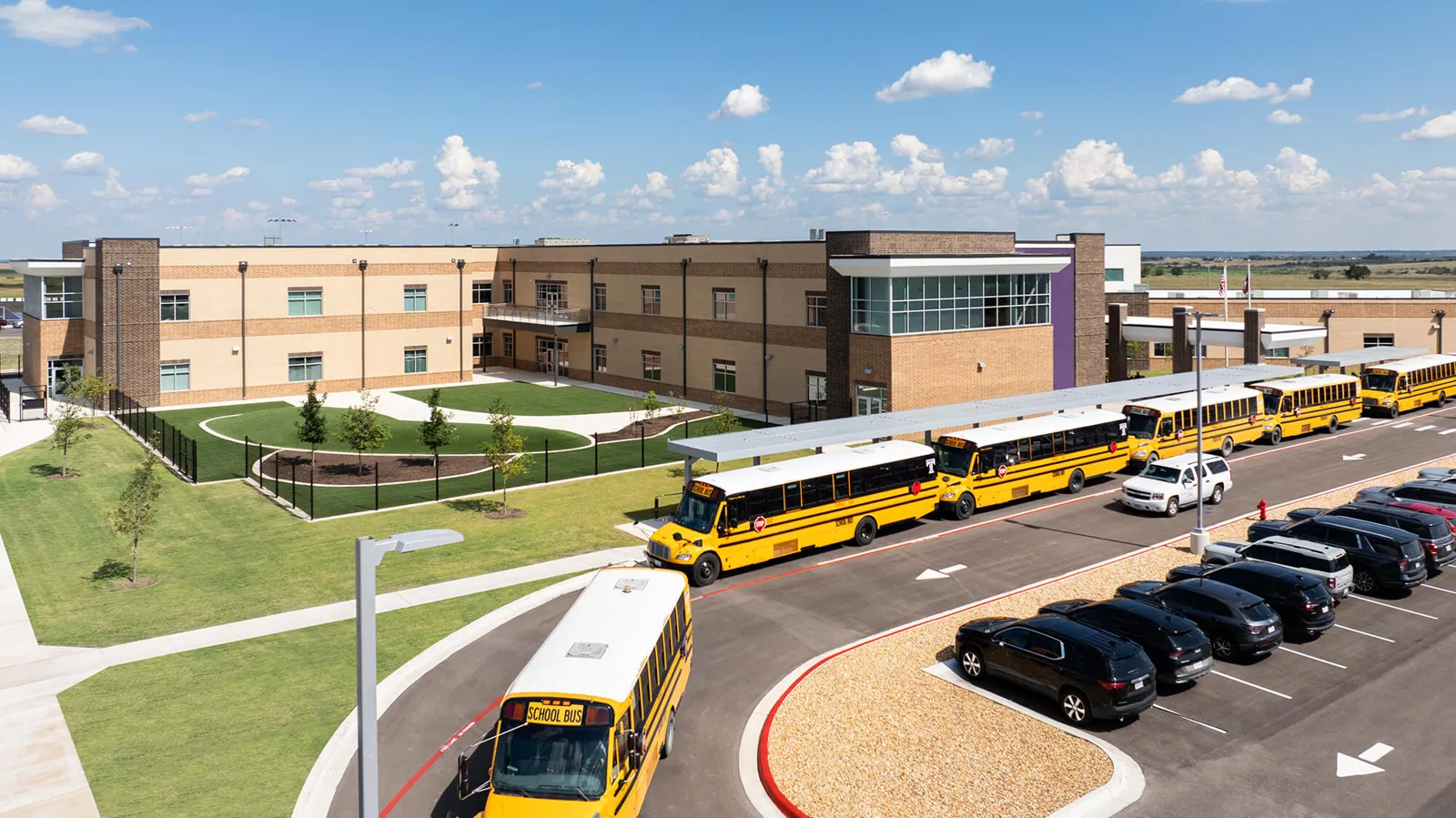
A school roof decision sits beside an academic calendar, occupied classrooms, and facility access rules. We document the assembly, roof zones, drains, penetrations, and repair history, then map work that could affect classrooms, offices, kitchens, or gym spaces below. The district identifies hours, testing periods, summer work windows, and areas that need protection. Springs Road and Tennessee Street connect Vallejo neighborhoods and commercial areas; identify each school building and approved access route before planning roof work. We confirm conditions at the actual building. A roof inspection can establish the condition record, while phased roofing work can coordinate school operations. We also check drainage and roof penetrations before the district chooses repair or replacement.
Map Buildings Against the School Calendar
A school site may have classroom wings, administrative space, a kitchen, gym, library, and portable buildings, each with different roof details and use schedules. We inventory each roof separately and mark the rooms beneath active work zones. The facilities team can identify summer access, breaks, evening activities, after-school programs, and days when deliveries should avoid student routes. A roof replacement should not be grouped across buildings simply because they are on one campus. We note which assembly is confirmed and where records are missing. Higher education and health care are among Vallejo's institutional strengths, and Touro University offers graduate and professional programs on Mare Island. That broader education context does not establish any K-12 roof condition. The district's own roof plan, repair history, and site walk set the scope and sequence.
Set Safe Routes and Work Zones
Before mobilization, identify gates, staff entrances, loading areas, roof access, lift placement, and barriers that separate crews from students and visitors. The school contact should approve any work near drop-off, pickup, bus, or pedestrian routes. We define where materials can be staged and how debris will be controlled, then include those routes in the daily plan. If the building remains open, schedule noisy work and equipment isolation in coordination with the administrator. A roof opening above a classroom needs a protection plan and a named contact who can authorize an expanded repair. A rapid repair response can secure an active leak, while permanent work follows the approved site sequence. The plan should state how each work area will be closed at shift end and who checks that doors, walkways, and learning spaces are ready for the next school day.
Connect Roof Findings to Interior Use
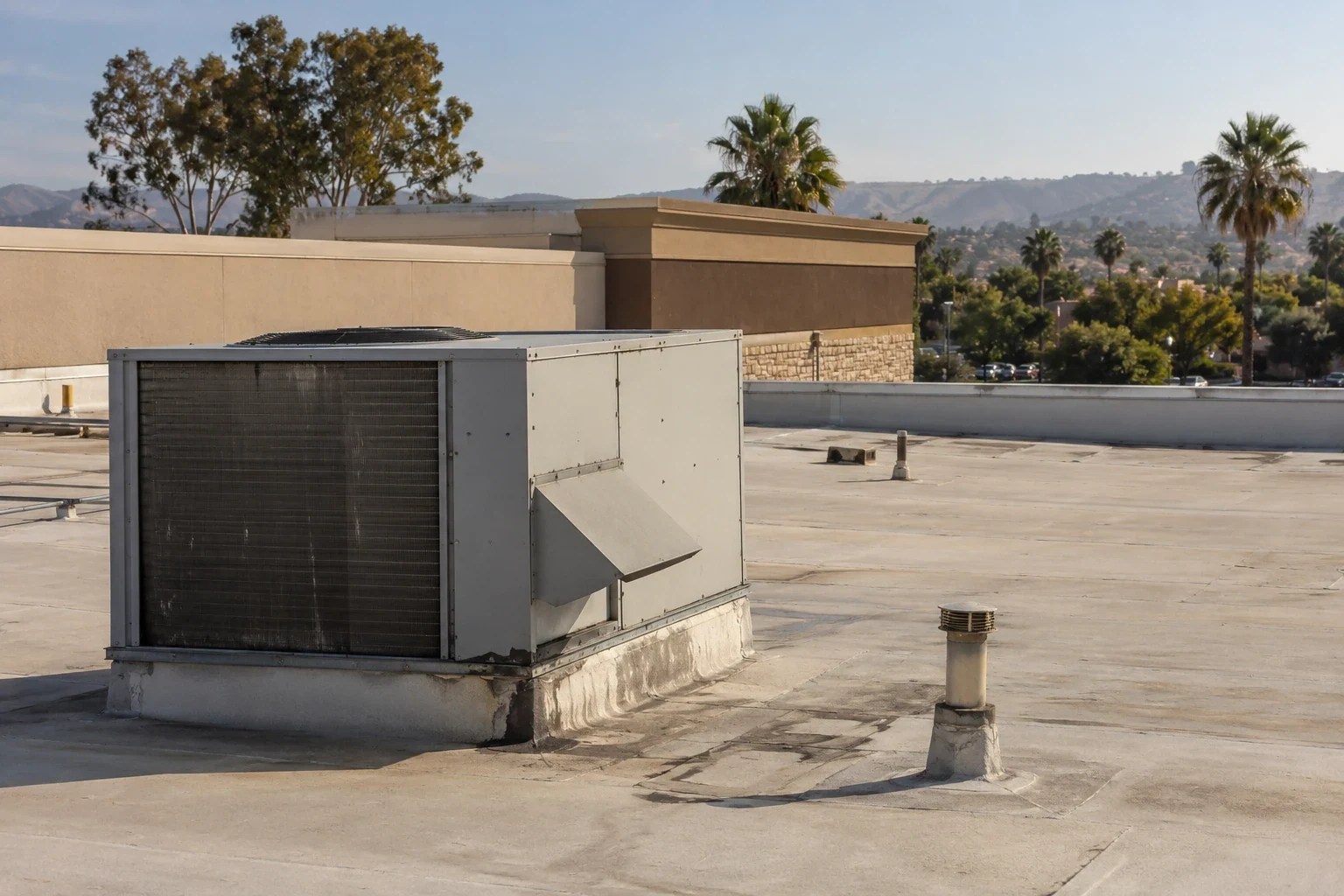
Water entry may affect ceilings, lighting, classroom materials, storage, or technology, so the inspection record should tie each report to a roof zone and interior area. We check seams, flashings, curbs, drains, scuppers, and prior patches, then note which conditions are confirmed and which require testing. For a school, use the building calendar to plan roof access and confirm the current forecast before opening a classroom wing. In Vallejo, average monthly summer highs reach roughly 85 to 87°F, while July and August bring no average rainfall. That seasonal window can inform roof access timing; the roof walk still determines whether drains or low points are affecting this building. The roof walk establishes actual drainage and low points. A ponding-water assessment can distinguish a blocked outlet from a slope or membrane concern. If multiple repairs recur, compare their boundaries and the assembly record before selecting a broader renewal scope. The district should know which rooms need protection while testing or removal is considered.
Define the Bid Boundary Before the Break
A clear school roofing scope identifies roof areas, removal limits, substrate work, insulation, membrane, drains, metal, penetrations, staging, and closeout. We separate known repairs from conditions that need approval if uncovered. If procurement requires bid alternates, show the difference between a focused repair, a recover, and a replacement so reviewers compare the same assumptions. In Vallejo, the 2025 California Building Standards Code applies to over-the-counter permits issued and building-permit plan-check submittals made on or after January 1, 2026. Earlier plan-check submissions generally remain under the 2022 edition, subject to case-specific review. The permit path and applicable code must be confirmed for the project. Keep the submittal date and review notes in the bid record so later scope changes can be evaluated against the correct edition. Do not carry an old assembly assumption into the new documents. For each building, we show the roof perimeter, work limits, access points, existing assembly, and any allowance for concealed deck or insulation conditions. That lets district staff compare bids on the same removal depth and detail set. A phased schedule can separate classroom wings from a gym or kitchen where the interior use and equipment differ. Schools can compare facility needs with college and university roofs or a hospital roof plan, but operating approvals and procurement rules remain specific to the district.
Build a Roof Record for the Next Budget Cycle
Closeout should identify the installed assembly, repairs, drain and flashing details, photographs, field changes, and roof areas excluded from the project. Tie every image to a building and roof zone. Note which work occurred during summer or a school break and what remains for follow-up. That file helps the district compare conditions across school properties without assuming they share the same age, system, or repair trigger. A school near the Sonoma Boulevard corridor may have different delivery access from a property on another neighborhood route, but each site deserves its own staging plan. We carry the maintenance record into the next inspection and note what would change the capital decision. Arrange a roof review with plans, repair history, calendar constraints, and budget timing. We will connect each proposed scope to observed conditions and the school's schedule.
Commercial Roofing Questions
When should a school district schedule roof replacement work?
We compare the roof condition with the academic calendar, procurement timeline, lead times, access, and the rooms below each zone. Summer or break periods may create a larger work window, but the actual sequence depends on the site and project scope. The report should identify any repair that cannot wait for a planned break and show how the district can protect active spaces.
How is a school roof inspection coordinated with students on site?
The school contact approves gates, escorts, work areas, roof access, and any route shared with students or visitors. We schedule the walk to avoid active areas when possible and keep the inspection path within the approved boundaries. The report notes rooms below observed defects and locations that could not be reached. No roof opening or test occurs without the facility's approval and protection plan.
What should a school roofing bid include?
Identify the buildings and roof zones, removal limits, substrate work, insulation, membrane or metal, drainage, penetrations, staging, protection, and closeout. State how concealed conditions will be handled and which change requires approval. Alternates should use the same assumptions so reviewers can compare repair, recover, and replacement options without relying on different quantities or exclusions.
Can repairs be made during the school year?
Yes, when the district approves access, protection, work hours, and a sequence that fits building use. We define the active roof area, interior protection, delivery route, noise window, and daily close-in point. A temporary repair can secure a leak while a permanent scope is planned. If the affected room or system is sensitive, the administrator and facilities contact determine the access window.
Which roof records help plan a multi-building school program?
Keep the assembly, repair boundaries, leak locations, photos, drain details, previous overlays, and access notes for each building. Add the academic calendar and any work-window restrictions to the project file. Those records let the district prioritize by observed condition and operational risk rather than apply one replacement year across every campus roof.
Align the Roof Scope With the School Calendar
Arrange a Vallejo roof review with plans, repair history, calendar constraints, and budget timing. We will document roof zones, access, drainage, and interior protection needs before the district sets its bid and work sequence.
Request a Roof Assessment
Questions About Commercial School Roofing in Vallejo, CA
Common questions from building owners and property managers.
When should a school district schedule roof replacement work?
We compare the roof condition with the academic calendar, procurement timeline, lead times, access, and the rooms below each zone. Summer or break periods may create a larger work window, but the actual sequence depends on the site and project scope. The report should identify any repair that cannot wait for a planned break and show how the district can protect active spaces.
How is a school roof inspection coordinated with students on site?
The school contact approves gates, escorts, work areas, roof access, and any route shared with students or visitors. We schedule the walk to avoid active areas when possible and keep the inspection path within the approved boundaries. The report notes rooms below observed defects and locations that could not be reached. No roof opening or test occurs without the facility's approval and protection plan.
What should a school roofing bid include?
Identify the buildings and roof zones, removal limits, substrate work, insulation, membrane or metal, drainage, penetrations, staging, protection, and closeout. State how concealed conditions will be handled and which change requires approval. Alternates should use the same assumptions so reviewers can compare repair, recover, and replacement options without relying on different quantities or exclusions.
Can repairs be made during the school year?
Yes, when the district approves access, protection, work hours, and a sequence that fits building use. We define the active roof area, interior protection, delivery route, noise window, and daily close-in point. A temporary repair can secure a leak while a permanent scope is planned. If the affected room or system is sensitive, the administrator and facilities contact determine the access window.
Which roof records help plan a multi-building school program?
Keep the assembly, repair boundaries, leak locations, photos, drain details, previous overlays, and access notes for each building. Add the academic calendar and any work-window restrictions to the project file. Those records let the district prioritize by observed condition and operational risk rather than apply one replacement year across every campus roof.