Commercial Skylight and Roof Penetration Flashing in Vallejo, CA
Inspect commercial skylights, curbs, and roof penetrations in Vallejo, CA with detail repairs tied to the membrane and building use.
Why Commercial Roofing Vallejo?
Commercial Skylight and Roof Penetration Flashing in Vallejo, CA
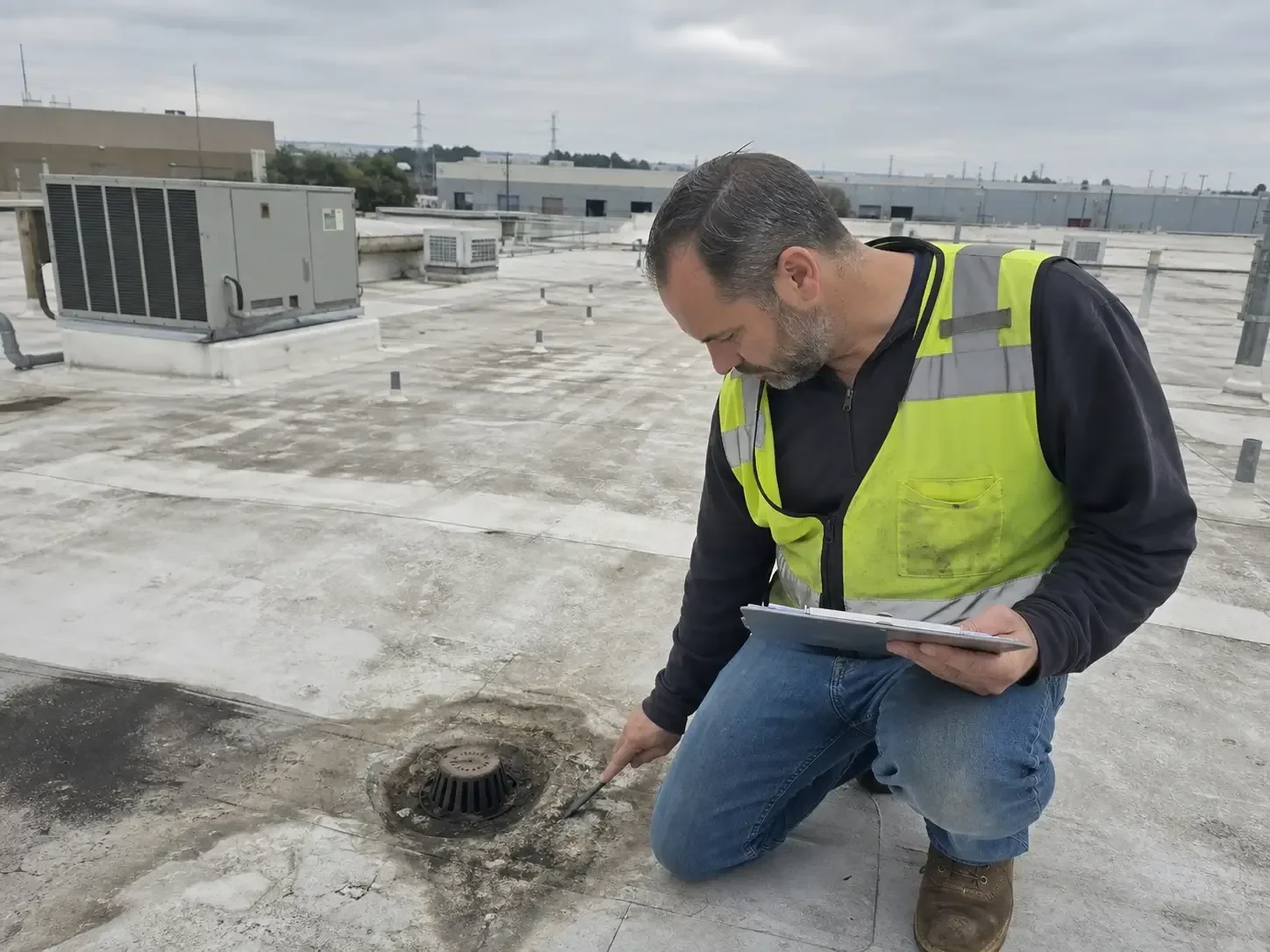
A skylight or pipe curb can become the leak point even when the surrounding roof field looks sound. Start by identifying the penetration, the membrane transition, and the interior area below it. We inspect the curb corners, counterflashing, sealant joints, fasteners, and the roof material that ties into the base. On a roof with several equipment penetrations, each detail needs a location and condition record so an isolated repair is not confused with a broader pattern. A warehouse may have roof-mounted equipment and a different access plan from an office or retail property. Vallejo's commercial building mix includes office, retail, and industrial spaces, including some Mare Island units with overhead cranes and oversized roll-up doors. For each building, identify the actual openings, roof assembly, and access route during the site walk. We document the visible detail and whether water entry can be traced to that detail. A flashing repair assessment can define the curb or penetration work, while a leak investigation follows the reported water path through the roof and interior.
Inspect the Entire Curb Transition
Check each curb side and corner rather than looking only at the point where water appeared indoors. Look for separated flashing, open laps, cracked sealant, loose fasteners, punctures, or movement between the curb and roof surface. If the skylight frame, glazing, or mechanical unit is damaged, distinguish that component from the roofing detail. The roofer can inspect the roof interface and identify where a glazing or mechanical contractor may be needed. Record the curb dimensions, adjacent seams, and nearby drains or equipment that affect access. An older repair may have added layers or concealed the original transition; note what is visible and what will require opening to confirm. Interior staining can help focus the walk, but water can travel from a different roof feature before it reaches the ceiling. When the entry point remains uncertain, use a broader roof inspection and preserve the unresolved area for follow-up rather than assigning the leak to the nearest skylight.
Match Materials at the Penetration
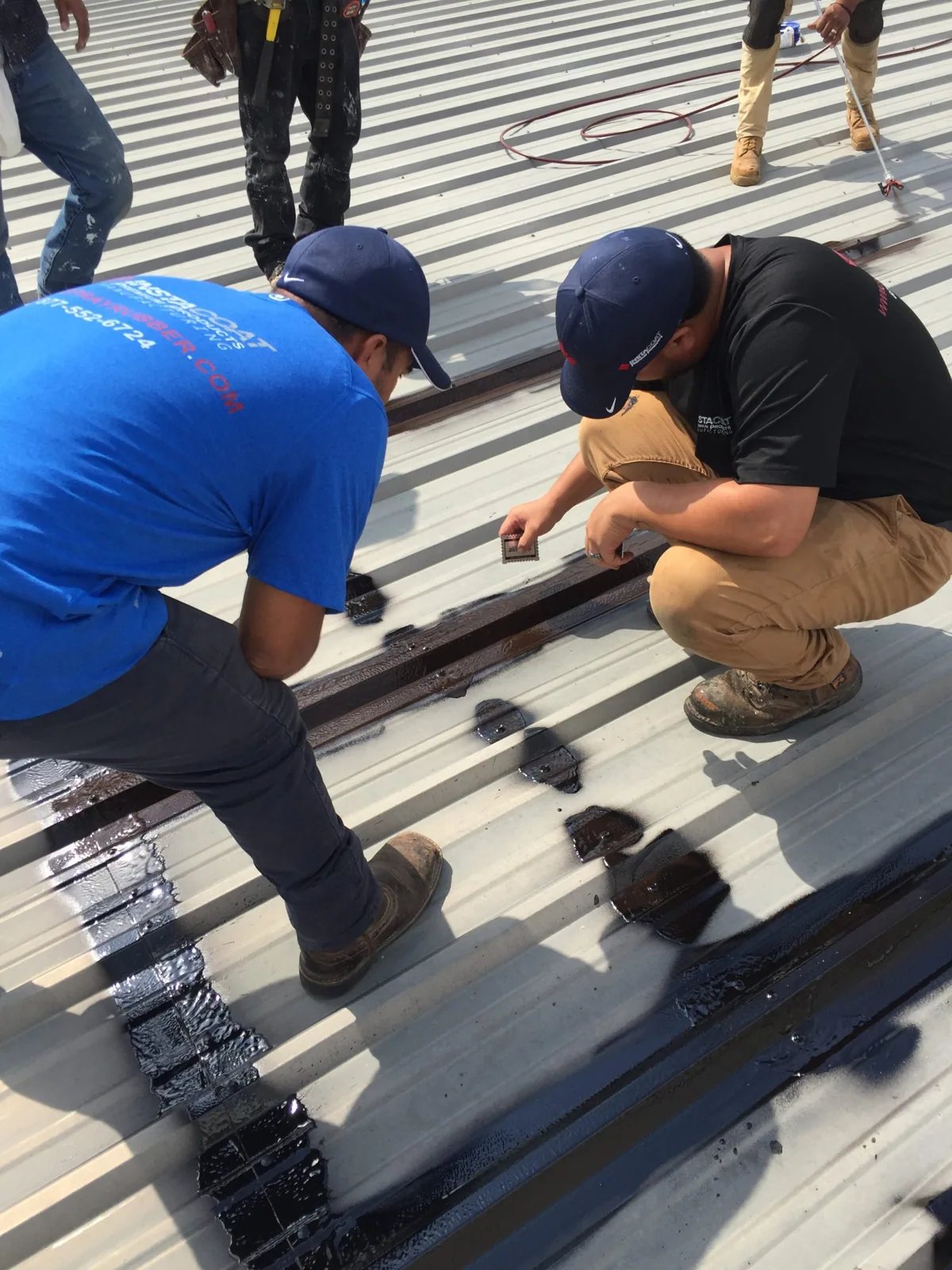
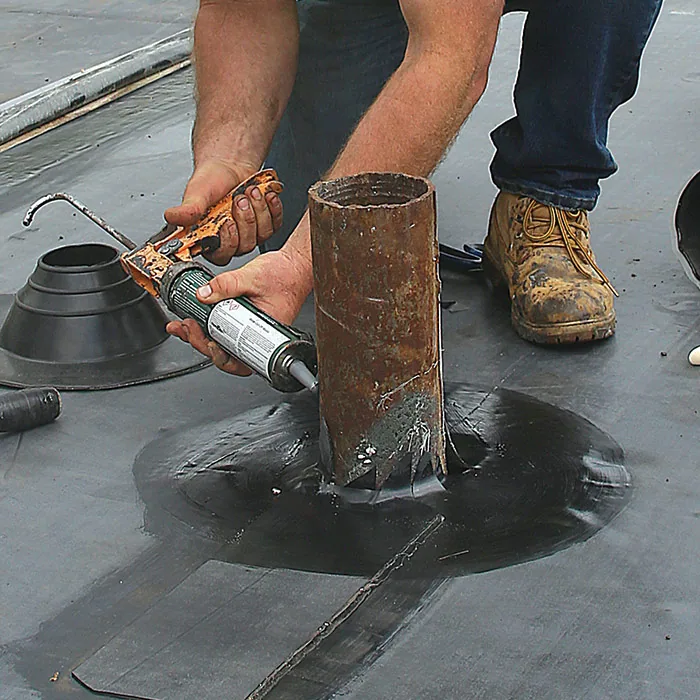
A durable curb repair ties compatible flashing into sound membrane and sound curb material. The scope should state whether existing flashing is removed, what substrate preparation is needed, and how each corner and seam will be closed. A sealant bead alone may not restore a separated or poorly terminated membrane. If the curb is loose or the surrounding insulation is wet, those conditions need to be addressed before closing the repair. For a metal roof, the detail may require formed closures and movement allowances that differ from a single-ply membrane curb. We identify the actual assembly before writing the scope. If the opening is a puncture beside the curb, a membrane puncture repair may be separate from the flashing work. A coating or recover should not be used to bury an unresolved curb. Where several penetrations have failed in the same roof area, compare a cluster repair with a wider replacement assessment using the same condition map.
Coordinate the Trade Below and Above
Skylight work affects daylight, fall protection, and the space directly below the opening. Before mobilizing, confirm whether the unit will remain in service, whether an interior area needs protection, and whether a mechanical contractor must disconnect equipment. Set a barricade or alternate route where an opening or overhead work could affect employees and visitors. Rooftop equipment near a curb may need shutdown or clearance to reach all sides. On an industrial building with crane or loading activity, verify the access path and work window with the site contact. If curb work affects an occupied area, identify who controls roof access, who coordinates tenant notices, and whether equipment isolation must happen before the full transition can be reached. Confirm the building's schedule and equipment restrictions with its operating contact. The work plan should identify the roofing tasks and the trade interfaces rather than assume the curb can be repaired without coordination. If a unit must be moved, make the responsibility and sequence explicit before the membrane is opened.
Set the Repair Boundary Before Opening
Access, curb height, flashing material, roof assembly, and the number of sides that need repair affect the work window. If concealed deterioration appears after removal, pause and document the condition before widening the scope. A photo at each corner and a roof-zone note can show why the repair boundary changed. For skylight and curb work, protect the opening at each shift end and record the flashing transition that remains exposed for follow-up. Plan around actual site and weather conditions. If the reported leak is urgent, around-the-clock response can address immediate water entry, followed by permanent flashing work when access and materials are ready. The proposal should distinguish temporary protection from the final curb restoration so an owner can track what remains open. This also helps schedule interior repair separately when ceilings, insulation, or finishes need attention after the roof path is corrected.
Keep a Penetration Register
For buildings with multiple skylights and equipment curbs, keep a simple register of each opening, its roof zone, observed condition, repair date, and follow-up need. Attach dated photographs and identify whether the scope addressed flashing, the unit itself, surrounding membrane, or concealed material. A completed curb repair should be checked at its corners and transitions before closeout. If another trade handled the glazing or equipment, keep that record adjacent to the roof work so later reviewers can understand the sequence. Properties in Downtown Vallejo and along the Sonoma Boulevard corridor may have different building uses, but the register should describe the actual openings at each address. The same roof-zone identifiers can support a future condition report and help compare changes over time. Arrange a roof review with available plans, leak history, access needs, and budget timing before approving a larger penetration scope.
Commercial Roofing Questions
Can a leaking skylight always be repaired without replacing the unit?
The roof flashing may be repairable even if the skylight or glazing needs separate attention. We inspect the membrane-to-curb connection and identify any visible damage to the unit, then clarify which trade owns each part of the work. If the curb or frame is unstable, or the unit is cracked, repair the roof flashing and assign the unit work to the glazing or mechanical scope. The scope should describe those boundaries before repairs begin.
Why does a curb repair include the corners and adjacent seams?
The curb is a three-dimensional transition, so the repair has to turn the membrane or flashing at each side and corner. A patch that closes only the visible opening may leave a weak lap or seam next to it. We inspect the full perimeter and tie the new work into material that is sound. Photographs of the corners and roof zone make the final repair easier to compare later.
What if the equipment blocks one side of the curb?
We record the restricted side and determine whether the unit can be safely accessed or needs coordination with a mechanical contractor. The proposal can identify the access dependency and keep the repair open until the full transition can be inspected. Closing the reachable sides while leaving an unknown section should be clear in the closeout record. A planned shutdown or unit move may be required for a complete scope.
Can a coating seal around a skylight curb?
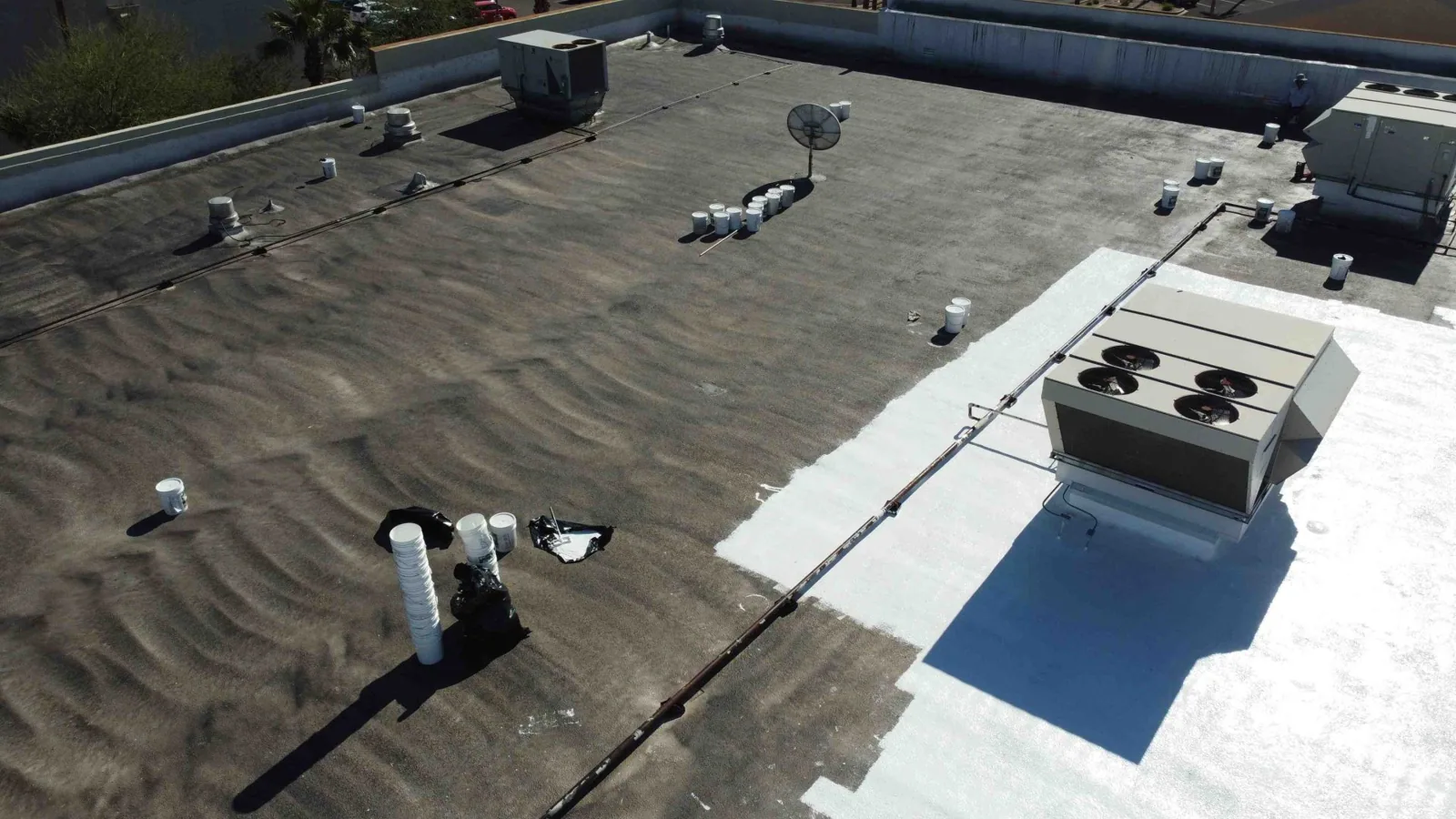
A compatible coating can form part of a restoration system after the failed flashing detail has been repaired and reinforced. We inspect the curb and surrounding assembly, complete the required preparation and reinforcement, and confirm product compatibility before any field coating. If the substrate is wet, loose, or deteriorated, it needs a separate correction. The scope should show how the curb transitions will be treated.
Which roof records are useful when a penetration leak returns?
Keep the original leak location, photographs, curb identifier, repair date, scope, and any work by a glazing or mechanical trade together. Note whether the symptom returned in the same interior area or appeared elsewhere. We can compare those details with the roof-zone register and inspect both the repaired curb and nearby water paths. A repeat call should expand the evidence review, not simply repeat the earlier patch without checking the surrounding assembly.
Inspect the Curb Before Sealing the Detail
Arrange a Vallejo roof review with plans, leak history, access needs, and the equipment or skylight contacts. We will document the full curb transition and define the roofing work and trade coordination it needs.
Request a Roof Assessment
Questions About Commercial Skylight and Roof Penetration Flashing in Vallejo, CA
Common questions from building owners and property managers.
Can a leaking skylight always be repaired without replacing the unit?
The roof flashing may be repairable even if the skylight or glazing needs separate attention. We inspect the membrane-to-curb connection and identify any visible damage to the unit, then clarify which trade owns each part of the work. If the curb or frame is unstable, or the unit is cracked, repair the roof flashing and assign the unit work to the glazing or mechanical scope. The scope should describe those boundaries before repairs begin.
Why does a curb repair include the corners and adjacent seams?
The curb is a three-dimensional transition, so the repair has to turn the membrane or flashing at each side and corner. A patch that closes only the visible opening may leave a weak lap or seam next to it. We inspect the full perimeter and tie the new work into material that is sound. Photographs of the corners and roof zone make the final repair easier to compare later.
What if the equipment blocks one side of the curb?
We record the restricted side and determine whether the unit can be safely accessed or needs coordination with a mechanical contractor. The proposal can identify the access dependency and keep the repair open until the full transition can be inspected. Closing the reachable sides while leaving an unknown section should be clear in the closeout record. A planned shutdown or unit move may be required for a complete scope.
Can a coating seal around a skylight curb?
A compatible coating can form part of a restoration system after the failed flashing detail has been repaired and reinforced. We inspect the curb and surrounding assembly, complete the required preparation and reinforcement, and confirm product compatibility before any field coating. If the substrate is wet, loose, or deteriorated, it needs a separate correction. The scope should show how the curb transitions will be treated.
Which roof records are useful when a penetration leak returns?
Keep the original leak location, photographs, curb identifier, repair date, scope, and any work by a glazing or mechanical trade together. Note whether the symptom returned in the same interior area or appeared elsewhere. We can compare those details with the roof-zone register and inspect both the repaired curb and nearby water paths. A repeat call should expand the evidence review, not simply repeat the earlier patch without checking the surrounding assembly.