Multi-Site Commercial Roofing Programs in Vallejo, CA
Coordinate roof records, inspections and maintenance across Vallejo properties while preserving building-specific findings, access needs and priorities.
Why Commercial Roofing Vallejo?
Multi-Site Commercial Roofing Programs in Vallejo, CA
A multi-site roof program needs enough consistency to compare work and enough detail to respect each building. Shared fields can organize inspection dates, assemblies, open repairs and budget windows; they should not flatten different roof conditions into one portfolio rating. We help Vallejo owners build a repeatable program around site-level evidence and operating needs.
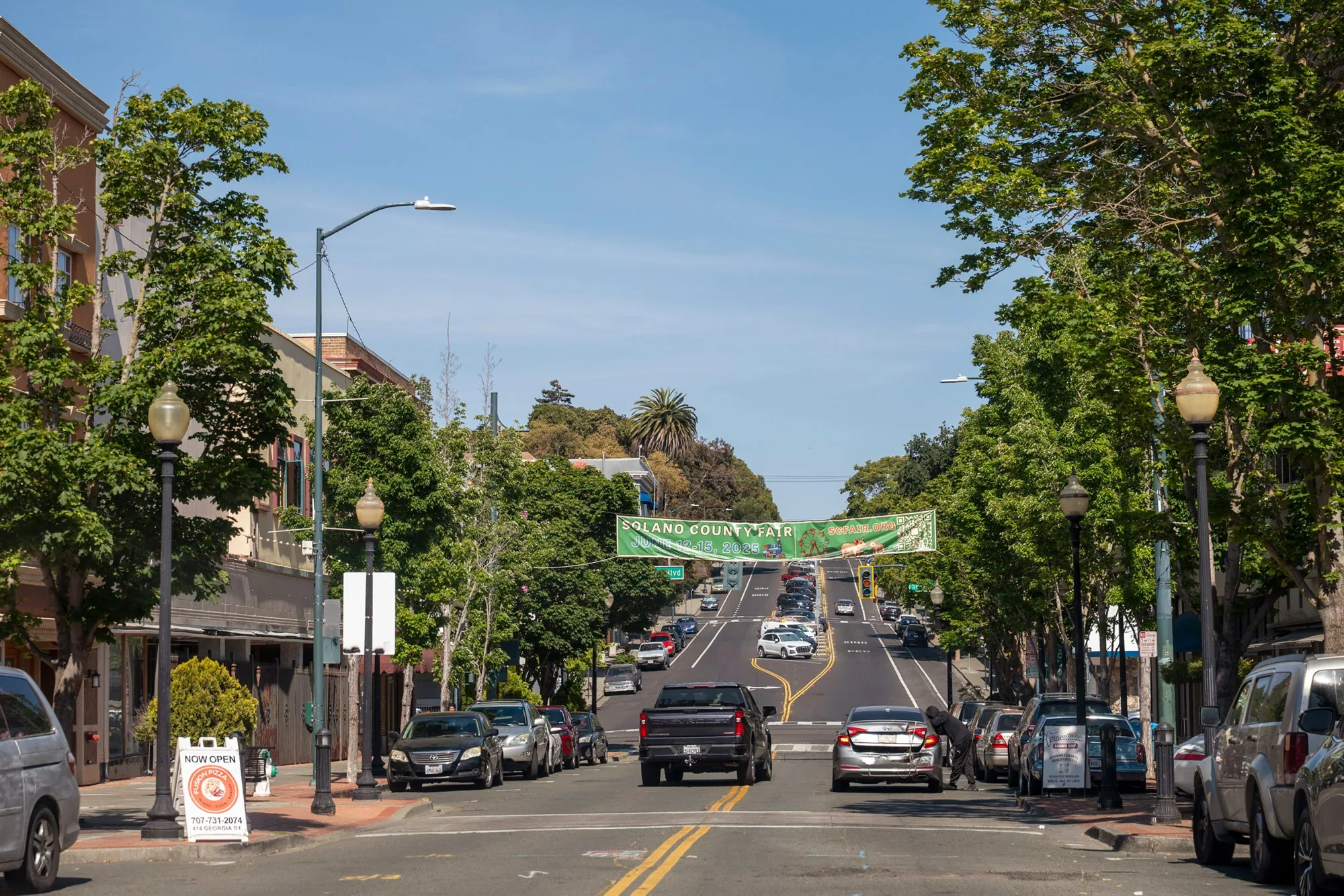
The local commercial mix includes office, retail and industrial spaces on Mare Island, as well as waterfront, downtown and neighborhood corridors. Program design should account for those property differences while keeping each roof, contact and work record tied to its own building and roof zone.
Program leaders need a clear division between common administration and local judgment. Shared calendars, naming rules and closeout fields can be consistent, while access approvals, tenant impact, roof details and repair priorities remain tied to each site contact and current observation.
The program owner can review completion rates and unresolved work across locations, but the rollup should expose where the evidence is thin. A site with no current inspection should remain distinct from one inspected with no material concern observed. That difference helps direct the next field visit. Review the list with each operating contact so a portfolio administrator can confirm whether a delay reflects missing access, missing documentation or a task awaiting approval, rather than an assumed condition across the whole group. Schedule the next review against documented need and operating access, then retain the new observations for each property under its own roof-zone record.
Set a common record without forcing identical roofs
Choose shared fields for building identity, roof area, known assembly, inspection date, condition record, repair history and next action. Make each field clear enough for different staff to use consistently. Where a property has phased construction or several systems, add roof-zone entries rather than one averaged description.
Use controlled terms for status, but preserve the underlying observation and supporting document. “Open repair” should link to a located task; “renewal review” should point to a planning decision. A portfolio dashboard can summarize those states without replacing the underlying record.
A roof asset inventory gives the program a foundation. The building-level condition report still carries the examination boundary and evidence specific to each roof.
Group buildings for coordination, not diagnosis
Group sites for scheduling, ownership structure, geography or work type when that helps operations. Do not assume a shared owner or corridor means similar roof assemblies.
Use group labels to coordinate records and contact calendars. Then retain building-level findings, plans and repair instructions. If an owner wants portfolio comparisons, state the factors that make sites comparable and the differences that should keep them separate.
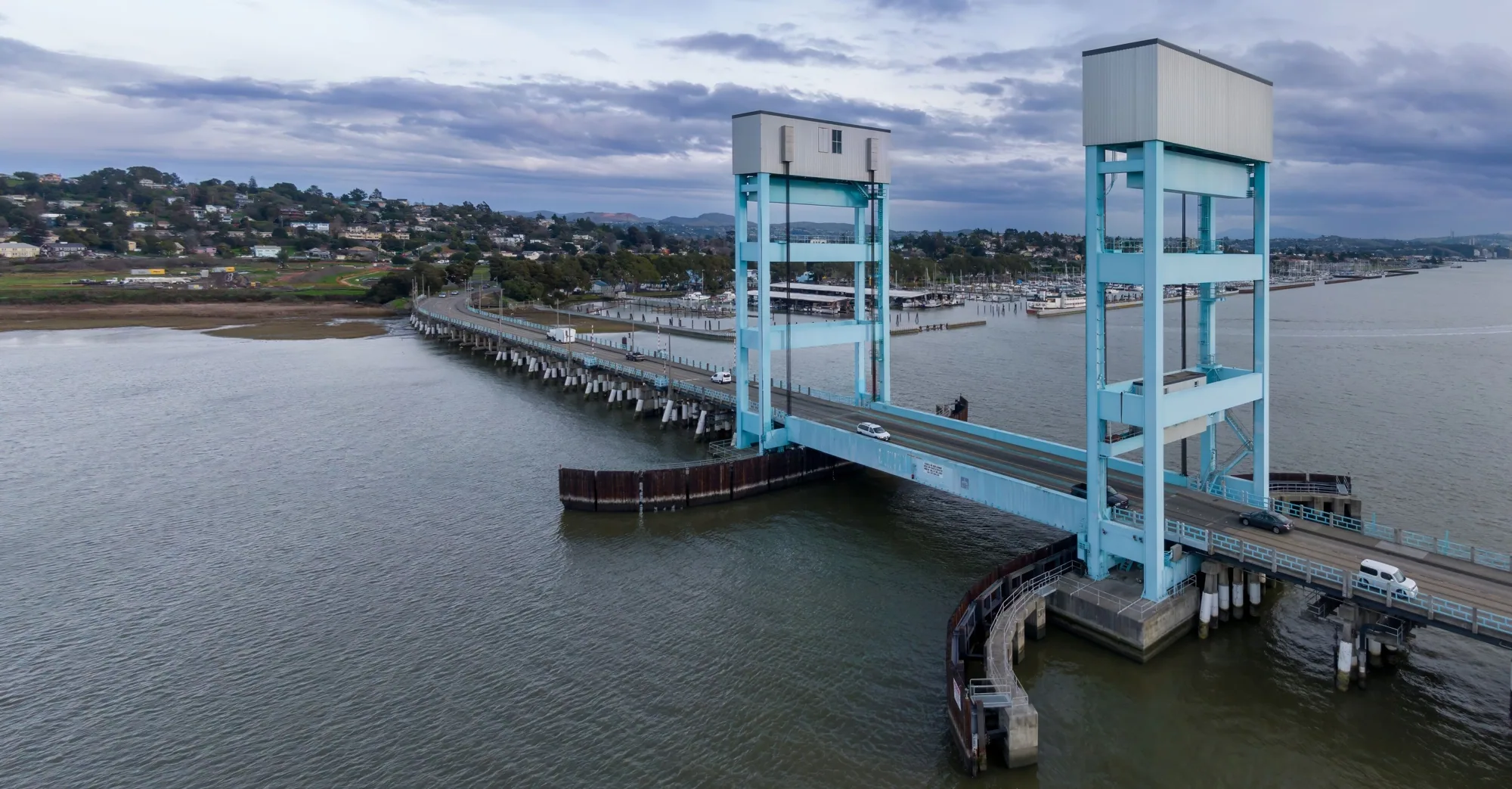
A waterfront building, a Mare Island industrial property, and a Downtown Vallejo office can require different access routes and scopes even when one manager controls the portfolio. Keep findings, work history, and open questions attached to the individual roof. Compare sites only after documenting each assembly, access limit, and repair record.
Create a repeatable inspection cycle
Set a review cadence by record quality, known concerns, building use and owner requirements. A date can help teams plan, but should not be presented as a promise that a roof will remain unchanged until the next visit. Events such as a leak report or rooftop project can justify earlier review.
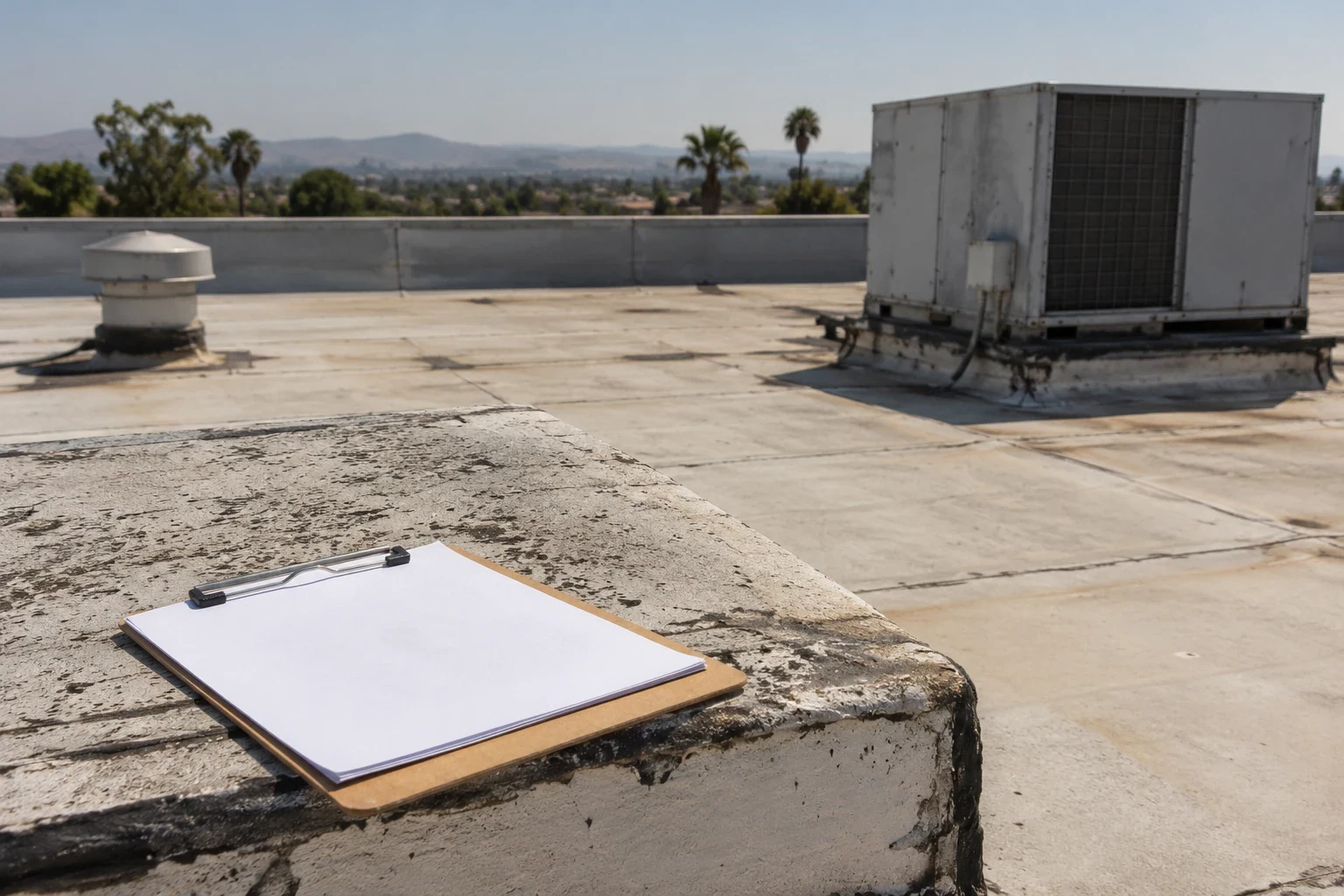
Use the same basic inspection record across sites, with room to describe distinct assemblies, access constraints and roof zones. Capture date, accessible area, visible finding, limitation, photograph reference and recommended next task in a form the local contact can use.
A commercial inspection provides current building-level observations. Keep maintenance records separate from a capital conclusion so repeated housekeeping tasks do not become an unexamined replacement score.
Coordinate operations and tenant impact
Before a site visit, confirm who can arrange entry, identify sensitive interior spaces and note any loading, customer or production windows that affect roof access. A program calendar can help coordinate vendors, while each local contact remains responsible for building-specific logistics.
When work spans multiple buildings, sequence sites around operational constraints rather than assuming a single mobilization plan fits all. State what must be communicated, who approves access and where temporary protection or interior coordination could be needed.
For Sonoma Boulevard or Mare Island, the area label can help route staff. Use the exact building name and contact in work instructions so a team does not arrive with the right district and the wrong roof.
Prioritize work with visible reasoning
Use a priority model that shows the evidence and consequence beneath each rating. A current leak needs a repair decision, an access-dependent investigation needs a confirmed visit, and renewal needs a capital window. Preserve the reason, responsible owner and next action when a summary color or rank is assigned.
Portfolio capital planning should reflect both building-level scope and shared budget windows. The program can compare timing and sequence, but one site should not inherit another roof condition score merely because both belong to the same owner.
A capital planning review can carry the documented assumptions into budget discussion. If records are incomplete, show what additional field work or project documentation may change the comparison.
Track work and closeout across locations
Give each repair, survey and renewal project a building reference, roof zone, scope, date and closeout status. Preserve photographs, material information and relevant invoices with the site record. A multi-site program should make it easy to see which tasks are finished without treating an open issue as closed at portfolio level.
When project requirements vary, retain those distinctions in the local file. Permit timing, occupied use, equipment coordination and previous work may affect one site but not another. A shared tracker should flag the question and responsible reviewer, not assign a uniform answer.
Vallejo building-permit code transition depends on plan-check submission timing and stated case-specific rules. Keep permit history with the property project and ask the responsible professional to confirm requirements before scope or schedule is fixed.
Review the program and keep site history
At periodic portfolio review, look for overdue observations, unresolved investigations, recurring repairs and projects whose closeout records are incomplete. Use those signals to decide where to focus the next review rather than merely counting the number of roofs visited.
Retain prior findings when a new visit updates condition. The sequence shows whether a work item was completed, a roof zone changed, or a new condition appeared. This history is valuable during personnel changes and when budgeting crosses multiple operating years.
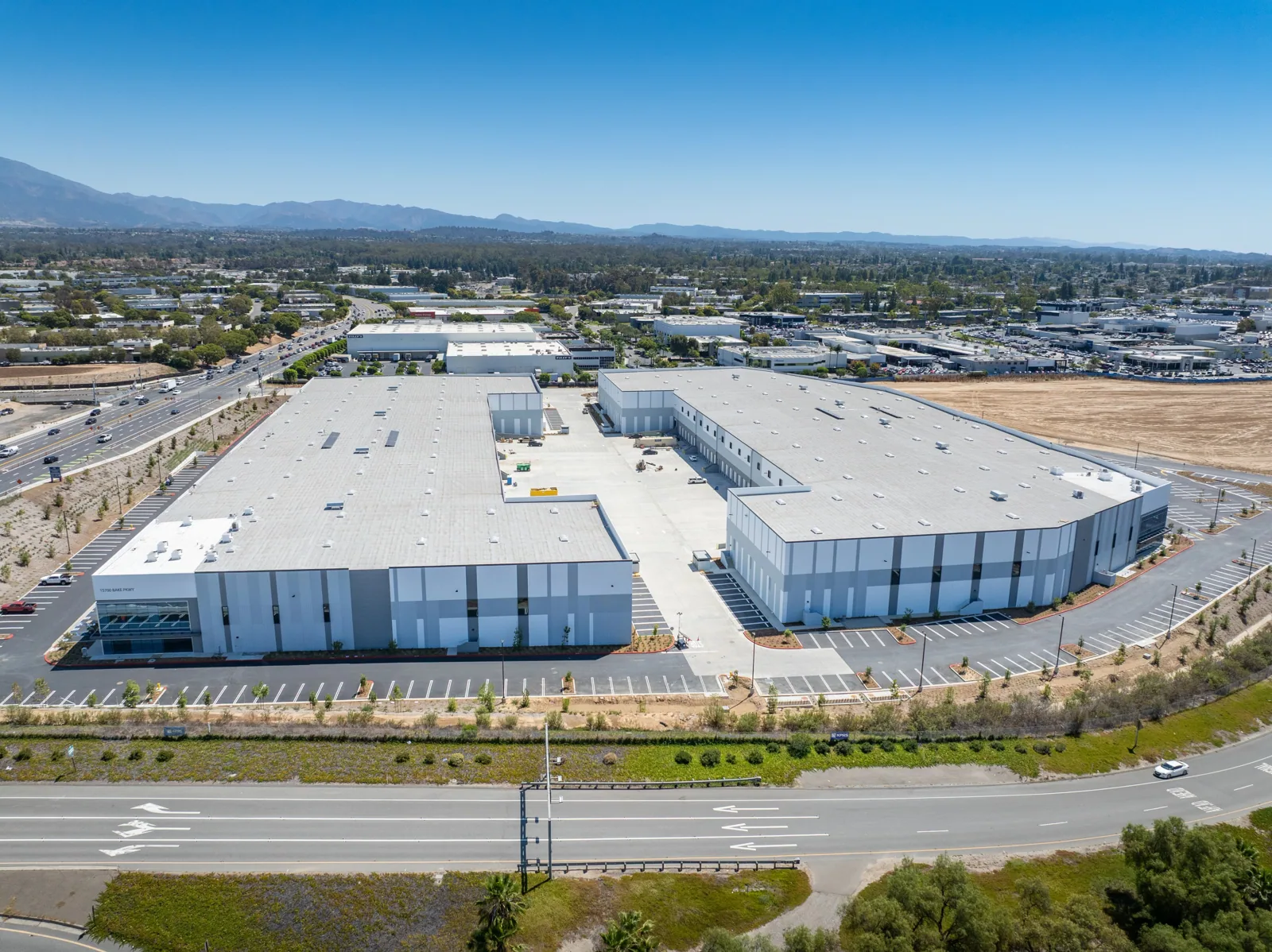
For a group of logistics facilities, coordinate access windows with local operations. Share plans and repair records before the next metal roof system review, and keep each property actual assembly and findings distinct.
Commercial Roofing Questions
How can sites be compared fairly?
Use common fields and definitions, then keep assembly, access, condition evidence and operating differences visible. A shared owner alone does not make roofs comparable.
Should a program use one inspection date for every building?
A coordinated schedule can simplify planning, but cadence should reflect record quality, concerns and operating needs. New evidence may justify an earlier building-level review.
Does a portfolio score replace a condition report?
No. A score can summarize a documented priority, but the report should preserve the located findings, examination limits and next tasks supporting that rating.
How are completed repairs tracked?
Record the site, roof zone, date, scope and available closeout evidence. Keep separate open issues visible rather than closing a portfolio item by assumption.
What should a multi-site program review each cycle?
Review open findings, overdue inspections, repeated repairs, incomplete closeouts and changed roof use. Assign each follow-up to a building and responsible contact.
Prepare the Portfolio Access Plan
Send the property list, roof-zone plans, current repair logs, and access contacts. We will map the sites that need a field review and identify which records still need confirmation.
Request a Roof Assessment
Questions About Multi-Site Commercial Roofing Programs in Vallejo, CA
Common questions from building owners and property managers.
How can sites be compared fairly?
Use common fields and definitions, then keep assembly, access, condition evidence and operating differences visible. A shared owner alone does not make roofs comparable.
Should a program use one inspection date for every building?
A coordinated schedule can simplify planning, but cadence should reflect record quality, concerns and operating needs. New evidence may justify an earlier building-level review.
Does a portfolio score replace a condition report?
No. A score can summarize a documented priority, but the report should preserve the located findings, examination limits and next tasks supporting that rating.
How are completed repairs tracked?
Record the site, roof zone, date, scope and available closeout evidence. Keep separate open issues visible rather than closing a portfolio item by assumption.
What should a multi-site program review each cycle?
Review open findings, overdue inspections, repeated repairs, incomplete closeouts and changed roof use. Assign each follow-up to a building and responsible contact.