Commercial Coast Guard Station Roofing in Vallejo, CA
Roof condition, repair, and renewal reviews for Coast Guard stations and support buildings near Vallejo, planned around authorized access and operations.
Why Commercial Roofing Vallejo?
Commercial Coast Guard Station Roofing in Vallejo, CA
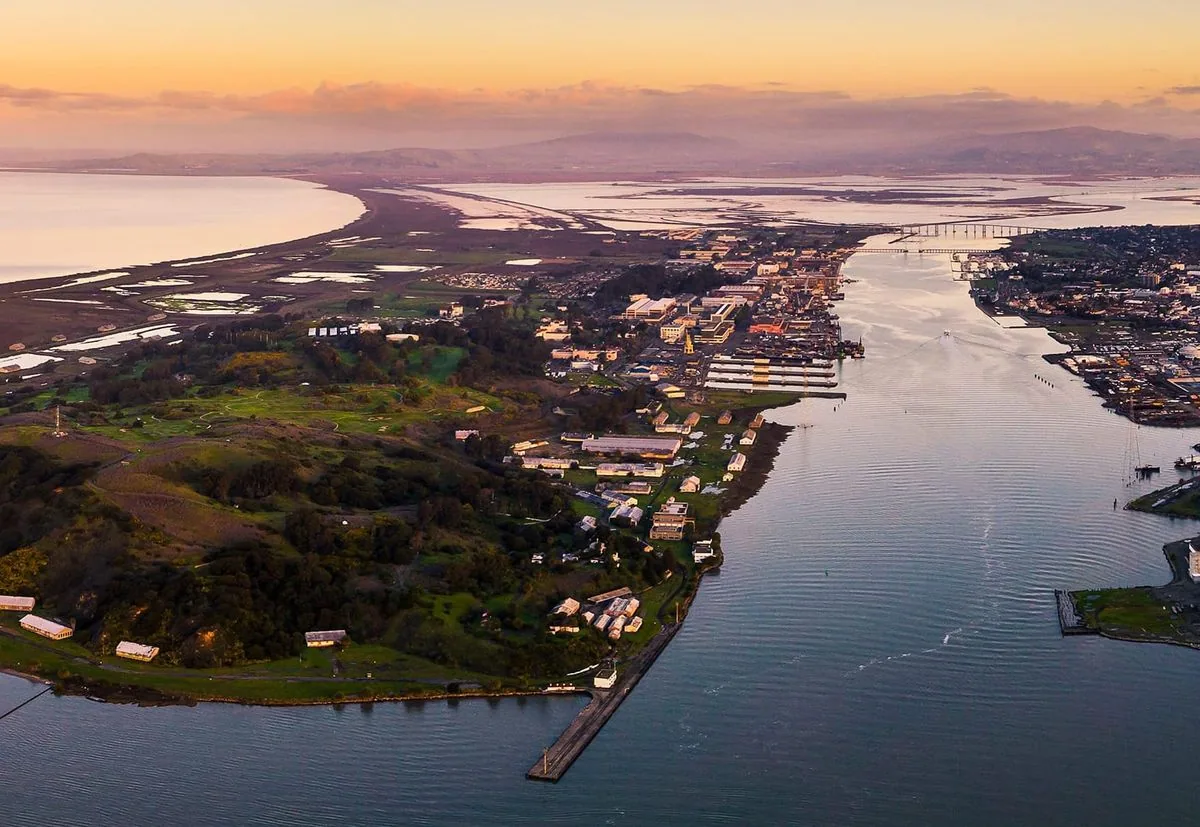
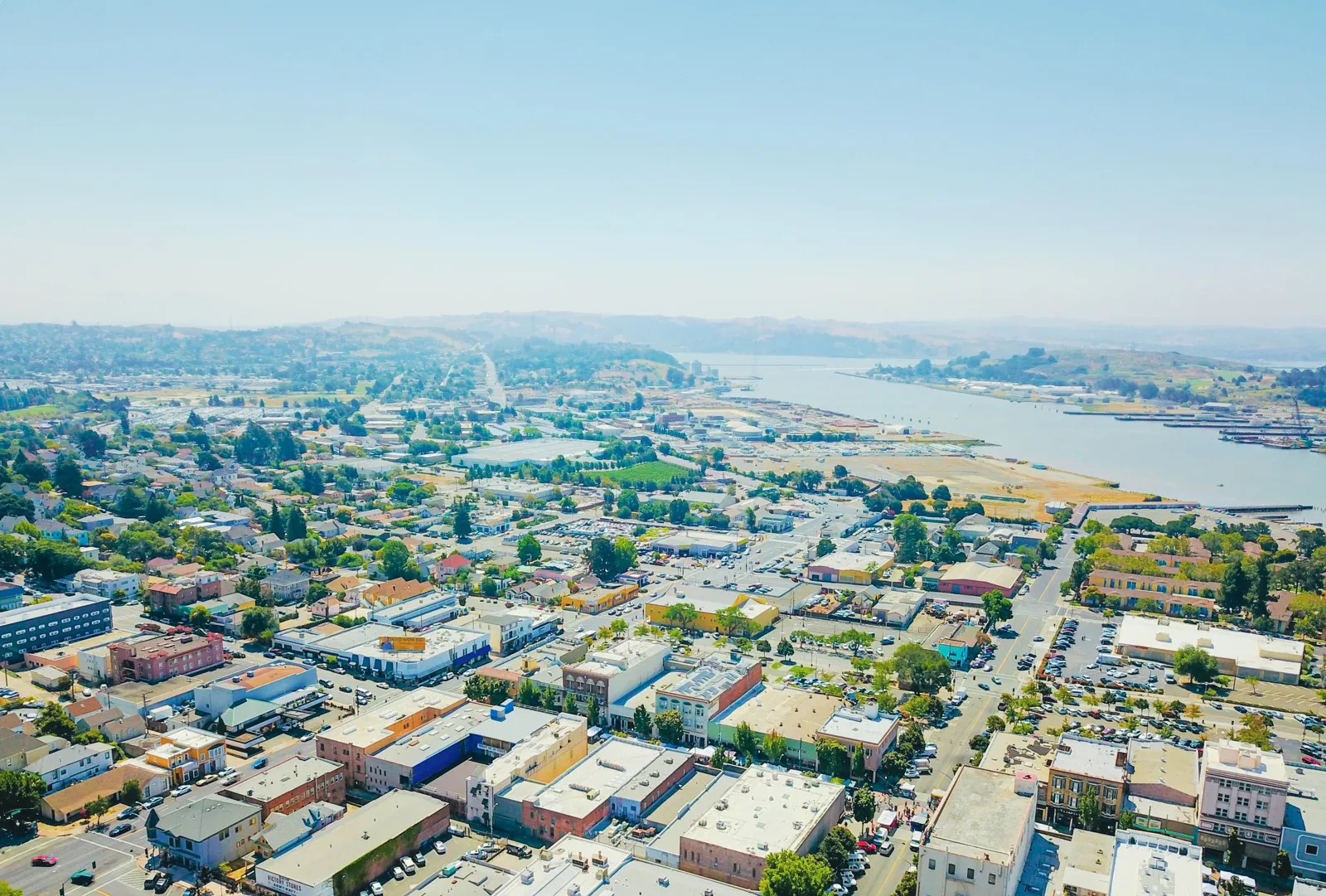
Station buildings and sector support spaces need a roof record that keeps operational access separate from the condition decision. Coast Guard Station Vallejo is on the city's waterfront, while Coast Guard Island in Alameda supports multiple Coast Guard units and Coast Guard Sector San Francisco is listed on Yerba Buena Island. Those are distinct sites, not one shared work zone. We document each roof assembly, drainage path, edge, penetration, and repair history at the building under review. Authorized staff set the access and operating rules. A military-installation roof review can map those requirements to a phased scope. Army facilities have a different building and mission profile, and Vallejo commercial properties remain subject to their own approved access and service limits.
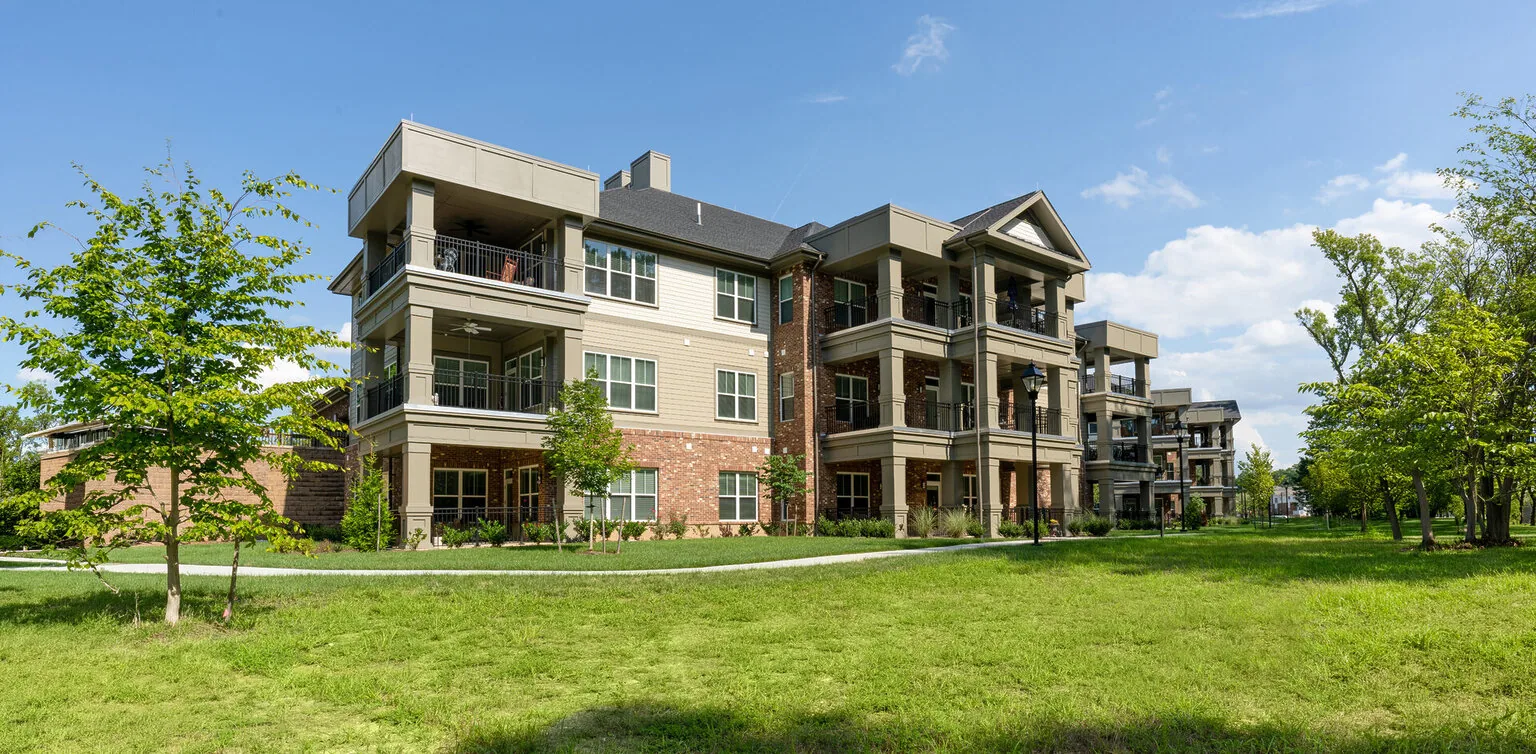
Separate Station and Support Roof Zones
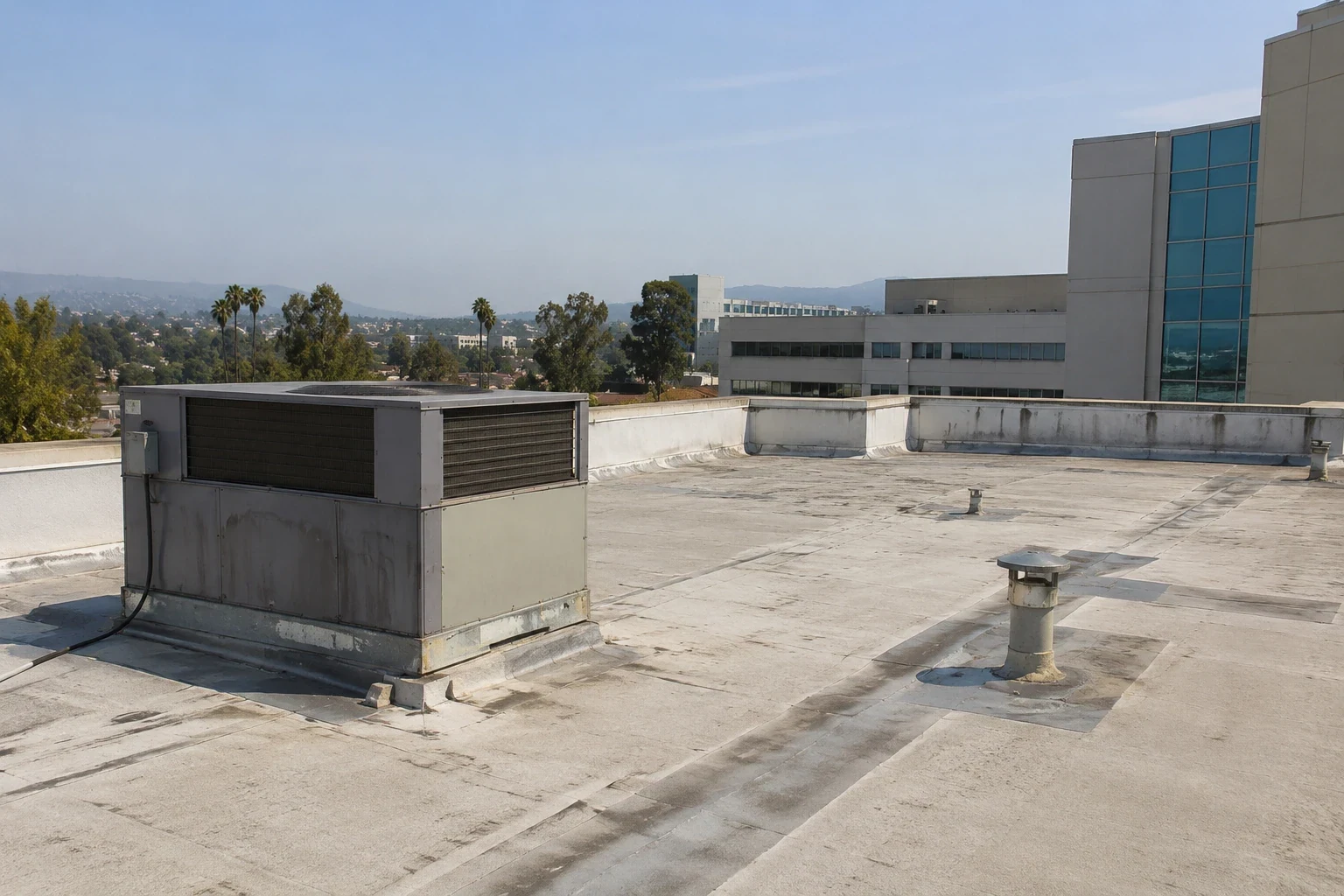
A station may include operational rooms, offices, storage, maintenance space, and support buildings, each with its own roof geometry and interior consequence. We use plans and available repair records to identify the assembly, then inspect visible seams, flashings, drains, equipment supports, and perimeter details by zone. Pacific Area, Southwest District, and cutters Bertholf, Munro, Stratton, and Waesche are among the units associated with USCG Base Alameda. That roster does not establish the roof type at any building, but it reinforces the need to keep access and staging tied to the specific facility and work zone. The roof schedule should show where an observation applies, which area was unavailable, and whether further testing is needed. This is more useful than a campus-wide condition label that cannot tell a facility manager which structure needs repair first. The Martinez VA Medical Center provides outpatient services, with its Center for Rehabilitation and Extended Care adjacent to the outpatient clinic. Its use is different, but the medical-center roof record likewise needs zones and building-level condition evidence rather than one campus assumption.
Trace Water Entry to the Detail That Failed
A leak below a roof edge can come from a failed seam, open flashing, a drain problem, a curb, or a penetration. We inspect the likely water path and nearby transitions, photograph what is visible, and state whether the entry point is confirmed or still needs testing. On a waterfront property, exposed metal and sealants deserve a close look, but location alone does not prove a particular corrosion or leak condition. The scope follows the observed materials. Average summer monthly highs in Vallejo run around 85 to 87°F. Keep seasonal heat exposure in the maintenance record alongside seam, flashing, and edge observations, then base repairs on what the roof shows. A roof inspection can document the field and transitions, while edge-metal repairs address perimeter details where the evidence supports that work.
Confirm Access Before Crew and Equipment Mobilize
The facility contact identifies escort rules, badging, approved routes, work hours, staging locations, lift restrictions, and any operational areas that must remain clear. We use that information to break the roof into safe work zones, protect equipment and occupied space, and plan material delivery without blocking an operating route. A maritime facility may also have waterfront movement or security constraints that are specific to that site. The scope records confirmed instructions and flags approvals still pending. Access approvals remain specific to each installation and roof scope. A phased roofing sequence can limit disruption where offices or support rooms remain active. If a roof area cannot be entered, our report records the limitation and leaves that zone unresolved rather than extrapolating its condition.
Match the Repair Boundary to Roof Condition
Localized punctures or a limited flashing failure may be repaired when the surrounding membrane and insulation remain sound and the water path is understood. Repeated failures across multiple zones, widespread moisture, or deteriorated attachment can shift the choice toward a larger renewal scope. Recovery is not automatic; the existing layers, deck, drainage, and edge details need review before adding another assembly. We compare options by describing what is included, what will be removed, and which tests or approvals remain open. A modified-bitumen assembly may require different seam and flashing work from a single-ply membrane. The owner receives a repair boundary and a list of assumptions, making it possible to weigh a near-term fix against replacement without implying that every station building needs the same treatment.
Sequence Urgent Work and Planned Renewal
Budget decisions are clearer when active water entry, preventive repairs, testing, and replacement planning appear as separate actions. We note the roof zone, evidence, access needs, lead-time assumptions, and operational coordination tied to each item. Operational units at the Alameda base, Station Vallejo, and Sector San Francisco have distinct locations and facility requirements. Keep their schedules and authorization records separate. A capital plan can carry each building's condition trend into the next allocation window. If procurement or access approval extends the timeline, the owner can decide whether temporary protection or added monitoring is appropriate. The closeout record should make that interim choice visible and set the point when the roof condition will be reviewed again. A portfolio worksheet can standardize fields such as assembly, zone, priority, and next review date while preserving separate photographs and access assumptions for each facility. That balance makes regional comparisons useful without turning a uniform spreadsheet into a claim that every property has the same assembly or maintenance need.
Leave a Building-Level Closeout
Each closeout should identify the roof assembly, work zones, repairs completed, photographs, materials, and observations that matter for the next inspection. We also record areas not reached, tests not performed, and details excluded from the approved scope. For a station or sector facility, the agreed access and sequence belong in the file so a future crew can plan responsibly without treating the prior approval as permanent. That record helps compare conditions across separate properties while retaining the context for each one. For the Vallejo station, document roof zones, transitions, and access limits in the same field record. Mark any area not reached so the owner can decide whether to arrange another visit before setting a repair or renewal scope. The facility manager can then set repairs, maintenance, or renewal against actual building use and budget timing.
Commercial Roofing Questions
How do you plan roofing work at an active Coast Guard station?
The facility authority defines access, escort, badging, routes, work hours, and restricted areas. We use those instructions to sequence roof zones, coordinate equipment, protect active rooms, and document areas that cannot be reached. The approved plan is specific to the site and scope, so it is confirmed before mobilization.
What roof conditions should a waterfront station inspection record?
We document the assembly, seams, flashings, drains, metal edges, penetrations, equipment supports, and prior repairs. A waterfront setting may make metal and sealant condition worth reviewing, but it does not prove corrosion or a leak. Photos and any needed tests show what is known and what remains unresolved.
Can a repair scope cover several Coast Guard buildings at once?
Related work can be grouped for procurement, but each building needs its own roof zones, condition notes, access plan, and repair boundary. Stations, support buildings, and sector facilities can have different assemblies and operating restrictions. We keep the records separate enough for an owner to see which work belongs to each structure.
How does a facility manager compare repair with replacement?
We compare the extent of observed failure, the condition of surrounding materials, moisture findings, drainage, and the limits of a durable repair. A localized defect may support focused work; repeated failures or widespread assembly concerns may warrant renewal planning. The report states assumptions, testing needs, access constraints, and budget timing for each option.
Review the Station Roof by Building
Arrange a roof review with available plans, repair history, access instructions, operating windows, and budget timing so the condition record stays tied to each structure.
Request a Roof Assessment
Questions About Commercial Coast Guard Station Roofing in Vallejo, CA
Common questions from building owners and property managers.
How do you plan roofing work at an active Coast Guard station?
The facility authority defines access, escort, badging, routes, work hours, and restricted areas. We use those instructions to sequence roof zones, coordinate equipment, protect active rooms, and document areas that cannot be reached. The approved plan is specific to the site and scope, so it is confirmed before mobilization.
What roof conditions should a waterfront station inspection record?
We document the assembly, seams, flashings, drains, metal edges, penetrations, equipment supports, and prior repairs. A waterfront setting may make metal and sealant condition worth reviewing, but it does not prove corrosion or a leak. Photos and any needed tests show what is known and what remains unresolved.
Can a repair scope cover several Coast Guard buildings at once?
Related work can be grouped for procurement, but each building needs its own roof zones, condition notes, access plan, and repair boundary. Stations, support buildings, and sector facilities can have different assemblies and operating restrictions. We keep the records separate enough for an owner to see which work belongs to each structure.
How does a facility manager compare repair with replacement?
We compare the extent of observed failure, the condition of surrounding materials, moisture findings, drainage, and the limits of a durable repair. A localized defect may support focused work; repeated failures or widespread assembly concerns may warrant renewal planning. The report states assumptions, testing needs, access constraints, and budget timing for each option.