Commercial Army Installation Roofing in Vallejo, CA
Roof condition reviews and renewal scopes for Army installation buildings near Vallejo, with access, mission operations, and records planned by zone.
Why Commercial Roofing Vallejo?
Commercial Army Installation Roofing in Vallejo, CA
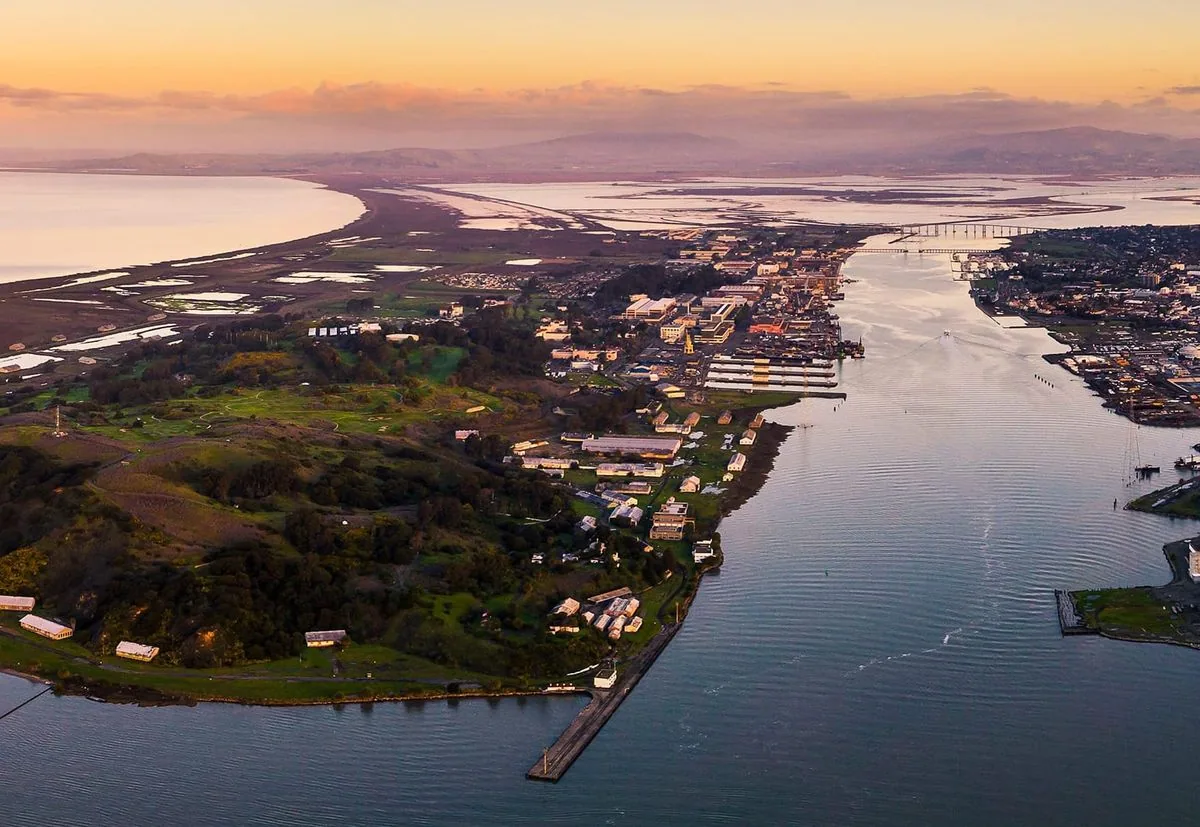
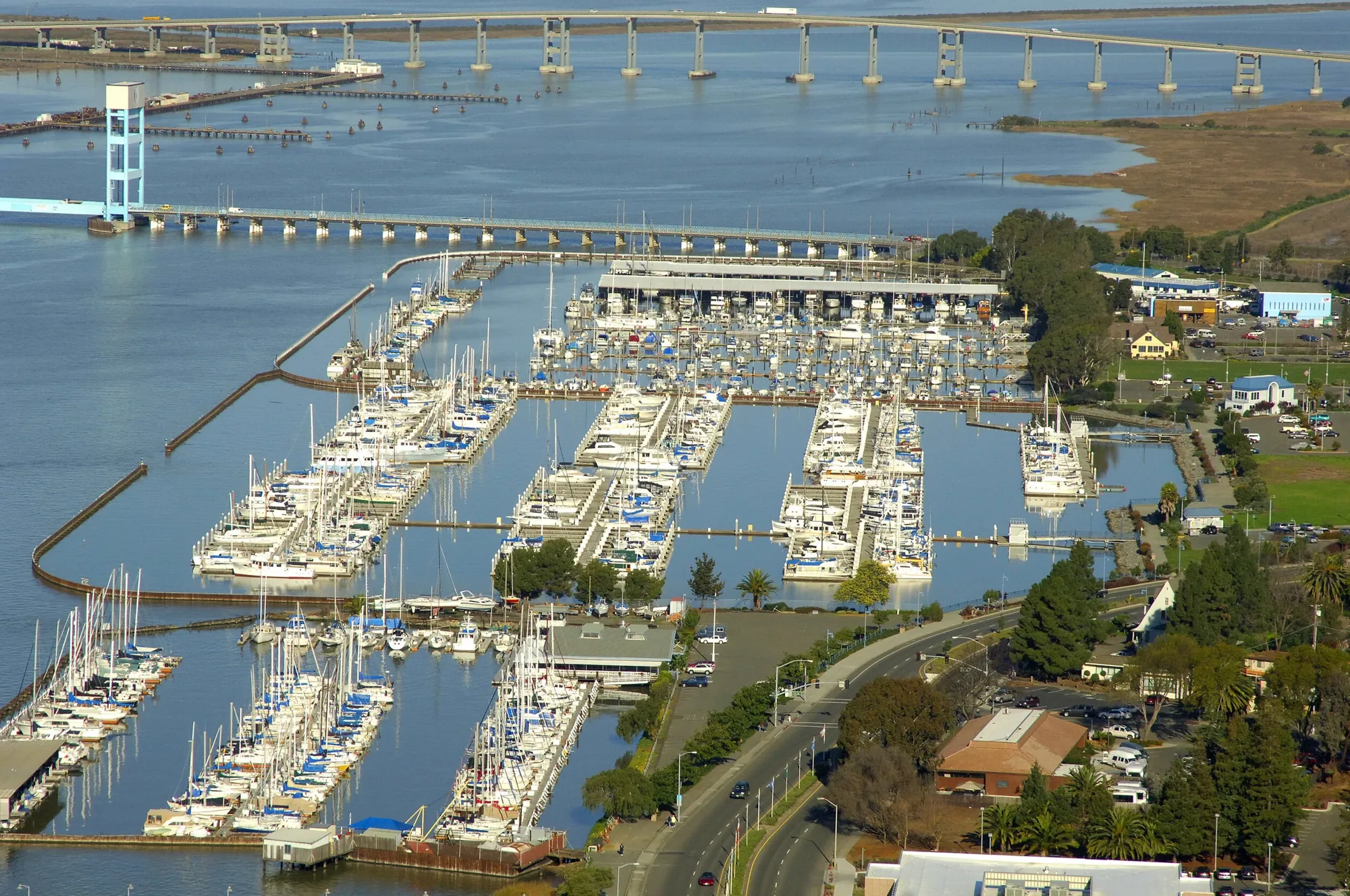
Military Ocean Terminal Concord, known as MOTCO, sits near Concord on Suisun Bay and supports Army transshipment operations. Its tidal and inland areas, terminal wharves, and rail connections make the building inventory more varied than a single roof schedule can show. We record each assembly, drain, penetration, edge, and visible repair by structure, then match the Diligence Notes to the owner's access and operating plan. The installation itself determines badging, escorts, routes, and work windows. A military roof review can define that scope, while an assessment for Coast Guard facilities addresses another operating profile. For commercial buildings in Concord, we evaluate the actual structure, access, and service boundary.
Map Terminal, Rail, and Support Buildings Separately
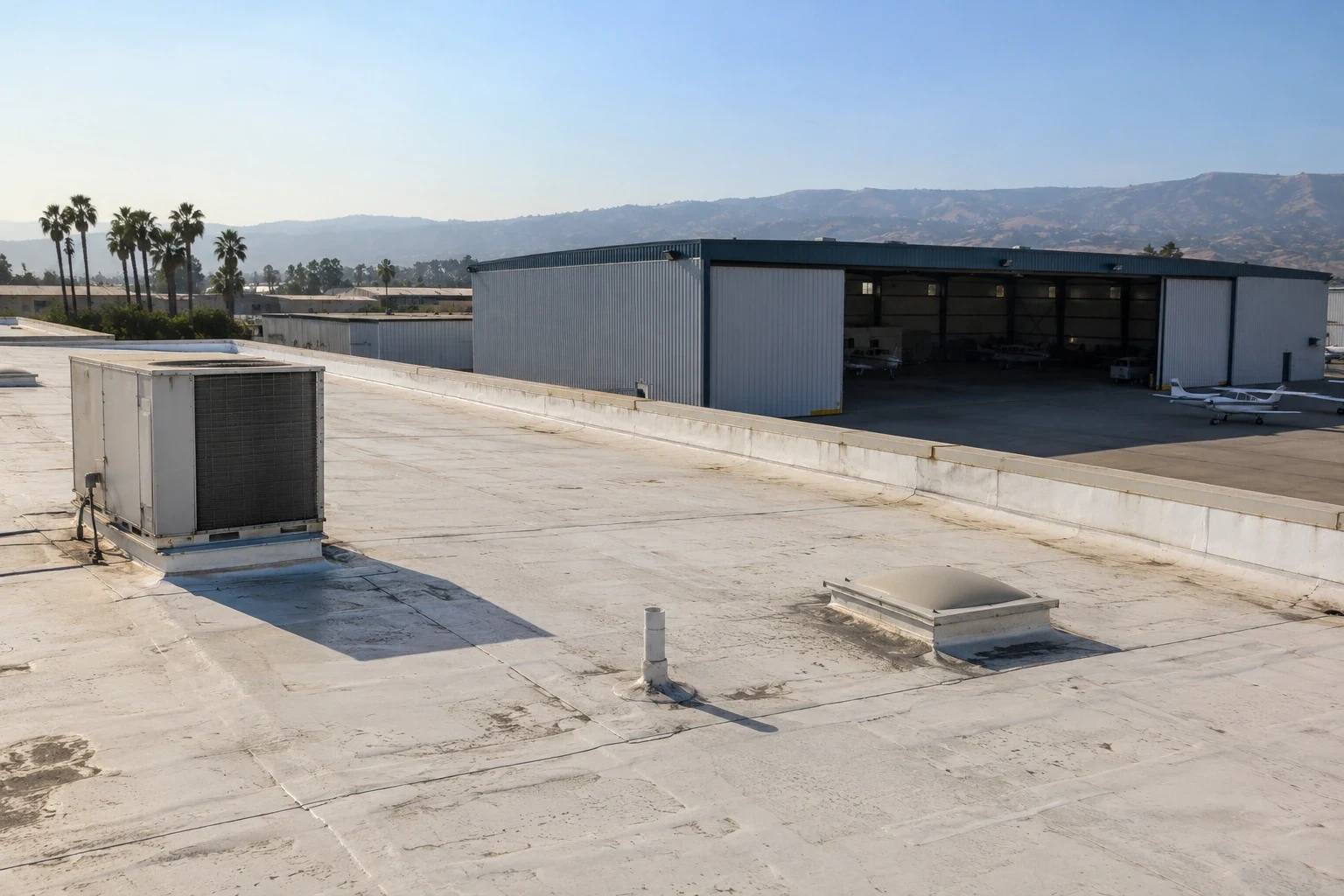
A terminal, warehouse, office, maintenance building, and occupied support space each need a building-level roof record because assembly and operations can differ. We begin with the available roof plans, repair history, and building use, then mark each roof zone and the access needed to reach it. MOTCO's documented wharves and Army-owned rail system connected to commercial lines show why material movement and work routes can matter in a logistics setting. We identify each structure's roof assembly and condition through available records and a building-level field review. A site walk checks membrane or metal panels, seams, edges, drains, penetrations, and transitions. If roof access is restricted or a zone is unavailable, the condition record says so. This separation keeps the capital schedule tied to observed building conditions rather than a shared campus date. A hangar or maintenance roof may add tall clear spans, large doors, and equipment clearances to the survey. We map those features independently from office and terminal roofs; a hangar roof review can then record its own access, drainage, and detail needs.
Separate Visible Defects From Suspected Moisture
A ceiling stain, open lap, loose coping, or clogged drain each points to a different inspection path. We photograph the condition, mark its roof zone, and trace nearby transitions before assigning a repair boundary. If insulation may be wet below the surface, infrared screening or targeted testing can help determine how far the problem extends. The report should identify the method and any limits; it should not convert an untested area into a confirmed repair quantity. Vallejo's July and August station averages show no rainfall, with summer monthly highs around 85 to 87 degrees Fahrenheit. Vallejo's summer baseline supports a scheduled drain and low-point review before the rainy period; the field record should capture actual drainage at each building. A commercial roof inspection can carry those observations into the owner's maintenance or renewal decision.
Set Access and Sequence Before Material Delivery
Installation access rules shape the work plan before the crew reaches the roof. The responsible facility contact identifies approved entry points, escort and badging procedures, vehicle routes, lift locations, laydown areas, work periods, and zones with operational restrictions. We use that information to divide the roof into manageable phases, protect adjacent equipment, control debris, and keep weather exposure inside the approved window. A terminal or rail-adjacent building can require a different staging plan than a staff office, but the actual constraints must come from the site. The scope documents assumptions that remain subject to approval. A phased work sequence can help coordinate roofing with staff and tenant activity, while drainage repairs can be scheduled before interior damage spreads. Each completed zone receives its own photo and repair record.
Choose Repair or Renewal From the Assembly Record
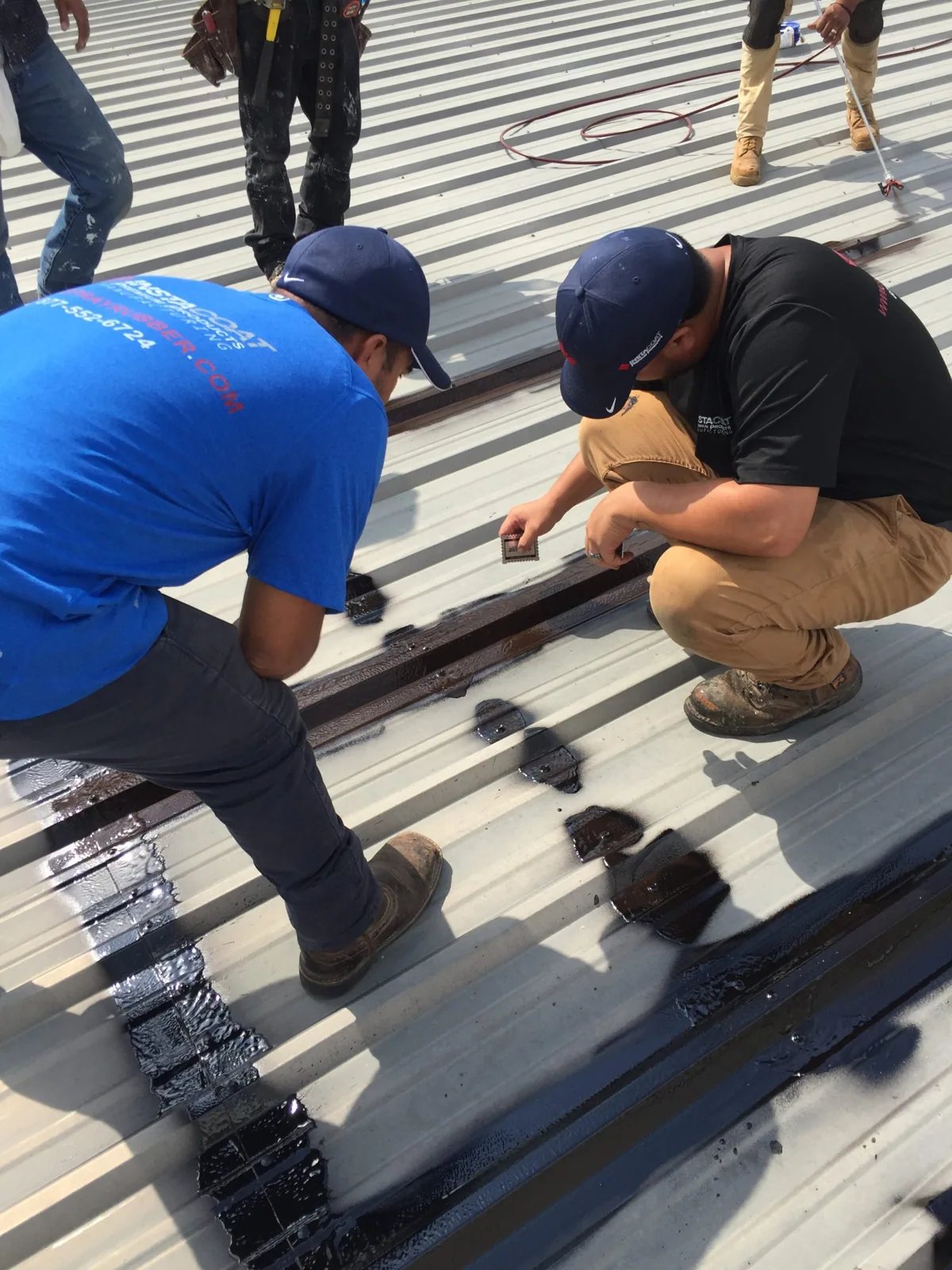
Localized damage may support a repair when the surrounding membrane, insulation, and attachment remain suitable and the water entry point can be bounded. A recovery can be considered only after the existing layers, drainage, moisture, wind attachment, and code implications are reviewed. Replacement is more likely when defects recur across roof zones, wet insulation extends beyond isolated areas, or the details cannot be restored with a durable repair. We describe those conditions in the scope rather than assigning a solution based on a building label. For a metal roof, seam movement, fasteners, panel laps, and edge conditions affect whether a retrofit is practical. An engineered metal retrofit can be compared with full panel replacement after the substrate and attachment are inspected. The report should show immediate work separately from capital renewal so each can be budgeted on its own timeline.
Carry Roof Priorities Into the Budget Cycle
A useful capital review links each recommendation to a building, zone, condition, and operating impact. We list urgent water-entry items, planned repairs, testing needs, and replacement candidates separately, then note access, procurement, weather, and material-handling assumptions that could alter timing. MOTCO's strategic deployment and distribution role makes delivery windows and access sequencing important to confirm with the installation contact. A manager can use the roof asset record to compare current observations with prior repairs and budget windows. Where work depends on facility approvals or constrained access, the schedule names that dependency. If the next allocation is several months away, the report can identify interim protection or monitoring that needs an earlier decision, without treating temporary measures as a permanent scope. A clear repair boundary also helps procurement compare bid alternates on the same basis. We mark whether each option includes removal, insulation replacement, edge work, drain corrections, or only local membrane repairs. That keeps a smaller repair from being compared against a complete renewal as though the scopes covered identical conditions.
Keep Closeout Tied to the Building and Zone
Closeout should give the next facility manager enough information to understand what was inspected and what was changed. We assemble dated photographs, zone locations, repair details, materials, drain and edge work, observation notes, and any testing record. The package also lists areas that could not be reached, work excluded from the approved scope, and follow-up checks that remain open. Vallejo and Concord sit within the same regional review area, but service coverage does not make one installation's access plan transferable to another property. For an Army owner, the record should preserve the approval and operating assumptions used for the work. A later inspection can compare new conditions with this baseline and determine whether the repair boundary has moved or a capital replacement decision is due.
Commercial Roofing Questions
How should an Army installation roof inventory be divided?
We separate buildings by assembly, roof zone, use, access, and condition. Terminal, rail-related, office, maintenance, and support structures should not inherit the same replacement date without field evidence. Plans, repair history, drainage, and observed details help establish what can be grouped and what needs its own scope.
Can a roofing survey be completed during active installation operations?
The facility authority sets the access and operating rules. We can plan an inspection or repair around approved routes, escorts, work windows, and restricted zones, then record any areas that could not be entered. A staged plan is useful only when the owner has confirmed the sequence and safety requirements for the specific buildings.
What indicates that an installation roof needs replacement instead of another repair?
Recurring failures across several zones, moisture extending through the assembly, deteriorated attachment, and details that cannot be restored may support replacement. Localized damage with sound surrounding materials may remain repairable. We document the evidence, identify tests still needed, and show the budget and operational consequences of each viable option.
What should be included in a terminal or rail-adjacent roof closeout?
The closeout should include roof-zone photographs, completed repairs, material and detail records, drain and edge observations, access assumptions, and any areas left uninspected. It should also identify maintenance checks or testing that remain open. That record supports future budgeting without treating the terminal's role as proof of any roof condition.
Review the Installation Roof Record
Arrange a roof review with building plans, prior repairs, access requirements, operating windows, and budget timing so findings can be tied to each assembly.
Request a Roof Assessment
Questions About Commercial Army Installation Roofing in Vallejo, CA
Common questions from building owners and property managers.
How should an Army installation roof inventory be divided?
We separate buildings by assembly, roof zone, use, access, and condition. Terminal, rail-related, office, maintenance, and support structures should not inherit the same replacement date without field evidence. Plans, repair history, drainage, and observed details help establish what can be grouped and what needs its own scope.
Can a roofing survey be completed during active installation operations?
The facility authority sets the access and operating rules. We can plan an inspection or repair around approved routes, escorts, work windows, and restricted zones, then record any areas that could not be entered. A staged plan is useful only when the owner has confirmed the sequence and safety requirements for the specific buildings.
What indicates that an installation roof needs replacement instead of another repair?
Recurring failures across several zones, moisture extending through the assembly, deteriorated attachment, and details that cannot be restored may support replacement. Localized damage with sound surrounding materials may remain repairable. We document the evidence, identify tests still needed, and show the budget and operational consequences of each viable option.
What should be included in a terminal or rail-adjacent roof closeout?
The closeout should include roof-zone photographs, completed repairs, material and detail records, drain and edge observations, access assumptions, and any areas left uninspected. It should also identify maintenance checks or testing that remain open. That record supports future budgeting without treating the terminal's role as proof of any roof condition.