Commercial Air Force Base Roofing in Vallejo, CA
Roof inspection, maintenance, and renewal planning for Air Force base buildings near Vallejo, with access coordinated by building.
Why Commercial Roofing Vallejo?
Commercial Air Force Base Roofing in Vallejo, CA
An installation roof inventory has to separate hangars, offices, maintenance areas, and medical buildings before a capital choice is made. Travis Air Force Base is near Fairfield and Suisun City; its operating mission makes installation-specific clearances and access approvals a planning matter for each roof scope. That mission context makes access, equipment clearance, and sequence part of the roof scope, not items to settle after mobilization. We document assemblies, drains, seams, penetrations, and visible repairs by roof zone. A military-installation roofing review can align that survey with the owner's access rules. A separate installation assessment addresses a different facility profile, while Fairfield-area work is considered by actual site and approved service limits.
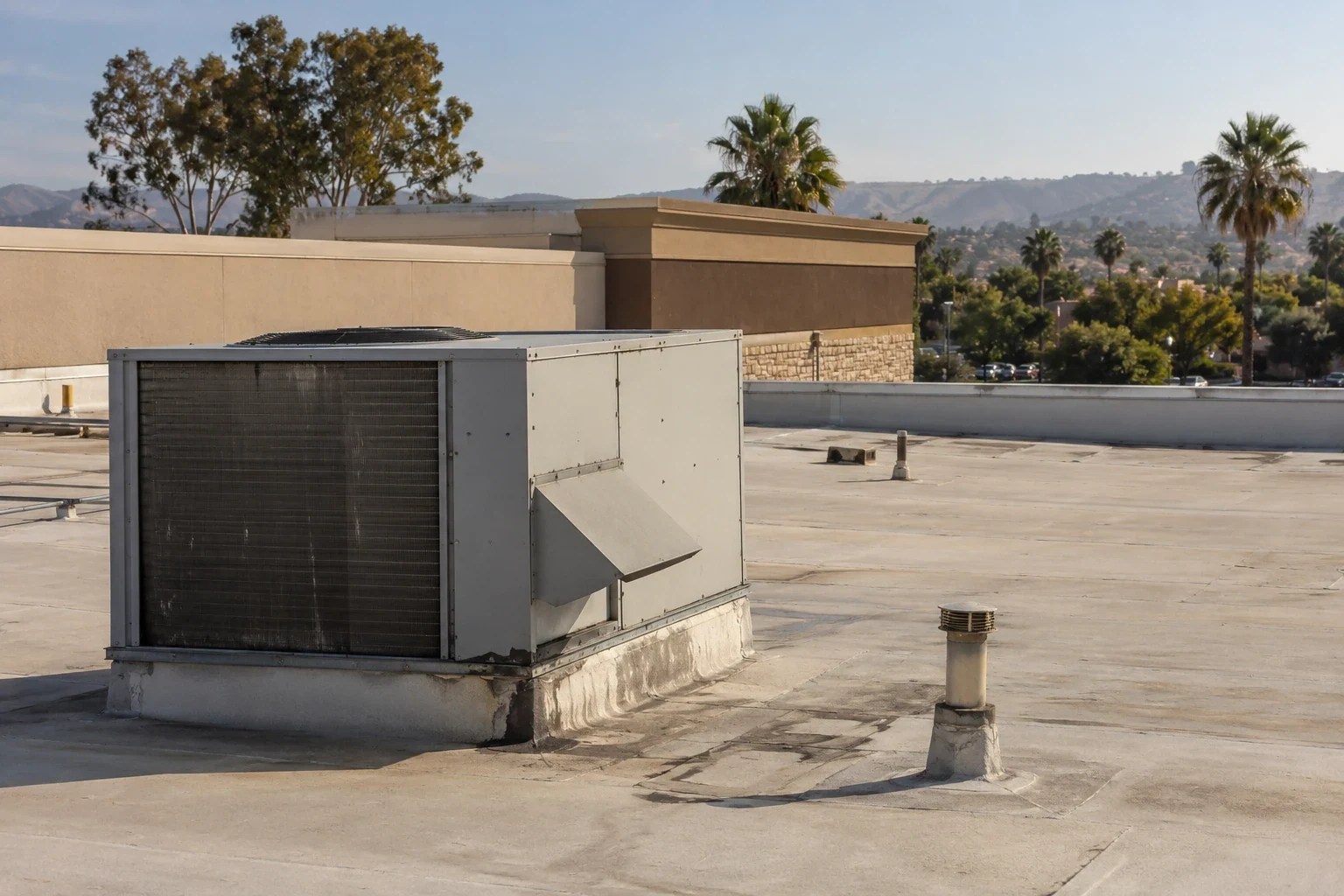
Separate Mission Buildings by Roof Assembly
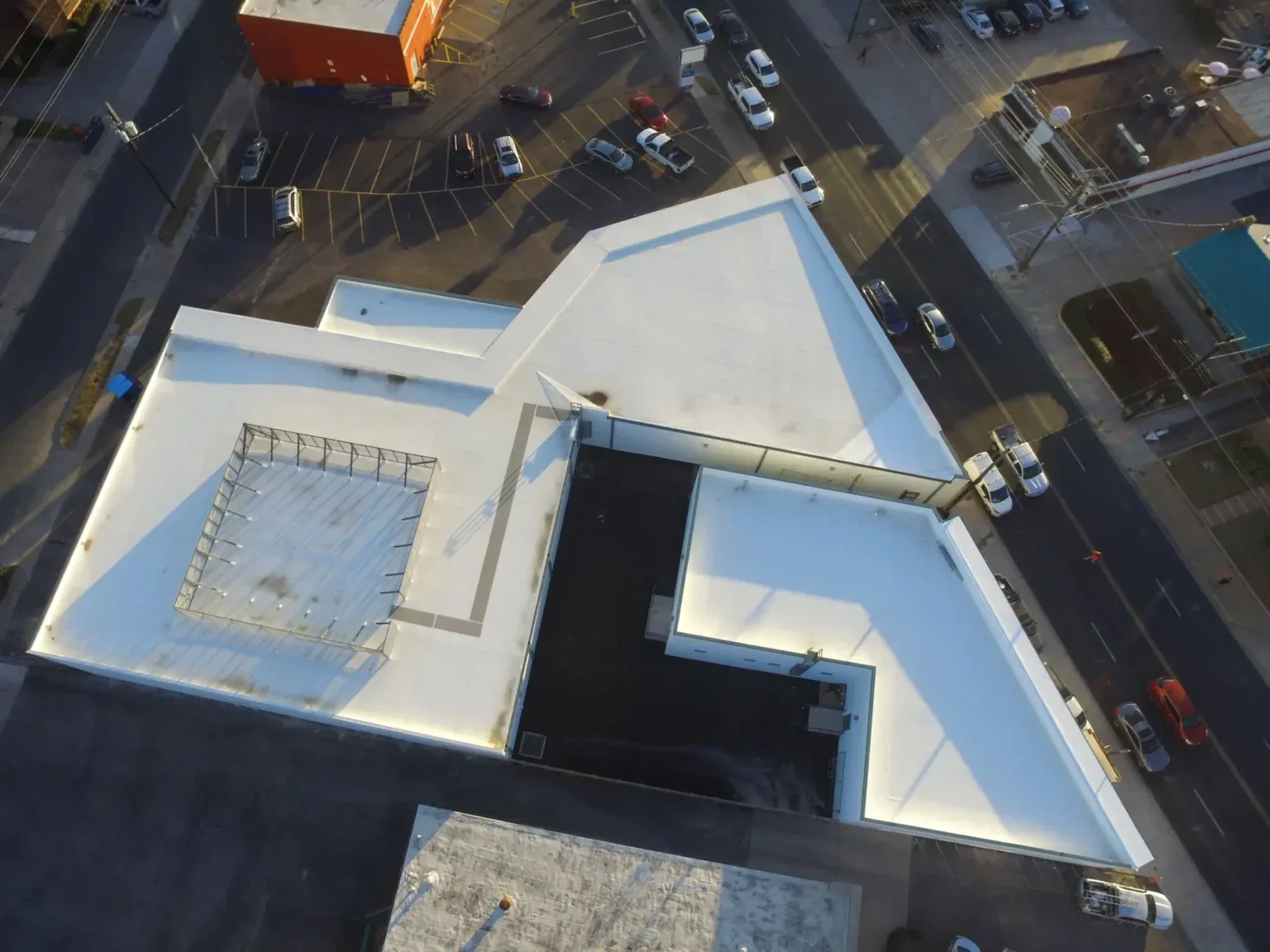
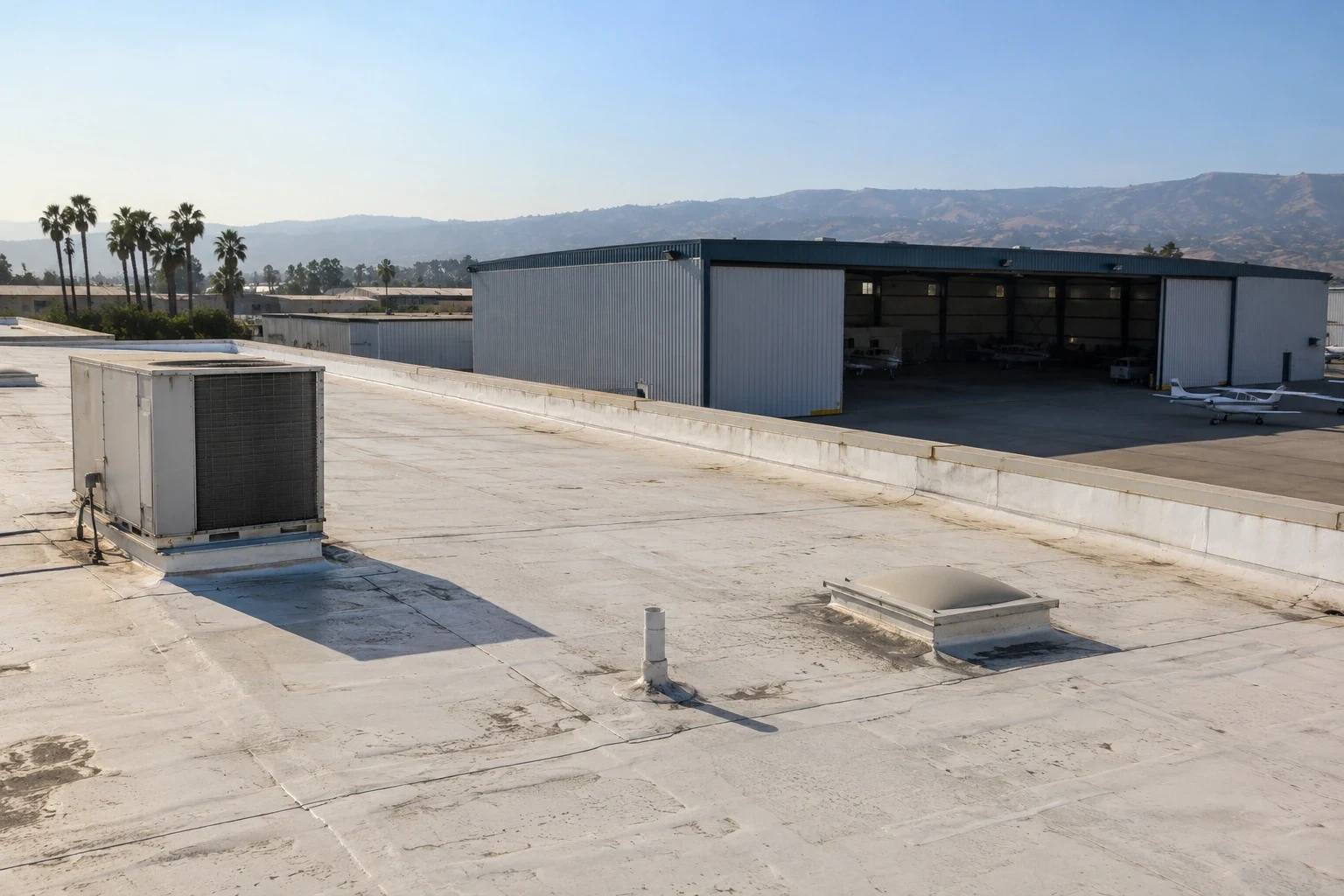
A hangar roof and an administrative roof can share a campus while carrying different structures, drainage, access, and interior consequences. We start with available plans and prior repair records, then divide the roof into assemblies and zones that can be inspected and priced separately. On a hangar, clear-span framing and large door openings may affect staging and the interior protection plan. On an office or support building, rooftop equipment, penetrations, and occupied rooms can drive the sequence instead. The 60th Air Mobility Wing's mission context does not tell us what any particular roof contains. A field review confirms the membrane or metal system, insulation layers where visible, edge conditions, drains, and previous work before the owner compares repair with renewal. For a broader portfolio, the government-building roof record can group support properties without treating them as interchangeable.
Record Findings Without Guessing at Concealed Layers
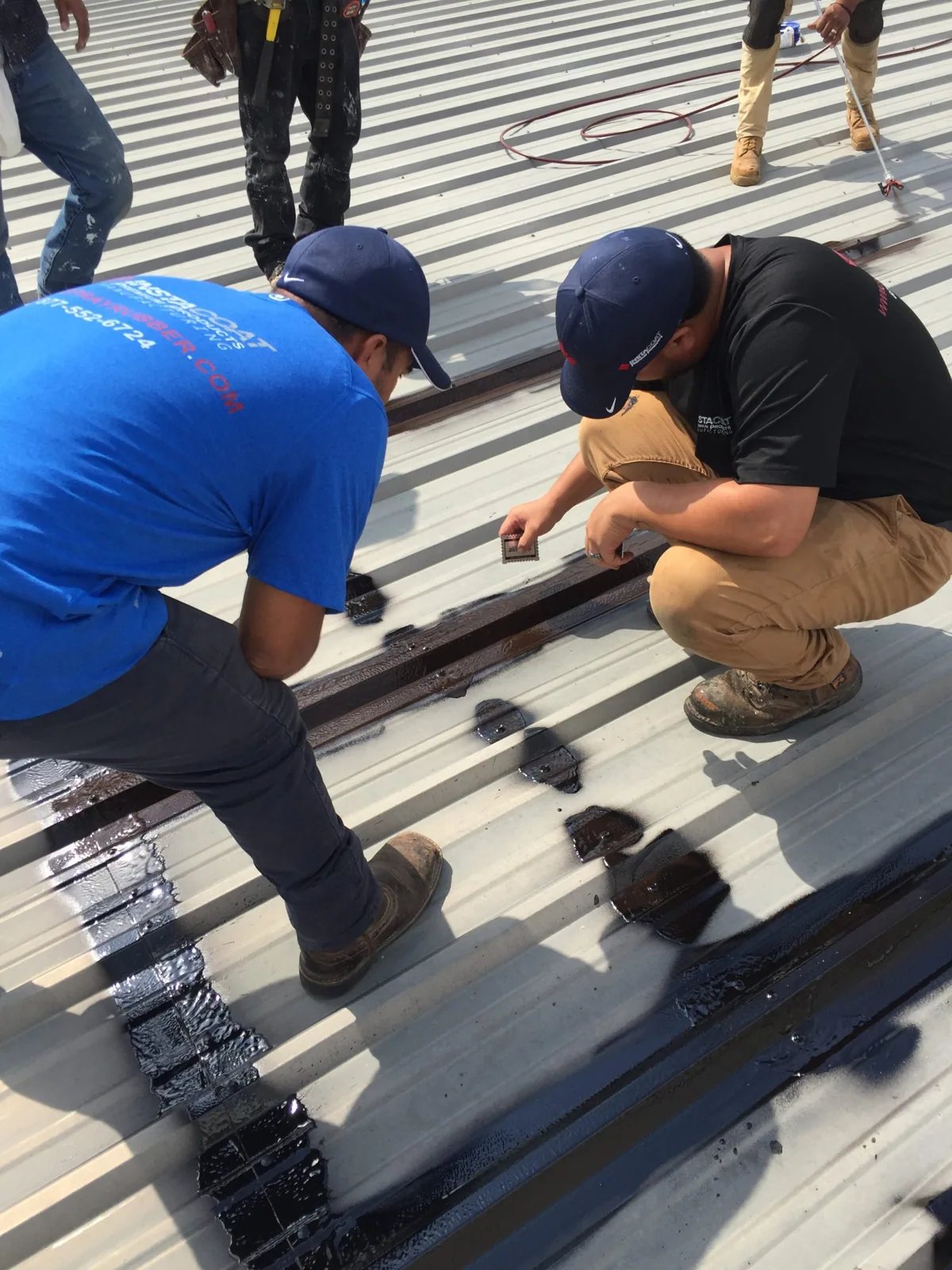
Open seams, loose edge metal, punctures, failed sealant, and clogged drains can look similar from below, but they do not call for the same scope. We photograph each observed condition, identify the roof zone, and distinguish a visible defect from a suspected entry point that needs testing. Where moisture is possible beneath the surface, an infrared survey or targeted test can help define the repair boundary; the report should state what was tested and what remains unknown. On a controlled installation, the designated facility contact should approve any weather-driven access or schedule adjustment before crews change the planned roof zone. Vallejo averages no rainfall in July and August. Use that dry period to inspect low points and clear drainage before wetter months. A condition report keeps the evidence beside the assembly record, and a commercial roof inspection can compare roof-level findings with the owner's plans. This record gives the facility team a basis for deciding whether a focused repair can serve the current budget window.
Coordinate Work With Aircraft and Support Operations
Work above an active installation calls for a written access plan before material or equipment arrives. The owner identifies escort requirements, badging, permitted routes, laydown areas, lift restrictions, work hours, and any zones that cannot be entered. We use those constraints to sequence roof sections, protect nearby equipment, manage debris, and coordinate hot work or other controlled activities when the scope requires them. The installation authority sets access and contract requirements before mobilization; the approved roof scope follows those controls. If a building cannot be reached during the first visit, the closeout record names the uninspected zone instead of treating it as clear. A phased occupied-building work plan can help limit disruption to staff and adjacent operations while preserving a safe path through each stage. Military Ocean Terminal Concord, or MOTCO, has separate tidal and inland areas, terminal wharves, and rail connections. That nearby Army installation is not an Air Force facility, but its distinct freight and access setting reinforces why each owner's approved routes and roof zones must be confirmed rather than assumed.
Compare Repair, Recovery, and Full Renewal
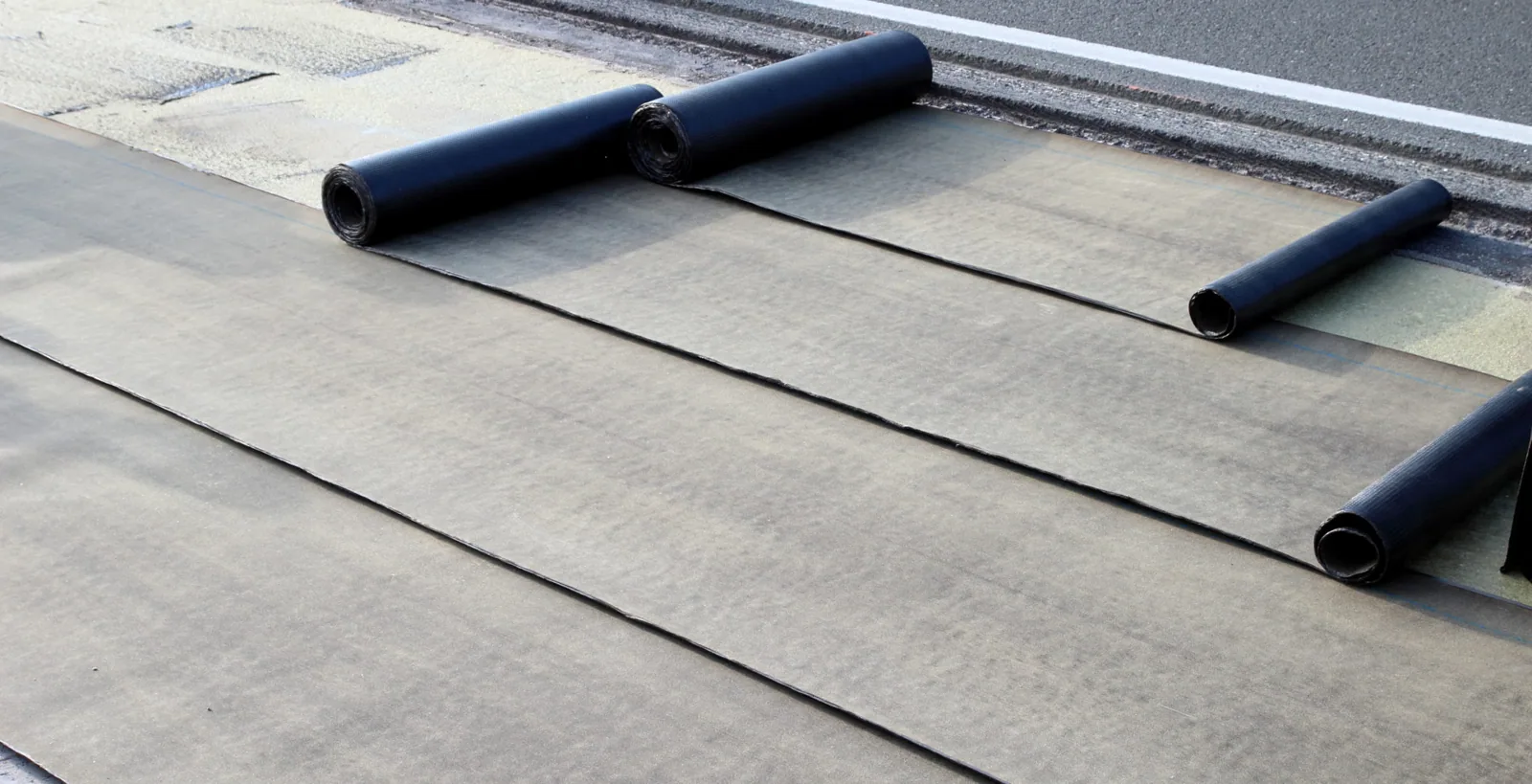
A repair scope can be appropriate when damage is localized, surrounding membrane remains serviceable, and the wet area can be bounded. A recovery may be considered only after the existing assembly, attachment, moisture, drainage, and code conditions are checked. A replacement scope becomes more compelling when failures recur across multiple zones, insulation or deck concerns are widespread, or details no longer support dependable repairs. We describe those conditions without assuming that an airfield roof or maintenance building has a particular system. For a membrane assembly, a TPO option may be compared with other systems on attachment, movement, detailing, and maintenance needs. The owner can then compare disruption, service life expectations, procurement timing, and the consequences of carrying a repair allowance into the next budget cycle.
Build the Capital Window From Documented Conditions
Budget timing improves when the report separates immediate water-entry work from planned renewal. Each line item should identify its roof zone, observed issue, recommended action, access assumption, and any test or approval still needed. Lead time, weather window, material handling, escorts, and coordination with base operations can change the sequence even when the roof area is known. We can group related work by building function, but the owner should retain a separate record for each roof assembly and condition trend. A roof capital plan can carry priorities into the next review without turning a long-range schedule into a promise about concealed conditions. If new leaks or movement appears, the condition record can be updated before the annual allocation is finalized.
Close Each Roof Zone With a Usable Record
Closeout should show the work completed, photographs of repaired details, material information, inspection observations, and any area left outside the approved scope. We note changes to drains, curbs, edges, penetrations, and roof access so the next inspection starts from a reliable assembly record. On a base with aircraft and mission-support functions, this handoff also records the agreed access and operational sequence for future work. That information helps a facility manager compare later findings against the present condition instead of relying on a general completion date. For an installation near the Vallejo region, the decision still belongs to the individual owner and authority: plans, access approvals, and field findings determine the actual repair, recovery, or replacement scope.
Commercial Roofing Questions
What roof information should accompany an Air Force building survey?
We record the assembly, roof zones, drains, penetrations, edge details, prior repairs, and any limits on access. Available plans and leak history help us compare the field with the existing record. The report identifies observed defects separately from suspected concealed moisture and names any test needed before a repair or renewal scope is set.
How can hangar roof work be sequenced around aircraft operations?
The facility team identifies controlled areas, access windows, equipment routes, and restrictions first. We can then divide work into zones, coordinate lifts and material staging, and define how debris and weather exposure will be managed. The sequence depends on the approved operating plan and roof condition, so the scope records assumptions that still need confirmation.
When does a coating or recovery make sense for an installation roof?
A coating or recovery is considered only after the existing assembly, moisture, attachment, drainage, and detail condition have been reviewed. If defects are isolated and the substrate is suitable, a limited restoration may remain an option. Widespread wet insulation, recurring seam failures, or unsuitable existing layers can point toward replacement instead.
What should the closeout package include for later capital reviews?
Keep the final scope, zone photographs, repair details, material records, inspection notes, and access constraints together. We identify excluded or uninspected areas and any follow-up testing. That gives a later budget review a useful starting point and helps the owner compare new observations with the assembly and condition record from this project.
Review Roof Details With the Facility Team
Arrange a roof review with available plans, repair history, access requirements, and budget timing so each building can be evaluated on its own condition.
Request a Roof Assessment
Questions About Commercial Air Force Base Roofing in Vallejo, CA
Common questions from building owners and property managers.
What roof information should accompany an Air Force building survey?
We record the assembly, roof zones, drains, penetrations, edge details, prior repairs, and any limits on access. Available plans and leak history help us compare the field with the existing record. The report identifies observed defects separately from suspected concealed moisture and names any test needed before a repair or renewal scope is set.
How can hangar roof work be sequenced around aircraft operations?
The facility team identifies controlled areas, access windows, equipment routes, and restrictions first. We can then divide work into zones, coordinate lifts and material staging, and define how debris and weather exposure will be managed. The sequence depends on the approved operating plan and roof condition, so the scope records assumptions that still need confirmation.
When does a coating or recovery make sense for an installation roof?
A coating or recovery is considered only after the existing assembly, moisture, attachment, drainage, and detail condition have been reviewed. If defects are isolated and the substrate is suitable, a limited restoration may remain an option. Widespread wet insulation, recurring seam failures, or unsuitable existing layers can point toward replacement instead.
What should the closeout package include for later capital reviews?
Keep the final scope, zone photographs, repair details, material records, inspection notes, and access constraints together. We identify excluded or uninspected areas and any follow-up testing. That gives a later budget review a useful starting point and helps the owner compare new observations with the assembly and condition record from this project.