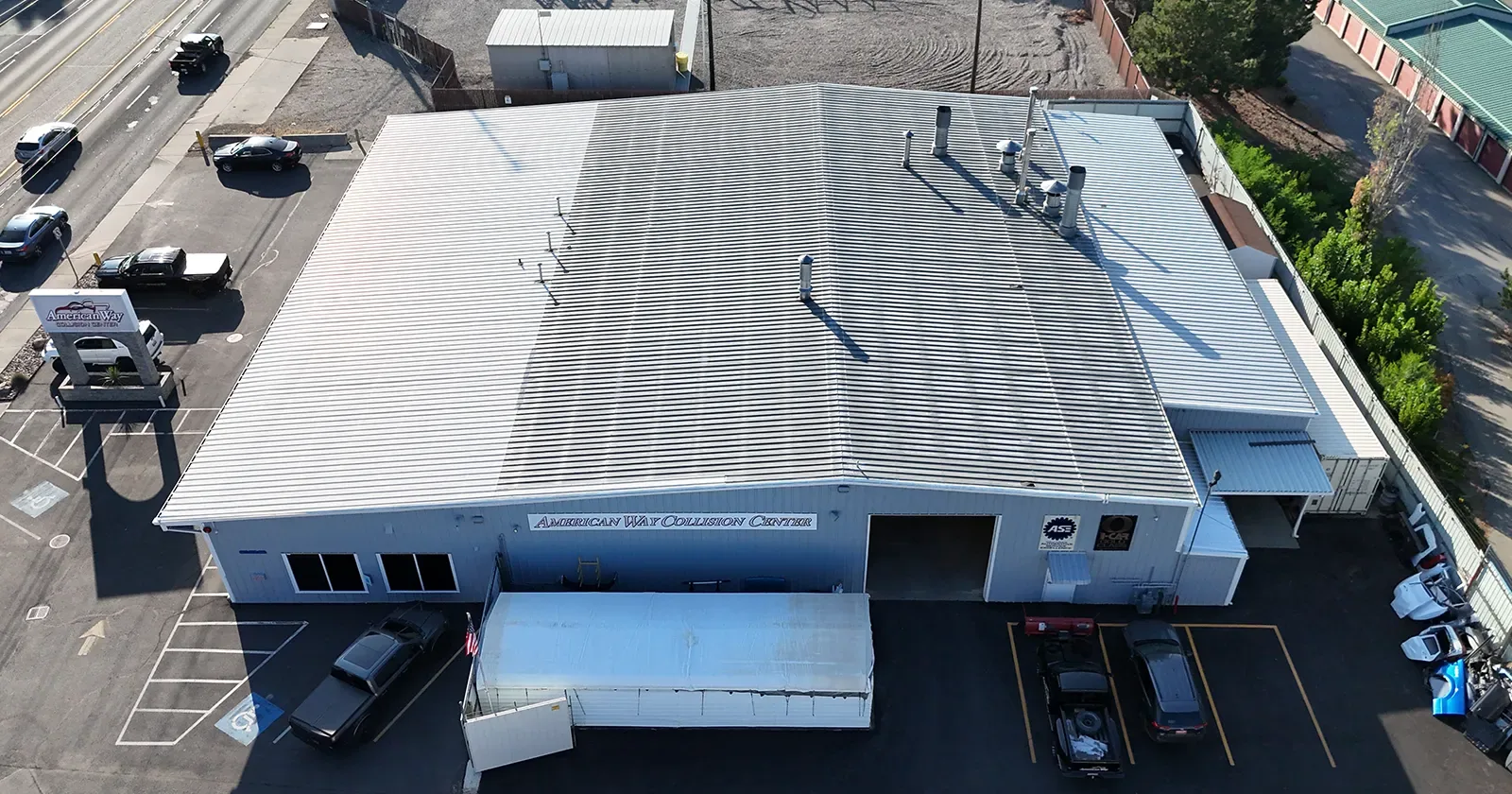
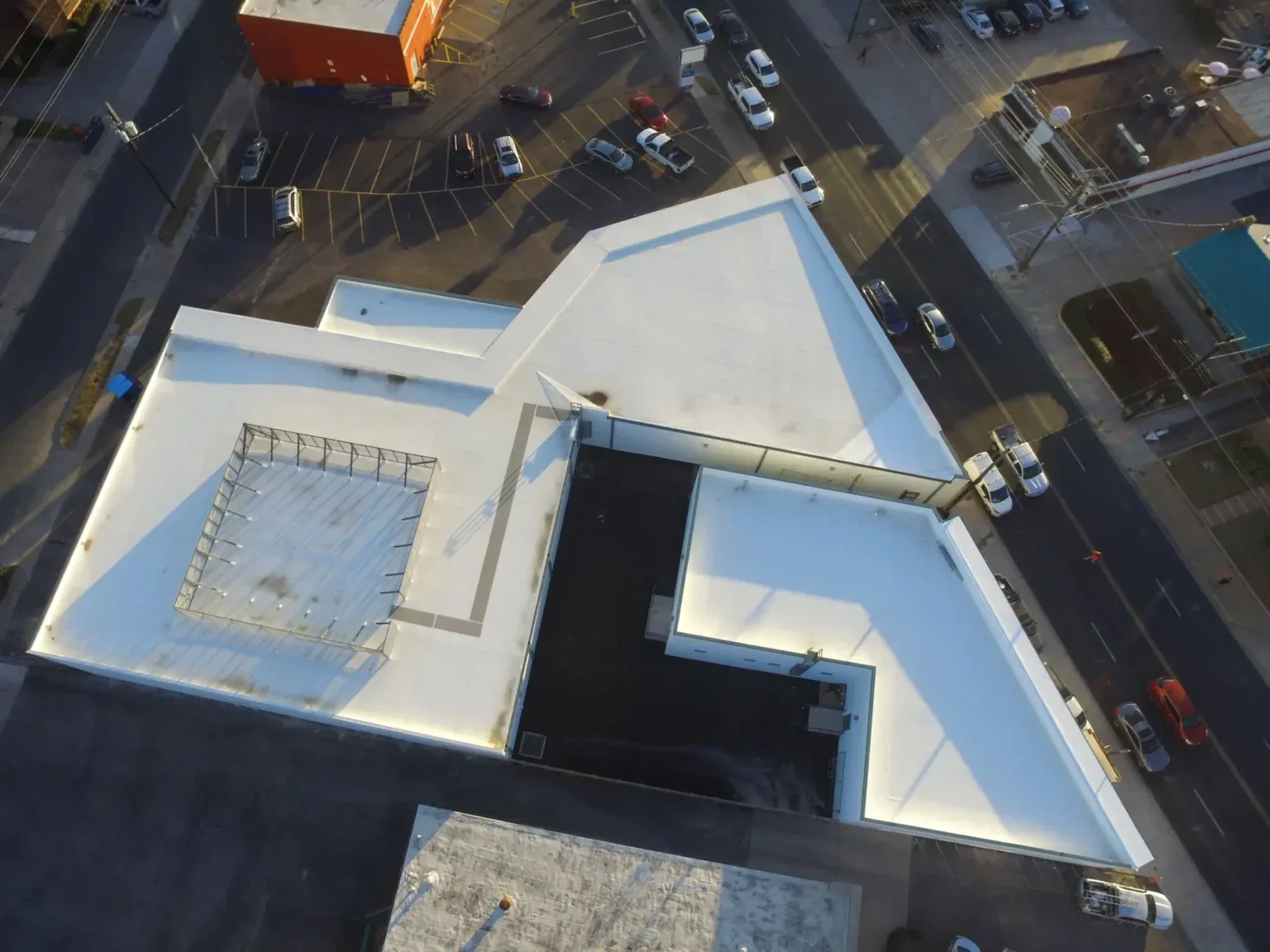
Fitness Center Roofing in Vallejo, CA
Plan fitness center roof maintenance or renewal in Vallejo with attention to HVAC equipment, occupied areas, drainage, and operating hours.
Why Commercial Roofing Vallejo?
Fitness Center Roofing in Vallejo, CA
Occupant comfort shows up quickly when a fitness center roof leaks or disrupts ventilation. A stain above an exercise floor, water near a locker room, and a service issue at rooftop HVAC can call for different checks and work windows. In Vallejo, CA, we review the building's operating hours, available roof plan, equipment records, and repair history before assigning a repair boundary. The site walk maps visible conditions by zone and connects them to interior use, so ownership can choose a practical maintenance or renewal path.

Map Occupied Areas and Mechanical Zones
A fitness building may contain open exercise space, studios, locker rooms, offices, and equipment areas. We confirm the actual layout with management and map rooftop units, duct transitions, plumbing vents, skylights, drains, and access paths. Equipment servicing can affect curb flashing or membrane details, so work coordination is recorded with the roof assembly. If a pool, spa, or other high-moisture use is present, we note the interior conditions and coordinate any needed review of vapor and ventilation with the facility team.
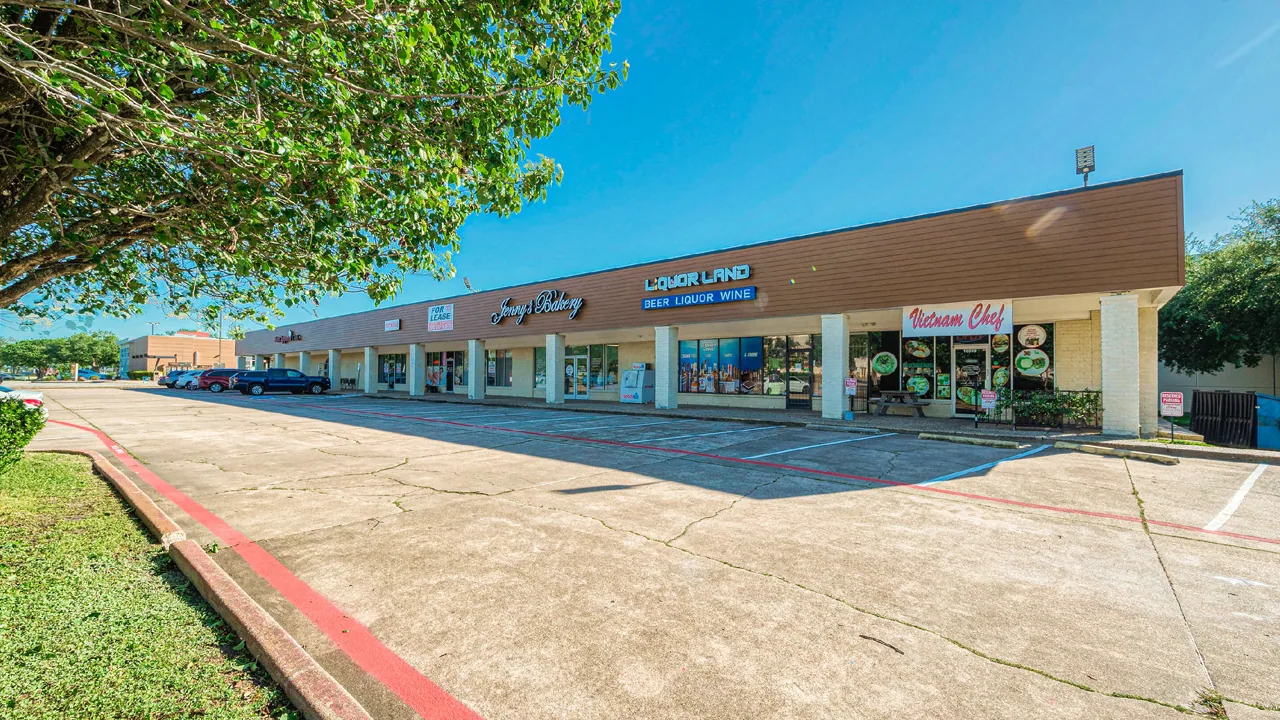
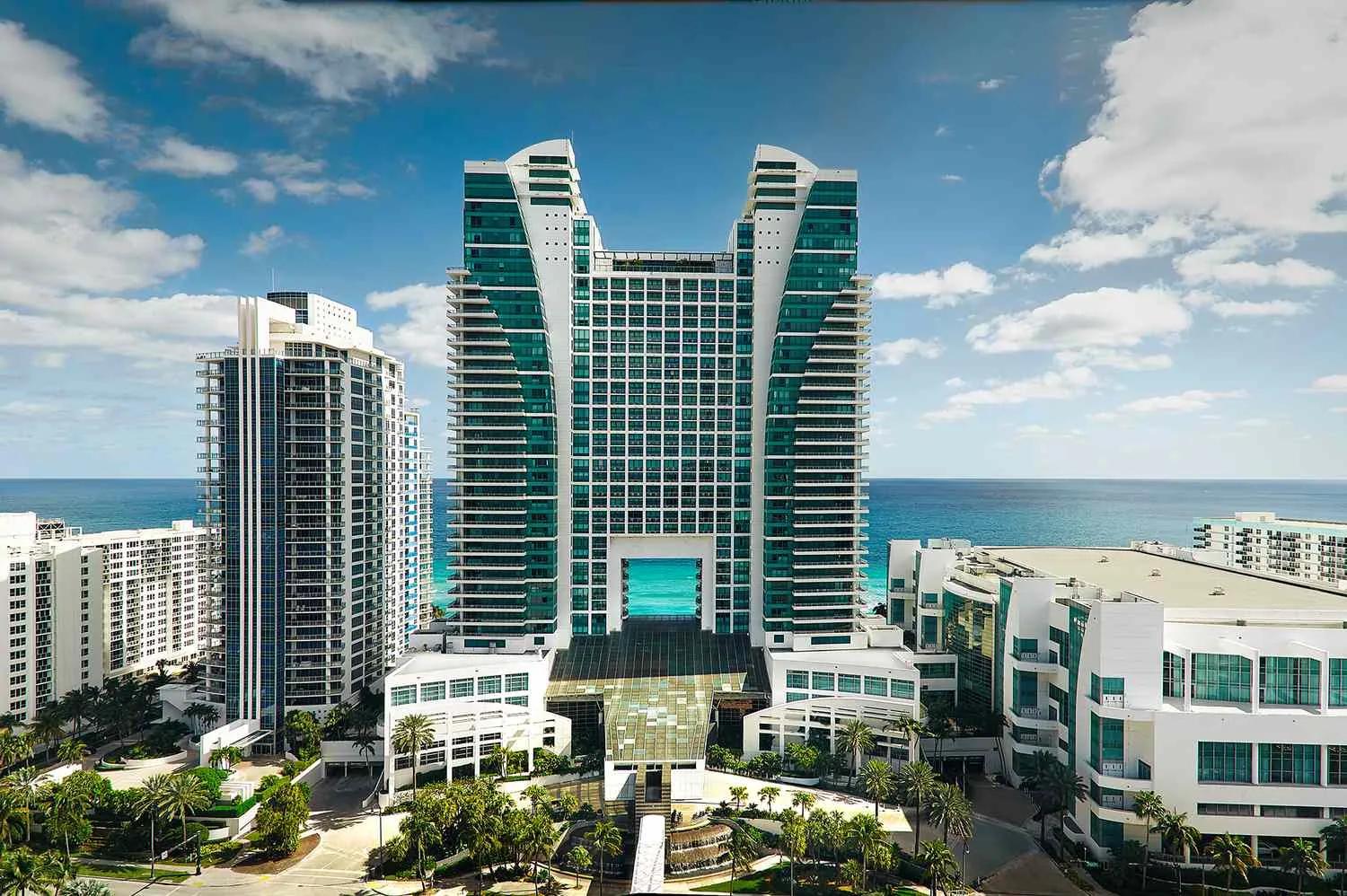
In the White Slough plan, Zone 2 follows the Sonoma Boulevard segment between the Sereno Drive area and Redwood Street, with service and retail uses among the permitted categories. The Vallejo Waterfront has a different mix of office, residential, and open-space components. These district settings can shape parking and access questions, but the site walk confirms a fitness facility's actual use and roof assembly. A shopping-center roof review may involve common-area access, while a hotel roof assessment can share occupied-building planning needs.
Check Equipment Curbs and Drainage
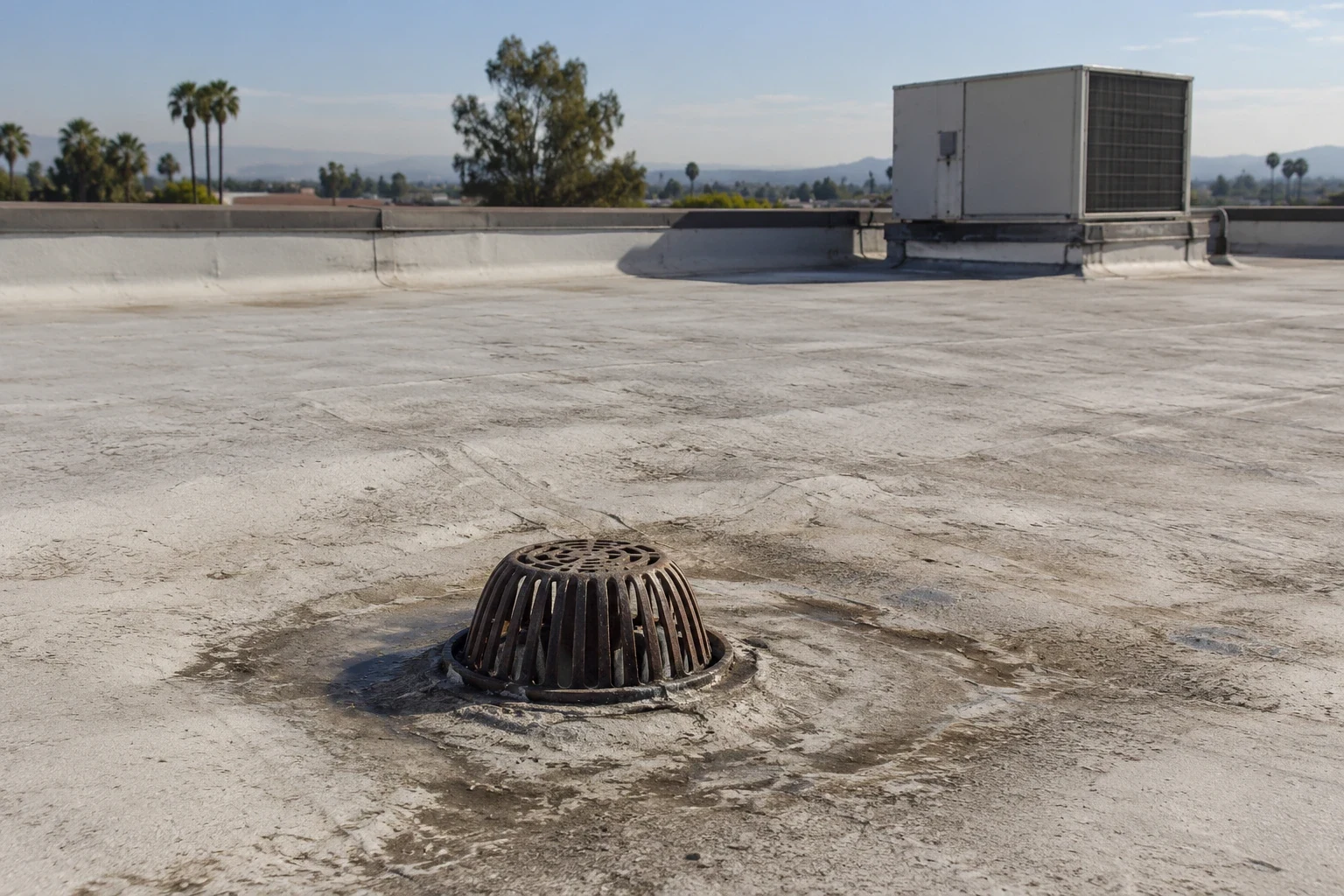
Fitness centers can operate HVAC and ventilation equipment for long periods, making curb details, service paths, and flashing important inspection points. We look for open seams, worn patches, loose counterflashing, ponding, blocked drains, and damage near equipment access. A leak over an exercise floor may travel from a different roof area, so we compare interior reports with roof elevations and water paths. Photos linked to zone labels let management compare findings over time and identify repeat defects. Coordinate the close-in point with class and locker-room schedules; the facility contact should approve any work-window change before an occupied space is affected. We check low points and outlets before seasonal rain, using that pattern as a planning reference rather than a property-specific forecast. A roof inspection can map visible conditions, and a drain and scupper review can determine whether cleaning or correction belongs in the work scope. If moisture appears below a membrane, testing can help separate surface damage from wet insulation.
Schedule Around Classes and Member Access
The work sequence identifies class schedules, open hours, member entrances, loading and service access, and areas needing interior protection. We mark where material can be lifted, how debris leaves the roof, and which roof sections close at the end of a shift. A noisy repair above a studio may need a different window from work over an office or equipment room. Management can set a contact for member notices and field updates so a change to one zone does not disrupt the entire schedule.
Emergency response is available at any hour, including holidays, if an active leak or unexpected roof opening needs attention. We stabilize the area, communicate the affected zone, and record permanent work still required. For a fitness property in the Vallejo Waterfront area, the property contact confirms actual delivery, lift, and entrance arrangements before crews mobilize. A roofing sequence for an operating fitness center records the access and close-in plan.
Match the Repair to the Building Use
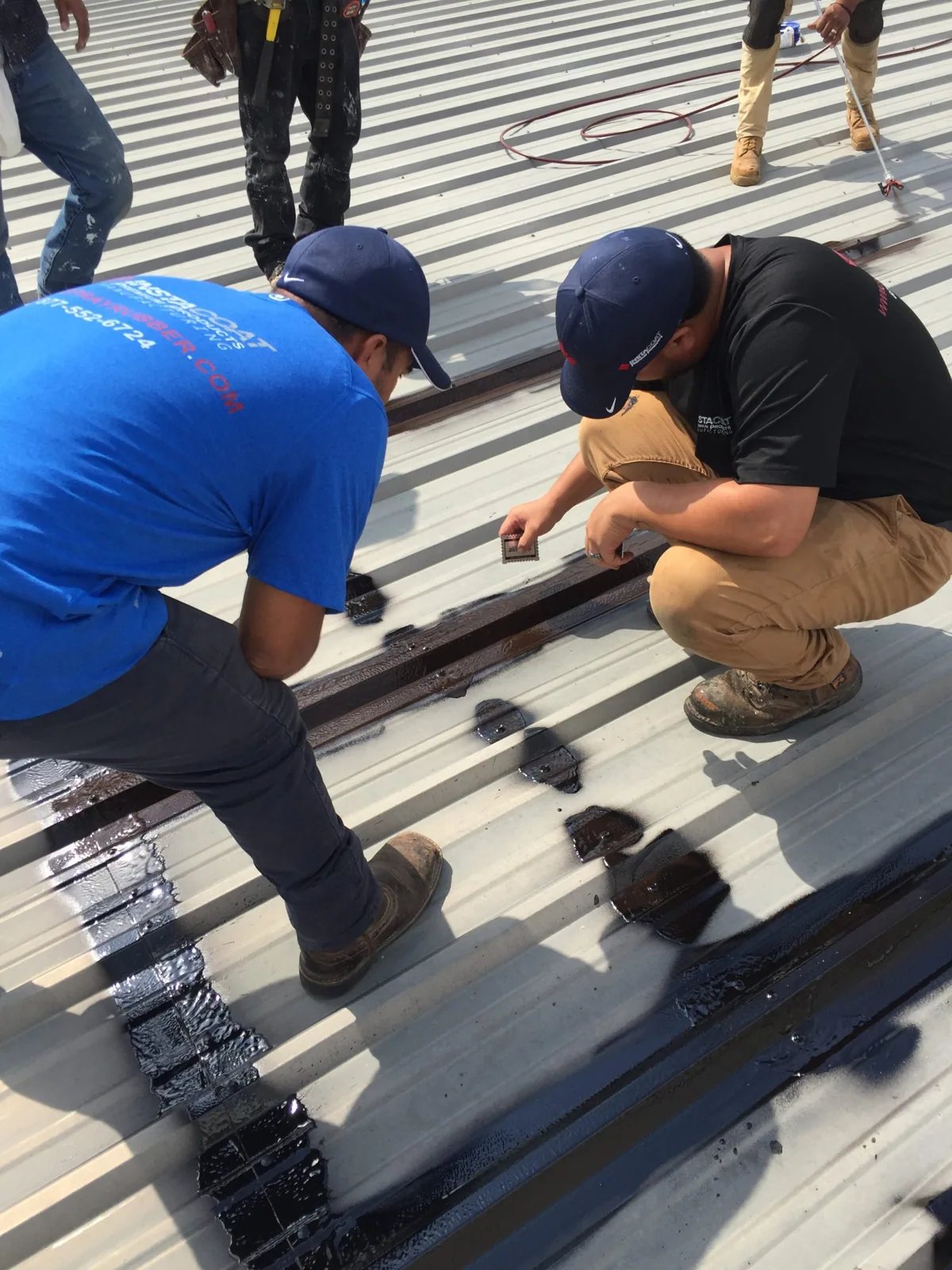
A localized leak at a curb or seam may support repair if surrounding material is stable. We define patch limits, compatible materials, flashing transitions, and whether equipment service needs coordination. Repeated leaks over several areas, widespread moisture, or deteriorated deck can make testing or broader renewal more useful. The condition report identifies what is confirmed and which additional observation could change the recommendation, keeping the repair boundary tied to evidence.
Recover and replacement depend on existing layers, moisture, attachment, deck condition, drainage, added height, and equipment clearance. A new roof should preserve access for HVAC service and coordinate penetrations, support details, and drain elevations. Where reflectivity or heat management is part of the project goal, a cool roof installation can be compared with other assembly options against the roof's actual design requirements. A curb and rooftop equipment scope records work at those interfaces.
Connect Roof Work to the Facility Calendar
Cost and schedule vary with roof layers, insulation, deck repairs, equipment count, drain corrections, material staging, and the hours available for noisy work. Fitness classes, member peaks, and equipment shutdowns can also limit access. We state those drivers by zone and identify concealed conditions that may alter the scope after removal. If work is phased, the owner receives a map of areas completed, temporary tie-ins, and maintenance needed before the next budget release. The project review records class schedules, locker-room protection, equipment shutdowns, and roof-zone phasing assumptions. The plan-check date determines the applicable edition. We coordinate permit review with the class calendar and equipment schedule. A emergency repair plan can address active water entry while ownership sets a longer-term capital window.
Keep the Member Impact in the Roof File
Closeout should record the installed or repaired assembly, roof-zone photos, drain and curb details, work limits, and remaining maintenance items. We include access restrictions, class or event windows that affected the sequence, and equipment work coordinated during the project. Those notes help the next property manager plan service without repeating the same operational review. If the property has multiple connected buildings, each roof's assembly and condition trend stays identifiable.
For a property in the Sonoma Boulevard Corridor or near the Vallejo Waterfront, local access context can guide early planning. The building's roof walk establishes actual assembly and condition. Arrange a site review with plans, repair history, equipment records, operating hours, access needs, and budget timing. We will map the findings and prepare maintenance, repair, testing, or renewal steps that management can schedule around member use.
Commercial Roofing Questions
Can roof repairs be scheduled around fitness classes?
We map class hours and occupied areas against the roof work zone, staging route, noise, and interior protection needs. The plan sets each day's open limit and close-in time, then identifies which classes or entrances may be affected. Management can share member notices using those specifics. The work window follows roof conditions and the protection needed for the area below.
What should an inspection check around HVAC units?
We review curbs, flashing, seams, equipment supports, service paths, and nearby drainage. If a unit has been replaced or moved, its tie-in should be compared with the roof record. We photograph each detail by zone and identify any area requiring testing. This lets the facility coordinate future equipment service without losing track of roof transitions.
Could moisture in a studio come from the roof or indoor humidity?
Both can affect a symptom, so we compare roof condition with interior ventilation and humidity observations from the facility. We inspect seams, penetrations, insulation indicators, and drainage above the affected space. If the source remains uncertain, a moisture survey or selective opening can help define the roof condition before choosing a repair boundary.
Can a fitness center reroof without closing the building?
Phasing can keep some areas operating if access, weather protection, noise, and interior use permit it. We identify sections that can open and close during each shift and coordinate equipment access and member routes. If a particular area cannot stay occupied safely during overhead work, the schedule should state its closure window and the notice the facility will provide.
What details should the owner keep after roof work?
Retain the assembly description, roof-zone photos, curb and drain details, repair dates, test results, and maintenance items. Include any equipment changes and operating windows that shaped the work. These records help ownership compare future condition reports and set the next service or capital decision with the member schedule in view.
Review the Fitness Center Roof Record
Arrange a site walk with plans, repair history, equipment schedules, operating hours, access needs, and budget timing. We will map conditions by zone and prepare a scope that fits the facility's operating calendar.
Request a Roof Assessment
Questions About Fitness Center Roofing in Vallejo, CA
Common questions from building owners and property managers.
Can roof repairs be scheduled around fitness classes?
We map class hours and occupied areas against the roof work zone, staging route, noise, and interior protection needs. The plan sets each day's open limit and close-in time, then identifies which classes or entrances may be affected. Management can share member notices using those specifics. The work window follows roof conditions and the protection needed for the area below.
What should an inspection check around HVAC units?
We review curbs, flashing, seams, equipment supports, service paths, and nearby drainage. If a unit has been replaced or moved, its tie-in should be compared with the roof record. We photograph each detail by zone and identify any area requiring testing. This lets the facility coordinate future equipment service without losing track of roof transitions.
Could moisture in a studio come from the roof or indoor humidity?
Both can affect a symptom, so we compare roof condition with interior ventilation and humidity observations from the facility. We inspect seams, penetrations, insulation indicators, and drainage above the affected space. If the source remains uncertain, a moisture survey or selective opening can help define the roof condition before choosing a repair boundary.
Can a fitness center reroof without closing the building?
Phasing can keep some areas operating if access, weather protection, noise, and interior use permit it. We identify sections that can open and close during each shift and coordinate equipment access and member routes. If a particular area cannot stay occupied safely during overhead work, the schedule should state its closure window and the notice the facility will provide.
What details should the owner keep after roof work?
Retain the assembly description, roof-zone photos, curb and drain details, repair dates, test results, and maintenance items. Include any equipment changes and operating windows that shaped the work. These records help ownership compare future condition reports and set the next service or capital decision with the member schedule in view.