Cool Roof Installation in Vallejo, CA
Plan a reflective commercial roof in Vallejo, CA with substrate, drainage, and building-use decisions tied to the existing assembly and budget window.
Why Commercial Roofing Vallejo?
Cool Roof Installation in Vallejo, CA
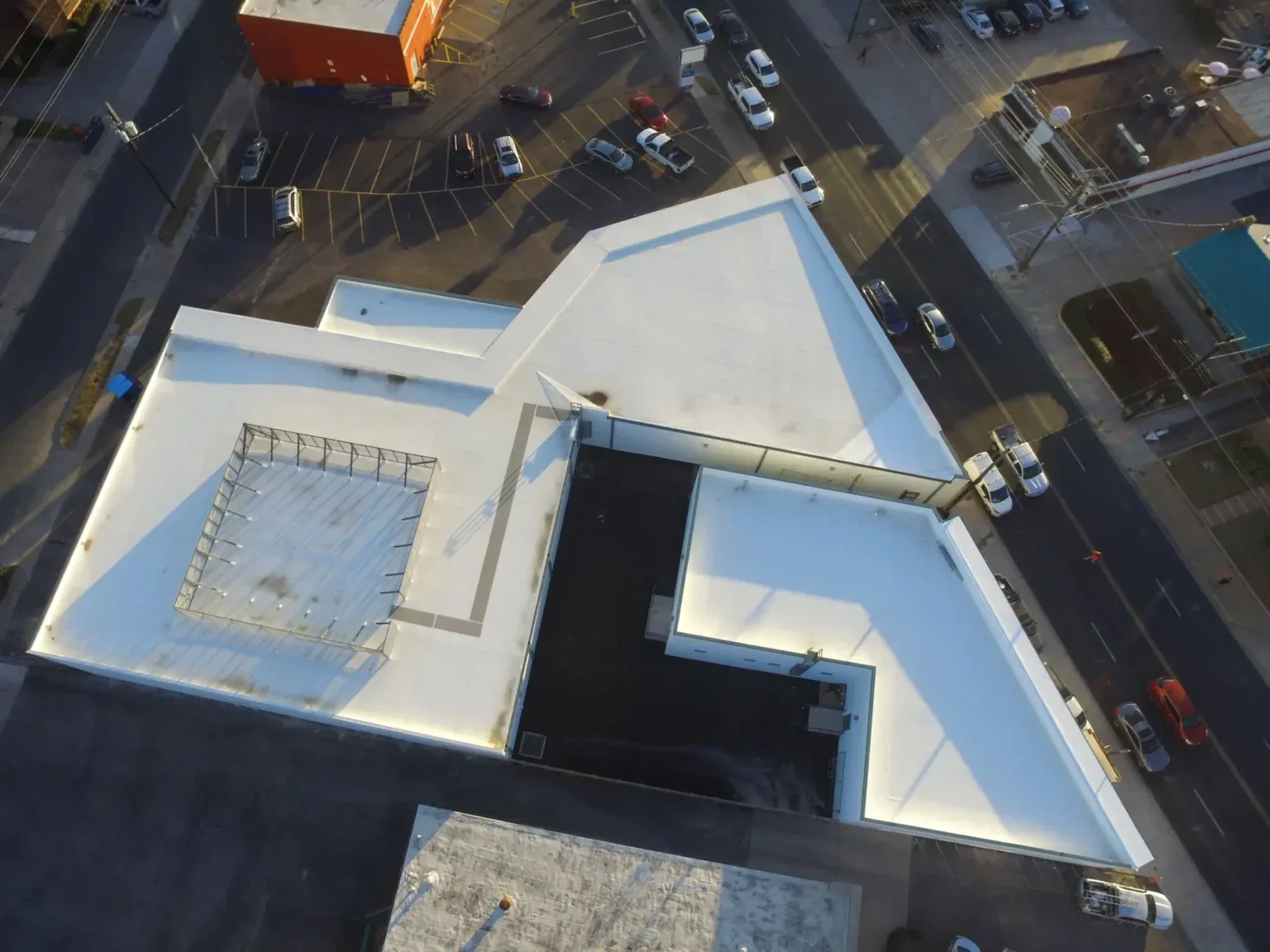
Reflective roofing is a surface choice with consequences for the whole assembly. A bright finish can reflect more sunlight than a darker surface, but its value depends on insulation, roof condition, drainage, and how the building operates. Before a reflective surface is applied, confirm the substrate, product temperature limits, dry conditions, and field preparation in the manufacturer’s current instructions. Vallejo station averages place summer highs near 85 to 87 degrees Fahrenheit, with no average rainfall in July and August. Consider that sun exposure when scheduling work, and evaluate energy goals against the building's actual assembly and operation. We inspect the existing membrane and identify repairs before comparing a reflective membrane, coating, or replacement system. On Mare Island, office, retail, and industrial spaces sit within one mixed employment area, so equipment access and tenant needs differ by building. A roof review in Vallejo, CA should connect finish selection to measured conditions and the property's budget cycle.
What the Roof Has to Serve
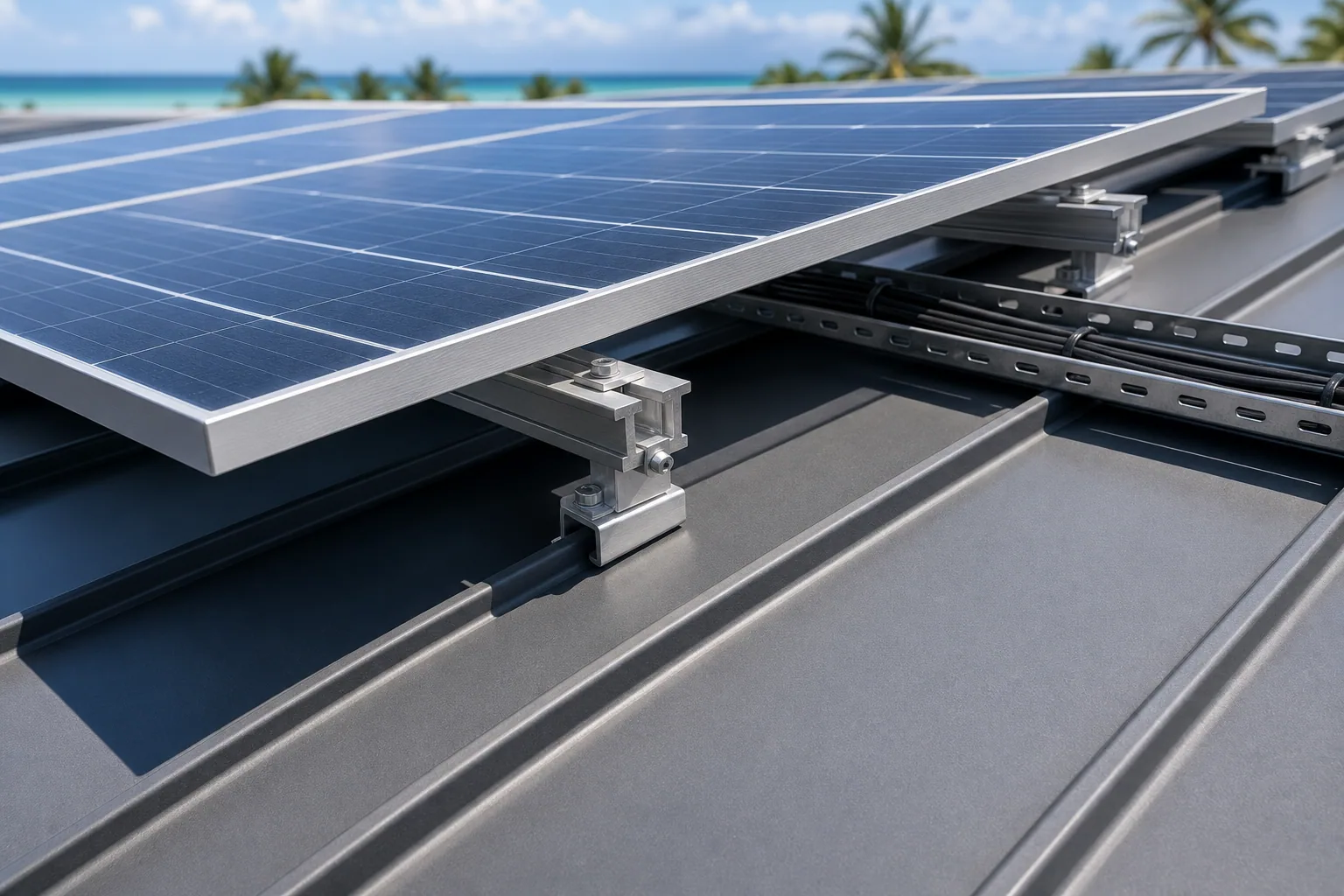
Begin with the building below the roof. A warehouse, office, retail property, and occupied medical space can have different internal loads, ventilation patterns, and hours of use. A reflective roof changes solar energy absorbed at the surface; it does not correct poor insulation, air leakage, equipment inefficiency, or drainage defects. We note roof zones, layers, insulation, penetrations, equipment, and spaces affected by heat complaints. Those observations help decide whether a coating or membrane renewal fits the owner's goal. The interior use matters because a surface improvement must be judged alongside the conditions occupants experience below it.
Mare Island includes business, office, retail, and industrial spaces, while Sonoma Boulevard is a commercial corridor. The site walk connects roof conditions to operating hours, tenant areas, and equipment schedules. A commercial roof inspection gives the owner a baseline before a surface change is priced.
Check the Membrane Before the Finish
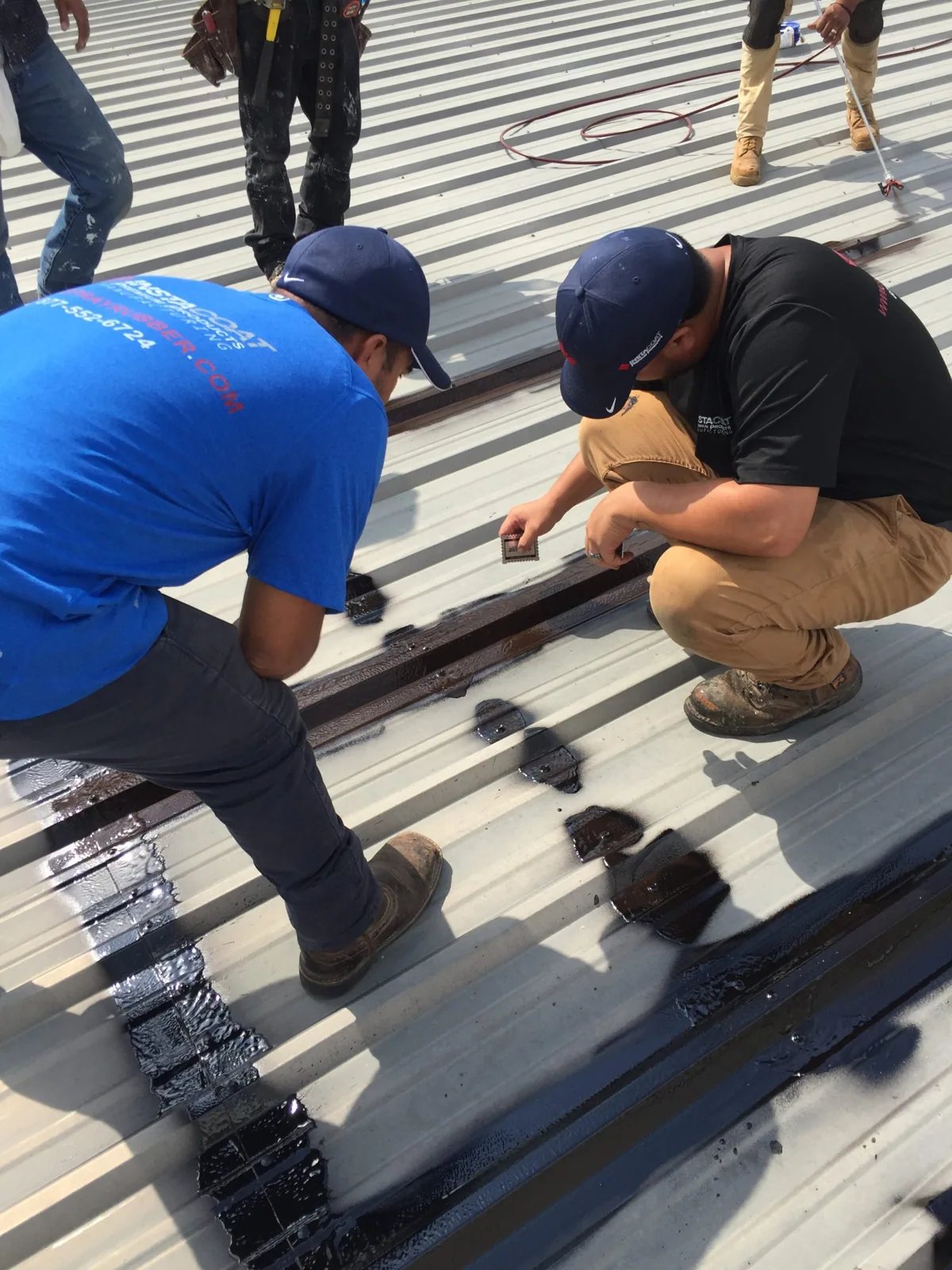
A reflective finish cannot restore a weak substrate. We inspect seams, laps, flashings, penetrations, drains, and repair patches, then identify moisture or attachment concerns that could affect the new surface. Coatings require a compatible, prepared substrate and sound details; a new single-ply membrane needs appropriate attachment and tie-ins. If the existing roof has several repair layers, document those zones before deciding whether to restore, recover, or remove them. The condition report should separate confirmed repairs from locations needing testing.
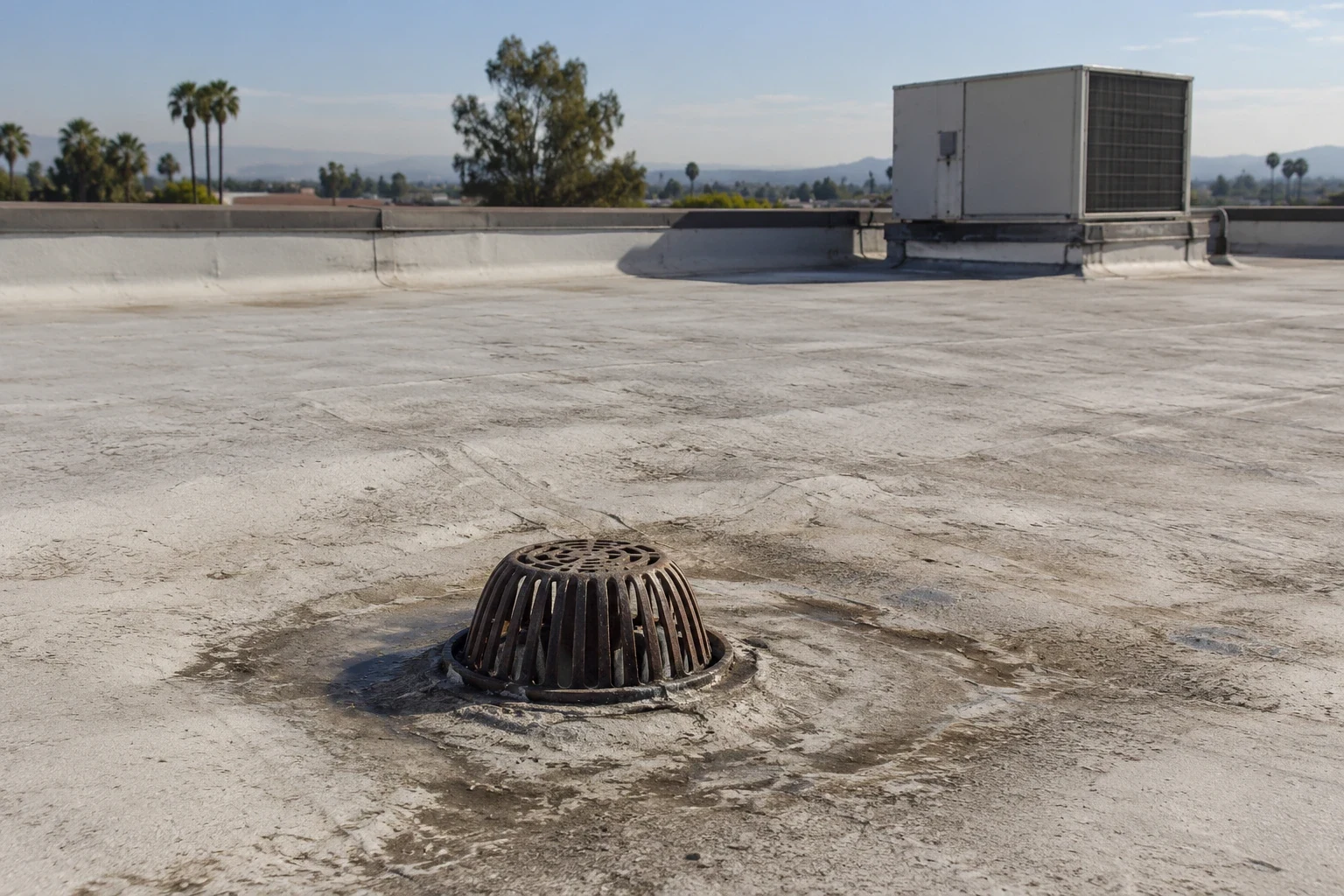
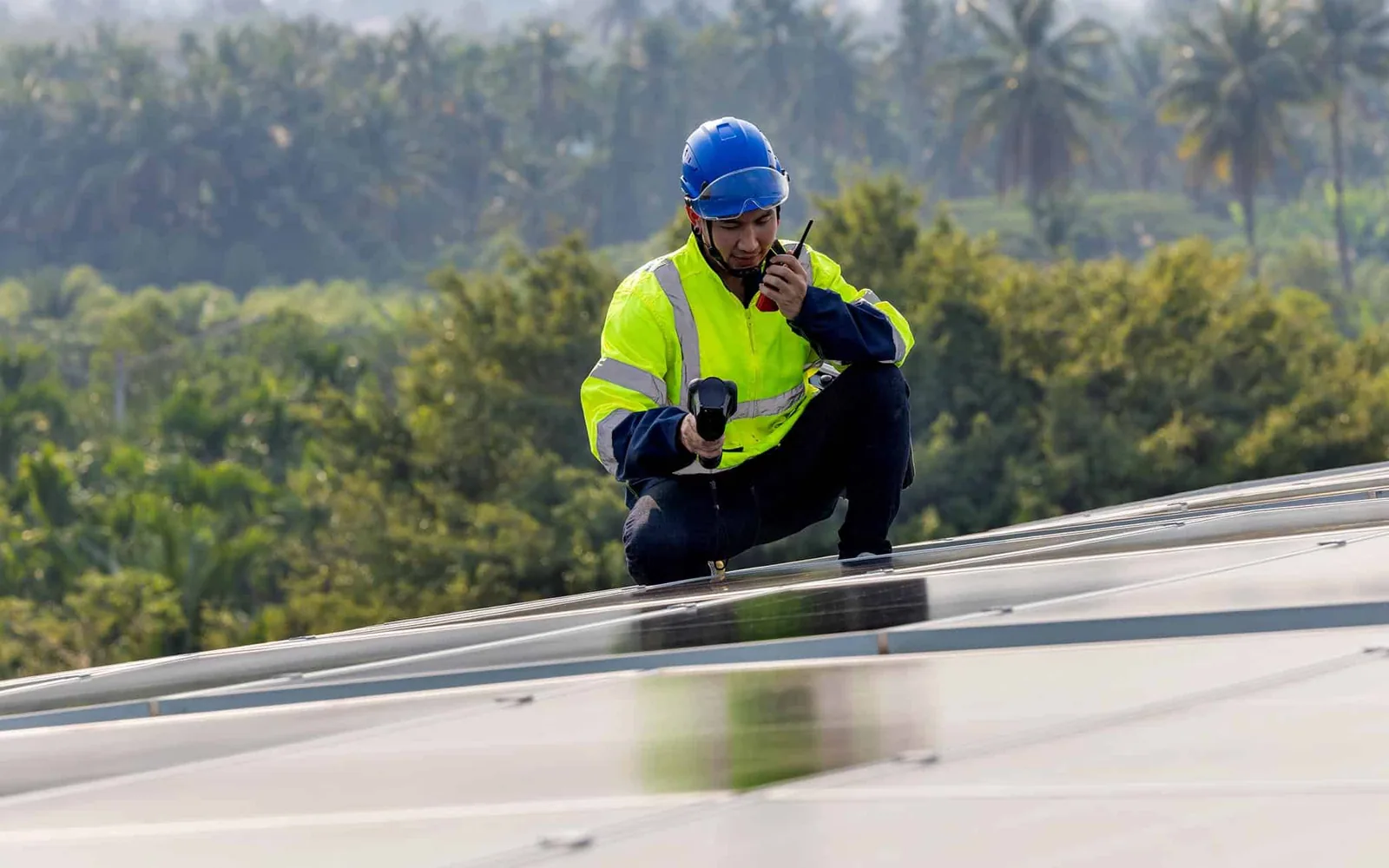
Vallejo's dry July and August station averages make drain condition and substrate preparation important checks before the wetter months. Before coating or installing a reflective membrane, confirm the substrate, product temperature limits, dry conditions, and field preparation in the manufacturer's current instructions. Check ponding and drainage paths before choosing a smooth reflective surface. A drain and scupper review can capture the water path, and an infrared moisture survey may help identify areas for additional evaluation when the assembly and conditions support it.
Compare Reflective Assemblies
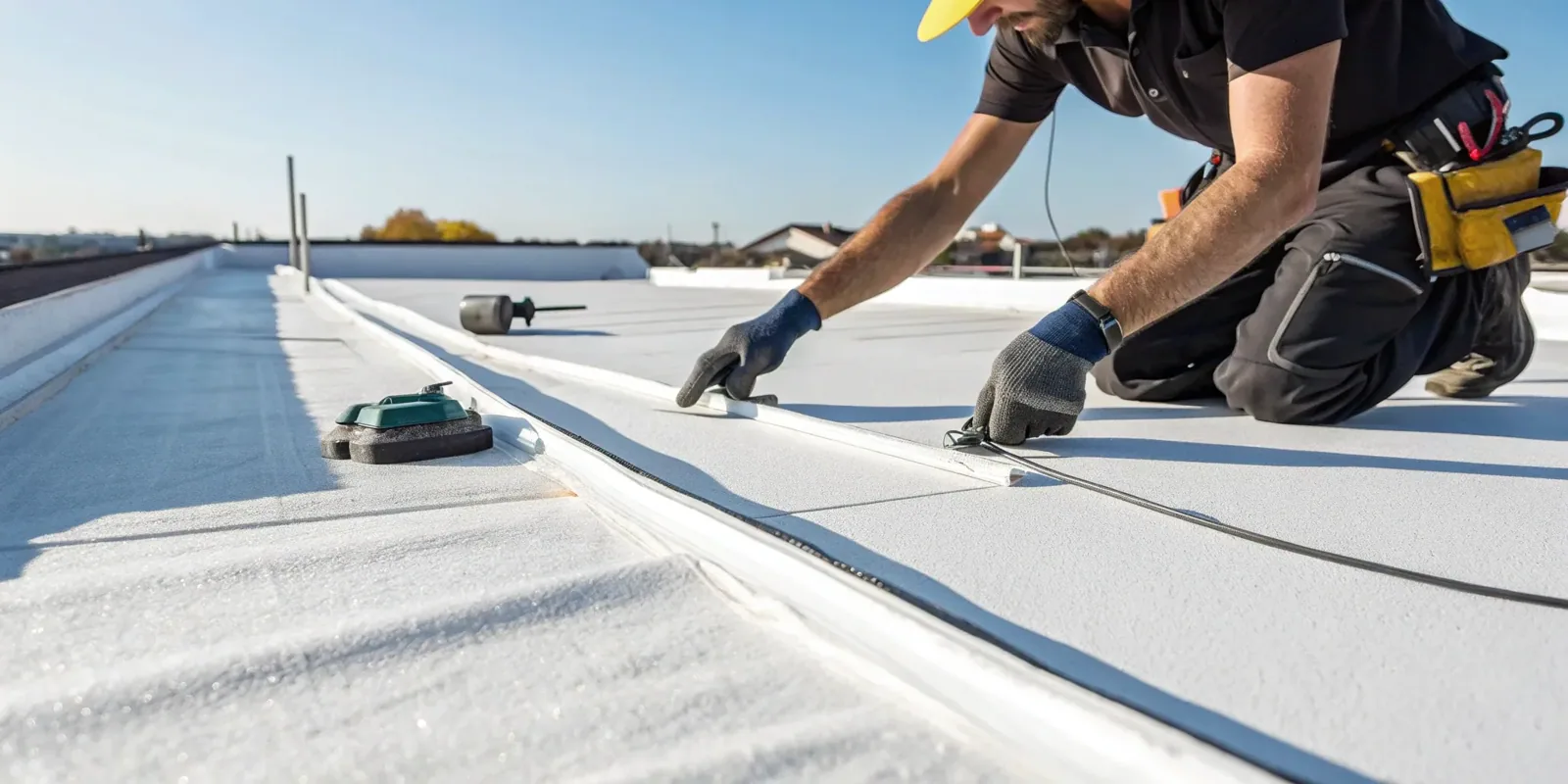
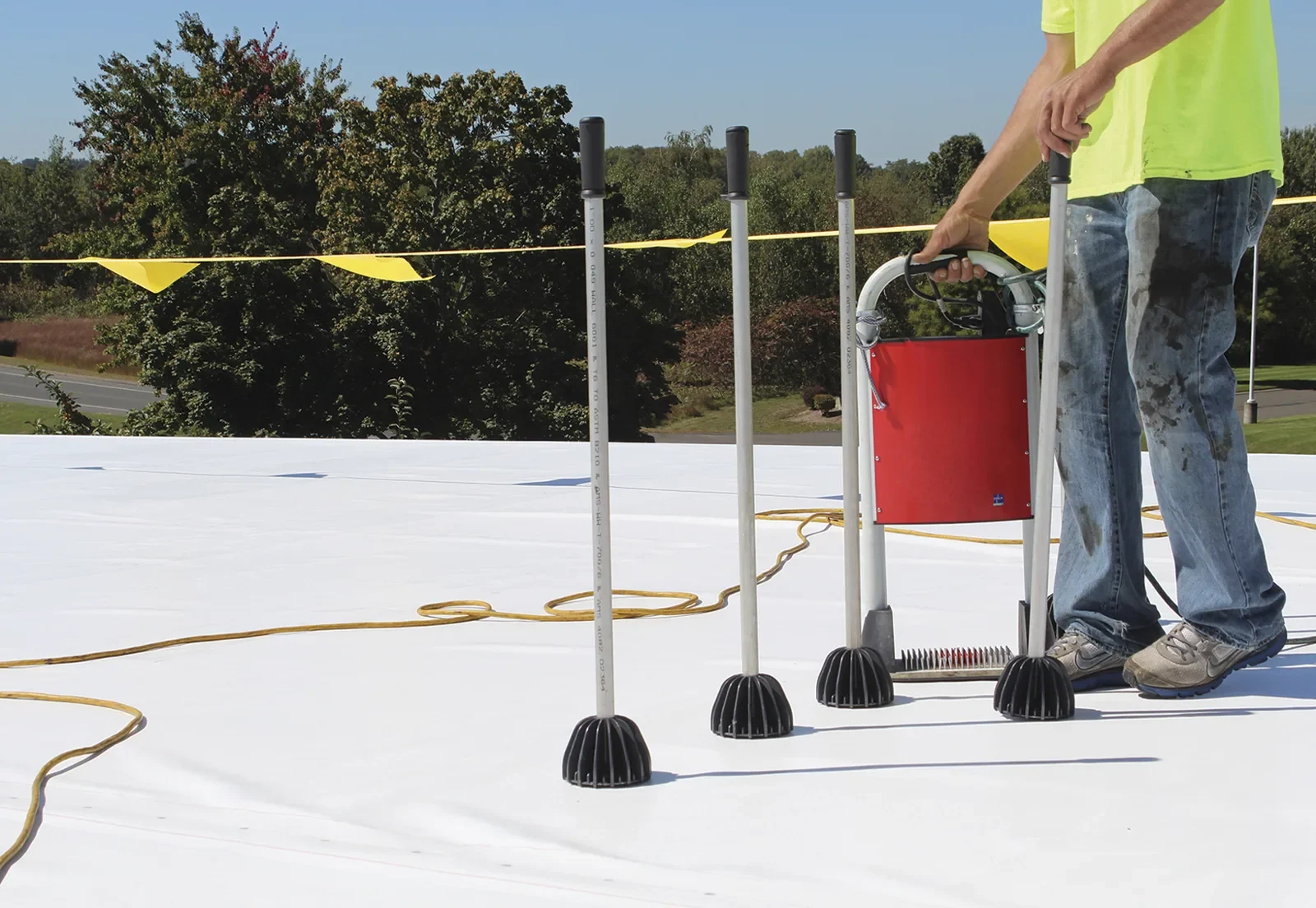
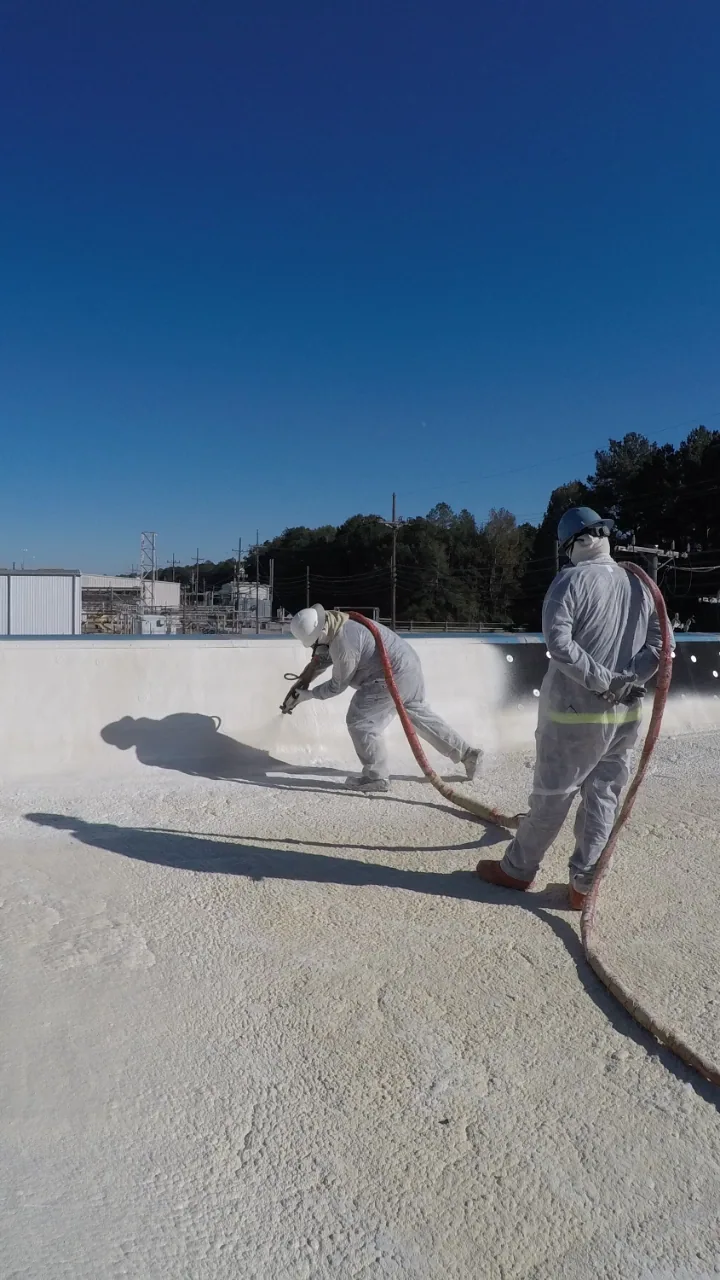
Options include reflective TPO or PVC, a compatible coating over an eligible roof, or replacement that changes insulation and surface together. Each has distinct preparation, seam, attachment, and maintenance requirements. We compare the proposed system with existing layers and state where repairs or removal are needed. A coating scope describes preparation, repairs, detail reinforcement, and excluded areas. Replacement identifies insulation, cover board, edges, curbs, drains, and tie-ins. This detail lets the owner compare proposals by assembly and work boundary, not finish color alone.
Reflectance is one criterion. Compare exposure, foot traffic, equipment, drainage, maintenance, and energy-code review. TPO roofing and PVC roofing are membrane options; silicone coating may suit a qualifying substrate. Moisture, weak attachment, or repeat failures across zones may support a replacement scope with a clearer assembly record.
Tie Performance Goals to the Budget
Cost follows preparation, access, material quantity, insulation changes, repairs, perimeter details, and interior protection. A coating still needs cleaning and detail work; replacement can expose deck conditions and correct slope, but adds removal and disposal. We list these drivers so the owner can compare near-term scope with intended service life. A separate energy analysis can test operating assumptions when the owner needs a quantified performance comparison. For a reflective roof project, document the existing assembly, proposed surface, drain condition, and applicable manufacturer limits before setting the field sequence. Confirm the review path before setting a start date. Downtown Vallejo and waterfront properties can have different access constraints; tenant schedules also affect staging. For urgent leaks, we respond around the clock every day, holidays included, then record temporary protection separately from the capital scope.
Plan for Sun, Access, and Open Areas
Divide the roof into areas that can close within a shift, identify sensitive rooms, and set protection for open edges and penetrations. Coordinate HVAC shutdowns, access, tenant notices, and deliveries. On a building with active equipment, confirm when units can be isolated and returned to service. Set the daily boundary with the facility contact before material is removed.
Strong sun affects handling and scheduling; actual conditions determine whether application proceeds. We follow system requirements for a dry substrate, preparation, and cure time. Mare Island's office, retail, and industrial uses call for a site-specific access plan. The daily record shows completed zones, exposed areas, and when normal access resumes.
Track the Roof After Installation
Closeout should state the installed system, finish, preparation and repair areas, seam and flashing details, and zones left outside the work. Keep photographs tied to a roof plan with drains, curbs, penetrations, and repaired areas marked. Record the date, maintenance instructions, and access restrictions. A condition trend is useful when the next reviewer can compare the same areas and track wear. Keep any unresolved moisture or drainage finding visible in that record.
Arrange a review with roof plans, energy goals, repair history, access needs, and budget timing. We will document the assembly and compare reflective restoration with replacement or targeted repair. A written condition report supports the budget decision, and Downtown Vallejo roof planning can account for operating needs. The recommendation states what the finish can address and which insulation, drainage, or equipment conditions remain separate decisions.
Commercial Roofing Questions
Will a reflective roof lower our building's cooling use?
A reflective surface can reduce solar heat absorbed at the roof, but the building's insulation, air leakage, HVAC condition, occupancy, and exposure also affect energy use. We can document the proposed assembly and surface goals; an energy model or utility analysis is needed for a site-specific savings estimate.
Can a reflective coating go over our current membrane?
The membrane must be compatible, attached, and dry enough for the selected coating, with seams and details repaired first. We inspect the surface, identify preparation needs, and state any testing limits. If moisture or movement makes adhesion uncertain, price investigation or another renewal path before applying a finish.
Does a cool roof remove the need to fix ponding water?
No. A reflective finish does not change low points or drain capacity. We map the water path, check the outlets and membrane around them, and include drainage corrections where needed. The scope should show whether slope work, drain repairs, or maintenance remains part of the project.
How do we compare a coating with new TPO or PVC?
Start with the roof condition and remaining assembly life. A coating requires a compatible substrate and disciplined preparation; a new membrane allows insulation, edge, and detail decisions to be rebuilt. We compare repair boundaries, access, maintenance, and code review requirements so the capital plan includes the complete scope.
What records should follow reflective roof installation?
Keep the product and finish description, preparation and repair record, photographs, maintenance directions, and a roof plan showing excluded zones. Note the installation date and any later work at equipment or drains. That baseline lets future inspections track the finish and compare condition across the roof.
Review a Reflective Roof Scope
Arrange a roof review with plans, repair history, energy goals, access needs, and budget timing. We will document the existing assembly and compare reflective restoration with replacement or targeted repairs.
Request a Roof Assessment
Questions About Cool Roof Installation in Vallejo, CA
Common questions from building owners and property managers.
Will a reflective roof lower our building's cooling use?
A reflective surface can reduce solar heat absorbed at the roof, but the building's insulation, air leakage, HVAC condition, occupancy, and exposure also affect energy use. We can document the proposed assembly and surface goals; an energy model or utility analysis is needed for a site-specific savings estimate.
Can a reflective coating go over our current membrane?
The membrane must be compatible, attached, and dry enough for the selected coating, with seams and details repaired first. We inspect the surface, identify preparation needs, and state any testing limits. If moisture or movement makes adhesion uncertain, price investigation or another renewal path before applying a finish.
Does a cool roof remove the need to fix ponding water?
No. A reflective finish does not change low points or drain capacity. We map the water path, check the outlets and membrane around them, and include drainage corrections where needed. The scope should show whether slope work, drain repairs, or maintenance remains part of the project.
How do we compare a coating with new TPO or PVC?
Start with the roof condition and remaining assembly life. A coating requires a compatible substrate and disciplined preparation; a new membrane allows insulation, edge, and detail decisions to be rebuilt. We compare repair boundaries, access, maintenance, and code review requirements so the capital plan includes the complete scope.
What records should follow reflective roof installation?
Keep the product and finish description, preparation and repair record, photographs, maintenance directions, and a roof plan showing excluded zones. Note the installation date and any later work at equipment or drains. That baseline lets future inspections track the finish and compare condition across the roof.