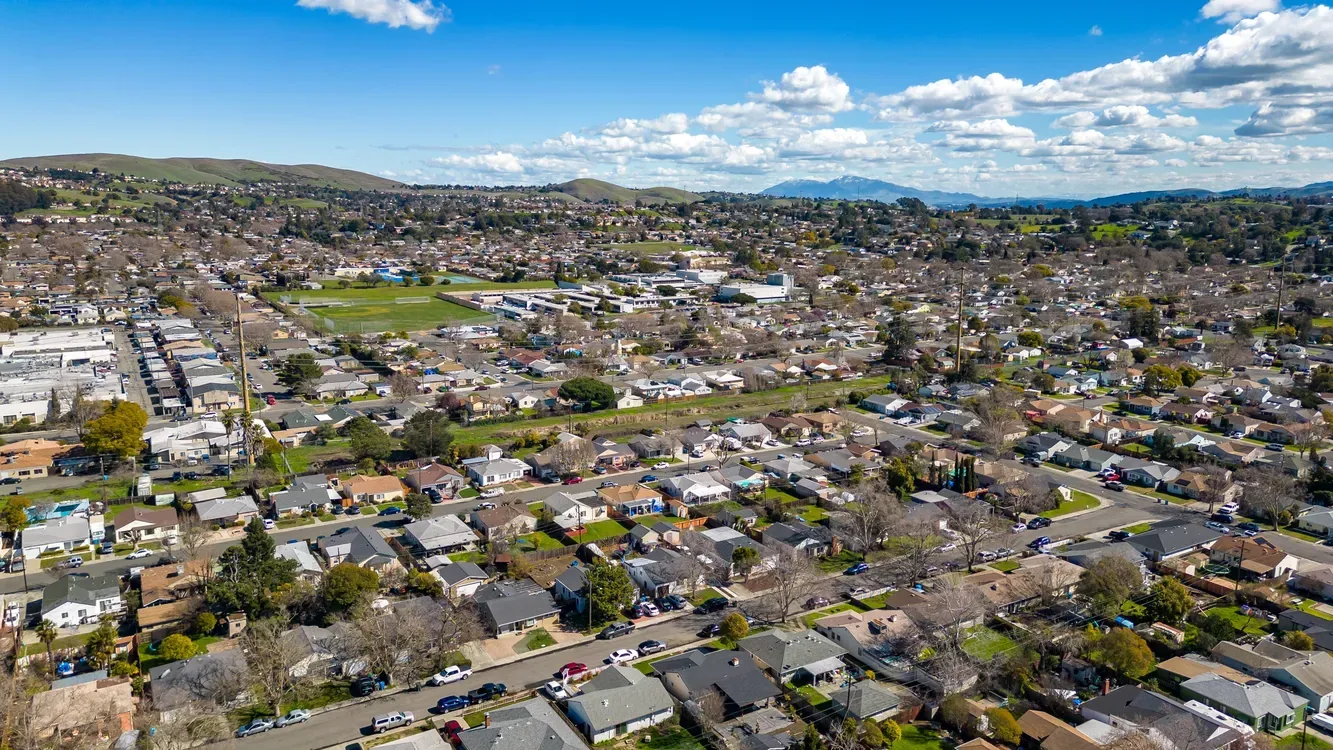
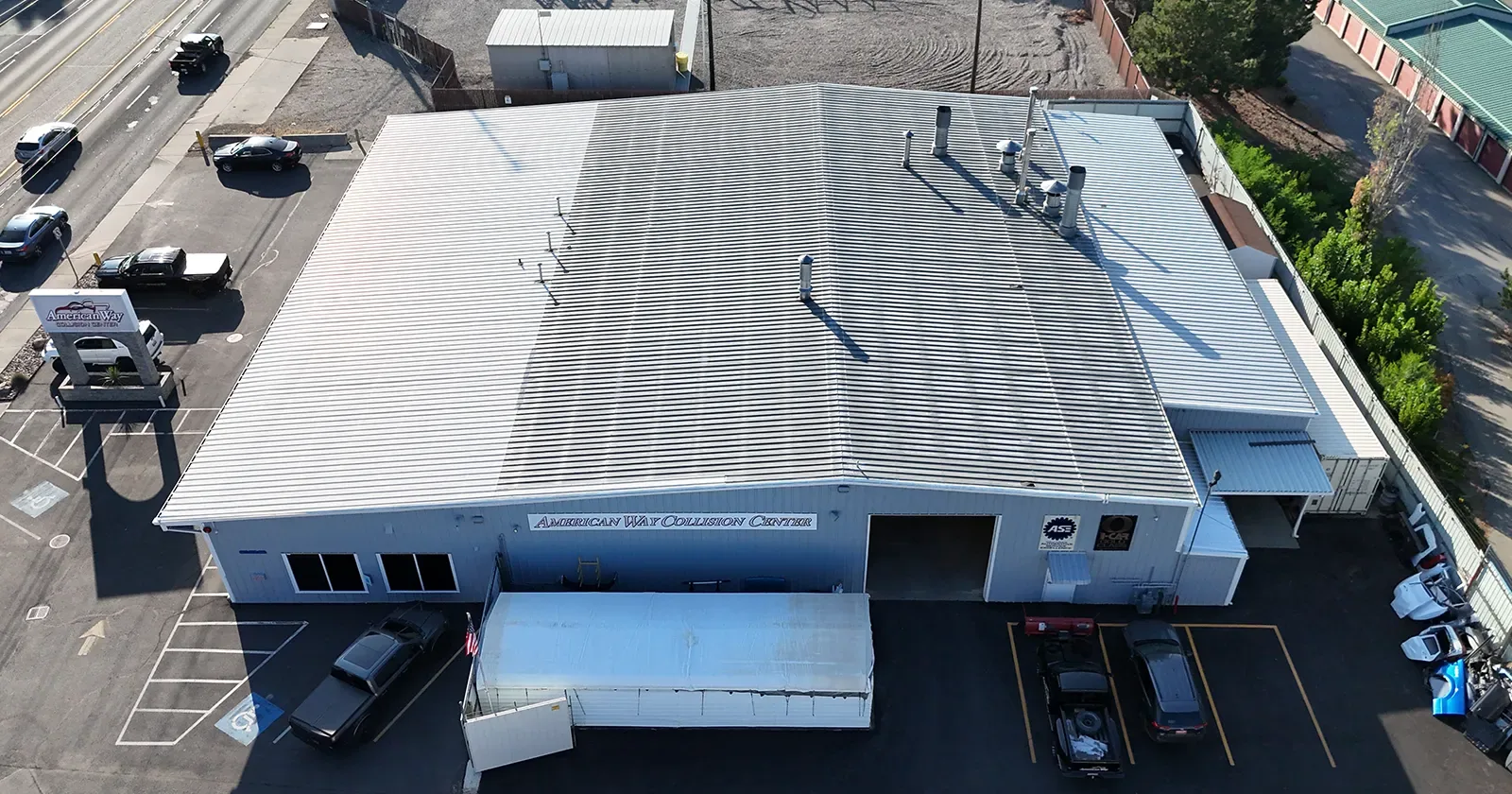
Auto Dealership Roofing in Vallejo, CA
Plan Vallejo auto dealership roof work around showroom hours, service bays, rooftop equipment, vehicle protection, and a documented renewal scope.
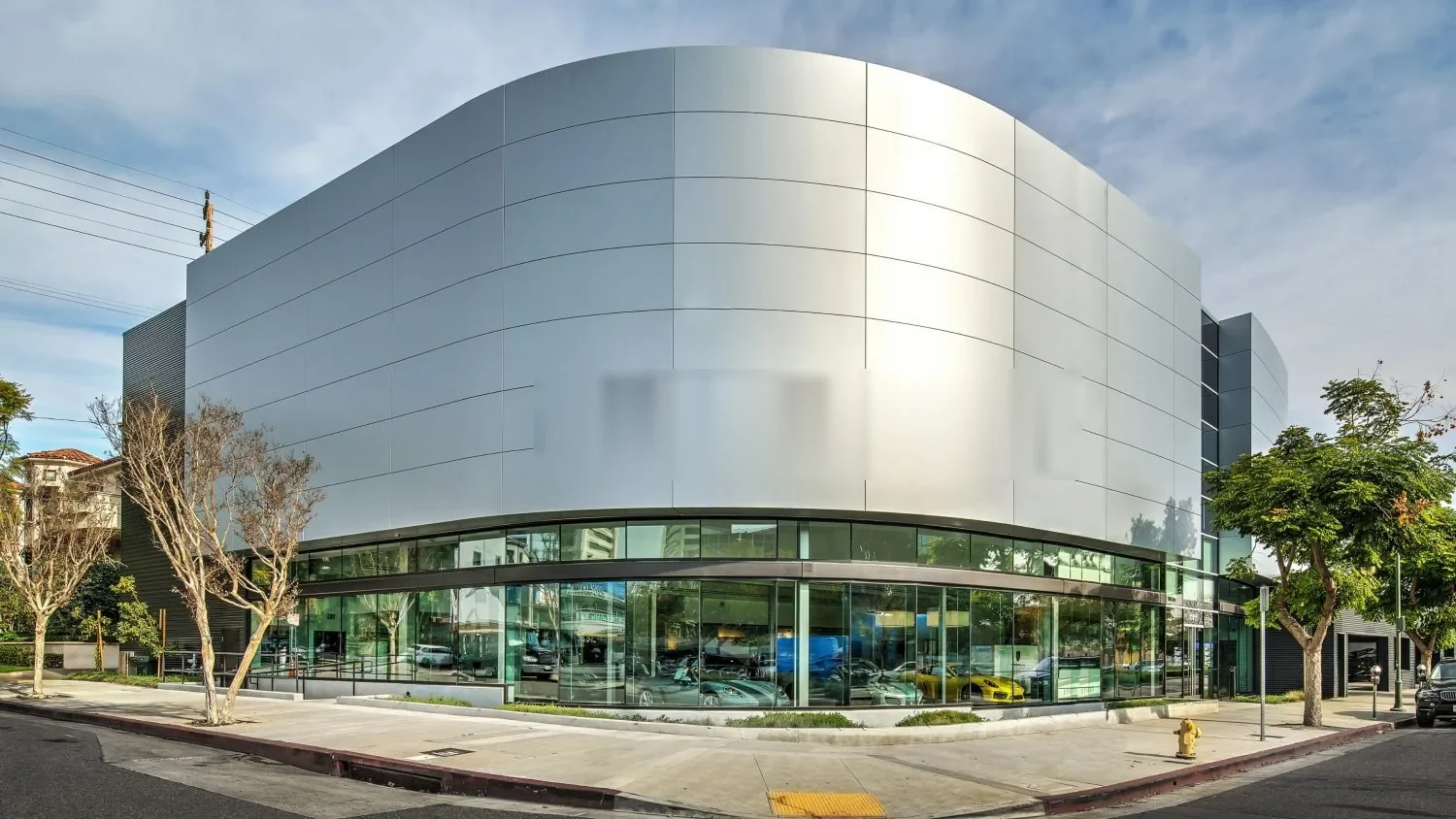
Why Commercial Roofing Vallejo?
Auto Dealership Roofing in Vallejo, CA
Vehicle inventory, service bays, and customer traffic make a dealership roof a multi-use asset. A leak over a showroom, a damp service lane, and a failing curb above a parts area can carry different operating consequences. In Vallejo, CA, we begin with the property layout, roof records, and business hours, then inspect the assembly by zone. The review ties visible defects to the building use and defines which repair can proceed now, which needs testing, and what should enter the next capital plan.
Separate the Showroom From the Service Roof
A dealership may have a showroom, offices, parts storage, vehicle service bays, and exterior inventory areas under one roof plan. We confirm those uses with the site team and map drains, curbs, vents, skylights, roof edges, and any transitions between additions. Service areas can have equipment and exhaust requirements that differ from customer spaces. We note what must remain accessible and whether vehicle movement or stored stock below needs protection during inspection, repair, or tear-off.
The Admiral Callaghan Lane segment between Redwood Parkway and Turner Parkway is one of Vallejo's most active commercial zones. The White Slough plan also identifies a Sonoma Boulevard commercial strip from north of Sereno Drive to Redwood Street, with zoning for retail and food or beverage uses. Those corridors are access context; the dealership roof and staging routes are checked at the property. A flex-industrial roof review may involve workshop and office zones, while a shopping-center assessment can help an owner compare roof records across nearby retail assets.
Connect Leaks to the Roof Map
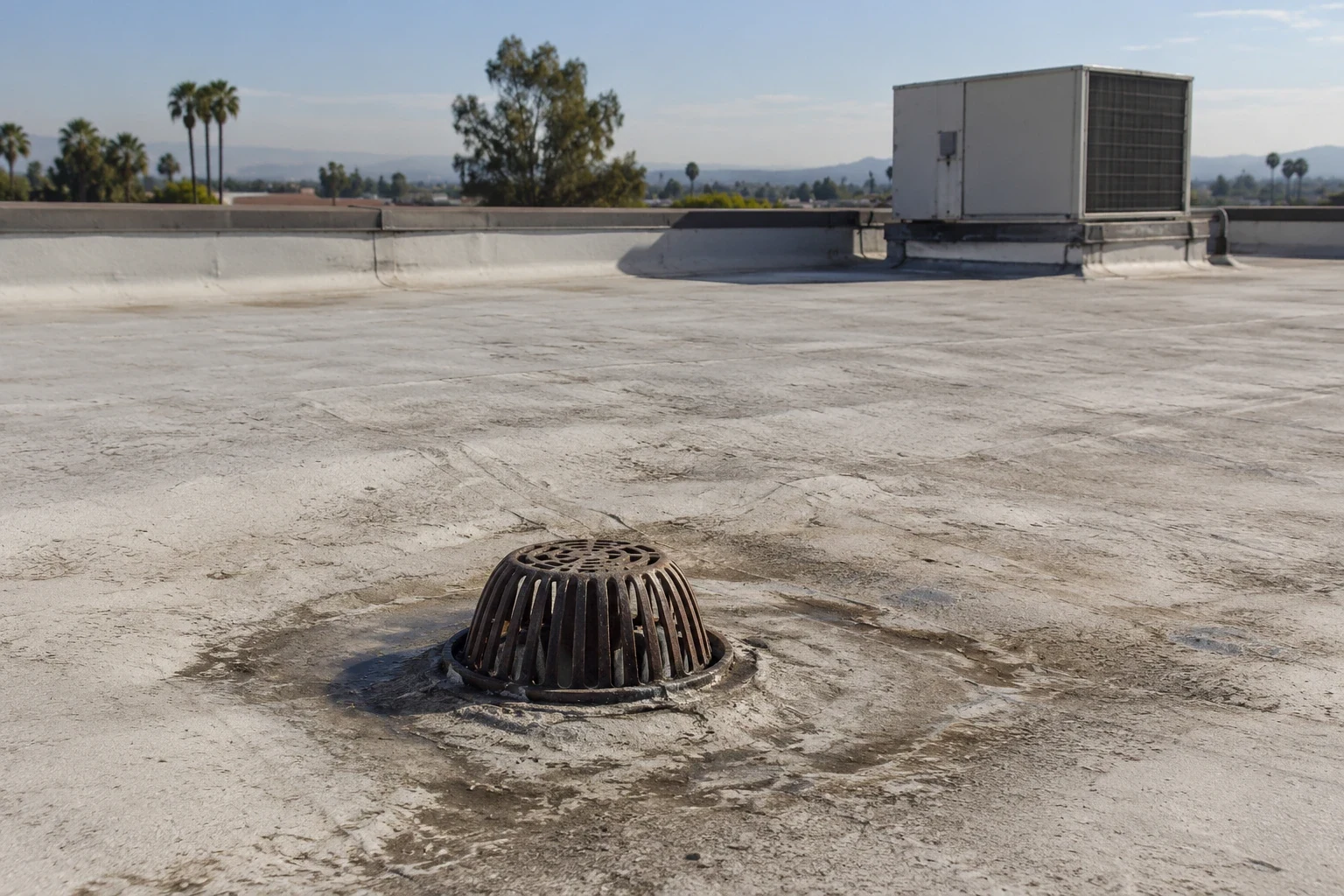
Interior symptoms may appear over a service counter or vehicle bay even when water entered at a higher seam, wall transition, or drain. We compare leak dates and locations with roof slope, curbs, pipe supports, and prior patches. Around HVAC equipment, check membrane terminations, curb height, and service paths. We photograph conditions and mark them by zone, separating a visible opening from suspected moisture below the surface. That evidence defines a repair boundary and prevents a showroom stain from becoming a whole-roof diagnosis. A dealership sequence should keep showroom entrances and service lanes clear while each exposed roof area is protected at shift end. We check low points, drains, and scuppers before seasonal rain and note where debris or poor flow needs attention. A commercial roof inspection sets a baseline, and a drainage review can address outlets that affect the renewal scope.
Protect Vehicles and Customer Routes
The work plan identifies showroom entrances, customer parking, service drives, delivery routes, parts areas, and roof access. We set where lifts and material can stage, which vehicle lanes remain open, and how debris or dust is managed above occupied spaces. If a section must be opened, the sequence states the daily limit and close-in point. The owner can schedule noisier tasks around service appointments or sales activity and identify any roof area that needs interior or vehicle protection.
For a reported opening, document whether showroom, service, or parts operations are affected and agree on temporary protection before setting the permanent repair boundary. We stabilize the affected area and coordinate a permanent repair after checking the roof detail. For a property in the Admiral Callaghan Lane Commercial Corridor, site access still depends on the parcel and business operations. A work sequence for an operating dealership records the staging, vehicle protection, and customer access decisions.
Set the Repair or Replacement Trigger
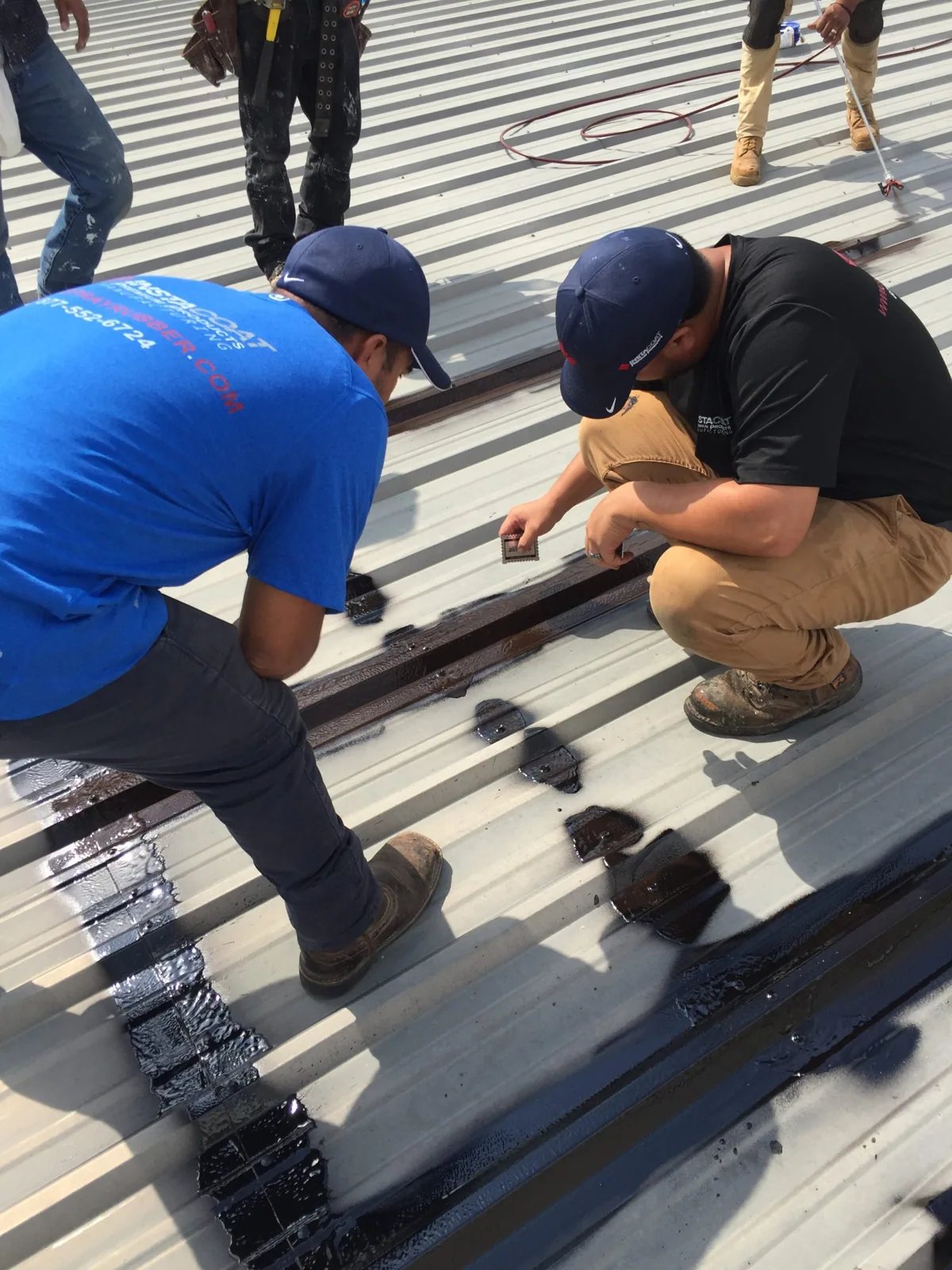
A failed seam, curb flashing, or puncture may call for a contained repair when nearby materials remain stable. We identify the compatible patch, transition work, and any equipment trade required to finish the detail. Repeated repairs across separate zones or wet insulation can make testing or a broader renewal more supportable. A rooftop equipment and curb scope defines the interface so later service work does not compromise the roof.
Recover and replacement decisions depend on retained layers, moisture, attachment, deck condition, curb heights, and drainage elevations. A new layer can affect service access or equipment clearance; tear-off can uncover deck repairs that need an approval path. We map those assumptions in the scope and state what will be checked after removal. Photos and locations in a condition report help ownership compare short-term repairs with a renewal budget.
Schedule Around Sales and Service Commitments
Cost and timing follow roof layers, insulation, deck repair, number of curbs and drains, staging space, and interior protection. The work window also depends on service-bay use, customer activity, and equipment availability. We list these drivers by roof area and identify conditions that may change the scope once materials are opened. If the property includes separate buildings, each gets an assembly record and priority so the capital window follows observed condition rather than a single portfolio assumption. When showroom, service-bay, and parts roofs have different work phases, retain each approved drawing revision with its vehicle-access and staging plan. The plan-check date sets the code edition. We coordinate that path with equipment work and business calendars. A roof capital plan can compare service-bay repairs with a staged replacement and show the evidence behind each choice.
Keep the Property Roof Inventory Current
Closeout records should include the assembly, repair limits, photographs of roof zones, curb and drain details, and items left for monitoring. We note customer and vehicle protection measures, access limits, and any work completed by another trade. Keep the record with equipment service notes and prior leak reports so the next manager can connect roof changes to service history. That makes a future inspection more useful than relying on a sales or maintenance team's memory.
Properties near Admiral Callaghan Lane or Sonoma Boulevard sit in different commercial settings, while the site walk sets the actual roof priorities. Arrange a review with plans, repair history, equipment records, access needs, and budget timing. We will return findings by building and zone and identify repair, testing, maintenance, or replacement steps. A separate file for each dealership building keeps the service life and renewal scope tied to that assembly.
Commercial Roofing Questions
Can roof repairs happen while vehicle service continues?
We plan repairs by roof zone and coordinate staging, service-bay access, customer routes, and protection below. The sequence identifies which lanes remain open and when each area will be weather-tight. If equipment needs to be disconnected or moved, we coordinate with its service provider before the work window. The dealership contact can then set appointments and notices around the agreed sequence.
How should we investigate a leak over a service bay?
We map the interior report to the roof above and nearby, then inspect seams, drains, curbs, wall transitions, and earlier repairs. A service-bay leak can follow a path away from its entry point. We record visible damage and any moisture evidence, then identify whether testing is needed to distinguish a local detail failure from a wider assembly issue.
Does a showroom roof need a different repair scope from a shop roof?
The assembly may be shared, but interior use, equipment, ceiling conditions, and customer impact can change access and protection. We map showroom and service zones separately and note roof details that differ between additions. A repair proposal should identify the area, materials, work limits, and operating coordination for each part of the building.
When should an auto dealership consider full roof replacement?
Replacement becomes more supportable when defects recur across zones, moisture is widespread, or the existing assembly no longer provides a reliable repair boundary. We document the evidence, check whether testing is needed, and compare replacement with recover or localized repair. The owner can use those findings to set a trigger and capital window rather than relying on building age alone.
What should we save after dealership roof work?
Keep the assembly description, zone photos, repair dates, drain and curb details, equipment coordination, and areas left for monitoring. Record vehicle and customer access restrictions that affected the work. These details help the next facilities or ownership review compare roof condition with service history and prepare a realistic renewal scope.
Review the Dealership Roof by Use
Arrange a site walk with roof plans, repair history, equipment records, sales and service schedules, access needs, and budget timing. We will map conditions and prepare a roof scope that fits dealership operations.
Request a Roof Assessment
Questions About Auto Dealership Roofing in Vallejo, CA
Common questions from building owners and property managers.
Can roof repairs happen while vehicle service continues?
We plan repairs by roof zone and coordinate staging, service-bay access, customer routes, and protection below. The sequence identifies which lanes remain open and when each area will be weather-tight. If equipment needs to be disconnected or moved, we coordinate with its service provider before the work window. The dealership contact can then set appointments and notices around the agreed sequence.
How should we investigate a leak over a service bay?
We map the interior report to the roof above and nearby, then inspect seams, drains, curbs, wall transitions, and earlier repairs. A service-bay leak can follow a path away from its entry point. We record visible damage and any moisture evidence, then identify whether testing is needed to distinguish a local detail failure from a wider assembly issue.
Does a showroom roof need a different repair scope from a shop roof?
The assembly may be shared, but interior use, equipment, ceiling conditions, and customer impact can change access and protection. We map showroom and service zones separately and note roof details that differ between additions. A repair proposal should identify the area, materials, work limits, and operating coordination for each part of the building.
When should an auto dealership consider full roof replacement?
Replacement becomes more supportable when defects recur across zones, moisture is widespread, or the existing assembly no longer provides a reliable repair boundary. We document the evidence, check whether testing is needed, and compare replacement with recover or localized repair. The owner can use those findings to set a trigger and capital window rather than relying on building age alone.
What should we save after dealership roof work?
Keep the assembly description, zone photos, repair dates, drain and curb details, equipment coordination, and areas left for monitoring. Record vehicle and customer access restrictions that affected the work. These details help the next facilities or ownership review compare roof condition with service history and prepare a realistic renewal scope.