Commercial Spray Polyurethane Foam Roofing in Vallejo, CA
Review spray polyurethane foam roofing in Vallejo, CA by checking substrate, foam profile, coating condition, drainage, and occupied-building needs.
Why Commercial Roofing Vallejo?
Commercial Spray Polyurethane Foam Roofing in Vallejo, CA
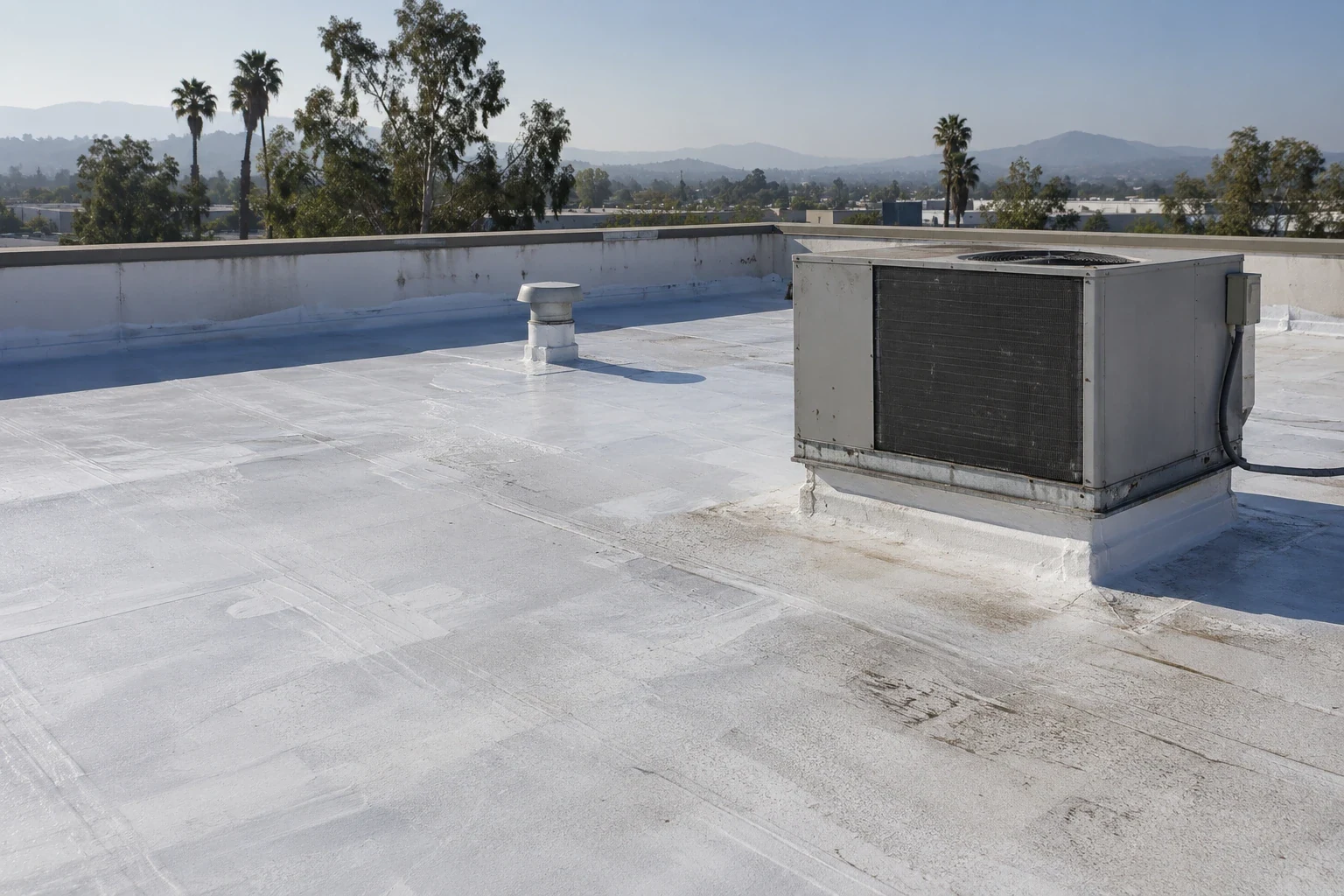
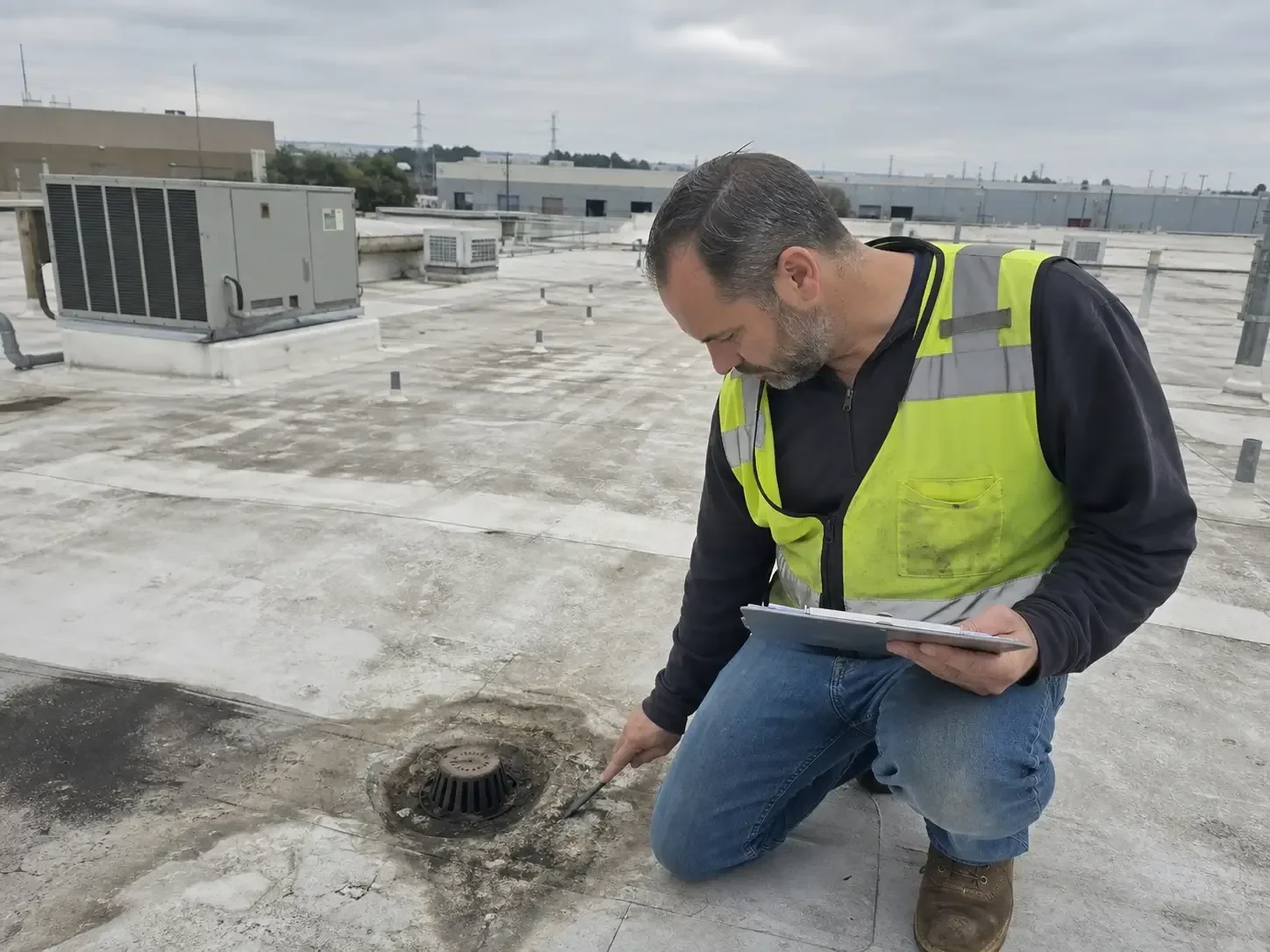
A spray polyurethane foam roof is a layered assembly, so its record should show more than a coating date. The foam profile, substrate, protective coating, repairs, drains, and penetrations affect the next renewal decision. Mare Island includes office, retail, and industrial uses. That mix can change roof access and staging, but it does not identify the existing foam profile or coating; we verify those details against the building file and a field review. We inspect the surface and review available records before recommending repair, recoating, or removal. A commercial roof inspection can document the foam and coating by zone. A coating restoration review can establish preparation and repair needs, while a replacement evaluation can compare broader removal if the underlying assembly is not suitable to remain.
Read the Foam and Protective Coating
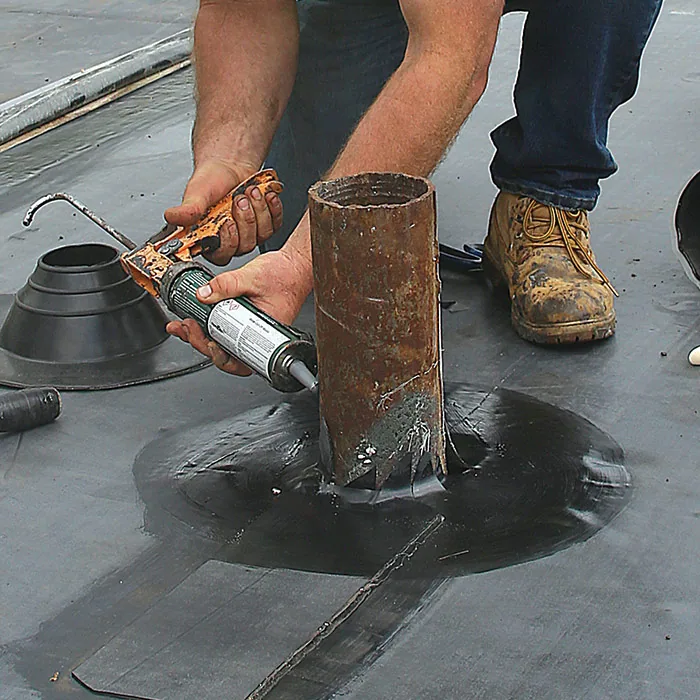
The foam layer creates the roof's slope and insulation profile, while a protective coating shields it from weather and exposure. We look for coating wear, exposed foam, punctures, cracks, open transitions, soft areas, and patches with uncertain edges. Surface discoloration alone does not tell us how much foam remains or whether moisture is present beneath it. A probe or test cut may be needed when the condition cannot be confirmed visually. We map the test location, protect the opening, and record what the sample establishes. The report should identify repairs that can be made locally and areas that need more investigation. If water has entered around a pipe or curb, a penetration and flashing review can define the transition, while a leak investigation traces the reported water path before the coating scope is set.
Check the Slope Before Recoating
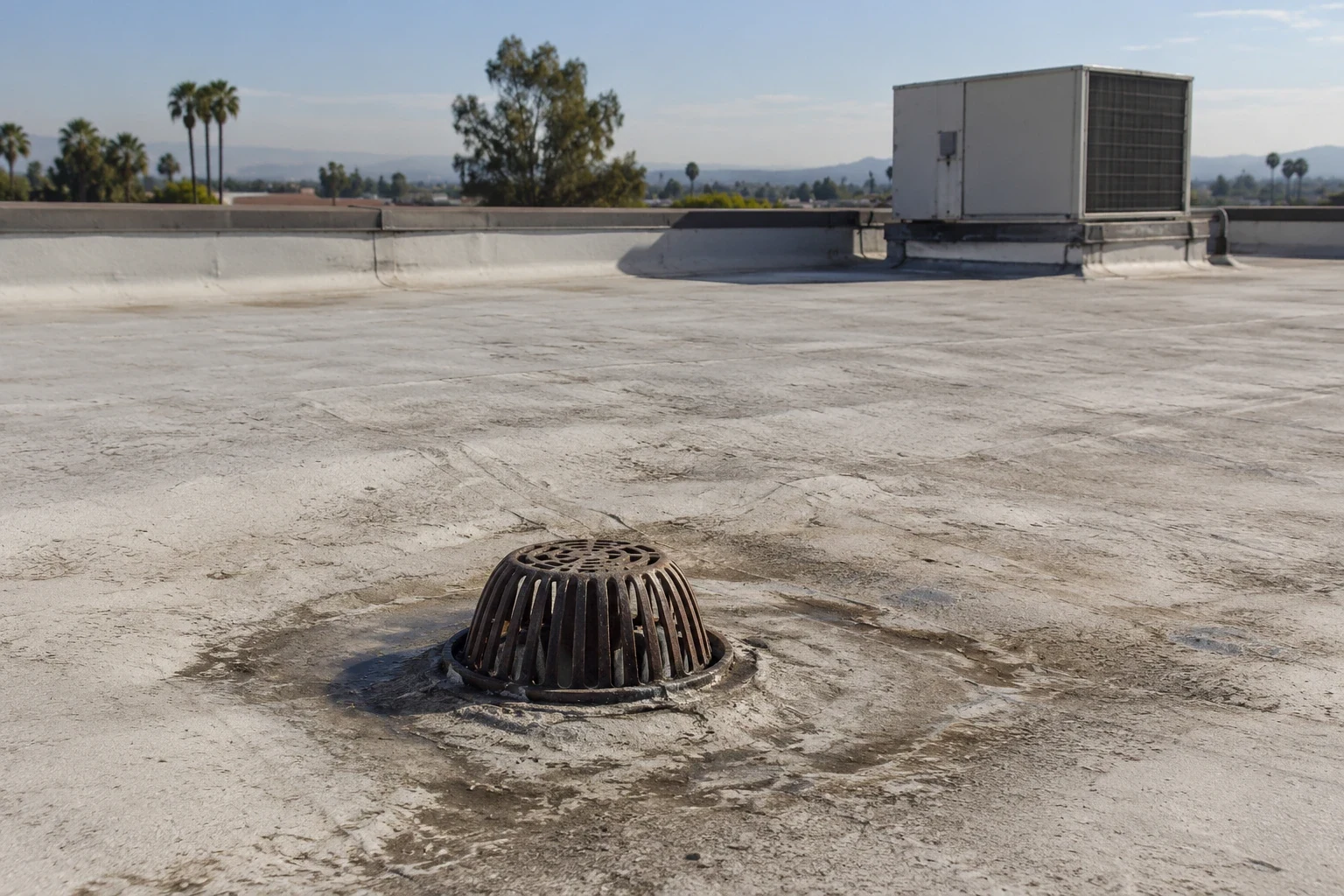
Foam can be applied to create drainage, but the installed profile and existing outlets determine whether water reaches the drains as intended. We check low areas, drain bowls, scuppers, gutters, and transitions where added coating or patch material may affect flow. Foam work requires a defined substrate and application window; the crew should protect adjacent equipment and record the completed lift and coating area. Vallejo averages no rainfall in July and August, with summer highs near 85 to 87°F. Current conditions and product instructions still set the application window. A drain and scupper assessment can document the outlet and surrounding foam profile. If ponding persists, a ponding-water scope should distinguish a blocked drain from a slope or assembly issue. Coating over a low area does not correct a drainage defect by itself.
Set Repair, Recoat, or Removal Limits
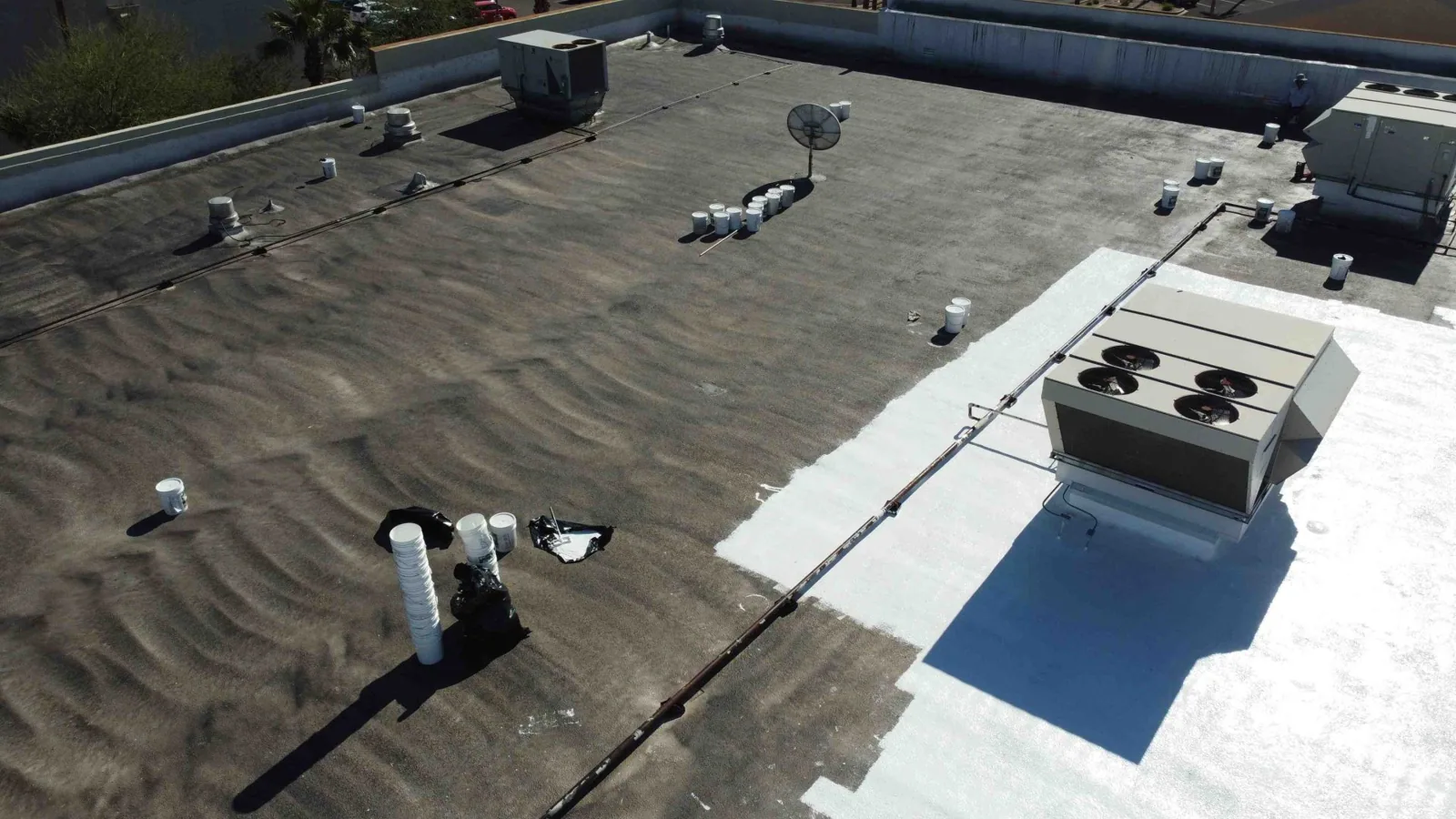
Localized repair may be suitable when the surrounding foam is stable, the coating can be prepared, and the defect has a clear boundary. A recoat may extend the protective surface when adhesion, thickness, compatibility, and preparation requirements are met. The specification should identify the coating type, surface preparation, repairs, and transition details. If moisture, widespread soft foam, or unstable substrate is confirmed, define the affected area and compare removal with a broader assembly replacement. Sonoma Boulevard is a Vallejo commercial corridor; inspect each property's foam profile and coating condition before specifying restoration. We review that property's access, roof geometry, and records directly. The owner can compare SPF restoration with silicone coating systems and acrylic coating systems after compatibility and drainage are confirmed, not by selecting a coating name first.
Coordinate Application and Building Use
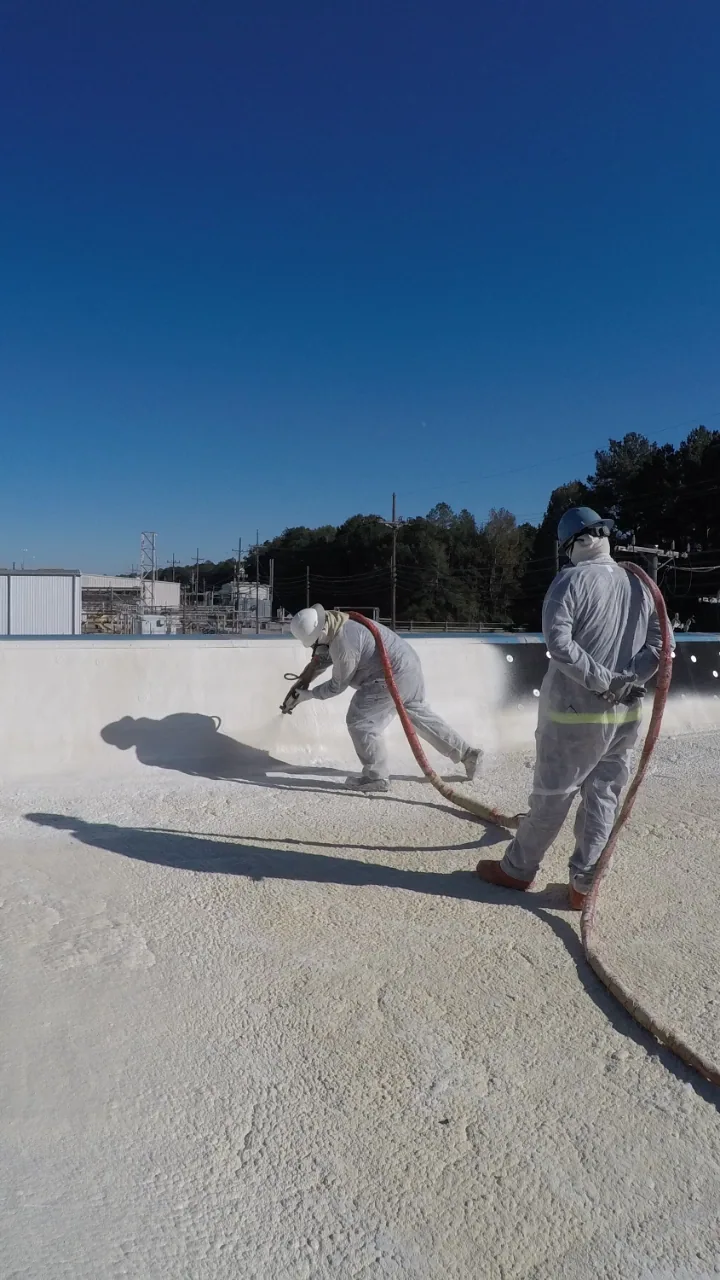
Foam application and coating work need a plan for access, ventilation, staging, weather, and protection of nearby operations. We confirm which doors, air intakes, tenant areas, and rooftop equipment could be affected, then set notices and work limits with the property contact. The application sequence should account for wind conditions, overspray controls, cure requirements, and the time needed to protect or close each zone. At Mare Island, some commercial spaces include large doors or overhead equipment, so the operator should identify clearance and activity windows for that site. Those features cannot be assumed at another property. If a building remains occupied, phase work so the roof is not left open at the end of a shift. An occupied-building work plan can coordinate deliveries, access, tenant impact, and daily handoff. Current weather and the product requirements govern the application window, not long-run climate averages alone.
Preserve the Foam Profile in Closeout
Closeout should record the substrate where confirmed, foam profile, coating type, repairs, drain and penetration details, and the zones completed. Keep photographs labeled by slope and roof area, including any test openings and field changes. Note the surface preparation and any coating application limits so a future inspection can compare like conditions. Owners with commercial properties in Mare Island or the Downtown Vallejo district can use a common reporting format, but each roof needs its own assembly record and access history. If a coating begins to wear, the next review can distinguish surface renewal from deeper foam or substrate work. For an SPF assessment, share foam and coating records, repair images, known test locations, and access conditions so the visit can focus on the right zones. We will connect the observed profile and coating condition to a repair, recoat, or replacement scope the owner can carry into the next capital cycle.
Commercial Roofing Questions
How do you decide whether an SPF roof can be recoated?
We check coating adhesion and wear, foam condition, moisture, punctures, repairs, and the surface preparation required by the selected system. A recoat is appropriate only when the existing assembly and coating are suitable to remain. If the foam is soft, saturated, or broadly damaged, define the removal boundary before another layer is applied. The report should state what was observed and which test result supports the renewal choice.
What does a damaged foam area need before coating work?
The exposed or deteriorated foam must be evaluated, removed or repaired as specified, and integrated with sound surrounding material. We document the affected zone, confirm whether the substrate is stable, and identify the compatible repair and coating sequence. Covering damaged foam without resolving its condition can hide a weak area. The proposal should show preparation, repair material, coating tie-in, and any area that remains outside the work boundary.
Can a new foam layer correct ponding on an existing roof?
A new profile may be considered when the existing assembly, drainage design, and outlet elevations support that approach. We map low areas and drains, then confirm how the proposed slope directs water. Added material can change curbs, edges, and equipment access. If an outlet is blocked or the existing roof is unstable, those issues need separate correction. The scope should show the drainage path rather than assume coating alone will move water.
How are penetrations handled on a spray-foam roof?
We inspect the foam and coating where they meet pipes, curbs, skylights, drains, and walls, then specify compatible flashing and coating transitions. Movement, dissimilar materials, and prior repairs can change the detail. The proposal should identify which penetrations are included and whether mechanical work is needed before roofing begins. Photographs and roof-zone labels make the completed tie-ins easier to review at a later site walk.
What records should accompany an SPF roof restoration?
Keep the confirmed assembly, coating type, preparation, foam repairs, drain details, photographs, and any field changes with the building's roof inventory. Include test results and note areas not reached. Those records help a later review distinguish routine coating renewal from moisture, substrate, or drainage work. The closeout should also identify maintenance access and the condition items that should be checked during the next inspection.
Review the Foam Assembly Before Renewing the Surface
Arrange a Vallejo roof review with available plans, repair history, access needs, and budget timing. We will document the foam profile, coating condition, drainage, and transitions before comparing repair, recoat, and removal options.
Request a Roof Assessment
Questions About Commercial Spray Polyurethane Foam Roofing in Vallejo, CA
Common questions from building owners and property managers.
How do you decide whether an SPF roof can be recoated?
We check coating adhesion and wear, foam condition, moisture, punctures, repairs, and the surface preparation required by the selected system. A recoat is appropriate only when the existing assembly and coating are suitable to remain. If the foam is soft, saturated, or broadly damaged, define the removal boundary before another layer is applied. The report should state what was observed and which test result supports the renewal choice.
What does a damaged foam area need before coating work?
The exposed or deteriorated foam must be evaluated, removed or repaired as specified, and integrated with sound surrounding material. We document the affected zone, confirm whether the substrate is stable, and identify the compatible repair and coating sequence. Covering damaged foam without resolving its condition can hide a weak area. The proposal should show preparation, repair material, coating tie-in, and any area that remains outside the work boundary.
Can a new foam layer correct ponding on an existing roof?
A new profile may be considered when the existing assembly, drainage design, and outlet elevations support that approach. We map low areas and drains, then confirm how the proposed slope directs water. Added material can change curbs, edges, and equipment access. If an outlet is blocked or the existing roof is unstable, those issues need separate correction. The scope should show the drainage path rather than assume coating alone will move water.
How are penetrations handled on a spray-foam roof?
We inspect the foam and coating where they meet pipes, curbs, skylights, drains, and walls, then specify compatible flashing and coating transitions. Movement, dissimilar materials, and prior repairs can change the detail. The proposal should identify which penetrations are included and whether mechanical work is needed before roofing begins. Photographs and roof-zone labels make the completed tie-ins easier to review at a later site walk.
What records should accompany an SPF roof restoration?
Keep the confirmed assembly, coating type, preparation, foam repairs, drain details, photographs, and any field changes with the building's roof inventory. Include test results and note areas not reached. Those records help a later review distinguish routine coating renewal from moisture, substrate, or drainage work. The closeout should also identify maintenance access and the condition items that should be checked during the next inspection.