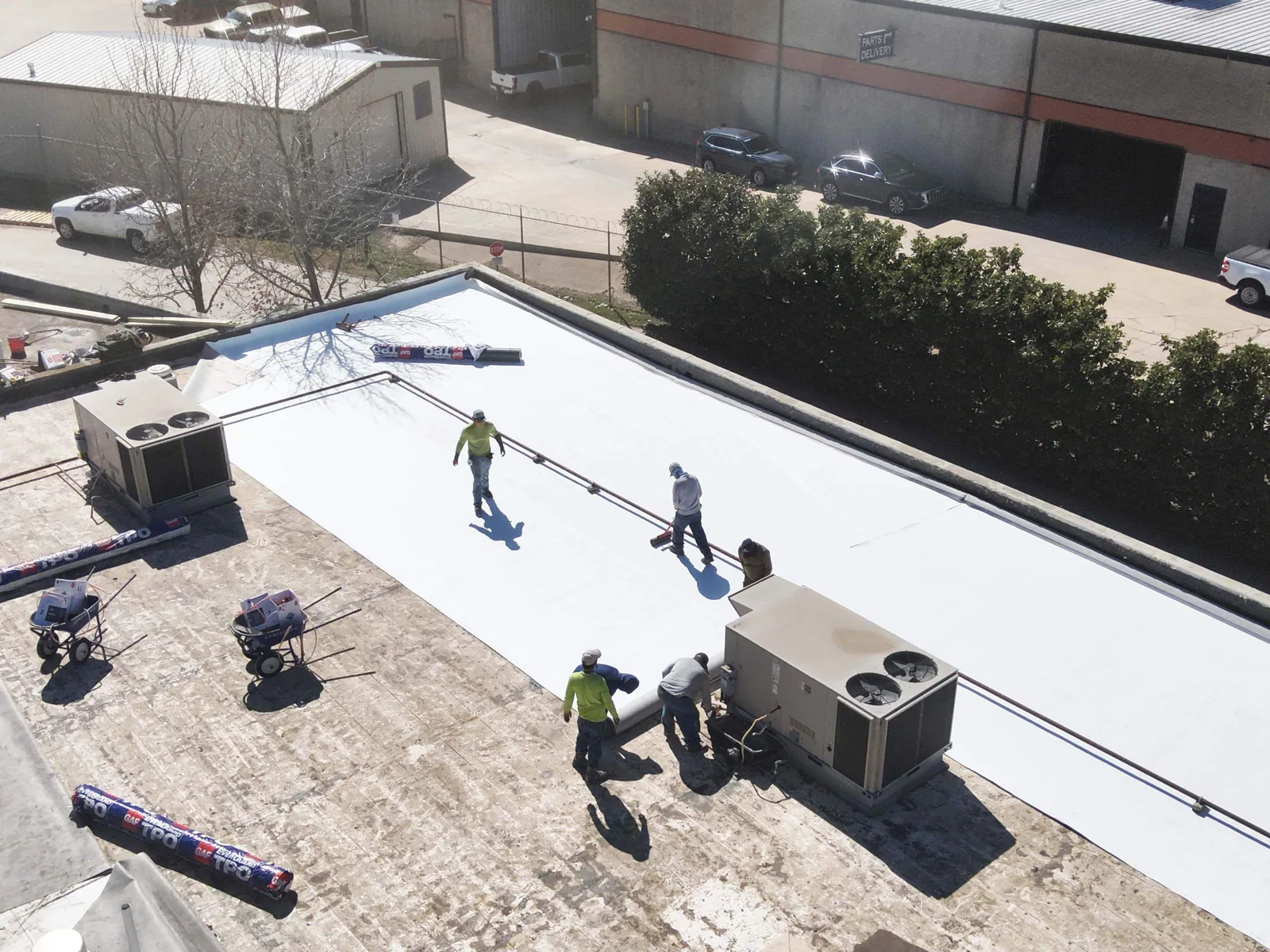
Commercial Acrylic Roof Coatings in Vallejo, CA
Assess acrylic roof coatings in Vallejo, CA by checking slope, substrate, prior layers, surface preparation, and the building's seasonal work window.
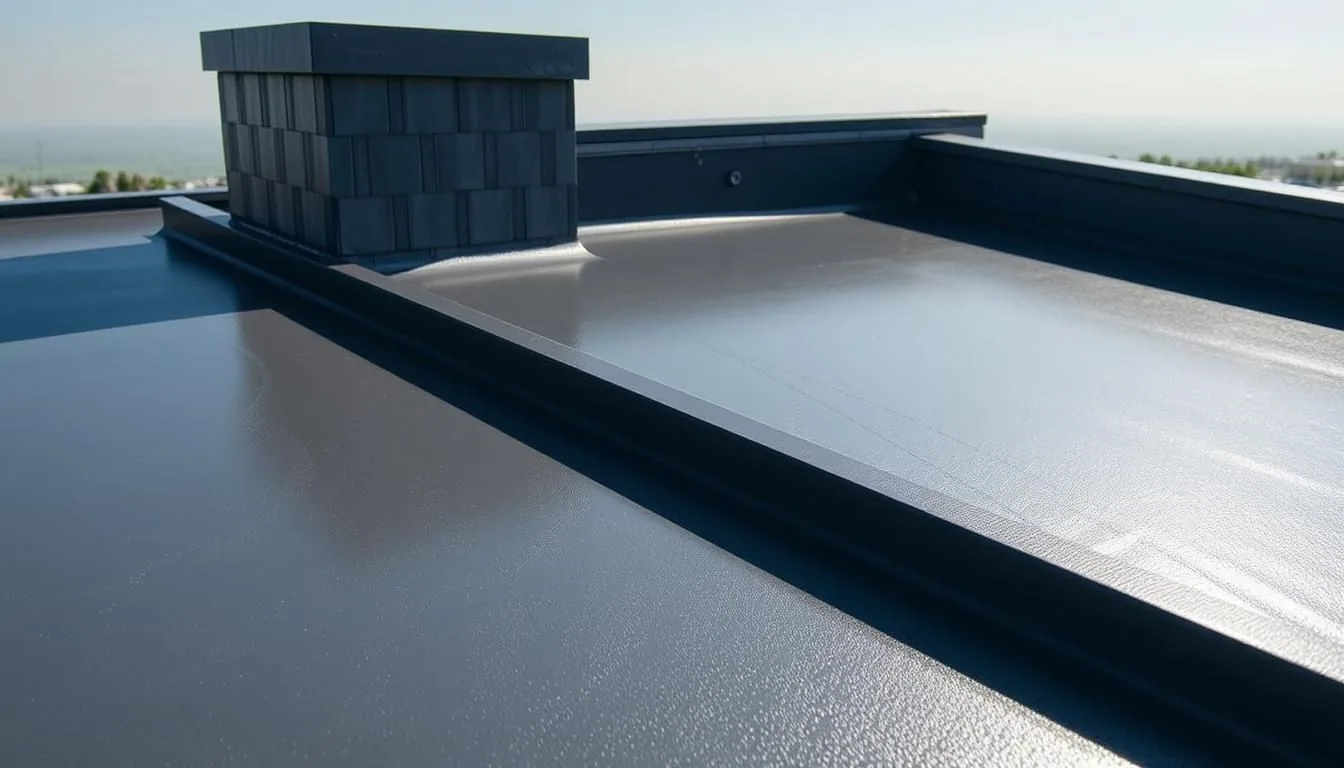
Why Commercial Roofing Vallejo?
Commercial Acrylic Roof Coatings in Vallejo, CA
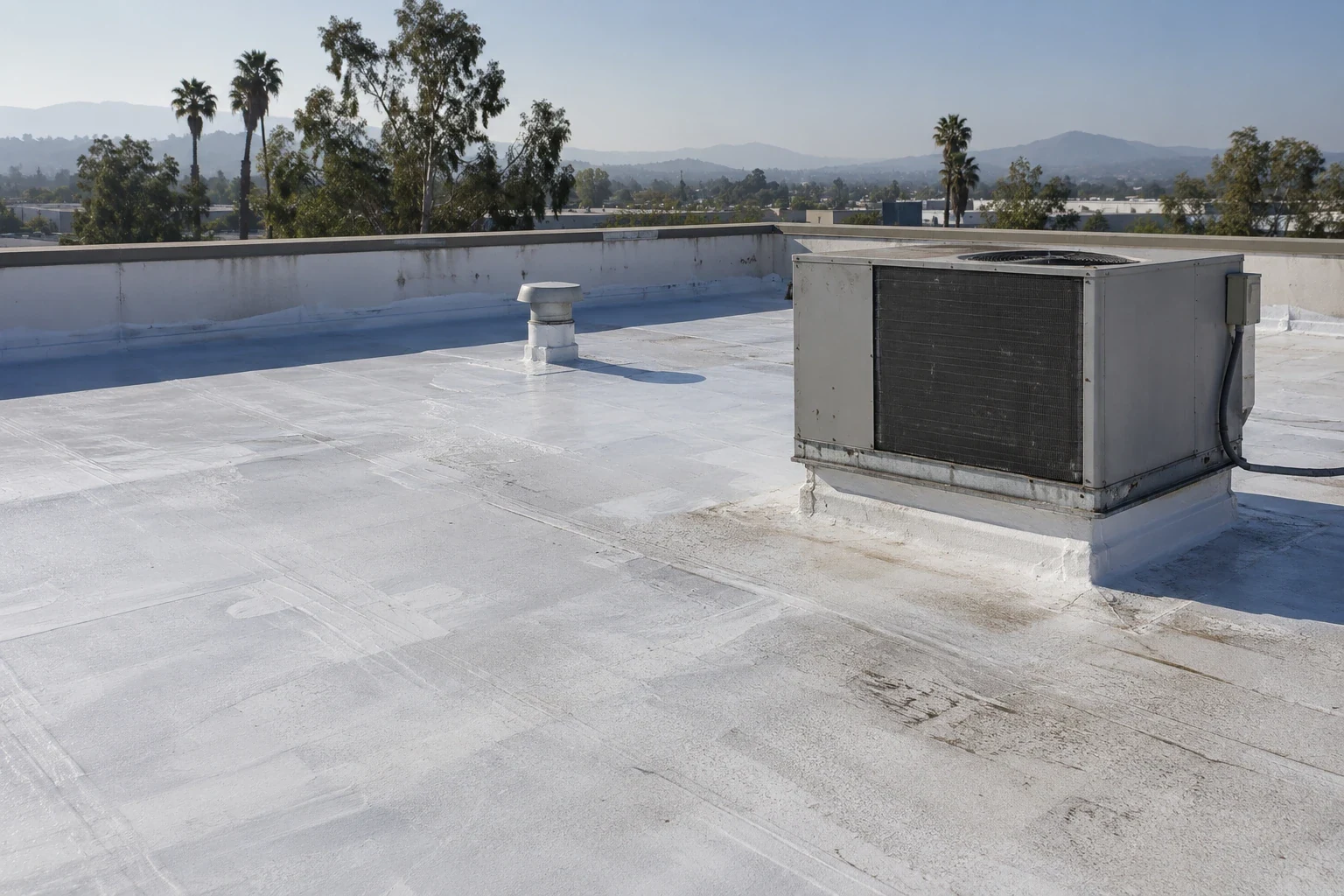
An acrylic roof coating belongs in the renewal plan only after the existing surface and drainage are understood. We check substrate, prior coatings, seams, repairs, drains, and the roof's low areas before setting the preparation and application scope. Record substrate moisture and temperature against the selected system's current application limits on the work date. A coating's fit still depends on the actual assembly and system requirements. Some Mare Island commercial spaces have overhead cranes, oversized roll-up doors, or natural light. Those features can affect roof access and masking plans; confirm equipment routes and occupied-area limits during the building walk. A restoration assessment can identify repairs and preparation, while a recover review compares coating with another assembly. Owners may also compare silicone and spray foam after substrate compatibility is established.
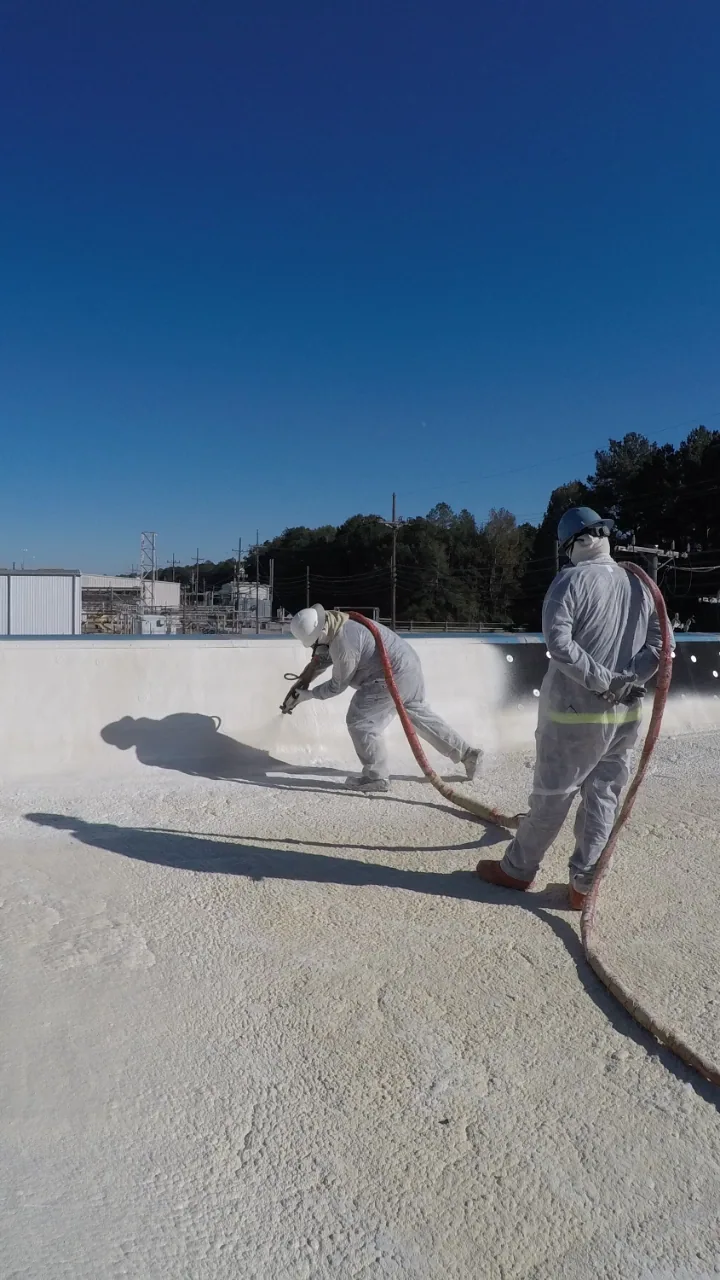
Start With the Existing Roof Surface
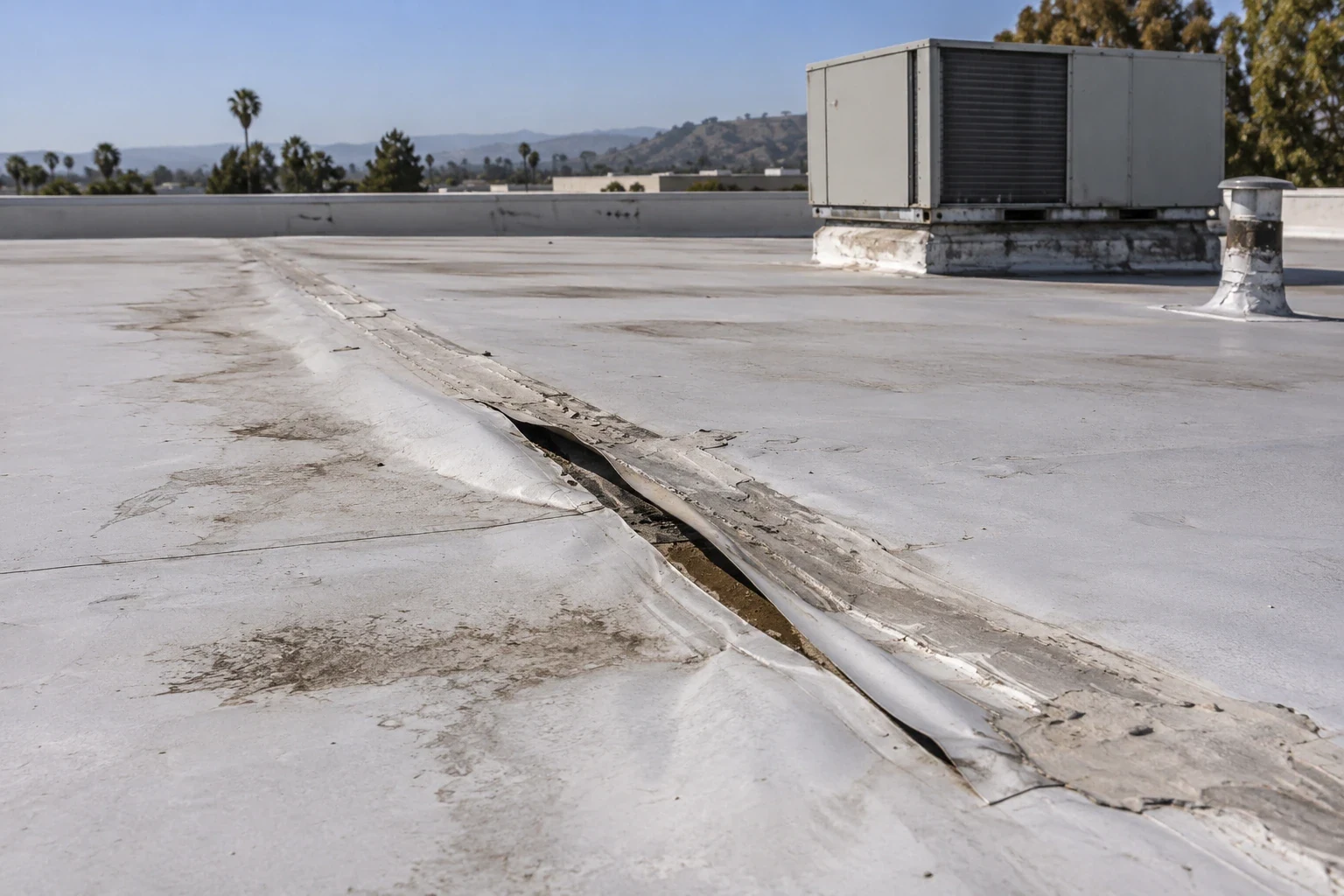
A coating system depends on a clean, stable surface that can accept the specified primer or coating layers. We identify membrane or metal type, existing coatings, loose surfacing, open seams, blisters, corrosion, and repair materials that may interfere with adhesion. A test area can help when the coating history is incomplete or the roof changes from one zone to another. The work scope should state cleaning, surface preparation, repairs, reinforcement, and any primer requirement, rather than leave those items open. A test result from one area does not establish compatibility across a different substrate. If the membrane has an open lap, a seam repair review can set that boundary before coating. For metal, inspect fasteners and panel movement rather than cover a loose connection. We photograph the roof by zone so the owner can compare the original condition with the restored surface.
Separate Coating From Drainage Correction
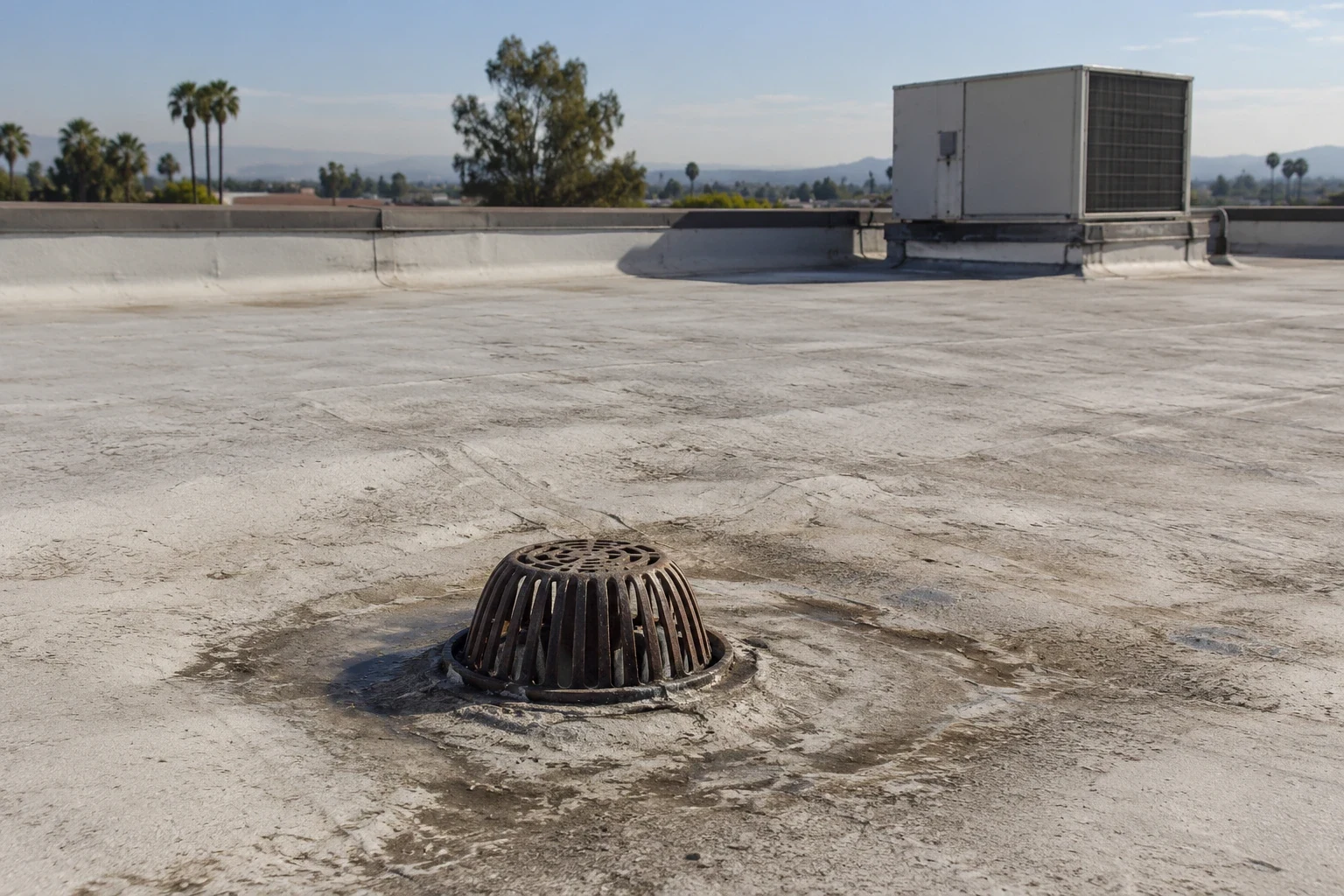
Acrylic coatings are commonly selected for roofs with positive drainage, and ponding can affect system suitability. We map low spots, drain bowls, scuppers, gutters, and transitions, then compare the water path with the proposed coating area. A roof walk can identify low spots, outlet conditions, and water paths; a level survey or controlled water test can help resolve drainage questions that remain after visual review. If outlets are blocked, a drain and scupper assessment can separate maintenance from a slope or flashing issue. Persistent ponding may require profile or assembly work that a coating alone does not provide. The proposal should say whether the project includes drainage correction, or whether it renews the surface while leaving existing roof geometry unchanged. That boundary affects both the inspection record and the maintenance tasks assigned after closeout.
Set a Zone-by-Zone Application Scope
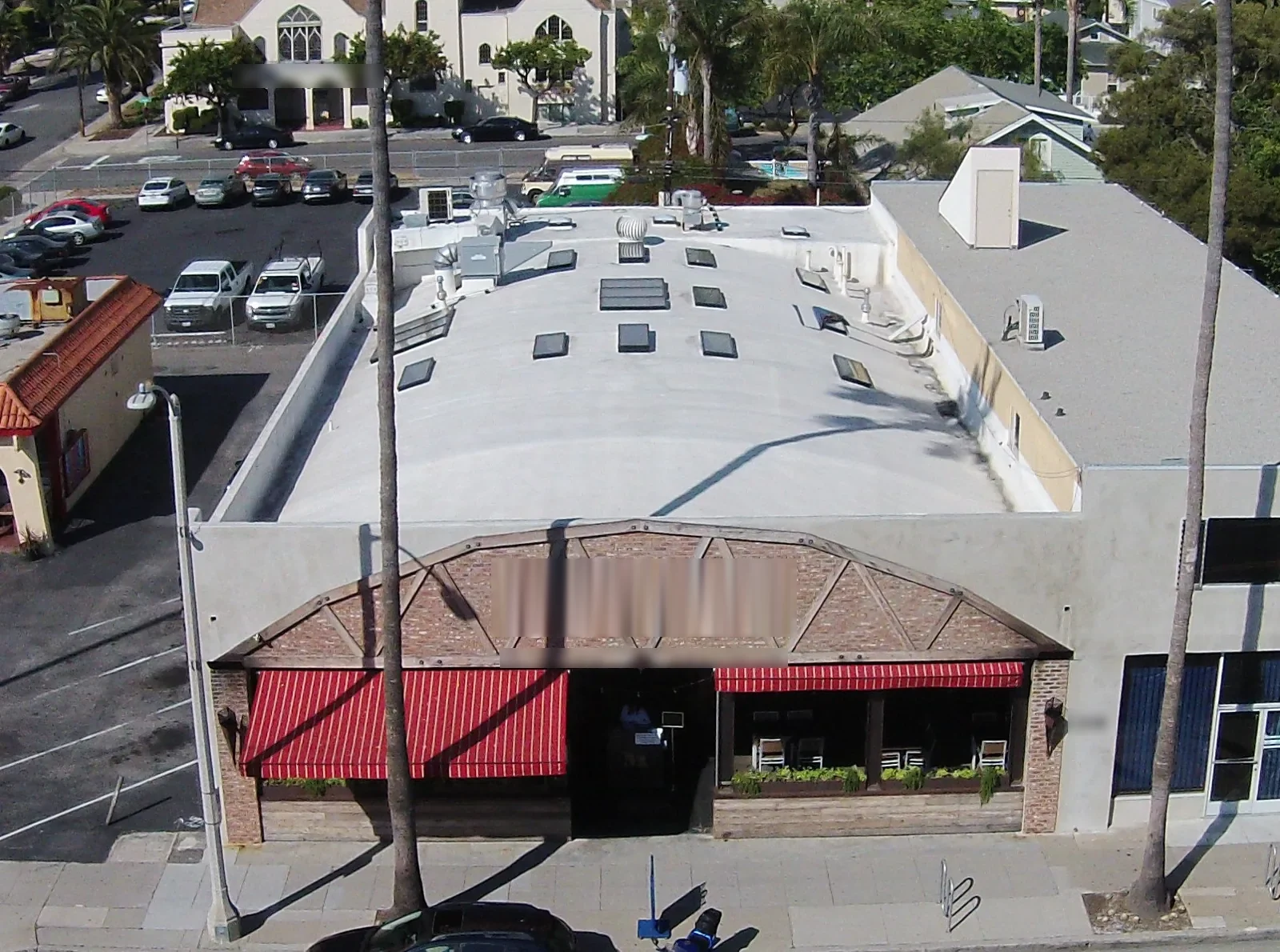
Before coating, we define which roof zones need repair and how each tie-in will be finished. Seams, penetrations, curbs, drains, parapets, and metal edges can require reinforcement or separate flashing work. The system documents should state the coating type, preparation, application conditions, and required dry film build for the specified assembly. Solano Avenue is one of Vallejo's priority main streets for streetscape improvements; the roof walk still has to establish adhesion, drainage, and transition conditions at the assigned property. We confirm those details at the building. If roof insulation or cover board is damaged, the proposal should show whether removal and replacement are included. A cover-board and insulation scope can be coordinated with the selected coating or a broader reroof. Edge conditions need their own treatment, and perimeter metal work should be identified where the coating meets a termination or gutter.
Choose the Application Window Carefully
Cleaning, repair, primer, and coating stages need suitable weather and enough time for the system to cure. We plan material staging, water use, ventilation, overspray protection, and access restrictions with the facility contact. If air intakes or nearby work areas could be affected, note them before cleaning begins. On Mare Island, some commercial properties have large doors or overhead handling equipment, so verify the specific site's clearances and operating schedule. Those conditions do not apply automatically to other buildings. A phased sequence protects each work area if operations or weather interrupt the shift. Record the day's substrate readings and weather window before primer or coating is applied. For an occupied site, an operations plan can coordinate notices, interior protection, and daily close-in. The owner should know which zones will be unavailable and who receives the roof at each handoff.
Keep a Record of the Restored Surface
Closeout should identify the substrate where confirmed, coating type, preparation, repaired areas, application limits, and transitions completed. Keep photographs of seams, drains, curbs, and representative field areas by roof zone. Record exclusions and field changes so the next inspection can compare the same surfaces and understand where new coating begins. A property on Sonoma Boulevard and a building in Mare Island can use one reporting format without sharing the same roof history. The record helps the owner schedule inspections, track surface wear, and compare a future recoat with replacement. If coating loss appears near a drain or patch, note its location before adding another layer. For an acrylic assessment, bring the coating history, repair photos, access restrictions, and target work window so preparation questions can be tied to the observed surface. We will connect the observed condition to a renewal scope and keep the assembly record useful for the next capital window. Where two coating families remain under consideration, show primer, reinforcement, and film-build requirements separately so ownership can see which substrate condition would change the proposed system.
Commercial Roofing Questions
When does an acrylic coating fit a commercial roof?
We consider it when the existing surface is compatible, stable, prepared correctly, and drains as required by the selected system. The roof's substrate, slope, seams, penetrations, and prior coating history all affect the decision. A test area can help with uncertain surfaces. The scope should identify repairs and any limits so the owner can compare coating with recover or replacement using the same roof-condition record.
Can acrylic coating be used where water remains after rainfall?
System requirements and the duration and extent of water retention need review. We inspect drainage, low areas, outlets, and transitions before recommending an application. A coating does not create slope, clear an outlet, or correct a failed drain detail. The proposal should identify whether drainage correction is included and state the limits of surface renewal if roof geometry remains unchanged.
What preparation is required before acrylic roof coating?
Preparation can include cleaning, removal of loose material, repair of seams and penetrations, and primer where the selected system requires it. We verify the existing substrate and perform a test area when compatibility is uncertain. The written scope should name each preparation step and identify the roof zones included. Surface conditions that are not suitable for coating need a defined repair or removal path.
How do acrylic coatings differ from silicone roof coatings?
The systems have different material properties, application requirements, and suitability criteria. We compare the substrate, slope, water exposure, surface condition, and manufacturer requirements before recommending either one. The owner should review preparation, reinforcement, coverage, and maintenance expectations in the proposed assembly. A coating name by itself does not resolve a drainage or substrate problem.
What should the roof file contain after coating work?
Keep the substrate information, coating type, preparation, repairs, application zones, photographs, and field changes together. Note areas excluded and the transitions treated at drains, curbs, walls, and edges. Those details let a future inspector compare wear with the original renewal boundary and plan maintenance without assuming that the coating covers every roof condition.
Confirm the Substrate and Water Path
Arrange a Vallejo roof review with available plans, repair history, access needs, and budget timing. We will document surface condition, drainage, and preparation needs before comparing acrylic coating with other renewal paths.
Request a Roof Assessment
Questions About Commercial Acrylic Roof Coatings in Vallejo, CA
Common questions from building owners and property managers.
When does an acrylic coating fit a commercial roof?
We consider it when the existing surface is compatible, stable, prepared correctly, and drains as required by the selected system. The roof's substrate, slope, seams, penetrations, and prior coating history all affect the decision. A test area can help with uncertain surfaces. The scope should identify repairs and any limits so the owner can compare coating with recover or replacement using the same roof-condition record.
Can acrylic coating be used where water remains after rainfall?
System requirements and the duration and extent of water retention need review. We inspect drainage, low areas, outlets, and transitions before recommending an application. A coating does not create slope, clear an outlet, or correct a failed drain detail. The proposal should identify whether drainage correction is included and state the limits of surface renewal if roof geometry remains unchanged.
What preparation is required before acrylic roof coating?
Preparation can include cleaning, removal of loose material, repair of seams and penetrations, and primer where the selected system requires it. We verify the existing substrate and perform a test area when compatibility is uncertain. The written scope should name each preparation step and identify the roof zones included. Surface conditions that are not suitable for coating need a defined repair or removal path.
How do acrylic coatings differ from silicone roof coatings?
The systems have different material properties, application requirements, and suitability criteria. We compare the substrate, slope, water exposure, surface condition, and manufacturer requirements before recommending either one. The owner should review preparation, reinforcement, coverage, and maintenance expectations in the proposed assembly. A coating name by itself does not resolve a drainage or substrate problem.
What should the roof file contain after coating work?
Keep the substrate information, coating type, preparation, repairs, application zones, photographs, and field changes together. Note areas excluded and the transitions treated at drains, curbs, walls, and edges. Those details let a future inspector compare wear with the original renewal boundary and plan maintenance without assuming that the coating covers every roof condition.